2027 Is Grand Canyon University's Online BS in Finance - Financial Planning Worth It? What Students Should Know

Co-Founder and Chief Data Scientist
Choosing an online BS in Finance - Financial Planning program requires balancing flexibility with career advancement potential. With online higher education enrollment increasing by over 8% according to the National Center for Education Statistics, accessibility shapes student decisions more than ever. However, prospective students must assess whether program rigor, curriculum relevance, and industry recognition align with their aspirations, particularly in financial planning fields demanding certified expertise.
Grand Canyon University's offering should be evaluated on its ability to build practical skills for evolving market demands and accommodate varied schedules without compromising quality. This article explores these factors to clarify if the program suits your academic and professional goals.
Key Points About Grand Canyon University's Online BS in Finance - Financial Planning Program
- Grand Canyon University's online BS in Finance - Financial Planning has a 60% acceptance rate, balancing accessibility with selectivity, which may affect the cohort's overall preparedness level.
- The total tuition cost of $37,212 paired with a 1.91x earnings to debt ratio signals a moderate financial investment with reasonable long-term salary gains for graduates.
- Employers recognize the program's practical curriculum and supportive faculty, translating into career readiness and increased employability within competitive finance sectors.
What makes Grand Canyon University's online BS in Finance - Financial Planning program stand out?
The scale of Grand Canyon University's online BS in Finance - Financial Planning program offers distinct benefits, particularly for students who require flexibility without sacrificing access to varied expertise. With a faculty comprising 1,845 full-time and 5,928 part-time instructors supporting over 107,563 students, learners can engage with diverse instructional approaches and real-world insights-a critical factor for roles demanding broad financial knowledge. For working adults juggling career and education, this flexibility enables sustained progression when many traditional programs may impose scheduling conflicts.
This program's fully online structure is designed to balance rigor with adaptability, making it suitable for professionals aiming to align studies with job responsibilities. The comprehensive curriculum covers key financial planning topics aligned with industry expectations, providing foundational preparation for certification or entry-level financial roles. While the program's 43% graduation rate reflects common challenges of adult learners managing multiple obligations, the extensive support and resource availability improve resilience compared to less resourced programs.
Ultimately, Grand Canyon University's BS in Finance - Financial Planning stands out through its combination of scale, flexible delivery, and faculty diversity. These features cater well to students needing a practical, career-oriented education in finance but require a realistic commitment assessment due to typical adult learner time constraints and the competitive nature of finance careers.
Is it difficult to get admitted to Grand Canyon University's online BS in Finance - Financial Planning program?
Admission into BS in Finance - Financial Planning programs typically balances academic standards with market demand, making entry moderately selective rather than highly competitive. Many programs require a solid but not elite academic profile, reflecting the field's practical orientation and the need for capable candidates given financial sectors' steady hiring. This dynamic means applicants often navigate tradeoffs between program reputation, admission difficulty, and career preparedness.
For Grand Canyon University's online BS in Finance - Financial Planning, the overall acceptance rate near 60% indicates accessibility above more restrictive institutions but lower than open enrollment formats. Admitting 28,960 out of nearly 48,000 applicants, the university requires applicants to demonstrate academic readiness through SAT scores roughly between 540 and 620 verbal and 518 and 555 math, or ACT scores in a 19 to 156 range. This moderate threshold reflects a deliberate balance: the program aims to maintain competent cohorts while accommodating adult learners and working professionals seeking flexible learning paths.
This level of selectivity impacts workforce entry; candidates admitted through moderate hurdles may still face intense on-the-job competition where employers weigh practical experience alongside credentials. Still, candidates from this program should be prepared for roles demanding strong financial analysis capabilities with a focus on client advising and planning.
One graduate recalled hesitating before applying as work demands and family obligations delayed her preparation. "I wasn't sure if my test scores met their range or if applying online would complicate things," she shared. She appreciated the university's transparent admission standards, which allowed her to plan strategically, submitting applications in stages. The admission decision's timing gave her relief, allowing her to balance job transitions with enrollment, emphasizing how moderate difficulty can create a manageable yet purposeful gateway for committed students.
How does the curriculum of Grand Canyon University's online BS in Finance - Financial Planning program stay aligned with current industry trends?
The curriculum of Grand Canyon University's online BS in Finance - Financial Planning reflects a targeted effort to prepare graduates for current employer demands, yet the practical alignment requires scrutiny. Many financial planning roles now demand proficiency not only in theoretical knowledge but also in technology-enabled advisory tools and ethical governance-a balance that GCU's program attempts to address. However, students should consider how this program's emphasis compares with competing curricula that may offer deeper specialization or more intensive certification preparation.
Below are key factors illustrating how this online finance degree curriculum aligns with industry standards and career readiness expectations.
- Comprehensive Financial Topics: The program includes essential courses on investment strategies, risk management, retirement planning, and tax considerations, covering foundational material that financial advisors and planners must master. This broad approach ensures a baseline competence expected by employers but may limit time spent on cutting-edge innovations or niche specializations.
- Technology Integration: Recognizing the sector's shift toward digital tools, GCU incorporates training in financial software and analytical methods. Such skills are increasingly crucial as advisory services rely on data-driven decision-making and client-facing technology platforms, providing students with a practical edge in real-world challenges.
- Ethics and Certification Focus: The curriculum emphasizes regulatory compliance and ethical practices linked to standards like the CFP® designation. This alignment prepares students for certification exams-often a prerequisite for many financial planning positions-and reflects employer priorities for trustworthy advisory professionals.
Ultimately, while Grand Canyon University's program captures key industry expectations and offers relevant career preparation, prospective students balancing cost, time, and depth should consider how this education fits their specific professional trajectories.
For those exploring various pathways, comparing this BS in Finance - Financial Planning option with other offerings in the crowded online education space can reveal differing tradeoffs in specialization and practical training. More broadly, individuals will want to assess how well the program's curriculum keeps pace within an evolving field increasingly shaped by technology and client-centric models.
Students interested in exploring additional access to easy degrees to get online that pay well may find value in further research beyond financial planning alone and can consult easy degrees to get online that pay well for broader workforce insights.
How much does Grand Canyon University's online BS in Finance - Financial Planning program cost?
The tuition for Grand Canyon University's online BS in Finance - Financial Planning program totals $17,450 annually, with an overall annual cost including fees, books, and living expenses reaching $37,212. This pricing structure impacts financial planning for students who must consider whether the total investment aligns with their career goals and earning potential. For some, the absence of separate online-specific technology fees at GCU offers a practical advantage, particularly for remote learners balancing work and studies.
Students eligible for financial aid may find the cost more manageable. About 99% of undergraduates receive assistance averaging $7,744, which substantially reduces net expenses. Employer tuition reimbursement programs also factor into the calculus, addressing workforce realities for professionals seeking to upskill without incurring prohibitive debt. Integrating these supports is critical when assessing the true price of a GCU online finance degree cost against out-of-pocket commitments.
Compared to other institutions, GCU's tuition and fees are competitive. Many schools impose higher out-of-state rates or online course fees, which can push total costs beyond GCU's flat-rate tuition. This uniform pricing regardless of geographic location removes significant barriers for non-resident students, a key consideration in evaluating whether the BS in Finance - Financial Planning program's cost is justified by the flexibility and reduced financial unpredictability it provides.
For students weighing the decision, understanding the link between tuition outlay and potential career outcomes is vital. When investigating what career makes the most money, the program's cost should be contextualized alongside long-term earning prospects and market demand for financial planners. This economic perspective helps clarify whether investing in the Grand Canyon University online finance degree cost effectively positions graduates for sustainable workforce success.
What are the admission requirements for Grand Canyon University's online BS in Finance - Financial Planning program?
The admission requirements for Grand Canyon University's online BS in Finance - Financial Planning program reflect a selective approach that balances academic readiness with practical benchmarks. Prospective students unable to meet the full suite of preferred credentials may face challenges when competing with applicants showing stronger academic preparation, affecting access to this program.
Understanding these specifics is crucial for applicants to assess realistic entry prospects and plan accordingly. The following key criteria clarify what the university expects from candidates.
- Educational Background: Applicants must have completed high school or hold a GED certificate, accompanied by a secondary school GPA and academic record to demonstrate foundational competence.
- English Proficiency: Proof via the TOEFL exam is required, ensuring that students can effectively engage with course material and communicate in an English-language academic environment.
- Recommended Submissions: While letters of recommendation, formal competency demonstrations, and tests such as Wonderlic or WISC-III are suggested, these materials are optional and primarily serve to strengthen an application.
- Credit Recognition: The program does not accept dual credit but allows for advanced placement (AP) credits and recognizes life experience for credit, providing some flexibility for transfer students.
- Standardized Testing Range: SAT verbal scores between 540 and 620 and math scores between 518 and 555 are acceptable, along with ACT scores from 19 to 156, reflecting moderate standardized testing requirements.
What is the ROI of attending Grand Canyon University's online BS in Finance - Financial Planning program?
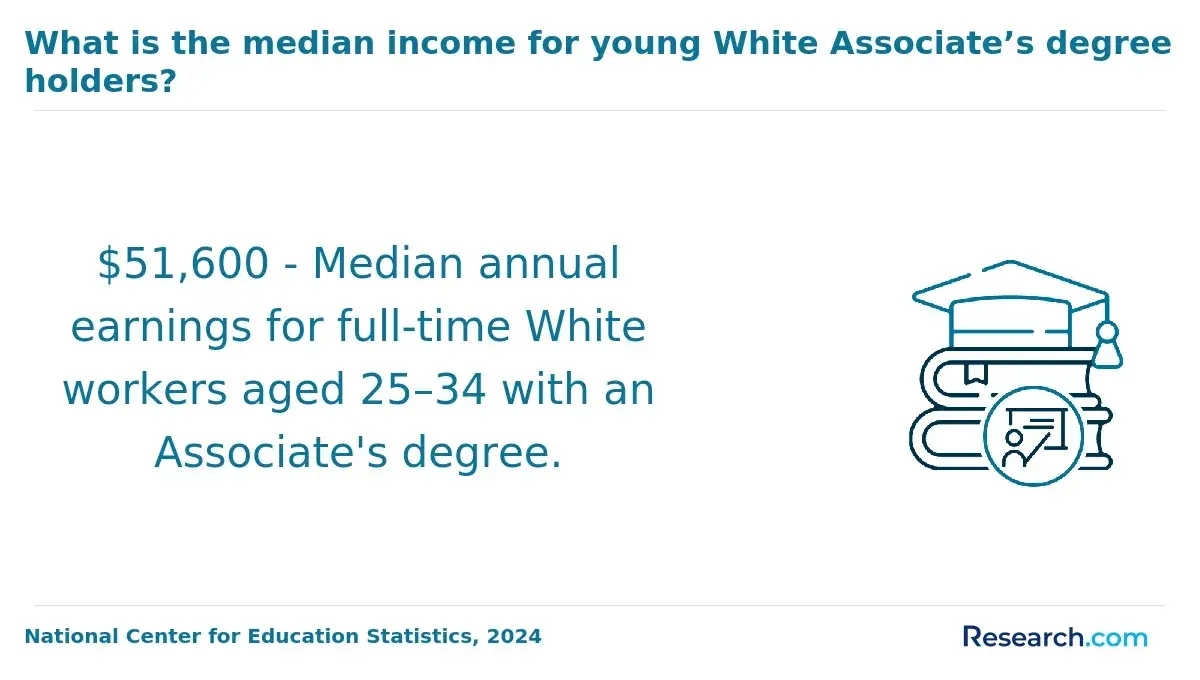
The return on investment (ROI) of Grand Canyon University's online BS in Finance - Financial Planning reflects a tradeoff between manageable debt levels and modest starting salaries that may initially restrain financial upside. With an annual total cost of attendance around $37,212, the median graduate salary reported is approximately $42,186, which is roughly on par with starting incomes reported in federal datasets for the field. This signals that immediate financial returns are limited, especially when factoring in the median student debt of $22,114. However, the earnings-to-debt ratio near 1.9x suggests graduates generally earn enough to service debt reasonably within the early career phase.
Actual ROI outcomes are sensitive to individual circumstances such as access to scholarships, grants, or employer tuition assistance, which can substantially reduce upfront costs. Additionally, graduates who secure positions in corporate finance departments or government agencies often experience incremental salary growth after five to ten years. This progression is critical since the base salary remains steady for many initially, making mid-career earnings the key lever affecting long-term ROI. Prospective students should weigh these factors carefully, especially if their post-graduation plans include certification or networking efforts that can materially improve income potential.
In comparison to broader finance degree outcomes, grand canyon university's program may offer a financially viable pathway for those prioritizing flexible online study, but those targeting rapid salary acceleration should consider the program's moderate initial income trajectory relative to cost. Workforce demand continues for financial planning roles, yet the degree's practical value depends heavily on external supports and career development beyond graduation.
Is there a high student satisfaction for Grand Canyon University's online BS in Finance - Financial Planning program?
Student satisfaction in GCU's online BS in Financial Planning program depends heavily on individual discipline and the ability to navigate a demanding coursework pace. While many students appreciate the program's flexibility, especially when balancing studies with work or family commitments, the rigorous academic expectations can challenge those lacking strong time management skills. This shapes a mixed experience where the convenience of online learning competes with maintaining consistent engagement and motivation.
The student culture at GCU supports online learners through mentoring programs and various student-led organizations aimed at fostering connection beyond virtual classrooms. These resources are essential in offsetting the isolation common to remote education and helping students manage typical obstacles tied to professional and personal life integration. However, despite these supports, the relatively modest graduation rate indicates that completing the program remains a hurdle for a significant portion of enrollees.
Faculty accessibility and peer interaction via online platforms contribute positively to student satisfaction by providing avenues for academic support and collaboration, yet the rigor and pacing of coursework require active effort. Prospective students should weigh not only the flexible format but also the self-driven nature of the degree when assessing fit and potential outcomes.
One graduate shared that starting the program while working full-time in a financial services role gave them pause-they recall nights stretched thin trying to meet deadlines after a full workday. Still, the tailored mentoring and ability to connect with faculty helped keep them on track. "It wasn't easy juggling everything, but the program's structure allowed me to focus on what mattered most," they said, reflecting relief at having completed the degree despite moments of doubt along the way.
How does Grand Canyon University help online BS in Finance - Financial Planning graduates secure employment?
The ability of Grand Canyon University to support online BS in Finance - Financial Planning graduates in finding relevant employment hinges on the strategic integration of career services that reflect employer expectations and workforce needs. Graduates face a competitive job market where well-structured institutional support can differentiate candidates by enhancing practical readiness and networking access.
Data shows that 85% of students actively using their school's career services secure positions within a year, compared to 63% who do not, underscoring the tangible impact of these supports. This advantage is especially pertinent in finance roles requiring both technical skills and industry connections.
Below are key resources supporting job placement:
- Virtual Job Fairs: These events connect students directly with employers looking for finance and financial planning talent, often allowing applications before graduation to expedite hiring processes.
- Resume Workshops: Tailored sessions enhance the presentation of technical and soft skills critical to finance roles, improving the likelihood of passing employer screening.
- Job Placement Portal: A centralized platform aggregates finance job openings suited to graduates, streamlining the often fragmented job search and targeting relevant opportunities.
- Alumni Mentorship: Pairing students with experienced finance alumni provides industry insights and network access, which significantly enhances prospects for timely employment.
Incorporating these targeted career support services reflects grand canyon university's approach to addressing practical employability. Prospective students should consider how this ecosystem aligns with their personal career strategies within finance.
For those weighing cost-effective education options with workforce engagement, examining programs like this alongside ranked affordable online master's programs may be instructive for long-term planning. Such considerations are fundamental for maximizing returns on investment in finance education pathways.
What are the career outcomes for recent graduates of Grand Canyon University's online BS in Finance - Financial Planning?
Graduates of Grand Canyon University's online BS in Finance - Financial Planning often enter roles where interpreting complex financial data and advising clients are essential job functions. Career outcomes are critical in evaluating whether this program delivers tangible value, as they reflect the program's ability to equip students for viable positions in a competitive job market.
For students weighing enrollment, understanding these outcomes illuminates how well-prepared they will be for real-world financial planning jobs for GCU online degree holders and what salary expectations they might reasonably have. Below are some common career pathways and what they entail, illustrating the practical applications of the skills developed through this degree.
- Financial Analyst: Professionals in this role analyze market trends and company financials to guide investment decisions, earning around $45,000 annually. This position demands strong quantitative skills and familiarity with portfolio management.
- Financial Planner: These specialists work directly with clients to craft comprehensive financial strategies, including retirement and estate planning. Their role requires blending technical knowledge with interpersonal communication, typically offering competitive salaries within financial planning jobs for GCU online degree holders.
- Investment Advisor: Focused on managing clients' investment portfolios, these advisors assess risk and market opportunities to optimize returns. Employers prioritize candidates with specific industry knowledge and certifications gained through such finance programs.
- Budget Analyst: Tasked with monitoring and allocating organizational budgets, budget analysts ensure fiscal efficiency and compliance, affecting operational decisions across sectors.
The average alumni salary in finance at Grand Canyon University tends to surpass fields like communication and marketing, positioning graduates relatively well in terms of earning potential. This comparative advantage can influence a student's decision to pursue the degree, aligning career goals with viable financial outcomes.
For those considering further educational options, accessing free online college applications may provide additional pathways to complement or advance their credentials.
How do I know if Grand Canyon University's online BS in Finance - Financial Planning program is the right fit for my goals?
Determining if Grand Canyon University's online BS in Finance Financial Planning program suitability aligns with your goals hinges on understanding how its structure and outcomes fit your specific career objectives. For example, if your aim is to quickly pivot into financial advisory roles requiring CFP certification, a program lacking targeted preparation for such credentials may delay workforce entry or necessitate additional study.
Several factors influence whether the investment is justified, depending heavily on your academic and professional aims. Consider these core criteria when evaluating the program:
- Curriculum Alignment: Review the scope of courses to ensure coverage of vital financial planning topics like investments, retirement strategies, and tax principles. Confirm the curriculum equips you with applicable skills that match employer expectations for your intended role.
- Program Flexibility: Since the program is online, examine if the delivery format suits your schedule and learning preferences. Asynchronous options and support for balancing employment can be decisive for working students.
- Accreditation and Industry Recognition: Verify that the program holds credible accreditation and prepares students for essential certifications such as the CFP exam, which many employers prioritize when hiring financial planners.
- Career Services and Networking: Investigate the availability of career placement assistance and alumni networks. Access to these resources often correlates with improved post-graduation employment outcomes in competitive financial roles.
By weighing these factors in relation to your individual goals, you can more critically assess how well the Grand Canyon University online BS in finance financial planning fits your career goals. For a broader look at alternative models within higher education, such as competency-based pathways emphasizing skills over seat time, consider exploring resources covering the best competency-based colleges.
What Graduates Say About Grand Canyon University's Online BS in Finance - Financial Planning Program
- Hunter: "Studying at Grand Canyon University allowed me to balance work and education effectively, which was critical as I transitioned careers. The BS in Finance - Financial Planning program gave me a strong foundational knowledge that helped when applying for entry-level roles, but I quickly realized employers valued hands-on experience and certifications more than just the degree. That insight pushed me toward pursuing internships and planning for CFP certification, which boosted my opportunities for remote and flexible positions."
- Marvin: "Grand Canyon University's BS in Finance - Financial Planning program was a rigorous introduction to the financial planning industry, but I noticed after graduating that many employers prioritize portfolios and demonstrated client management skills over licensure alone. While the degree helped me enter the workforce faster, I found salary growth somewhat limited without further certification, so I chose to pivot toward financial analysis roles where my degree and critical thinking skills were more valued. Reflecting back, the program gave me the versatility to adapt within the broader finance field."
- Jerome: "The flexibility of Grand Canyon University's online BS in Finance - Financial Planning program was essential for me when juggling family and career development. The coursework deepened my understanding of financial concepts, which helped me confidently advise clients. However, I quickly learned that competing for senior advisor roles requires more than just a degree-networking and real-world experience are crucial. Overall, the degree boosted my career by opening doors to new opportunities, but I remain mindful of the practical realities in advancing further."
Other Things You Should Know About Degrees
The online BS in Finance - Financial Planning program at Grand Canyon University is designed with flexibility in mind, but the workload remains rigorous. Students should expect a steady pace of assignments, including case studies, financial modeling, and quizzes, which require consistent time management. Those working full-time may need to prioritize and possibly reduce work hours or extend their study timeline to maintain quality outcomes.
While the program offers virtual interaction through discussion boards and group projects, it lacks the in-person networking that benefits some traditional students. This may limit spontaneous connections with peers and industry professionals. Prospective students should be proactive in seeking external finance-related events or local professional groups to supplement networking if that is a key goal.
The curriculum covers the foundational theories and tools for financial planning, but the program does not include extensive hands-on internships or live client projects. Graduates may need to pursue additional real-world experience or certifications like CFP® to build the practical advisory skills that employers and clients typically expect. Prioritizing work experience alongside the degree can improve readiness for advisory roles.
References
- Finance Degree | Financial Planning Course | Financial Planner Programs | Advisor Courses and Schools | What is a Financial Planner? | What does a Financial Planner do? https://www.financialplannerworld.com/states/
- Master’s in Personal Financial Planning https://www.kaplanfinancial.com/wealth-management/masters-program/ms-personal-financial-planning
- Grand Canyon University (GCU) Rankings, Campus Information and Costs | UniversityHQ https://universityhq.org/best-colleges/grand-canyon-university/
- Grand Canyon University - Finance and Accounting Degrees, How to Apply, Tuition & Financial Aid https://www.topaccountingdegrees.org/school-profiles/grand-canyon-university/
- Grand Canyon University – Fullerton Financial Planning https://fullertonfp.com/grand-canyon-university/
- Grand Canyon University Ranking: What You Need To Know https://www.staging.westernautisticschool.vic.edu.au/vic-news/grand-canyon-university-ranking-what-you-need-to-know-1767648806
- 105 schools for financial planning https://www.financial-planning.com/list/colleges-for-financial-planning
- How to choose the right study pathway into financial planning - Advice Academy https://adviceacademy.au/how-to-choose-the-right-study-pathway-into-financial-planning/
- Education, Career Choice, and Financial Planning https://www.financialplanningassociation.org/article/journal/FEB21-education-career-choice-and-financial-planning