2027 University of Washington Online Master of Science in Information Management - Data Science: Cost, Admissions, Curriculum, and Career Paths

Co-Founder and Chief Data Scientist
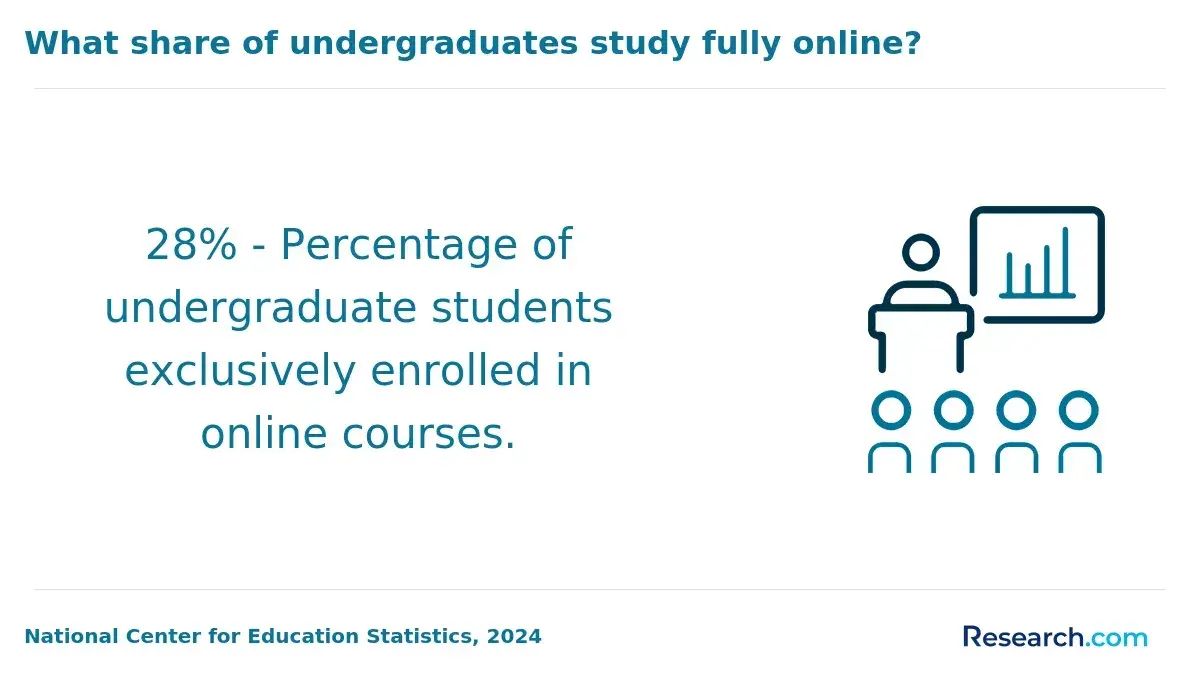
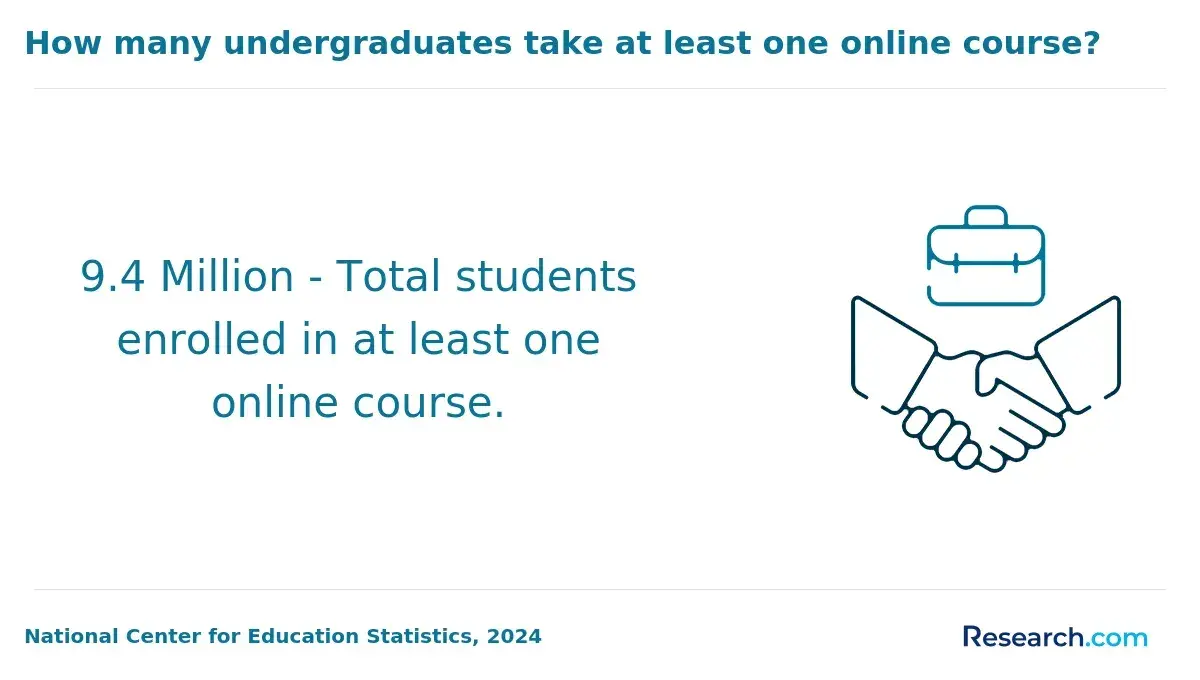
Many prospective learners struggle to determine if the University of Washington online master of science in information management - data science program meets their academic and career objectives while fitting their lifestyle. With online education enrollment growing by over 12% in 2024 according to the National Center for Education Statistics, flexibility has become a critical factor in graduate program choice.
This growth reflects a broader shift toward accommodating working professionals and adult learners balancing multiple commitments. Understanding how this program's curriculum, admission requirements, and career outcomes align with evolving workforce demands is essential. This article explores these aspects to help clarify whether the program suits your goals and preferences.
Key Points About University of Washington's Master of Science in Information Management - Data Science Program
- An acceptance rate of 43% indicates moderate selectivity, requiring applicants to demonstrate relevant background and skills, which influences the competitive nature of program admission.
- Graduates of this Master of Science in Information Management - Data Science often benefit from recognized faculty networks, enhancing employer perception and career advancement opportunities in data-centric roles.
- The total tuition cost of $36,679 presents a significant financial commitment, necessitating thorough consideration of potential return on investment for varied student circumstances.
What can students expect from University of Washington's online Master of Science in Information Management - Data Science curriculum?
Employers increasingly seek candidates with both technical mastery and strategic insight, a balance central to the online Master of Science in Information Management - Data Science curriculum at the University of Washington.
This program aligns closely with national standards for data science education, integrating interdisciplinary content to meet evolving workforce demands. The curriculum structure for the University of Washington data science program includes:
- Data Mining and Machine Learning: These courses require students to apply algorithmic techniques on large datasets to extract patterns and predictions. Mastery here is critical, as employers prioritize candidates who can leverage machine learning to optimize business processes or research analysis.
- Ethics and Data Governance: Coursework in this area focuses on privacy, responsible data use, and regulatory compliance. Understanding these frameworks is increasingly mandated by employers to mitigate legal and reputational risks in data science roles.
- Applied Practicum and Capstone Project: This culminating experience tasks students with addressing real-world problems, fostering the ability to translate theoretical knowledge into actionable solutions under business constraints. This hands-on element distinguishes graduates in competitive job markets.
Compared to many other online master of science in information management data science curriculum overviews, this program emphasizes a blend of information science, computer science, and business intelligence. This blend equips graduates to transition smoothly into roles such as data analyst, engineer, or information manager with a nuanced understanding of both technical execution and organizational strategy.
For students evaluating graduate programs, the University of Washington model demonstrates the practical challenges and expectations common in data science careers, reinforcing the importance of applied skill development.
For those exploring options, comprehensive data on other programs can be useful. Resources like master's degrees online provide comparative insights to help gauge fit and outcome potential.
What are University of Washington's admission requirements for online Master of Science in Information Management - Data Science program?
Meeting admission requirements for the University of Washington's online Master of Science in Information Management - Data Science involves presenting a comprehensive academic record rather than relying solely on standardized test scores. For example, an applicant with strong undergraduate coursework but no SAT or ACT scores can still be competitive if they document their academic competencies effectively.
Applicants should focus on demonstrating readiness through transcripts and supplementary materials that reflect their preparation for graduate-level work. The essential admission components include the following:
- Secondary School Records: Applicants must submit transcripts showing completion of a college-preparatory program and report their secondary school GPA. While school rank is only recommended, providing a solid academic foundation from secondary education remains important for baseline assessment.
- Test Scores: SAT, ACT, and GMAT scores are not mandatory but recommended for demonstrating academic capabilities. International applicants must submit TOEFL scores to prove English proficiency, as this is a strict requirement reflecting program rigor and communication demands.
- Academic Transcripts: Official records from post-secondary education are required to verify previous coursework and academic performance, allowing the admissions committee to evaluate the applicant's suitability for advanced study.
- Letters of Recommendation: While not required, these are encouraged to provide insight into an applicant's preparedness and fit for the program from trusted academic or professional sources.
- Transfer Credit Policies: There is no open transfer admission; transfer credits are reviewed on a case-by-case basis with no guaranteed acceptance, and credits for life experience or dual enrollment are generally not accepted.
Is it difficult to get admitted to University of Washington's online Master of Science in Information Management - Data Science program?
Gaining admission to a master's program in information management with a data science focus generally involves balancing strong academic credentials and relevant experience against a competitive applicant pool. Such programs tend to filter candidates not just on GPA and technical skills but also on demonstrated capacity to handle interdisciplinary demands spanning statistics, computer science, and business contexts.
The University of Washington's online Master of Science in Information Management - Data Science program has an acceptance rate of 43%, which is moderate compared to other graduate programs in the data sciences field. With 26,552 admitted from 62,428 applicants annually, the selection process is competitive yet accessible to applicants who meet key criteria.
The absence of SAT or ACT score requirements is standard for graduate admissions and shifts emphasis toward prior academic performance and professional experience, which can advantage applicants who have already built relevant skills in industry or previous degrees.
This admission dynamic means applicants must present a concise narrative demonstrating readiness for advanced data science work alongside relevant background rather than relying on standardized test metrics. For example, a data analyst transitioning into a management role might highlight work on large-scale data projects, which suits the program's practical orientation amid a field where technical aptitude and applied insights often outweigh test scores.
One graduate recalled feeling uncertain about the scale of the applicant pool and whether their nontraditional background in social sciences would hinder admission. Preparing a tailored application that framed their experience managing data-centric projects in public policy helped clarify their fit.
The relief upon acceptance stemmed less from overcoming a highly restrictive admissions barrier and more from successfully aligning prior work with the program's interdisciplinary expectations, underscoring the importance of strategic application focus.
What is the cost of attending an online Master of Science in Information Management - Data Science program at University of Washington?
Tuition for the University of Washington's online Master of Science in Information Management - Data Science program stands at $12,643, exclusive of books and supplies, which average about $900 annually. The total annual cost of attendance, including room and board estimates though not always pertinent for online learners, reaches $36,679.
This reflects a tuition structure where technology fees common in other online programs are notably absent. However, charges still depend on a student's residency status rather than a blanket online rate. Prospective students need to factor in these distinctions when comparing financial commitments.
When considering the University of Washington online msim data science tuition fees against national benchmarks, its costs fall within the typical range of $20,000 to $40,000 annually seen at comparable programs.
Unlike some programs that offer flat or uniform online tuition irrespective of state residency, this residency-based pricing can materially affect financial planning depending on where the student lives, adding complexity to cost-benefit analysis for professionals balancing work and study.
Employers in data science increasingly expect candidates to be not only technically skilled but also financially literate about their educational investments. The cost to earn a master of science in information management - data science at University of Washington, while competitive, should be weighed against potential salary uplift and job market realities. This helps mitigate risks associated with debt versus return, especially for those considering remote or hybrid roles post-graduation.
For students navigating their educational pathways, it is prudent to benchmark this program's cost and curriculum against other degree options, including insights from rankings of the best 4-year degrees. Doing so contextualizes the University of Washington offering within broader workforce dynamics and long-term career implications.
Are there financial aid options for online Master of Science in Information Management - Data Science students at University of Washington?
Financial aid availability for online Master of Science in Information Management - Data Science students at the University of Washington is nuanced and often less transparent than undergraduate aid options, which cover a significant portion of tuition for many undergraduates. Graduate students should anticipate a patchwork of funding sources rather than reliance on a single aid type, with a key tradeoff being the need to navigate various eligibility criteria and application timings.
For instance, a working professional employed by a tech company might rely heavily on corporate tuition reimbursement programs to offset costs, while another student without employer support may need to maximize federal loans combined with limited scholarships. Understanding these differences is crucial for effective financial planning. The following outlines primary financial aid avenues relevant to prospective students:
- University Scholarships: Merit and program-specific scholarships target academic excellence and alignment with information management priorities. Eligibility varies, and award amounts can cover partial tuition; application deadlines often precede admission.
- Federal Loans: Direct Unsubsidized and Grad PLUS loans are widely accessible to students meeting FAFSA and enrollment criteria, typically covering up to the cost of attendance but requiring careful attention to repayment obligations.
- Veteran Benefits: Eligible veterans may utilize GI Bill and related federal education benefits, which can fully or partially fund tuition and living expenses, though certification processes can delay disbursement.
- Corporate Tuition Reimbursement: Employees at partner companies can receive partial or full tuition reimbursement, contingent on employer policies and often requiring grade benchmarks or continued employment post-graduation.
- Institutional Aid and Fellowships: These vary by academic year and are awarded competitively; they can supplement other funding but are not guaranteed and frequently contingent on continued academic performance.
What learning resources are available to online Master of Science in Information Management - Data Science students at University of Washington?
Access to robust learning resources significantly affects the ability of online Master of Science in Information Management - Data Science students at University of Washington to translate academic knowledge into workplace effectiveness. Navigating technical challenges or gaps in applied skills without appropriate tools or support can delay project completion and reduce the practical value of the degree in competitive job markets.
Resource availability also influences the student's capacity to engage in meaningful research and maintain currency with rapidly evolving data science methodologies. Below is a focused overview of key resource elements integral to managing these demands.
- Digital Infrastructure: The program offers a comprehensive online platform that consolidates course materials, interactive sessions, and collaborative workspaces to simulate an on-campus environment. This continuity is crucial for students balancing complex workloads and remote access challenges.
- Technical Support: Dedicated teams assist with software compatibility, connectivity, and hardware issues, minimizing downtime and enabling students to maintain steady progress through technical hurdles common in data science workflows.
- Academic Advising: Personalized guidance helps students tailor their studies to career objectives and bridge knowledge gaps, ensuring alignment with industry expectations and enhancing readiness for specialized roles.
- Research Services: Access to extensive digital libraries and databases supports advanced inquiry necessary for effective data science problem-solving and the development of evidence-based projects.
- Professional Development: Career coaching, resume critiques, and interview preparation integrate into the curriculum, facilitating the transition from education to employment and connecting students to relevant professional networks through alumni and targeted recruitment initiatives.
Does University of Washington's online Master of Science in Information Management - Data Science program have in-person clinicals or practicums?
Many data science and information management graduate programs incorporate in-person practicums or clinicals to provide hands-on experience with physical datasets or client environments, which some employers still expect as part of training. However, this approach can limit accessibility for working professionals or those balancing geographic constraints.
The University of Washington online master of science in information management - data science program diverges from this norm by eliminating in-person clinicals or practicum components, offering a fully remote pathway that emphasizes practical skills through virtual means.
Specifically, University of Washington's online MSIM-DS program does not require students to complete in-person practicums or clinical experiences. Instead, it prioritizes project-based learning, with students engaging in real-world data science assignments using industry-relevant tools entirely online.
This model is designed to simulate hands-on experience through virtual collaboration, datasets, and capstone projects that replicate practicum outcomes without necessitating physical attendance. A significant consideration for students concerned about University of Washington online master of science in information management - data science in-person practicum requirements.
The lack of onsite clinicals or practicums reflects a tradeoff: while students may miss direct exposure to certain workplace settings, they gain flexibility and the ability to integrate learning with professional responsibilities. This also aligns with emerging industry acceptance of remote collaboration and data analysis workflows across sectors. For detailed comparisons of online master's programs that balance rigor and accessibility, prospective students can consult popular online colleges.
What careers can graduates of online Master of Science in Information Management - Data Science at University of Washington secure?
The practical value of a master's degree in information management - data science from University of Washington largely depends on its ability to open sustainable career pathways with measurable professional marketability. Graduates typically find themselves positioned to fill roles where advanced competencies in data algorithms, statistical modeling, and infrastructure design meet real organizational challenges.
For those evaluating job prospects after University of Washington Master of Science in Information Management - Data Science, understanding how these skills translate into demand-driven roles is crucial for aligning educational investments with employment trajectories.
These outcomes clarify why many employers prioritize candidates who not only grasp technical content but can apply it across sectors facing data complexity and scale. Below are some common career opportunities for University of Washington online graduates in this field:
- Data Scientist: Focuses on building predictive models and applying machine learning techniques on large datasets to extract actionable insights. This role commands competitive salaries reflecting its critical impact on business strategy and innovation.
- Data Analyst: Specializes in examining data trends and preparing reports that directly influence business operations. This position emphasizes communication of insights through visualization tools and requires adaptability to evolving data environments.
- Business Intelligence Analyst: Converts complex data into accessible dashboards and visual summaries, enabling stakeholders to monitor performance efficiently. These roles often serve as critical liaisons between data teams and decision-makers.
- Data Engineer: Designs and maintains the backend data architecture, ensuring storage, quality, and accessibility. The technical demands and scarcity of expertise often yield lucrative salary benchmarks in this specialty.
Graduates navigating these options confront tradeoffs between roles that prioritize strategic insight versus those centered on technical infrastructure. Those weighing further certification or alternative pathways such as short certificate programs that pay well may enhance specific employability facets depending on the sector focus.
The dynamic nature of data-driven decision-making across technology, healthcare, and finance sectors predicates ongoing skill updates and strategic career planning for sustained relevance.
What is the salary outlook for online Master of Science in Information Management - Data Science graduates?
The salary outlook for graduates of the University of Washington online Master of Science in Information Management - Data Science reflects a field where technical skills and domain expertise converge to create measurable labor market advantages. Compared to broader alumni salary figures, the specialized program situates graduates well above typical median earnings, evidencing employer willingness to pay premiums for data science competencies embedded in an information management context.
Alumni median salaries hover near the $67,196 range seen in general Computer and Information Sciences, with Computer Science peers earning around $101,710, signaling a tiered spectrum of opportunity based on technical depth and specialization.
For prospective students prioritizing returns, this difference underscores a tradeoff between broader informatics roles versus more technical software or computing positions, which typically pay higher but may require deeper coding expertise than some program curricula emphasize. The program's financial outcomes align with many employers valuing hybrid skills that balance data science, analytics, and managerial insight.
The University of Washington data science graduate salary outlook compares favorably with fields such as Business Administration and Social Sciences, whose medians are substantially lower. Graduates realistically position themselves to compete for roles amidst growing demand across sectors, including engineering and tech-adjacent jobs offering salaries like $137,584 in computer engineering or $73,856 in electrical engineering.
This suggests the program supports upward mobility but within defined market brackets. For those assessing career alignment, considering introvert jobs or roles where analytical, individual-contributor strengths are prized may guide application of this degree more effectively.
How do you know if University of Washington's online Master of Science in Information Management - Data Science program is the right choice for you?
Choosing whether the University of Washington's online Master of Science in Information Management - Data Science program fits your needs requires careful alignment with your personal objectives, learning style, and professional direction. Assessing key components of the program in relation to your situation helps avoid costly commitments and maximizes long-term value. Below are critical factors to consider when evaluating this program:
- Curriculum Balance and Focus: Analyze if the coursework addresses your desired blend of technical skills-such as machine learning and database management-and practical applications like data visualization and management principles. Ensure the topics taught have direct applicability to the sectors or roles you aim to enter.
- Learning Format and Flexibility: Consider how the program's asynchronous elements and online delivery fit your schedule, especially if you are working full-time or managing other commitments. Flexibility often trades off with live interaction, so weigh your need for real-time engagement against schedule autonomy.
- Student Culture and Collaboration: Investigate the extent of cohort-based learning and peer interaction, as these influence networking opportunities and real-world skill development in team environments. Determine if the program's community style matches your preference for collaboration or independent study.
- Career Relevance and Industry Connection: Evaluate how well the curriculum and faculty ties correspond to sectors where you seek employment, such as technology or healthcare. Aligning program offerings with current employer expectations can accelerate transition and advancement.
Reflecting on this, a recent graduate shared that their decision hinged on balancing part-time work with study demands. They appreciated how the online format allowed them to maintain income while progressing, though they initially felt apprehensive about missing live classes.
Over time, cohort projects helped compensate, providing essential peer support. This experience underscores how matching the program's structure and culture to one's working life and learning preferences can be the difference between success and frustration in such intensive online degrees.
What Graduates Say About University of Washington's Master of Science in Information Management - Data Science Program
- Chloe: "Studying at University of Washington gave me a solid grounding in both data theory and real-world application, but what stood out was the program's emphasis on building a portfolio through hands-on projects. In the hiring process, I noticed recruiters valued the actual work samples more than just my degree or certifications. This practical focus helped me land a role in a competitive market, although I quickly learned that climbing the ladder involves acquiring additional domain-specific skills beyond the curriculum."
- Hope: "The flexibility of the University of Washington's Master of Science in Information Management - Data Science program was crucial for me as I balanced remote work and family commitments. The courses provided up-to-date knowledge on data tools and analytics, which allowed me to pivot from a marketing background into data science within my company. However, I found career advancement slower without licensure or formal certifications, so I'm planning to supplement my degree with more specialized credentials to break into leadership roles."
- Eva: "I appreciated the rigorous curriculum at University of Washington, which prepared me for the realities of a data science career beyond academic theory. The program made me aware early on that employers are increasingly looking for candidates with internships or relevant work experience, so I prioritized gaining practical exposure during the degree. While the Master of Science in Information Management - Data Science opened doors, I had to be strategic applying for positions and continue learning on the job to stay competitive in this fast-evolving field."
Other Things You Should Know About Degrees
The cost for the University of Washington's Online Master of Science in Information Management - Data Science program in 2027 is approximately $20,000 per year for state residents and $36,000 per year for non-residents. Additional fees for materials and resources may apply.
While the program builds on foundational data science tools, it assumes a baseline proficiency with programming languages like Python or R and familiarity with database concepts. Students lacking these skills may face an initial steep learning curve. Investing time in preparatory coursework before enrollment is advisable to avoid falling behind early in the program and to fully benefit from advanced content.
The online delivery limits spontaneous, in-person networking, which can be critical for building relationships with peers and faculty. Although the program facilitates virtual collaboration and some live sessions, students should actively engage in online forums and professional groups to compensate. Prioritizing virtual networking and leveraging University of Washington's alumni resources can help mitigate this tradeoff but requires more intentional effort.
The program tends to be better aligned with students who have some technical or quantitative background, given its data science intensity and pace. Career switchers without prior experience should be ready for additional self-study to bridge gaps. For those lacking foundational skills, a sequential approach-completing prerequisite courses or certifications before admission-will improve success and reduce overwhelm during the core curriculum.
References
- MS in Information Management at University of Washington : Admission 2025-26, Requirements & Fees https://yocket.com/universities/university-of-washington/information-management-46140
- Master of Science in Information Management at University of Washington – Fees, Requirements, Eligibility & More https://www.gyandhan.com/study-abroad/usa/universities/university-of-washington/courses/master-of-science-in-information-management
- Master in Big Data Science https://www.kozminski.edu.pl/en/programs/graduate-programs-master/master-big-data-science
- Master in Data Science: career paths https://novaims.unl.pt/en/here-now/blog/master-in-data-science-career-paths/
- Student resources - Academic Affairs https://www.uwb.edu/academic-affairs/student-support
- What is a Good Master’s in Data Science Salary? | Elmhurst University Blog https://www.elmhurst.edu/blog/masters-in-data-science-salary/
- Best Online Data Science Master's Degrees https://www.computerscience.org/degrees/best-online-masters-data-science/