2027 Accredited Online Women's Health Nurse Practitioner Degree Programs With No GRE or GMAT Requirements

Co-Founder and Chief Data Scientist
Choosing an online women's health nurse practitioner program is harder when schools use different admissions rules. Many accredited WHNP programs now skip the GRE or GMAT, which can save time and testing costs, but it does not make accreditation, clinical training, or licensure requirements optional.
The decision matters because the U.S. Bureau of Labor Statistics projects nurse practitioner employment to grow 46% from 2023 to 2033. This guide helps registered nurses compare no-test WHNP programs, understand what admissions committees evaluate instead, and decide which option offers the best fit, flexibility, and long-term value.
Key Things You Should Know
- Many accredited online WHNP programs are test-free or test-optional; the GRE is the relevant exam for nursing graduate admissions, while the GMAT is rarely used for NP programs.
- No-GRE does not mean low standards: schools usually weigh RN licensure, nursing GPA, prerequisite coursework, clinical experience, recommendations, and the personal statement more heavily.
- The labor market is strong, with BLS projecting 46% growth for nurse practitioners from 2023 to 2033, but licensure, certification, clinical placement quality, and total cost matter more than test policy alone.
Which Accredited Online Women's Health Nurse Practitioner Degree Programs Do Not Require the GRE or GMAT?
Several accredited universities offer online or distance-accessible women's health nurse practitioner programs without requiring GRE or GMAT scores. The most common degree options are the MSN WHNP, BSN-to-DNP WHNP, post-master's WHNP certificate, and sometimes dual-focus pathways that combine women's health with another population focus.
The table below highlights examples of accredited online or hybrid-online WHNP pathways that have commonly advertised no-GRE or no-GMAT admissions policies. Because schools can revise requirements, applicants should confirm the current test policy directly with the nursing school before applying.
| School | WHNP pathway | Online format | Accreditation to verify | Standardized test policy | Best-fit applicant profile |
| University of Cincinnati | MSN Women's Health Nurse Practitioner | Online coursework with clinicals arranged locally when approved | CCNE-accredited nursing program | GRE generally not required for many MSN applicants | RNs seeking a focused WHNP MSN from a large public university |
| Drexel University | MSN Women's Health/Gender-Related Nurse Practitioner | Primarily online with required clinical practice experiences | CCNE-accredited nursing program | GRE commonly not required | RNs who want gender-related and reproductive health training in a flexible format |
| Frontier Nursing University | MSN or DNP Women's Health Care Nurse Practitioner | Distance education with clinicals in the student's community | ACEN-accredited nursing program | GRE not typically required | RNs comfortable with a community-based clinical placement model |
| University of Alabama at Birmingham | MSN Women's Health Care Nurse Practitioner | Online/distance-accessible coursework with clinical requirements | CCNE-accredited nursing program | GRE often not required for MSN admission | RNs comparing public-university tuition and multiple NP specialty options |
| University of South Alabama | MSN or DNP Women's Health Nurse Practitioner | Online coursework with clinical and skills requirements | CCNE-accredited nursing program | GRE generally not required for many graduate nursing applicants | RNs considering MSN, DNP, or certificate-level NP preparation |
| Kent State University | MSN Women's Health Nurse Practitioner | Online or mostly online coursework with clinical placements | CCNE-accredited nursing program | GRE typically not required | RNs who want an established public-university WHNP track |
| Regis College | MSN Women's Health Nurse Practitioner | Online coursework with in-person clinical practice requirements | ACEN-accredited or CCNE-accredited status should be verified for the specific nursing offering | No GRE often advertised for online graduate nursing pathways | Students prioritizing online access and practitioner-focused graduate nursing education |
| Stony Brook University | Women's Health Nurse Practitioner graduate pathway | Distance education with required on-site or clinical components | CCNE-accredited nursing program | GRE commonly not central to admission, but requirements should be confirmed | RNs interested in a public university with advanced practice nursing options |
When comparing these programs, pay attention to the wording. Test-free means the school does not consider scores. Test-optional means you may submit scores, but you are not required to. Test-waiver means scores may be waived only if you meet conditions such as a minimum GPA, graduate degree, or professional experience threshold.
If you want the shortest route to an advanced practice credential, compare the degree level carefully. An MSN may be faster than a BSN-to-DNP, while a post-master's certificate is only for nurses who already hold a graduate nursing degree.
Why Have Accredited Online Women's Health Nurse Practitioner Degree Programs Eliminated GRE and GMAT Requirements?
Many nursing schools have moved away from standardized testing because GRE scores often add limited value when applicants already have a nursing license, a college transcript, clinical references, and direct patient-care experience. For WHNP programs, the admissions question is less about abstract testing ability and more about whether the applicant can handle graduate pathophysiology, pharmacology, assessment, clinical decision-making, and patient counseling.
The cost and timing of exams also matter. The GRE General Test fee in the U.S. has been listed at $220 by ETS, before prep materials, score reports, or retake costs. Removing the test can reduce an avoidable barrier for working nurses who are applying between shifts, managing family responsibilities, or trying to start a cohort before deadlines close.
There is also a broader equity issue. Schools increasingly recognize that standardized test access, test preparation, and retake opportunities are not evenly distributed. A no-GRE policy can widen the applicant pool while still allowing programs to evaluate academic readiness through more relevant evidence, such as upper-division nursing grades and professional performance.
That said, eliminating the GRE does not mean a school has eliminated selectivity. Many programs simply shift the burden of proof to other application materials. A weak transcript, vague essay, or generic recommendation can hurt more in a no-test admissions process because there are fewer supplemental metrics to offset them.
What Admissions Criteria Matter Most Without GRE or GMAT Scores?
Without GRE or GMAT scores, WHNP admissions committees usually look for evidence that you can succeed in advanced clinical coursework and professional practice. A strong application connects your nursing background to women's health, reproductive care, gynecology, prenatal and postpartum care, contraception counseling, menopause care, health equity, or related clinical populations.
The table below summarizes the major admissions factors and how they typically influence a no-test WHNP application.
| Admissions factor | Why it matters | How to strengthen it |
| Active, unencumbered RN license | It is usually required for admission and future advanced practice clinical training | Resolve licensing issues before applying and confirm compact-state or state-specific rules |
| BSN or prior nursing degree | Most MSN WHNP programs require a BSN, while bridge pathways may have extra prerequisites | Check whether non-BSN RN pathways or RN-to-MSN options are available if needed |
| Undergraduate GPA | It replaces some of the screening function that standardized tests once served | Explain grade trends and consider retaking key science or nursing prerequisites if allowed |
| Clinical nursing experience | It shows readiness for advanced patient assessment and specialty practice | Emphasize OB-GYN, labor and delivery, public health, primary care, fertility, or community health experience |
| Personal statement | It helps faculty assess fit, maturity, and understanding of the WHNP role | Use specific patient populations, goals, and examples instead of broad statements about helping people |
| Recommendations | They validate clinical judgment, professionalism, and graduate-level potential | Choose supervisors, faculty, or advanced practice nurses who can describe your work in detail |
| Interview | Some programs use it to assess communication, ethics, and role clarity | Prepare to discuss scope of practice, clinical placement plans, and why WHNP fits your career goal |
If scores are optional, only submit them when they clearly improve your profile. For example, strong GRE scores may help if your GPA is below the program's preferred range, your science grades are old, or you are trying to show recent academic readiness. If your scores are average or weak, a test-optional policy usually works in your favor.
Applicants who need academic flexibility before entering a graduate nursing program may also compare self paced college courses for prerequisite refreshers, but they should confirm transferability before enrolling.
Are No-GRE or No-GMAT Online Women's Health Nurse Practitioner Degree Programs Easier to Get Into?
No-GRE WHNP programs are easier to apply to, but they are not automatically easier to get into. Removing a test requirement reduces application friction, yet accredited NP programs must still ensure students can meet graduate academic standards, complete supervised clinical hours, and qualify for national certification and state APRN licensure.
The difference is best understood as an admissions trade-off. Test-required programs may give applicants one more way to demonstrate readiness, while no-test programs place more weight on the materials you already have. This can help experienced nurses but may challenge applicants with limited clinical experience or inconsistent transcripts.
The comparison below clarifies how admissions pathways differ and when each may be useful.
| Admissions model | What it means | When it may help you | Possible drawback |
| Test-free | GRE or GMAT scores are not accepted or not reviewed | You have strong nursing grades, experience, and recommendations | You cannot use a high score to offset a weaker transcript |
| Test-optional | You choose whether to submit scores | You want flexibility and have strong scores available | Applicants may be unsure whether submitting scores helps or hurts |
| Test-waiver | Scores are waived if you meet certain conditions | You meet GPA, degree, or experience requirements for the waiver | Waiver rules may be narrow or change by cycle |
| Test-required | Scores are mandatory for all or most applicants | You have excellent scores and want another differentiator | It adds cost, time, and scheduling pressure |
If you are applying without scores, treat every other component as more important. A targeted statement, specific résumé, and strong clinical references can make a bigger difference than simply meeting the minimum GPA.
Students who are still deciding whether advanced nursing is the right healthcare path may compare other clinical routes, such as ultrasound tech school online, before committing to the longer RN-to-NP pathway.
Does Skipping the GRE or GMAT Affect Academic Quality or Accreditation?
Skipping the GRE or GMAT does not reduce academic quality by itself. Accreditation, faculty oversight, curriculum standards, clinical hour requirements, certification eligibility, and state licensure rules are far more important indicators of program legitimacy than standardized testing policy.
For WHNP programs, applicants should verify institutional accreditation and nursing program accreditation. Common nursing accreditors include the Commission on Collegiate Nursing Education and the Accreditation Commission for Education in Nursing. Accreditation matters because it can affect federal financial aid eligibility, transfer credit, employer recognition, certification eligibility, and state board approval.
A legitimate online WHNP program should still require rigorous graduate nursing coursework. Students can expect advanced health assessment, advanced pharmacology, advanced pathophysiology, women's health assessment, primary care management, reproductive and sexual health, prenatal and postpartum care, diagnostic reasoning, evidence-based practice, and supervised clinical experiences.
Use these checks before trusting any no-GRE program claim:
- Confirm the university is institutionally accredited by an accreditor recognized by the U.S. Department of Education.
- Verify the nursing program's CCNE or ACEN accreditation status for the specific degree or certificate pathway.
- Ask whether the WHNP curriculum prepares graduates for the National Certification Corporation Women's Health Care Nurse Practitioner exam.
- Confirm that the program meets APRN educational requirements in the state where you plan to practice.
- Review clinical placement expectations, including whether the school assists with placements or requires students to find preceptors independently.
Employers and licensing boards generally care about your license, certification, accredited education, clinical competence, and fit for the role. They typically do not ask whether you took the GRE before entering graduate school.
Which Students Benefit Most From Online Women's Health Nurse Practitioner Degree Programs Without GRE or GMAT Requirements?
No-GRE online WHNP programs are especially useful for licensed RNs whose real strengths are clinical experience, patient communication, leadership, and women's health exposure rather than standardized test performance. They are also appealing to nurses who need to avoid delaying an application cycle because of test scheduling or retake timelines.
These applicants often benefit most from test-free or test-optional WHNP admissions:
- Experienced RNs in labor and delivery, postpartum, gynecology, fertility, public health, family planning, primary care, or community health who can show clear alignment with the WHNP role.
- Working nurses who have limited time for test preparation but can provide strong transcripts, recommendations, and evidence of professional growth.
- Applicants with solid GPAs and recent nursing coursework who do not need a test score to prove academic readiness.
- Career changers within nursing who already hold a BSN and want to move from bedside or community nursing into advanced practice care focused on women across the lifespan.
- RNs in rural or underserved areas who need online coursework but can arrange approved clinical experiences near their community.
However, a WHNP program is not the right fit for everyone. If you want to treat patients across all genders and ages in broad primary care, an FNP pathway may fit better. If your main interest is psychiatric assessment and medication management, psychiatric-mental health nursing may be more aligned. If you are not already on the nursing pathway and want a much shorter entry into healthcare, a medical assistant degree online 6 weeks option may be more appropriate than a graduate NP degree.
How Do Tuition and Financial Aid Compare for No-GRE Online Women's Health Nurse Practitioner Degree Programs?
No-GRE programs are not automatically cheaper. Test-free admissions may save the exam fee and preparation costs, but tuition, fees, clinical travel, campus intensives, technology fees, books, background checks, immunization tracking, and certification exam costs can matter much more over the full program.
Federal loan costs are also important. For the 2024-2025 academic year, federal Direct Unsubsidized Loans for graduate students carried an 8.08% fixed interest rate, while Grad PLUS Loans carried a 9.08% fixed interest rate. Those rates mean that borrowing less, finishing on time, and choosing an affordable accredited program can have a meaningful effect on total repayment.
The table below shows the cost categories students should compare before choosing a no-GRE online WHNP program.
| Cost factor | Why it matters | Questions to ask the school |
| Tuition per credit | This is usually the largest direct cost | Is tuition charged by credit, semester, or program? Are online students charged different rates? |
| Total credits required | A lower per-credit price may not be cheaper if the program requires more credits | How many credits are required for the MSN, DNP, or certificate track? |
| Clinical placement costs | Students may pay for travel, onboarding, compliance systems, or site fees | Does the school help secure clinical placements, and are placement fees included? |
| Campus visits or intensives | Travel and lodging can raise the true cost of an online program | How many required campus visits are there, and when do they occur? |
| Time to completion | Longer enrollment can increase fees and delay higher-level earnings | What is the typical completion time for part-time and full-time students? |
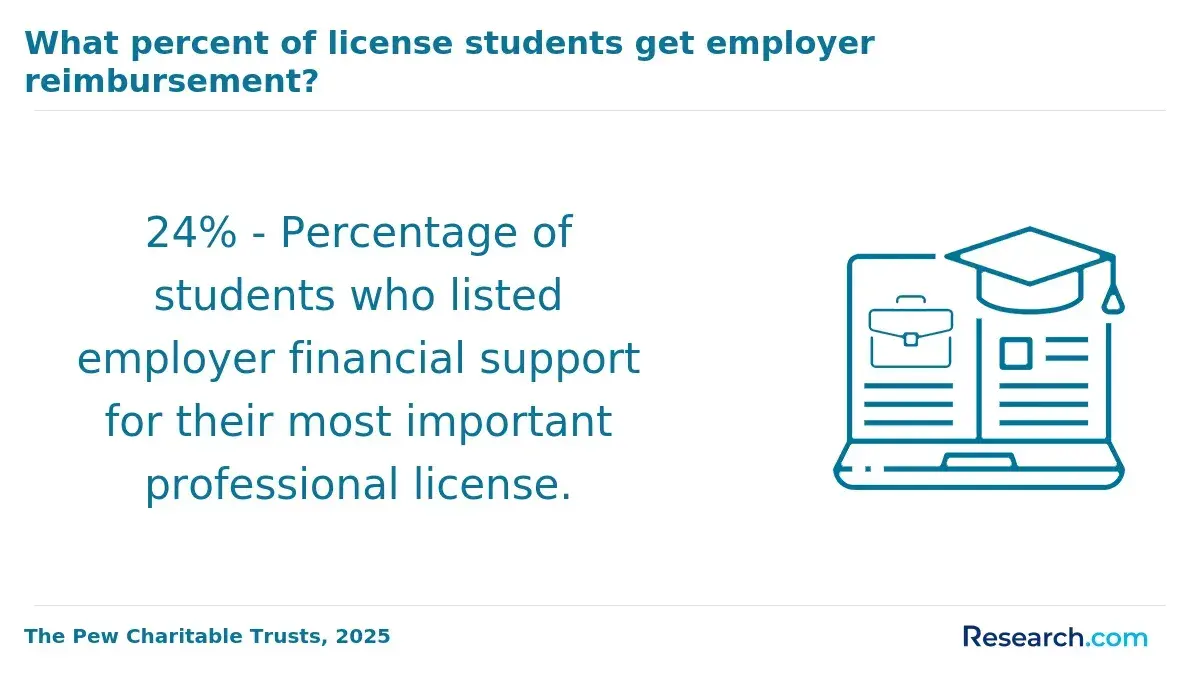
| Employer tuition assistance | Hospital or health system benefits may reduce borrowing | Does the program qualify for employer reimbursement or partnership discounts? |
Students comparing nursing pathways by price may also review cheapest accelerated nursing programs to understand how tuition structures differ across online nursing options, although WHNP graduate programs have separate accreditation and clinical requirements.
Before enrolling, request a full cost-of-attendance estimate rather than relying on tuition alone. A program with slightly higher tuition but stronger clinical placement support may be a better value than a cheaper option that leaves students scrambling for preceptors.
What Career Outcomes Can Graduates Expect From No-GRE Online Women's Health Nurse Practitioner Degree Programs?
Graduates of accredited WHNP programs can pursue advanced practice roles focused on women's and gender-related health across the lifespan. Common settings include OB-GYN practices, women's health clinics, family planning organizations, fertility clinics, urogynecology practices, community health centers, college health services, public health programs, and some hospital-affiliated outpatient practices.
The BLS reported a May 2024 median annual wage of $129,210 for nurse practitioners. This figure is not WHNP-specific and does not guarantee individual earnings, but it provides a useful national benchmark for the broader NP labor market. Pay can vary by state, employer, specialty, experience, schedule, and whether the role is in outpatient, hospital-affiliated, rural, or high-demand settings.
WHNP responsibilities commonly include:
- Conducting well-woman exams, reproductive health assessments, and preventive screenings.
- Managing contraception, sexually transmitted infection care, menopause concerns, menstrual disorders, and common gynecologic conditions.
- Providing prenatal, postpartum, fertility, and preconception counseling within the state-authorized scope of practice.
- Ordering and interpreting diagnostic tests, prescribing medications where authorized, and coordinating referrals.
- Educating patients on sexual health, pregnancy planning, cancer screening, chronic disease prevention, and health equity issues.
No-GRE status should not affect career outcomes if the program is accredited, meets certification requirements, and prepares students for safe practice. Employers are more likely to evaluate licensure, certification, clinical experience, communication skills, and fit with the patient population.
Some nurses compare WHNP with psychiatric-mental health NP pathways because both can lead to specialized advanced practice roles. If mental health care is your stronger interest, reviewing shortest online PMHNP certificate programs may help you compare certificate routes after a prior graduate nursing degree.
What Common Application Mistakes Reduce Admission Chances to No-GRE Online Women's Health Nurse Practitioner Degree Programs?
The biggest mistake is assuming that no GRE means admissions will be simple. In reality, no-test programs often look more closely at fit, readiness, and professional maturity because they are not using a standardized score as a screening shortcut.
Avoid these mistakes when applying to online WHNP programs without GRE or GMAT requirements:
- Choosing a program only because it does not require a test, without checking accreditation, certification eligibility, state authorization, and clinical placement support.
- Submitting a generic personal statement that does not explain why women's health is the right advanced practice specialty for you.
- Ignoring GPA weaknesses instead of addressing grade trends, prerequisite performance, or evidence of recent academic readiness.
- Using recommendations from people who know you personally but cannot evaluate your clinical judgment, professionalism, or graduate potential.
- Failing to confirm whether the program is authorized to enroll students in your state or place students in clinical sites there.
- Assuming the school will find every clinical preceptor without reading the placement policy carefully.
- Missing application deadlines for transcripts, license verification, immunization records, background checks, or interviews.
One practical strategy is to build your application around a clear narrative: your nursing background, your exposure to women's health needs, your readiness for graduate study, and your plan for completing clinical training. Admissions committees should be able to see not only that you want to become a WHNP, but also that you understand what the role requires.
Also avoid confusing graduate NP preparation with entry-level healthcare training. A WHNP degree is for licensed nurses advancing into APRN practice, while options such as allied health certificates or short programs serve different career goals.
How Should Students Compare Accredited Online Women's Health Nurse Practitioner Degree Programs Without GRE or GMAT Requirements?
The best no-GRE WHNP program is not simply the easiest one to apply to. It is the accredited program that fits your license status, state rules, schedule, budget, clinical placement needs, and career goals. A strong comparison process looks beyond admissions convenience and asks whether the program can carry you all the way to certification and employable practice.
Use this step-by-step process before submitting applications:
- Confirm the degree pathway you need: MSN, BSN-to-DNP, post-master's certificate, or post-graduate DNP.
- Verify institutional accreditation and nursing program accreditation for the exact WHNP pathway.
- Check whether graduates are eligible for Women's Health Care Nurse Practitioner certification through the National Certification Corporation.
- Confirm state authorization and APRN educational requirements in the state where you live and the state where you plan to practice.
- Compare total cost, not just tuition per credit, including fees, travel, clinical onboarding, and time away from work.
- Ask how clinical placements work and whether the school provides active placement support.
- Review faculty expertise, board pass-rate transparency where available, student support, technology requirements, and graduation outcomes.
- Decide whether test-optional scores would strengthen your profile or whether your application is stronger without them.
The table below can help you organize final program comparisons before applying.
| Decision area | Strong sign | Red flag |
| Accreditation | Clear institutional and nursing accreditation listed for the program | Vague claims, expired status, or no recognized nursing accreditation |
| Clinical support | Transparent placement process and written expectations | Students must locate all preceptors with little guidance |
| State eligibility | Program confirms authorization for your state | Admissions page does not address state restrictions |
| Cost transparency | Full estimated cost of attendance is available | Only per-credit tuition is shown, with unclear fees |
| Schedule fit | Part-time, full-time, and clinical timelines are explained | Course sequence conflicts with work or family obligations |
| Career alignment | Curriculum clearly supports WHNP certification and practice goals | Program title is broad, but WHNP preparation is unclear |
If you are choosing between multiple healthcare education formats, remember that online flexibility varies widely. Some programs are asynchronous, some require live class sessions, and nearly all WHNP programs require in-person clinical practice. Comparing flexibility across formats can help you avoid selecting a program that looks convenient online but is difficult to complete in practice.
Other Things You Should Know About Women's Health Nurse Practitioner
Yes, but within the WHNP scope of practice and state rules. WHNPs often provide preventive, reproductive, gynecologic, prenatal, postpartum, and menopause-related care. Students who want broad primary care across all ages and genders should compare WHNP with family nurse practitioner programs.
Yes. Even when coursework is online, clinical training must be completed in approved in-person healthcare settings under qualified supervision. Applicants should ask how sites and preceptors are approved before enrolling.
An MSN is often the shorter route to NP eligibility, while a DNP includes additional doctoral-level coursework in leadership, systems improvement, evidence-based practice, and healthcare outcomes. The better option depends on your timeline, budget, employer expectations, and long-term leadership goals.
Possibly. Labor and delivery experience can help, but programs may also value backgrounds in public health, primary care, gynecology, community health, emergency nursing, or other settings. You should show clear understanding of the WHNP role and explain how your experience prepared you for the specialty.
References
- Financial Aid for Nursing Students https://www.coloradotech.edu/degrees/studies/nursing/articles/nursing-financial-aid
- Online Nurse Practitioner (NP) Programs No GRE Required (GRE Waivers) https://www.onlineeducation.com/nursing/faqs/gre-requirements-online-nurse-practitioner-programs
- FAQ: Are there any online WHNP programs that do not require the GRE for admission? https://www.onlinefnpprograms.com/faqs/online-whnp-programs-no-gre-required/
- Women's Health Nurse Practitioner Concentration MSN (Online) https://www.gcsu.edu/health/nursing/womens-health-nurse-practitioner
- Online Women's Health Nurse Practitioner (WHNP) Programs https://nursinglicensemap.com/nursing-degrees/online-nurse-practitioner-programs/whnp/
- Top Online WHNP Programs 2026: Comprehensive Rankings https://www.npschools.com/rankings/all-online-whnp-programs