2027 Medical Assisting Clinical Hours Requirements: What Counts and How to Complete Them

Co-Founder and Chief Data Scientist
What exactly qualifies as clinical hours in medical assisting programs, and how can students efficiently fulfill these essential supervised hours? Current students often face uncertainty about which field experiences and practicum activities count toward graduation or certification requirements. With the Bureau of Labor Statistics projecting a 16% growth in medical assisting employment through 2031, understanding clinical hour requirements is crucial for timely completion and workforce readiness.
This article clarifies what counts as clinical hours, explores common settings where students gain hands-on experience, and outlines practical steps for meeting clinical requirements in medical assisting programs nationwide.
Key Things to Know About Medical Assisting Clinical Hours Requirements
- Clinical hours provide supervised hands-on experience, allowing students to apply classroom knowledge in real medical settings, improving competence and confidence for future employment.
- Students' clinical placements depend on approved healthcare facilities; these placements impact exposure and quality of training during required clinical hours.
- Proper documentation, professional supervision, and regular evaluation are essential to verify completion and ensure standards meet accreditation requirements.
What Are the Clinical Hours Requirements for Medical Assisting Programs?
Most medical assisting programs require students to complete between 160 and 200 clinical hours as part of their professional training. Over 85% of accredited programs include a minimum clinical training hours needed for medical assisting certification, highlighting the importance of hands-on experience. Clinical training allows students to apply theoretical knowledge in real healthcare settings, reinforcing skills essential for patient care and procedural assistance. This practical component is crucial for developing confidence and competence before entering the workforce.
These clinical hour requirements are typically built into program completion standards, making them mandatory for graduation and certification eligibility. Students must demonstrate applied competency by fulfilling these hours, which ensures readiness for clinical duties in professional environments. Integrating clinical experience strengthens workplace preparedness by bridging classroom instruction with practical application. For those interested in further healthcare education, exploring an online pharmacy school can be a valuable next step.
What Counts as Clinical Hours in Medical Assisting Programs?
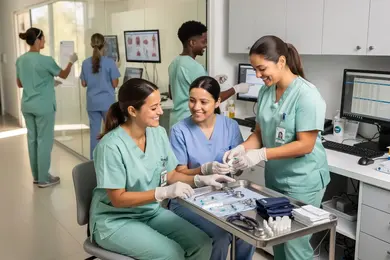
Clinical hours in medical assisting programs ensure students gain essential hands-on experience needed for competent patient care. Research shows that experiential learning can enhance skill retention by up to 75% compared to classroom instruction alone. This practical experience bridges the gap between theory and real-world application. Common activities that count toward clinical hour requirements include:
- Vital Signs Measurement: Taking vital signs such as blood pressure, temperature, pulse, and respiratory rate involves direct patient interaction and builds foundational clinical skills essential for daily medical assisting tasks.
- Patient Examination Assistance: Preparing exam rooms and properly positioning patients supports healthcare providers during physical exams and exposes students to clinical workflows and patient care nuances.
- Basic Laboratory Testing: Performing tests like blood glucose monitoring or urinalysis under supervision allows students to apply laboratory techniques critical in diagnostics and patient monitoring.
- Medication Administration: Administering medications or injections under approved supervision develops procedural competency and reinforces safety protocols in clinical settings.
- Medical Documentation: Documenting patient histories and updating electronic health records (EHRs) teaches record-keeping accuracy and the vital role of communication in patient management.
One medical assisting degree graduate shared that tracking valid clinical hours initially felt overwhelming, especially balancing learning with performance expectations. He recalled, "It wasn't just counting time-I had to ensure each task met program standards and reflected meaningful patient care." The hands-on nature of clinical work challenged him but ultimately boosted his confidence. He emphasized, "Knowing what activities count gave me clarity and helped me focus on gaining skills that matter most in my career."
Do Clinical Hour Requirements Vary by State?
State regulatory agencies and professional licensing standards substantially influence the clinical training requirements for medical assisting programs. Requirements can vary widely, with some states mandating as few as 160 clinical hours, while others require up to 320 or more. These differences reflect diverse approaches to the scope and rigor of medical assisting education across the country.
- Minimum Hour Mandates: Some states enforce strict minimum clinical hour thresholds that programs must meet to comply with licensure or certification laws, necessitating longer practical training for students.
- Licensure and Certification Rules: States that regulate medical assistants through formal licensure or certification often impose more rigorous clinical hour expectations compared to states without such mandates.
- Approved Clinical Settings: Variability in which clinical environments and activities are recognized can affect the quantity and type of clinical hours required to fulfill state standards.
- Workforce Readiness Standards: States emphasizing comprehensive competency may require additional clinical instruction to assure students develop a broad skill set before entering the workforce.
- Program Scheduling Impact: Differences in state rules can influence when and how clinical hours are integrated into training, shaping the progression and timing of hands-on experience during the program.
These state-level variations are critical for students to understand as they influence program length, clinical experience quality, and eligibility for certification, underscoring the importance of aligning clinical hours with local regulatory frameworks.
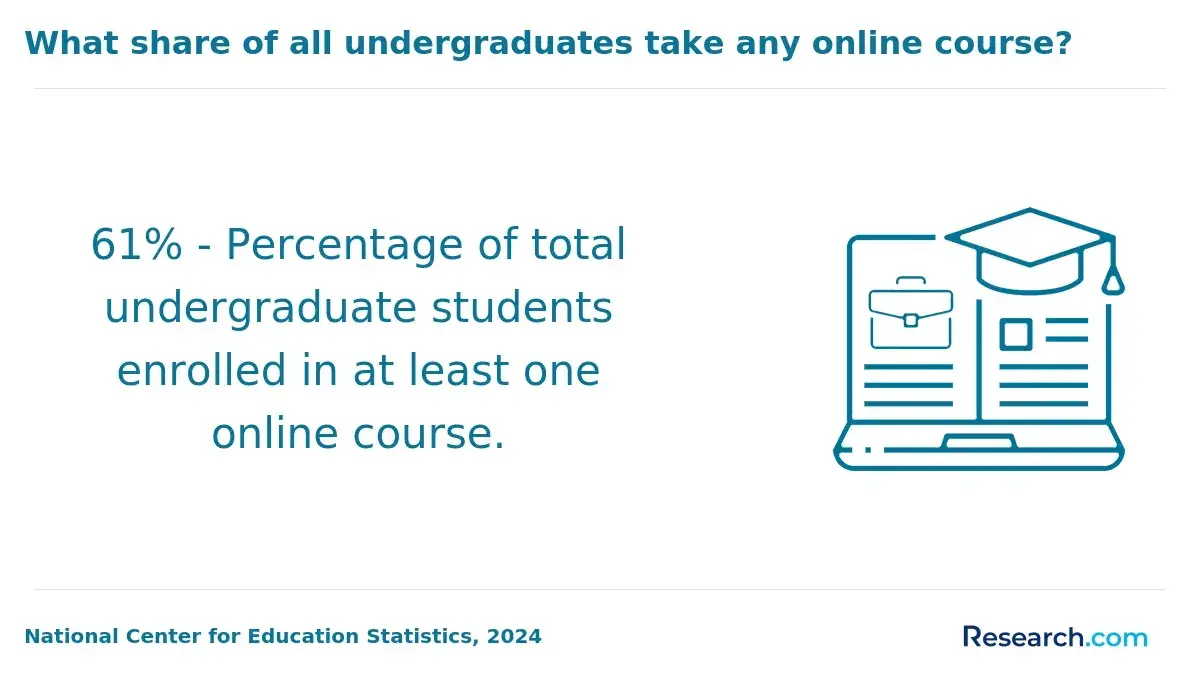
Over 70% of healthcare students benefit from practical training environments that build essential job skills. Experiential learning during clinical hours allows medical assisting students to apply their classroom knowledge and prepare for real-world responsibilities. Below are common clinical settings where students gain hands-on experience.
- Physician Offices: These outpatient locations provide opportunities for students to perform vital tasks such as patient intake, taking vital signs, and handling administrative responsibilities, offering a foundational perspective on primary care workflows.
- Hospitals: In hospital rotations, students engage with a wider range of clinical functions including lab work, patient communication, and emergency care assistance, which enhances their understanding of acute and complex healthcare settings.
- Urgent Care Clinics: Students learn to quickly assess and treat patients with minor injuries or illnesses, developing skills in managing efficient patient flow and adapting to fast-paced healthcare environments.
- Specialty Clinics: Focusing on areas like cardiology or pediatrics, these placements introduce students to specialty-specific procedures and patient care nuances, broadening their clinical competence.
- Community Health Centers: These sites emphasize care for diverse and underserved populations, promoting cultural awareness and highlighting public health principles essential to effective medical assisting practice.
Each clinical environment plays a vital role in shaping the skill set and professional conduct expected of medical assisting students, preparing them for a variety of healthcare roles across the patient care continuum.
Clinical placements are a vital part of medical assisting programs, enabling students to apply their classroom knowledge in supervised healthcare settings. Nearly 70% of healthcare professional education incorporates placement-based experiential learning as a key component of training. The following methods outline how medical assisting clinical assignments work to connect students with clinical sites.
- Program Coordination: Many institutions directly assign students to established clinical sites through formal partnerships with healthcare providers, ensuring placements meet program requirements and maintain quality supervision.
- Student Preferences: Some programs gather student input via surveys to match interests and career goals with available clinical opportunities, enhancing the relevance of the hands-on experience.
- Random Assignment: When placement demand exceeds supply, lottery systems are implemented to distribute clinical slots fairly among candidates, maintaining equity in site allocation.
- Geographic Placement: Assignments may consider a student's location to reduce travel burdens and align them with facilities serving specific populations, improving accessibility and contextual learning.
- Skill-Based Matching: Certain programs tailor placements based on students' progression and competence levels, pairing them with sites that foster targeted skill development and maximize learning outcomes.
These tailored approaches to clinical placement within medical assisting programs are designed to support students in completing their clinical hour requirements effectively. Prospective students interested in broader allied health education opportunities can explore options such as a healthcare administration degree, which also integrates experiential learning components.
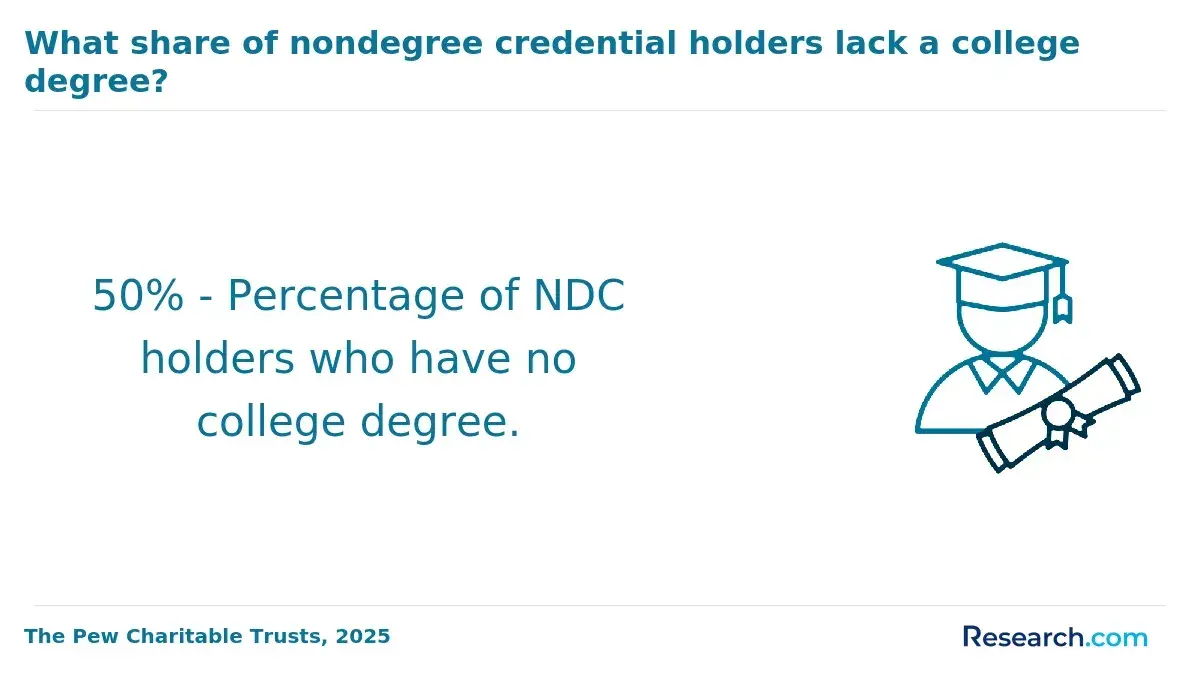
Medical assisting clinical hours typically cannot be completed entirely online due to the essential hands-on skills required in patient care. However, about 40% of healthcare education programs now offer hybrid models that combine online coursework with limited in-person clinical training to provide some flexibility. This approach ensures students gain practical experience under supervision, which is critical for building competency. The necessity for direct patient interaction prevents fully virtual completion, but some part-time options are available depending on program design.
Flexibility in completing clinical hours part-time or through hybrid formats depends largely on program accreditation standards and the availability of approved clinical sites that support varied scheduling. Students must still engage in supervised clinical activities such as taking vitals, administering treatments, and assisting with medical procedures to meet certification requirements. These arrangements are designed to balance educational rigor with students' personal commitments while preserving the supervised practice vital for skill development. Ultimately, programs ensure real-world exposure remains a priority despite some allowance for remote learning components.
When discussing the question of whether clinical hours can be completed online or part-time, a professional with a Medical Assisting degree shared her experience. She recalled the mix of excitement and anxiety about finding a clinical placement that fit her schedule, noting that the in-person hours "were intense but invaluable." She emphasized how the hands-on environment taught her more than any online module could, stating, "Nothing replaces actual patient interaction." Though part-time completion helped her manage school alongside a job, she stressed the importance of being present physically to fully grasp clinical procedures, reinforcing that the balance between flexibility and direct experience is both a challenge and a critical step in effectively preparing for a career in medical assisting.
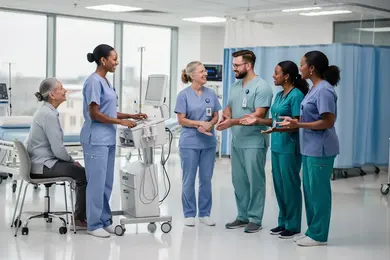
During medical assisting clinical hours, students are required to work under direct supervision from licensed healthcare professionals such as registered nurses, licensed practical nurses, or certified medical assistants. This supervision is crucial to ensure proper skill development and to maintain patient safety throughout the training process. Supervisors offer real-time guidance, which helps students avoid errors and develop clinical competence effectively. Research shows that structured supervision can improve skill retention by up to 40% compared to minimal or no oversight.
Supervision supports both the refinement of practical skills and the assessment of a student's readiness to perform tasks independently. It provides immediate feedback, allowing students to correct mistakes and build confidence in clinical settings. Furthermore, supervisors evaluate competencies to meet educational and certification requirements, ensuring that students gain the necessary experience and professionalism. This hands-on oversight also models ethical behavior and critical thinking, preparing students for the responsibilities of healthcare roles.
Tracking clinical hours is essential for documenting student progress and ensuring that medical assisting programs meet accreditation and certification requirements. A 2022 survey found that over 85% of health education programs rely on systematic tracking to maintain compliance and enhance student outcomes. Below are common methods used to track clinical hours efficiently and reliably.
- Digital Logging Systems: Students input hours in real time using digital platforms that include features like time stamps and location verification. These systems provide administrators with instant access to accurate records, supporting accountability throughout the program.
- Supervisor Verification Forms: Clinical supervisors review and sign off on completed hours, verifying the authenticity of a student's clinical activities. This approach ensures that completed hours reflect legitimate hands-on experience in approved settings.
- Attendance Documentation: Sign-in sheets or electronic attendance records maintained at clinical sites confirm student presence during required hours. This traditional method remains effective in verifying participation and maintaining program compliance.
- Progress Reports: Students submit summaries of their completed tasks and clinical experiences to instructors. These reports help educators monitor whether students meet competency benchmarks as they accumulate clinical hours efficiently.
- Academic Tracking Platforms: Integrated within school systems, these platforms consolidate hours and related documentation into dashboards. Both students and faculty can easily monitor progress, allowing timely intervention if requirements are not met.
Using multiple methods in combination ensures thorough documentation of hours and supports transparency. For students curious about careers related to this field, exploring careers for biology majors can provide additional context about professional pathways connected with medical assisting clinical experiences.
Clinical training is a demanding phase for medical assisting students, requiring the integration of theoretical knowledge with real-world healthcare experience. Studies show nearly 70% of health professional students face significant stress due to workload and expectations during these hours. Recognizing common obstacles can help students better navigate clinical hour requirements and completion processes.
Students often encounter several challenges during their clinical training, including:
- Balancing Academic Responsibilities: Managing coursework alongside clinical shifts causes fatigue and time pressure, making it difficult to maintain strong performance in both areas throughout medical assisting clinical hours requirements.
- Adjusting to Professional Environments: The fast-paced and high-stress nature of healthcare settings demands quick adaptation, which can initially overwhelm students unaccustomed to clinical atmospheres.
- Managing Complex Schedules: Clinical placements often involve early mornings, late evenings, or weekends, creating conflicts with personal life and academic commitments that complicate completion of clinical hour requirements.
- Handling Emotional Stress: Witnessing patient illness and suffering can be emotionally taxing, requiring resilience and coping mechanisms that may develop only over time.
- Adapting to Hands-on Learning: Transitioning from classroom theory to supervised practical tasks can induce anxiety about clinical competence and performance, especially early in training.
For those interested in advancing their healthcare education further, exploring dietetics masters programs can provide valuable opportunities post medical assisting training.
Success in clinical training hinges on thorough preparation and the ability to adapt quickly to evolving situations. Studies indicate that students who engage actively in experiential learning are 40% more likely to feel prepared for their professional roles. These skills are crucial for medical assisting students to navigate clinical environments effectively. Below are essential strategies that support student achievement during clinical rotations.
- Effective Communication: Clear dialogue with patients and healthcare staff builds trust and ensures accurate information flow, crucial for positive clinical outcomes. Strong communication skills also bolster student confidence and professionalism in diverse clinical settings.
- Time Management: Applying time management tips for medical assisting clinical hours enables students to prioritize tasks and meet all clinical requirements efficiently. Managing time well reduces stress and helps maintain focus on skill development and patient care.
- Professionalism: Punctuality, respect for confidentiality, and ethical conduct create a respectful learning atmosphere. Displaying professionalism prepares students for workplace expectations and enhances their reputation among supervisors and peers.
- Active Learning: Immersing oneself in each clinical opportunity by asking questions and seeking feedback promotes deeper understanding. This proactive approach accelerates knowledge retention and hones practical skills essential for future success.
- Adaptability: Embracing flexibility when facing new procedures or unexpected clinical challenges fosters resilience. Adaptability equips students to handle the dynamic nature of healthcare settings effectively.
For those interested in furthering clinical expertise or advancing nursing education, exploring accelerated MSN psychiatric np programs can offer valuable pathways aligned with career goals.
What Graduates Say About Medical Assisting Clinical Hours Requirements
- Brittany: "Completing the clinical hours requirement was definitely challenging but incredibly rewarding. Although I had to budget carefully due to the costs associated with extra training materials and travel, the hands-on experience truly solidified my skills. This practical exposure made a huge difference when I started working, giving me confidence in patient care from day one."
- Tristan: "Reflecting on my journey, the clinical hours felt like the most crucial part of my medical assisting education. The time invested gave me a real sense of the profession's demands and strengthened my patient interaction abilities. Despite the financial strain at times, I believe this experience was indispensable in shaping me into a competent healthcare professional."
- Joshua: "From a professional standpoint, fulfilling the clinical hours was an essential step in advancing my medical assisting career. The costs were reasonable compared to the long-term benefits, and the practical training opened doors for better job opportunities. I now appreciate how those hours bridged the gap between academic knowledge and real-world application."
Other Things You Should Know About Medical Assisting Degrees
In 2027, the maximum allowable clinical hours for medical assisting programs typically range from 160 to 200 hours, depending on the state's regulations and the school's specific program requirements. It's essential to check with your program for precise details.
No. Clinical hours usually must be completed as part of an approved program’s externship or supervised practicum under a preceptor or instructor. Prior paid medical office work may document experience, but it does not usually satisfy required clinical hours unless the program and accreditor specifically grant credit.
In 2027, before starting clinical hours, students may need a CPR certification and complete any prerequisites outlined by their program. Additionally, they might need to undergo background checks or vaccinations as required by the clinical site to ensure safety and preparedness.
- Medical Assistant Certification Online vs. In-Person: What Toledo Students Should Know https://toledomedicalassistant.com/blog/medical-assisting/medical-assistant-certification-online/
- What Counts as âClinical Experienceâ for Medical School A... https://residencyadvisor.com/resources/premed-guidance/what-counts-as-clinical-experience-for-medical-school-admissions
- Medical Assisting Training Program: A Step Toward a Rewarding Healthcare Career https://www.centuracollege.edu/blogs/student-development/medical-assistant-training-program-a-step-toward-a-rewarding-healthcare-career/
- Barriers to Learning During Clinical Rotations in the Emergency Department: The Perspective of Students in a Public Sector Institute of a Developing Country | European Journal of Medical and Health Sciences http://www.ej-med.org/index.php/ejmed/article/view/554
- The Pre-Med Imperative - Tracking Clinical and Volunteer Hours Effectively | International Medical Aid https://medicalaid.org/blog/the-pre-med-imperative-tracking-clinical-and-volunteer-hours-effectively/
- Co to jest magistrala CAN? Dlaczego pełni jedną z najważniejszych ról? https://zabezpiecz-auto.pl/magistrala-can-czym-jest-i-jak-dziala/
- Clinical Medical Assistant Duties and Skills https://www.stpaulsschoolofnursing.edu/blog/medical-assisting/clinical-medical-assistant-duties-and-skills.html
- Controller Area Network – Wikipedia, wolna encyklopedia https://pl.wikipedia.org/wiki/Controller_Area_Network
- Medical Assistant Externships: How to Find One & Why They Matter https://advclinical.org/blog/medical-assistant-externship/
- State Scope of Practice Laws https://www.aama-ntl.org/publications/state-scope-of-practice-laws