2027 Medical Assisting Practicum Requirements Explained

Co-Founder and Chief Data Scientist
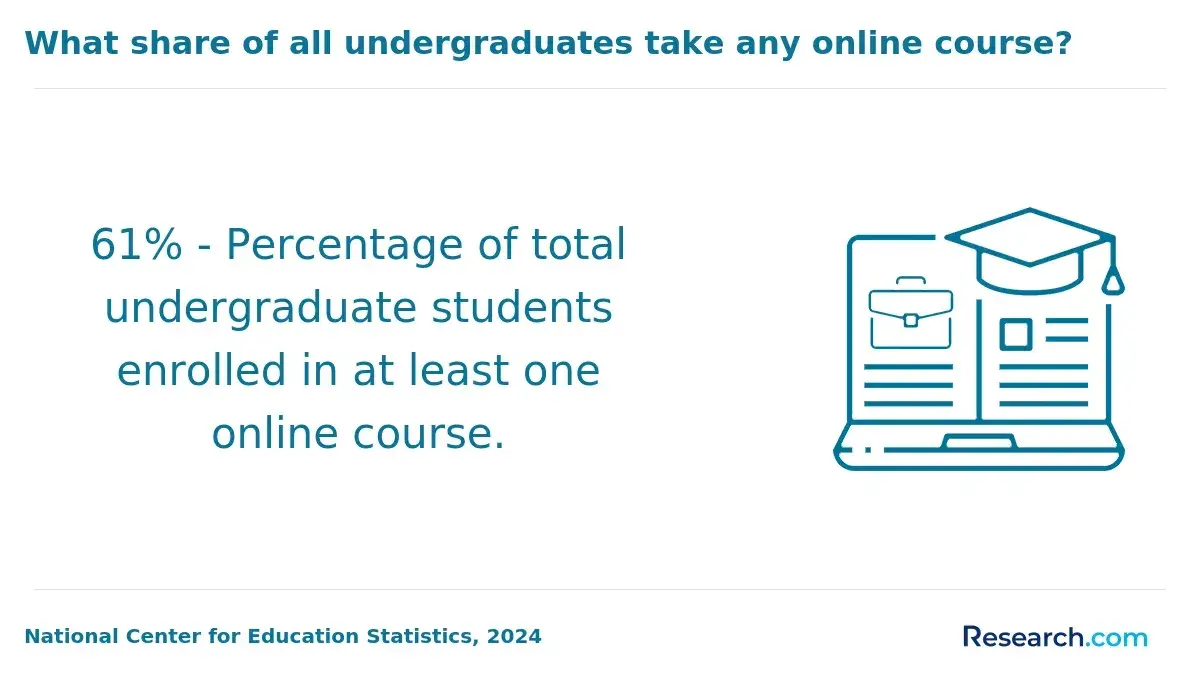
Students pursuing a medical assisting degree often face significant challenges meeting practicum requirements, which include completing mandated clinical hours under approved supervision in specific healthcare settings. Many find that unfamiliarity with varying state regulations, GPA minimums, background checks, and documentation standards can delay graduation or limit eligibility for certification exams. According to the National Center for Education Statistics, nearly 85% of health programs now require rigorous experiential learning components to improve workforce readiness. Understanding these requirements early enables students to plan placements strategically, comply with program rules, and maintain progress toward licensure.
This article explains key practicum requirements and offers guidance to help students navigate this crucial phase effectively.
Key Things To Know About Medical Assisting Practicum Requirements
- Practicum training provides hands-on experience with real patients-crucial for developing clinical skills that academic coursework alone cannot fully convey.
- Field experience and internships foster professional networking opportunities that often lead to job placements post-graduation.
- Supervised clinical hours ensure students meet state licensing requirements while enhancing confidence and competence in diverse healthcare settings.
What Is A Practicum In Medical Assisting Program?
A practicum in a Medical Assisting program is a supervised, structured field experience that connects academic theory with practical skills in healthcare settings. This key component of applied academic learning provides students with hands-on exposure to clinical environments, often required in U.S. higher education programs to satisfy accreditation standards. Studies show that over 85% of employers prefer graduates with documented hands-on training, underscoring the value of experiential learning for workforce readiness.
Key aspects of a Medical Assisting practicum include the following:
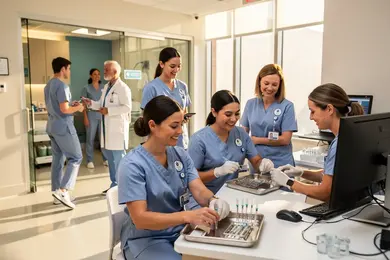
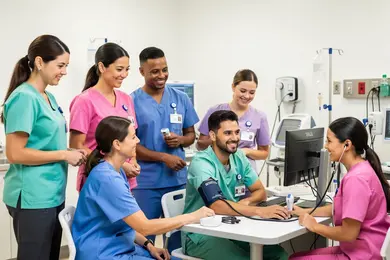
- Structured Fieldwork: Students perform supervised clinical tasks such as taking vital signs, preparing patients, and assisting healthcare professionals. This immersive experience builds essential technical skills and professional habits that classroom instruction alone cannot provide.
- Practicum Duration: Typically, students complete between 160 to 200 hours in practical settings, ensuring sufficient exposure to diverse patient care scenarios. The practicum usually occurs near the end of the academic program after foundational courses are finished.
- Supervision and Evaluation: Licensed healthcare providers or certified medical assistants monitor student work, offering continuous feedback and formal competency evaluations. These assessments help verify readiness for certification and employment.
- Distinctive from Similar Experiences: Unlike internships or capstone projects, practicums focus specifically on applying learned skills under direct supervision within healthcare facilities, emphasizing hands-on clinical practice as part of medical assisting practicum requirements in the United States.
- Certification Pathway: Successful practicum completion often serves as a gateway to graduation and eligibility to sit for national certification exams, which are crucial for licensure and job placement.
Students exploring programs can also compare options such as the cheapest DNP programs for further educational advancement beyond medical assisting.
What Are The Eligibility Requirements For Medical Assisting Practicum?
Institutions enforce eligibility standards for medical assisting practicum placements to ensure students are both academically prepared and professionally ready for supervised clinical experiences. These requirements help uphold safety and quality in experiential learning-recent studies show that over 90% of health programs require students to meet readiness benchmarks before beginning fieldwork. Such standards contribute to improved academic retention and employer confidence in work-ready graduates.
Common eligibility criteria for medical assisting practicum placement include the following:
- Minimum GPA: Most programs require a minimum cumulative GPA ranging from 2.5 to 3.0 to confirm that students have adequately grasped core coursework. Maintaining this academic standard helps ensure learners are prepared to apply classroom theory in real-world clinical settings.
- Prerequisite Coursework: Students must complete essential prerequisite courses such as anatomy, physiology, medical terminology, and basic lab techniques. Fulfilling these requirements aligns with common prerequisite courses for medical assisting practicum and builds the necessary foundational knowledge.
- Competency Demonstration: Prior to practicum placement, students often must prove proficiency in critical skills through exams or practical assessments. Competencies typically cover areas like phlebotomy basics, patient communication, and infection control protocols-skills integral to clinical success.
- Faculty or Department Approval: An official endorsement from program instructors or coordinators is generally required. This approval confirms a student's academic performance, attendance, and professionalism meet program expectations.
- Administrative Clearances: Compliance with health and legal requirements is mandatory before placement. This generally includes background checks, drug screenings, updated immunizations, health clearances, liability insurance, and may also involve completing site-specific orientation or onboarding.
Students exploring paths in healthcare may also consider related options such as nurse practitioner programs online, which complement the clinical foundation gained in medical assisting practicum experiences.
How Many Practicum Hours Are Required For Medical Assisting Program?
Practicum hour requirements in medical assisting programs ensure students gain essential hands-on experience before entering the workforce. These requirements vary widely depending on the institution, state regulations, and accrediting organizations such as CAAHEP-whose standards often call for at least 160 clinical hours. Research indicates that employers highly value practical training when hiring graduates in health-related fields.
Key factors influencing practicum hour expectations include the following:
- Typical Hour Ranges: Most programs mandate between 160 to 200 practicum hours, though some may require more or less according to program length and degree type. These thresholds balance sufficient clinical exposure with curriculum constraints.
- Hands-On Versus Observation: While some practicum time is allocated to observation and indirect duties like documentation, over half of the hours generally involve direct patient care or supporting clinical staff under supervision to develop practical skills.
- Phased Practicum Structure: Medical assisting practicums are often divided into multiple rotations or placements across different healthcare settings. This phased approach helps students experience diverse environments such as outpatient clinics, physician offices, and specialty care facilities.
- Supervision and Verification: Completed hours must be overseen and validated by clinical supervisors or preceptors through logs, sign-offs, and competency checklists to ensure training quality and readiness for professional roles.
- Weekly Time Commitments: Students typically need to dedicate 8 to 16 hours per week to practicum activities over a semester or term, facilitating steady progress and alignment with academic schedules.
A professional who recently completed his medical assisting degree shared that meeting the practicum hour requirements was both demanding and rewarding. He recalled the challenge of coordinating his schedule around clinical shifts, noting, "Balancing coursework and practicum hours felt overwhelming at times, especially when unexpected patient cases extended my days." He emphasized how the hands-on nature of the practicum built his confidence-"It wasn't just about clocking hours; it was about truly learning how to handle real patients professionally." This experience clarified the importance of practicum hours as a bridge between classroom learning and workplace readiness in medical assisting careers.
What Courses Must Be Completed Before Starting Practicum?
Completing prerequisite coursework is vital for ensuring students possess the essential knowledge and skills before undertaking a Medical Assisting practicum. Academic programs require foundational training to guarantee readiness for real-world clinical environments-over 85% of employers emphasize the value of thorough prerequisite preparation for graduates entering fieldwork. This structured curriculum sequencing plays a critical role in determining practicum eligibility and fosters experiential learning success.
The following key categories of coursework are typically required before starting a practicum:
- Foundational Theory: Core classes in anatomy, physiology, and medical terminology equip students with a comprehensive understanding of the human body and clinical language. This foundational knowledge enables accurate communication and effective support during hands-on practicum experiences.
- Professional Ethics: Courses covering confidentiality, informed consent, and professional conduct cultivate ethical awareness and decision-making skills. These standards are indispensable for patient-centered care and maintaining trust in healthcare settings.
- Communication and Documentation: Instruction in interpersonal skills, cultural sensitivity, and proper medical record-keeping prepares students to interact empathetically and clearly with patients and healthcare teams, a necessity in practicum environments.
- Clinical Assessment and Research Methods: Training includes patient assessment techniques, vital signs monitoring, and introductory research methods to foster critical thinking and evidence-based clinical problem-solving.
- Field-Specific Competencies: Depending on the discipline-whether medical assisting, nursing, counseling, or allied health-students may study infection control, pharmacology, or administrative procedures to build readiness for supervised fieldwork aligned with program goals.
Proper sequencing of these courses is crucial to satisfy practicum requirements and optimize the fieldwork learning experience. For students seeking programs with streamlined admissions and practical opportunities, exploring colleges with free application fees can ease entry into Medical Assisting practicum pathways.
How Does The Medical Assisting Practicum Placement Process Work?
Practicum placement in medical assisting programs links academic study with practical opportunities in healthcare settings through partnerships between schools and external sites. Well-organized placement systems are essential for ensuring students gain the applied skills needed for professional readiness and meet program standards. Notably, over 85% of healthcare employers favor candidates who have completed clinical practicums, highlighting their significance in workforce preparation.
Key elements of the placement process include:
- Eligibility Verification: Programs confirm that students satisfy academic and certification prerequisites, such as CPR training and immunizations, before approving practicum participation to ensure preparedness and compliance with healthcare regulations.
- Application and Matching: Students apply through school coordinators, who then align placements with student preferences and clinical requirements, balancing availability among affiliated medical organizations.
- Institutional Coordination: Placement offices engage with host sites to clarify training scope, supervision, and scheduling, establishing mutual expectations for both the facility and student involvement.
- Screening and Interview: Some facilities implement interviews or background checks as prerequisites, promoting patient safety and confirming student suitability for their environments.
- Supervision and Monitoring: Accredited programs assign faculty or clinical coordinators to oversee student progress, maintain communication with host supervisors, and ensure adherence to learning objectives.
- Placement Confirmation and Onboarding: Once accepted, students complete orientations, submit necessary documentation, and fulfill compliance training, often navigating shifting schedules or administrative delays during this phase.
A recent graduate who successfully completed her practicum described the process as "both challenging and rewarding." She recalled the initial uncertainty while waiting for placement confirmation and the detailed onboarding procedures that clarified her responsibilities. She emphasized that faculty support and clear communication with the healthcare site were "instrumental" in navigating scheduling difficulties and ensuring a meaningful clinical experience that bolstered her confidence entering the workforce.
What Documents And Paperwork Are Required Before Practicum?
Pre-practicum documentation is crucial in Medical Assisting programs to ensure students meet eligibility criteria and institutional standards before entering clinical settings. These requirements uphold regulatory compliance and prepare students for safe, effective participation, with nearly 85% of healthcare programs mandating detailed paperwork to support seamless student onboarding.
Commonly, students must complete several forms and obtain approvals prior to beginning their practicum experience:
- Practicum Application: This formal submission collects academic information and personal details to verify student readiness and assist institutions in assigning suitable clinical placements. Timely and accurate completion helps avoid delays during placement processing.
- Institutional Approvals and Consent: Signed agreements confirm student understanding of practicum policies, ethical expectations, and institutional rules. Endorsements from academic advisors or program coordinators verify eligibility and preparedness.
- Medical Clearances and Immunizations: Valid health screenings-including TB tests-and documented immunizations such as hepatitis B and influenza vaccines demonstrate students' compliance with patient safety protocols. Records often require healthcare provider verification and must be current at the time of placement.
- Background Checks and Liability Waivers: Criminal history screenings ensure clinical sites maintain secure environments. Liability waivers clarify the responsibilities and risks involved, protecting both students and hosting institutions during practicum activities.
- Confidentiality and Compliance Forms: Students agree to uphold patient privacy laws, including HIPAA, by signing confidentiality documents. These underscore the ethical standards vital for professional conduct in healthcare settings.
- Site-Specific Paperwork: Additional documentation may include orientation acknowledgments, emergency contact details, or mandatory training modules tailored to the practicum location. Students should submit these promptly to meet site-specific deadlines and avoid placement setbacks.
What Background Checks, Immunizations, Or Clearances Are Needed?
Pre-practicum compliance requirements are critical for protecting the health and safety of both students and the populations they serve during clinical training. These legal and health clearances create a safe learning environment and ensure students meet professional and regulatory standards. Recent data shows that over 90% of healthcare education programs have increased screening rigor to address evolving safety protocols and workplace expectations.
Common pre-practicum requirements include the following:
- Criminal Background Checks: These reviews identify any offenses that could impact patient safety or violate state and federal regulations. Fingerprinting and child abuse registry screenings are often required, especially when students work with vulnerable groups.
- Immunization Records: Verification of immunizations such as hepatitis B, MMR, varicella, Tdap, and influenza protects both students and patients from infectious diseases common in healthcare settings.
- CPR Certification: Cardiopulmonary resuscitation credentials are standard to prepare students for emergency response situations during clinical hours.
- Occupational Health Screenings: Additional clearances such as tuberculosis testing and drug screening may be required by clinical sites to comply with institutional policies and legal mandates.
- Regulatory Compliance: These requirements support institutional accreditation and legal mandates, influencing student eligibility for practicum placement, which can vary by healthcare field, state laws, or facility-specific policies. Documentation deadlines and renewal periods also differ, and delays in verification can often affect practicum start dates.
What Should Students Expect During Medical Assisting Practicum Placement?
Practicum placements in medical assisting programs link classroom theory with supervised, real-world clinical experience, essential for building practical skills and workplace confidence. Experiential learning has grown in importance as more than 80% of healthcare employers prioritize candidates who have completed hands-on training, underscoring its role in preparing graduates for professional success. These placements also facilitate the evaluation and feedback process in medical assisting practicum experience, which is crucial for student growth.
Throughout their practicum, students can expect the following:
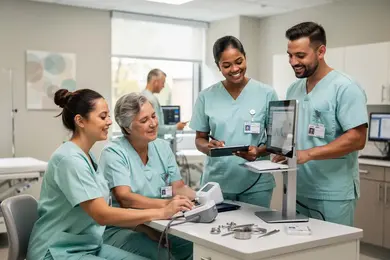
- Day-to-Day Responsibilities: Students perform routine clinical and administrative duties such as taking patient histories, preparing exam rooms, and supporting healthcare staff. This exposure familiarizes students with real workflows and the operational tempo typical of medical environments.
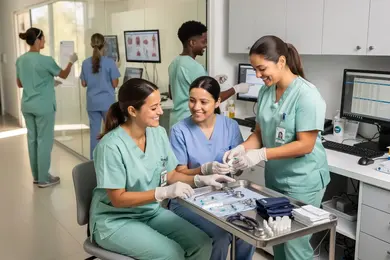
- Supervision and Mentorship: Licensed professionals or clinical supervisors oversee students directly, providing guidance, ongoing feedback, and mentorship opportunities. This supervised clinical responsibilities during medical assisting practicum placement ensure patient safety while fostering learner development.
- Professional Conduct: Emphasis is placed on maintaining confidentiality, adhering to healthcare regulations, and demonstrating ethical workplace behavior. Developing professionalism is a key component of the practicum experience.
- Performance Evaluation: Regular assessments by supervisors evaluate clinical skills, communication abilities, and adaptability. These evaluations often contribute to program completion requirements and help identify areas for targeted improvement.
- Applied Skill Development: Students integrate knowledge with practice, enhancing competencies necessary for roles in a healthcare setting. This bridge between theory and practice strengthens readiness for employment and certification steps.
- Communication Practices: Effective and empathetic communication with patients and healthcare teams is emphasized. Mastery of interpersonal skills supports quality care and collaboration.
- Common Challenges: Students learn to manage demanding environments, including time pressures and emotional stressors, which prepare them for future workforce realities.
For those interested in further advancing their careers, exploration of related educational pathways, such as CMA to LPN programs, can provide additional professional growth opportunities.
How Are Practicum Students Supervised And Evaluated?
Supervision and evaluation during practicum experiences ensure that students develop essential skills and professional behaviors in real-world settings while fulfilling academic standards. Approximately 85% of medical assisting students report enhanced competence and confidence when supervised with structured feedback throughout clinical placements. These oversight frameworks are consistently implemented across U.S. programs to balance educational rigor and practical readiness.
Key components of practicum student supervision in medical assisting programs include:
- Supervisor Roles: Experienced healthcare professionals provide daily guidance, oversee clinical tasks, and ensure students apply theory safely and correctly. They address immediate questions and support skill development during practicum hours.
- Faculty Advisors and Site Coordinators: Faculty maintain academic oversight by coordinating with site supervisors and reviewing student progress, guaranteeing alignment with curriculum objectives. Site coordinators handle logistics and act as liaisons between educational institutions and practicum locations.
- Communication and Feedback: Open, continuous dialogue allows supervisors to offer timely feedback, highlighting strengths and identifying areas for improvement. This process supports ongoing professional growth and adjustment throughout the practicum.
- Assessment Techniques: Evaluation typically involves direct observation, competency checklists, reflective journals, and periodic progress reviews. These methods collectively assess technical abilities, professionalism, critical thinking, and workplace readiness.
- Final Evaluation: A comprehensive final assessment summarizes the student's overall competence and achievements, contributing to program completion and certification eligibility.
- Institutional Variations: Although methods vary across disciplines and institutions due to accrediting bodies and clinical site differences, core goals remain consistent-ensuring quality patient care and effective student learning.
These practicum supervisory structures not only support academic accountability but also enhance employability by bridging classroom theory with hands-on experience. For students seeking further specialization, exploring PMHNP certificate programs can provide additional pathways to career advancement.
How Does Practicum Help With Licensure Or Certification Requirements?
Practicum experiences serve as essential components in meeting licensure and certification criteria in fields related to medical assisting. These supervised clinical placements connect academic learning with regulatory requirements, ensuring students gain hands-on skills under professional oversight. Recent data indicates that over 90% of allied health employers prefer candidates with confirmed clinical experience, highlighting its critical role in licensure and employability.
The following aspects outline how practicum supports licensure readiness:
- Clinical Hours Requirement: Accrediting agencies and licensing boards mandate completion of specific practicum hours to verify direct patient care or fieldwork experience. These hours are necessary to qualify for certification exams or state licensure applications.
- Competency Assessment: Student performance during practicum is measured against defined benchmarks, confirming the acquisition of essential skills and knowledge for safe and effective medical assisting practice prior to certification.
- Supervised Training: Licensed professionals or clinical instructors oversee students throughout practicum placements, providing guidance and ensuring adherence to accreditation and licensing standards for quality experiential learning.
- Documentation and Verification: Educational institutions maintain formal records, including signed verification forms and evaluation reports, to document practicum completion. These are submitted to credentialing bodies as proof of meeting practical requirements.
- Discipline-Specific Criteria: Different healthcare and related professions apply practicum requirements uniquely within their certification pathways. For example, counseling or healthcare administration programs may have variations in practicum structure but enforce similarly rigorous standards to ensure licensure preparedness.
What Do Students Say About Their Medical Assisting Practicum Experience?
- Bryson: "My experience with the medical assisting practicum was eye-opening-although navigating the eligibility requirements was more challenging than I expected, especially with the background checks and immunization records. The placement site offered a diverse range of tasks that truly matched what was outlined during orientation, which helped build my confidence. The best part was having a supervisor who provided consistent feedback and constructive critiques, making the evaluation process feel supportive rather than stressful."
- Trixie: "Reflecting on my practicum, I initially felt overwhelmed by the strict eligibility criteria, but this rigor ensured I was prepared and professional. While the practicum placement somewhat differed from my expectations-I anticipated more hands-on clinical work-it did broaden my understanding of administrative duties. Supervisors were thorough during evaluations, focusing both on technical skills and professional demeanor, which gave me valuable insight into the real-world demands of medical assisting."
- Josh: "Enthusiasm fueled my practicum journey, and thankfully, my placement site lived up to the promises made during enrollment. Overcoming the initial hurdles of meeting eligibility standards was worth it, as I gained exposure to both patient care and medical office management. The supervisory team was excellent-regular check-ins and performance reviews helped me track my progress and identify areas for growth throughout the experience."
Other Things You Should Know About Medical Assisting Degrees
Some Medical Assisting programs permit students to complete their practicum at a current job site if it meets the program's learning objectives and supervision requirements. However, the site must provide adequate clinical experience beyond routine job duties and align with accreditation standards. Students should confirm approval from their program coordinator before pursuing practicum hours at their workplace.
Communication skills are crucial in medical settings. During a 2027 medical assistant practicum, students are evaluated on their ability to effectively communicate with patients and healthcare team members. This often includes assessments performed by supervisors and educators, focusing on both verbal and non-verbal communication capabilities.
Yes, many practicum sites require students to complete site-specific orientation or training modules before beginning clinical work. This may include training on electronic health record systems, emergency procedures, or workplace policies. Completing these prerequisites helps students adapt quickly and meet site standards for professional conduct and patient care.
Medical Assisting programs typically assign faculty advisors or clinical coordinators to assist students facing difficulties in practicum settings. Support may include guidance on clinical skills, conflict resolution, or managing workload stress. Early communication with program staff is encouraged to address issues and help students successfully complete their practicum experience.
References
- What is required before starting the Practicum? - DDP Network https://ddpnetwork.org/ddpi/practitioner-certification-ddp/what-required-starting-practicum/
- Practicum Overview https://berkeleycollege.edu/catalogs/medical-assistant-student-handbook-supplement-2025-2026/practicum-requirements-and-responsibilities/practicum-overview/index.html
- Medical Assisting, C.C. https://catalog.sjrstate.edu/preview_program.php
- Medical Assistant Less Than One-Year Certificate | Oregon Coast Community College https://catalog.oregoncoastcc.org/medical-assistant/medical-assistant-less-than-oneyear-certificate
- Internships & Externships for Medical Assistants: Which is Right for You? https://www.edumed.org/articles/medical-assistant-internships-vs-externships/
- Health Sciences Students: Health and Background Check Requirements https://www.massbay.edu/academics/health-sciences/health-and-background-check
- Medical Assisting, A.A.S. https://catalog.ecc.edu/preview_program.php
- Medical Assisting Training Programs: What You Need to Know Before Enrolling | Centura College https://www.centuracollege.edu/blogs/student-development/medical-assisting-training-program/
- What are background checks and security clearances? https://help.usajobs.gov/faq/job-announcement/security-clearances
- Medical Assistant (RMA) https://americanmedtech.org/medical-assistant