2027 Medical Assisting Internship Requirements: Hours, Placements, and Supervision

Co-Founder and Chief Data Scientist
How many hours must students complete to qualify for a medical assisting internship, and what does the placement process entail? These questions often arise among prospective and current students aiming to navigate the path from classroom learning to hands-on experience. On average, accredited programs require between 120 and 200 clinical hours to fulfill internship obligations.
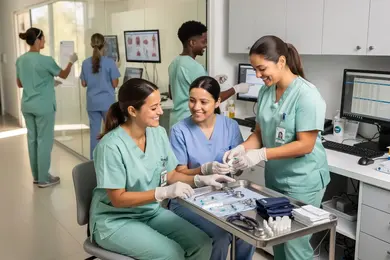
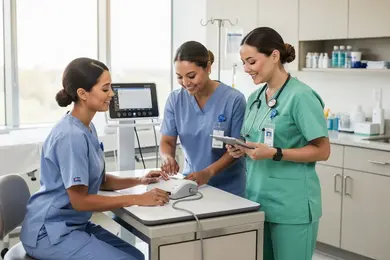
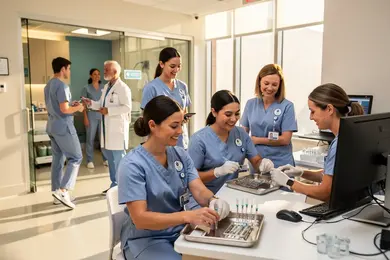
Common settings include outpatient clinics, physician offices, and community health centers where students work under the direct supervision of licensed professionals. This article clarifies key medical assisting internship components, such as required hours, placement procedures, and supervision criteria, to help students meet program expectations effectively.
Key Things to Know About Medical Assisting Internship Requirements
- Internship hours typically range from 160 to 240, requiring careful academic scheduling to balance coursework and clinical practice, often extending program duration by a semester.
- Placement depends on site availability and student location, with competitive applications at high-demand clinics potentially limiting options for hands-on experience.
- Supervision must comply with accreditation standards, involving licensed professionals who assess competency through structured evaluations, directly impacting certification eligibility and readiness for employment.
Do All Medical Assisting Degrees Require an Internship?
Internships are widely incorporated into medical assisting curricula to provide essential hands-on experience that bridges classroom theory with real-world clinical and administrative skills. According to the Commission on Accreditation of Allied Health Education Programs (CAAHEP), more than 80% of accredited medical assisting programs require a clinical externship for certification eligibility.
Several factors influence whether an internship is mandatory, as outlined below.
- Program Accreditation: Accreditation bodies such as CAAHEP or the Accrediting Bureau of Health Education Schools (ABHES) often set certification standards that include clinical externships. Programs accredited by these organizations generally require internships to ensure students gain practical exposure aligned with industry expectations.
- Degree Type: Associate degree programs usually emphasize clinical internships as part of their comprehensive training, whereas certificate or diploma courses may offer alternative experiential methods. This distinction means not all medical assisting degree internship requirements are uniform across educational levels.
- Specialization Focus: Programs concentrating on administrative medical assisting may modify or reduce practical internship hours compared to those with a stronger clinical emphasis. This specialization affects the scope and necessity of hands-on externships within the curriculum.
- Alternative Learning Options: Some programs provide simulated labs, observational hours, or applied coursework as substitutes for formal clinical externships. These alternative experiential formats allow flexibility for students who may not participate in traditional internships.
When researching medical assisting degree internship requirements, prospective students should carefully review program details and consult with advisors to understand specific expectations. Those interested in accelerated pathways or advanced nursing-related qualifications might also explore accelerated DNP programs online that complement allied health careers.
What Requirements Must Be Met Before Starting a Medical Assisting Internship?
Internship prerequisites in medical assisting programs ensure students are adequately prepared for clinical and administrative duties. Studies indicate that students maintaining a minimum GPA of 2.5 have notably higher success rates during these internships. These criteria help uphold educational quality and safeguard patient welfare.
Below are common requirements students must fulfill before beginning their internship.
- Completed Coursework: Students must finish foundational classes such as anatomy, physiology, medical terminology, and basic clinical procedures to build essential knowledge for hands-on application.
- Minimum GPA: Many programs require a grade point average of around 2.5 on a 4.0 scale, demonstrating sufficient academic performance to advance to practical experience.
- Application Approval: Faculty or program staff often review applications or conduct interviews to evaluate a student's professionalism, readiness, and commitment to the internship.
- Background Check and Immunizations: Verification of immunizations like MMR, hepatitis B, and tuberculosis screening, along with criminal background checks, ensures compliance with healthcare regulations and patient safety standards.
How Many Internship Hours Are Required for Medical Assisting Degrees?
Internship hours in medical assisting programs are designed to ensure students gain enough practical experience before they enter the workforce. Most programs require between 160 and 240 clinical hours, often translating every 45 to 60 hours into one academic credit.
Several factors influence how many hours students must complete, which are outlined below.
- Academic Credit Equivalency: Institutions often convert internship hours into credit hours, with many programs requiring a specific number of credit hours tied to clinical practice. This conversion can directly impact the total internship hours required within the curriculum.
- Program Type: Certificate and diploma programs generally demand fewer hours, around 160, due to their shorter duration, while associate degree programs typically require 200 to 240 hours because of additional coursework and clinical training.
- Accreditation Standards: Accrediting bodies such as CAAHEP and ABHES set guidelines to make sure students receive substantial hands-on training, which affects the minimum internship hours programs must mandate.
- Enrollment Status: Full-time versus part-time enrollment may influence how quickly students complete their internship hours, with some programs offering flexibility in pacing clinical experiences based on student availability.
A medical assisting degree graduate shared that completing the required internship hours felt both demanding and rewarding. He recalled the challenge of balancing clinical hours with coursework and personal commitments, stating, "Tracking hours and meeting the deadlines was stressful, especially when unexpected shifts came up."
However, the hands-on experience proved invaluable, as it helped him gain confidence in patient interactions and clinical procedures. He found the real-world setting essential for connecting what he learned in class with everyday practice.
Internship environments play a crucial role in shaping the practical skills and overall readiness of medical assisting students. Approximately 60% of internships take place outside traditional hospital settings, reflecting the broad spectrum of clinical site options. The variety in placement locations supports diverse experiential learning essential for adapting to evolving healthcare demands.
Below is an overview of typical medical assisting externship placement locations.
- Outpatient Clinics: These facilities provide opportunities to develop both clinical and administrative skills in settings serving patients requiring non-emergency care. Students often assist with routine examinations, documentation, and patient interactions.
- Hospitals: Hospital internships expose students to fast-paced environments where they contribute to various departments. Hands-on experience includes managing electronic health records, assisting in patient care, and understanding complex healthcare workflows.
- Corporate Healthcare Organizations: Internships here involve learning operational aspects of healthcare businesses, such as billing, compliance, and patient data management. Exposure to organizational models enhances students' adaptability to diverse healthcare roles.
- Government Agencies: Placements in public health institutions focus on community health initiatives, regulatory compliance, and health education, expanding students' understanding beyond clinical care.
- Nonprofit and Research Institutions: These settings emphasize specialized patient populations and innovative health services. Internships can involve assisting in health programs or supporting medical research, broadening experiential perspectives.
Medical assisting students seeking to continue their education might explore options like the cheapest, fastest RN to BSN online programs available nationwide.
Internship placements in medical assisting programs are designed to align student learning with real-world healthcare experiences while accommodating institutional partnerships and student needs. Approximately 40% of internships nationwide now use hybrid or virtual options, highlighting dynamic placement processes that adapt to evolving educational and healthcare environments.
Below are common ways placements are assigned.
- Partnership Networks: Many schools collaborate with local clinics, hospitals, and healthcare providers, establishing a set of approved sites. Students are matched to these prearranged locations, ensuring that all internships meet accreditation and quality standards.
- Faculty-Guided Matching: Instructors often play an active role in pairing students with suitable placements, considering each student's interests, skills, and logistical constraints. This approach helps balance student preferences with program requirements.
- Student Preferences: Some programs allow learners to express site preferences or apply to selective placement options. These choices are reviewed within the broader scheduling framework to finalize assignments that work for both students and host facilities.
- Centralized Placement Systems: Certain institutions utilize formalized placement platforms or offices that manage all internship assignments. These systems optimize placement logistics and ensure equitable distribution across approved sites.
When asked about how her internship placement was assigned, a medical assisting degree student shared that the process felt both organized and slightly uncertain. She described submitting a ranked list of preferred clinical sites and appreciated how her faculty adviser guided her through potential options.
Although she worried about getting a top choice, she ultimately felt supported by the clear communication and flexible scheduling. "It wasn't just random," she noted, "but a tailored match that considered what I wanted and what the program required." This experience underscored for her how placement systems thoughtfully connect students to meaningful learning opportunities.

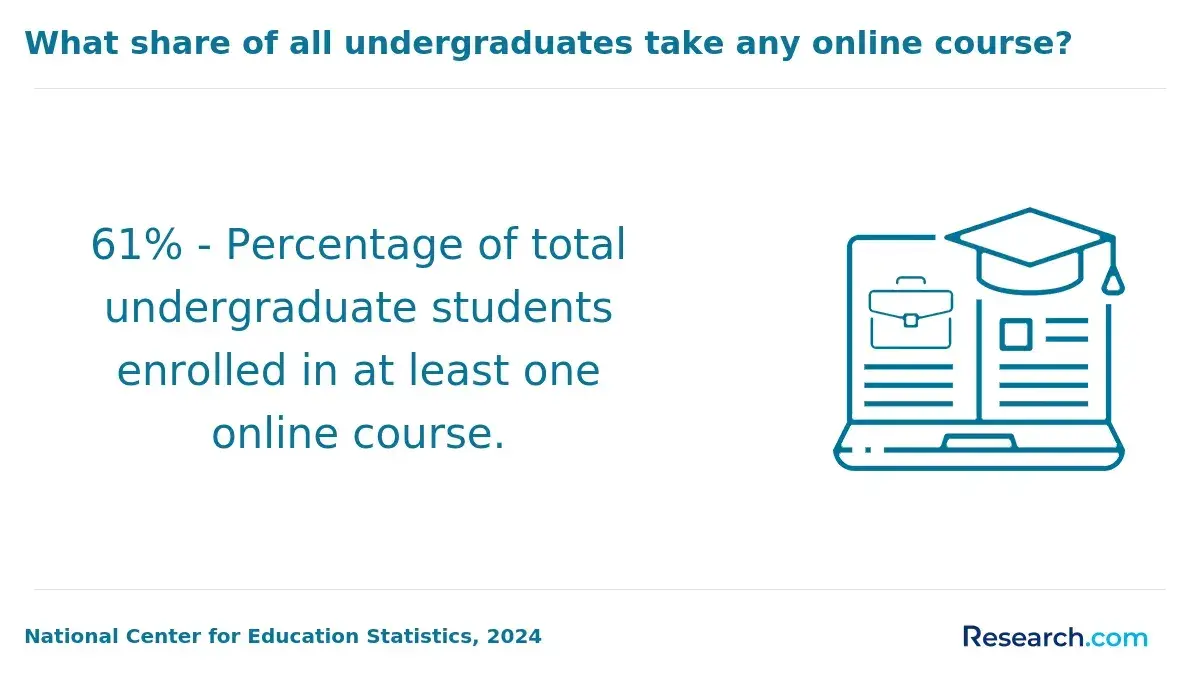
The shift toward remote work has significantly influenced internship opportunities, particularly in healthcare education. Recent research reveals that about 43% of internships in health-related fields now offer a virtual or hybrid option. As medical assisting programs adapt to these changes, students encounter increasingly diverse formats for gaining practical experience. This evolution opens new pathways for completing required training while accommodating modern expectations.
Virtual and remote internships typically blend online coursework, virtual observation, and digital communication alongside some in-person clinical practice when feasible. These options provide greater scheduling flexibility, enabling students to balance their responsibilities more effectively.
Digital tools like video conferencing and electronic health record systems facilitate collaboration and simulate professional environments. However, the availability of these internships largely depends on the specific design and accreditation standards of each medical assisting program, with supervision requirements maintained either virtually or in clinical settings to ensure proper oversight.
Many students enrolled in Medical Assisting programs balance work alongside their studies, making part-time internships a practical option. In fact, nearly 70% of college students in the U.S. hold part-time jobs, highlighting the need for flexible clinical experiences that do not disrupt their employment.
The following points outline key aspects of part-time internship availability and structure for working students.
- Scheduling Flexibility: Internship hours can often be arranged around existing work shifts and class times, allowing students to complete clinical hours during evenings, weekends, or other non-conflicting periods.
- Employer Accommodations: Some clinical sites provide reduced or modified schedules to accommodate working interns, ensuring students meet required competencies without full-time hours.
- Academic Workload Balance: Part-time internships help students manage hands-on experience alongside coursework, reducing burnout and fostering better retention and learning outcomes.
- Program-Specific Policies: Certain Medical Assisting programs explicitly permit part-time internships, provided students complete all required clinical hours within the designated timeframe.
While part-time internship arrangements may extend the time needed to fulfill clinical hour requirements, they serve as a valuable option for students committed to both their education and employment responsibilities. This approach supports a more diverse student body, accommodating those with job obligations or personal circumstances that prevent full-time internship participation.
Supervision plays a vital role in medical assisting internships, ensuring student growth and patient safety throughout hands-on experiences. Research shows that structured mentorship can increase skill acquisition by up to 40%, highlighting the value of consistent oversight. Below are key elements commonly involved in medical assisting internship supervision guidelines.
- Faculty Oversight: Academic supervisors maintain professional accountability by reviewing intern progress regularly and verifying that curriculum objectives are met. This oversight ensures the internship aligns with educational standards and supports student learning.
- Clinical Mentorship: Licensed healthcare professionals, such as registered nurses or certified medical assistants, act as on-site mentors. They provide day-to-day guidance, instruct on workplace protocols, and intervene to correct techniques, helping interns apply theoretical knowledge practically.
- Ongoing Feedback: Interns receive regular performance evaluations that emphasize strengths and areas needing improvement. This feedback loop encourages continual professional development and prepares students for certified medical assistant roles.
- Progress Monitoring: Faculty coordinators require detailed documentation of completed tasks and logged hours, creating a formal record. This monitoring ensures competency standards are met and facilitates timely support if challenges arise.
The combination of academic supervision and workplace mentorship establishes a strong professional support system for interns. Students interested in pursuing accredited programs with appropriate supervision might explore options such as online colleges with no application fee to find suitable pathways that meet internship requirements in medical assisting.
Evaluating internship performance is a crucial component of medical assisting clinical internships, ensuring students are equipped with the practical skills needed for healthcare roles. Studies indicate that 87% of students who receive structured feedback during their internships feel more prepared for employment.
The following evaluation methods are commonly used to assess student learning outcomes.
- Supervisor Evaluations: Clinical supervisors provide detailed feedback on competencies such as professionalism, communication, and adherence to protocols. These evaluations combine rating scales with narrative comments to give both quantitative and qualitative insights into student performance.
- Reflective Assignments: Many programs require students to complete journals or essays reflecting on their clinical experiences. These assignments encourage critical thinking and self-assessment, helping students identify key learning points during their internship.
- Performance Benchmarks: Skill assessments and checklists focus on essential tasks like patient intake and vital sign measurement. Meeting these benchmarks demonstrates a student's ability to perform duties accurately and safely, a key criterion in how intern performance is measured in medical assisting internships.
- Faculty Assessments: Faculty synthesize data from supervisor reviews, reflective work, and exam results to evaluate overall student readiness, ensuring a well-rounded judgment of progress throughout the internship.
- Experiential Learning Data: Programs often review research findings to improve evaluation methods. For students interested in extended healthcare education, exploring online radiology tech programs may offer complementary career pathways.
Internships provide vital hands-on experience for medical assisting students, but often come with considerable challenges. Nearly 60% of interns report stress related to workload and performance, reflecting the demanding nature of these placements. Below are some common obstacles encountered during medical assisting internship challenges in clinical settings.
- Balancing Schedules: Juggling internship hours alongside coursework and personal commitments can be overwhelming. Conflicting shifts with part-time jobs or family duties frequently strain students' time management skills.
- Adapting to Workplace Expectations: Students must quickly develop professional behavior, effective communication, and time management in fast-paced clinical environments. This transition can be stressful as they learn to meet higher standards of conduct and responsibility.
- Transportation Challenges: Limited access to reliable transportation may cause tardiness or absences, affecting internship performance. This is a common obstacle medical assisting students face during internships that can hinder consistent attendance.
- Financial Strain: Unpaid or poorly paid internships increase the burden of covering living and educational expenses simultaneously. Managing budgets while fulfilling demanding internship hours creates added pressure.
- Managing Professional Responsibilities: Taking on clinical duties for the first time exposes students to performance demands and workplace stress. Developing coping strategies is essential to navigate the pressures of these roles effectively.
For those interested in advancing their healthcare careers beyond medical assisting, exploring options like online MSN PMHNP programs can offer pathways to specialized roles with greater stability and pay.
What Graduates Say About Medical Assisting Internship Requirements
- Bryson: "Completing my internship was a pivotal part of my medical assisting program. The hands-on experience with 160 supervised hours allowed me to confidently handle patient interactions and administrative duties. I truly believe that the clinical placements provided the essential foundation I needed to excel in my professional career."
- Tripp: "Reflecting on my time during the medical assisting internship, I appreciated the variety of placements offered, which exposed me to different healthcare settings. The supervision I received ensured I developed practical skills while maintaining patient safety and professionalism. This experience made a significant impact by solidifying my commitment to a healthcare career."
- Joshua: "The structured internships in my medical assisting degree were crucial to bridging classroom knowledge with real-world practice. Logging the required hours while being supervised gave me valuable feedback and boosted my confidence in clinical tasks. Looking back, I can say the internship was the turning point that prepared me for the demands of working as a healthcare professional."
Other Things You Should Know About Medical Assisting Degrees
In 2027, Medical Assisting students can often receive academic credit for their internship hours, depending on their educational institution's policies. It's essential for students to coordinate with their academic advisor to ensure the internship meets the credit requirements set by their school.
Many internship sites require students to complete background checks and health screenings before placement. These are standard precautions to ensure patient safety and compliance with healthcare regulations.
Internships are often hosted in outpatient clinics, physician offices, hospitals, and other healthcare settings where students can perform both clinical and administrative tasks. These varied environments help students develop a well-rounded skill set.
The program’s accrediting agency or state board reviews whether the internship meets required supervision, site approval, and hour minimums. Many accredited medical assisting programs use CAAHEP or ABHES standards, and the school must document that the placement matches the approved clinical competency list.
- Preparing for Your MA Externship_ Doâs and Donâts https://pulsemedicalassistantschool.com/blog/medical-assisting/preparing-for-your-ma-externship-dos-and-donts/
- Medical & Healthcare Internships Abroad | Go Overseas https://www.gooverseas.com/internships-abroad/healthcare
- Medical Assistant Training Program | MetroHealth https://www.metrohealth.org/en/education/medical-assisting-training-program/
- Medical Assistant Internship Program | Columbia Memorial Hospital https://www.columbiamemorial.org/apply/medical-assistant-internship-program/
- Medical Assistant Externship: Complete Checklist | HealthCerts https://healthcareercerts.org/medical-assistant-externship-checklist/
- | NRR | Dove Medical Press https://www.dovepress.com/internship-challenges-encountered-by-nursing-students-a-qualitative-st-peer-reviewed-fulltext-article-NRR
- Medical Assistant Program Prerequisites: What You Need to Know https://www.healthyhorizonsinstitute.com/post/medical-assistant-program-prerequisites-what-you-need-to-know
- Top Medical Internship Opportunities Abroad in 2025 & 2026 https://www.volunteerhq.org/blog/medical-internship-opportunities-abroad/
- Medical Assisting https://www.rrcc.edu/academic-programs/medical-assisting
- Nimble Prep https://nimbleprep.com/articles/preparing-for-medical-assisting-externship