2027 Cheapest Medical Assisting Degree Programs for Working Adults

Co-Founder and Chief Data Scientist
Balancing a full-time job, family duties, and financial commitments often leaves little room for pursuing further education. For many working adults seeking a medical assisting degree, finding a program that offers both affordability and flexibility is critical. With healthcare occupations expected to grow 16% through 2031, medical assisting remains a promising career path.
Accredited programs with low tuition, credit transfer options, and asynchronous online courses can ease the burden of returning to school. This article explores the cheapest medical assisting degree programs designed for working adults and highlights key factors to consider when evaluating cost, schedule, and long-term benefits.
Key Things to Know About the Cheapest Medical Assisting Degree Programs for Working Adults
- Cheapest medical assisting programs often offer online or hybrid formats with flexible scheduling, low per-credit tuition, and generous transfer credit policies to accommodate working adults' varied commitments.
- Low-cost options provide accessibility and accelerated paths but may vary in accreditation and employer recognition, potentially affecting licensure and job placement in competitive healthcare markets.
- Prospective students should assess total costs, financial aid, institutional accreditation, state eligibility, support services, and career outcomes before enrolling to ensure long-term value and success.
What Are the Cheapest Accredited Medical Assisting Degree Programs Online?
Accredited online medical assisting degree programs offer working adults flexible and affordable pathways to complete their education while managing other responsibilities. Factors such as tuition structure, transfer credit policies, program delivery formats, and accreditation status heavily influence the overall cost and convenience of these programs.
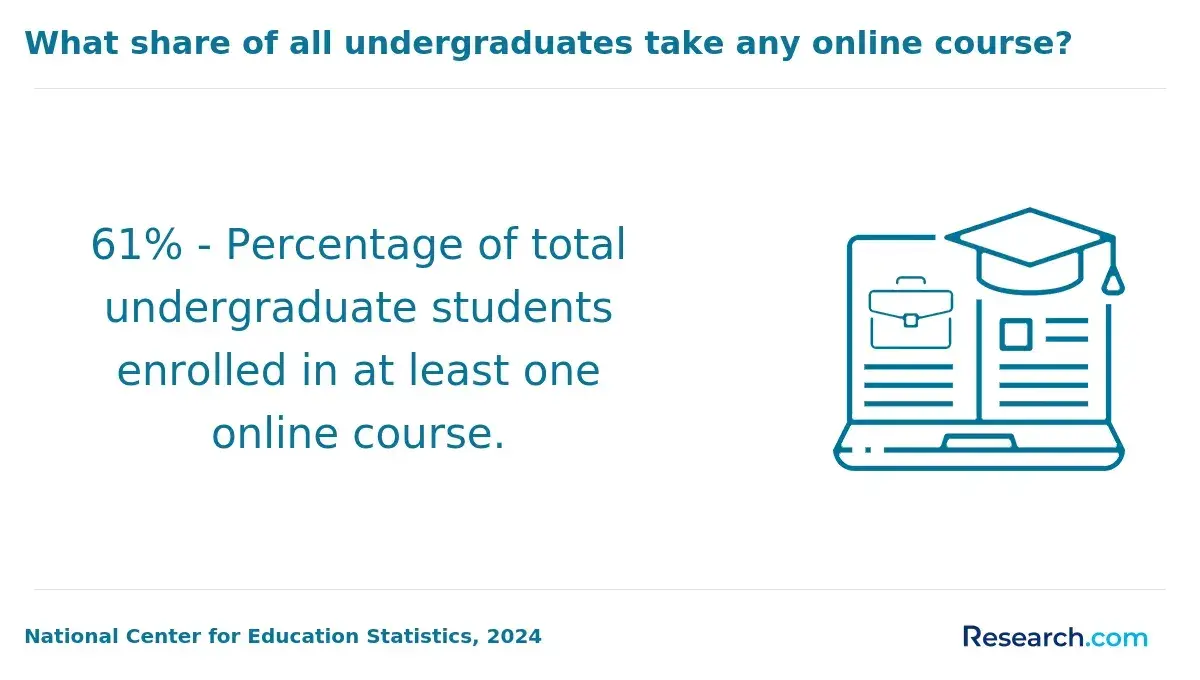
With over one-third of college students now enrolled in at least one online course, affordability and accessibility remain top priorities for adult learners balancing work and family commitments.
When comparing the cheapest accredited medical assisting degree programs online, consider these important factors:
- Accreditation Status: Accreditation ensures the program meets industry and academic standards, which can directly affect eligibility for financial aid and employer recognition. Choosing an accredited institution helps protect your investment and supports long-term career goals.
- Tuition and Fee Structure: Some programs offer flat-rate tuition or discounted rates for online students, making costs more predictable. Be mindful of additional fees such as technology or lab expenses that might increase your overall cost.
- Transfer Credit Acceptance: Programs that accept previous coursework or certifications can shorten completion time and reduce tuition expenses. This flexibility is especially beneficial for working adults with some prior healthcare education or training.
- Scheduling Flexibility: Asynchronous course formats allow students to access lessons and complete assignments on their own schedules, which is crucial for balancing work and family obligations. Accelerated options may also be available for learners seeking quicker credentialing.
- Financial Aid Opportunities: Availability of scholarships, grants, and other aid specifically for online or nontraditional students can make a significant difference in affordability. Investigate what types of financial support each program offers before enrolling.
For working adults seeking affordable and flexible learning options in healthcare, it's useful to explore related options such as nursing schools easy to get into that might fit their career plans alongside medical assisting pathways.
How Much Does an Online Medical Assisting Degree Cost for Working Adults?
The cost of earning an online Medical Assisting degree for working adults can vary widely due to factors like tuition structure, school type, transfer credit policies, residency status, and program format. Affordability and scheduling flexibility are critical for nontraditional learners balancing work and family commitments.
According to the National Center for Education Statistics, around 41% of distance education students are adult learners seeking cost-effective programs. Total expenses often include more than just tuition, such as fees and materials.
Several key factors influence these costs:
- Tuition Models: Programs may charge per credit hour or offer flat-rate tuition. Paying per credit allows better control over expenses by adjusting course loads each term, which suits part-time enrollment common among working adults.
- Transfer Credit Acceptance: Many affordable accredited medical assisting programs for adult learners accept relevant prior coursework. This can reduce the number of required classes, saving both money and time toward degree completion.
- Financial Aid Opportunities: Scholarships, grants, and federal aid help offset costs significantly. Employer tuition assistance programs further ease the financial burden for working students pursuing career advancement.
- Technology and Fees: Online programs often require additional payments for technology access, course materials, or lab tools. These fees add to overall expenses and should be factored into budgeting decisions.
- Accelerated Program Formats: Some online programs offer faster completion options, which may increase workload per term but reduce total time and tuition paid. Exploring these can be worthwhile for motivated learners.
Working adults aiming for affordability and flexibility can research options including specialized paths like the DNP program online, to compare structures and costs effectively.
Are Cheap Medical Assisting Degree Programs Legitimate and Respected by Employers?
Choosing an affordable medical assisting degree program does not automatically mean sacrificing quality or legitimacy. Employers often prioritize accreditation, institutional reputation, curriculum rigor, and alignment with workforce demands when evaluating these degrees, including those earned online or at a lower cost.
In fact, a 2023 report found that 73% of employers consider accredited online degrees equally valid as traditional campus programs, reflecting growing acceptance of flexible learning formats.
Several factors shape employer respect for low-cost medical assisting degrees:
- Institutional Accreditation: Recognition by regional or national accrediting bodies confirms that a program meets widely accepted educational standards, boosting employer trust and often being required for certification eligibility.
- Program Quality Standards: Accreditation or approval specific to medical assisting or allied health ensures the curriculum covers essential skills and knowledge, preparing students for clinical and administrative roles pertinent to the healthcare environment.
- Employer Recognition of Online Degrees: As digital education expands, many organizations now value degrees earned through accredited online or hybrid programs, especially when these are designed to fit the schedules of working adults.
- Faculty Expertise: Instructors with relevant healthcare experience and academic credentials lend credibility to the program, enhancing graduates' preparedness and employer confidence.
- Transfer Credit Acceptance: Programs that allow previous coursework to apply toward the degree support flexible learning paths and enable adult learners to accelerate completion while maintaining quality.
A medical assisting degree graduate recalled the development of key soft skills during his studies that went beyond textbook knowledge. Navigating balancing work, family, and school required resilience and time management, while clinical training strengthened his communication and empathy with patients.
He described feeling nervous initially but gradually gained confidence through hands-on practice and supportive instructors, highlighting how these interpersonal abilities proved as important as technical skills in securing his first job.
The best medical assisting degree programs for working adults prioritize more than just affordability. They combine flexible scheduling, recognized accreditation, transfer credit policies, supportive student services, and career-focused curricula to meet the needs of nontraditional learners juggling work and family commitments.
With nearly 38% of undergraduates engaging in distance education by 2020, online and hybrid learning paths have broadened access to degree completion options for adult students.
Key elements to consider when selecting these programs include:
- Accreditation Standards: Accreditation from reputable bodies such as the Commission on Accreditation of Allied Health Education Programs (CAAHEP) ensures that the curriculum meets industry expectations and enhances credential value in the healthcare job market.
- Scheduling Flexibility: Programs offering asynchronous coursework allow students to learn and submit assignments on their own timelines, accommodating the busy and varied schedules of working adults.
- Transfer Credit Acceptance: Recognition of previous academic credits or healthcare experience can reduce both time and expense required to earn a degree, making these programs more affordable online medical assisting programs with flexible scheduling options.
- Academic Support Services: Providing tutoring, academic advising, and technical assistance is critical for adult learners who may be returning to school after a long break, helping increase retention and academic success.
- Workforce Relevance: Programs that keep pace with current healthcare skills and include practicum opportunities prepare students effectively for the demands of the medical assisting profession.
For adults pursuing an efficient path to the healthcare field, exploring fast track college programs can offer accelerated routes while maintaining these essential features.
Flexible scheduling is essential for working adults pursuing a medical assisting degree, enabling them to balance their jobs, family duties, and education more effectively. Online and hybrid learning options have broadened access to adaptable programs that fit diverse lifestyles.
According to recent data, over one-third of postsecondary students engage in at least one online course, highlighting the growing importance of flexible education pathways.
Programs with flexible schedules often include features such as:
- Online or Hybrid Models: These allow students to complete most coursework remotely while attending occasional on-campus sessions, reducing commute times and aligning study with personal obligations.
- Asynchronous Coursework: Learners can access lessons and assignments anytime, offering greater convenience for those with irregular work hours or family commitments.
- Part-Time Enrollment: This option permits students to spread courses over a longer timeline, helping manage workload and minimize stress from balancing studies with other responsibilities.
- Multiple Start Dates: Having several enrollment periods throughout the year lets students begin their programs when their schedules and life circumstances are most favorable.
- Transfer Credit Policies: Accepting prior relevant coursework accelerates degree completion and prevents repeating material, saving time for working adults.
A professional with a medical assisting degree shared that juggling full-time work while attending classes was a significant challenge. She valued having asynchronous courses that allowed her to study late at night after family obligations were met. The ability to start the program in spring rather than fall gave her crucial flexibility when her work schedule changed unexpectedly.
She also appreciated that transfer credits shortened her time in school, enabling her to maintain a steady pace without compromising her job or personal life. Overall, the adaptable structure helped her stay motivated and complete the degree despite initial doubts about balancing everything.
Some accredited medical assisting degree programs are specifically structured to help working adults complete their education faster and more affordably. By offering flexible scheduling, accelerated coursework, transfer credit options, and online learning, these programs balance speed, cost, and educational quality.
For instance, over 40% of adult learners nationwide now enroll in online programs, illustrating the shift towards adaptable learning formats.
The following features often support quicker and less costly completion for nontraditional students:
- Accelerated Terms: Many programs use shortened semesters, reducing traditional 16-week courses to 8- or 10-week sessions. This allows students to earn credits more rapidly and shorten overall time to degree completion without compromising academic standards.
- Transfer Credit Acceptance: Generous transfer policies recognize prior college work, certifications, or related healthcare training. This gives students the advantage of skipping redundant classes, lowering tuition expenses and easing course loads.
- Asynchronous Online Learning: Online formats often allow students to access lectures and assignments at any time, accommodating busy work schedules and personal commitments, thus improving accessibility and flexibility.
- Competency-Based Education: Some programs emphasize mastery of skills rather than fixed seat time, enabling motivated learners to progress at their own pace by demonstrating proficiency, which can accelerate degree completion.
- Multiple Start Dates and Enrollment Options: Offering several entry points throughout the year and the choice between part-time or full-time study, these programs help students avoid long breaks and maintain steady progress toward graduation.
Transfer credit policies can significantly reduce the time and cost for working adults pursuing a medical assisting degree by applying previous college coursework, military training, professional certifications, or prior learning experiences toward degree requirements. Transfer flexibility varies by institution, accreditation standards, and program structure.
According to the National Student Clearinghouse Research Center, nearly one in three undergraduate students are transfer students, emphasizing the growing need for credit mobility in higher education.
The following factors influence how many transfer credits a medical assisting degree program may accept for working adults:
- Accreditation Compatibility: Institutions usually require that prior credits come from regionally or nationally accredited schools to ensure course quality and seamless credit transfer. This helps students avoid retaking equivalent courses and reduces time to completion.
- Transfer Equivalency Evaluations: Schools assess how previous coursework matches program requirements. Flexible and thorough evaluations can grant credit for a broader array of courses, shortening degree duration and enhancing affordability for adult learners.
- Residency Requirements: Many programs mandate completing a minimum number of credits directly through their institution. Lower residency requirements provide greater flexibility, allowing more transfer credits and faster graduation.
- Articulation Agreements: Formal partnerships between community colleges and universities pre-approve certain courses, simplifying transfer processes and reducing administrative delays, which benefits working adults balancing education and work.
- Prior Learning Assessments (PLAs): PLAs recognize relevant military service, work-related training, and certifications as academic credit. This can substantially lower costs and accelerate degree completion for students with applicable backgrounds.
Financial aid opportunities can significantly reduce the cost of earning a medical assisting degree, especially for working adults balancing education with other responsibilities. Eligibility and availability of aid vary by school, enrollment status, and accreditation, but many students find support through grants, scholarships, employer assistance, or federal programs.
Approximately 65% of undergraduate students benefit from some form of financial aid, highlighting its importance for affordability concerns among adult learners returning to school.
Common financial aid options for medical assisting students include:
- Federal Grants and Loans: Programs such as the Pell Grant provide need-based aid that does not require repayment, lowering out-of-pocket expenses. Federal student loans also offer flexible repayment options, helping adult learners manage costs without immediate financial burden.
- Scholarships for Adult Learners: Many nonprofit organizations, professional associations, and schools award scholarships targeted at adult and healthcare students. These scholarships help reduce tuition debt by providing funds that do not need to be repaid, supporting affordable financial assistance programs for medical assisting degrees.
- Employer Tuition Assistance: Healthcare employers often offer reimbursement or tuition assistance programs for employees pursuing relevant degrees. This support allows students to maintain income while advancing their education, providing flexibility through part-time or online course options.
- Military and Veteran Benefits: Active-duty members, veterans, and their families may qualify for GI Bill benefits or tuition assistance programs. These benefits cover substantial tuition costs and educational expenses, easing financial barriers for those affiliated with the military.
- Institutional Payment Plans and Prior Learning Credit: Some schools offer installment payment plans to spread out tuition costs and recognize prior work experience or certifications for credit. These options can reduce overall expenses and shorten program length, making degree completion more accessible.
For adult learners juggling work, family, and education, leveraging these varied financial aid options is essential. Prospective students should also explore flexible programs, such as online DNP programs without clinicals, which can further accommodate busy schedules while maintaining affordability.
A medical assisting degree equips working adults for a wide range of entry-level, mid-level, and specialized careers based on their education, professional experience, certifications, and future goals. Affordable and flexible degree options create opportunities for adult learners to advance their careers or transition into new healthcare roles.
Employment for medical assistants is expected to grow 16% from 2021 to 2031, highlighting robust demand in the healthcare workforce.
Common job categories include:
- Administrative Support Roles: These involve scheduling, billing, and managing patient records, essential for efficient healthcare operations. Such roles suit those interested in organizational and communication-oriented tasks within medical settings, providing a solid foundation in entry-level medical assisting careers.
- Clinical Technical Positions: Graduates often perform patient care functions like recording vital signs, preparing patients for exams, and assisting with procedures. The clinical training in a medical assisting degree strengthens skills necessary for hands-on patient interaction.
- Specialized Medical Assisting: Some programs focus on niche fields such as podiatry or ophthalmology, offering tailored knowledge that can increase employability within specialized healthcare sectors.
- Management-Track Opportunities: With experience and further education, graduates may pursue supervisory or office management roles in clinics or larger healthcare organizations, leveraging their clinical and administrative expertise.
- Community Health Work: Working in public health settings, graduates support patient education, care coordination, and outreach, applying transferable interpersonal and administrative skills to broader health initiatives.
For working adults seeking affordable options that recognize prior experience and transfer credits, exploring the cheapest direct entry MSN programs can complement a medical assisting degree by opening further career advancement pathways in healthcare.
Working adults often weigh affordability, flexibility, accreditation, career relevance, and lasting educational value when choosing medical assisting degree programs. Balancing these needs alongside employment and family responsibilities can be challenging, but the rise of online and hybrid options has broadened access for nontraditional students.
Nearly 40% of adults aged 25 and older now study exclusively through distance education, reflecting the increasing demand for adaptable learning formats.
Several key factors should guide your decision:
- Accreditation Status: Enrolling in an accredited program ensures rigorous academic standards, which can influence certification eligibility and employer recognition, affecting long-term career prospects.
- Scheduling Flexibility: Programs offering evening, weekend, or asynchronous online classes help learners balance schooling with work and family commitments without sacrificing progress.
- Transfer Credit Policies: The ability to apply previously earned college credits can shorten your path to degree completion and reduce overall costs, making this an important criterion.
- Affordability and Financial Aid: Evaluating tuition rates alongside available scholarships, grants, or flexible payment options helps manage expenses while maintaining financial stability.
- Online Learning Accessibility: A user-friendly, well-supported online platform enhances the remote learning experience, crucial for students juggling multiple responsibilities.
What Do Students Say About Affordable Medical Assisting Degree Programs?
- Bryson: "As someone balancing a full-time job and family responsibilities, I found that choosing an accredited medical assisting program with a flexible schedule was essential. I focused on programs that offered evening and weekend classes, which allowed me to learn without sacrificing work hours. Also, confirming that the program was recognized by employers gave me confidence that my investment would pay off in the long run."
- Tripp: "Reflecting on my journey as a nontraditional student, affordability was my top priority, but I learned that cheap isn't always credible. I made sure to research programs thoroughly to verify their legitimacy and accreditation before enrolling. Transfer credit options were another big plus-they saved me time and money, and helped keep my goals aligned with my evolving career path."
- Joshua: "From a professional standpoint, flexibility was key since I work irregular hours in healthcare. I targeted medical assisting degrees known for online components and credit transfer policies that respected prior coursework. It's important to ensure the program fits your budget without compromising quality-accreditation is the biggest indicator that employers take the credential seriously."
Other Things You Should Know About Medical Assisting Degrees
Yes, many programs in 2027 offer flexible schedules, online courses, and part-time options tailored for working adults, enabling them to balance education and employment effectively.
Accreditation is crucial, even for low-cost programs, as it ensures the curriculum meets industry standards and prepares students for certification exams. Accredited programs are also more likely to be recognized by employers and qualify students for federal financial aid.
Yes, most affordable medical assisting programs include a clinical externship or hands-on practicum, which provides real-world experience. These practical components are often arranged locally to reduce travel and additional expenses for working adults.
Yes. Many programs award transfer or prior learning credit for documented healthcare experience, military training, or completed coursework. Schools usually require official transcripts, a skills review, or a portfolio assessment, and some cap the total credit accepted at 30 semester hours.
- Fast-Track Your Medical Assistant Career with a 4-Month Online Program https://pulsemedicalassistantschool.com/blog/medical-assisting/fast-track-your-medical-assistant-career-with-a-4-month-online-program/
- Affordable Online Medical Assistant Programs Under 1000 - 2026 Ranking https://www.clinicalskillsinstitute.com/post/affordable-online-medical-assistant-programs-under-1000-2026-ranking
- Most Affordable Medical Assistant Diploma and Certificate Programs https://www.medassistantedu.org/2020-21-most-affordable-medical-assistant-diploma-and-certificate-programs/
- Is a Medical Assistant Career Right for You? Key Signs to Look For – Allen School of Health Sciences https://www.allenschool.edu/is-a-medical-assistant-career-right-for-you-key-signs-to-look-for-2/
- 7 Questions to Ask When Choosing a Medical Assistant School https://www.dorsey.edu/blog/7-important-questions-to-ask-before-you-choose-a-medical-assistant-school/
- 5 Best Medical Assistant Schools https://theemedicalassistants.com/5-best-medical-assistant-schools/
- 27 Institutions offering Medical Assistant Skills (Hospital) Courses In the USA https://www.hotcoursesabroad.com/study/training-degrees/us-usa/medical-assistant-skills-hospital-courses/loc/211/cgory/pd.1-4/sin/ct/programs.html
- Top Online Medical Assistant Programs in 2025 - Medical Prep https://medicalprep.org/online-medical-assistant-programs/
- What to Look for in a Medical Assistant Training Program Before You Enroll https://omahamedicalassistant.com/blog/medical-assisting/medical-assistant-training-program-what-to-look-for/