2027 How Many Credits Can You Transfer Into a Medical Assisting Degree Program?

Co-Founder and Chief Data Scientist
Transfer credit acceptance in medical assisting programs varies significantly by institution, reflecting broader trends in higher education mobility. In 2024, a national report from the National Student Clearinghouse highlighted that nearly 38% of community college students transfer credits when enrolling in career-focused health programs, including medical assisting.
This signals a growing demand for credit recognition but also underscores persistent inconsistencies in how different schools evaluate coursework relevance and quality.
Understanding these dynamics is crucial for prospective students balancing prior coursework with program requirements, as decisions about credit transfer influence not only time-to-degree but also skill alignment and employability outcomes. This article explores common credit transfer limits and policies across medical assisting programs.
Key Things to Know About How Many Credits Can You Transfer Into a Medical Assisting Degree Program
- Transfer limits often exclude core clinical credits, forcing students to retake essential medical assisting courses, delaying completion and increasing out-of-pocket expenses despite advancing general education progress.
- Employers typically expect accredited program completion with hands-on clinical experience, so upper-level credit transfers rarely reduce practical training time, underscoring realistic workforce preparedness demands.
- Increasing online medical assisting enrollments enable flexible credit assessment timing; however, varied acceptance policies across institutions complicate academic planning and may impact career mobility for adult learners.
How Many Credits Can You Transfer Into a Medical Assisting Degree Program?
Transfer credit acceptance in a medical assisting degree program often hinges on institutional priorities that address clinical competence and accreditation compliance, rather than merely the volume of credits.
Many programs cap maximum credits transferable to medical assisting degree requirements between 25% and 75%, which means students transferring from community colleges or other universities must strategically assess which credits align with program standards.
For example, courses completed at regionally accredited institutions covering general education requirements like anatomy or English are more likely to be accepted, while specialized clinical or administrative medical assisting courses often face stricter scrutiny due to differences in curriculum rigor or practical experience.
This layered evaluation process affects students aiming to accelerate degree completion, particularly when essential hands-on practicum credits must be completed on-site, limiting the total transfer credits that contribute toward graduation.
These transfer credit limits directly influence degree completion timelines and sequencing, requiring careful academic planning to avoid extended time-to-degree and additional tuition costs.
Students must often complete prerequisite or core clinical training within the receiving program despite having transferable general credits, which impacts how rapidly they can progress through the curriculum.
Prospective transfer students who underestimate the complexity of credit equivalency or fail to account for restricted upper-division or clinical credit transfers may find themselves repeating key components.
This is especially relevant for adult learners or career changers balancing education with workforce demands and highlights why consultation with advisors familiar with medical assisting curricula is critical.
To explore efficient pathways, some consider an accelerated CMA program that integrates transfer policies with workforce needs under tighter timelines.
What Types of College Credits Can Transfer Into a Medical Assisting Degree Program?
Transfer credits for medical assisting degrees arise from a blend of academic coursework and non-traditional learning, but their acceptance hinges on institutional policies and close evaluation of course equivalencies.
For example, an adult learner with a health sciences associate degree aiming to complete a medical assisting program faster must weigh how broadly their previous credits apply; a restrictive transfer policy could mean retaking content, prolonging education, and delaying workforce reentry, while a flexible approach can accelerate credential completion but might omit critical practical skills demanded by employers.
Medical assisting programs generally categorize transferable credits this way:
- General Education Credits: These include English, math, and social sciences, typically the most transferable since they establish foundational academic skills; institutions verify alignment by matching credit hours and learning outcomes to their standards, allowing students to bypass non-technical courses.
- Healthcare-Related Coursework: Prior classes in anatomy, physiology, or medical terminology may transfer if syllabi closely mirror program requirements, ensuring students have adequate content knowledge for clinical subjects.
- Technical or Clinical Training Credits: Hands-on courses like phlebotomy or medical billing undergo stricter scrutiny because clinical skill sets vary by program and impact employability expectations, often requiring accreditation checks and detailed competency reviews.
- Non-Traditional Experiential Credits: Military healthcare training, relevant work experience, or certifications such as Certified Medical Assistant can sometimes be credited, but these require thorough documentation and usually satisfy elective or specialized course components rather than core curricula.
- Credits From Prior Degrees: Block transfers from related associate or bachelor's programs may reduce credit load, yet students must confirm whether these fulfill specific medical assisting prerequisites or default to general elective status, which could still necessitate additional core coursework.
Does Accreditation Affect How Many Credits Transfer Into a Medical Assisting Degree?
When evaluating transfer credits for a medical assisting degree, accreditation status fundamentally shapes how prior coursework is accepted. Regional accreditation is typically the gold standard, signaling adherence to rigorous academic quality that receiving programs routinely recognize.
Conversely, credits from nationally accredited or non-accredited institutions often face skepticism, leading to partial acceptance or outright rejection.
Programmatic accreditation from bodies like the Commission on Accreditation of Allied Health Education Programs (CAAHEP) further influences credit transfer by validating course relevance and quality within the allied health field, which receiving schools prioritize to safeguard curriculum integrity.
This layered accreditation dynamic means transfer students must anticipate stricter review processes and possible course repetition when prior credits originate from less widely recognized accreditors.
These accreditation disparities materially impact student outcomes, frequently causing significant credit loss. Data from 2024 confirms that about 35% of students transferring into health-related programs, including medical assisting, lose credits due to mismatched accreditation and non-equivalent courses.
For adult learners and community college transfers, who often come from nationally accredited or articulation-limited institutions, this can translate into prolonged time-to-degree and higher overall educational expenses.
Beyond academic delays, employers increasingly demand graduates hold credentials from accredited programs that assure verified competencies, making transfer decisions critical not only to program efficiency but also to workforce readiness.
In practice, students who overlook these accreditation intricacies risk undermining both their academic progress and eventual employability in healthcare environments.
One applicant recalled submitting transcripts from a nationally accredited technical college and then waiting nervously through a rolling admissions cycle, uncertain which credits would transfer.
As the medical assisting program's admissions team undertook a lengthy evaluation, the applicant realized that key foundational courses might not satisfy requirements, potentially extending their enrollment by a semester.
This uncertainty shaped their decision to gather additional course descriptions and consult advisors before committing, underscoring how accreditation status can complicate transfer planning and add pressure to an already time-sensitive enrollment process.
How Do Universities Evaluate Transfer Credits for Medical Assisting Programs?
Universities assess transfer credits for medical assisting programs through a detailed evaluation centered on academic content alignment and instructional equivalency.
Evaluators start by comparing course syllabi to confirm that previous learning outcomes meet or exceed the skills and knowledge expected, especially focusing on clinical procedures, medical terminology, and healthcare law-core elements tied to professional competencies in medical assisting.
Credit hours receive close scrutiny, with attention to contact hours and hands-on lab work, as courses lacking sufficient practical components often transfer only as electives.
Accreditation status plays a critical role; credits from regionally accredited or U.S. Department of Education-recognized programs carry greater weight in the evaluation process. Departmental review is common, ensuring upper-division standards are maintained and distinguishing between core course requirements and elective credits, which directly impact licensure and certification eligibility.
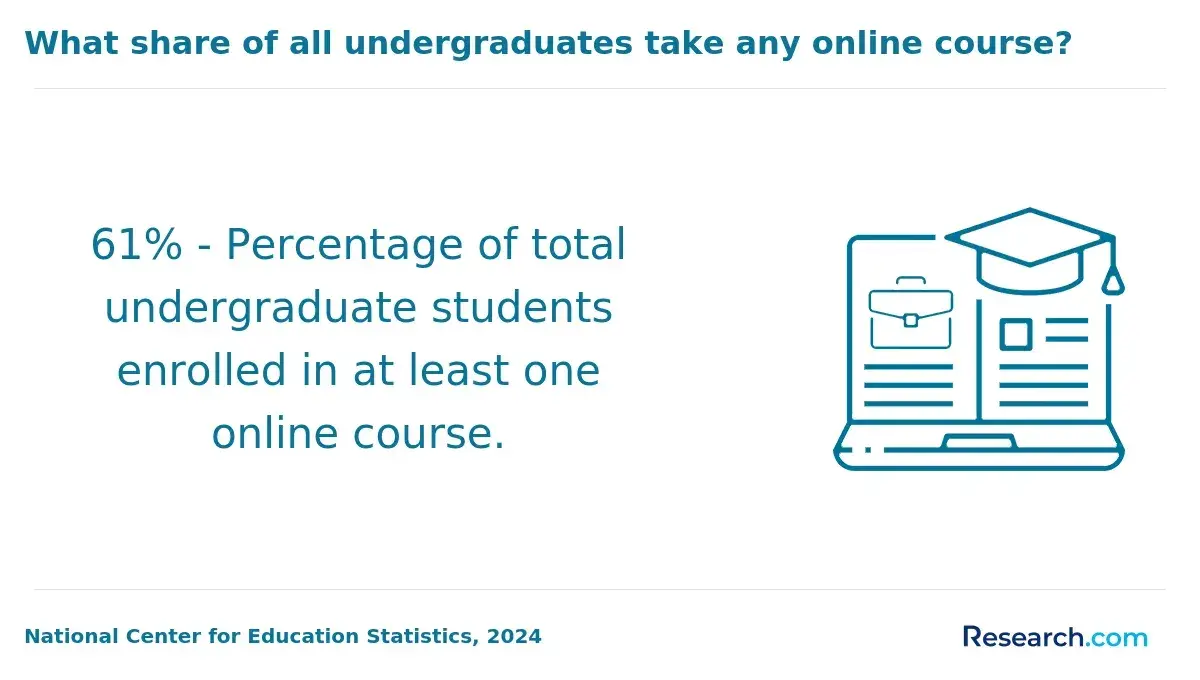
Institutional policies and program competitiveness introduce variability in credit acceptance, with a 2024 National Center for Education Statistics report indicating just 62% of healthcare-related transfer credits qualify as core equivalents. This reflects the rigorous standards set to safeguard employability outcomes, favoring credits demonstrating direct clinical experience over theoretical focus.
For transfer students and adult learners navigating these complexities, strategic course mapping and early advisor engagement are essential to optimize credit transfer and avoid delayed graduation timelines.
Understanding accredited medical assisting schools' credit policies can clarify which courses may apply efficiently toward degree completion, enhancing academic and workforce planning.
Those seeking administrative healthcare advancement might find value in complementary options like an MHA degree to broaden leadership prospects within the healthcare system.
Can Work Experience Count as College Credits in a Medical Assisting Degree Program?
Work experience may be credited toward a medical assisting degree, but only under strict institutional policies that verify alignment between workplace skills and formal academic outcomes.
Programs most commonly rely on prior learning assessments (PLA), which might include portfolio reviews, competency-based evaluations, or examinations designed to confirm that practical skills meet specific course requirements.
Typically, this process necessitates detailed documentation and faculty approval, with some programs limiting credit availability to a portion of the total degree. According to the Council for Adult and Experiential Learning 2024 update, vocational and health science programs often cap PLA credits at around 25-30% of the curriculum to maintain academic integrity while acknowledging professional expertise.
From a student's perspective, earning credits through work experience can reduce course load and associated tuition, but it entails navigating additional administrative hurdles and offering substantial evidence of competency.
Not all programs accept prior experience, and those that do may impose restrictions that can affect graduation timelines and eligibility for financial aid. While this pathway supports credentialing efficiency, many employers still favor full program completion over partial reliance on PLA credits, emphasizing the need for thoughtful planning when incorporating work history into academic progress.
One recent graduate shared that her attempt to secure PLA credits was complicated by the rolling admissions process. She hesitated to submit her portfolio early without clear guidelines, which delayed evaluations and left her uncertain about how many credits would be granted before classes began.
Ultimately, this uncertainty affected her course scheduling decisions and highlighted the importance of early engagement with program advisors to streamline credit approval and avoid enrollment delays.
Why Do Colleges Reject Transfer Credits for Medical Assisting Programs?
Colleges frequently reject transfer credit for medical assisting programs due to complex academic and institutional standards aimed at preserving program integrity and meeting accreditation requirements.
A significant obstacle is accreditation differences-credits from nationally accredited or non-regionally accredited institutions often face denial because regional accreditation remains the prevalent standard for acceptance.
This ensures transferred coursework matches the rigor the receiving school demands. Such transfer credit policies for medical assisting programs also emphasize currency; outdated courses may no longer align with evolving healthcare protocols and technologies, leading to their rejection.
Minimum grade requirements are another decisive factor, with many programs insisting on at least a C grade to demonstrate sufficient mastery of essential skills. Course equivalency issues are perhaps the most common cause of denial.
Medical assisting curricula integrate theoretical, laboratory, and clinical components, so credits are frequently refused if prior coursework lacks comparable hands-on experience or clinical hours. Technical colleges and older degree programs often show misalignment in these areas, further reducing transferability.
Upper-division curriculum alignment also affects credit acceptance. Transfer students possessing mostly general education or lower-division credits may not receive credit for advanced courses, requiring repetition and extending time to graduation. This can disrupt course sequencing, pushing back critical clinical practice and delaying eligibility for professional certifications.
These practical consequences-including longer degree timelines and increased tuition-reflect real barriers in educational planning. Research from 2024 highlights nearly 35% of transfer students in allied health fields face partial credit denial, underscoring its persistence.
Transfer students should understand how past credit decisions, including those from technical schools or non-traditional programs, will be scrutinized not only for academic equivalency but also for relevance to employer expectations and industry standards.
For example, those considering credentials related to the certified professional coder (CPC) pathway will find that aligning prerequisites through accepted transfer credits is crucial for timely progress.
Which Medical Assisting Degree Programs Accept the Most Transfer Credits?
Public universities generally impose more restrictive transfer credit limits due to standardized curricula and institutional residency rules, which can restrict the number of credits accepted from outside sources.
Conversely, online universities and competency-based programs often cater to adult learners and career changers by offering greater transfer flexibility, sometimes accepting upwards of 50%-75% of prior credits. Degree-completion programs explicitly designed for transfer students frequently leverage articulation agreements with community colleges to facilitate credit recognition, accelerating time to degree.
However, accepting more transfer credits can mean facing tighter residency requirements and reduced acceptance of upper-division or specialized courses, which may impact the depth and academic rigor of the education received.
A recent 2024 report from the National Center for Education Statistics highlights that only about 36% of attempted transfer credits are accepted nationwide, underscoring the uneven nature of these policies.
From a workforce perspective, some employers in healthcare fields prefer candidates with substantial in-house coursework, raising concerns about the long-term value of highly transfer-dependent Medical Assisting degrees.
Students must weigh the efficiency gains from broad credit acceptance against potential limitations in academic quality and employer perceptions.
Institutions with Prior Learning Assessment options offer practical advantages for adult learners converting professional experience into credit, but these gains come alongside tradeoffs in academic consistency and credential recognition that influence career outcomes in healthcare settings.
How Do Transfer Credits Affect the Time Needed to Complete a Medical Assisting Degree?
Transfer credits can alter the timeline for completing a medical assisting degree, but their impact depends on how well they integrate with program-specific requirements.
While some transfer credits reduce redundant coursework, residency policies often mandate a minimum number of credits must be earned directly at the institution, limiting how many credits actually count toward graduation.
For instance, a student transferring 30 credits from a community college may still face completing upper-division medical assisting courses onsite, which affects scheduling for critical clinical internships.
According to a 2024 report from the National Student Clearinghouse Research Center, only about 55% of transfer credits are typically accepted toward major requirements in health-related fields, highlighting how credit applicability is a crucial factor in progression planning.
Moreover, transfer credits that do not align precisely with prerequisite sequences or have expired (often after five to seven years) may require students to retake similar content, potentially delaying workforce entry. Missing a key course in the prerequisite chain can postpone access to clinical rotations and certification exams, both of which employers view as essential for employment readiness.
Students and advisors must also consider program-specific GPA thresholds and required hands-on training hours, as these influence not only graduation but eligibility for licensure and job placement.
The decision to accept transferred credits, therefore, involves balancing the desire to accelerate academic progress against the necessity of meeting rigorous program standards that sustain long-term employability in healthcare settings.
Do Transfer Credits Reduce the Cost of a Medical Assisting Degree?
Accepted transfer credits influence tuition calculation primarily when they replace required courses within a medical assisting degree program. Tuition is often charged on a per-credit basis, so only credits that directly apply to degree requirements typically reduce overall costs.
Transfer credits that fulfill core or prerequisite courses shorten the total number of credits a student must pay for, which can diminish tuition expenses. However, this dynamic depends heavily on institutional policies governing credit acceptance and the program's specific curricular structure surrounding transfer credit applicability.
In practice, transfer credits do not always lead to lower tuition. Many medical assisting programs impose residency requirements that mandate completing a minimum number of credits at their institution, limiting cost savings even if transfer credits meet some requirements.
Additionally, transferred credits exceeding the maximum transferable limit or those applied as electives frequently do not reduce the total tuition paid, as students still must cover the full credit load stipulated by the program.
Data from the National Student Clearinghouse Research Center (2024) indicates that nearly 80% of transfer students experience credit loss, which can extend program length and increase expenses. Prospective students should carefully assess how their credits align with degree requirements and tuition structures, especially when evaluating how transfer credits impact medical assisting tuition.
Considering such factors alongside options like radiology tech programs online can be part of broader career pathway planning for adult learners and career changers.
What Is the Best Strategy to Maximize Transferable Credits?
Maximizing transferable credits in medical assisting programs requires navigating institutional policies that often limit acceptance based on accreditation, course equivalencies, and curriculum alignment.
For example, credits earned at nationally accredited schools may be scrutinized or denied, delaying degree completion and affecting employability timelines in a competitive healthcare job market.
Understanding these real-world constraints helps students prioritize efficient credit transfer and avoid redundant coursework:
- Review articulation agreements between community colleges and universities carefully; these formal agreements specify accepted credits and reduce uncertainty by clarifying transfer pathways.
- Complete coursework at regionally accredited institutions whenever possible, as these schools' credits receive broader acceptance and face fewer institutional barriers.
- Request detailed syllabus evaluations from target programs rather than relying solely on transcript reviews; advisors can verify course content alignment with medical assisting prerequisites this way.
- Focus on completing core prerequisites and foundational credits like anatomy, physiology, and medical terminology before transferring, since these classes are commonly required and highly transferable.
- Explore prior learning assessment (PLA) options that award credit for relevant professional experience or certifications to shorten program length, especially valuable for adult learners and career changers.
According to the 2024 National Student Clearinghouse Research Center report, structured transfer pathways incorporating these strategies result in partial credit acceptance for approximately 62% of transfer applicants, underscoring the importance of targeted planning.
For those also considering advanced healthcare roles, investigating online direct entry MSN programs for non nurses can expand long-term career options.
How to maximize transferable credits in medical assisting programs fundamentally depends on leveraging institutional agreements, prioritizing regionally accredited credits, and aligning coursework to institutional requirements to ensure the greatest credit acceptance and timely program completion.
What Graduates Say About How Many Credits Can You Transfer Into a Medical Assisting Degree Program
- Bryson: "When I started my medical assisting degree, I was restricted to transferring only 15 credits from my previous coursework, which felt limiting at first. After weighing the options, I chose the program anyway because it offered strong clinical training and a flexible schedule. In the end, that decision paid off-I landed a position where my hands-on experience mattered more than the total number of transferred credits."
- Tripp: "I was optimistic about transferring most of my credits to speed up my medical assisting program, but the 30-credit cap forced me to reassess. I decided to invest time in earning certifications alongside the program, which employers seemed to value even more than the transfer credits. This combo helped me enter the workforce faster and made up for not having a fully shortened degree pathway."
-
Joshua: "The limited transfer credits available in my medical assisting program meant I couldn't skip foundational courses, which initially felt redundant. However, I chose to embrace the full curriculum since employers in my area prioritized clinical internships and demonstrated competencies over strictly transferred credits. That practical exposure secured me a job, though I noticed salary growth was slower compared to peers with licensure.
"
Other Things You Should Know About Medical Assisting Degrees
Many programs have strict limits on transferring credits related to hands-on clinical training because employers expect medical assistants to demonstrate up-to-date, practical skills certified through accredited coursework.
Even if general education credits transfer smoothly, clinical courses almost always need to be completed within the new program to ensure alignment with current healthcare standards and state regulations. Students should anticipate that transferring credits will rarely shorten the time required for essential externships or clinical labs, which are critical for job readiness and employer confidence.
Prioritizing general education credits for transfer tends to have fewer tradeoffs in medical assisting programs. Because technical and procedural knowledge evolves rapidly, schools often require students to take medical assisting-specific courses in-house to maintain currency and compliance.
General education credits in subjects like English, math, or social sciences can typically be transferred with less risk of redundancy, making this a more strategic move for reducing workload without compromising professional competency.
Transferring a large number of credits from unrelated disciplines might seem advantageous but can lead to gaps in foundational medical assisting knowledge that programs must remediate. This results in longer completion times or additional coursework to cover missing competencies, which can negate the initial benefit. Furthermore, employers may view degrees completed with minimal clinical coursework as less rigorous, potentially affecting job prospects.
Students should evaluate accreditation of the previous institution, course equivalency, program requirements, and credit limits. Consulting advisors ensures transferred credits align with degree goals and optimize educational outcomes, impacting future opportunities in the medical assisting field.
References
- Do Medical Assistant Certification Credits Transfer? https://phlebotomycareertraining.com/do-medical-assistant-certification-credits-transfer/
- College Catalog | Albany Technical College https://www.albanytech.edu/college-catalog/current/programs/medical-assisting
- Medical Assisting Online Associate Degree Program https://www.herzing.edu/healthcare/medical-assisting/associate-degree
- Medical Assistant Program https://cod.edu/academics/areas/medical-assistant/index.html
- Medical Assisting https://www.mchs.edu/academics/associate-degrees/medical-assisting/
- Frequently asked questions | Medical Assisting at PCC https://www.pcc.edu/programs/medical-assisting/faq/
- 4 Ways Transfer Students Can Maximize College Credits for Prior Experience https://www.umassglobal.edu/blog-news/4-ways-transfer-students-can-maximize-college-credits-prior-experience
- Medical Assisting Career Guide https://an.edu/medical-assisting-career-guide/
- Medical Assisting Programs https://lowercolumbia.edu/programs/health/medical-assisting/
- Medical Assisting https://www.rrcc.edu/academic-programs/medical-assisting