2027 Can a Medical Assisting Degree Lead to Remote Jobs?

Co-Founder and Chief Data Scientist
Remote work opportunities for Medical Assisting graduates have grown as healthcare operations integrate more digital tools and virtual patient management systems. Medical Assisting programs frequently incorporate hands-on training with electronic health records (EHR) software like Epic or Cerner, alongside virtual lab and simulation environments that cultivate practical technical competencies. These experiences prepare graduates to navigate telehealth documentation, remote patient scheduling, and compliance tracking, essential for distributed team roles.
According to the Bureau of Labor Statistics' 2024 workforce analysis, nearly 15% of Medical Assisting positions now include telecommuting components, reflecting sustained employer adaptation to hybrid care models and highlighting career flexibility considerations. This article examines how Medical Assisting degrees align with remote job prospects, helping readers assess fit based on skill sets, certification demands, and evolving workplace structures.
Key Points About Medical Assisting Degrees That Lead to Remote Jobs
- Remote medical assisting roles like telehealth coordination offer strong career growth but demand updated certifications, posing a timing tradeoff for students balancing coursework and practical experience.
- Employers value tech proficiency alongside clinical skills for remote positions, shifting workforce expectations and necessitating targeted training beyond traditional medical assisting curricula.
- Online program expansion supports adult learners and nontraditional schedules; however, limited in-person practice opportunities may restrict hands-on skills essential for some remote jobs.
Is it possible for Medical Assisting graduates to work remotely?
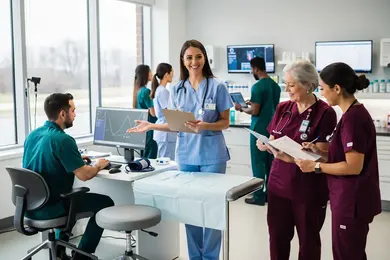
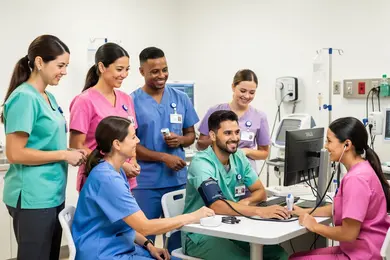
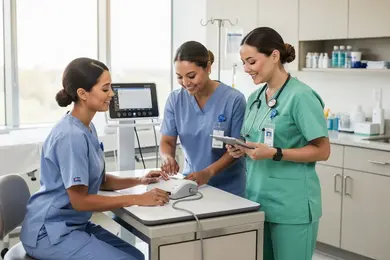
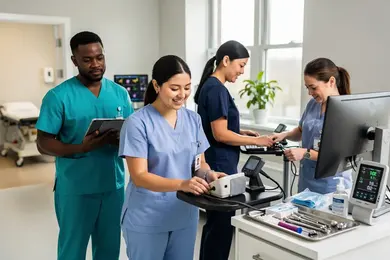
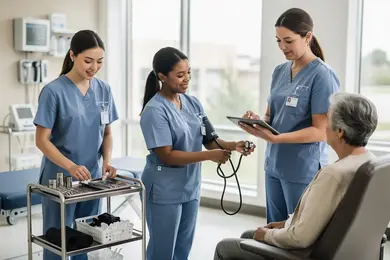
Traditional medical assisting roles predominantly require on-site work due to hands-on clinical tasks like taking vital signs and preparing patients. However, remote opportunities are emerging primarily in administrative and technical areas within healthcare. Positions related to scheduling, billing, health records management, and telehealth coordination represent the most viable remote or hybrid jobs for medical assisting graduates.
These roles capitalize on administrative skills and familiarity with electronic health records but often require additional credentials in health information management or medical billing to be competitive. While these remote positions offer flexibility, they constitute a smaller share of medical assisting employment and typically lack direct patient interaction, which remains a central expectation for many entering the field. Prospective remote job seekers should focus on gaining specialized training to meet employer demands and realistically assess how such roles align with their career goals and the practical limitations of remote work in medical assisting.
What are the typical entry-level remote positions for new Medical Assisting graduates?
New graduates holding a medical assisting degree can find entry-level remote positions, though these roles are typically focused on administrative and digital tasks rather than clinical responsibilities. The following list highlights five common remote or hybrid job titles suitable for recent medical assisting graduates seeking work-from-home medical assistant positions.
- Medical Scheduler: Responsibilities include managing patient appointments and coordinating calendars between healthcare providers and patients. This position often allows remote work due to the use of digital scheduling systems and electronic health records (EHR), with a focus on communication and organizational skills rather than physical clinical presence.
- Medical Billing Specialist: This role involves preparing and processing patient invoices, coding billing information, and managing insurance claims. Because these tasks rely heavily on medical billing software and attention to detail, many employers offer remote options for this role, making it a common remote entry-level medical assisting job.
- Patient Service Representative: Acting as the primary contact for patient inquiries, this role emphasizes telephone and email communication to address scheduling, billing questions, or service requests. The communication-based nature of this work often allows companies to provide remote or hybrid work arrangements to improve flexibility.
- Health Information Technician: This job focuses on maintaining, updating, and protecting digital patient records. As healthcare institutions increasingly shift to electronic health records, this role is well-suited for remote work, requiring proficiency with EHR systems and attention to detail without the need for on-site clinical duties.
- Telehealth Coordinator: Coordinators facilitate virtual medical appointments, prepare patient data for providers, and troubleshoot technology used during telemedicine visits. Since these tasks revolve around virtual platforms, this role is inherently remote and expanding with the growth of telehealth services.
These remote entry-level medical assisting jobs contrast with traditional clinical roles by emphasizing technical aptitude in EHR and billing software, as well as strong communication skills. Graduates interested in these positions should be prepared for the discipline and self-management required to work effectively in virtual environments. For insights on specific educational steps and credentialing processes that support these job paths, exploring resources on how to become a certified medical assistant can provide practical guidance.
Are there senior-level remote positions for Medical Assisting professionals?
Senior-level remote medical assisting jobs are available but tend to be rare for recent graduates due to the experience and leadership skills required. These roles usually demand advanced knowledge of healthcare operations and technology, fitting well with remote or hybrid setups. Below are five examples of senior remote positions suited to medical assisting professionals who have developed specialized expertise and management capabilities.
- Clinical Operations Manager: Responsible for overseeing clinical workflows and employee performance while ensuring compliance with healthcare regulations. This position often supports multiple sites or telehealth programs, making remote supervision feasible and increasingly common.
- Health Information Manager: Focuses on the oversight of electronic health records and data security protocols. Given the digitization of healthcare data, this role often works remotely to maintain accuracy and regulatory compliance across systems.
- Medical Billing and Coding Supervisor: Directs teams handling coding for diagnoses and procedures critical to billing and insurance claims. The transition to digital billing platforms enables these supervisors to remotely manage workflows and resolve discrepancies.
- Telehealth Coordinator: Coordinates virtual appointments and telemedicine services, ensuring effective communication between patients and healthcare providers. Because the role operates primarily through digital channels, it is well-suited to remote work environments.
- Compliance and Quality Assurance Specialist: Conducts reviews and monitoring to guarantee adherence to healthcare laws and quality standards. Much of this work involves remote analysis and documentation rather than onsite presence.
Remote leadership roles for medical assisting professionals require proficiency in healthcare technology, regulatory understanding, and communication across virtual teams. Employers seek candidates who combine clinical insight with the capacity to manage operations indirectly. Practical experience with healthcare IT and telehealth platforms significantly enhances employability in these areas.
Those interested in expanding their qualifications should consider pathways like online nursing programs for working adults that emphasize flexible schedules and relevant leadership skills development.
Remote positions for graduates with a medical assisting degree exist across various sectors that have adopted virtual or hybrid workflows. Below are some of the primary industries offering remote roles aligned with medical assisting skills and experience.
- Health Insurance Companies: These firms frequently employ medical assisting graduates remotely to handle claim processing, verify authorizations, and provide member support services, leveraging detailed knowledge of healthcare protocols while working offsite.
- Telehealth Providers: The rise of virtual care has created demand for medical assistants in roles such as patient intake, managing electronic records, and scheduling telemedicine appointments, requiring adaptability to digital communication platforms.
- Pharmaceutical and Biotech Firms: Remote roles often focus on clinical trial support, regulatory documentation, and managing health data, where medical assisting training supports compliance and accuracy in complex workflows.
- Medical Billing and Coding Services: Specialized outsourcing companies hire remotely to perform billing and coding functions, depending heavily on medical assistants' proficiency with healthcare coding standards and electronic claim submissions.
- Healthcare IT Companies: These companies leverage remote medical assistants to assist with electronic health record (EHR) system implementation, user training, and technical support, blending healthcare knowledge with IT competencies.
While the clinical aspects of medical assisting remain primarily onsite, these industries illustrate a distinct shift toward hybrid operational models that emphasize administrative and coordination tasks tailored for remote work. Employers typically seek candidates who demonstrate strong communication, technological dexterity, and familiarity with relevant software, underscoring a tradeoff between clinical exposure and administrative specialization in remote roles. Graduates aiming to work remotely must therefore focus on honing these transferable skills to align with evolving employer needs.
Remote medical assisting salaries compared to onsite roles typically show that on-site positions command slightly higher pay. This wage gap largely stems from the hands-on nature and patient interaction required on-site, which employers value and compensate accordingly. However, remote salaries vary significantly as many organizations use geographic pay tiering, adjusting compensation based on the employee's location rather than applying a uniform national rate.
For remote medical assisting salaries compared to onsite counterparts, those working in lower-cost or rural regions often experience reduced pay, reflecting local market conditions. Specialized roles like billing specialists or certified coders tend to maintain more consistent salary levels across remote and on-site positions because of persistent demand and skill scarcity. Individuals interested in exploring remote work options may find value in fast-track pathways such as a 6 month LPN program online, which can expand job flexibility and opportunity in related healthcare roles.
Remote work in medical assisting involves distinct operational hurdles tied to the need for timely collaboration and data security. Below are key challenges faced by professionals in this setting, along with considerations for addressing them.
- Communication Delays: Remote positions rely heavily on digital communication, which can slow access to critical patient data and responses from healthcare providers. Medical assisting professionals need to develop proactive communication habits and leverage efficient platforms to mitigate workflow disruptions.
- Data Security and Privacy Risks: Handling sensitive health information remotely demands rigorous adherence to security protocols to prevent breaches. Medical assistants must stay current with compliance rules and employ best practices in data protection to uphold patient confidentiality.
- Reduced Collaboration Speed: The back-and-forth required for clarifications or error corrections often takes longer remotely, risking increased documentation or billing mistakes. Strengthening technical skills and instituting clear communication processes can help limit errors and maintain quality.
- Visibility and Proximity Bias: Working offsite can reduce direct supervisor interaction, potentially influencing performance reviews and advancement opportunities. Remote medical assistants benefit from regularly documenting accomplishments and actively engaging with leadership to counteract this bias.
- Increased Cognitive Load: Balancing technical tasks and compliance remotely necessitates higher self-discipline and situational awareness. Developing structured routines and time management strategies is vital to maintain accuracy and reduce stress.
When discussing these challenges with a medical assisting professional who graduated from an online bachelor's program, he emphasized the difficulty in staying fully engaged without immediate team presence. "Sometimes I have to send multiple messages or wait longer than expected for clarifications, which slows me down," he said. He also shared concerns about keeping patient data secure on home networks and how he had to adopt rigorous personal data handling protocols. "It's a constant effort to balance speed with accuracy, especially when you don't have someone right next to you to quickly check your work." This reflective insight underlines the practical complexities remote medical assistants must navigate beyond their education.
Certifications play a critical role in improving remote hiring outcomes for medical assisting graduates by validating skills that employers specifically seek in virtual healthcare roles. Below are five certifications that notably enhance prospects for remote medical assisting positions, each with distinct focuses and eligibility criteria.
- Certified Medical Assistant (CMA):This credential from the American Association of Medical Assistants (AAMA) demonstrates proficiency in clinical tasks and patient care, which translates well to remote settings emphasizing telehealth patient interactions. Candidates typically need formal education and must pass a comprehensive exam covering medical law and clinical procedures.
- Registered Medical Assistant (RMA):Offered by American Medical Technologists (AMT), the RMA emphasizes operational knowledge and ethical standards, aligning with demands for compliance and quality in remote workflows. Eligibility often includes education and experience prerequisites verified through exam success.
- Certified Clinical Medical Assistant (CCMA):This National Healthcareer Association (NHA) certification targets clinical skills essential for remote clinical support roles. Candidates usually require a formal medical assisting education and must pass an exam focused on clinical competencies relevant to telemedicine environments.
- Certified Medical Administrative Assistant (CMAA):Also from NHA, this certification is tailored toward remote roles that prioritize billing, coding, scheduling, and administrative responsibilities. Applicants often complete accredited training and clear an exam testing office management capabilities under virtual healthcare conditions.
- Certified Electronic Health Records Specialist (CEHRS):NHA's CEHRS credential addresses expertise in managing electronic health records accurately-an increasingly vital skill for remote positions supporting telehealth services. Typically, candidates must demonstrate proficiency with EHR software and pass an exam on digital records handling standards.
Choosing which remote medical assisting certifications to pursue requires balancing their cost and relevance against your targeted job function. Beyond certifications, employers weigh communication skills and adaptability to healthcare software platforms heavily. For those interested in broadening healthcare knowledge through interdisciplinary studies, exploring options like an online biology bachelor's degree may provide additional leverage in remote healthcare roles.
Increasing the chances of landing remote roles with a medical assisting degree requires a targeted approach that highlights relevant skills and adapts to employer expectations in virtual healthcare settings. The following strategies outline essential areas for medical assisting students to focus on when aiming for remote opportunities.
- Develop Digital Health Competency: Gaining proficiency with electronic health records (EHR) systems and telemedicine technology is crucial since remote positions demand secure and efficient management of patient data along with virtual communication capabilities.
- Engage in Remote Healthcare Networks: Active participation in specialized online communities, including remote-first job boards and platforms like LinkedIn groups focused on telehealth professionals, helps connect candidates directly with employers prioritizing remote medical assisting experience.
- Create Targeted Portfolios: Building portfolios that showcase case studies or examples of handling telehealth interactions, patient communications, or remote administrative projects can demonstrate adaptability and self-sufficiency valued in remote roles.
- Prepare for Asynchronous Assessments: Familiarity with virtual trial tasks such as patient intake forms and scheduling simulations enables candidates to effectively display attention to detail and independence, traits often evaluated outside of traditional interviews.
- Practice Scenario-Based Interviews: Preparing for video interviews with situational questions can highlight problem-solving skills critical for remote medical assisting, where spontaneous remote decision-making and communication skills are tested.
Medical assisting degree students aiming to improve remote medical assisting job applications benefit from integrating these practical focus areas into their preparation. Due attention to operational realities enhances employability beyond conventional clinical training. For comparative insights on educational pathways relevant to evolving roles like these, students may consider resources like the Chamberlain vs Capella RN to BSN program analysis, shedding light on program outcomes aligned with workforce demands.
Remote medical assisting roles shift traditional career progression by reducing reliance on visible tenure and physical presence. Without the informal interactions and spontaneous networking common in onsite settings, advancement depends more on demonstrable outcomes and proactive self-management. Employers increasingly utilize digital tools and data-driven metrics to evaluate remote employees, focusing on task completion, patient communication quality, and collaboration efficiency.
This environment requires medical assistants to develop strong digital literacy and telehealth skills to maintain productivity. Active engagement through virtual training and routine feedback helps reinforce professional development where informal mentorship may be limited. Clear documentation of achievements in shared platforms boosts visibility for leadership consideration despite physical distance.
Leadership demonstration in remote contexts depends heavily on communication capabilities and sustained participation in team workflows. Building and nurturing cross-functional relationships demands deliberate effort since casual office encounters are absent. While remote roles may constrain spontaneous networking opportunities, commitment to tracking performance and continuous learning can support steady career growth and readiness for promotion in distributed healthcare settings.
Remote careers in medical assisting face fundamental limits linked to the profession's clinical demands. While administrative and communication tasks increasingly leverage technologies like electronic health records and telehealth platforms, hands-on patient care and clinical procedures require physical presence. Employers typically expect flexibility, blending remote administrative duties with on-site responsibilities, especially in specialty or outpatient settings where telehealth infrastructure is mature.
Technological shifts support a growing portion of medical assisting work from afar, particularly data entry, scheduling, and patient follow-up functions enhanced by AI-assisted tools. That said, fully remote positions remain niche and often reflect hybrid roles rather than purely home-based jobs. Economic and healthcare delivery changes influence this dynamic, with medical assistants who cultivate digital proficiency and adaptability better positioned for emerging remote opportunities.
Maintaining competitive viability will depend on continuous upskilling in relevant technologies, expanding digital communication skills, and networking within evolving healthcare environments. Hybrid competence, combining clinical know-how with technical fluency, will be essential to navigate job sustainability over the next decade.
When I asked a medical assisting professional who completed an online bachelor's program about remote work prospects, he described early optimism tempered by reality. "I hoped to find fully remote roles after graduation, but much of the work still demands on-site involvement," he explained. The transition included balancing new digital tools with in-person duties and learning to communicate effectively across virtual platforms while managing patient care expectations. His experience highlights that sustainability in remote medical assisting depends greatly on embracing hybrid workflows and ongoing tech adaptation rather than expecting purely remote positions to be the norm.
What Graduates Say About Medical Assisting Degrees That Lead to Remote Jobs
- Bryson: "After earning my degree in medical assisting, I realized that while many employers value certifications and hands-on experience more than formal licensure, building a strong portfolio through internships was key. Landing a remote role in patient coordination allowed me to leverage those skills, but adapting to the communication gaps of remote work took some getting used to. The flexibility is great, though, and it's opened doors I didn't expect when I started out."
- Tripp: "The remote position I secured post-graduation was largely due to my practical experience rather than additional certifications, which aligns with what I've seen employers emphasize in this field. Working remotely in a telehealth support role fits my lifestyle well, but I've noticed there's a ceiling to salary growth unless you pursue further licensure. So, I'm weighing whether to continue advancing within medical assisting or pivot toward a more specialized path."
- Joshua: "My medical assisting degree helped me launch into remote administrative work quickly, especially since the field allows for a quicker entry compared to some healthcare roles. However, competition for remote positions can be stiff, and employers sometimes prefer candidates with a blend of clinical skills and tech savvy. Understanding these hiring realities early helped me tailor my applications toward telemedicine companies, where I found my fit."
Other Things You Should Know About Medical Assisting Degrees
Many medical assisting programs emphasize hands-on clinical skills that are essential for onsite work but less relevant for remote positions, such as administrative support or telehealth coordination. Prospective students should evaluate whether their curriculum offers substantial training in electronic health records, telecommunication technology, and virtual patient management, which are critical for remote jobs. Prioritizing programs with a strong administrative and healthcare IT component can improve readiness for remote work and broaden job prospects beyond traditional clinical roles.
Maintaining certifications like CMA (Certified Medical Assistant) often involves ongoing education and periodic in-person exams, which can be complicated by a remote work lifestyle. Remote employees must proactively manage their schedules to fulfill these requirements, which might include attending workshops or clinical skills refreshers. This reality can require additional time and financial investment beyond regular job duties, particularly if the employer does not provide support for continuing education.
Remote medical assistants need HIPAA training, secure messaging skills, and comfort with electronic health records such as Epic or Cerner. They must use a reliable computer, webcam, headset, and encrypted internet connection, plus know basic troubleshooting for telehealth calls, scheduling platforms, and document scanning.
In 2027, employers expect remote medical assistants to be proficient in digital communication tools, patient data management, and multitasking. The demand for virtual patient interaction and telehealth support requires assistants to adapt swiftly to technology advancements while maintaining patient confidentiality and care standards.
- Top Challenges for Medical Assistants - Kino College https://kinocollege.edu/challenges-for-medical-assistants/
- Can You Be a Medical Assistant From Home? https://docva.com/medical-assistant/
- How To Get A Remote Medical Assistant Job? Skills, Pay & Where To Apply | Career Advice by DailyRemote https://dailyremote.com/advice/medical-assistant
- Remote Jobs vs Onsite Pay Comparison Guide 2025 Pro https://aciano.net/blog/remote-onsite-pay/
- Can Medical Assistants Work from Home_ Remote Roles Explained https://pulsemedicalassistantschool.com/blog/medical-assisting/can-medical-assistants-work-from-home-remote-roles-explained/
- What is the Next Step After Becoming a Medical Assistant? https://www.herzing.edu/pathway/whats-next-after-medical-assisting
- How to Work From Home as a Medical Assistant in Orlando 2026 https://www.fhcaorlando.com/blog/can-a-medical-assistant-work-from-home
- Remote Medical Assistant Jobs (2026) https://remote.jobease.ca/remote-jobs/job/medical-assistant/
- Which Healthcare Certifications Pay the Most? A Guide to Higher-Earning Medical Jobs Through Certification https://www.pennfoster.edu/blog/10-medical-certifications-that-pay-well
- Remote Medical Assistant Jobs For You: How to Hire One? - StaffingSolutions.io https://staffingsolutions.io/blogs/remote-medical-assistant