2027 Finance Degree Completion Programs for Working Adults

Co-Founder and Chief Data Scientist
Many working adults face unique challenges when seeking to complete a finance degree-balancing job responsibilities, family obligations, and financial constraints often hinders progress. High-quality finance degree completion programs stand apart through structured credit transfer policies, regional accreditation, flexible evening or online schedules, and clear ties to career outcomes-factors essential for those aiming to advance or switch careers.
According to the National Association of Colleges and Employers, graduates with finance degrees experience a median starting salary over 15% higher than those without a degree. This article examines key criteria to help adults select programs that fit their professional goals, finances, and life demands.
Key Things to Know About Finance Degree Completion Programs for Working Adults
- Maximizing credit for prior learning-such as military training or certified coursework-can reduce time to degree by up to 50%, accelerating career advancement.
- Programs recognized by employers and licensure bodies boost employability, ensuring credentials meet evolving finance industry standards as of 2023.
- Working adults can access targeted financial aid-including employer tuition assistance and federal grants-helping to manage rising education costs without sacrificing income.
What Are Finance Degree Completion Programs, and Who Are They Designed For?
Finance degree completion programs cater to adults who have earned some college credits but did not finish a four-year degree-offering an accelerated track tailored for working adults. Unlike traditional undergraduate or graduate programs, these options emphasize credit-for-prior-learning policies that award transfer credits for relevant coursework, military training, or professional certifications, considerably shortening time and lowering costs to degree completion. Flexible scheduling through evening, weekend, and online formats supports students balancing work and life obligations. Such programs are often recognized as critical pathways by organizations like the National Student Clearinghouse and the American Association of State Colleges and Universities (AASCU).
Distinct audiences served include:
- Adults With Some College but No Degree: Individuals resuming education without starting over.
- Military Veterans: Students leveraging ACE-accredited military training for academic credit.
- Working Professionals: Employees needing a finance bachelor's for credential-gated promotions or licensure.
- Career Changers: Adults entering finance requiring recognized credentials to transition effectively.
Key features of finance degree completion programs for working adults include:
- Accelerated Pacing: Courses move faster than traditional semesters, enabling earlier graduation while managing work responsibilities.
- Credit Transfer Policies: Generous acceptance of transfer credits-including those evaluated by the American Council on Education (ACE)-benefits military and adult learners.
- Flexible Scheduling: Offerings often include online finance degree completion options, with classes arranged during evenings or weekends to fit working professionals' schedules.
The Lumina Foundation's research on adult learners underscores the importance of program quality, flexibility, and acknowledgment of prior learning. Prospective students should carefully evaluate credit acceptance policies, prioritize programs recognized by employers and licensure boards, and explore financial aid uniquely accessible to working adults. Those seeking convenient and reputable paths may find value in exploring online degree programs tailored for adult learners aiming to complete their finance degrees efficiently.
How Do Finance Degree Completion Programs Differ From Traditional On-Campus Degree Programs?
Finance degree completion programs are tailored to fit the demanding schedules of working adults-an essential difference from traditional on-campus programs that often require full-time, daytime attendance. These programs offer flexible scheduling formats including evening, weekend, online, or hybrid courses. Unlike the fixed semester calendar of traditional programs, completion programs often allow accelerated cohort progression or self-paced enrollment, catering to diverse learner needs.
- Residency Requirements: Many completion programs minimize or eliminate the need for on-campus attendance, with options for fully online curricula. Traditional programs usually require substantial in-person class time.
- Asynchronous Coursework: A significant portion of coursework in completion programs can be completed asynchronously-enabling students to engage with materials at their own convenience. Conversely, traditional degrees emphasize synchronous, in-person instruction.
- Start Dates and Advising: Completion programs commonly provide rolling or multiple start dates yearly and streamlined advising customized for adult learners. Traditional offerings typically have limited start dates and conventional advising models.
- Credit Transfer Flexibility: These programs excel at accepting a high volume of transfer credits-including military ACE-credited training and prior college work-to shorten time-to-degree. This contrasts with traditional programs, which generally have stricter transfer policies.
- Enrollment Trends: According to NCES and IPEDS data, degree completion programs have seen robust growth among working adults over the past decade, reflecting increased demand for flexible, adaptable higher education pathways.
- Credential Equivalence: Both pathways culminate in equivalent credentials-a Bachelor of Science or Bachelor of Arts in Finance-but the completion experience is designed to limit disruption to employment and family responsibilities, providing a distinct pathway.
Students should weigh these differences carefully, particularly when seeking programs that offer flexible scheduling in finance degree completion programs and maximize credit for prior learning. Those exploring affordable options might also consider the resources available at cheap online colleges, which often specialize in these flexible degree models.
What Prior Credits and Experiences Count Toward a Finance Degree Completion Program?
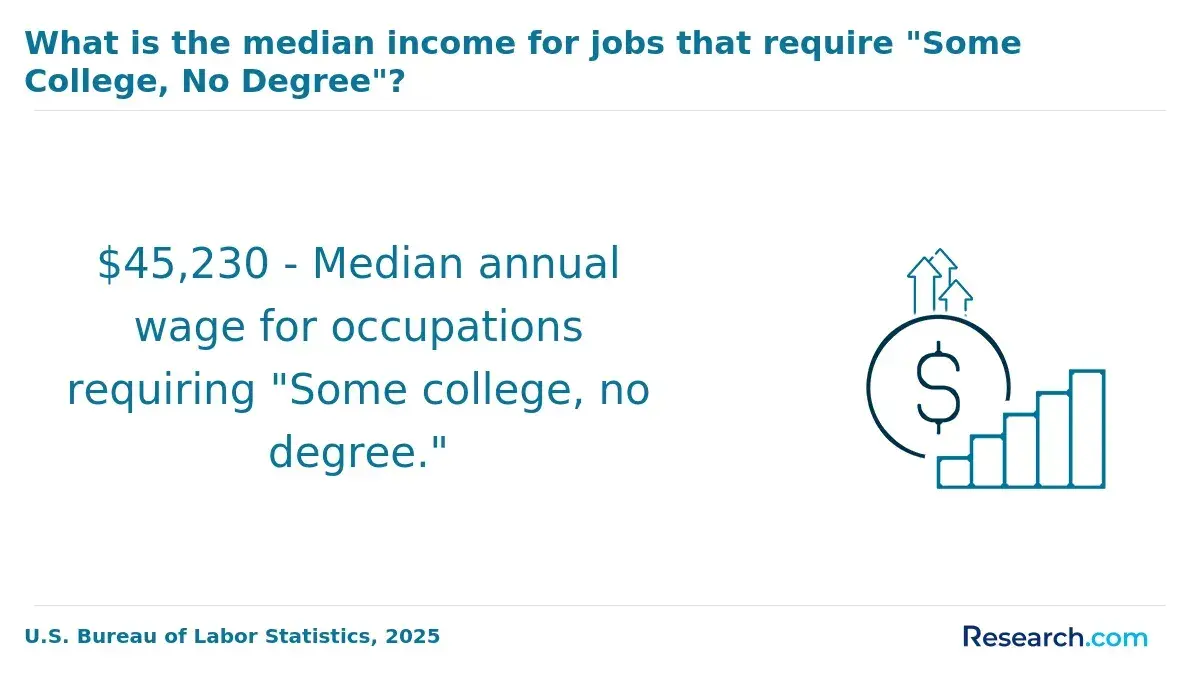
Credit transfer policies vary widely, so requesting official transcripts and obtaining a pre-enrollment credit review are crucial to avoid later surprises. CAEL research shows students leveraging prior learning can cut degree time by six months to a year, lowering overall tuition. Beware institutions that reject ACE military credits or impose illogical transfer limits-AACRAO guidelines serve as a benchmark for fair credit policies finance completion programs should follow.
Transfer Credits: Most programs welcome credits from regionally accredited colleges and universities, though acceptance depends on the originating school's accreditation and how closely prior coursework matches finance requirements.
Military Training Credits: Credits validated by the American Council on Education (ACE) for military training and experiences are often transferable. These cover leadership, management, and technical skills relevant to finance careers.
Professional Certifications: Credentials like CPA, CFA, or financial planning certificates can sometimes count toward degree credits via direct evaluation or Prior Learning Assessment (PLA).
Prior Learning Assessment (PLA): Programs frequently evaluate professional experience, training, and student portfolios to convert real-world skills into academic credits-dramatically reducing time to graduate.
Credit-by-Examination: Tests such as CLEP and DSST offer ways to earn credit for finance subjects without traditional courses.
One professional who recently graduated from a finance degree completion program shared that "Navigating the credit evaluation was challenging, especially ensuring my certifications and military experience transferred. The pre-advising process helped clarify what counted and where I needed extra courses. Earning credit through my work experience accelerated my graduation timeline, and that reduced stress both financially and personally." This real-world perspective highlights the importance of thorough credit assessment when pursuing a finance degree completion path.
Most finance degree completion programs require a baseline cumulative GPA-typically between 2.0 and 2.5 on a 4.0 scale-on previous college credits to grant automatic admission. This ensures learners possess sufficient academic preparation to handle advanced coursework.
Conditional Admission: Some institutions offer conditional acceptance for applicants falling below GPA thresholds but showing promise through other elements. These students often must engage in academic support services such as tutoring, mentoring, or probationary enrollment to build necessary skills.
Open Admission for Experienced Adults: Several adult-friendly programs waive strict GPA criteria when candidates present substantial professional experience in finance or related areas, especially veterans with ACE-recognized training credentials. This approach recognizes practical knowledge as equally valuable to academic records.
Holistic Admissions: GPA standards usually operate alongside comprehensive reviews that weigh years of finance-related work experience, recommendation letters, and personal statements. Institutions accredited by regional bodies like the Higher Learning Commission (HLC) often use this balanced evaluation to align admissions with adult learner profiles.
Academic Forgiveness Policies: Returning students with prior low GPAs may benefit from fresh-start options offered by some schools-allowing a reset of cumulative GPA calculations after a defined hiatus from enrollment, thus aiding those seeking a new academic trajectory.
Pre-Admission Evaluation: Prospective students should request formal academic reviews before applying. This step clarifies eligibility expectations and prevents wasted effort on unsuitable applications.
Those comparing credential pathways may also consider cost factors-similar to the online construction management degree cost comparisons-to assess overall value.
Many finance degree completion programs tailor their schedules to support students working full-time-often 40+ hours weekly-offering formats such as evening cohorts, weekend intensives, fully asynchronous online classes, or hybrids. These flexible structures maintain academic standards while fitting into busy lives. Typically, students enroll in 6 to 9 credits per term, a balanced load designed to prevent overwhelming professional or personal commitments.
The cohort learning model, common in these programs, involves a fixed group moving through courses together. This framework fosters accountability, peer motivation, and enhances time management. Students benefit from predictable scheduling-knowing course dates well in advance allows them to plan work and family obligations confidently, reducing last-minute disruptions.
Research from the National Student Clearinghouse Research Center reveals that cohort-based students show higher persistence and graduation rates than peers in more flexible but loosely structured formats. This evidence highlights how the structure supports working adults' degree completion success.
A professional who established her career after finishing her finance degree described juggling full-time work with studies as "challenging but manageable." She valued the cohort's steady rhythm-"knowing we all moved forward together removed uncertainty." The ability to communicate early with success advisors when work emergencies arose "meant I never felt left behind." She reflected that the program's predictability allowed her to stay motivated and focused despite the demanding balance, saying, "It was a game-changer for someone like me who needed structure without sacrificing job responsibilities."
Adult learners pursuing finance degree completion programs often choose among three main delivery formats-each with implications for managing busy schedules and diverse learning preferences. According to the NCES Integrated Postsecondary Education Data System, about 60% of these students enroll in fully online programs, while around 25% pick hybrid models that combine virtual and occasional in-person components. The COVID-19 pandemic significantly enhanced universities' abilities to offer rigorous online education, including in finance, by expanding interactive technology and support services.
- Synchronous Sessions: Live video classes offer real-time interaction with instructors and peers, ideal for those who thrive with structure but challenging for those juggling irregular hours or multiple time zones.
- Asynchronous Lectures: Recorded modules allow students to study flexibly on their own timetable, a boon for working professionals balancing career and family, though requiring strong self-discipline.
- Hybrid Models: These blend online coursework with scheduled on-campus or local meetings, supporting both flexibility and direct engagement, useful for networking and experiential learning.
- Faculty Credentials: Verify instructors hold advanced degrees and relevant finance experience.
- Student-to-Faculty Ratios: Low ratios in virtual classes can improve personalized guidance.
- Academic Support: Check for access to tutoring, career counseling, and technical help.
- Accreditation: Ensure the online program shares the institution's recognized accreditation to maintain quality and credit transferability.
Choosing the right delivery format involves assessing personal scheduling needs and learning style. Prospective students should inquire about required in-person commitments, availability of technological resources, and transfer credit policies. A 2023 Online Learning Consortium study notes a 15% rise in adult enrollment at institutions offering flexible hybrid options, reflecting growing demand for adaptable finance completion pathways.
The time required to complete a finance degree completion program varies greatly depending on prior academic credits and learning assessments. Students entering with around 60 transfer credits-commonly equated to junior standing-usually need about two years of full-time study to finish their degree requirements. Those with 90 or more credits can often graduate within one year if enrolled full-time and meeting all program expectations.
Several key factors influence these timelines:
- Credit Recognition: Credits awarded through transfer and prior learning assessments (PLA) significantly shorten the remaining coursework, accelerating completion.
- Enrollment Intensity: Part-time enrollment often extends completion to three years or more, whereas accelerated or continuous course schedules can shorten degree timelines.
- Program-Specific Requirements: Fixed-duration elements such as internships, capstone projects, or field experiences often cannot be compressed, regardless of academic progress.
- Financial Impact: Speedier graduation lowers overall tuition expenses and minimizes income lost due to prolonged workforce absence, making accelerated completion a strategic financial choice rather than just a convenience.
- Realistic Expectations: Prospective students should obtain documented average completion times tailored to their credit profile from each program-rather than relying on best-case marketing estimates designed for ideal candidates.
Data from the National Student Clearinghouse reveals that actual completion times commonly exceed idealized minimums, especially for adult learners balancing work and family obligations.
Evaluating these factors enables working adults to choose finance degree completion programs aligned with their career goals, financial circumstances, and life commitments, thus navigating their education pathways with clarity and confidence.
Recognized as the highest standard for accredited finance degree completion programs in the US, regional accreditation is awarded by agencies such as the Higher Learning Commission (HLC), Middle States Commission on Higher Education, and SACSCOC. This type of accreditation ensures that employers, graduate schools, and federal student aid programs regard your degree as rigorous and legitimate. Programs with regional accreditation typically allow for smoother credit transfer and greater acceptance by licensing boards, which is critical for mid-career professionals and career changers.
Granted by agencies like the Distance Education Accrediting Commission (DEAC), national accreditation is generally considered less prestigious. Programs holding only national accreditation often experience limited credit transferability and may not qualify for certain federal financial aid, constraining educational and career prospects. Institutions with national accreditation alone might face skepticism from future employers and graduate schools, posing risks for those relying on these credentials.
Specialized accreditation further validates the quality of business-related finance degree programs. The Accreditation Council for Business Schools and Programs (ACBSP) and the Association to Advance Collegiate Schools of Business (AACSB) are key bodies that endorse business curricula. Their recognition can enhance professional license eligibility, hiring opportunities, and graduate school admission. Although ABET primarily accredits engineering and technology fields, and CSWE focuses on social work, their mention underscores the importance of field-specific validation relevant to comprehensive finance degree completion options.
Beware of programs relying solely on national accreditation or listing unrecognized accreditors. Degrees from such institutions may harm your reputation and financial investment since employers and licensing boards could reject them outright. The U.S. Department of Education's Database of Accredited Postsecondary Institutions and Programs (DAPIP) remains the authoritative source to confirm accreditation status. Always verify programs independently rather than relying solely on marketing claims to ensure alignment with your career and lifelong learning goals.
For additional insights into affordable credentials complementing finance studies, explore online MBA entrepreneurship programs designed for working adults seeking flexible formats and strong career outcomes.
Finance degree completion programs vary in price across institution types. Public regional universities typically charge $300 to $600 per credit hour for in-state students, while private nonprofit schools range from $700 to over $1,200 per credit hour. For-profit institutions often fall between these rates but may add extra fees. Mandatory fees, technology expenses, textbooks, and occasional residency or intensive sessions can add $500 to $1,500 annually, depending on program structure.
Financial aid: Working adults benefit from various aid options suited for finance degree completion programs for working adults. Pell Grants may apply to part-time students, reducing out-of-pocket expenses. Employer tuition reimbursement is common, often requiring grade standards or service commitments. Military-affiliated students can utilize GI Bill or MyCAA benefits for eligible spouses. Additionally, many institutions award scholarships targeting non-traditional adult learners with some college credits.
FAFSA guidance: Adult learners usually file FAFSA independently, impacting aid eligibility. Accurate income and asset reporting is essential to maximize grant and loan opportunities. Navigating this process helps optimize available financial support for adult finance students.
Tax advantages: Adults paying out-of-pocket might qualify for the Lifetime Learning Credit-up to $2,000 annually for qualified expenses. Employer-provided educational assistance up to $5,250 per year is excluded from taxable income under IRS Section 127. It is advisable to consult a tax professional to tailor strategies based on personal circumstances.
Cost comparison: Comparing finance degree completion programs requires evaluating factors beyond sticker price. Maximizing transfer credits reduces total costs. Employer reimbursement eligibility dramatically lowers net tuition. Assessing net tuition after aid offers a clearer picture of actual financial commitment. Sticker price alone is a poor affordability gauge for working adults leveraging prior credits and employment benefits.
For those exploring transfer options or alternative pathways into the finance field, resources such as online SLP programs illustrate how bridging strategies can expand access across disciplines and career changes.
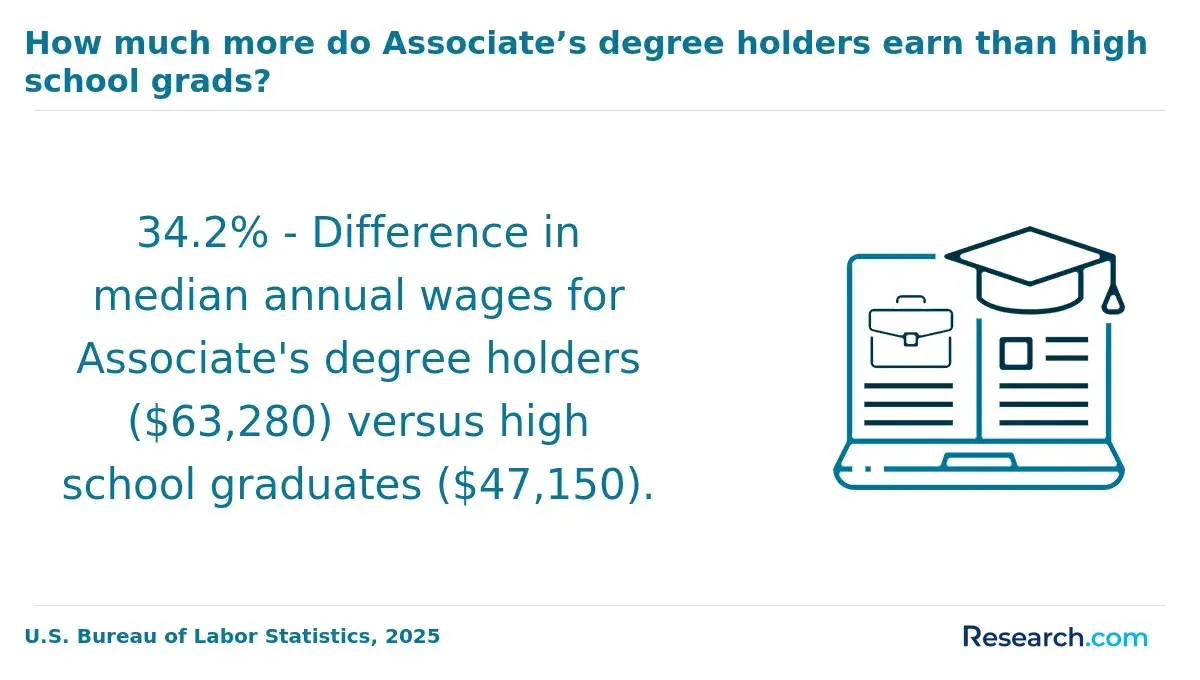
Completing a bachelor's degree in Finance significantly enhances earning potential-adults with this credential often earn 15% to 25% more within five years compared to those with some college but no degree, according to Georgetown University Center on Education and the Workforce data. This increased income usually accompanies greater access to leadership roles and credential-gated positions, such as financial analysts, portfolio managers, and certified financial planners, which require a bachelor's degree for eligibility.
Experienced working adults earning their Finance degree differ from traditional graduates by leveraging prior professional experience. This practical background often offsets concerns about time invested in completing the degree later in their careers and helps them pursue mid- to senior-level roles immediately after graduation-bypassing typical entry-level constraints.
- Career Advancement: Graduates report improved qualification for promotions and leadership roles within sectors like corporate finance and risk management.
- Credential Access: A Finance bachelor's degree opens doors to key certifications and licenses-such as CPA, CFA, or CFP-essential for advancing in certain finance professions.
- Salary Premium: Completion correlates with substantially higher wages compared to peers lacking a degree, supporting long-term financial growth.
- Job Market Positioning: Working adults often leverage combined experience and education to target higher-tier roles right after graduation.
- Career Goal Alignment: Prospective students should confirm their chosen program's accreditation and credential recognition to ensure eligibility for licenses, management tracks, or graduate study relevant to their aims.
Employer surveys from organizations like the Society for Human Resource Management and the National Association of Colleges and Employers reveal that hiring managers focus on the accreditation and reputation of the institution awarding a Finance degree rather than the student's path to completion. Whether the degree is earned through a completion program, traditional full-time study, or prior learning assessments (PLA) usually does not affect employer perception.
- Credential Recognition: Diplomas from accredited universities for Finance completion programs are generally indistinguishable from those earned via traditional routes and do not specify the completion method.
- Resume Presentation: Candidates should list their Finance degree as they would any bachelor's degree, citing the institution and graduation date. When discussing education in interviews, highlighting the completion program as a focused, time-efficient route that builds on prior experience can reflect positively on a candidate's determination and professionalism.
- Employer Scrutiny: Certain sectors-such as federal government jobs regulated by OPM standards or Finance careers needing state licenses-may require more detailed verification of degree credentials and pathways. Those pursuing regulated roles should confirm credential acceptance with licensing agencies or HR before enrolling.
- Private Sector Hiring: Most corporate Finance employers weigh relevant work experience, demonstrated skills, and references more heavily than degree completion format, viewing completion degrees as valid credentials that strengthen qualifications compared to incomplete studies.
What Graduates Say About Finance Degree Completion Programs for Working Adults
- Chelsea: "Completing my finance degree online was a game-changer because the program's flexible scheduling formats allowed me to study nights and weekends without sacrificing my full-time job. The accreditation standards gave me confidence that my degree holds real value in the job market, which was crucial for my career advancement. I'd advise anyone balancing work and school to look closely at these features-it's all about finding a program that respects your time and ambitions."
- Sutton: "What really stood out to me in my finance degree completion program was the generous credit transfer policies-it saved me months and reduced my overall cost significantly. I appreciated how the curriculum's structure was tailored specifically for working adults, integrating practical learning with manageable coursework. Reflecting on my experience, I now see that picking a program with these thoughtful design elements is essential for long-term success."
- Ezekiel: "From a professional standpoint, one key benefit of a high-quality finance degree completion program is how it directly impacted my career outcomes-securing better roles and salary growth. Additionally, the cost considerations were transparent and fair, making it easier to budget without unexpected fees. These factors-robust career support and financial clarity-make a huge difference when choosing a program that fits your goals and lifestyle."
Other Things You Should Know About Finance Degrees
To enroll in a 2027 finance degree completion program, applicants typically need at least an associate degree or a certain number of transferable credits in finance or related fields. Additional prerequisites may include professional experience and a minimum GPA requirement.
Assessments in finance degree completion programs typically include a mix of case studies, project reports, and online exams. These programs often emphasize practical applications and real-world problem-solving to accommodate the busy schedules of working adults while ensuring academic rigor.
In 2027, finance degree completion programs for working adults commonly offer support services like academic advising, career counseling, online tutoring, and flexible scheduling. Some programs also provide access to technology workshops and professional development resources to help students succeed both academically and professionally.
- Explore Cost and Financial Aid https://www.chicagobooth.edu/master-in-finance/admissions/cost-financial-aid
- Laying the Foundation: How to Choose Your First Financial Certification https://www.theamericancollege.edu/knowledge-hub/insights/choosing-the-right-financial-certification
- Funded Online Degree Pathways https://www.learndirect.com/category/funded-online-degree-faculty
- Three Tips for Work-Life Balance While Completing Your Degree | Elmhurst University Elmhurst University Blog https://www.elmhurst.edu/blog/three-tips-for-work-life-balance-while-completing-your-degree/
- Types of Finance Degrees | Accounting.com https://www.accounting.com/degrees/finance/
- Degree Completion Programs: What They Are and Why They Matter https://learn.neumann.edu/neuperspectives/degree-completion-programs-what-they-are-and-why-they-matter
- Online Bachelor's Degree in Finance | CSU Global | Accredited https://csuglobal.edu/academic-programs/undergraduate-degrees/bachelors-degree-finance
- Degree Completion Cost & Financial Aid https://www.fresno.edu/degree-completion/cost-financial-aid
- Online Degree vs. Traditional: Choosing the Right Path https://beal.edu/online-degree-vs-traditional/
- An Online Finance Degree Program Guide https://careerkarma.com/blog/online-finance-degree-program-guide/