
2027 Behavioral Health Leadership Degree vs Bootcamp vs Certificate: Which Path Leads to Better Career Outcomes?

Co-Founder and Chief Data Scientist
Choosing the best educational path to advance a career in behavioral health leadership can be daunting-especially when salary outcomes, employer preferences, and job placement rates vary widely across degrees, bootcamps, and certificates. For example, data shows that individuals with a behavioral health leadership degree earn on average 25% more than those holding only certificates or bootcamp credentials, reflecting strong employer preference for formal degrees in leadership roles. This article explores these key factors-return on investment, networking opportunities, and long-term growth-to help prospective learners identify which path aligns best with their goals and circumstances.
Key Things to Know About Which Path Leads to Better Career Outcomes: Behavioral Health Leadership Degree, Bootcamp, or Certificate
- Degree holders typically command higher salaries-averaging 20% more-because employers prioritize comprehensive credentials over bootcamp or certificate completion.
- Bootcamps offer faster job placement-often within three months-but provide limited networking access compared to degree programs, which cultivate long-term professional connections.
- Certificates yield a strong return on investment for working professionals seeking specialized skills without long-term commitment-especially suited for adult learners balancing study and work.
How Does Behavioral Health Leadership Degree Compare to Bootcamps and Certificates in Total Program Cost and Time to Completion?
Prospective students seeking a career in Behavioral Health Leadership face a key choice: invest two to four years in a traditional degree or pursue faster, more affordable alternatives through bootcamps or professional certificates. Neither path is inherently better-each has distinct advantages depending on the learner's goals, schedule, and resources.
A behavioral health leadership degree usually means an associate's or bachelor's degree from accredited institutions, combining general education with specialized leadership training over multiple semesters. Full-time commitments typically range from two to four years, although part-time and online formats extend the timeline while offering flexibility. According to data from the National Center for Education Statistics (NCES) and the Integrated Postsecondary Education Data System (IPEDS), average costs range from $20,000 to $60,000 depending on the program type and residency status.
An intensive bootcamp condenses practical skills training into 8-26 weeks, often with immersive projects and cohort learning. These programs cater to career changers and working professionals, offering full- or part-time schedules and focused career support. Aggregators like SwitchUp and Course Report report bootcamp costs between $8,000 and $20,000, making them a middle ground in both price and duration.
A professional certificate offers targeted education on specific behavioral health leadership topics through platforms such as Coursera or industry associations. These courses, which can be completed self-paced or instructor-led within weeks to several months, are the most affordable option, usually ranging from $500 to $3,000. Certificates can supplement degrees or serve as standalone credentials to boost skills for busy professionals exploring career advancement or shifts.
- Time to Completion: Degrees require 2-4 years full-time; bootcamps 2-6 months; certificates from a few weeks to several months, often self-paced.
- Total Cost: Degree programs average $20,000-$60,000 depending on institution and residency-data from NCES and IPEDS indicate associate degrees cost less and bachelor's degrees more.
- Bootcamps range from $8,000 to $20,000, per aggregators like SwitchUp and Course Report.
- Certificates are more affordable, often $500 to $3,000, varying by provider and course length.
- Flexibility and Format: Degrees offer structured semesters and campuses or online settings; bootcamps provide intensive, schedule-driven cohorts; certificates allow on-demand learning tailored to busy professionals.
Beyond cost and duration, it's important to consider employer recognition, skill depth, networking opportunities, and long-term career progression when assessing which educational pathway is right for each learner. For those weighing part-time alternatives, exploring options such as online DNP programs can provide additional perspectives on structural flexibility. Ultimately, the right choice balances immediate needs with future career goals in the behavioral health leadership field.
What Career Outcomes Can Behavioral Health Leadership Degree Graduates Expect Compared to Bootcamp and Certificate Completers?
Labor market data highlight distinct career outcomes for behavioral health leadership degree holders compared to bootcamp and certificate completers-though the gaps are narrowing in some areas. According to the Bureau of Labor Statistics (BLS) Occupational Employment and Wage Statistics, degree graduates generally command starting salaries 20 to 30 percent higher than those with non-degree credentials and more often secure mid-level or supervisory roles early on. The NACE Early Career Salary Survey confirms that bachelor's degree holders in health-related leadership have stronger initial earning potential, reinforcing the traditional advantage of degrees.
Employment rates within six months differ: degree programs often surpass 85 percent, indicating greater employer recognition, while bootcamps and certificates report a range from 70 to 90 percent based on Course Report's annual data. However, bootcamp outcomes tend to rely on self-reported statistics that may include survivorship bias or selective disclosure, urging prospective students to prioritize programs with independently audited results or CIRR (Council on Integrity in Results Reporting) membership for transparency.
- Employment Rate: Degree graduates usually find jobs more quickly post-completion, but top bootcamp completers are closing this gap, especially where employer emphasis shifts toward skills-based hiring.
- Median Starting Salary: While degrees confer a salary edge, specialized certificates linked to recognized competencies can increase earnings in certain niche behavioral health leadership roles.
- Job Title Level: Degree holders often begin in leadership or management positions, whereas bootcamp and certificate completers frequently enter as coordinators or assistants but may advance rapidly with strong portfolios.
- Employer Preferences: Some employers still require degrees due to regulatory or credentialing standards, but many are progressively valuing skills over formal credentials.
- Data Reliability: Bootcamp and certificate outcome data are frequently less rigorously audited, so prospective learners should critically evaluate statistics.
- Network Access and Growth: Degree programs provide broader alumni networks and career services, fostering long-term advancement more effectively than shorter non-degree pathways.
Career progression after behavioral health leadership bootcamp or certificate completion also hinges heavily on portfolio strength, networking, geographic location, and industry demand-not credentials alone. Those exploring educational options should consider paths like a healthcare administration bachelor's degree online for a solid foundation and long-term opportunities, while weighing the trade-offs of shorter, skill-focused alternatives.
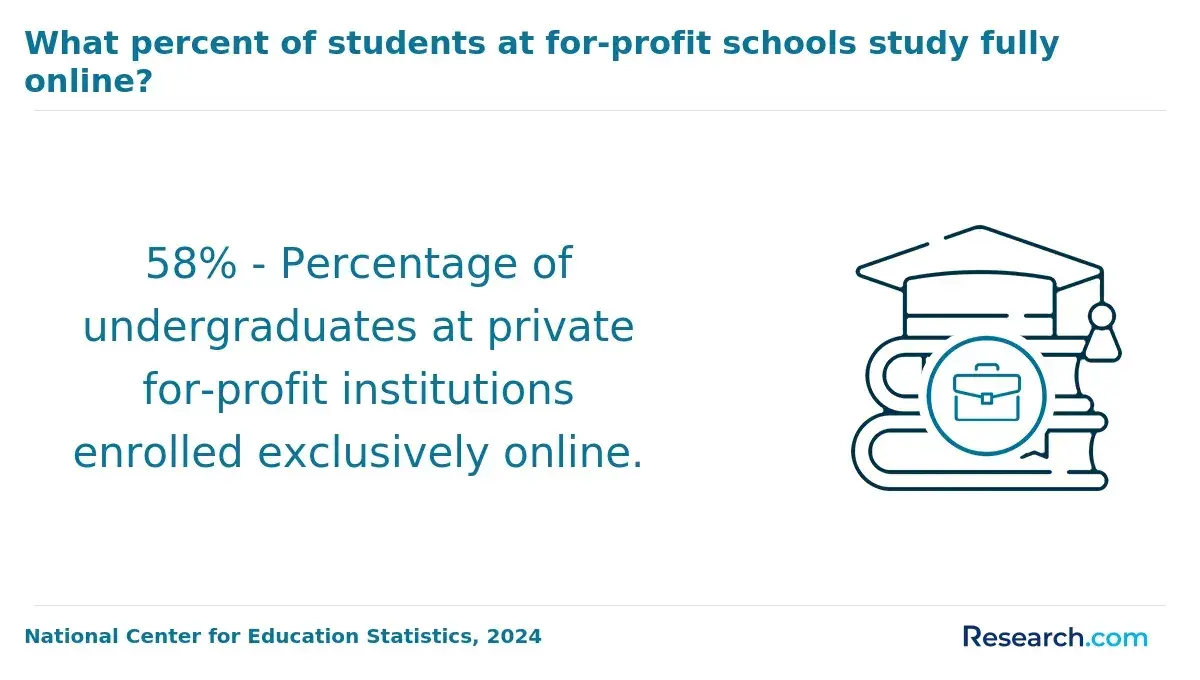
Which Behavioral Health Leadership Pathway - Degree, Bootcamp, or Certificate - Offers the Highest Starting Salary for Graduates?
Data from the BLS, LinkedIn Salary Insights, Glassdoor, and NACE reveal distinct salary patterns among entry-level behavioral health leadership roles based on educational background. Degree holders-those with bachelor's or master's credentials-generally see starting salaries between $50,000 and $60,000, often favored by employers in larger health systems, government, and established nonprofits. These organizations typically require formal education for leadership titles such as Behavioral Health Program Coordinator or Clinical Manager.
Completing a bootcamp usually positions candidates in a $40,000 to $50,000 salary range. While bootcamp graduates may start lower compared to degree holders, their practical skills can improve compensation, especially in startups or smaller firms focused on operational or tech-driven behavioral health services. Certificate earners often overlap in salary with bootcamp completers, averaging about $40,000 to $48,000. Certificates mainly add modest salary boosts and are often pursued alongside existing work experience rather than as primary entry credentials.
- Credential Preference: Employers show a strong preference for degrees in leadership roles, which influences starting salaries and promotion opportunities.
- Industry and Employer Size: Larger hospital systems and government agencies tend to offer higher pay compared to community clinics or emerging startups.
- Geography: Urban centers with higher living costs push salary benchmarks upward.
- Salary Trajectory: Degree holders typically progress faster into senior and specialized roles that require advanced education, often surpassing six-figure salaries. Bootcamp and certificate pathways offer quicker entry but may limit long-term growth without further credentials.
- Variability Factors: Outcomes vary widely due to prior experience, networking, program quality, and negotiation skills, so median salaries should be viewed as general guides rather than guarantees.
A professional who earned a behavioral health leadership degree shared that navigating rigorous coursework while managing part-time jobs was challenging but rewarding. He recalled how internship opportunities linked to his degree program opened doors to higher-paying roles that he felt were inaccessible to his peers coming from other paths. Reflecting on his experience, he said, "Earning the degree wasn't just about the starting salary-it laid the foundation for ongoing advancement that bootcamps and certificates simply can't match, especially in organizations that value formal education." This perspective highlights how educational credentialing often plays a crucial role in shaping career trajectories beyond initial paychecks.
Employer Preferences: Behavioral health leadership employers predominantly favor candidates with formal degrees, especially bachelor's and master's, as these credentials are seen as reliable evidence of analytical skills and foundational knowledge. This preference is strongest in regulated sectors such as government agencies, large healthcare systems, and consulting firms, where degree qualifications remain a key hiring criterion.
Industry Variation: Strict degree requirements persist mainly within enterprise and compliance-focused organizations. By contrast, startups and certain nonprofit groups are more receptive to candidates from bootcamps or professional certificate programs, valuing these credentials for their demonstration of practical skills and up-to-date training in emerging methodologies.
Skills-Based Hiring: Despite rising enthusiasm for skills-focused recruitment-promoted by tech companies and some government bodies-labor market research shows only moderate gains for non-degree candidates in behavioral health leadership. These individuals often encounter challenges in established firms but may access more opportunities in smaller agencies prioritizing on-the-job performance.
Credential Signaling: Degrees continue to serve as a long-standing marker of leadership readiness and complex decision-making capacity. While certificate and bootcamp credentials have increased in credibility, they generally complement rather than replace degrees. For those exploring accelerated options, fast track college programs may offer a balanced pathway.
Career Stage and Goals: Early-career aspirants targeting traditional sectors benefit most from investing in degree programs. Mid-career professionals seeking specific skills or niche roles may find certificates or bootcamps useful supplements, though these rarely supplant degree requirements. Aligning educational choices with employer credential preferences in behavioral health leadership and understanding the value of degree versus bootcamp credentials is essential for career planning.
Admission criteria for accredited behavioral health leadership degree programs typically include several formal requirements that set a higher entry threshold. GPA minimums often range from 2.5 to 3.0, establishing academic preparedness. Prerequisite coursework in psychology or related social sciences is usually expected to ensure foundational knowledge. Some programs still require standardized tests like the GRE, though this varies. Letters of recommendation are standard, providing insight into applicants' potential and professionalism. Finally, structured application timelines require candidates to navigate fixed deadlines and enrollment periods, adding logistical constraints.
In contrast, behavioral health leadership bootcamps and certificate programs tend to have minimal or no prerequisites and offer more flexible admissions. Open enrollment welcomes learners regardless of academic background, prioritizing motivation and engagement instead. These pathways generally have no GPA or testing requirements, increasing accessibility. Scheduling is often flexible, with self-paced or multiple cohort options that better accommodate working professionals and other non-traditional students. Without selectivity, these programs rely heavily on instructor expertise, curriculum quality, and formal accreditation to assure value and rigor.
This differentiation illustrates how degree admissions act as filters-barriers that can signal quality and rigor valued by employers-while open-access bootcamps and certificates must prove their worth through measurable outcomes such as job placements and employer endorsements. Lower entry obstacles in non-degree routes widen opportunities for career changers, parents, and those facing financial or geographical hurdles that often make traditional degrees impractical.
One professional who completed a behavioral health leadership degree reflected on her experience: "The application process was challenging-balancing reference requests, prerequisite course transcripts, and preparing for the GRE felt overwhelming at times. Yet, the structured program gave me confidence in the skills I developed and opened doors through networking opportunities. It wasn't easy, but the admissions rigor felt like a meaningful step that prepared me well for the field."
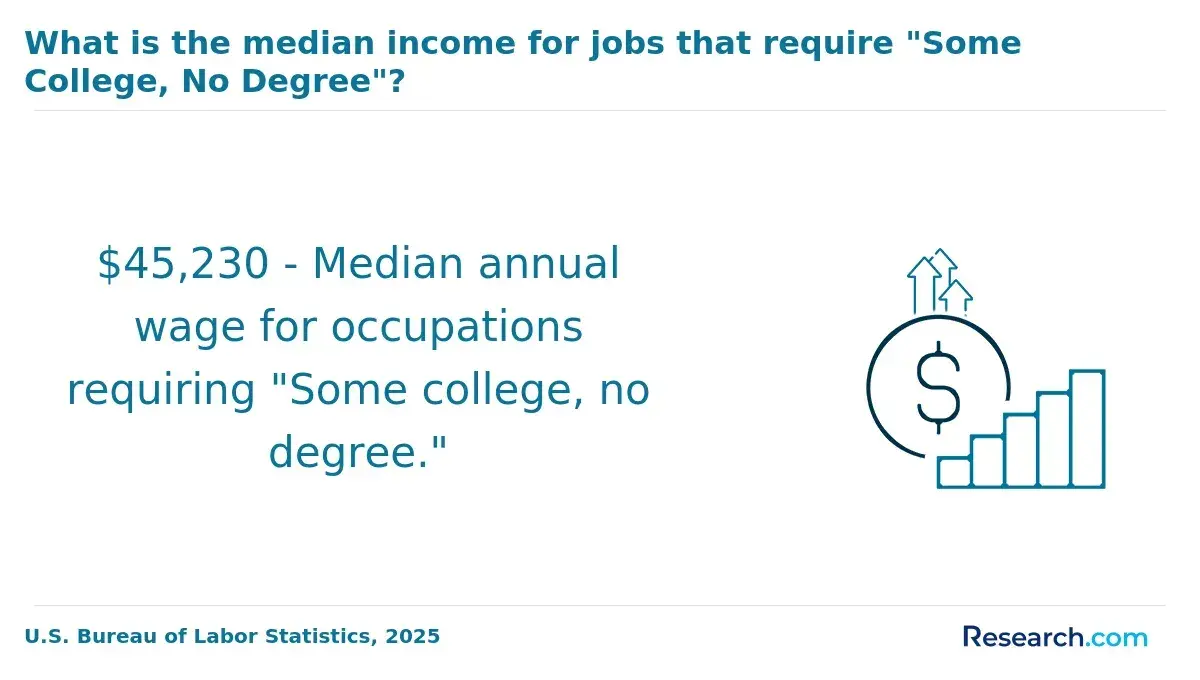
Behavioral Health Leadership degree programs offer a comprehensive curriculum combining general education, specialized major courses, electives, and research or thesis elements. This structure emphasizes foundational disciplines like psychology, healthcare policy, ethics, and management principles while integrating in-depth leadership training. Such broad academic exposure fosters critical analysis and adaptable skills that support long-term career progression, although the extended duration often postpones entry into the workforce.
- Degree Programs: Curriculum includes general education requirements plus core and elective courses, with research projects enhancing analytical thinking and theoretical understanding. This expansive scope equips graduates with versatile knowledge suited for diverse roles over time.
- Bootcamps: Designed as short, intensive, project-focused training, bootcamps concentrate on swiftly building practical skills vital for immediate job readiness. Key topics like program management, crisis response, and team coordination are delivered through simulations and real-life scenarios. However, this focused approach limits exposure to broader theory and elective subjects, potentially restricting flexibility in evolving professional environments.
- Certificate Programs: These vary from introductory certificates on platforms such as Coursera-targeted at beginners or career switchers-to specialized credentials provided by industry organizations. Entry-level certificates familiarize learners with essential concepts and terminology, while advanced certifications emphasize specific expertise or regulatory knowledge. Their value in the job market depends on both prior experience and recognition within Behavioral Health Leadership circles.
Each pathway balances theory and applied practice differently-degree programs build transferable foundational knowledge with research components; bootcamps focus on practical, job-ready competencies in a compressed timeframe; certificates offer modular learning calibrated to existing skills and professional goals. This variation influences salary prospects, employer preferences, placement success, networking opportunities, return on investment, and ultimate career growth potential for learners at various stages.
Calculating the return on investment (ROI) for Behavioral Health Leadership educational pathways requires assessing both direct costs-such as tuition, fees, and materials-and opportunity costs, which represent income forgone while studying. Degree programs typically span two to four years, involving higher tuition and a substantial opportunity cost since students often forego full-time income during that period. By contrast, bootcamps and certificates demand less time and cost, allowing quicker workforce re-entry and reducing opportunity cost significantly.
- Recent High School Graduate: With minimal or no prior income, opportunity cost is low, making a degree's ROI positive within five years. The salary premium gained from a degree accumulates over time, eventually outweighing initial costs. Bootcamps and certificates enable faster entry into the workforce and immediate earnings but tend to yield smaller salary increases-resulting in lower long-term ROI compared to degrees for this group.
- Mid-Career Professional: Leaving a $50,000 annual job to pursue a degree greatly increases opportunity cost, often pushing positive ROI beyond ten years. Bootcamps and certificates-lasting weeks or months-minimize this hidden cost and usually offer faster ROI. Nonetheless, some employers prioritize degrees for leadership roles, influencing career advancement despite slower financial returns initially.
- Part-Time Learner: Studying while employed reduces opportunity cost and improves degree ROI. Lengthier degree programs can still delay significant salary growth. Certificates and bootcamps act as valuable supplements-providing rapid skill enhancements and incremental salary benefits while maintaining steady income.
ROI thus varies widely according to individual circumstances rather than credential type alone. A lower five-year ROI for degree programs might be worthwhile when specialized knowledge, employer credential requirements, or networking advantages come into play-factors beyond pure financial calculations. Incorporating data from NCES cost figures, NACE salary benchmarks, and bootcamp outcome reports enables a standardized framework for these insights.
Job placement rates for behavioral health leadership pathways-bootcamps, certificate programs, and degree programs-vary significantly due to differences in data sources and definitions of "placement."
- Data Sources: Degree programs rely on independently audited data from sources like the Integrated Postsecondary Education Data System (IPEDS) and institutional career services, offering rigorously tracked outcomes. Bootcamps often provide self-reported placement rates with limited external verification; some use Career Industry Reporting (CIRR) standards, although few behavioral health leadership bootcamps undergo such audits. Certificate programs' placement statistics vary greatly based on their affiliations and reporting consistency.
- Definition of Placement: Degree programs usually define placement as employment directly related to behavioral health leadership roles, reflecting specialized skills acquired. By contrast, bootcamps and certificates may count employment in broadly related sectors-such as general healthcare or administrative positions-as placements, which can lead to inflated job placement claims for shorter programs. Prospective students exploring behavioral health leadership bootcamp job placement rates should remain cautious about these definitions.
- Career Services Quality: Strong career support services-including employer partnerships, personalized resume advice, mock interviews, and active alumni networks-play a critical role in improving placement success across all pathways. Evaluating the presence and quality of these services is essential before committing to a program.
- Critical Evaluation Tips: When assessing placement data, ask for detailed breakdowns such as time-to-placement, salary ranges, and roles filled rather than relying on headline percentages alone. This helps distinguish real outcomes from marketing impressions and better compares certificate programs versus degree job placement outcomes.
Prospective learners balancing career goals and learning styles in behavioral health leadership can also find useful comparative insights by reviewing job placement trends alongside other factors like salary outcomes and long-term career growth. For those considering advanced healthcare education options, examining PharmD online programs may offer a useful point of reference on program transparency and career support standards.
Degree Programs: Behavioral health leadership degree networking benefits extend beyond coursework to include a substantial infrastructure for professional connections. Alumni associations keep graduates engaged with ongoing events and online groups, while career fairs offer direct employer access. Faculty-often industry veterans-act as mentors and gatekeepers to influential contacts. Many institutions encourage involvement in Greek life or professional societies to build leadership and peer networks. Institutional partnerships with employers increase internship and job placement opportunities. The alumni access advantages in behavioral health leadership programs are especially strong at prestigious universities with broad geographic reach, granting graduates access to national or international professional communities crucial for senior positions and long-term career advancement.
Bootcamps: Bootcamp cohorts are typically smaller and foster close-knit peer groups, which help create tight alumni referral cultures. Though the networks are younger and less extensive than those from degree programs, several established bootcamps maintain strong employer partnerships, particularly in tech-focused behavioral health leadership roles, providing pipelines to job opportunities. Networking access primarily revolves around peer connections and direct employer contacts rather than extensive academic communities, reflecting the bootcamps' emphasis on practical skills and rapid immersion.
Certificate Programs: Certificate providers-ranging from industry associations to platforms like Google Career Certificates-vary widely in their networking impact. Some offer active online forums and periodic events, but many have limited structured alumni engagement. Access to mentors or hiring managers often depends on the certificate's brand reputation and the learner's networking initiative. While certificates linked to recognized entities can open doors to industry-specific groups, long-term career growth generally requires supplementing credential benefits with independent networking efforts.
These distinctions should be considered alongside other outcome data such as salary and job placement rates to gauge return on investment and pathway fit for different learner profiles. For interested learners exploring accelerated options, evaluating pathways like accelerated nursing programs can also provide comparative insights into healthcare leadership education.
Geographic location strongly influences outcomes for those pursuing behavioral health leadership through degrees, bootcamps, or certificates. Dense metropolitan areas favor degree holders due to employer preference for comprehensive academic backgrounds. Bootcamps based in these hubs benefit from robust local employer networks, boosting placement rates for graduates who remain nearby-relocating may weaken connections and reduce job prospects.
- Metropolitan Hubs: Degree programs dominate employer recognition, but bootcamp graduates close gaps via strong local networks and faster skill acquisition.
- Mid-Sized Regional Markets: Certificates and shorter programs provide targeted skill sets that can fill local gaps, though fewer bootcamps limit networking, and degrees still support leadership role access.
- Rural and Smaller Markets: Low employer density and credential familiarity favor degrees for stable outcomes; bootcamps and certificates often face placement challenges unless paired with remote roles.
Remote work has blurred geographic barriers, allowing candidates from all credential paths to compete for leadership positions benchmarked against metropolitan salaries. This broadens opportunity but also intensifies competition nationally, making strong credentials or distinct skills essential to stand out.
- Employer Density: High in large cities, facilitating placement and networking; much lower in smaller markets.
- Credential Recognition: Degrees hold widespread acceptance; bootcamps and certificates rely heavily on local market familiarity.
- Remote Work Availability: Growing industry trend that partially equalizes outcomes but increases candidate pools.
According to recent BLS data, behavioral health leadership roles in metropolitan areas command salaries up to 30% higher than in rural locations-highlighting location's significant impact on financial outcomes.
Employer preferences when reviewing behavioral health leadership candidates vary notably by organization type and market conditions. Large companies and government entities typically set degree attainment as a mandatory baseline, often embedded as strict filters in application tracking systems. These credentials remain strongly linked to leadership roles in data from LinkedIn Talent Insights and hiring policies.
- Degree Preference: Established organizations prioritize formal degrees, viewing them as reliable indicators of foundational knowledge and long-term commitment.
- Skills-First Approach: Smaller firms like startups and agencies value proven skills-including portfolios and performance-based assessments-over formal academic qualifications.
- Bootcamps and Certificates: Once viewed with skepticism, these alternative credentials have gained legitimacy since 2020, especially among agile employers and candidates with complementary experience.
- Credential Landscape Since 2020: Despite many employers publicizing the removal of strict degree requirements, degree holders still dominate recent hires, though non-degree credentials are increasingly present in innovative companies.
- Research Guidance: Candidates should pair published data with proactive research-conduct informational interviews and review LinkedIn profiles of recent hires to discern actual credential trends within target organizations.
This nuanced evidence empowers applicants to align their educational choices realistically with employer expectations and career objectives-understanding that no single credential guarantees placement but matching fit remains key.
What Graduates Say About Which Path Leads to Better Career Outcomes: Behavioral Health Leadership Degree, Bootcamp, or Certificate
- Axton: "Choosing the behavioral health leadership degree was a game changer for me-though it required a bigger time commitment, the salary outcomes made it well worth the investment. Employers tend to prioritize candidates with a degree for senior roles, which opened doors I didn't expect. Plus, the extensive alumni network has been invaluable for long-term career growth."
- Jaime: "I found the behavioral health leadership bootcamp offered a focused route with impressive job placement rates, especially for those eager to switch careers quickly. It's perfect if you want solid employer credential recognition without the years of studying a degree demands. Reflecting on my own experience, the bootcamp struck a great balance between return on investment and practical networking access."
- Roman: "From a professional standpoint, the behavioral health leadership certificate is ideal for working adults who need flexible learning schedules but still want to enhance their qualifications. While salary improvements may not be as significant as with a degree, the certificate consistently signals to employers a commitment to growth. It's a smart path for those who value steady career advancements-especially when combined with existing work experience."
Other Things You Should Know About Behavioral Health Leadership Degrees
Degree holders in behavioral health leadership typically experience more sustained career growth over time due to the comprehensive education and deeper theoretical knowledge gained. Employers often prefer degrees for higher-level leadership and management roles, which can lead to higher salaries and more advancement opportunities. Bootcamps and certificates may provide quicker entry but tend to offer limited long-term growth, often requiring further education to reach senior positions.
Enrolling in a 2027 behavioral health leadership degree typically requires a bachelor's degree. Bootcamps often have no prerequisites aside from an interest in the field. Certificate programs usually require a high school diploma or equivalent. Specific requirements may vary by institution.
In 2027, a behavioral health leadership degree typically requires 3–4 years, while bootcamps last 3–6 months on average. Certificate programs vary from 6 months to 1 year. Each offers distinct timelines, impacting career entry and progress.
During a recession or tight labor market, a behavioral health leadership degree generally offers more stability and long-term career prospects due to its comprehensive nature and formal accreditation. Bootcamps and certificates might provide quicker, more flexible pathways, appealing to employers looking for specific skills or immediate project needs.
- How Geographic Location Can Dictate Health Outcomes https://veranahealth.com/how-geographic-location-can-dictate-health-outcomes/
- What Hiring Managers Really Want to See on Your Resume - Per Sé Group https://www.persegroup.com/what-hiring-managers-really-want-to-see-on-your-resume/
- Bootcamp Certification vs. Degree: The Importance of Accreditation in Education https://www.qahe.org/article/bootcamp-certification-vs-degree-the-importance-of-accreditation-in-education/
- Building A Career In Behavioral Health: Navigating Entry-level Mental Health Jobs And Opportunities - Haven Health Management https://havenhealthmgmt.org/building-a-career-in-behavioral-health-navigating-entry-level-mental-health-jobs-and-opportunities/
- Impact of Strategic Location Selection on Behavioral Health Facilities https://zldpartners.com/impact-of-strategic-location-selection-on-behavioral-health-facilities/
- College Degree vs. Bootcamp ROI https://oboe.com/learn/college-degree-vs-bootcamp-roi-6122va/comparing-educational-pathways-college-degree-vs-bootcamp-roi-4
- DBH Career Pathways - Cummings Graduate Institute for Behavioral Health Studies https://cgi.edu/resources/infographics/dbh-career-pathways/
- Which College Degrees Deliver the Best Return on Investment? - ClearanceJobs https://news.clearancejobs.com/2025/10/14/which-college-degrees-deliver-the-best-return-on-investment/
- Online Doctorate in Behavioral Health Leadership https://www.counselingschools.com/programs/phd/behavioral-health-leadership
- Building a New Stackable Pathway into the Behavioral Health Workforce: Colorado’s Community College Innovation - Education Design Lab https://eddesignlab.org/resources/building-a-new-stackable-pathway-into-the-behavioral-health-workforce-colorados-community-college-innovation/


