2027 Is a Behavioral Health Leadership Degree Better Than Experience Alone? Salary, Hiring, and Career Growth Compared

Co-Founder and Chief Data Scientist
Entering the behavioral health leadership field without a specialized degree often limits salary potential and upward mobility. Recent data shows professionals with a behavioral health leadership degree earn on average 25% more than those relying solely on experience and self-teaching. Employers increasingly require formal qualifications to manage complex organizational challenges and regulatory compliance, making degrees essential in many regions.
Career growth tracks also favor degree holders, who tend to secure leadership roles faster and with more stability. This article examines the real impact of a behavioral health leadership degree on salary, hiring chances, and long-term career advancement to help readers make informed education decisions.
Key Points About Having Behavioral Health Leadership Degrees vs Experience Alone
- Degree holders in behavioral health leadership earn on average 18% more than peers relying solely on experience, reflecting enhanced salary potential tied to formal education.
- Employment opportunities are broader for those with a degree, as 62% of management roles in behavioral health prefer or require academic credentials over experience alone.
- Career growth is accelerated for degree holders, with 45% more chances of promotion to executive positions due to specialized leadership training not typically gained through experience.
What technical proficiencies can you gain from having Behavioral Health Leadership degrees vs self-teaching?
Professionals in the behavioral health field can acquire foundational principles and practical applications through formal behavioral health leadership degrees, whereas relying solely on work experience or self-teaching often leads to gaps in technical knowledge. Degree programs systematically build specialized skills that are critical in this sector. Here are five key proficiencies that behavioral health leadership degrees develop more thoroughly compared to self-taught competencies or on-the-job learning:
- Advanced Data Analytics: Degrees teach interpretation of complex clinical data to improve mental health outcomes, including resource allocation. Self-taught professionals may learn basic statistics, but lack the applied context provided by academic programs.
- Strategic Program Development: Formal education imparts skills in grant writing, budgeting, and evaluation tailored to behavioral health populations, which are difficult to master through experience alone due to sector-specific frameworks.
- Healthcare Policy Compliance: Degree courses offer up-to-date training on HIPAA and mental health laws, ensuring leaders understand legal responsibilities that self-teaching might overlook or outdated resources miss.
- Interdisciplinary Team Coordination: Academic programs prepare students to manage diverse clinical and administrative teams through case studies and simulations, a complexity hard to replicate without guided learning.
- Ethical Decision-Making: Formal degrees provide scenario-based training on sensitive patient rights and stigma issues, fostering reflective judgment that is rarely developed through experience alone.
Incorporating structured learning leads to measurable career benefits; a study showed behavioral health leaders with formal degrees are 37% more likely to attain higher management roles than those who rely only on hands-on experience. For students interested in enhancing their qualifications beyond basic expertise, exploring related advanced programs such as an online PharmD can offer additional career pathways. Choosing between behavioral health leadership degrees and self-taught competencies depends on one's career goals, but the technical skills gained from formal education are often pivotal.
Are there certifications or licenses that only Behavioral Health Leadership degree holders can obtain?
Continuing education and additional credentials are increasingly valuable, even as more employers emphasize skills-based hiring. For those pursuing a career in behavioral health, certain certifications and licenses require holding a degree in behavioral health leadership. Here are some key credentials that typically demand this educational background:
- Certified Behavioral Health Case Manager (CBHCM): This certification emphasizes coordinating care for clients with mental health or substance use disorders. Candidates usually need a behavioral health leadership degree since the coursework covers critical healthcare management and behavioral health topics, making this credential a mark of expertise in patient-centered care management.
- Licensed Clinical Behavioral Health Counselor (LCBHC): This license enables professionals to provide therapy and counseling services. It requires a graduate degree in behavioral health or a related field along with supervised clinical experience, making a behavioral health leadership degree essential for eligibility and leadership opportunities in clinical settings.
- Certified Behavioral Health Administrator (CBHA): Designed for individuals in management positions, this credential verifies skills in strategic planning, compliance, and team leadership. Typically, earning this credential requires a degree in behavioral health leadership, aligning education with administrative responsibilities in behavioral health programs.
- Board Certified in Behavioral Health Leadership (BCBHL): Focused specifically on individuals with leadership degrees, this certification validates advanced competencies in organizational leadership, ethics, and policy development. Besides a relevant degree, it often requires demonstrated professional experience to qualify.
These licenses and certifications that are exclusive to behavioral health leadership graduates highlight the importance of formal education in advancing a career in this field. According to a recent industry survey, behavioral health administrators with both degrees and certifications were 45% more likely to obtain managerial roles compared to those relying solely on experience and self-teaching.
Students interested in related healthcare fields may also explore nurse practitioner programs, which offer additional pathways to clinical leadership roles.
Will a degree in Behavioral Health Leadership make you more employable?
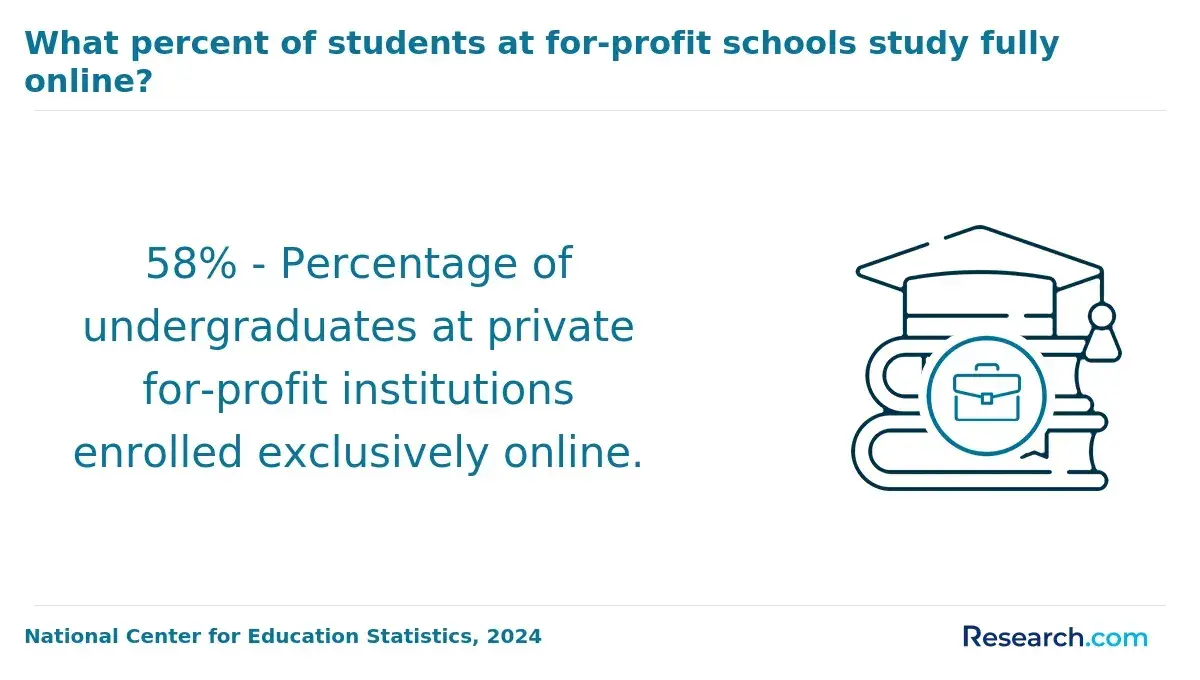
The job market increasingly favors candidates who hold a behavioral health leadership degree over those who rely solely on experience. Employers in healthcare and social services often seek applicants with specialized academic credentials, associating degrees with a solid grasp of clinical protocols and management strategies. While experience remains valuable, the demand for formal education in this field is growing, reflecting a shift toward more credential-driven hiring practices.
This trend is influenced by several factors. Degree programs not only teach technical knowledge but also emphasize essential soft skills such as ethical decision-making, communication, and strategic planning. These competencies are difficult to develop independently. Additionally, many graduates benefit from internships or supervised fieldwork, offering practical insights that employers highly regard. Ultimately, hiring priorities tend to balance credentials with hands-on experience rather than favoring one exclusively.
Choosing whether to pursue a degree depends largely on personal career objectives. For roles that require deep expertise or leadership responsibility, formal education can provide a significant advantage. Conversely, for individuals aiming to progress through experience-based pathways, cultivating specialized skills on the job might suffice. Assessing one's goals and the expectations of desired employers is key to determining the best approach.
When asked about his experience, a professional who completed an online behavioral health leadership bachelor's program shared that the journey involved overcoming self-doubt and managing time between studies and part-time work. "At first, balancing coursework with real-world demands felt overwhelming," he explained. The program's structure gave him the chance to engage in meaningful projects and collaborate with peers, which helped build confidence. He noted, "Having that degree opened doors I wasn't sure were accessible before, but it was the combination of what I learned and the relationships I made that truly made a difference."
Certain positions in behavioral health leadership often require candidates to have a formal degree due to the complex demands of the role, while some roles may prioritize hands-on skills and job readiness over formal education. Below are key career paths available for individuals holding a behavioral health leadership degree, illustrating where formal education plays a critical role.
- Behavioral Health Program Directors: These professionals oversee mental health and substance abuse programs within community agencies or healthcare systems, managing services, budgets, and regulatory compliance. A degree is typically required because of the advanced knowledge needed in both behavioral health practices and organizational leadership.
- Clinical Supervisors: Providing guidance and support to therapists and counselors, clinical supervisors ensure quality care and adherence to ethical standards. A behavioral health leadership degree is often essential due to state licensure and certification requirements and the theoretical background needed for complex case management.
- Behavioral Health Policy Analysts: Working in government agencies or nonprofits, these analysts develop and evaluate mental health policies. Strong research skills and health systems understanding generally require a specialized degree, although significant advocacy experience can sometimes substitute.
- Healthcare Consultants Specializing in Behavioral Health: These consultants advise clinics and hospitals on improving service delivery, compliance, and patient outcomes. Advanced education is preferred given the regulatory complexity and need for data analysis expertise.
For students weighing the value of a behavioral health leadership degree against experience-based career paths, data from a 2025 industry report notes that 72% of employers prefer candidates holding a related degree combined with experience. Only 18% prefer candidates based purely on experience, highlighting how formal education enhances hiring opportunities and career growth.
Careers for behavioral health leadership graduates often offer greater stability and advancement potential compared to roles accessible primarily through experience. Although some may enter the field without degrees, pursuing a degree remains a strategic choice for many aiming for leadership positions.
Exploring related educational options can further support career goals. For example, those interested might consider a nutrition masters degree as part of a broader healthcare leadership skill set, which complements behavioral health expertise in integrated care settings.
Behavorial health leadership degree holders gain access to structured and strategic networking resources not often available to those relying solely on experience and self-teaching. These include connections through alumni networks, faculty mentorship, and industry-specific events that foster relationships with established professionals and peers. In contrast, non-degree holders typically depend on their immediate work environment or personal contacts, which may limit the breadth and quality of their professional network.
Degree programs often provide exclusive platforms such as specialized LinkedIn groups and targeted conferences, enabling students to engage with leaders in the field. This access can result in valuable referrals and collaborative opportunities. Non-degree professionals usually have to navigate less targeted networking avenues, relying on informal or local connections without the advantage of curated introductions or verified expertise.
In behavioral health leadership, career advancement frequently depends on trusted referrals and demonstrated competence, making networking a critical asset. The industry tends to favor candidates who bring formal education into their professional relationships, as this background signals reliability and skill. Therefore, building a strong network through a degree program can be more influential for long-term career growth than experience alone.
A degree in behavioral health leadership can increase a professional's eligibility for advanced positions by validating specialized skills required in the field. This educational background often gives candidates an edge when competing for leadership roles. The following points highlight how such degrees influence career advancement.
- Credential Recognition: Employers frequently prioritize candidates with formal education that combines management and clinical knowledge, especially for supervisory roles. Holding a degree demonstrates verified expertise beyond practical experience alone.
- Broader Skill Set: Degree programs provide a deep understanding of policy, ethics, operational finance, and organizational processes. This comprehensive knowledge prepares individuals for complex decision-making and higher-level responsibilities not easily attained without structured learning.
- Networking Opportunities: Academic programs connect students with mentors and professional networks that can be pivotal when seeking promotion. These relationships often lead to insights, recommendations, and access to positions unavailable to those relying solely on experience.
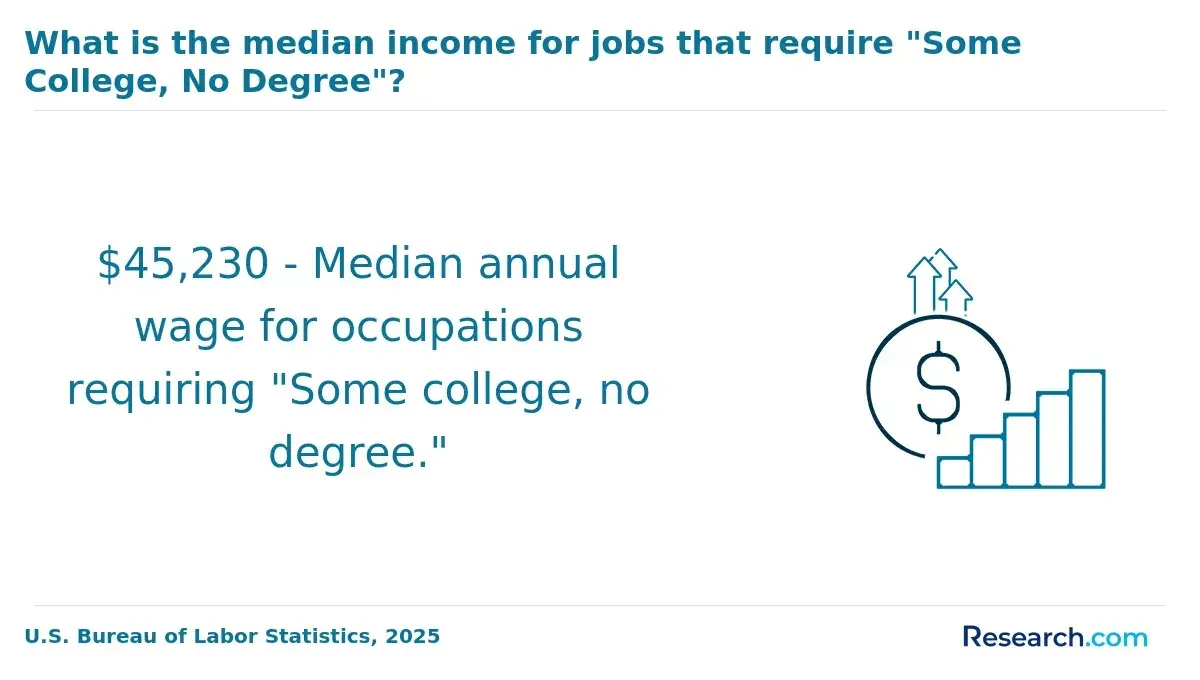
Professionals with a behavioral health leadership degree generally earn more than those relying solely on experience. Entry-level salaries for degree holders typically range from $65,000 to $75,000, while non-degree professionals start closer to $45,000 to $55,000. Over time, degree holders often advance to higher-paying positions like program directors or clinical managers with salaries exceeding $100,000. By contrast, those without formal qualifications may experience slower wage growth and face an income ceiling due to limited credentials. This wage disparity illustrates how behavioral health leadership degrees impact salary potential significantly.
Non-degree professionals can improve their income outlook through certifications, ongoing education, and leadership training, although matching the long-term growth of degree holders remains challenging. Employers increasingly favor candidates blending formal education with experience when promoting leadership roles.
For insights on related fields, explore biology careers that pay well. Regularly upskilling helps behavioral health leadership professionals stay valuable and difficult to replace during economic changes. Developing key skills also strengthens job security.
On average, pursuing a behavioral health leadership degree costs between $20,000 and $50,000 in tuition, varying by institution and program format. Despite the upfront expense, graduates often experience a salary increase ranging from 15% to 30% compared to professionals relying solely on experience. Median annual salaries for degree holders hover around $70,000, which typically allows them to recoup their educational investment within four to six years. This return on investment (ROI) calculation considers both the tuition cost and potential student debt.
Financial aid options, including scholarships, grants, and employer tuition reimbursement, can significantly reduce the initial cost, improving the ROI timeline. Additionally, enrolling in accelerated programs lasting 12 to 18 months helps students enter the workforce sooner and begin earning earlier. Gaining practical experience through internships or part-time leadership roles during study further enhances career prospects. These strategies contribute to maximizing ROI, allowing professionals to outweigh education costs with increased income potential more quickly.
The behavioral health leadership workforce is seeing growing integration of automation and AI, especially in routine data management and administrative functions. However, these technologies struggle to replicate the nuanced human skills critical to leadership roles, such as strategic decision-making, ethical considerations, and adaptive communication. Economic instability often leads organizations to prioritize essential programs, frequently staffed by credentialed leaders who demonstrate validated expertise. This trend creates a buffer against layoffs for degree holders during downturns.
Professionals who rely solely on experience may perform well in operational tasks but generally encounter greater obstacles when seeking leadership roles or protection from job displacement. Studies indicate that those with behavioral health leadership degrees face about 25% fewer layoffs compared to their peers without formal education during recessions. Degree programs offer structured learning in evidence-based practices, compliance, and technology use, equipping graduates with skills that automated systems cannot easily replace or replicate.
When I spoke with a professional who completed an online behavioral health leadership bachelor's program, he shared how the degree helped him feel more secure amid shifting industry demands. "Knowing I had formal training gave me confidence to take on complex challenges and lead teams through uncertainty," he said. He admitted the coursework was demanding, often balancing studies with work and family, but noted it taught him leadership skills "that can't be learned from just on-the-job experience." According to him, this blend of education and practical insight "made all the difference in staying valuable despite automation trends and budget cuts."
What Graduates Say About Their Behavioral Health Leadership Degrees
- Tanya: "Graduating with a degree in behavioral health leadership truly set me apart in a competitive job market. The practical skills I gained made me confident and job-ready from day one, allowing me to hit the ground running. This degree didn't just open doors-it significantly improved my salary potential and helped me secure promotions faster than I expected."
- Jaime: "Reflecting on my career, I can say my behavioral health leadership degree was a vital foundation. It gave me critical insights into managing teams and navigating complex healthcare systems, which made me highly competitive among my peers. This educational background certainly influenced my steady career growth and positively impacted my professional network."
- Roland: "As someone who values professional development, earning a behavioral health leadership degree was a strategic decision. The coursework enhanced my leadership abilities and provided a clear advantage in securing higher-level roles. More importantly, it reshaped my approach to problem-solving in behavioral health, leading to greater job satisfaction and career advancement."
Other Things You Should Know About Behavioral Health Leadership Degrees
Behavioral health leadership degree programs often emphasize evidence-based management theories and ethical frameworks, providing graduates with structured approaches to leadership. Experienced professionals may rely more on intuitive decision-making shaped by real-world exposure. Both leadership styles have merits, but degree holders might approach challenges with a more formalized strategy, while experienced professionals bring practical adaptability.
No, the degree alone does not satisfy state licensure requirements. Clinical licenses are issued by state boards, such as social work, counseling, or marriage and family therapy boards, and usually require supervised hours, an exam, and a graduate degree in a specific field. Leadership degrees support management roles, not clinical licensure.
Yes, individuals with a behavioral health leadership degree are often granted preferential access to specialized workshops, leadership seminars, and continuing education sponsored by professional associations or employers. This formal education background signals commitment and preparedness for further development, which may not be as readily available to those without a degree.
Degree-trained leaders in behavioral health are usually equipped with analytical tools and research methods that encourage systematic problem-solving, emphasizing data-driven decisions. Experienced leaders might rely more on trial-and-error methods and situational judgment developed over time. Both approaches are valuable, but degrees often foster a more methodical process for addressing complex organizational issues.
- Do You Need a College Degree to Work in Behavioral Health? https://www.mghihp.edu/news-and-more/opinions/health-sciences/do-you-need-college-degree-work-behavioral-health
- Behavioral Health Leadership Guide https://paloaltou.edu/resources/business-of-practice-blog/behavioral-health-leadership-guide
- College grads in ‘AI-proof’ careers like psychology and education are seeing negative returns on their degrees https://finance.yahoo.com/economy/articles/college-grads-ai-proof-careers-110200708.html
- DBH vs. EdD Behavioral Health Focus - Cummings Graduate Institute for Behavioral Health Studies https://cgi.edu/resources/dbh-comparisons/dbh-vs-edd/
- The Benefits of a Career in Behavioral Health https://www.herzing.edu/blog/benefits-career-behavioral-health
- PhD vs PsyD Behavioral Health Salary 2025 | Career Guide https://psydprograms.org/salary-outlook-phd-vs-psyd-behavioral-health/
- The ROI of Workplace Mental Health: What the Data Really Shows - Wellity Global https://wellityglobal.com/2025/10/01/the-roi-of-workplace-mental-health-what-the-data-really-shows/
- Young People Are Falling Behind, but Not Because of AI https://www.theatlantic.com/economy/2026/04/job-market-artificial-intelligence/686659/
- Mental Health Benefits ROI: Measuring the Business Impact of Wellness Investment https://www.ignitehcm.com/blog/mental-health-benefits-roi-measuring-the-business-impact-of-wellness-investment
- AI fears drive some young adults to grad school — 'people shelter in higher education,' expert says https://www.cnbc.com/2026/04/18/ai-fears-graduate-school.html