2027 Accredited Online Radiology Technician Degree Programs for Working Adults: Flexible, Part-Time, and Self-Paced Options

Co-Founder and Chief Data Scientist
Choosing an online radiology technician degree is really a scheduling, accreditation, and clinical-placement decision. The U. S. Bureau of Labor Statistics reported a May 2024 median pay of $78,980 for radiologic and MRI technologists, making the field attractive to adults who want a healthcare career with clear credential requirements. This guide is for working adults comparing accredited online, hybrid, part-time, and self-paced options. You will learn how to judge accreditation, workload, cost, transfer credits, clinical requirements, and career fit before committing time and money.
Key Things You Should Know
- Most entry-level radiologic technology programs are hybrid rather than fully online because ARRT-aligned programs require supervised labs and clinical rotations; working adults should confirm JRCERT or equivalent programmatic accreditation, state licensure alignment, and clinical-site availability before enrolling.
- Flexible formats differ: full-time associate programs commonly take about 18 to 24 months, part-time tracks may take 30 to 48 months, and weekly study plus clinical time can range from roughly 15 to 35+ hours depending on course load and rotation schedule.
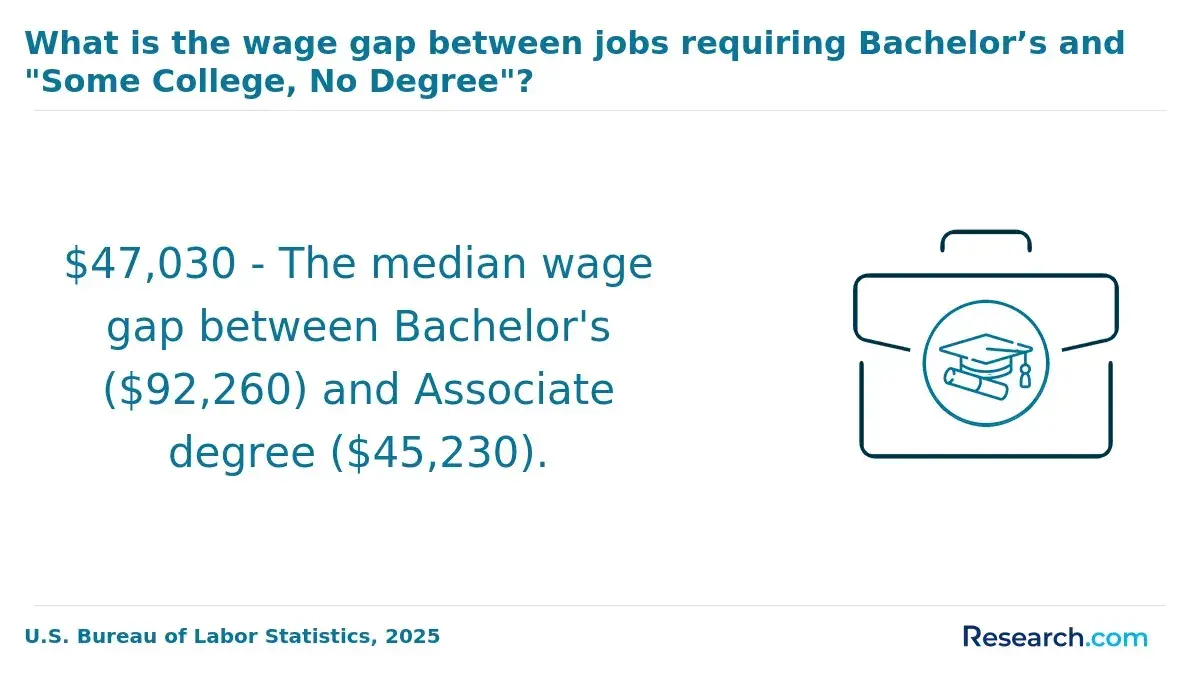
- Cost varies widely by school type: College Board's 2024-25 data lists average published tuition and fees of $4,050 at public two-year in-district colleges and $11,610 at public four-year in-state institutions, while transfer credits can sometimes reduce general education requirements by 15 to 30 credits.
What Is an Accredited Online Radiology Technician Degree Program and Why Does Accreditation Matter?
An accredited online radiology technician degree program prepares students for radiographic imaging roles through a mix of science courses, patient-care training, imaging procedures, radiation safety, equipment operation, and supervised clinical practice. For first-time radiography students, "online" usually means lecture-based coursework may be delivered online, while labs and clinical rotations happen in person at approved healthcare sites.
Accreditation matters because radiologic technology is a regulated, credential-based field. Employers, certification bodies, state licensing agencies, and financial aid programs often look at whether the institution and the radiography program meet recognized quality standards. Institutional accreditation affects federal financial aid eligibility and credit transfer, while programmatic accreditation is especially important for radiography because it signals that the curriculum, clinical requirements, faculty qualifications, and outcomes have been externally reviewed.
The most important name to know is the Joint Review Committee on Education in Radiologic Technology, often called JRCERT. Many radiography programs use JRCERT accreditation to show alignment with professional standards. Students should also verify how the program supports eligibility for the American Registry of Radiologic Technologists certification exam and whether it meets the licensure rules in the state where they plan to work.
This table summarizes the main quality checks working adults should complete before applying. It is useful because online flexibility does not mean much if the program does not support certification, licensure, or local clinical placement.
| Quality check | Why it matters | What to confirm |
| Institutional accreditation | Supports federal aid eligibility and credit transfer | The college is accredited by a recognized institutional accreditor |
| Programmatic radiography accreditation | Signals external review of radiography-specific curriculum and clinical training | JRCERT accreditation or another pathway accepted by your credentialing and licensing goals |
| ARRT eligibility alignment | Many employers expect ARRT certification or eligibility | The program's graduates meet education requirements for the relevant ARRT exam |
| State licensure fit | Radiologic technologist licensing rules vary by state | The program meets requirements in the state where you intend to work |
| Clinical placement model | Working adults need predictable in-person requirements | Whether the school assigns sites, helps locate sites, or requires students to secure their own |
Be cautious with programs that advertise "100% online radiology technician training" for beginners without clearly explaining clinical requirements. Fully online options are more common for registered technologists completing a bachelor's degree, moving into leadership, or adding advanced imaging knowledge, not for students who still need initial hands-on radiography training.
Which Flexible Radiology Technician Degree Formats Are Best for Working Adults: Part-Time, Full-Time, or Self-Paced?
The best format depends on how much control you have over your work schedule and how quickly you need to qualify for entry-level employment. Full-time programs can be faster, but they are harder to combine with unpredictable shifts, childcare, or overtime. Part-time programs are often more realistic for adults who cannot reduce work hours, while self-paced courses can help with general education but may not apply to clinical radiography sequences.
Use the comparison below to understand the trade-offs before assuming that one format is automatically better. The right choice should fit your weekly availability, income needs, commute distance, and tolerance for fixed clinical schedules.
| Format | Best fit | Main advantage | Main limitation |
| Full-time hybrid associate degree | Adults who can reduce work hours or work evenings/weekends | Often the fastest route to graduation and certification eligibility | Daytime labs and clinicals may conflict with full-time employment |
| Part-time hybrid associate degree | Adults balancing work, caregiving, and tuition budgeting | Lower weekly course load and more manageable pacing | Longer completion time and possible limits on when clinical courses are offered |
| Asynchronous online coursework | Students who need to study outside normal class hours | Lectures and assignments can often be completed on a weekly schedule | Deadlines still apply; labs and clinicals are not usually asynchronous |
| Self-paced general education courses | Students completing prerequisites or transfer credits | Can accelerate nonclinical requirements if you are highly disciplined | Radiography core courses may be cohort-based and locked to a fixed sequence |
| Online bachelor's completion program | Already-certified radiologic technologists | Often designed for working imaging professionals | Usually not an entry-level pathway into radiography |
For working adults, the most practical question is not "Is the program online?" but "Which parts are online, which parts are scheduled, and which parts require physical attendance?" A program with asynchronous lectures but weekday clinical rotations may still require significant work-schedule flexibility.
Before choosing a format, ask schools direct scheduling questions. These questions help reveal whether the advertised flexibility matches your real life:
- Are online courses asynchronous, live at set times, or a mix of both?
- Are labs offered during evenings or weekends, or only during business hours?
- How many clinical days per week are required in each term?
- Can students request clinical sites near home or work?
- Are part-time students guaranteed seats in required courses each term?
- Does the program allow temporary stop-outs, and what happens if a clinical rotation is missed?
A self-paced format works best for adults who are organized, comfortable learning independently, and completing general education requirements. It is less suitable for students who need frequent faculty interaction or who underestimate how rigid clinical rotations can be.
What Are the Admission Requirements for Accredited Online Radiology Technician Degree Programs?
Admission requirements vary by school, but accredited radiography programs are often selective because clinical placements, lab space, and faculty supervision are limited. Applicants usually need a high school diploma or GED, prerequisite coursework, a minimum GPA, immunizations, background checks, drug screening, CPR certification, and proof that they can meet technical standards for patient care and equipment operation.
Many programs also require prerequisite courses before students enter the professional radiography sequence. Common prerequisites include anatomy and physiology, medical terminology, college algebra, English composition, psychology, and basic computer literacy. If you have been out of school for several years, ask whether science courses expire after a certain number of years.
The admissions process is easier to manage when you treat it like a checklist. Working adults should complete these steps early because missing one deadline can delay entry by a full semester or year:
- Confirm the program's accreditation, ARRT alignment, and state licensure fit before submitting an application.
- Request official transcripts from every college you have attended, even if you did not complete a degree.
- Ask for a transfer-credit evaluation before enrolling in duplicate general education courses.
- Complete required prerequisites with the minimum grade specified by the program.
- Prepare for background checks, drug screening, immunization documentation, and CPR certification.
- Ask whether clinical schedules are assigned before or after admission so you can plan work coverage.
If you are comparing healthcare career paths and need a shorter on-ramp, the fastest way to become a medical assistant may be worth reviewing as an alternative. Medical assisting typically has different credentialing expectations and may be more accessible for adults who cannot commit to radiography clinical rotations yet.
One common mistake is assuming that general college admission means admission to the radiography program. Many schools use a two-step process: first admission to the college, then competitive admission to the radiologic technology cohort.
How Much Does an Online Radiology Technician Degree Cost, and What Financial Aid Options Are Available?
The cost of an online or hybrid radiology technician degree depends on school type, residency status, credit requirements, lab fees, clinical fees, textbooks, uniforms, immunizations, background checks, technology fees, commuting, and certification exam costs. Public community colleges are often the most affordable entry-level route, especially for in-district students.
College Board's 2024-25 figures provide a useful benchmark for published tuition and fees, though radiography program fees can raise the final amount. Typical baseline tuition comparisons include:
- $4,050 average published tuition and fees at public two-year in-district colleges
- $11,610 average published tuition and fees at public four-year in-state institutions
- $30,780 average published tuition and fees at public four-year out-of-state institutions
- $43,350 average published tuition and fees at private nonprofit four-year institutions
These figures should be treated as starting points, not total program prices. Radiography students may also pay for clinical compliance documentation, dosimeters, uniforms, liability insurance, imaging markers, parking, and travel to clinical sites. For adults working full time, lost wages from reducing hours can be one of the largest hidden costs.
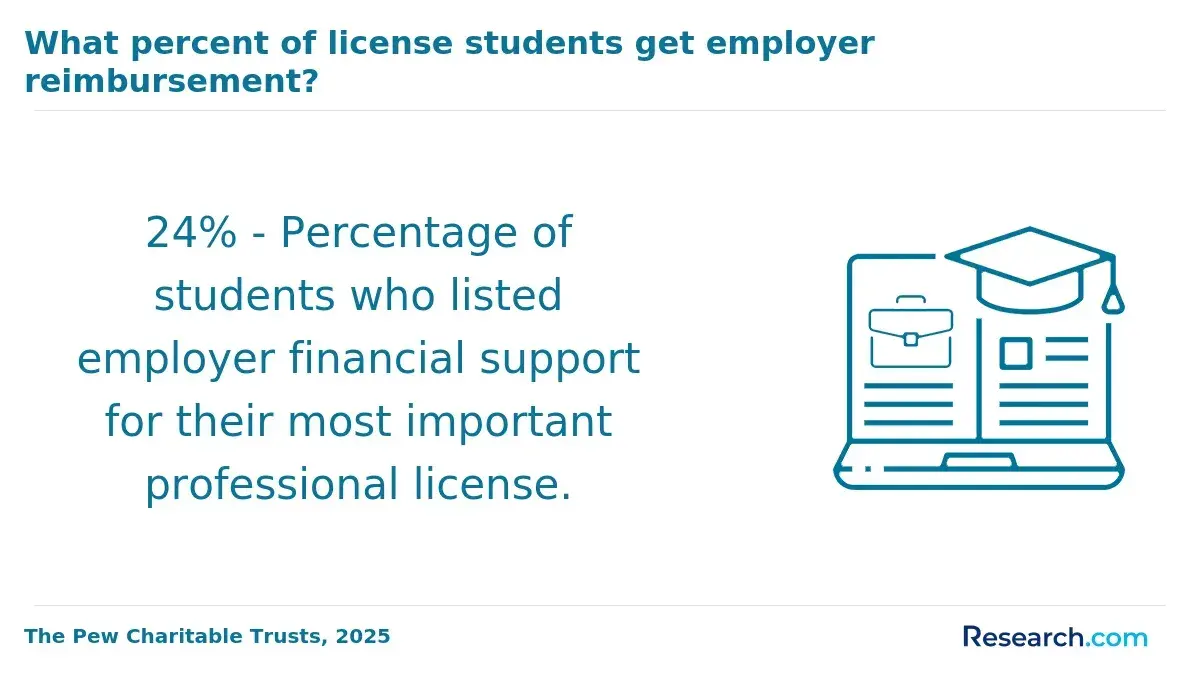
Financial aid may include federal Pell Grants, federal student loans, state grants, institutional scholarships, workforce development funding, employer tuition assistance, veterans benefits, and payment plans. To compare affordability accurately, ask each school for a full cost-of-attendance estimate and not just per-credit tuition.
Use these steps to evaluate cost before enrolling. They help prevent the common mistake of choosing the lowest tuition program while overlooking schedule-related and clinical-placement expenses:
- Ask for a term-by-term tuition and fee estimate for the exact radiography plan of study.
- Confirm whether online courses carry extra distance-learning or technology fees.
- Estimate transportation costs for labs and clinical rotations, especially if sites may be far from home.
- Check whether employer tuition assistance requires you to remain employed for a certain period after reimbursement.
- Compare graduation time, not just annual tuition, because longer part-time enrollment can add fees and delay earnings.
- Submit the FAFSA early and ask whether the radiography cohort has separate scholarship deadlines.
If your long-term goal is leadership, operations, or nonclinical management rather than direct imaging, an accredited healthcare administration degree online accredited may offer a more flexible path with fewer in-person clinical requirements.
How Long Does It Take to Complete an Online Radiology Technician Degree, and Can Transfer Credits Help You Graduate Faster?
Most entry-level radiologic technology associate degree pathways take about 18 to 24 months once students begin the professional radiography sequence, but the total timeline can be longer if prerequisites must be completed first. Part-time students may need 30 to 48 months, especially when clinical courses must be taken in a fixed order.
Transfer credits can help, but they usually reduce general education and prerequisite requirements rather than the hands-on radiography core. A student who transfers English composition, college algebra, psychology, and anatomy credits may lighten the workload during clinical terms, but still must complete required imaging procedures, competencies, labs, and supervised clinical hours through the program.
This table shows how format affects time and workload. Use it to estimate whether your work schedule can support the program before you apply.
| Pathway | Typical timeline | Weekly commitment | Transfer-credit impact |
| Full-time associate radiography program | About 18 to 24 months after prerequisites | Often 30 to 40+ hours including class, lab, study, and clinicals | May reduce general education load but not most clinical requirements |
| Part-time associate radiography program | About 30 to 48 months depending on sequencing | Often 15 to 25+ hours, rising during clinical terms | Can make part-time enrollment more manageable |
| Prerequisite-first online plan | Varies by number of courses needed | Often 6 to 12 hours per course per week | High impact if credits are accepted before cohort entry |
| Bachelor's completion for registered technologists | Often 12 to 24 months depending on transfer credits | Often designed around working professionals | Can be substantial if prior associate degree and certification are accepted |
Ask for a formal degree audit before enrolling. Informal statements such as "your credits should transfer" are not enough; you need written confirmation of which courses apply, which requirements remain, and whether transferred science courses meet recency rules.
Adults who need a faster healthcare credential but are not committed to imaging may also compare an LPN 6 month program, although practical nursing has its own state approval, clinical, and licensure requirements. The right choice depends on whether your goal is diagnostic imaging, nursing care, or a broader healthcare entry point.
What Should You Look for When Comparing Accredited Online Radiology Technician Degree Programs?
When comparing programs, focus on fit, compliance, and outcomes rather than marketing language. A program can be affordable and online but still be a poor fit if clinical sites are unavailable near you, courses are offered only during work hours, or graduates are not well supported for certification exams.
The best comparison process starts with nonnegotiables. Working adults should verify these items before considering convenience features:
- Programmatic accreditation or documented alignment with your certification and state licensure goals
- Clear explanation of which courses are online, hybrid, synchronous, asynchronous, or in person
- Clinical placement support in your geographic area
- Published program outcomes such as credentialing exam pass rates, completion rates, and job placement information
- Transparent total cost, including fees and clinical expenses
- Written transfer-credit evaluation before enrollment
- Faculty access, tutoring, advising, and technology support outside standard business hours
Red flags deserve equal attention. Avoid programs that pressure you to enroll quickly, cannot explain ARRT or state licensure alignment, refuse to provide written cost estimates, or suggest that clinical requirements can be completed entirely online. Also be careful with programs that use "self-paced" to describe only a small portion of the curriculum.
This table can help you compare common mistakes with better alternatives. It is designed for adults who need to protect their time, budget, and eligibility for credentialing.
| Common mistake | Why it can hurt you | Better approach |
| Choosing based only on tuition | Fees, commuting, and delayed graduation can change the real cost | Compare total cost of attendance and schedule feasibility |
| Assuming online means no campus visits | Labs and clinicals may require regular in-person attendance | Request a term-by-term schedule map |
| Ignoring state licensure rules | A program may not meet requirements where you plan to work | Confirm state eligibility in writing |
| Overlooking student support | Working adults may need evening help, tutoring, and flexible advising | Ask when support services are actually available |
| Skipping transfer evaluation | You may repeat courses unnecessarily | Get an official degree audit before registering |
If you enjoy science but are unsure about patient-facing imaging work, exploring online biology degrees can help you compare a broader academic route. Biology programs may support healthcare, laboratory, graduate, or allied health goals, but they do not substitute for accredited radiography clinical training.
What Career Opportunities and Salary Potential Can You Expect With a Radiology Technician Degree?
A radiology technician degree can lead to roles in hospitals, outpatient imaging centers, physician offices, urgent care centers, orthopedic practices, and specialty clinics. Entry-level radiologic technologists perform diagnostic imaging exams, position patients, follow radiation safety protocols, maintain image quality, operate imaging equipment, and work closely with radiologists and other healthcare professionals.
The U.S. Bureau of Labor Statistics reported a May 2024 median annual wage of $78,980 for radiologic and MRI technologists. That figure is not a guarantee for new graduates, because pay varies by state, employer, shift, modality, certification, and experience, but it does show why many adults view radiologic technology as a strong allied health option.
Career growth often comes from adding experience, credentials, or specialized imaging skills. The table below shows common pathways and how they differ in responsibility.
| Career path | Typical focus | Common next step |
| Radiologic technologist | General diagnostic X-ray imaging | ARRT certification and state licensure where required |
| CT technologist | Cross-sectional computed tomography imaging | Postprimary CT training and certification eligibility |
| MRI technologist | Magnetic resonance imaging procedures | Modality-specific education and certification pathway |
| Mammography technologist | Breast imaging and patient-centered screening procedures | Specialized training and regulatory compliance |
| Lead technologist or imaging supervisor | Workflow, quality control, scheduling, and staff support | Experience plus leadership or bachelor's-level education |
Adults planning long-term advancement should think beyond the first credential. A radiography degree may be the entry point, but additional modality certifications, bachelor's completion programs, healthcare administration coursework, or graduate healthcare pathways can expand options over time. For nurses considering advanced clinical practice rather than imaging, online MSN PMHNP programs represent a different healthcare career ladder with separate licensure and admission requirements.
This degree may be worth it if you want a patient-facing technical role, can complete in-person clinical rotations, and are willing to follow credentialing rules. It may be less suitable if you need a fully remote degree, cannot stand for long periods, cannot attend fixed clinical shifts, or prefer nonclinical healthcare work.
How Can Working Adults Balance a Radiology Technician Degree With Full-Time Work and Family Responsibilities?
Balancing radiography school with full-time work is possible for some adults, but it requires realistic planning. The hardest terms are often clinical-heavy terms, when students may need to be at healthcare sites during daytime hours and still complete assignments, image evaluations, and exam preparation.
The most successful working students usually build a weekly schedule before the term starts. These steps can help you test whether the program is manageable before you commit:
- Block out fixed obligations first, including work shifts, commute time, childcare, sleep, and clinical hours.
- Ask your employer about schedule flexibility, tuition assistance, shift swaps, or reduced hours during clinical terms.
- Choose asynchronous courses when possible for prerequisites and general education requirements.
- Reserve recurring study blocks instead of relying on leftover time after work.
- Plan backup childcare and transportation for clinical days because absences may be difficult to make up.
- Use part-time enrollment if full-time study would create excessive debt, burnout, or missed clinical requirements.
Do not assume that strong motivation can overcome an impossible schedule. If a program requires three weekday clinical shifts and your employer cannot adjust your hours, a part-time track, a later admission cycle, or a different school with better clinical-site options may be the smarter choice.
It is also important to protect your health. Radiography students may spend long periods standing, moving equipment, assisting patients, and wearing protective gear. Adults with medical limitations should review technical standards before applying and ask the disability services office about reasonable accommodations.
What Student Support Services and Online Learning Resources Should You Expect From a Radiology Technician Degree Program?
Strong student support is especially important in radiologic technology because students must manage online coursework, lab performance, clinical competency, patient safety, and certification preparation at the same time. Working adults should look for support that is available outside the traditional 9-to-5 schedule.
A quality online or hybrid program should provide more than recorded lectures. Before enrolling, ask whether these services are included and when they are available:
- Academic advising that understands radiography course sequencing and clinical deadlines
- Online tutoring for anatomy, physiology, math, writing, and imaging science
- Faculty office hours in evening, virtual, or flexible formats
- Clinical coordination support for site onboarding and compliance paperwork
- Library databases, image-review resources, and learning management system support
- Certification exam preparation resources and practice assessments
- Career services for resume preparation, interview practice, and employer connections
- Disability services and documented accommodation procedures
Technology support should also be practical. If assignments are due at night after work, a help desk that closes before you study may not be enough. Ask about response times, required software, webcam or proctoring rules, mobile access, and whether online exams must be taken during set windows.
Support services are not extras; they affect completion. A program that admits working adults but offers advising, tutoring, and clinical coordination only during your work shift may be less flexible than it appears.
Do Online Radiology Technician Degree Programs Include Internships, Practicums, or Other Hands-On Learning Requirements?
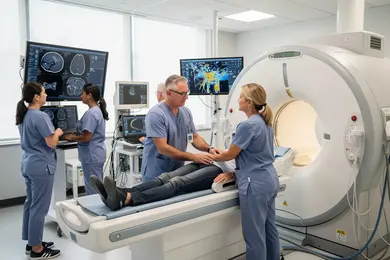
Yes. Entry-level radiology technician degree programs include hands-on learning because students must demonstrate safe, competent imaging practice with real equipment and patients. These requirements are usually called clinical rotations, practicums, labs, or competency-based clinical education rather than internships.
Clinical training is where online radiography differs from many other online degrees. Even when lectures are online, students typically complete in-person labs and supervised clinical rotations at hospitals, outpatient imaging centers, or other approved healthcare settings. During these experiences, students practice patient positioning, radiation protection, image evaluation, communication, infection control, and professional conduct.
Before enrolling, working adults should clarify exactly how clinical education works. These questions help prevent scheduling surprises:
- How many total clinical hours or competencies are required?
- Are clinical shifts assigned during weekdays, evenings, weekends, or a combination?
- Can students request locations near home or work?
- Does the school guarantee placement, or must students locate and secure their own clinical site?
- What happens if a student cannot attend a scheduled clinical day because of work or family emergencies?
- Are there additional costs for immunizations, background checks, drug screening, parking, or travel?
Hands-on training is not a drawback; it is part of what makes the credential meaningful to employers and licensing bodies. The key is to choose a program whose clinical model matches your geographic location and work flexibility.
Other Things You Should Know About Radiology Technician
A radiologic technologist is the credentialed professional who performs imaging exams. "Radiology technician" is often used informally for the same type of role, though schools and employers may prefer "radiologic technologist." A radiologist is a physician who completes medical school and residency to interpret images and diagnose conditions.
It can be. Radiologic technologists may stand for long periods, move imaging equipment, help position patients, and wear protective gear. Applicants should review a program's technical standards before applying, especially if they have lifting, mobility, or stamina concerns.
Usually not, although prior healthcare experience can help applicants understand patient care expectations. Many programs admit students from non-healthcare backgrounds if they meet academic prerequisites, complete required screenings, and can satisfy clinical and technical standards.
Most radiologic technologist roles are in person because imaging requires direct patient care and equipment operation. Remote work is more common in related areas such as imaging informatics, scheduling, education, quality review, or administrative roles, typically after experience or additional training.
References
- Online Radiology Tech Programs: Finding the Right School https://www.edumed.org/online-schools/radiology-tech-programs/
- Radiologic Technology - Student Achievement Data for Accredited Programs https://www.augustatech.edu/radiologic-technology.cms
- Radiologic Technology Associates https://an.edu/programs/associates/radiologic-technology-associates/
- Student Loans for Radiology Tech School in 2026 - Credible https://www.credible.com/student-loans/student-loans-for-radiology-technician-school
- Radiologic Technology | Riverside College of Health Sciences https://www.riverside.edu/en/programs/allied-health/radiologic-technology
- GNTC Radiologic Technology graduates achieve 100% licensure pass rate and job placement | GNTC https://www.gntc.edu/022219-radiology/
- Affordable Online Bachelor's in Radiology Programs 2020 https://www.healthcare-administration-degree.net/best/affordable-online-radiology-degree-programs-bachelors-2/
- Online Radiology Tech Program | Stepful https://www.stepful.com/training/radiology-tech
- What to Look for in a Radiologic Technology Program | NWHSU https://www.nwhealth.edu/blog/what-to-look-for-in-a-radiologic-technology-program/
- Most Popular Online Radiology Degrees 2025 https://www.onlineu.com/degrees/radiology