2027 Grand Canyon University Online BS in Applied Entrepreneurship: Cost, Curriculum, Admissions, and Career Outcomes

Co-Founder and Chief Data Scientist
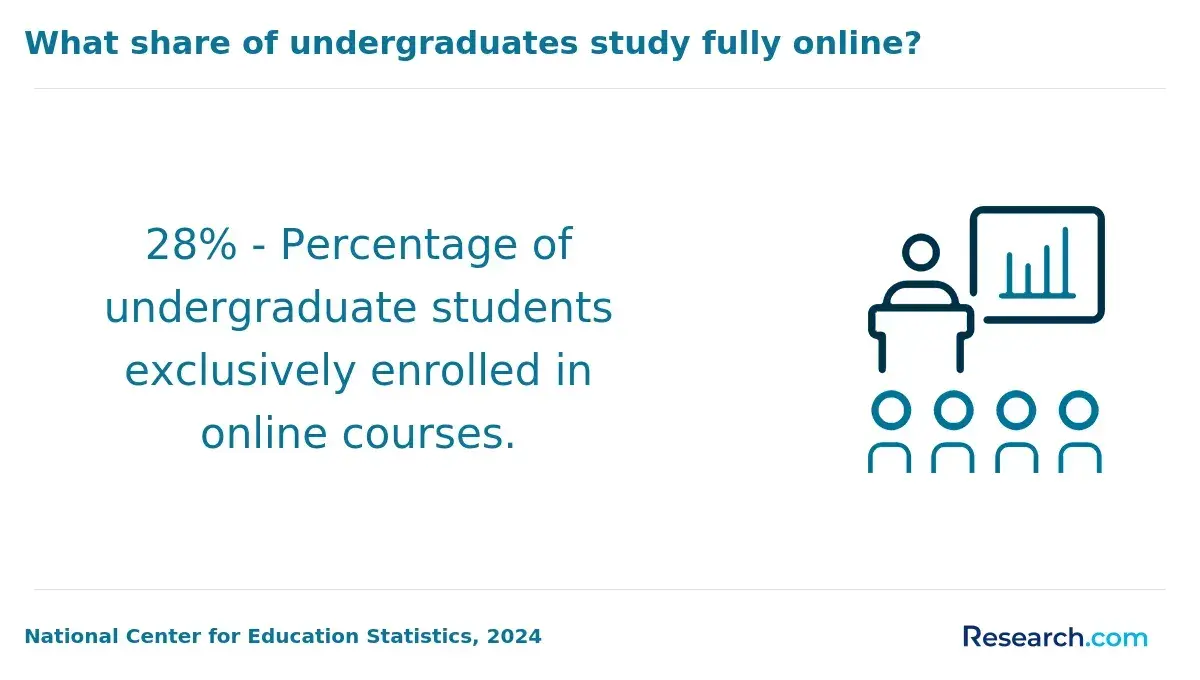
Students aiming to launch or elevate entrepreneurial ventures often face uncertainty about which online degree aligns with their goals and time constraints. With online education enrollment rising by over 7% in 2024 according to the National Center for Education Statistics, flexibility and relevance have become crucial factors in choosing a program. Those considering a BS in Applied Entrepreneurship at Grand Canyon University must evaluate how its curriculum and admissions process match their learning style and career aspirations. This analysis addresses these concerns by exploring the program's cost, curriculum structure, admission criteria, and potential career outcomes to help prospective students make informed decisions.
Key Points About Grand Canyon University's BS in Applied Entrepreneurship Program
- The 60% acceptance rate for grand canyon university's online BS in Applied Entrepreneurship reflects moderate selectivity that shapes peer cohort quality and impacts networking opportunities during study.
- Graduates benefit from a curriculum aligned with employer expectations across sectors, enhancing practical skills that increase early-career employment prospects in competitive business environments.
- The total tuition of $37,212 requires careful financial planning, as it influences access for students balancing education investment against potential entrepreneurial and wage outcomes.
What can students expect from Grand Canyon University's online BS in Applied Entrepreneurship curriculum?
Students enrolling in Grand Canyon University's online BS in Applied Entrepreneurship curriculum face a program structured to bridge foundational business knowledge with practical entrepreneurial skills, reflecting typical US standards for applied entrepreneurship degrees but with a notably hands-on focus. This approach acknowledges the increasing employer demand for candidates who not only understand business concepts but can also apply them directly to startup and innovation settings. As students navigate the curriculum, they engage with coursework designed to foster critical thinking and real-world problem solving. Below are key components that exemplify this structure:
- Accounting and Financial Analysis: Students must master concepts of financial statements, budgeting, and cash flow management, essential for assessing business viability and making data-driven decisions in startup environments.
- Entrepreneurship and Innovation Strategies: This coursework requires students to identify market opportunities and develop innovative solutions, forcing practical application of theoretical frameworks to real or simulated business challenges.
- Business Plan Development: Emphasizing applied skills, students are tasked with crafting comprehensive business plans that integrate market research, operational planning, and financial forecasting. This is critical for preparing to attract investors or manage new ventures effectively.
This curriculum structure aligns closely with the broader framework found in comparable programs but stands out for integrating theory with actionable projects, which better prepares students for the unpredictable nature of entrepreneurial ventures. For prospective students, examining how this program's balance of conceptual and applied training matches their career goals is vital, particularly for those considering roles that demand innovation prowess or venture management. The curriculum's relevance is further underscored when comparing with other accelerated formats-a useful resource for this evaluation is the 1 year masters degree comparison, helpful for understanding the potential pace and depth of similar programs in entrepreneurship education.
What are Grand Canyon University's admission requirements for online BS in Applied Entrepreneurship program?
Applicants to Grand Canyon University's online BS in Applied Entrepreneurship must meet selective academic standards that balance foundational education with demonstrated readiness for college-level work. In practice, this means students without recent or traditional academic credentials may need to carefully assemble alternative evidence to strengthen their candidacy. For example, a working adult returning to school may leverage life experience credits and TOEFL scores if English is not their first language, highlighting the program's nuanced flexibility within a structured framework. The following key requirements summarize what prospective students typically need to prepare:
- Secondary Education Credentials: Applicants must have a high school diploma or GED certificate, ensuring basic academic preparation. A secondary school GPA is mandatory, as it reflects the applicant's core scholastic ability, although submitting secondary school rank is recommended but not required.
- English Proficiency Testing: Non-native English speakers must submit TOEFL scores to verify they can comprehend and engage with course materials effectively. This requirement addresses communication competence critical for online learning success.
- Standardized Testing Recommendations: While tests like Wonderlic or WISC-III are advised, they are not mandatory. These tests provide additional insight into cognitive and aptitude skills but do not outweigh core academic records.
- Additional Application Materials: Letters of recommendation and formal competency demonstrations are suggested but not compulsory. These elements can bolster an application by validating skills and readiness, especially for students with non-traditional backgrounds.
- Transfer and Credit Recognition: GCU evaluates life experience and advanced placement credits for transfer students, offering some pathways to reduce time and cost. However, dual credit is not accepted, and official transcripts remain necessary to verify prior collegiate coursework.
Is it difficult to get admitted to Grand Canyon University's online BS in Applied Entrepreneurship program?
Admission to most online BS in Applied Entrepreneurship programs tends to be moderately competitive, balancing a need for demonstrated academic readiness with applicant diversity. Many programs aim to select candidates who show both foundational skills and clear entrepreneurial motivation, which often results in acceptance rates that reflect neither extreme selectivity nor wide accessibility.
At Grand Canyon University, the acceptance rate of 60% suggests a fairly accessible entry point relative to highly selective business programs. With nearly 29,000 admits out of nearly 48,000 applicants annually, the program maintains standard admission criteria including SAT verbal scores between 540 and 620, math scores ranging from 518 to 555, and ACT scores from 19 to 179. These parameters indicate a baseline academic competency rather than stringent cutoff thresholds, allowing a broad pool of prepared students access while filtering for adequate readiness.
This level of selectivity means that applicants who meet minimum score requirements and align their career objectives with applied entrepreneurship are likely to gain admission without excessive hurdles, but they should avoid underestimating the importance of meeting these benchmarks.
A recent graduate recalled navigating the admissions process with some initial hesitation. "I worried my SAT scores were borderline," they said, "but once I focused my application on demonstrating practical goals and business experience, it felt less daunting. The acceptance wasn't instant, but it was reassuring to know they consider more than just numbers. Still, I wouldn't wait until the last minute to apply given the volume of applicants."
What is the cost of attending an online BS in Applied Entrepreneurship program at Grand Canyon University?
Tuition for the online BS in Applied Entrepreneurship program at Grand Canyon University stands at $17,450 annually, exclusive of additional costs. Beyond tuition and fees, students should anticipate roughly $1,100 yearly for books and supplies, bringing the total program expenditure closer to $37,212 when factoring in other living expenses common in a comprehensive cost of attendance estimate. This pricing structure reflects GCU's flat-rate tuition approach for online learners, which simplifies budgeting by avoiding location-based fee variations.
When evaluating the Grand Canyon University online BS in Applied Entrepreneurship tuition fees against other institutions offering similar degrees, this flat tuition model can be a practical advantage. Many comparable programs include variable fees depending on residency or campus use, potentially increasing total costs significantly. This structure matters for students prioritizing cost predictability while balancing the opportunity cost of time spent studying versus immediate workforce entry or entrepreneurship attempts.
While the cost is competitive, the broader market for applied entrepreneurship degrees can vary widely depending on the school's resources, prestige, and geographic factors. Students focused on practical business skills should weigh GCU's pricing in light of outcomes-such as entrepreneurial network access and real-world project opportunities-which might not be fully captured by tuition alone. Such factors often influence employer perceptions and hiring decisions in small business or startup environments.
For prospective students comparing expenses, recognizing this program's tuition within the context of other relevant degrees is essential. The financial tradeoffs between total cost, educational delivery flexibility, and prospective return on investment should reflect individual circumstances and career goals. For additional insight on tuition and career alignment for similar degrees, consider reviewing data on the best bachelors degrees.
Are there financial aid options for online BS in Applied Entrepreneurship students at Grand Canyon University?
Financial aid availability can significantly influence a student's decision to pursue an online BS in Applied Entrepreneurship at Grand Canyon University, yet relying solely on aid requires careful consideration of eligibility and coverage limits. For working students or veterans, specific funding routes can ease tuition burdens but may also demand navigating bureaucratic processes or maintaining particular academic standards. The presence of multiple aid types suggests a layered financing approach, often necessary to assemble sufficient resources. Below is a breakdown of key aid options relevant to prospective students.
- Institutional Scholarships: Targeted at students demonstrating academic merit or leadership potential related to entrepreneurship, these scholarships vary widely in amount and typically require a separate application showcasing business interests or achievements.
- Federal Financial Aid: Includes Direct Subsidized and Unsubsidized Loans available after completing FAFSA, with eligibility tied to financial need and satisfactory academic progress, helping cover remaining tuition gaps.
- Grants and Need-Based Aid: Designed for students showing financial necessity, these funds often do not require repayment and supplement federal aid, though award sizes can fluctuate based on state, federal, and institutional budgets.
- Veteran Benefits: Eligible military-affiliated students can access GI Bill funding and related programs, easing costs substantially; however, navigating eligibility and application procedures demands understanding specific VA rules.
- Employer Tuition Reimbursement: Provides financing for employed students whose organizations support continuing education, but typically requires retaining employment during study and may involve limits on reimbursed amounts.
What learning resources are available to online BS in Applied Entrepreneurship students at Grand Canyon University?
Effective learning resources are critical for students pursuing a BS in Applied Entrepreneurship online, as they directly influence the ability to bridge theoretical knowledge and practical application in entrepreneurial contexts. Navigating the complexities of entrepreneurship requires not only access to content but also timely support that minimizes disruptions and reinforces skill development. For example, a student managing a startup idea alongside coursework benefits from immediate technical assistance and tailored academic advising to balance competing demands effectively. Below is an overview of key learning resources that shape this support ecosystem at Grand Canyon University.
- Technical Support: A 24/7 help desk offers continuous assistance for platform-related issues, ensuring students maintain uninterrupted access to course materials and online tools essential for timely completion of assignments and collaboration.
- Learning Management System: The intuitive and regularly updated digital platform centralizes lectures, assignments, and communication channels, reducing friction in course navigation and enabling students to focus on content rather than technical barriers.
- Academic Tutoring: Subject-specific tutoring supports comprehension and application of entrepreneurial concepts, which is vital for students who may lack prior business experience and require reinforcement to meet academic rigor.
- Writing and Research Centers: Dedicated resources provide critical feedback and guidance on academic writing and research, strengthening students' ability to articulate entrepreneurial plans and strategies with clarity and credibility.
- Career Services Network: This includes resume workshops, interview preparation, and access to internships via industry partnerships. It serves as a practical bridge between education and employment, a key factor given employers' emphasis on real-world experience alongside academic credentials.
Does Grand Canyon University's online BS in Applied Entrepreneurship program have in-person clinicals or practicums?
In applied entrepreneurship education, practical experience typically involves project-based assignments rather than mandatory in-person clinicals. Unlike programs with health-related or education degrees that require traditional hands-on clinical experience, many entrepreneurship programs focus on virtual experiential learning, allowing students to develop skills through case studies and business simulations. This distinction is critical for students evaluating whether a program fits their need for flexibility and remote engagement, particularly when considering if grand canyon university online bs in applied entrepreneurship includes in-person practicums.
Grand canyon university's BS in Applied Entrepreneurship program does not require students to complete any in-person clinical or practicum components. Its curriculum is designed to emphasize applied knowledge delivered through online interactive modules and real-world business challenges. Students gain experiential learning by crafting business plans, conducting virtual market research, and developing growth strategies without attending physical sites. This approach removes geographical and scheduling barriers often present in programs with clinical requirements.
This structure suits students who seek the practical aspects of entrepreneurship without the logistical demands of traditional internships or clinicals. However, prospective students should weigh the absence of physical placements against employer expectations, as some hiring managers may value direct, in-person business experience. Those needing more hands-on exposure might consider programs with in-person practicum options, unlike grand canyon university's more flexible online format. For additional insight into accessible degree paths, resources like barbados community college provide comparative perspectives.
What careers can graduates of online BS in Applied Entrepreneurship at Grand Canyon University secure?
Graduates holding a BS in Applied Entrepreneurship from Grand Canyon University often secure roles where the ability to apply practical entrepreneurial skills is essential. The program's focus on opportunity recognition and financial analysis provides a foundation for navigating competitive business environments, but the real-world value depends on how these skills align with specific market demands. A notable tradeoff is the program's emphasis on versatility rather than deep specialization, which can be advantageous in dynamic but may require supplementary experience for advanced positions. This is especially relevant in Arizona, where entrepreneurial job prospects often favor those who combine formal education with hands-on venture experience. The following positions highlight typical career paths for these graduates:
- Startup Founder: Launches and manages new businesses by leveraging entrepreneurial principles. Requires risk management and resource allocation skills, with income varying widely based on venture success.
- Business Development Manager: Identifies growth opportunities and builds partnerships to increase revenue. Often serves as a bridge between strategy and sales, with stable mid-to-upper-level salaries.
- Small Business Consultant: Advises companies on operational improvements and profitability. Consultants leverage practical insights to help clients optimize processes, earning fees based on experience and results.
- Project Manager: Coordinates projects with an entrepreneurial mindset to meet goals efficiently. This role demands leadership and adaptability, with compensation reflecting industry and project scale.
- Marketing Coordinator: Supports marketing strategies that align with business growth objectives. This entry point role involves campaign management and data analysis, offering moderate salary prospects.
For those weighing the practical outcomes of a BS in Applied Entrepreneurship, reviewing the diversity and adaptability of these roles in Arizona's job market is critical. Further analysis of how this degree compares with other accelerated degrees may be beneficial when considering time-to-employment and skill specialization tradeoffs.
What is the salary outlook for online BS in Applied Entrepreneurship graduates?
Salary prospects for online BS in Applied Entrepreneurship graduates from Grand Canyon University tend to start modestly but vary greatly based on individual business outcomes and leadership roles. For example, a graduate launching a small business may initially earn around the median alumni salary of $42,186, which trails business administration fields averaging $47,402 but outpaces certain disciplines like Communication and Media Studies. This disparity reflects the risk-reward dynamics inherent in entrepreneurial careers where earnings often correlate with business success rather than fixed pay scales.
The career earnings potential for online bs in applied entrepreneurship graduates depends heavily on experiential factors and market conditions. Compared to stable fields like Registered Nursing with median salaries near $78,940 or Homeland Security roles at $63,625, entrepreneurship salaries tend to be lower at first but can grow significantly with proven managerial skills or successful enterprise scaling. Many employers in business development or consulting roles value practical entrepreneurial insights, which can elevate compensation beyond entry-level figures as graduates build their portfolio.
Those weighing the decision to pursue this degree should factor in not only the median salary of $42,186 but also the broader implications for professional independence and diverse job opportunities. The program's business fundamentals support pathways into marketing, consulting, and startup management, which may enhance long-term income. For students interested in complementary advanced business credentials, resources such as online PhD criminal justice no dissertation programs are also available to explore.
How do you know if Grand Canyon University's online BS in Applied Entrepreneurship program is the right choice for you?
Choosing whether grand canyon university's online BS in Applied Entrepreneurship fits your goals requires assessing how its practical, applied focus aligns with your professional and learning priorities. This includes weighing tradeoffs between flexibility, instructional style, and career relevance in entrepreneurial settings. Consider these factors to determine alignment with your immediate needs and long-term trajectory.
- Curriculum Emphasis: Evaluate if a program's hands-on, case-study-driven approach meets your desire for applicable skills versus a theory-heavy foundation. Applied entrepreneurship degrees often prioritize real-world problem-solving over traditional academic concepts, which suits students aiming to launch ventures or pivot careers quickly.
- Flexibility and Delivery: Analyze your schedule demands and preferred learning pace. GCU's asynchronous format supports those balancing work or family but may reduce real-time interaction, impacting learners who thrive on immediate feedback or structured environments.
- Community and Networking: Reflect on the importance of peer collaboration and instructor engagement. Programs fostering diverse, motivated cohorts can nurture entrepreneurial mindsets and practical insight, a factor critical for startup development and feedback cycles.
- Career Integration: Consider internship availability and industry connections that bridge academic work with employability. Direct exposure to entrepreneurial ecosystems enhances job readiness and opportunity awareness beyond classroom theory.
One graduate shared that selecting an online entrepreneurship program wasn't straightforward. "I knew I needed flexibility since I was working full time and supporting my family," she explained. "Gaining practical experience through projects was essential because I wanted to start a small business shortly after graduating, not just earn a diploma. Still, I hesitated since I worried about feeling isolated without face-to-face classes. What helped was that GCU offered mentorship and active discussions, which made the virtual environment feel more connected. Looking back, those elements were what made the program a workable fit for my situation."
What Graduates Say About Grand Canyon University's BS in Applied Entrepreneurship Program
- John: "Studying at Grand Canyon University gave me a practical framework that I immediately applied in my role managing startup operations. The BS in Applied Entrepreneurship program emphasized real-world case studies and hands-on projects, which helped me better understand how to assess market viability before launching new initiatives. Though I initially faced skepticism from employers favoring candidates with corporate experience, the portfolio I built during the program made a difference and helped me secure a leadership position in a competitive hiring environment."
- Colin: "What stood out about the BS in Applied Entrepreneurship program at Grand Canyon University was the flexibility it offered, allowing me to balance coursework with remote internships. The program sharpened my ability to pivot quickly and approach problems with a lean startup mindset, which has been critical as I've transitioned into consulting roles. I've found that while salary growth can plateau without formal licensure, the program gave me the practical tools to explore entrepreneurial opportunities that prioritize innovation and adaptability over traditional advancement."
- Ian: "Reflecting on my time at Grand Canyon University, the most valuable aspect of the BS in Applied Entrepreneurship degree was the emphasis on experiential learning and networking within the industry. The instructors shared insights about the realities of hiring processes where employers often prioritize experience and internships over degrees alone. After graduation, I had to navigate several career pivots and learned that the program's focus on business fundamentals and strategic thinking was what ultimately prepared me to thrive despite the challenges of entering a crowded job market."
Other Things You Should Know About Degrees
The program offers asynchronous coursework, allowing students to complete assignments on their own schedule, which is beneficial for those balancing jobs or family responsibilities. However, some courses may require participation in scheduled live sessions or group projects, which can limit flexibility. Prospective students should prioritize programs like this only if they can commit to at least occasional real-time collaboration, as missing these could affect both learning outcomes and grades.
While the curriculum emphasizes applied entrepreneurship with practical assignments, the online format limits spontaneous networking and mentorship opportunities typically found in in-person programs. This tradeoff means students must proactively seek external connections and real-world experience to complement academic learning. Those aiming to launch or scale a business shortly after graduation should weigh the program's applied focus against the potential lack of immersive entrepreneurial ecosystems.
In 2027, Grand Canyon University's online BS in Applied Entrepreneurship curriculum emphasizes key areas such as business development, financial management, marketing strategies, and innovation. It integrates practical exercises and real-world case studies to enhance analytical skills and entrepreneurial vision, ensuring students are well-prepared for diverse business landscapes.
The program's affiliation with a regionally accredited university lends credibility; however, some employers in highly competitive entrepreneurial fields may prioritize candidates with diverse experiences and traditional business backgrounds. Graduates should focus on building a tangible portfolio through program projects and internships to differentiate themselves. For students targeting specific industries, supplementing the degree with certifications or practical experience is advisable to maximize employability.
References
- Higher Education Services https://www.gce.com/
- Grand Canyon University - Association For Entrepreneurship USA https://afeusa.org/join-afe/membership-benefits/grand-canyon-university/
- Online Bachelor of Applied Entrepreneurship (Ducere) https://www.torrens.edu.au/courses/business/bachelor-of-applied-entrepreneurship-partnership-with-ducere
- GCU K12 Resources | Canyon PD https://www.canyonpd.com/gcu-k12-education-resources/
- Entrepreneurship Major https://www.kozminski.edu.pl/en/entrepreneurship-major
- How to choose a bachelor's in entrepreneurship | edX https://www.edx.org/resources/how-to-choose-a-bachelors-in-entrepreneurship
- GCU Dept. of Welcome Programs https://gcuwelcome.org/resources