2027 Is Grand Canyon University's Online MS in Forensic Science Worth It? What Students Should Know

Co-Founder and Chief Data Scientist
Choosing an online MS in forensic science program involves weighing how well it fits diverse career trajectories in forensic analysis, crime scene investigation, or legal consultancy. With the U. S. Bureau of Labor Statistics projecting forensic science jobs to grow faster than average due to advances in technology and increased demand for criminal justice reform, accessibility and curriculum relevance become critical factors. Grand Canyon University's program must also be assessed for how its course delivery, faculty expertise, and practical skill offerings align with evolving industry standards. This article explores these dynamics to help prospective students determine if pursuing their MS in forensic science online at Grand Canyon University aligns with their professional objectives and learning preferences.
Key Points About Grand Canyon University's Online MS in Forensic Science Program
- Grand Canyon University's online MS in Forensic Science has a 60% acceptance rate, balancing selective admission with accessibility, which may affect the rigor and peer quality in the cohort.
- The program's $37,212 tuition and a median graduate salary of $42,186 yield a 1.91x earnings to debt ratio, indicating moderate financial returns that students should weigh against alternative paths.
- Strong faculty reputation and employer recognition enhance career prospects, reflecting alumni success and signaling the degree's relevance in forensic science job markets.
What makes Grand Canyon University's online MS in Forensic Science program stand out?
Grand Canyon University's online MS in Forensic Science program delivers notable flexibility for working professionals needing to integrate graduate-level study with ongoing career responsibilities. Unlike many forensic programs requiring fixed on-campus attendance, this asynchronous format allows learners to complete coursework at their own pace, a significant consideration for those balancing shift work or family demands. However, this format may limit hands-on networking opportunities often critical for breaking into traditional forensic laboratory roles.
The program's integration of virtual labs, digital case studies, and interactive simulations targets practical skill development in evidence analysis and crime scene investigation-key competencies highly valued by employers. This hybrid approach aligns more closely with real-world forensic work compared to purely lecture-based curricula, potentially increasing job readiness. With a total enrollment of 107,563 students and 7,773 staff, GCU offers substantial resources, although its 43% graduation rate reflects challenges many students face managing academic rigor alongside external commitments.
For prospective forensic professionals seeking a balancing act between flexibility and practical application, GCU's MS in Forensic Science provides distinct advantages. The program's broad infrastructure supports diverse learning needs and can prepare students for evolving workforce demands. Yet, candidates should weigh the tradeoff between online convenience and the depth of direct lab exposure typical in more traditional forensic science programs.
Is it difficult to get admitted to Grand Canyon University's online MS in Forensic Science program?
Admission to most MS in Forensic Science programs is generally competitive due to the specialized nature of the field and the rising demand for graduates with expertise in forensic applications within criminal justice. Applicants often face rigorous academic expectations combined with a growing pool of candidates from diverse professional backgrounds seeking to pivot or specialize. This tends to create a selective environment where acceptance rates can be low and meeting standardized test benchmarks is critical for consideration.
Grand Canyon University's online MS in Forensic Science presents a less daunting entry point compared to many peer programs, with an acceptance rate near 60%. The university describes its admissions process as moderately difficult, reflecting a balanced filter: applicants typically need SAT scores between 540-620 verbal and 518-555 math or ACT scores ranging from 19 to 56, signaling that while academic standards are observed, they are not prohibitive. With nearly 48,000 applications yearly and over 28,000 admissions across all programs, GCU demonstrates a willingness to accommodate a broader range of students, making their forensic science master's relatively accessible without sacrificing essential criteria.
This accessibility can be significant for working professionals who require flexible entry points and online delivery, though it may also imply varying levels of peer competition and institutional selectivity compared to more exclusive programs, which can affect networking and reputation in some job markets.
One graduate recalled hesitating to apply immediately due to uncertainty about balancing work with admission requirements and test score expectations. They eventually submitted their materials late in the cycle after improving their ACT score, fearing the delay might cost them the chance. But the moderate difficulty and acceptance rate meant their application was still welcomed, providing relief but also underscoring the importance of timing and preparedness when navigating this particular program's admissions landscape.
How does the curriculum of Grand Canyon University's online MS in Forensic Science program stay aligned with current industry trends?
Alignment between academic preparation and employer expectations is critical in forensic science, where both technical accuracy and practical application influence career readiness. Grand Canyon University's online MS in Forensic Science program integrates core industry priorities, but prospective students should weigh how its emphasis affects workforce outcomes. For example, labs and crime scene simulations develop hands-on skills that some agencies prioritize over purely theoretical knowledge, underscoring the tradeoff between classroom-based learning and exposure to real casework environments. Below are key factors illustrating how the curriculum maintains relevance to current forensic science and technology demands:
- Technical Proficiency: The curriculum emphasizes advanced forensic biology, criminalistics, and forensic toxicology, ensuring students grasp foundational sciences critical for evidence analysis. This level of technical depth supports competencies expected in many forensic laboratory positions, though it may not cover all specialized subspecialties, requiring graduates to pursue further certification in niche areas.
- Practical Skills Training: Incorporating crime scene investigation and forensic lab techniques offers experiential learning that reflects employer demands for applied skills. Such training can improve graduate employability in agencies valuing practical readiness, though access to state-of-the-art equipment remotely can limit depth compared to in-person programs.
- Contemporary Tools and Communication: Modules on digital forensics, data analysis, and forensic reporting reflect the increasing intersection of technology and law enforcement. The focus on clear communication aligns with legal settings where forensic experts must explain findings to diverse audiences, meeting expectations beyond technical competence.
This program's curriculum shows deliberate synchronization with industry standards by balancing theoretical knowledge and applied techniques, a crucial consideration for those evaluating online ms in forensic science curriculum aligned with industry standards in the US. While it prepares graduates broadly for forensic roles, students should assess whether its practical scope fits their targeted career context. Those looking for comprehensive forensic science programs might also explore comparisons among the best college degrees to pursue within this evolving sector. Grand Canyon University forensic science program current forensic technology training mirrors sector shifts, though prospective students must carefully analyze how this matches their employment goals.
How much does Grand Canyon University's online MS in Forensic Science program cost?
Tuition for Grand Canyon University's online MS in Forensic Science program stands at $17,450 annually for base tuition and fees, excluding living expenses and books, which add roughly $1,100 to the overall cost. The comprehensive reported annual cost including room and board reaches $37,212, but this figure often overstates expenses for fully online students who bypass these costs. Financial aid plays a crucial role here; with 99% of undergraduates receiving assistance averaging $7,744, students who qualify can significantly lower their net tuition burden, a key consideration before committing to the program.
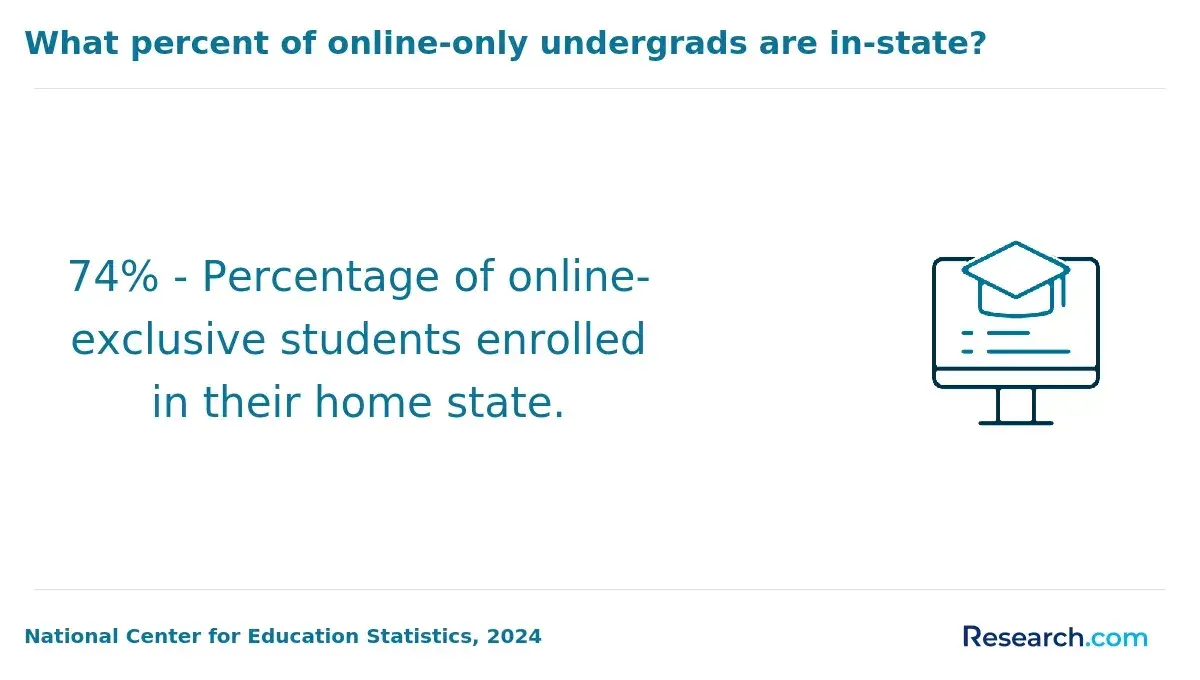
The affordability of the online forensic science master's degree at Grand Canyon University gains further perspective when benchmarked against national averages. Many comparable MS in Forensic Science programs exceed $20,000 annually in tuition alone, positioning Grand Canyon University on the lower end of this spectrum. Its uniform flat in-state tuition for online learners, irrespective of geography, offers a predictable cost structure uncommon in many institutions, which often charge out-of-state premiums that complicate financial planning for students living outside the university's home state.
This cost structure matters when weighing the practical implications of enrolling. For working adults balancing employment and education, getting a known, flat-rate tuition allows better budgeting especially when combined with institutional aid, grants, or employer tuition reimbursement partnerships, which are increasingly relevant in forensic science-related sectors. Prospective students should also factor in that additional fees typical in other online programs, such as technology costs, do not apply here, potentially reducing overall expenses further.
Those comparing educational pathways might consider that the economic tradeoff depends not just on sticker price but also on workforce outcomes and flexibility. For students exploring forensic science credentials but uncertain about commitment length, options like a shorter online associates degree could serve as interim qualifications, balancing cost and employability while evaluating the relevance of a full graduate degree in their career trajectory.
What are the admission requirements for Grand Canyon University's online MS in Forensic Science program?
Admitting candidates to grand canyon university's online ms in forensic science emphasizes a balanced academic profile coupled with some recommended supplementary evidence, reflecting broader workforce expectations that value clear competency without excessive barriers. This approach can simplify application hurdles for students lacking standardized test strength but may require strategic submission of additional materials to differentiate oneself in competitive contexts. Familiarity with these criteria aids applicants in aligning their preparation with realistic program expectations. Key admission components include the following:
- Academic Credentials: Applicants must have a high school diploma or GED. While a high school rank and completion of a college-preparatory curriculum are advised, only the transcript showing GPA is strictly required, signaling a moderate academic threshold.
- English Proficiency: Submission of TOEFL scores is mandatory for non-native speakers, establishing baseline language skills crucial for program success and effective communication in forensic roles.
- Test Scores: Although no dedicated entrance exam or portfolio is required, SAT or ACT scores are considered, with defined score ranges providing additional context for admissions evaluations.
- Transfer Credits: The university accepts various credit sources, including ACE recommendations, CLEP, DSST, AP credits, and life experience assessments, offering flexibility for transfer students and reducing redundant coursework.
- Supplementary Materials: Letters of recommendation and formal demonstration of competencies are not mandated but recommended to strengthen candidacy, acknowledging that real-world validation of skills can tip evaluative scales in close cases.
What is the ROI of attending Grand Canyon University's online MS in Forensic Science program?
The return on investment for Grand Canyon University's online MS in Forensic Science program presents a nuanced tradeoff where education costs approach the upper threshold of starting salaries in the field. With an estimated total annual cost around $31,493 to $37,212 including tuition and living expenses, graduates face relatively high upfront financial commitments. These costs must be weighed against a median starting salary near $42,186, which remains stable a decade after graduation but shows limited growth potential compared to other STEM fields.
For prospective students, securing scholarships or grants can significantly improve this ratio by mitigating debt burden, which currently averages $22,114. The earnings-to-debt ratio of about 1.91x suggests initial income nearly doubles debt, but this margin tightens when factoring in living expenses and slower salary growth. Employment outcomes vary widely depending on placement in government labs, consulting firms, or law enforcement, with the highest-paying roles often requiring additional certifications or experience beyond the MS degree. Thus, ROI hinges not only on academic costs but also on the graduate's ability to navigate competitive job markets where income stability is offset by modest advancement prospects.
This earning pattern contrasts with more rapidly advancing forensic science programs, highlighting the practical limitations of GCU's online MS in Forensic Science in expanding long-term financial gains without strategic career planning.
Is there a high student satisfaction for Grand Canyon University's online MS in Forensic Science program?
Student satisfaction in grand canyon university's online ms in forensic science program tends to reflect the practical balancing act many remote learners face when managing rigorous coursework alongside personal and professional obligations. The program's moderate graduation rate underscores the challenge of sustained engagement, especially in a large-scale online environment where individualized oversight is limited compared to smaller, in-person settings. Employers familiar with online degrees often recognize the self-discipline required to complete such programs but also weigh actual skill application and experience beyond the credential itself.
Grand canyon university's extensive faculty roster supports a broad online student base, which some students find beneficial due to accessible communication and responsive advising. Student-led groups and mentoring tailored to remote learners create opportunities to form academic and peer connections, addressing common isolation issues in distance education. However, the demanding curriculum requires consistent commitment, and satisfaction often hinges on how well students utilize these institutional resources to navigate coursework while maintaining life balance.
Without specific retention data for forensic science candidates, the emphasis on community building and faculty availability signals an institutional intent to enhance student experience, though outcomes vary depending on individual circumstances and engagement levels.
Reflecting on her time in the program, a graduate shared how initial uncertainty about handling workload remotely gave way to appreciation for the accessible faculty and supportive virtual networks. She recalls, "During my first semester, juggling work and studies felt overwhelming, but quick feedback from instructors and mentorship groups kept me on track. It wasn't easy, but the practical focus and real-time support made the difference." This nuanced experience illustrates the conditional nature of satisfaction, influenced by both program demands and the student's proactive engagement.
How does Grand Canyon University help online MS in Forensic Science graduates secure employment?
Employers in forensic science often prioritize candidates who can demonstrate both technical proficiency and professional readiness, which makes institutional support a crucial element in securing relevant jobs. Data indicates that students who actively engage with career services and alumni networks experience a 35% higher chance of employment within six months of graduation. This statistic underlines the operational value of structured career assistance for online MS in Forensic Science students from grand canyon university. Such support can mitigate the competitive hiring landscape and accelerate early-career placement. Below are key mechanisms through which grand canyon university delivers job placement assistance to its graduates:
- Virtual Career Fairs: These events connect students directly with employers in forensic and allied fields, allowing candidates to navigate employer expectations and build relationships that often precede formal applications.
- Targeted Workshops: Resume writing and interview skill workshops tailored to forensic sectors help graduates present a compelling professional profile that aligns with industry standards, improving interview success rates.
- Alumni Mentorship: The alumni network fosters mentorships pairing current students with experienced professionals who provide personalized guidance, insider knowledge of forensic job markets, and introductions that can lead to early opportunities.
These career support components reflect grand canyon university's recognition that job placement is interconnected with both soft skills and network access. For prospective students weighing educational options, understanding how these services function in practice is essential. When choosing a program, it is also relevant to consider overall affordability and program fit, exemplified by comparative resources such as affordable online masters listings that can contextualize investment versus career yield.
What are the career outcomes for recent graduates of Grand Canyon University's online MS in Forensic Science?
Career outcomes for recent graduates of Grand Canyon University's online MS in Forensic Science often reflect the practical demands of forensic and criminal justice fields, where specialized scientific skills intersect with investigative processes. Choosing this program entails balancing moderate entry-level salaries against tangible employment opportunities that hinge on analytical proficiency and lab expertise. These outcomes matter because they directly impact the return on investment and long-term career stability in a competitive job market. Below is a snapshot of relevant roles and their characteristics within the context of forensic science jobs for grand canyon university graduates.
- Forensic Science Technician: These professionals are responsible for collecting and analyzing physical evidence from crime scenes. Their work supports law enforcement agencies with laboratory techniques and detailed evaluations, typically earning salaries in line with criminal justice averages around $35,660.
- Criminal Investigator: Investigators use a blend of forensic knowledge and law enforcement skills to pursue leads and build cases. Their role often involves close cooperation with forensic teams, demanding strong analytical and communication abilities.
- Crime Lab Analyst: Focused on interpreting scientific data from evidence, analysts work primarily in laboratory settings. Their expertise contributes to legal proceedings and crime resolution efforts, with compensation reflecting specialized technical demands.
- Homeland Security Specialist: While not strictly forensic science, graduates entering this role leverage advanced technical skills and often achieve higher salary potential near $63,625 due to increased responsibility and national security relevance.
The online MS in Forensic Science program develops these competencies but must be weighed against other fields that command higher salaries, such as Nursing or Clinical Laboratory Sciences. For students prioritizing a focused forensic investigation career path, this degree remains a practical option, especially when considering its alignment with broader criminal justice employment. Its impact can be better understood in the wider landscape of most versatile masters degrees.
How do I know if Grand Canyon University's online MS in Forensic Science program is the right fit for my goals?
Determining whether grand canyon university's online MS in forensic science program aligns with your goals depends heavily on how well its design matches your academic and career trajectory. For instance, a working professional eyeing specialized forensic roles may find a program worth it only if it delivers both practical skills and flexible pacing compatible with their employment. Several factors influence whether such a graduate program justifies the investment; these hinge on personal priorities and expected post-graduation outcomes. Below are key criteria to consider carefully.
- Curriculum Relevance: Assess if the course content includes specialized forensic techniques and emerging technologies linked to your targeted role. Programs with narrow focuses might benefit niche careers but limit transferable skills if your goals evolve.
- Program Flexibility: Evaluate if the online format flexibly accommodates your schedule without compromising academic rigor. Those balancing work and family require a model with asynchronous options and clear progress benchmarks.
- Faculty Expertise: Scrutinize instructors' professional backgrounds and active engagement in forensic science research or practice. Faculty who maintain industry ties bring practical insights and networking potential crucial for employability.
- Experiential Learning: Confirm availability of hands-on labs, virtual simulations, or agency partnerships. These components are essential to developing applicable forensic skills beyond theory, impacting job readiness.
- Support Services: Investigate academic advising, career counseling, and tech support resources. A solid support framework can be decisive in navigating challenges unique to remote forensic education.
For students evaluating grand canyon university online MS in forensic science program career alignment, balancing these dimensions against your personal circumstances will clarify its fit. Some may also consider how this program compares with accelerated online bachelor degree programs accredited elsewhere when weighing time and cost tradeoffs.
What Graduates Say About Grand Canyon University's Online MS in Forensic Science Program
- Logan: "Studying the ms in forensic science at Grand Canyon University gave me a solid foundation in forensic methodologies, but what really helped was their flexible online format that allowed me to keep working while earning my degree. I quickly realized that in the job market, employers valued hands-on experience and well-crafted portfolios even more than formal licensure, so I focused on internships and developing a demonstrable skill set. Having a degree from GCU certainly opened doors, but the real career growth came from how I applied what I learned in real investigations."
- Brent: "When I decided to pivot my career into forensic science, Grand Canyon University's program was a practical choice, allowing me to study remotely while balancing family commitments. The ms in forensic science curriculum was rigorous and thorough, which helped me grasp complex analytical techniques. However, I noticed that without additional certifications or licensure, salary growth and advancement opportunities were somewhat limited in my area. Still, the degree helped me access roles with flexible working conditions and paved the way for future professional development."
- Dominic: "The ms in forensic science program at Grand Canyon University exceeded my expectations in preparing me for the realities of the forensic field, especially regarding workplace challenges. Employers often scrutinize applicants for relevant experience, so I proactively sought internships during my studies to build credibility. While the coursework was demanding, the knowledge I gained allowed me to transition efficiently into a forensic analyst role. I advise prospective students to view the degree as a stepping stone rather than a guarantee, underscoring the importance of practical experience alongside academic credentials."
Other Things You Should Know About Degrees
The program is designed for working professionals, offering asynchronous courses to provide scheduling flexibility. However, the workload remains intensive, with frequent assignments and project deadlines that require consistent weekly engagement. Prospective students should prioritize time management skills to balance study with personal and professional responsibilities, as underestimating the workload may lead to strain or extended time to completion.
Employers increasingly accept online degrees, especially from accredited institutions like Grand Canyon University, but some may still prefer candidates with traditional on-campus training for forensic science roles that demand physical lab experience. Graduates should be prepared to demonstrate their applied knowledge through portfolios or practical experience outside the classroom. Prioritizing networking and externships can strengthen employment prospects in competitive forensic science job markets.
Grand Canyon University offers academic advising, tutoring, and career services tailored for online students, but accessibility may depend on students' proactive use of these resources. The impact of these support structures is significant for navigating the technical content and planning career steps. Students who actively engage with available support are more likely to complete the program on time and transition successfully into forensic science roles.
References
- Grand Canyon University (GCU) Rankings, Campus Information and Costs | UniversityHQ https://universityhq.org/best-colleges/grand-canyon-university/
- Grand Canyon University Ranking: What You Need To Know https://www.staging.westernautisticschool.vic.edu.au/vic-news/grand-canyon-university-ranking-what-you-need-to-know-1767648806
- Master of Science in Forensic Science https://catalog.shsu.edu/graduate-and-professional/college-departments/criminal-justice/forensic-sciences/forensic-science-ms/
- Best Master's in Forensic Science Programs 2025 https://www.crimesceneinvestigatoredu.org/editors-top-picks-the-best-masters-degree-programs-in-forensic-science/
- Masterâs program in Forensic Science â Courses, Colleges & Scope https://lifs.co.in/blog/masters-program-in-forensic-course.html
- Grand Canyon University Reviews https://www.gradreports.com/colleges/grand-canyon-university
- Career Services https://georgian.edu/academics/career-services/
- Professional services https://www.strath.ac.uk/courses/postgraduatetaught/forensicscience/
- How To Become a Forensic Scientist: Requirements & Steps https://www.forensicscolleges.com/blog/htb/how-to-become-forensic-scientist
- Top Career Opportunities After MSc in Forensic Science: Jobs, Roles & Scope https://aifset.com/blogs/career-opportunities-after-msc-in-forensic-science.html