2027 Is University of Miami - Miami Herbert Business School Good for Transfer Students?

Co-Founder and Chief Data Scientist
Choosing a transfer-friendly school presents challenges beyond basic admissions. Transfer students often face uncertainty about how many previously earned credits will count toward their degree. For those balancing cost concerns and time constraints, understanding credit evaluation and transfer policies becomes essential. University of Miami - Miami Herbert Business School's approach to these aspects directly impacts how many credits apply, how much of the degree remains, and the overall affordability for transfer students navigating this complex process.
Recent trends show a notable rebound in transfer enrollment reflecting increased adult learners returning after stopouts, signaling demand for flexible reentry options. This context matters because it highlights how well a business school accommodates nontraditional paths. This article analyzes transfer admissions, credit acceptance, cost structures, online or flexible learning options, and academic support at University of Miami - Miami Herbert Business School. It aims to clarify whether it offers a practical, cost-effective pathway for transfer students to complete their studies efficiently and purposefully.
Key Points to Know About University of Miami - Miami Herbert Business School for Transfer Students
- University of Miami - Miami Herbert Business School accepts CLEP and transfer credits after evaluation, allowing some major or elective fulfillment, but transfer credit recognition can vary widely, affecting time-to-degree and course selection planning.
- Transfer admission requires GED, GPA, recommendations, and TOEFL scores, with additional testing like Wonderlic or WISC-III recommended, reflecting a selective process that demands academic readiness beyond open admission.
- Total cost of attendance is $77,708, creating a significant investment that transfer students must justify by analyzing financial aid options and weighing alternatives to ensure long-term return on educational costs.
Is University of Miami - Miami Herbert Business School a Transfer-Friendly College for New Students?
University of Miami - Miami Herbert Business School shows moderate transfer-friendliness by accepting a wide range of transfer credits, including CLEP exams, and offering enrollment opportunities for both Fall and Spring. However, the lack of dedicated transfer centers or specialized advising programs falls short of common transfer-student expectations for personalized guidance through credit evaluation and degree planning.
With transfer enrollment increasing nationally by about 7%, schools with explicit transfer initiatives tend to reduce credit loss and improve graduation timelines. Miami Herbert's general credit acceptance aligns with these trends but the absence of robust support could increase risks for transfer students managing affordability and degree completion. For example, a nontraditional student balancing work might face delays if unclear credit applicability or insufficient advising leads to extra courses or lost credits.
Prospective transfers should weigh Miami Herbert's flexible credit policies against the practical need for one-on-one transfer advising. While the school's moderate transfer support may suit self-directed students, those seeking cost-effective, streamlined pathways may find the transfer experience less predictable, potentially affecting both time-to-degree and academic continuity.
How Easy Is It to Transfer Credits to University of Miami - Miami Herbert Business School?
Transferring credits to University of Miami - Miami Herbert Business School requires a rigorous review centered on accreditation, course equivalency, and grade minimums. Credits must align closely with the school's curriculum, especially for major requirements, since many transferred courses only satisfy electives. Dual credit or life experience credits are not accepted.
Prospective transfer students should weigh how many credits will actually apply toward their degree against the potential extension of time-to-degree. National trends show nearly 35% of transferred undergraduate credits fail to count toward major requirements, reflecting the challenge of fitting external coursework into Miami Herbert's specialized programs. This credit loss can increase tuition expenses and delay graduation.
Academic advising and the registrar's office play a crucial role in navigating this process. Without a comprehensive credit equivalency database, students must proactively consult with advisors to clarify credit acceptance and optimize transfer outcomes. Advisors help balance credit acceptance with employment or long-term academic plans, though transfer limitations remain considerable.
For instance, a student with multiple AP credits may benefit from some eased transfer barriers, yet must prepare for extensive evaluation and possible credit reduction. Those seeking to transfer must critically assess the real cost of lost credits versus the value of attending Miami Herbert's targeted business curriculum.
What Transfer Admission Requirements Does University of Miami - Miami Herbert Business School Have?
Admission to University of Miami - Miami Herbert Business School as a transfer student involves stringent academic standards and detailed application criteria that demand close preparation. Transfer applicants must demonstrate not only a competitive cumulative GPA but also have completed relevant college credits and prerequisite courses to qualify for upper-division business study. For example, a student transferring from a community college must carefully coordinate completed business foundational classes with the school's requirements to avoid application denial for course misalignment. The transfer admission requirements for University of Miami - Miami Herbert Business School include several essential factors transfer applicants should consider. Below are five critical components to assess before applying.
- Minimum GPA Threshold:A cumulative GPA around 3.5 is generally expected, reflecting the school's high selectivity for transfer students. Maintaining this GPA ensures competitiveness and alignment with the school's academic rigor.
- Completed Transferable Credits:Official transcripts must document completed college credits from prior institutions. Transfer applicants should verify that their credits match Miami Herbert's equivalencies to prevent credit loss that could delay graduation.
- Prerequisite Coursework Completion:Applicants must have completed specific foundational business and quantitative courses. Missing these prerequisites can make students ineligible or require additional coursework after transfer, raising costs and time to degree.
- SAT/ACT Waiver Policy:SAT and ACT scores are not required for transfer applicants, reflecting a focus on demonstrated college performance. This policy benefits adult learners and those returning to school by emphasizing recent academic achievements over past standardized testing.
- Transfer Application Planning:Transfer admission faces greater selectivity than first-year admissions, especially due to limited space and rigorous academic standards. Applicants should plan course sequences and deadlines carefully, especially community college students who face common credit transfer barriers noted in a recent study by the National Center for Education Statistics.
This competitive environment requires attention to detail in meeting admission criteria and understanding that successful transfer is not merely about GPA but navigating credit and course alignment. Prospective students evaluating undergraduate transfer application criteria at University of Miami - Miami Herbert Business School should also consider how these requirements influence their ability to build a solid foundation for both academic success and later career benefits. As an additional resource for understanding the career implications of choosing the right academic major, the best college degrees link offers insight into pathways that align academic preparation with employability outcomes.
How Many Credits Can Transfer Students Bring to University of Miami - Miami Herbert Business School?
Transfer students face significant constraints when planning credit transfer to University of Miami - Miami Herbert Business School, which affects both the pace and cost of their degree completion. The school caps transferred credits at 64 semester hours from accredited institutions, but credits must carry a grade of C or better. Most transfer credits apply only to electives rather than core major requirements, compelling students to complete substantial major coursework in residence. A practical example is a student moving from a community college who must still take 60 credits at Miami Herbert, thereby limiting the acceleration of graduation despite prior coursework.
This strict residency rule ensures most of the business curriculum is completed on campus, reinforcing curriculum integrity but extending time-to-degree if many credits do not align with major requisites. A 2024 study on credit transfer convergence found that institutions with mid-60 credit transfer limits like Miami Herbert experience delays for community college transfers due to non-equivalent credits, raising overall costs and requiring careful academic planning. Below are key transfer credit policies transfer students need to understand.
- Maximum Transfer Credits Allowed: Up to 64 semester credit hours can transfer in, including from community colleges and four-year institutions. This cap requires transfer students to plan remaining coursework carefully at Miami Herbert to avoid unexpected delays.
- Grade Requirement for Transfer Credits: Only courses with a grade of C or better are accepted, limiting transfer options for students who may have weaker performances in some classes, thus affecting credit applicability.
- Elective Versus Major Course Credits: Most transfer credits count as electives rather than toward major core classes. This policy increases the number of on-campus major requirements and can extend time to graduation.
- Residency Credit Requirement: Students must earn at least 60 credits at Miami Herbert, restricting how much transferred coursework counts toward their degree and preserving the school's curriculum standards.
- Community College Credit Acceptance: While community college credits are accepted, their alignment with major requirements is limited. This impacts nontraditional learners balancing work and study, who often face extended timelines and higher costs.
Transfer students anticipating substantial accepted college credits for transfer students at University of Miami - Miami Herbert Business School should evaluate these rules carefully. The impact on their academic plans is material. For those deciding on degree options, understanding transfer limits also helps weigh affordability, especially against career-focused outcomes in top paying degrees.
Does University of Miami - Miami Herbert Business School Have Transfer Pathways or Community College Agreements?
University of Miami - Miami Herbert Business School does not offer robust or guaranteed transfer pathways commonly found at many public universities. The lack of formal articulation agreements with community colleges means transfer applicants often encounter substantial credit loss and extended time to degree. For example, a student transferring with an associate degree from a community college might find key business or prerequisite courses requiring reevaluation, leading to retaking credits that increase both financial burden and risk of delayed graduation. Research shows that well-established transfer pathways can improve bachelor's completion rates by up to 12% and reduce excess credit accumulation by 15 credits on average, a benefit largely unavailable here. This gap demands rigorous transfer planning and early academic advising to avoid costly setbacks.
Below are key factors and transfer considerations prospective students should weigh when evaluating transfer options at University of Miami - Miami Herbert Business School:
- Selective Transfer Admissions: With an acceptance rate of just 19%, transfer applicants face a competitive process. This selectivity may limit transfer opportunities, especially for students from less directly aligned community colleges.
- Limited Articulation Agreements: The school has few formalized articulation agreements with local or regional community colleges, increasing uncertainty around which credits will transfer and their applicability to degree requirements.
- Major-Specific Course Compatibility: Transfer credit evaluation depends heavily on course content alignment within the business school's curriculum. This can lead to uneven credit acceptance and spotty protection against credit loss across majors.
- Advising and Planning Support: While transfer advisement exists, it lacks the proactive, guided transfer pathway structure shown to reduce time and cost. Students must independently verify course equivalencies and degree applicability before transfer.
- Credit Loss and Time to Degree Risks: Without strong safeguards, transfer students risk retaking courses or accumulating excess credits, undermining budget and career timeline goals crucial for cost-conscious and nontraditional learners.
Is University of Miami - Miami Herbert Business School Affordable for Transfer Students?
University of Miami - Miami Herbert Business School's affordability for transfer students is complex due to high tuition and variable financial aid. Tuition and fees total $93,584, yet the overall cost of attendance is listed as $77,708, reflecting applied scholarships, grants, and tuition discounts that reduce net price. Transfer credit acceptance varies, impacting how much time and cost a student faces.
Unexpected credit loss or part-time enrollment can increase costs by extending time to degree and housing needs. Online transfer students may access many of the same aid opportunities as on-campus learners but should still verify eligibility, as transfer-specific assistance often requires additional documentation or FAFSA completion. Delayed graduation due to credit transfer issues also elevates expenses beyond initial estimates.
A National Student Clearinghouse Research Center study highlights a financial aid gap for transfer students stemming from less transparent tuition and fee disclosures. This gap can cause persistence challenges if students underestimate true costs or miss deadlines for aid applications, underlining the importance of proactive cost management.
Transfer students should confirm credit applicability early, scrutinize program fees, adhere strictly to financial aid deadlines, and compare both part-time and full-time cost scenarios. Investigating the lowest-cost online pathway before enrolling is crucial to avoid unexpected expenses and optimize the return on investment.
One Miami Herbert graduate recalls, "I almost dropped out because the software licensing fee wasn't in the brochure. Managing transfer credits was tricky, and I had to fight to get all my aid applied on time. Part-time study stretched my costs, but careful planning helped me not get overwhelmed financially."
What Academic Programs at University of Miami - Miami Herbert Business School Are Best for Transfer Students?
Programs in Business Administration, Finance, and Marketing at University of Miami - Miami Herbert Business School stand out as best academic programs for transfer students. These majors typically offer flexible prerequisite structures and clearly defined credit transfer pathways, which reduce time lost to course misalignment. This flexibility is critical since nearly 40% of transfer students nationwide lose credit value due to poor course equivalencies, extending graduation timelines and increasing costs.
Credit applicability directly influences degree completion speed and affordability. Transfer students often face extended study periods when programs lack streamlined requirements. University of Miami's business-related programs minimize this risk through established pathways, making them appealing options for students transitioning from community colleges or other institutions. Career outcomes in these fields support quicker returns on investment, with median starting salaries above $65,000 reflecting workforce demand for quantitative and analytical skills.
Careful evaluation of chosen programs is essential. Students should confirm major requirements and identify any prerequisite gaps early. Advising services can help clarify transfer equivalencies and course sequencing to avoid unnecessary expenses or delays. Selecting a program aligned with practical skills and industry connections improves employability, especially for non-traditional students.
Students interested in accelerated learning options may also consider programs like a master degree in 6 months from institutions focusing on efficient degree completion. Prospective students should align their academic plans with career goals to maximize the value of transferring into University of Miami - Miami Herbert Business School's broadly applicable programs with flexible credit recognition.
Does University of Miami - Miami Herbert Business School Offer Online or Flexible Options for Transfer Students?
Evaluating online or flexible options at University of Miami - Miami Herbert Business School as a transfer student reveals significant limitations for those dependent on prior credits, juggling work, family, commuting, or part-time enrollment. The institution prioritizes a traditional on-campus framework with only minimal hybrid course components. This setup rarely accommodates transfer students who need adaptable course sequencing or evening formats to manage outside responsibilities. Transfer credit acceptance and applicability remain primarily aligned with conventional attendance patterns, which may extend time to graduation for students unable to enroll full-time or attend during standard hours.
Below are key factors that affect the flexibility and practicality of degree completion for transfer students comparing this school with more flexible, online-oriented pathways.
- Limited Online Degree Programs: The school lacks fully online degree-completion options, which constrains transfer students seeking asynchronous courses to manage work or family demands. This absence increases indirect costs like commuting and housing for those relocating.
- Hybrid and Evening Classes Availability: Only a few courses feature hybrid formats, and evening offerings are sparse. Students unable to attend during daytime face scheduling conflicts, delaying progress compared to part-time online programs at competitor institutions.
- Transfer Credit Integration: Transfer students often encounter traditional credit evaluation processes that do not prioritize streamlined equivalencies, limiting immediate enrollment in advanced courses and extending degree timelines.
- Advising and Support Services: Advising primarily focuses on on-campus curricula, with limited tailored guidance for transfer students needing to balance part-time enrollment or nontraditional schedules, reducing effective pathway planning.
- Enrollment Intensity Requirements: The program structure encourages full-time enrollment, making part-time study less viable. For working adults, this means slower credit accumulation and longer graduation waits.
- Major-Specific Scheduling Constraints: Certain majors impose rigid course sequences offered mostly during regular hours, leaving transfer students with fewer options to expedite completion.
- Graduation Timeline Implications: Without flexible formats, students balancing employment or family may face prolonged graduation timelines, increasing opportunity costs and debt exposure.
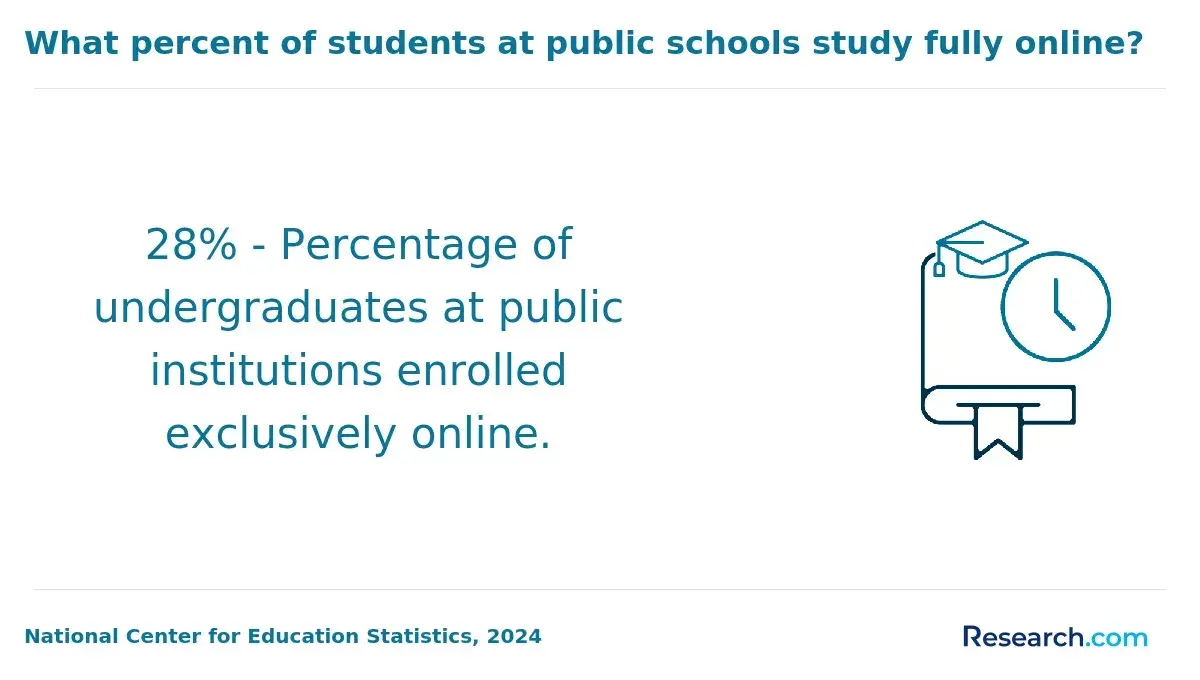
Given that 38.7% of undergraduates nationwide are now enrolled exclusively in distance education programs, this gap in flexibility matters. Transfer students at University of Miami - Miami Herbert Business School risk losing ground to peers whose commitments align better with online, asynchronous learning modes favored by the job market.
One graduate recalled, "I nearly dropped out because I couldn't find enough evening or hybrid classes to fit my work schedule. The credit transfer process was slow, so I ended up commuting three days a week, which drained my time and budget. I wish there had been more flexible online options or advisors who understood part-time transfer dynamics. Managing family and work alongside my coursework was a constant struggle, and my graduation date kept slipping."
What Support Services Does University of Miami - Miami Herbert Business School Provide for Transfer Students?
Transfer students at University of Miami - Miami Herbert Business School face the complex challenge of confirming how previous credits apply, choosing remaining courses wisely, and managing affordability while adjusting to a new academic environment without losing time toward graduation. Navigating credit evaluation, degree planning, and financial aid options requires robust institutional support to prevent extended time-to-degree and extra costs. For example, a working adult transferring credits from an online associate's degree program must ensure those credits align accurately with graduation requirements, aided by clear advising and flexible learning options. The following list outlines key support services and resources that influence whether transfer students progress efficiently and affordably.
- Transfer Advising and Orientation: Comprehensive advisement helps transfer students understand credit articulation and degree requirements early. Comparing this with other colleges clarifies if degree planning reduces credit loss and supports timely graduation.
- Credit Evaluation Support: Personalized review of transfer credits mitigates risks of losing applicable coursework. Effective credit evaluation is crucial to avoid repeating courses and incurring extra tuition expenses.
- Academic Planning Tools: Online and face-to-face resources help students chart pathways to graduation, accommodating nontraditional schedules. Robust planning improves persistence rates, a factor supported by 15% improvement per National Student Clearinghouse Research Center findings.
- Financial Aid Guidance: With 81% of students receiving aid, proactive financial counseling assists cost-conscious transfers in reducing net education expenses and debt burden.
- Personalized Tutoring and Support: Tailored academic help addresses credit gaps and learning challenges common among transfer students, promoting steady progress and retention.
- Career Services for Transfers: Targeted employment guidance aligns academic decisions with workforce readiness, critical for students balancing work, family, and study commitments.
- Flexible and Online Learning Options: These accommodate transfer students' diverse lifestyles and prior credit backgrounds, improving access and credit applicability compared to less adaptive institutions.
Is University of Miami - Miami Herbert Business School Worth It for Transfer Students Based on Graduation and Career Outcomes?
University of Miami - Miami Herbert Business School offers strong practical value for transfer students, demonstrated by an 84% graduation rate that surpasses the national average for community college transfers. This improved degree completion rate reflects effective credit transfer policies and program alignment, which helps students finish on time and enter the workforce faster.
Transfer student graduation rates at Miami Herbert suggest robust institutional support, but affordability remains a key consideration. Private tuition is higher than many public alternatives. Students must weigh this cost against potential earnings and career readiness, as alumni report a median salary of $75,328, indicating competitive returns on investment.
For transfer students prioritizing career outcomes, the school's curriculum and network position graduates well. However, decisions should account for the total cost of attendance, transfer-credit applicability, and time-to-degree to optimize long-term academic and workforce value. Those seeking flexibility may explore options like competency based masters programs gaining traction elsewhere, which often offer tailored credit recognition and scheduling.
Ultimately, University of Miami - Miami Herbert Business School transfer student graduation rates and career outcomes make it a viable pathway for many, but cost-conscious, nontraditional learners must carefully evaluate all factors before committing to ensure alignment with personal financial and employment goals.
What Do Graduates Say About University of Miami - Miami Herbert Business School for Transfer Students?
- Tyler: "Transferring to University of Miami - Miami Herbert Business School was a pragmatic choice for me, especially given their clear transfer credit policies. I was able to apply about 60% of my previous credits mostly toward electives, which slowed my major progress initially but their transfer advisors were helpful in planning my path. While tuition and fees were on the higher side, financial aid and scholarships significantly offset costs, enabling me to finish on time and enter the finance sector with a well-respected degree."
- Derek: "My experience completing the program at University of Miami - Miami Herbert Business School was flexible and career-focused. The option for part-time and evening classes allowed me to work and study simultaneously, despite losing a few credits that didn't align with curriculum requirements. The advising team helped me understand degree completion timelines, which factored heavily into my decision to transfer. Ultimately, the school's strong industry connections made the total cost worthwhile as I secured a position in marketing shortly after graduation."
- Grant: "I approached transferring to University of Miami - Miami Herbert Business School cautiously because I was uncertain about credit acceptance and overall affordability. Although only a portion of my prior coursework applied to core majors and some credits were categorized as electives, the flexible online options helped me manage my schedule. I learned that while transfer-friendliness is a good starting point, assessing scholarship availability and the total cost of attendance in relation to my career goals was crucial in determining if it was the best fit. In the end, their support services and accredited reputation provided confidence in completing my degree and advancing professionally."
Other Things You Should Know About University of Miami - Miami Herbert Business School Degrees
The University of Miami - Miami Herbert Business School offers resources like academic advising and flexible scheduling options, helping transfer students manage their studies alongside external commitments. The structured yet adaptable curriculum supports maintaining a balanced workload.
Miami Herbert strongly integrates internships, consulting projects, and team-based learning into the curriculum, which may extend time demands beyond traditional coursework for transfer students already trying to catch up on credits. While this hands-on approach enhances employability, transfer students with limited availability may find balancing these commitments challenging. Considering the program's expectations, transfer students should evaluate their capacity to engage actively in experiential components, as opting out or minimizing participation could reduce their learning outcomes and employer appeal.
Transfer students often enter Miami Herbert with less time to build relationships within the alumni network and student organizations that drive recruiting opportunities. This shortened window can impact access to employer connections and internships, which are critical in business fields. Transfer students should proactively engage with career services early and leverage any existing professional experiences to compensate, prioritizing networking efforts to offset this inherent disadvantage in recruiting visibility.
Because transfer students typically need to finish degree requirements within two years, they may have less room to explore elective courses or specializations compared to traditional four-year students. This can limit opportunities to tailor their education to specific career interests or emerging market trends. Students should assess whether the accelerated timeline aligns with their career objectives or if a longer, more flexible path would better support skill diversification and employer relevancy.
References
- Transferring from the school of Arts and Sciences to the School of Business https://talk.collegeconfidential.com/t/transferring-from-the-school-of-arts-and-sciences-to-the-school-of-business/648195
- Study Online Professional MBA in University of Miami: Miami Herbert Business School — Unimy https://www.unimy.com/school/university-of-miami-miami-herbert-business-school/blended-distance-online/2056
- University of Miami - Miami Herbert Business School https://www.princetonreview.com/business/university-miami-miami-herbert-business-school-1011133
- University of Miami Transfer Acceptance Rate — 2025 https://www.collegetransitions.com/blog/university-of-miami-transfer-acceptance-rate-requirements-application-deadlines/
- 2+2 Articulation Agreement https://www.broward.edu/students/transfer-services/transfer-agreements.html
- Miami Herbert Business School has Prepared Students for the Future for More Than 70 Years https://mastertube.com/video/miami-herbert-business-school-has-prepared-students-for-the-future-for-more-than-70-years
- Home https://www.herbertmiami.info/
- University of Miami Herbert Business School https://poetsandquantsforundergrads.com/school-profile/university-miami-herbert-business-school/
- University of Miami Online Master of Business Administration https://www.bschools.org/profiles/university-of-miami-online-mba