
2027 How to Become a Nutritionist in Idaho

Co-Founder and Chief Data Scientist
Becoming a nutritionist in Idaho can mean different things depending on the services you want to provide. Some professionals offer general wellness coaching, meal planning, or community nutrition education without a state nutritionist license. Others pursue the licensed dietitian route so they can work in clinical settings, provide medical nutrition therapy, and use protected dietetics titles. The right path depends on your career goal, education level, budget, and whether you want to work independently, in healthcare, in schools, or in public health.
This guide explains the education, licensure, certification, cost, timeline, salary outlook, specialization options, and practical steps involved in building a nutrition career in Idaho. It also highlights common mistakes to avoid, questions to ask before choosing a program, and ways to strengthen your credibility in a field where credentials matter.
Quick answer: How do you become a nutritionist in Idaho?
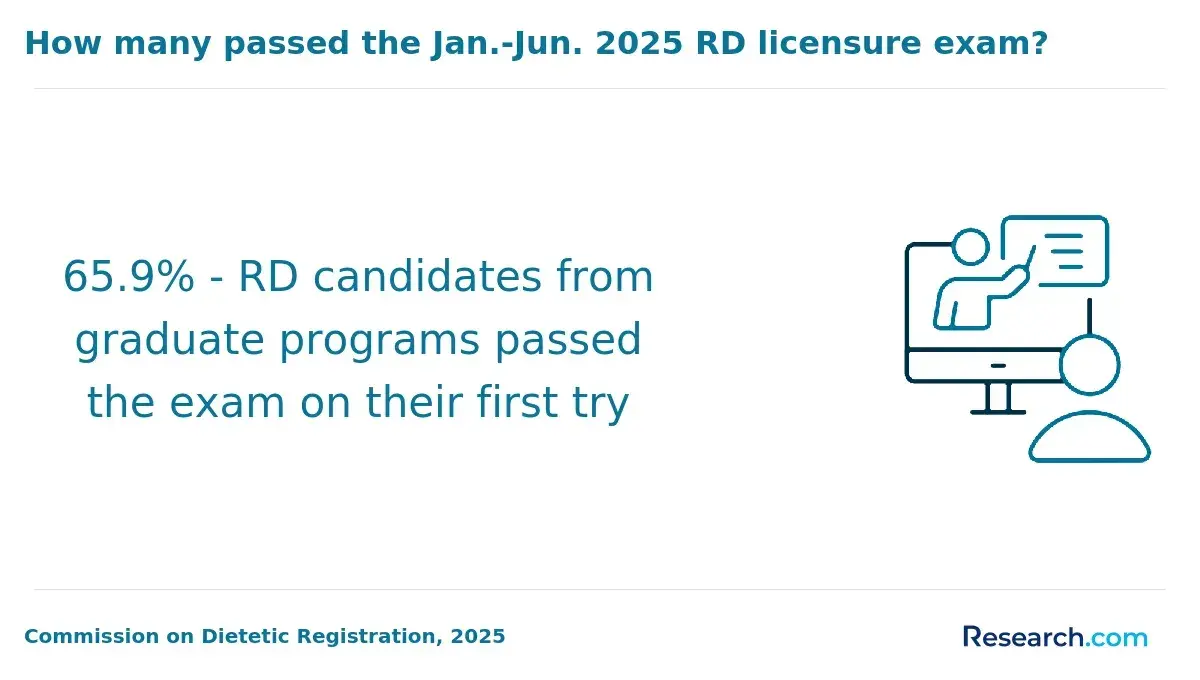
Idaho does not require a specific state license to use the general title “nutritionist.” However, professionals who want to practice as dietitians or use protected dietetics credentials must meet state licensure requirements through the Idaho Board of Medicine and follow applicable dietetics regulations. A typical dietitian pathway includes nutrition-related education, accredited supervised practice, and passing the Commission on Dietetic Registration exam. For non-licensed nutrition roles, employers and clients often still expect formal education, credible certification, supervised experience, and a clear scope of practice.
Key facts to know before choosing this career path
- Idaho does not require a general nutritionist license, but dietitians must be licensed before using protected dietetics titles or providing dietitian-level services.
- A bachelor’s degree in nutrition, dietetics, food science, or a related field is a common foundation, while the registered dietitian pathway may require additional graduate-level education, supervised practice, and national examination requirements.
- The Idaho Board of Medicine oversees dietitian licensure and sets expectations for qualified dietetics practice in the state.
- Voluntary credentials, including options from the National Association of Nutrition Professionals (NANP) and the Certified Nutrition Specialist (CNS) credential, can help non-licensed nutrition professionals show training and credibility.
- Dietitian licensure applications typically require documentation of education, supervised practice, examination results, a completed application, and required fees.
- Job projections vary by source and timeframe. The article’s source data includes dietitian and nutritionist job growth projected at 11% through 2028, 16.7% through 2032, and 7% over the next decade, so students should check the latest Idaho labor market data before enrolling.
- What education do nutritionists need in Idaho?
- Does Idaho require nutritionists to be licensed?
- How long does the Idaho nutritionist pathway take?
- Which certifications are available for Idaho nutritionists?
- What hands-on experience should nutritionists complete?
- How much does nutrition education cost in Idaho?
- What salary and job outlook can Idaho nutritionists expect?
- How can nutritionists move into advanced roles?
- Which nutrition specialties are available in Idaho?
- How can continuing education strengthen a nutrition career?
- What trends are shaping nutrition work in Idaho?
- How can Idaho students find affordable online nutrition programs?
- How can nutritionists improve practice management skills?
- What challenges do nutritionists face in Idaho?
- What business and marketing strategies work for Idaho nutritionists?
- How can nutritionists work with pharmacists?
- Can nutritionists move into advanced clinical roles?
- What legal responsibilities apply to nutritionists in Idaho?
- How can nutritionists collaborate with other healthcare providers?
- Can nutritionists add substance abuse counseling knowledge?
- Can nutritionists learn from other scientific fields?
- Which professional development resources support long-term growth?
- What should students check before enrolling in a nutrition program?
What education do nutritionists need in Idaho?
The education you need depends on whether you want to work as a general nutrition professional, pursue a licensed dietitian role, or build a specialized practice. Idaho does not impose one education route for every person using the nutritionist title, but education still matters because employers, insurers, healthcare partners, and clients look for evidence-based training.
- Bachelor’s degree foundation: Many nutrition careers start with a bachelor’s degree in nutrition, dietetics, food science, public health, or a closely related field. A program should cover human anatomy and physiology, biochemistry, lifecycle nutrition, food systems, counseling, community nutrition, and research methods. Students who need flexibility can compare an online bachelor in nutritional science with campus-based options.
- Accredited academic programs: Accreditation is especially important for students who may later pursue registered dietitian credentials. Idaho options include programs at the University of Idaho and Idaho State University, with nutrition and dietetics coursework designed to prepare students for professional practice. Before enrolling in nutrition degree programs online, confirm whether the curriculum supports your intended credential or licensure path.
- Graduate education: A master’s degree in nutrition, dietetics, public health, or a related field can be useful for advanced practice, research, teaching, public health leadership, and certain certification routes. It may also be necessary for students pursuing national dietetics credentials under current professional standards.
- Continuing education: Nutrition science changes quickly. Professionals should plan for ongoing learning in medical nutrition therapy, behavior change, chronic disease prevention, cultural food practices, sports nutrition, pediatric nutrition, and ethical practice.
| Career goal | Typical education path | When this path makes sense |
| General nutrition educator or wellness coach | Certificate, associate coursework, bachelor’s degree, or continuing education in nutrition-related topics | Best for non-clinical roles focused on wellness education, general meal guidance, community programs, or fitness settings |
| Licensed dietitian | Accredited nutrition or dietetics education, supervised practice, national exam, and Idaho licensure | Best for clinical nutrition, medical nutrition therapy, hospitals, long-term care, and roles requiring protected dietetics credentials |
| Advanced nutrition specialist | Master’s-level nutrition education, supervised practice, and advanced certification where applicable | Best for specialized consulting, complex client needs, research-informed practice, or leadership roles |
| Public health nutrition professional | Nutrition degree plus public health, community health, or health education coursework | Best for schools, government agencies, nonprofit programs, and rural health initiatives |
Does Idaho require nutritionists to be licensed?
Idaho does not require a general nutritionist license for every person who provides non-medical nutrition education. That flexibility can help people enter wellness, fitness, community education, and coaching roles. However, it also means you must be careful about scope of practice. If your work crosses into diagnosis, treatment, medical nutrition therapy, or use of protected dietitian titles, licensure rules become much more important.
Dietitians in Idaho must obtain a license from the Idaho Board of Medicine. This licensing structure exists to protect the public by ensuring that dietitians meet recognized education, supervised practice, and examination standards before providing clinical or therapeutic nutrition services.
For non-licensed nutritionists, credibility usually comes from a combination of formal education, voluntary certification, supervised experience, ethical practice, and transparent communication with clients. Joining professional communities such as the Idaho Academy of Nutrition and Dietetics can also help you stay current, find mentors, and understand where nutrition counseling ends and licensed healthcare practice begins.
| Question | Short answer for Idaho | Why it matters |
| Can I call myself a nutritionist? | Idaho does not require a specific general nutritionist license. | You still need to avoid implying that you are a licensed dietitian if you are not. |
| Can I call myself a dietitian? | No, not unless you meet Idaho dietitian licensure requirements. | The dietitian title is regulated because it is tied to clinical nutrition services. |
| Can I provide medical nutrition therapy? | This generally falls within dietitian-level or licensed healthcare practice. | Providing disease-specific treatment without proper credentials can create legal and ethical risk. |
| Should I still earn credentials if licensure is not required? | Yes, if you want stronger employer trust and client confidence. | Credentials help show training, but they do not automatically expand your legal scope of practice. |
How long does the Idaho nutritionist pathway take?
The timeline depends on the role you want. A short certificate may help someone support wellness education, but clinical and licensed dietitian roles take longer because they require deeper academic preparation, supervised practice, and examination steps.
- Non-licensed nutrition role: Some people complete short online certificates or introductory nutrition courses in six months to one year. This can be useful for wellness, fitness, or community education roles, but it may not be enough for employer-based nutrition jobs or clinical practice.
- Bachelor’s degree: A bachelor’s degree in nutrition typically takes four years of study. This route is more appropriate for students who want stronger employment options, graduate school eligibility, or preparation for dietetics-related training.
- Master’s degree: A master’s degree in nutrition can add about two years of study and may support advanced practice, specialized roles, research, or professional credentialing.
- Supervised practice or internship: Students pursuing a registered dietitian path should plan for supervised experiential learning or internship requirements, which can add six months to a year depending on the program design.
| Path | Estimated time | Best fit |
| Short certificate or non-degree training | Six months to one year | Fitness professionals, wellness coaches, or career changers testing interest in nutrition |
| Bachelor’s degree in nutrition or dietetics | Four years | Students seeking entry-level nutrition roles or preparation for advanced credentials |
| Master’s degree in nutrition | Additional two years | Professionals aiming for specialization, leadership, research, or advanced certification |
| Dietetic internship or supervised practice | Six months to a year | Students pursuing the registered dietitian route |
Which certifications are available for Idaho nutritionists?
Certification is not the same as state licensure. A certification shows that you met the standards of a professional organization or credentialing body, while licensure is a legal authorization from the state. Idaho nutrition professionals may use certifications to demonstrate competence, but they should not use them to claim services outside their education or legal authority.
Two common advanced credential pathways are the Registered Dietitian Nutritionist (RDN) and the Certified Nutrition Specialist (CNS). The RDN pathway is widely recognized in healthcare and often preferred for clinical roles. It involves nutrition or dietetics education, supervised practice, and passing a national exam. The CNS credential requires a master’s degree in nutrition or a related field, 1,000 hours of supervised practice, and a certification exam. Some nutrition professionals also explore credentials through organizations such as the National Association of Nutrition Professionals (NANP), particularly when their work focuses on holistic or integrative nutrition.
Students who need flexible coursework can explore top accredited online nutrition courses, but they should verify whether an online program satisfies the education requirements for the credential they want. Not every nutrition certificate qualifies a graduate for state dietitian licensure, the RDN path, or advanced certification.
| Credential | Main requirements mentioned | Best for | Important caution |
| Registered Dietitian Nutritionist (RDN) | Nutrition-related education, supervised practice, and national examination | Clinical care, hospitals, medical nutrition therapy, and licensed dietitian roles | Confirm current national and Idaho requirements before enrolling. |
| Certified Nutrition Specialist (CNS) | Master’s degree, 1,000 hours of supervised practice, and certification exam | Advanced nutrition practice, integrative nutrition, and evidence-based consulting | The credential may strengthen credibility but does not replace state dietitian licensure where licensure is required. |
| NANP-related certification options | Varies by credential and training provider | Holistic nutrition, wellness education, and private coaching models | Review scope of practice carefully, especially for clients with medical conditions. |
What hands-on experience should nutritionists complete?
Practical experience turns classroom knowledge into usable professional judgment. Nutritionists need to learn how people actually shop, cook, budget, manage chronic conditions, interpret advice, and respond to behavior-change strategies. In Idaho, experience in rural communities, agricultural regions, schools, clinics, and public health settings can be especially valuable.
- Community nutrition work: Volunteering with food banks, public health programs, schools, or local wellness initiatives can help students understand food access, nutrition education, and the needs of different age groups and income levels. Organizations such as the Idaho Foodbank may expose students to food distribution and community education challenges.
- Clinical observation: Shadowing registered dietitians in hospitals, clinics, long-term care, or outpatient settings helps students see how nutrition plans are created for real patients. This experience is especially important for anyone considering the dietitian route.
- Research participation: Students at institutions such as the University of Idaho may be able to assist with nutrition, food systems, agriculture, or public health research. Research experience can build evidence-based thinking and improve graduate school applications.
- Private sector exposure: Health food stores, wellness centers, fitness facilities, corporate wellness programs, and private practices can help students learn client communication, product education, meal planning, and business operations.
| Experience type | What you learn | How to use it in your career planning |
| Food bank or community program | Food insecurity, culturally responsive education, budgeting, and public health communication | Useful for community nutrition, nonprofit work, and rural health outreach |
| Hospital or clinic shadowing | Patient assessment, care teams, charting, and disease-specific nutrition planning | Useful for deciding whether to pursue dietitian licensure |
| School nutrition program | Child nutrition, family education, menu planning, and wellness policy | Useful for pediatric, school-based, or public health nutrition roles |
| Wellness center or private practice | Client intake, coaching, scheduling, marketing, and follow-up systems | Useful for future consulting or self-employment |
How much does nutrition education cost in Idaho?
The cost of becoming a nutritionist in Idaho depends on the credential you pursue, the school you attend, whether you study online or on campus, and whether you continue into graduate education or supervised practice. Students should budget beyond tuition because books, materials, application fees, travel, exam preparation, and internship-related costs can add up.
Tuition: At accredited Idaho institutions such as the University of Idaho, in-state tuition may range from $8,000 to $12,000 per year. A master’s degree in dietetics may cost more because it includes advanced coursework and supervised experiential learning.
Program-related expenses: Application fees, textbooks, course materials, technology, background checks, immunizations, transportation, and professional memberships can add another $1,000 to $2,000 annually. Students completing an internship or supervised practice should also plan for living and travel expenses if placement sites are not nearby.
Certification and licensing costs: Students pursuing dietitian credentials must account for exam fees, licensure application fees, and credential maintenance. Those considering graduate study can compare campus programs with options that explain how to earn a master’s in nutrition online.
| Cost category | What to include | How to control the cost |
| Tuition | Undergraduate or graduate program charges | Compare in-state tuition, online tuition, transfer credits, and employer tuition assistance. |
| Fees and materials | Applications, books, software, lab materials, and professional resources | Ask schools for a full cost breakdown before enrolling. |
| Supervised practice | Travel, housing, placement fees, background checks, and health documentation | Look for placements near your community when possible. |
| Credentialing | Exam, certification, licensure, and renewal expenses | Plan for costs early so the final credentialing step does not delay employment. |
What salary and job outlook can Idaho nutritionists expect?
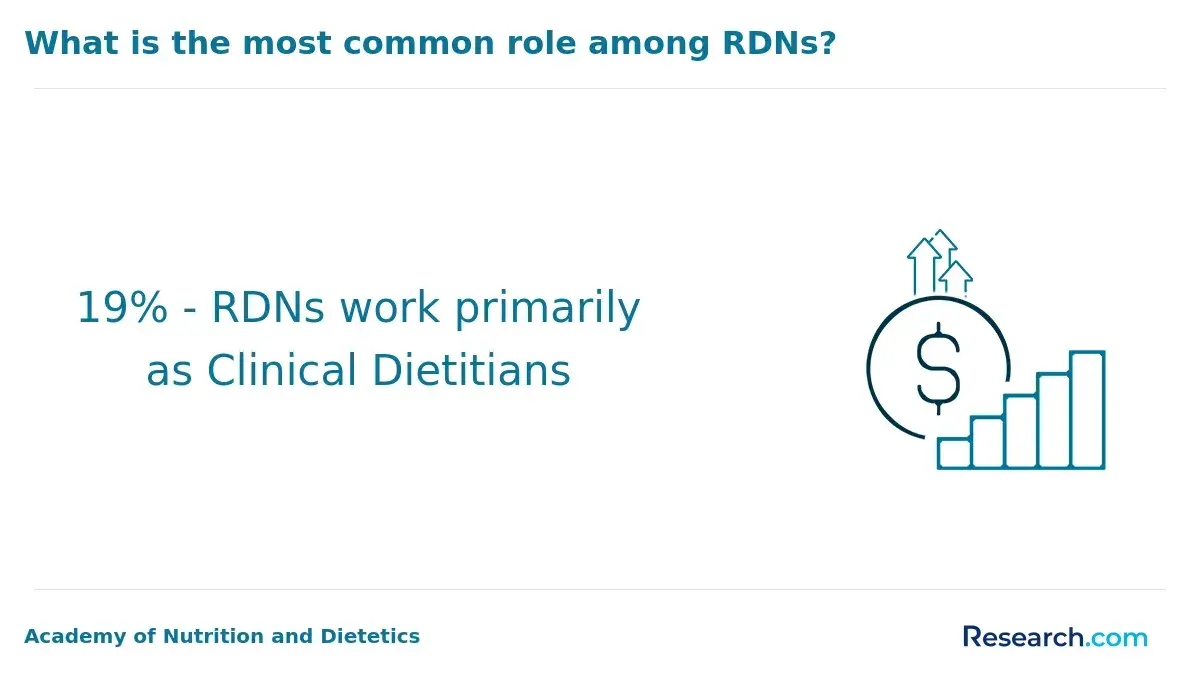
Nutrition careers in Idaho are supported by healthcare demand, public interest in prevention, school and community wellness programs, and the need for nutrition support in rural areas. According to the Bureau of Labor Statistics information cited in the source material, the job outlook for nutritionists in Idaho is projected to grow by 16.7% through 2032. The article also cites an average salary of around $57,150 and a projected job growth rate of 7% over the next decade. Because salary and projections can vary by source, job title, location, employer, and credential, students should treat these figures as planning references rather than guarantees.
- Healthcare demand: Hospitals, clinics, long-term care facilities, and outpatient centers need nutrition professionals who understand chronic disease prevention and treatment support.
- Aging population: Older adults often need nutrition guidance related to diabetes, cardiovascular health, swallowing issues, medication interactions, mobility, and healthy aging.
- Wellness and prevention: Interest in plant-based eating, weight management, sports performance, and preventive health can create opportunities in corporate wellness, fitness, and private practice.
- Public health and schools: Nutritionists may work in education, rural outreach, school food programs, government agencies, and community health organizations.
| Work setting | Typical responsibilities | Credential expectations |
| Hospital or clinic | Nutrition assessment, medical nutrition therapy support, care planning, patient education | Licensed dietitian credentials are often expected or required. |
| School or youth program | Nutrition education, menu support, family outreach, student wellness initiatives | Degree in nutrition, dietetics, public health, or education-related experience may be valued. |
| Community health organization | Food access education, prevention programs, workshops, and culturally relevant outreach | Nutrition education plus public health or community experience can be useful. |
| Private practice or consulting | Client coaching, meal planning, workshops, and program development | Credentials and clear scope-of-practice boundaries are essential for trust and risk management. |
How can nutritionists move into advanced roles?
Career growth in nutrition usually comes from a mix of education, credentials, specialization, leadership experience, and business skill. In Idaho, advancement may mean becoming a licensed dietitian, managing a community program, entering private practice, consulting for schools or employers, or contributing to research and education.
- Earn dietitian credentials: Becoming a Registered Dietitian Nutritionist and obtaining Idaho licensure can open clinical and healthcare-based opportunities that are not available to general nutritionists.
- Develop a specialty: Professionals can build expertise in diabetes education, sports nutrition, pediatric nutrition, renal nutrition, gerontology, eating behavior, food systems, or rural community health.
- Move into public health: Nutritionists with community experience can help design prevention programs, wellness campaigns, and food access initiatives.
- Build a consulting practice: Experienced professionals may provide meal planning, workshops, employer wellness programs, or specialized coaching while maintaining ethical boundaries.
- Teach or conduct research: Graduate education can lead to academic, research, or training roles. Professionals interested in whole-person approaches may also explore holistic nutrition education.
Which nutrition specialties are available in Idaho?
Specialization helps nutrition professionals serve a clearer audience and build stronger expertise. In Idaho, the best specialty often depends on where you live, which populations are underserved, and whether you hold clinical credentials.
- Clinical nutrition: Clinical nutrition professionals support patients managing chronic disease, recovery, digestive conditions, and medically complex diets. This path usually favors licensed dietitian credentials.
- Sports nutrition: Idaho’s outdoor recreation culture can create demand for nutrition guidance related to endurance, strength training, hydration, recovery, and performance.
- Pediatric nutrition: Specialists working with children and families focus on growth, picky eating, allergies, school meals, childhood obesity prevention, and healthy habits.
- Community nutrition: Community-focused nutritionists work with local organizations, rural populations, food assistance programs, and public health campaigns.
- Holistic or integrative nutrition: This route may appeal to professionals who want to connect food, lifestyle, stress, sleep, and behavior change, while staying within ethical and legal boundaries.
For example, a Boise-based sports nutrition professional might partner with high schools to teach student-athletes about fueling, recovery snacks, and hydration. A community nutritionist in a rural county might instead focus on cooking demonstrations, food budgeting, and access to fresh produce. Both paths are valuable, but they require different partnerships, training, and service models.
Boise State University offers a Bachelor of Science in Nutrition and Dietetics, and Idaho students can also compare programs at other institutions to determine which curriculum aligns with their preferred specialty.
How can continuing education strengthen a nutrition career?
Continuing education helps nutritionists avoid outdated advice and improve the quality of their work. It can also support certification renewal, strengthen client trust, and prepare professionals for specialization. Valuable topics include motivational interviewing, chronic disease prevention, disordered eating referral protocols, telehealth ethics, food allergy management, sports nutrition, cultural humility, and evidence evaluation.
Students and working professionals who want a more structured academic path can compare a nutritional science degree with shorter certificates and professional workshops. The best option depends on whether you need a full credential, a specialty skill, or updated knowledge in a narrow practice area.
What trends are shaping nutrition work in Idaho?
Nutrition practice is changing as clients use apps, wearables, telehealth platforms, and online meal-planning tools. These tools can improve tracking and access, but they do not replace professional judgment, cultural understanding, or clinical training. Nutritionists should be ready to explain evidence clearly, evaluate digital nutrition information, and help clients avoid extreme or unsupported diet claims.
Interdisciplinary care is another important trend. Nutrition professionals increasingly coordinate with nurses, physicians, pharmacists, mental health providers, diabetes educators, and public health teams. Those working around healthcare systems may benefit from understanding adjacent professional requirements, such as board of nursing program requirements in Idaho, so they can communicate effectively with licensed colleagues while respecting role boundaries.
How can Idaho students find affordable online nutrition programs?
Online nutrition education can reduce commuting barriers and help working adults continue their studies, but affordability should never be the only factor. Students should check accreditation, transfer policies, faculty qualifications, supervised practice access, credential alignment, and student support services before choosing a program.
When comparing options, look at total cost instead of tuition alone. Include technology fees, textbooks, exam preparation, supervised practice travel, and the cost of repeating courses if transfer credits are not accepted. Students looking for lower-cost options can start by reviewing the cheapest online nutrition degree programs, then narrow the list based on accreditation and career fit.
How can nutritionists improve practice management skills?
Nutrition knowledge alone is not enough for professionals who want to run a private practice, consulting service, or community program. Practice management skills help with scheduling, documentation, billing, privacy practices, referral tracking, client communication, and financial sustainability.
Nutritionists who work near clinical or insurance-based settings may benefit from learning the basics of billing and coding, even if they do not become billing specialists. Understanding administrative workflows can improve collaboration with clinics and reduce errors. For broader healthcare operations knowledge, professionals can review how to become a medical biller and coder in Idaho.
What challenges do nutritionists face in Idaho?
Nutrition work in Idaho can be meaningful, but it is not always easy. Rural geography, food access, credential confusion, and public skepticism can all affect day-to-day practice.
Limited food access: In some rural communities, clients may have fewer grocery options, longer travel distances, and limited access to fresh produce. According to the USDA figure cited in the source material, nearly 15% of Idaho residents live in food deserts. Nutrition advice must be realistic for the foods, transportation, budgets, and kitchens people actually have.
Credential confusion: Because “nutritionist” and “dietitian” are not interchangeable, professionals must explain their qualifications clearly. This protects clients and reduces the risk of practicing outside the appropriate scope.
Cultural and community trust: Idaho communities include people with different food traditions, religious practices, agricultural backgrounds, income levels, and health beliefs. Effective nutritionists listen first, avoid judgment, and adapt recommendations to the client’s household reality.
Business visibility: Nutritionists in private practice may struggle to attract clients if they do not build referral relationships, maintain a professional website, explain their services clearly, or show how their work differs from generic online diet advice.
| Common mistake | Why it creates problems | Better approach |
| Choosing a program without checking accreditation | The degree may not support licensure, supervised practice, or advanced credentials. | Ask the school exactly which credential paths the program supports. |
| Assuming a short certificate allows clinical practice | Medical nutrition therapy may require dietitian credentials or another licensed scope. | Define your services carefully and refer clinical cases to licensed providers. |
| Comparing only tuition | Fees, books, internship costs, and exam costs can change the true price. | Build a full cost estimate before enrolling. |
| Ignoring rural access barriers | Recommendations may fail if clients cannot buy or prepare the suggested foods. | Create plans around local availability, transportation, storage, and budget. |
| Relying only on rankings | A highly ranked program may not fit your schedule, budget, or credential goal. | Use rankings as one input, not the final decision. |
What business and marketing strategies work for Idaho nutritionists?
Nutritionists who want clients need more than a credential. They need a clear service model, defined audience, ethical marketing, reliable referral channels, and a professional way to demonstrate value. A small rural practice may need community events and healthcare partnerships, while a Boise-area practice may rely more on local search, employer wellness contracts, and niche positioning.
- Define your scope: State exactly whether you offer general wellness coaching, sports nutrition, family meal planning, community education, or dietitian-level services.
- Build referral relationships: Connect with physicians, nurses, pharmacists, physical therapists, schools, gyms, and public health organizations.
- Use local search wisely: A professional website, accurate listings, testimonials, and clear service pages can help clients understand what you provide.
- Offer education before selling: Workshops, cooking demonstrations, school presentations, and employer lunch-and-learns can build trust.
- Study allied healthcare models: Reviewing adjacent career paths, such as how to become a nurse practitioner in Idaho, can help nutritionists understand how healthcare professionals communicate credentials, scope, and patient value.
How can nutritionists work with pharmacists?
Nutritionists and pharmacists can support the same clients in complementary ways. Pharmacists understand medication use, side effects, and adherence barriers, while nutrition professionals help clients make food and lifestyle changes that support health goals. Collaboration can be especially useful for clients managing diabetes, cardiovascular risk, gastrointestinal issues, supplements, or medication-food interactions.
Good collaboration requires clear consent, referral procedures, documentation, and respect for each professional’s scope. Nutritionists who want to better understand pharmacy roles can review pharmacist licensure requirements in Idaho.
Can nutritionists move into advanced clinical roles?
Some nutrition professionals eventually decide they want broader clinical authority, including assessment, diagnosis, prescribing, or treatment responsibilities. Nutrition training can be a strong foundation, but advanced clinical roles usually require a separate licensed healthcare pathway.
For example, a nutritionist who wants expanded patient-care authority may explore nursing and nurse practitioner education. That is a significant career change, not a simple add-on credential. Students considering this direction can compare the best accredited NP programs in Idaho and evaluate admission requirements, clinical hours, licensure steps, and long-term career goals.
What legal responsibilities apply to nutritionists in Idaho?
Legal and ethical boundaries are central to nutrition practice in Idaho. The title “dietitian” is protected by law, meaning professionals must meet licensure requirements before using that title or presenting themselves as licensed dietitians. This distinction matters because dietitians may provide clinical nutrition services that general nutritionists are not automatically authorized to provide.
General nutritionists should be transparent about their education, certifications, and services. They should avoid diagnosing disease, treating medical conditions, making unsupported claims, or advising clients to change prescribed treatment without coordination with a licensed healthcare provider. When clients have diabetes, kidney disease, eating disorders, pregnancy-related complications, complex gastrointestinal conditions, or other medical concerns, referral to a licensed dietitian or appropriate healthcare provider is often the safest choice.
Students who are also interested in adjacent wellness fields can compare nutrition education with options such as the cheapest accredited exercise science degrees, but they should remember that each field has its own scope and legal limits.
How can nutritionists collaborate with other healthcare providers?
Collaboration can improve client support and reduce fragmented care. Nutritionists in Idaho may work with physicians, nurses, pharmacists, mental health counselors, physical therapists, diabetes educators, school nurses, and public health teams. Strong collaboration starts with clear referral criteria, written communication, client consent, and shared respect for each provider’s scope.
Professionals who want to understand nursing roles in community and clinical care can review how to become a nurse in Idaho. This can help nutritionists communicate more effectively with nurses in schools, clinics, hospitals, and rural outreach programs.
Can nutritionists add substance abuse counseling knowledge?
Nutrition and behavioral health often overlap. Clients dealing with substance misuse may also struggle with appetite changes, nutrient deficiencies, disrupted routines, financial stress, and co-occurring mental health concerns. Nutritionists can support healthy routines and food stability, but substance abuse counseling is a separate professional area with its own training and boundaries.
Nutrition professionals who want to recognize referral needs, communicate with behavioral health teams, or understand addiction-related care can learn more about how to become a substance abuse counselor in Idaho. This knowledge can improve collaboration without replacing licensed counseling services.
Can nutritionists learn from other scientific fields?
Nutritionists can strengthen their practice by studying how other evidence-based professions train, document, evaluate data, and maintain professional standards. Fields that rely on careful observation, chain-of-evidence thinking, and rigorous methodology can offer useful lessons for nutrition counseling and program evaluation.
For example, reviewing forensic scientist education requirements in Idaho can remind nutrition professionals why documentation, critical thinking, and structured analysis matter. Cross-disciplinary learning does not replace nutrition education, but it can make a practitioner more systematic and accountable.
Which professional development resources support long-term growth?
Long-term career growth requires more than finishing a degree. Nutritionists should build a professional development plan that includes continuing education, mentorship, supervision, specialty training, networking, ethics review, and regular updates on Idaho regulations. Those who want the broadest clinical opportunities should examine the requirements to become a registered dietitian in Idaho and compare that route with non-licensed nutrition practice.
- Join professional associations related to nutrition, dietetics, public health, or your chosen specialty.
- Attend workshops on counseling skills, chronic disease prevention, cultural competence, and evidence-based practice.
- Seek supervision or mentorship from experienced nutrition professionals, especially before starting private practice.
- Track credential renewal deadlines, continuing education requirements, and Idaho regulatory updates.
- Build a referral list that includes licensed dietitians, physicians, pharmacists, counselors, and emergency resources.
What should students check before enrolling in a nutrition program?
Before committing to a nutrition program, students should verify that the program supports their actual career goal. A low-cost certificate may be useful for personal enrichment or wellness coaching, but it may not qualify you for dietitian licensure, graduate school, supervised practice, or clinical roles.
| Question to ask | Why it matters |
| Is the program accredited, and by whom? | Accreditation affects credential eligibility, transferability, employer trust, and graduate study options. |
| Does the curriculum support the RDN, CNS, or another credential? | Different credentials have different education and supervised practice requirements. |
| Are supervised practice placements included or separate? | Placements can affect your timeline, cost, and ability to qualify for dietitian credentials. |
| What is the full cost beyond tuition? | Books, fees, travel, exam costs, and internship expenses can change affordability. |
| Will online coursework meet Idaho or national requirements? | Online flexibility is valuable only if the program aligns with your intended credential and state rules. |
| What jobs have graduates actually entered? | Career outcomes help you judge whether the program matches your employment goals. |
What Idaho nutrition graduates say about the field
Working in nutrition in Idaho gave me a way to support people in communities where reliable nutrition education is not always easy to access. Helping clients make practical changes and then seeing their health habits improve has been one of the most meaningful parts of the work. - Faye
Idaho’s interest in wellness has created room for creative nutrition work. I have collaborated with farmers, supported school programs, and helped local families connect food choices with long-term health. The community focus makes the work feel personal. - Judith
My nutrition career in Idaho has connected well with the state’s outdoor lifestyle. Many clients already value healthy living, and nutrition gives them another tool for feeling better, staying active, and caring for their families. - Emilia
Related Articles for Nearby States
- 2027 How to Become a Nutritionist in Montana
- 2027 How to Become a Nutritionist in Washington
- 2027 How to Become a Nutritionist in Oregon
- 2027 How to Become a Nutritionist in Nevada
- 2027 How to Become a Nutritionist in Utah
- 2027 How to Become a Nutritionist in Wyoming
- 2027 How to Become a Nutritionist in California
- 2027 How to Become a Nutritionist in Colorado
- 2027 How to Become a Nutritionist in Arizona
- 2027 How to Become a Nutritionist in New Mexico
Key Insights
- Idaho does not require a general nutritionist license, but dietitians must be licensed and meet stricter education, supervised practice, and exam standards.
- The fastest nutrition path may take six months to one year, but clinical and dietitian roles usually require years of formal education and supervised training.
- Accreditation is one of the most important factors when choosing a nutrition program because it can affect licensure, certification, transfer credits, and employer acceptance.
- Certification can strengthen credibility, but it does not automatically authorize medical nutrition therapy or use of protected dietitian titles.
- Students should budget for more than tuition, including books, fees, supervised practice costs, credentialing exams, and licensure expenses.
- Idaho nutritionists can build strong careers in healthcare, schools, community health, sports nutrition, public health, wellness coaching, and consulting, but each path has different credential expectations.
- The best next step is to decide whether you want a non-clinical nutrition role or the licensed dietitian pathway, then choose education and experience that match that goal.
References:
- Commission on Dietetic Registration. (2026, January 26). Nutrition Dietetics Technician, Registered (NDTR) and Dietetic Technician Registered by Region. Retrieved January 2026, from https://www.cdrnet.org/registry-statistics?id=6925&actionxm=All
- coursecat.isu.edu (n.d.). Nutrition and Dietetics. https://coursecat.isu.edu/undergraduate/college-of-health/nutrition-and-dietetics
- byui.edu (n.d.). Nutrition Careers. https://www.byui.edu/animal-food-science/nutrition/careers
- dopl.idaho.gov (16 Sep 2024). Division of Occupational and Professional Licenses. https://dopl.idaho.gov/diet
- uidaho.edu (n.d.). Dietetics Graduate Program. https://www.uidaho.edu/cals/family-and-consumer-sciences/ms-dietetics/info
- nextsteps.idaho.gov (n.d.). Dietitians and Nutritionists. https://nextsteps.idaho.gov/browse-careers/29-1031.00
- National Center for Health Workforce Analysis. (2025, December). State of the U.S. Health Care Workforce, 2025. https://bhw.hrsa.gov/sites/default/files/bureau-health-workforce/data-research/State-of-US-Health-Care-Workforce-2025.pdf
- isu.edu (n.d.). Launch Your Career. https://www.isu.edu/dietetics/students/current-students/launch-your-career
- U.S. Bureau of Labor Statistics. (2025, August 28). Occupational projections and worker characteristics. Retrieved January 2026, from https://www.bls.gov/emp/tables/occupational-projections-and-characteristics.htm
Other Things You Should Know About Becoming a Nutritionist in Idaho
The Idaho Board of Medicine regulates licensed dietitians and nutritionists in Idaho. Applicants submit credentials and licensure materials through the board, which also sets renewal and practice standards. For title protection and enforcement questions, the board is the state agency to contact in 2027.
To practice as a nutritionist in Idaho in 2027, one must obtain certification as a Certified Nutrition Specialist (CNS) or a similar credential relevant to their education and experience. Licensure from the Idaho Board of Medicine is not required but enhances credibility and trust in professional settings.
To become a nutritionist in Idaho in 2027, you will generally need at least a bachelor's degree in nutrition or dietetics. Accredited programs often include courses in biology, chemistry, and food science, preparing you for certification and professional practice.


