2027 How to Become a Nutritionist in Nebraska

Co-Founder and Chief Data Scientist
Choosing a nutrition career in Nebraska starts with one key distinction: “nutritionist” and “registered dietitian” are not the same pathway. Nebraska allows people to offer general nutrition education without a state nutritionist license, but clinical dietetics and Medical Nutrition Therapy involve stricter credentialing, supervised practice, examinations, and state oversight.
This guide is for students, career changers, health professionals, and wellness practitioners who want a practical roadmap for becoming a nutrition professional in Nebraska. You will learn which education path fits your goals, when licensure matters, how long the process can take, what costs to expect, where jobs may be available, and how to avoid common mistakes when comparing programs and credentials.
The need for nutrition expertise is not abstract in Nebraska. In 2026, data revealed that 1 in 6 children in Nebraska faces hunger. Nutrition professionals can support hospitals, schools, community programs, recovery services, rural health initiatives, athletic programs, and private clients by translating nutrition science into realistic, sustainable action.
Quick Answer: How do you become a nutritionist in Nebraska?
To become a general nutritionist in Nebraska, you can build your qualifications through a nutrition, dietetics, food science, public health, exercise science, or related degree, then gain practical experience through community health, clinical, wellness, or food service settings. Nebraska does not require a state license for general nutritionists. However, if you want to provide Medical Nutrition Therapy or practice as a registered dietitian, you must complete specific education, supervised practice, national examination, and state licensing requirements through the Nebraska Department of Health and Human Services.
Key Things You Should Know About Becoming a Nutritionist in Nebraska
- Nebraska does not require a state license for people using the general nutritionist title, but professionals practicing as registered dietitians or providing regulated dietetics services must meet formal credentialing and licensure requirements.
- The registered dietitian route includes a nutrition or related academic foundation, an accredited supervised practice experience, and the national RD exam administered by the Commission on Dietetic Registration (CDR).
- The Nebraska Department of Health and Human Services handles dietitian-related licensing, while general nutrition coaching and education may be offered without a state nutritionist credential.
- Voluntary credentials such as the Certified Nutrition Specialist (CNS) and Certified Clinical Nutritionist (CCN) can strengthen credibility, but each has its own education, experience, and examination requirements.
- Applicants seeking dietitian licensure in Nebraska must document education, supervised practice, and exam completion for the state licensing board.
- What education do you need to become a nutritionist in Nebraska?
- Does Nebraska require nutritionists to be licensed?
- How long does it take to become a nutritionist in Nebraska?
- Which nutrition certifications are available in Nebraska?
- What hands-on experience should Nebraska nutritionists pursue?
- How much does nutrition education cost in Nebraska?
- What salary and job outlook can Nebraska nutritionists expect?
- How can nutritionists collaborate effectively with nurses and other healthcare professionals in Nebraska?
- How can nutritionists contribute to substance abuse recovery efforts in Nebraska?
- What is the earning potential for holistic nutritionists in Nebraska?
- What continuing education and development opportunities are available for nutritionists in Nebraska?
- How can I finance my nutrition education in Nebraska?
- What administrative and interdisciplinary skills can enhance nutrition practice in Nebraska?
- How can complementary certifications broaden a nutritionist’s expertise in Nebraska?
- What advancement paths are available for nutritionists in Nebraska?
- How can digital tools enhance nutrition practice in Nebraska?
- Which nutrition specializations make sense in Nebraska?
- What challenges do Nebraska nutritionists face?
- What legal responsibilities apply to nutritionists in Nebraska?
- What professional associations and mentorship programs can support nutritionists in Nebraska?
- What advanced interdisciplinary training opportunities can enhance a nutritionist’s practice in Nebraska?
- How can I transition from a nutritionist to a registered dietitian in Nebraska?
What education do you need to become a nutritionist in Nebraska?
Nebraska’s general nutritionist path is flexible, but your education will determine the type of work you can do, the employers that will consider you, and whether you can later pursue registered dietitian or Medical Nutrition Therapy credentials. A short certificate may help with wellness coaching, but clinical, community health, and dietetics roles usually require more formal preparation.
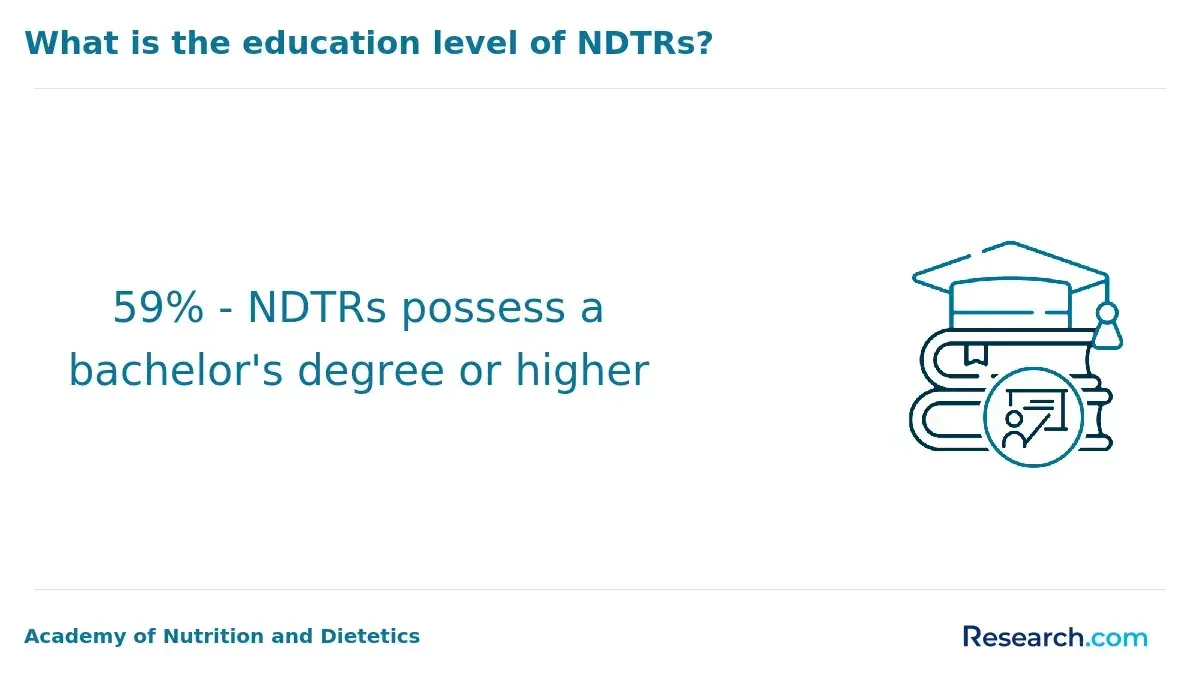
- Bachelor's Degree: A bachelor's degree in nutrition, dietetics, nutritional science, food science, public health, exercise science, or a related field is the common academic starting point. Coursework often covers human nutrition, metabolism, food systems, lifecycle nutrition, public health, counseling, and research methods.
- Master's Degree: A graduate degree can be useful for students seeking advanced clinical preparation, leadership roles, research work, or specialized practice. It may also help career changers build a stronger science foundation before pursuing advanced credentials.
- Accredited Programs: Students who want the registered dietitian pathway should pay close attention to Accreditation Council for Education in Nutrition and Dietetics (ACEND) accreditation. ACEND accreditation signals that a program meets national dietetics education standards.
- Local Institutions: Nebraska has several education options. The University of Nebraska-Lincoln offers a Bachelor of Science in Nutrition and Health Sciences, while Creighton University offers a Master of Science in Nutrition and Dietetics. Students should compare prerequisites, supervised practice options, cost, accreditation status, and whether the program supports their intended credential.
| Education path | Best for | Important decision point |
| Bachelor's degree in nutrition or a related field | Students seeking entry-level nutrition, wellness, community health, or dietetics preparation | Check whether the curriculum aligns with ACEND expectations if you may later pursue the RD route. |
| Master's degree in nutrition or dietetics | Students targeting advanced clinical, research, leadership, or specialized positions | Compare supervised practice access, program length, and total cost before enrolling. |
| Non-degree nutrition certificate | Wellness coaches or professionals adding nutrition education to an existing role | Do not assume a certificate allows clinical dietetics practice or Medical Nutrition Therapy. |
If you are comparing degree options and want to understand the broader academic investment, review this guide to nutritional science degree cost.
Does Nebraska require nutritionists to be licensed?
No. Nebraska does not require a state license for general nutritionists. This means you may provide general nutrition education, wellness guidance, and non-medical nutrition support without holding a Nebraska nutritionist license. The flexibility is helpful for wellness professionals, community educators, coaches, and people working in prevention-focused settings.
However, flexibility does not mean unlimited scope of practice. Nebraska restricts licensed Medical Nutrition Therapy to qualified professionals, and registered dietitian-related practice requires specific credentials and state licensure. If your goal is to assess, diagnose, or treat nutrition-related medical conditions in a healthcare setting, you should plan for the registered dietitian or Medical Nutrition Therapy pathway rather than relying on the general nutritionist title.
The practical question is not only “Can I legally call myself a nutritionist?” It is also “Will employers, insurers, healthcare teams, and clients trust my training?” In a field projected to increase by 7% through 2033, voluntary credentials and recognized education can help separate serious professionals from people offering unsupported advice.
| Practice type | State license required in Nebraska? | What to consider |
| General nutrition education | No | Stay within non-clinical guidance and avoid making medical claims outside your training. |
| Wellness coaching with nutrition guidance | No | A voluntary certification can improve credibility, especially in private practice. |
| Registered dietitian practice | Yes, when practicing under regulated dietetics requirements | Plan for accredited education, supervised practice, exam completion, and state licensing steps. |
| Medical Nutrition Therapy | Yes | This is a regulated scope and should not be treated as general wellness counseling. |
How long does it take to become a nutritionist in Nebraska?
Your timeline depends on whether you want to work in general nutrition education or become a registered dietitian. A general wellness-oriented path can begin sooner, while the dietetics route takes longer because it includes academic, supervised practice, examination, and licensing steps. Students comparing flexible formats can review options for how to find online nutrition programs.
- Bachelor's Degree: A bachelor's degree in nutrition or a closely related field typically takes four years. This is the main foundation for students who want deeper preparation in nutrition science and future credentialing options.
- Master's Degree: A master's program may take about 1.5 years in an accelerated format, such as the University of Nebraska Medical Center pathway. The program includes over 1,500 hours of supervised learning, which can strengthen clinical readiness.
- Internship or Supervised Practice: Many students pursuing dietetics complete a supervised practice program or internship lasting six to twelve months. This experience helps connect classroom knowledge with patient care, community work, food service, and professional decision-making.
- Non-Licensed Pathway: If you plan to provide general nutrition services without a regulated license, your timeline can be shorter and more flexible. The trade-off is that your scope, employer options, and clinical authority may be more limited.
| Goal | Typical timeline mentioned | Best next step |
| General nutritionist or wellness educator | Flexible, depending on education and experience | Build a strong evidence-based foundation and define your scope clearly. |
| Bachelor's-prepared nutrition professional | Four years | Choose courses and internships that match your preferred setting. |
| Graduate-level nutrition professional | About 1.5 years for some accelerated programs | Confirm prerequisites, supervised learning hours, and credential alignment. |
| Registered dietitian pathway | Degree plus supervised practice and exam steps | Verify ACEND accreditation and Nebraska licensing requirements before enrolling. |
Which nutrition certifications are available in Nebraska?
Certification is not the same as state licensure, but it can be valuable. In Nebraska, voluntary credentials can show employers and clients that you have formal preparation, follow standards, and understand evidence-based practice. The right credential depends on whether you want clinical dietetics, advanced nutrition science, holistic practice, wellness coaching, or a specialized niche.
| Credential | Who it may fit | Key requirement theme |
| Registered Dietitian Nutritionist (RDN) | Students who want clinical, hospital, community health, or regulated dietetics roles | Nutrition education, accredited supervised practice, and the national RD exam |
| Certified Nutrition Specialist (CNS) | Professionals seeking advanced nutrition credibility | Specific educational background, supervised experience, and examination |
| Certified Clinical Nutritionist (CCN) | Professionals interested in clinical nutrition knowledge outside the RD route | Required academic preparation and certification examination |
Before choosing a credential, ask what it allows you to do in Nebraska, whether employers recognize it, and whether it supports your long-term scope of practice. A credential that is useful for coaching may not qualify you for hospital dietetics, insurance reimbursement, or Medical Nutrition Therapy.
What hands-on experience should Nebraska nutritionists pursue?
Practical experience is where nutrition education becomes usable. Nebraska nutrition professionals often work with rural populations, food insecurity, chronic disease prevention, hospitals, schools, athletes, and community programs. The most useful experience is the kind that matches your intended career setting.
- Clinical Experience: Hospitals, clinics, long-term care facilities, and community health centers can expose students to patient needs, dietary assessments, interdisciplinary care, and documentation standards.
- Community Outreach: Programs such as Nebraska Extension's nutrition education efforts can help aspiring nutritionists learn how to teach healthy eating in realistic ways across diverse communities.
- Food Service Management: Schools, hospitals, and institutional kitchens provide experience in menu planning, dietary compliance, budgeting, food safety, and large-scale meal operations.
- Research Opportunities: University-based projects, including work connected to the University of Nebraska-Lincoln, can help students understand local dietary patterns, health outcomes, and evidence-based intervention design.
How to choose the right practicum or internship
- Choose clinical sites if you want healthcare, dietetics, or Medical Nutrition Therapy responsibilities.
- Choose schools or public health agencies if you want to work on child nutrition, food access, or community education.
- Choose athletics or fitness settings if you are interested in sports nutrition and performance support.
- Choose food service settings if you want leadership roles in hospitals, schools, or institutional nutrition programs.
How much does nutrition education cost in Nebraska?
The cost of becoming a nutritionist in Nebraska depends on the type of program, residency status, whether you study online or on campus, and whether you pursue supervised practice or graduate education. Tuition is only one part of the total cost. Books, lab fees, transportation, exam fees, and internship expenses can all affect affordability.
| Expense category | Cost information stated | Why it matters |
| Undergraduate tuition | For in-state students, a Bachelor of Science in Nutrition and Dietetics at Chadron State College may cost around $8,000 annually. | This is often the largest predictable cost for students beginning a nutrition degree. |
| Graduate tuition | Graduate programs at the University of Nebraska Lincoln and the University of Nebraska Medical Center can range from $10,000 to $20,000 annually, depending on residency status and program details. | Graduate study can improve qualifications but should be weighed against expected career outcomes. |
| Books | Textbooks average about $1,000 per year. | Books and digital materials can add substantially to yearly education costs. |
| Lab fees | Lab fees could add another $500. | Science-heavy programs may include course fees beyond tuition. |
| Dietetic internship | A dietetic internship can cost between $5,000 and $10,000. | This is an important planning item for students pursuing credentialing. |
If you are considering graduate study but need flexibility, compare program quality, accreditation, supervised practice access, and tuition before choosing one of the top online master's in nutrition options.
Ways to reduce your total cost
- Ask whether transfer credits can reduce the number of courses you must take.
- Compare in-state, online, and hybrid tuition structures carefully.
- Look for scholarships through institutions, community organizations, and professional associations.
- Ask employers about tuition reimbursement if you already work in healthcare, wellness, food service, or education.
- Budget for supervised practice and exam-related costs early instead of treating them as last-minute expenses.
What salary and job outlook can Nebraska nutritionists expect?
According to the U.S. Bureau of Labor Statistics, the outlook for dietitians and nutritionists is projected to grow by 7% through 2033. In Nebraska, nutrition professionals may find opportunities in healthcare, public health, education, long-term care, wellness programs, food service, athletics, private practice, and community organizations.
- Preventive Health Demand: More healthcare systems and employers are emphasizing nutrition as part of chronic disease prevention and health promotion.
- Multiple Work Settings: Nebraska nutritionists may work in hospitals, clinics, schools, public health programs, food banks, athletic departments, and private practices.
- Aging Population Needs: Older adults often require support with chronic conditions, medication-related nutrition concerns, appetite changes, and meal planning.
- Public Health Programs: State and community initiatives focused on food access and health education can create opportunities for nutrition professionals.
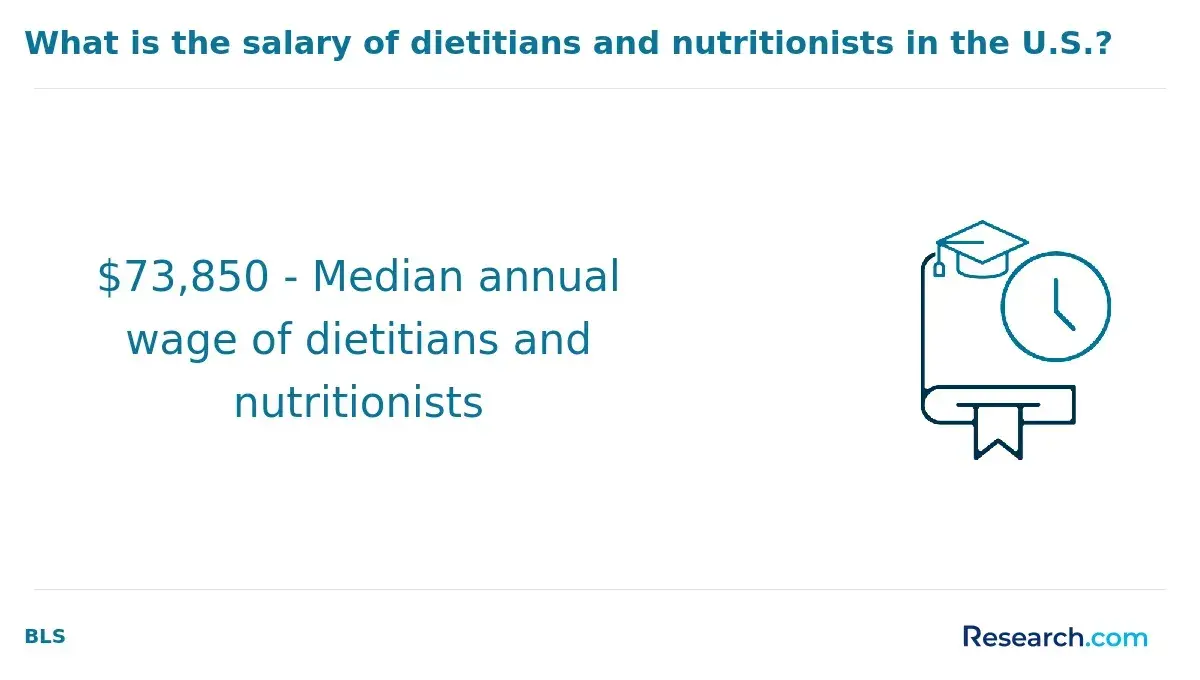
Nutritionists in Nebraska earn an annual mean wage of $61,570. Actual income can vary by credential, employer type, experience, location, specialization, and whether the professional works in clinical practice, community programming, private consulting, or wellness services.
How can nutritionists collaborate effectively with nurses and other healthcare professionals in Nebraska?
Nutrition care is stronger when it is coordinated with the rest of the healthcare team. In Nebraska, nutritionists may work with nurses, physicians, pharmacists, behavioral health professionals, social workers, and public health staff to support patients with chronic disease, food insecurity, recovery needs, pregnancy nutrition, aging-related concerns, and preventive wellness goals.
Effective collaboration starts with clear scope. Nutritionists should know when they are providing general education, when a client needs referral to a registered dietitian, and when a medical provider should be involved. Professionals who want to understand how nutrition fits into broader patient care may benefit from learning how to become a nurse in Nebraska, especially if they plan to work in hospitals, clinics, or community health teams.
How can nutritionists contribute to substance abuse recovery efforts in Nebraska?
Nutrition can support recovery by addressing issues such as poor diet quality, nutrient deficiencies, appetite disruption, digestive problems, and unstable eating patterns. In Nebraska, nutritionists can contribute by partnering with counselors, recovery programs, community clinics, and behavioral health teams to provide practical meal planning and education that supports overall well-being.
Nutritionists should avoid working outside their scope in behavioral health treatment. Their strongest contribution is usually collaborative: helping clients rebuild consistent eating habits, understand hydration and nutrient needs, and connect food choices with energy, sleep, and recovery routines. Professionals interested in this type of collaboration can review how to become a substance abuse counselor in Nebraska to better understand the behavioral health side of care.
What is the earning potential for holistic nutritionists in Nebraska?
Holistic nutritionists focus on the connection between food, lifestyle, and overall wellness. In Nebraska, this approach may fit private practice, wellness centers, integrative health settings, coaching businesses, and community education. Earnings can differ widely because income often depends on experience, client base, location, business model, credentialing, and whether the professional works independently or for an organization.
Because holistic nutrition is not the same as licensed dietetics, practitioners should be careful not to present themselves as providers of Medical Nutrition Therapy unless they meet Nebraska’s regulated requirements. For broader salary context in this niche, review the guide to holistic nutritionist salary.
What continuing education and development opportunities are available for nutritionists in Nebraska?
Nutrition science changes over time, so continuing education is essential. Nebraska nutritionists can stay current through workshops, accredited online courses, conferences, professional association events, clinical training, public health seminars, and employer-based development programs.
Continuing education is especially important for professionals working near regulated healthcare roles. Understanding documentation, ethics, patient privacy, referral practices, and credential renewal standards can help nutritionists work more effectively with licensed teams. Those transitioning from or collaborating with nursing professionals may also find it useful to understand board of nursing program requirements in Nebraska as a comparison point for healthcare credentialing expectations.
How can I finance my nutrition education in Nebraska?
Financing a nutrition education requires looking beyond the advertised tuition rate. Students should compare total cost, scholarship availability, program length, internship expenses, and whether credits transfer. The most affordable option is not always the best value if it does not support your intended credential or career path.
- Complete financial aid forms early and ask each school about institutional scholarships.
- Search for nutrition, public health, healthcare, agriculture, and community service scholarships.
- Ask whether your employer offers tuition reimbursement or schedule flexibility.
- Compare online, hybrid, and campus-based options for travel and housing savings.
- Confirm whether the program prepares you for your desired certification or licensure before borrowing money.
Students looking for flexible and lower-cost options may want to compare online dietetics programs while paying close attention to accreditation and supervised practice requirements.
What administrative and interdisciplinary skills can enhance nutrition practice in Nebraska?
Nutritionists who understand healthcare operations can work more effectively in clinics, hospitals, community agencies, and private practices. Useful administrative skills include documentation, scheduling, billing basics, coding awareness, electronic health record use, compliance, patient communication, and outcome tracking.
These skills matter because nutrition care often depends on team coordination. A nutritionist who can document clearly, communicate with providers, and understand operational workflows is easier to integrate into healthcare and community programs. For a related administrative pathway, see the guide on how to become a medical biller and coder in Nebraska.
How can complementary certifications broaden a nutritionist’s expertise in Nebraska?
Complementary certifications can help nutritionists add focused skills, but they should be chosen strategically. A useful certification should match your clients, setting, and long-term goals. Examples include training in food safety, health coaching, public health education, sports nutrition, data analysis, or compliance-related topics.
The key is relevance. Adding credentials without a clear purpose can waste time and money. Professionals interested in scientific investigation, evidence handling, or analytical thinking may find it useful to compare cross-disciplinary training models such as forensic scientist education requirements in Nebraska.
What advancement paths are available for nutritionists in Nebraska?
Advancement in Nebraska nutrition careers usually comes from deeper credentials, stronger specialization, leadership experience, and proven outcomes. A nutritionist may begin in education, wellness, or community programming and later move into clinical dietetics, management, private practice, program direction, research, or consulting.
- Diverse Work Environments: Nutritionists may build careers in hospitals, clinics, schools, public health agencies, corporate wellness programs, food service operations, and private practices.
- In-Demand Positions: Roles such as RDNs and wellness coaches are drawing attention. Around 6,100 job openings are anticipated annually nationwide, and Nebraska is expected to see its dietitians grow from approximately 4,620 to 5,131 by 2032.
- Major Employers: Healthcare organizations such as Nebraska Medicine and educational institutions can be important employers for nutrition professionals.
- Networking Opportunities: Local professional organizations, community initiatives, and healthcare partnerships can lead to mentorship, referrals, and job leads.
- Continued Education: Advanced options such as the Doctor of Nutrition and Dietetics at the University of Nebraska Medical Center can support higher-level practice. Students seeking a cost-conscious graduate path can compare the most affordable online nutrition master’s programs.
| Career goal | Best advancement strategy | Possible setting |
| Clinical leadership | Pursue RD-related credentials, supervised practice, and specialized clinical experience. | Hospitals, clinics, long-term care |
| Community impact | Gain public health, grant, program evaluation, and outreach experience. | Food banks, schools, state programs, nonprofits |
| Private practice | Build a clear niche, referral network, ethical scope, and business systems. | Independent consulting, wellness clinics |
| Education and research | Consider graduate study and university-based research experience. | Colleges, research centers, extension programs |
How can digital tools enhance nutrition practice in Nebraska?
Digital tools can help nutritionists reach clients who live far from major healthcare centers. Telehealth platforms, food tracking apps, secure messaging, electronic forms, and data dashboards can support assessment, follow-up, accountability, and personalized education.
Technology should not replace professional judgment. Nutritionists must consider privacy, documentation, accessibility, client literacy, and the limits of app-generated data. Professionals working in regulated healthcare settings can learn from other licensed fields, including the standards discussed in pharmacist licensure requirements in Nebraska, particularly around secure, patient-centered care.
Which nutrition specializations make sense in Nebraska?
Nebraska’s nutrition needs vary by community. Rural food access, chronic disease prevention, school nutrition, sports performance, recovery support, and public health outreach all create opportunities for focused expertise. A specialization should be chosen based on demand, training requirements, personal strengths, and the population you want to serve.
- Clinical Nutrition: Clinical nutritionists and dietitians may support patients with chronic disease, obesity-related concerns, digestive conditions, aging-related nutrition needs, and recovery from illness. The Nebraska Department of Health and Human Services reports that obesity rates in the state have reached alarming levels, making dietary intervention an important public health issue.
- Sports Nutrition: Nebraska’s athletic culture can create demand for professionals who understand performance fueling, hydration, recovery, body composition, and safe supplementation. The University of Nebraska-Lincoln offers a specialized program on sports nutrition.
- Community Nutrition: Food insecurity is a major issue in Nebraska. The Food Bank for the Heartland serves over 100,000 individuals annually, which underscores the need for outreach, nutrition education, and practical food access strategies.
A community nutritionist working with a school district, for example, may design nutrition education, support healthier meal planning, and coordinate with families and staff. The most effective specialists understand not only nutrition science but also budgets, food access, culture, transportation, and behavior change.
What challenges do Nebraska nutritionists face?
Nutrition work in Nebraska can be rewarding, but it also involves real barriers. Professionals need to be prepared for limited access to healthy foods, rural service gaps, reimbursement challenges, misinformation, and cultural differences around food.
- Limited Access to Resources: According to the USDA, nearly 20% of Nebraskans live in food deserts, where grocery stores are miles away. This can make standard nutrition advice unrealistic unless it accounts for transportation, cost, and local food availability.
- Policy Barriers: Nebraska's Medicaid program has limited coverage for nutrition counseling, which can restrict access for low-income clients who would benefit from professional support.
- Cultural Resistance: Food traditions, family habits, agricultural identity, and skepticism toward diet changes can influence how people respond to nutrition guidance. Effective nutritionists meet clients where they are instead of relying on one-size-fits-all meal plans.
Common mistakes to avoid
| Mistake | Why it causes problems | Better approach |
| Assuming “nutritionist” and “registered dietitian” mean the same thing | The titles involve different scopes, expectations, and credentialing requirements. | Decide early whether you want general wellness work or regulated dietetics practice. |
| Choosing a program without checking accreditation | Non-accredited education may not support your desired credential. | Verify ACEND status if you plan to pursue the RD pathway. |
| Looking only at tuition | Books, lab fees, internships, travel, and exam costs can change the real price. | Calculate total cost of attendance and credentialing expenses. |
| Offering medical nutrition advice outside your scope | This can create legal, ethical, and client safety risks. | Refer clients to licensed professionals when medical conditions are involved. |
| Ignoring rural access barriers | Advice may fail if clients cannot access recommended foods. | Build plans around local stores, food assistance, transportation, and budget realities. |
What legal responsibilities apply to nutritionists in Nebraska?
Nebraska’s legal framework allows general nutrition education without a state nutritionist license, but regulated dietetics services and Medical Nutrition Therapy require appropriate credentials. This distinction matters because clients may not understand the difference between wellness guidance and medical nutrition care.
Unlicensed nutritionists should provide general information, behavior support, meal planning education, and wellness coaching within their competence. They should not diagnose disease, prescribe treatment, or present themselves as licensed providers if they do not meet Nebraska’s requirements. Licensed Medical Nutrition Therapy is restricted to qualified professionals, and registered dietitian practice involves education, supervised experience, examination, and state licensing standards.
Local practice expectations in Omaha and other Nebraska communities may also vary by employer, setting, and service type. If you want a broader health and wellness foundation, you may also explore related fields and learn where you can work with an exercise science degree.
What professional associations and mentorship programs can support nutritionists in Nebraska?
Mentorship can help new nutritionists understand scope of practice, find internships, prepare for credentials, and navigate Nebraska’s healthcare and community health systems. Professional associations can also provide networking, continuing education, job leads, and opportunities to collaborate on public health initiatives.
Look for mentors who work in your target area, such as clinical nutrition, food service, community health, sports nutrition, private practice, or public policy. Interprofessional mentorship can also be valuable. For example, understanding advanced nursing roles through a guide on how to become a nurse practitioner in Nebraska can help nutritionists see how integrated healthcare teams operate.
What advanced interdisciplinary training opportunities can enhance a nutritionist’s practice in Nebraska?
Advanced interdisciplinary training can help nutritionists work more effectively with healthcare, behavioral health, public health, and administrative teams. Useful topics include integrated care models, motivational interviewing, digital health, chronic disease management, program evaluation, leadership, and patient engagement.
Nutrition professionals who understand how other healthcare disciplines are trained can communicate more clearly and build stronger care plans. Reviewing the best accredited NP programs in Nebraska can offer insight into advanced clinical education models and team-based care expectations.
How can I transition from a nutritionist to a registered dietitian in Nebraska?
Transitioning from nutritionist to registered dietitian can expand your scope, improve employability in healthcare settings, and support eligibility for regulated practice. The process generally requires completing the required academic preparation, supervised practice, and national examination, followed by meeting Nebraska licensing requirements.
Before enrolling in additional coursework, compare your completed credits with the requirements of the RD pathway. Ask schools whether your prior degree applies, whether prerequisites are missing, and how supervised practice is arranged. A detailed next step is to review the requirements to become a registered dietitian in Nebraska.
Here's What Graduates Have to Say About Becoming a Nutritionist in Nebraska
"Working in Nebraska has shown me how important nutrition education is in rural areas. Many families want to make healthier choices but need guidance that fits their budget, grocery access, and daily routines. Helping people make realistic changes is what makes the work meaningful." – Mia
"My nutrition career in Nebraska introduced me to professionals who care deeply about food insecurity and child health. Being part of statewide efforts to improve nutrition access has made the career feel purposeful and connected to real community needs." – Nigel
"Nebraska offers many ways to use nutrition training, from school meal planning to partnerships with local food systems. I have found that people value practical advice when it respects their culture, resources, and goals." – Agnes
Related Articles for Nearby States
- 2027 How to Become a Nutritionist in Kansas
- 2027 How to Become a Nutritionist in South Dakota
- 2027 How to Become a Nutritionist in Iowa
- 2027 How to Become a Nutritionist in Colorado
- 2027 How to Become a Nutritionist in Missouri
- 2027 How to Become a Nutritionist in Wyoming
- 2027 How to Become a Nutritionist in Minnesota
- 2027 How to Become a Nutritionist in Oklahoma
- 2027 How to Become a Nutritionist in North Dakota
- 2027 How to Become a Nutritionist in Illinois
References:
- Academy of Nutrition and Dietetics – Become a Registered Dietitian Nutritionist (RDN): https://www.eatright.org/become-an-rdn
- Accreditation Council for Education in Nutrition and Dietetics (ACEND) — Program accreditation info: https://www.eatrightpro.org/acend
- Become a Nutritionist. (n.d.). Becoming a Registered Dietitian in Nebraska. Become a Nutritionist.
- Bureau of Labor Statistics (BLS). (2024a). Nebraska. Occupational Employment and Wage Statistics. BLS.
- Bureau of Labor Statistics (BLS). (2024b). Dietitians and Nutritionists. Occupational Outlook Handbook. BLS.
- Feeding America. (2025). What Hunger Looks Like in Nebraska. Nebraska. Feeding America.
- National Association of Nutrition Professionals (NANP). (n.d.). Nebraska. State Laws. NANP.
- Nebraska Department of Health and Human Services – Medical Nutrition Therapist licensing information: https://dhhs.ne.gov/licensure/Pages/Medical-Nutrition-Therapist.aspx
- Nebraska DHHS – Application form for the Medical Nutrition Therapy license: https://dhhs.ne.gov/licensure/Documents/MedNutritionLicenseApp.pdf
- NutritionistDegreeOnline. (n.d.). How to Become a Registered Dietitian in Nebraska. NutritionistDegreeOnline.
- University of Nebraska Medical Center (UNMC). (n.d.). Medical Nutrition. College of Allied Health Professionals. UNMC.
- University of Nebraska Omaha. (2024). Dietitian. Health Careers Resource Center. University of Nebraska Omaha.
Key Insights
- Nebraska does not license general nutritionists, but Medical Nutrition Therapy and registered dietitian practice require formal credentials and state oversight.
- A bachelor's degree is a common foundation, while master's study, supervised practice, and recognized credentials can open more advanced or clinical opportunities.
- Students pursuing the registered dietitian route should verify ACEND accreditation before committing to a program.
- Costs can include tuition, books, lab fees, and a dietetic internship, so compare total program cost rather than tuition alone.
- Nebraska nutrition professionals can work in healthcare, schools, public health, food service, athletics, recovery programs, rural outreach, and private wellness practice.
- The strongest career path is the one that matches your intended scope: general wellness education, community nutrition, holistic coaching, sports nutrition, or regulated dietetics.
- Before advising clients, be clear about what you are qualified to do and when to refer someone to a registered dietitian, physician, or other licensed healthcare professional.
Other Things You Should Know About Becoming a Nutritionist in Nebraska
In Nebraska, nutritionist programs should ideally be accredited by the Accreditation Council for Education in Nutrition and Dietetics (ACEND). This accreditation ensures that the program meets professional standards and prepares students for careers in nutrition. It's essential to check if Nebraska-specific requirements exist for programs you are considering.
Yes, you can complete an online program to become a nutritionist in Nebraska. Many accredited institutions offer online courses in nutrition, allowing students to gain theoretical knowledge and fulfill educational requirements remotely, making it a flexible option for aspiring nutritionists.