2027 How to Become a Nutritionist in South Dakota

Co-Founder and Chief Data Scientist
Choosing a nutrition career in South Dakota requires more than asking whether you enjoy food, health, and wellness. You need to understand which services you can legally provide, whether you need dietitian licensure, how long the education path takes, what credentials employers recognize, and whether the pay and job market justify the cost of training. This is especially important because South Dakota ranks 47th in the nation for the number of Registered Dietitians (RDs) and Registered Dietitian Nutritionists (RDNs), which can affect job availability, competition, and access to supervised training.
This guide explains how to become a nutritionist in South Dakota, how the nutritionist and dietitian paths differ, what education and supervised experience may be required, what certifications can strengthen your credibility, and how to evaluate costs, salary potential, and career fit before committing to a program.
Quick answer: How do you become a nutritionist in South Dakota?
South Dakota does not require a license for every person who gives general nutrition or wellness guidance, but the state does regulate licensed dietitians and licensed nutritionists. If your goal is to provide clinical nutrition care, assess nutritional needs, use protected professional titles, or qualify for many healthcare jobs, you should plan for the Registered Dietitian Nutritionist pathway: complete an accredited nutrition or dietetics education program, meet supervised practice requirements, pass the Commission on Dietetic Registration exam, and apply through the South Dakota Board of Medical and Osteopathic Examiners when licensure is required.
| Path | Best for | Typical requirements | Important caution |
| General nutritionist or wellness coach | Non-clinical wellness education, health coaching, community programs, or private wellness services | Education varies, but a nutrition-related degree and reputable certification can improve credibility | Do not use protected titles or provide services reserved for licensed professionals |
| Registered Dietitian Nutritionist (RDN) | Hospitals, clinics, medical nutrition therapy, public health, long-term care, and many insurance-based roles | Accredited coursework, supervised practice, graduate degree requirement for exam eligibility as of January 1, 2024, and the CDR exam | Licensure rules and employer requirements matter; verify them before choosing a program |
| Certified Nutrition Specialist (CNS) | Advanced nutrition practice, integrative nutrition, research-informed counseling, or specialized consulting | Master’s degree in nutrition or a related field plus 1,000 hours of supervised practice | Certification does not automatically replace state licensure where licensure applies |
Key things to know before starting
- South Dakota does not require every nutritionist to hold a license, but dietitians and individuals using regulated professional titles must follow licensure rules set by the South Dakota Board of Medical and Osteopathic Examiners.
- The licensed dietitian pathway generally includes a bachelor’s degree in nutrition or a related field, completion of an accredited supervised practice program, and a passing score on the Commission on Dietetic Registration exam.
- The South Dakota Academy of Nutrition and Dietetics can be a useful professional resource for networking, continuing education, and credential-related updates.
- Common credentials include the Registered Dietitian Nutritionist (RDN) and Certified Nutrition Specialist (CNS), both of which can improve employer confidence and client trust.
- The dietitian licensure application process requires documentation of education, supervised practice, examination results, a completed application, and the required fee.
- Education requirements for nutrition careers in South Dakota
- Licensing rules for nutritionists and dietitians
- How long the pathway usually takes
- Certification options that can improve credibility
- Practical experience and supervised training
- Expected education and training costs
- Salary and job outlook in South Dakota
- How team-based healthcare improves nutrition practice
- Professional development resources
- Skills employers value most
- How to track regulatory and continuing education updates
- Whether an online nutrition degree makes sense
- Administrative and billing considerations
- Interdisciplinary certifications and career flexibility
- Transitioning into broader healthcare roles
- Trends shaping nutrition work
- Advancement options for nutrition professionals
- Steps to become a registered dietitian
- Nutrition specialization choices
- Challenges nutritionists face in South Dakota
- Legal responsibilities and scope-of-practice issues
- Advanced clinical roles for nutrition professionals Review legal scope first
What are the educational requirements to become a nutritionist in South Dakota?
Your education requirements depend on the type of nutrition work you want to do. A person offering general wellness education may not need the same preparation as someone seeking hospital-based dietitian roles, clinical nutrition responsibilities, or licensure. If you want the widest range of employment options, choose a program that supports the RDN pathway rather than selecting a general nutrition degree without checking accreditation and supervised practice eligibility.
- Undergraduate education: A bachelor’s degree from an accredited institution is the usual academic starting point. Relevant majors include dietetics, food service management, human nutrition, and nutrition education.
- Graduate degree requirement: As of January 1, 2024, candidates need a graduate degree to qualify for the registration examination for dietitian nutritionists. This makes early program planning more important because students may need to budget for both undergraduate and graduate study.
- Accredited program options: South Dakota State University offers a Bachelor of Science in Nutrition & Dietetics that is ACEND-accredited. The University of South Dakota offers a Master of Science in Nutrition and Exercise Science with an emphasis on community nutrition.
- Applied training: Classroom study alone is not enough for clinical or credentialed practice. Supervised experience helps students turn nutrition science, counseling techniques, and assessment skills into safe professional practice.
Before enrolling, ask whether the program is designed for general nutrition education, dietetics registration, graduate preparation, or a specific specialization. Students interested in broader wellness approaches can also review how holistic nutrition and health differs from regulated dietetics practice.
| Education choice | When it makes sense | What to verify before enrolling |
| Bachelor’s degree in nutrition or dietetics | You want a foundation in food science, metabolism, community nutrition, and counseling | Accreditation status, transfer policy, prerequisites, and whether it supports RDN preparation |
| Graduate degree in nutrition or a related field | You plan to qualify for the dietitian nutritionist registration exam or pursue advanced practice | Admission requirements, supervised practice connections, and alignment with credential goals |
| Online nutrition program | You need scheduling flexibility or live far from campus | Accreditation, in-person requirements, supervised practice placement support, and state eligibility |
| Certificate-only nutrition training | You want supplemental education for wellness coaching or a related profession | Whether employers recognize it and whether it permits the services you want to offer |
Is there a licensing requirement to become a nutritionist in South Dakota?
South Dakota’s rules require careful reading because “nutritionist,” “licensed nutritionist,” and “dietitian” are not always interchangeable. A person may provide certain general nutrition education services without holding a dietitian license, but regulated titles and clinical nutrition services are subject to state rules. If your career plan includes medical nutrition therapy, assessment of nutritional needs, or employment in a healthcare setting, assume licensure or the RDN credential may be necessary unless the state board or employer confirms otherwise.
The South Dakota Board of Medical and Osteopathic Examiners oversees dietitian licensure. Candidates pursuing that route should be prepared to submit proof of qualifying education, supervised practice, examination results, and the required application materials.
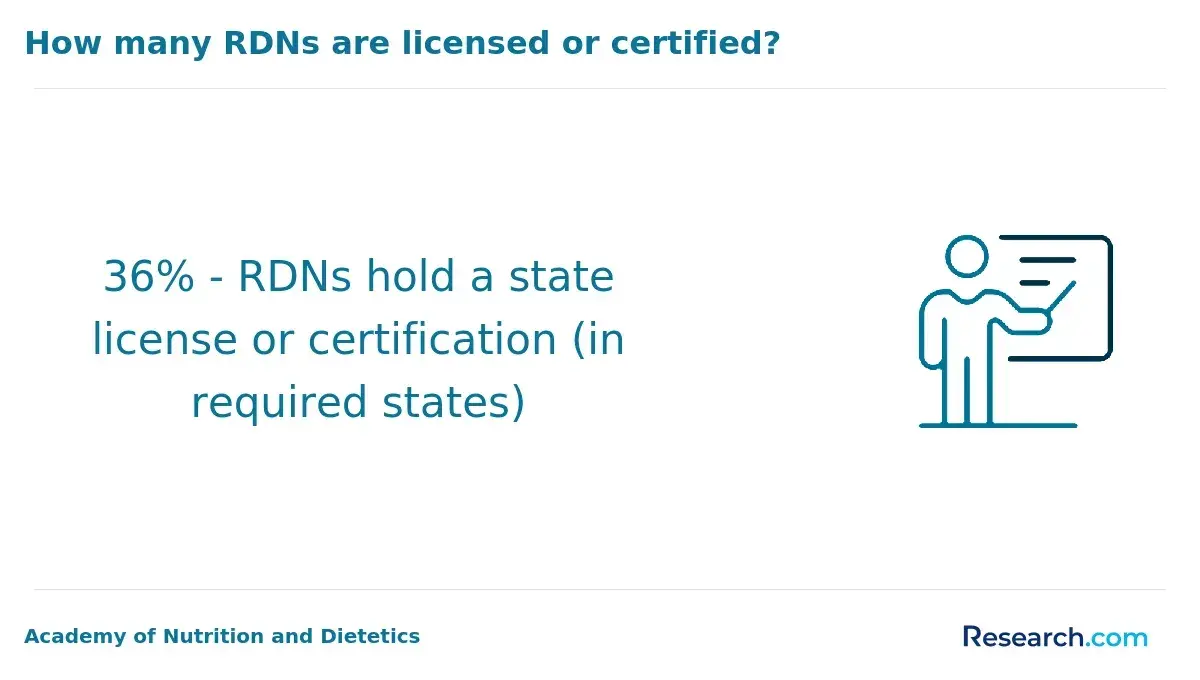
Even when a license is not mandatory for a specific wellness role, credentials matter. Many employers prefer the Registered Dietitian Nutritionist credential because it signals nationally recognized training and competency. The Certified Nutrition Specialist credential may also support professionals pursuing advanced or integrative nutrition practice.
The South Dakota Academy of Nutrition and Dietetics can help students and professionals stay connected to continuing education, policy updates, and local networking. Volunteering at health fairs, joining community health initiatives, and building relationships with healthcare providers can also help new professionals gain visibility and practical insight.
The U.S. Bureau of Labor Statistics projection cited for this field reports an 11% increase in nutritionist jobs by 2030. Treat projections as planning information, not a guarantee of local job placement.
How long does it take to become a nutritionist in South Dakota?
The timeline depends on whether you are pursuing general nutrition work, a graduate credential, or the full RDN and licensure pathway. Students who already have transfer credits or a related degree may move faster, while career changers may need additional prerequisites.
| Stage | Typical time commitment | What happens during this stage |
| Bachelor’s degree | Four years | Students complete foundational coursework in nutrition, biology, food systems, counseling, and related subjects. |
| Master’s degree | Additional two years | Students meet the graduate degree expectation that applies to dietitian nutritionist exam eligibility as of January 1, 2024. |
| Dietetic internship | About 6 to 12 months | Candidates complete supervised practice, commonly including at least 1,200 hours in approved settings. |
| Documented supervised practice | At least 1,000 hours | Candidates build competency in nutrition assessment, monitoring, counseling, and related professional tasks. |
From the start of a bachelor’s degree to full qualification, the process can take approximately 5 to 7 years. Students trying to manage costs can compare low-cost nutrition and dietetics programs, but they should confirm that affordability does not come at the expense of accreditation, supervised practice access, or credential eligibility.
What are the certification options for nutritionists in South Dakota?
Certification can determine where you can work, how clients perceive your qualifications, and whether employers consider you for clinical or specialized roles. The two most important credentials for many nutrition careers are the RDN and CNS, but they serve different professional goals.
| Credential | Who it is designed for | Core requirements described in this guide | Career value |
| Registered Dietitian Nutritionist (RDN) | Students and professionals seeking clinical, healthcare, institutional, public health, or dietetics roles | Nutrition-related education, accredited supervised practice, and the national RDN exam | Often expected or preferred by healthcare employers and may be necessary for licensure-related roles |
| Certified Nutrition Specialist (CNS) | Professionals with graduate-level preparation who want an advanced nutrition credential | Master’s degree in nutrition or a related field plus 1,000 hours of supervised practice | Can support integrative, specialized, or advanced nutrition practice depending on role and legal scope |
The RDN credential is the most widely recognized credential for dietetics practice. It is especially important for people who want to work in hospitals, long-term care, outpatient clinics, diabetes education, food service management, or public health programs that require formal dietetics training.
The CNS credential may fit professionals who are drawn to advanced nutrition science, integrative approaches, or specialized counseling. However, certification should not be confused with state authorization. Always compare credential requirements with South Dakota’s protected-title and practice rules.
-
: "
One South Dakota nutrition professional described the RDN credential as a turning point in how employers and clients viewed her qualifications: “Having that RDN behind my name opened doors I never expected. It made a huge difference in how clients perceived my expertise.”
"
What practical experience is required to become a nutritionist in South Dakota?
Practical experience is where nutrition students learn how counseling, assessment, cultural food practices, food access, and medical conditions affect real people. For credentialed dietetics pathways, supervised practice is not optional. For non-licensed wellness roles, experience still matters because it helps you avoid giving generic advice that does not fit a client’s health, budget, or community context.
- Community health volunteering: Local health organizations, food banks, community gardens, and outreach programs can expose students to food access challenges and prevention-focused education.
- Clinical observation or supervised work: Hospitals and clinics may offer opportunities to learn alongside registered dietitians, giving students insight into dietary management, patient education, and medical documentation.
- Public nutrition programs: Programs such as the Supplemental Nutrition Assistance Program (SNAP) can help future professionals understand public education, resource navigation, and rural health barriers.
- University-based research: South Dakota State University and other academic partners may connect students with community nutrition and public health research projects.
- Private-sector internships: Health, wellness, food service, and corporate wellness organizations can help students apply nutrition knowledge in business and client-service environments.
How much does it cost to become a nutritionist in South Dakota?
The cost depends on the school, degree level, delivery format, internship requirements, and whether you study full time or part time. Students should calculate the full cost of becoming employable, not just tuition.
| Cost category | Amount or consideration stated in this guide | Why it matters |
| Tuition | Between $8,000 and $20,000 annually for in-state students | This is often the largest direct cost and varies by institution, program, and course load. |
| School fees and materials | Several hundred dollars each semester | Registration fees, lab fees, and learning materials can add up over multiple years. |
| Living expenses | Around $10,000 per year for housing, food, and transportation | Living costs can substantially affect total borrowing, especially for full-time students. |
| Professional liability insurance | About $15 | Some training or fieldwork settings may require coverage. |
| Graduate study and supervised practice | Varies by program | Students pursuing the RDN pathway should budget beyond the bachelor’s degree. |
Online programs may reduce commuting or relocation costs, but they are not automatically cheaper once fees, technology requirements, and supervised placement logistics are included. Students comparing flexible formats can review top nutrition bachelor’s degrees online while verifying accreditation and credential alignment.
The chart below shows the states with the most registered dietitians (RD) and registered dietitian nutritionists (RDN), offering context for where the profession has the largest workforce presence.
What is the job outlook and salary for nutritionists in South Dakota?
Nutrition employment in South Dakota is influenced by healthcare access, rural community needs, chronic disease prevention, school and public health programs, and employer demand for credentialed professionals. According to the U.S. Bureau of Labor Statistics information cited for this guide, nutritionist and dietitian employment in South Dakota is projected to grow by 8% from 2024 to 2034, which is faster than the average for all occupations.
- Older adults need specialized nutrition support: An aging population can increase demand for professionals who understand nutrition for chronic conditions, long-term care, and healthy aging.
- Public health programs create community roles: State and local health initiatives can support jobs in education, prevention, and food access programs.
- Work settings are varied: Nutrition professionals may work in hospitals, schools, clinics, public agencies, wellness companies, or private practice.
- Local education programs support the workforce: Colleges and universities with nutrition programs contribute to the pipeline of new professionals.
The average annual wage for nutritionists in South Dakota is approximately $56,000. Entry-level roles may start around $40,000, while experienced professionals can earn upwards of $70,000. Actual pay can vary by credential, employer type, location, specialization, experience, and whether the role involves clinical responsibilities.
How does interdisciplinary collaboration enhance nutrition practice in South Dakota?
Nutrition care is stronger when it is connected to the rest of a patient’s health plan. In South Dakota, nutritionists and dietitians may collaborate with physicians, nurses, physical therapists, behavioral health providers, pharmacists, and community health workers to address diet, medication interactions, mobility, chronic disease, and social barriers at the same time.
For example, a dietitian working with a nursing team can reinforce discharge instructions, help patients understand food-related medication concerns, and identify when a client needs follow-up care. Readers interested in adjacent healthcare roles can compare nutrition practice with how to become a nurse in South Dakota.
What are the key professional development resources for nutritionists in South Dakota?
Professional development helps nutritionists keep their advice evidence-based, legally appropriate, and relevant to changing community needs. Useful options include continuing education programs, state and national dietetics organizations, public health workshops, academic seminars, and networking events focused on rural health, chronic disease prevention, counseling, and practice management.
Some nutrition professionals also broaden their skills by learning about behavioral health, addiction, or client motivation. For example, the guide on how to become a substance abuse counselor in South Dakota can help nutrition professionals understand how substance use and behavior change may intersect with nutrition counseling.
What additional skills do employers value in nutritionists in South Dakota?
Employers typically look for more than nutrition science knowledge. Strong candidates can explain complex information clearly, document services accurately, adapt recommendations to rural and low-resource settings, use telehealth tools, interpret client data, and collaborate with medical or community teams.
- Counseling and communication: Clients need practical guidance they can actually follow, not just textbook recommendations.
- Cultural and community awareness: Food choices are shaped by income, transportation, traditions, family needs, and local food access.
- Digital fluency: Telehealth platforms, food tracking tools, electronic records, and remote monitoring can affect daily work.
- Business judgment: Private practice and consulting require pricing, scheduling, marketing, billing, and client retention skills.
- Evidence-based thinking: Employers value professionals who can separate credible nutrition research from trends and unsupported claims.
Students comparing preparation options can use the broader guide on how to become a nutritionist to understand common national expectations.
How can nutritionists stay updated on regulatory changes and continuing education in South Dakota?
Nutrition professionals should not rely on old program brochures or informal advice when making licensure decisions. Regulations, credential requirements, continuing education rules, and employer standards can change, so professionals should monitor state board communications, professional association updates, credentialing bodies, and continuing education providers.
It can also be useful to understand how other licensed healthcare fields track compliance. For comparison, readers can review board of nursing program requirements in South Dakota to see how regulated professions approach education, documentation, and renewal expectations.
What are the benefits of pursuing an online nutrition degree in South Dakota?
An online nutrition degree can be a practical choice for students who live far from campus, work while studying, or need a more flexible schedule. Online learning may also give South Dakota students access to specialized courses and faculty outside their immediate region.
However, online does not automatically mean easier, cheaper, or appropriate for licensure. Students should ask whether the program is accredited, whether lab or campus visits are required, how supervised practice placements are arranged, and whether the degree supports the credential they want. A good starting point for comparison is the list of best online nutrition degree options.
| Online nutrition degree | Campus nutrition degree |
| Better for students who need schedule flexibility or cannot relocate | Better for students who prefer face-to-face labs, advising, and campus networking |
| Requires careful planning for supervised practice and local fieldwork | May have established relationships with nearby clinical or community sites |
| Can expand access to programs outside a student’s immediate area | May offer stronger in-person peer and faculty interaction |
| Must be checked carefully for accreditation and credential eligibility | Must still be checked for accreditation, cost, and outcomes |
How can nutritionists streamline their administrative and billing processes?
Nutrition professionals who work in private practice, clinics, or insurance-connected settings need organized documentation and billing systems. Accurate intake forms, progress notes, coding awareness, reimbursement tracking, consent procedures, and privacy practices can protect both the client and the business.
Nutritionists who plan to bill insurers or work closely with healthcare administrators may benefit from understanding how claims and records are managed. The guide on how to become a medical biller and coder in South Dakota can help explain the administrative side of healthcare work.
Can interdisciplinary certifications strengthen my nutrition career in South Dakota?
Additional credentials can help when they support a clear career goal. Public health, diabetes education, culinary nutrition, health coaching, behavioral health, or data-focused training may make sense for some nutrition professionals. The key is to choose credentials that employers understand and that fit within South Dakota’s legal scope of practice.
Some professionals also study analytical fields to strengthen work related to food safety, evidence review, or compliance. For example, learning about forensic scientist education requirements in South Dakota can show how rigorous analytical methods apply in regulated or investigative environments.
Can nutritionists transition into interdisciplinary healthcare roles?
Yes, but a transition into another healthcare role usually requires additional education, clinical training, and licensure. Nutrition knowledge can be valuable in nursing, public health, health education, care coordination, diabetes prevention, long-term care, and wellness leadership, but it does not automatically qualify someone for a separate licensed profession.
Nutrition professionals considering advanced patient care responsibilities can compare their current training with how to become a nurse practitioner in South Dakota to understand how much additional preparation may be involved.
What are emerging trends shaping nutrition careers in South Dakota?
Several trends are changing how nutrition professionals work. Telehealth has made remote counseling more practical, which matters in a state where distance can limit access to care. Wearable devices and mobile apps can provide more client data, but professionals still need judgment to interpret that information responsibly. Employers may also expect nutritionists to work more closely with medical, behavioral health, pharmacy, and community service teams.
Artificial intelligence and data tools may help with meal planning, documentation, client tracking, and education materials, but they do not replace professional judgment, ethical practice, or legal scope-of-practice requirements. Nutritionists should be prepared to explain recommendations, verify sources, protect client privacy, and avoid relying on automated advice without review.
Because interdisciplinary care is becoming more common, nutrition professionals may benefit from understanding how related healthcare fields handle regulation. For example, pharmacist licensure requirements in South Dakota can provide context for medication-related collaboration and regulated practice standards.
What are the career advancement opportunities for nutritionists in South Dakota?
Advancement depends heavily on credentials, experience, specialization, and work setting. RDNs generally have broader access to clinical roles, supervisory positions, and healthcare-based advancement than professionals with only informal nutrition training. Non-clinical nutritionists may grow through wellness coaching, consulting, corporate wellness, education, or entrepreneurship, as long as they remain within legal boundaries.
- Healthcare settings: RDNs in hospitals and clinics may move into medical nutrition therapy, specialized units, patient education leadership, or management.
- Public health: Nutritionists working in programs such as WIC may advance into coordination, supervision, grant-funded program work, or community health leadership.
- Corporate wellness: Employers with wellness programs may need professionals to design nutrition education, employee health initiatives, and prevention strategies.
- Education and research: Universities and research institutions may hire nutrition professionals for instruction, community projects, and applied studies.
- Private practice: Experienced professionals may build counseling practices, partner with medical providers, or offer specialized nutrition services.
Major employers can include healthcare facilities, educational institutions, and government agencies. Students should compare job postings before choosing a credential so they can see which qualifications South Dakota employers actually request.
What are the steps to become a registered dietitian in South Dakota?
The registered dietitian path is more structured than a general nutrition career. Candidates typically need to complete qualifying academic coursework, meet the graduate degree expectation for exam eligibility, finish accredited supervised practice, pass the national examination, and complete any South Dakota licensure steps required for their intended role.
- Choose an accredited nutrition or dietetics program that supports RDN preparation.
- Plan for the graduate degree requirement that applies as of January 1, 2024.
- Complete the required supervised practice or dietetic internship experience.
- Pass the Commission on Dietetic Registration examination.
- Submit required documentation to the South Dakota Board of Medical and Osteopathic Examiners if licensure applies.
- Maintain professional standards through continuing education and renewal requirements.
Students who want a dedicated walkthrough can review the requirements to become a registered dietitian in South Dakota.
What specialization options are available for nutritionists in South Dakota?
Specialization can make a nutrition career more focused and marketable. The best choice depends on your preferred clients, work environment, and credential level.
| Specialization | What the work involves | Who should consider it |
| Clinical nutrition | Nutrition care for patients with conditions such as diabetes, heart disease, and other medical needs | Students pursuing RDN credentials and healthcare roles |
| Sports nutrition | Diet planning for performance, recovery, training demands, and body composition goals | Professionals interested in athletes, fitness clients, and active populations |
| Pediatric nutrition | Nutrition support for infants, children, adolescents, and families | Professionals drawn to schools, clinics, family education, or childhood obesity prevention |
| Community nutrition | Public health education, food access work, prevention programs, and rural outreach | Students interested in population health and underserved communities |
One example cited in South Dakota involved a clinical nutritionist at a Sioux Falls hospital who implemented a diabetes management program that resulted in a 30% improvement in patient outcomes over two years. Results like this depend on program design, patient population, and clinical context, but they show how specialized nutrition work can support measurable health goals.
South Dakota State University offers nutrition and dietetics preparation that can help students build toward a chosen area of practice.
What are the biggest challenges faced by nutritionists in South Dakota?
Nutrition work in South Dakota can be rewarding, but students should understand the barriers before entering the field. The most important challenges include rural access issues, limited nutrition awareness, travel distance, food availability, and the need to educate communities that may have limited contact with nutrition professionals.
- Food access barriers: Many rural communities have limited access to fresh produce and affordable healthy foods. The USDA figure cited for this guide states that approximately 15% of South Dakota residents live in food deserts.
- Public understanding: Some clients may not understand what nutritionists do, why diet quality matters, or when they need a credentialed dietitian rather than general wellness advice.
- Geographic distance: Large distances between communities can make in-person counseling, workshops, and follow-up difficult.
- Technology gaps: Telehealth can help, but not every professional or client has reliable access, training, or comfort with digital tools.
- Legal complexity: Professionals must understand which services require licensure and which titles they are allowed to use.
A South Dakota nutritionist described organizing a community nutrition workshop after extensive outreach, only to have a small number of attendees arrive. The experience illustrates a common challenge: nutrition professionals often need persistence, local partnerships, and trust-building before education efforts gain traction. Students exploring related public health pathways may also find value in understanding What does a nutrition nurse do?
What are the legal regulations and responsibilities for nutritionists in South Dakota?
South Dakota protects certain professional titles and areas of practice. Only appropriately licensed professionals may use titles such as “licensed dietitian” or “licensed nutritionist.” The state also limits who may assess nutritional needs in regulated contexts. This makes it essential to distinguish between general wellness education and licensed nutrition or dietetics practice.
State law includes exemptions for certain practitioners, including holistic nutrition professionals under specific conditions. Individuals may also provide general weight control programs when those programs are reviewed by a licensed dietitian. Local rules, employer policies, and practice setting requirements may add further expectations, especially in cities such as Sioux Falls.
Before launching a private practice, accepting clinical clients, advertising services, or using a professional title, check the current rules with the state board. If your background overlaps with fitness, kinesiology, or wellness, you may also want to review exercise science career paths to compare non-dietetics options.
| Common mistake | Why it can hurt you | Better approach |
| Choosing a program without checking accreditation | You may graduate without eligibility for the credential or supervised practice pathway you need | Confirm accreditation and RDN alignment before applying |
| Looking only at tuition | Fees, living costs, graduate study, and supervised practice can change the real cost | Build a full budget before committing |
| Assuming online programs always meet state requirements | Some programs may not support licensure, supervised placements, or exam eligibility | Ask the school for written confirmation tied to South Dakota requirements |
| Using protected titles too early | Misrepresenting credentials can create legal and professional problems | Use only titles and claims you are authorized to use |
| Assuming salary outcomes are guaranteed | Pay varies by credential, employer, location, and experience | Review current local job postings and compare credential requirements |
| Relying only on rankings | A highly ranked program may not fit your budget, schedule, or career goal | Compare accreditation, cost, placement support, outcomes, and format |
Can nutritionists pursue advanced clinical roles alongside their nutrition practice?
Some nutrition professionals move into broader clinical roles to expand the type of care they can provide. This can be a strong option for people who want more direct patient management responsibilities, but it usually requires a separate education pathway, supervised clinical training, and licensure.
Nutrition expertise can complement nursing, nurse practitioner, public health, and care coordination roles. However, professionals should not assume that nutrition credentials transfer automatically into clinical authority. Anyone considering this route should compare admissions requirements, clinical hours, licensure rules, and total cost. One place to begin is by reviewing the best accredited NP programs in South Dakota.
What do nutrition professionals say about practicing in South Dakota?
-
: "
Practicing in Sioux Falls has given me the chance to lead family-focused wellness workshops and watch clients make meaningful lifestyle changes. The growing interest in health education makes the work feel practical and community-centered. – Megan
"
-
: "
In Rapid City, I have been able to connect nutrition education with local agriculture. Helping people understand how to use fresh, locally sourced foods has made my role feel closely tied to the community. – Ryan
"
-
: "
My work in Aberdeen has focused on food access, education, and support for underserved families. Seeing people overcome barriers to healthier eating is what keeps me committed to this field. – Amalia
"
Related Articles for Nearby States
- 2027 How to Become a Nutritionist in North Dakota
- 2027 How to Become a Nutritionist in Nebraska
- 2027 How to Become a Nutritionist in Minnesota
- 2027 How to Become a Nutritionist in Wyoming
- 2027 How to Become a Nutritionist in Iowa
- 2027 How to Become a Nutritionist in Montana
- 2027 How to Become a Nutritionist in Colorado
- 2027 How to Become a Nutritionist in Kansas
- 2027 How to Become a Nutritionist in Wisconsin
- 2027 How to Become a Nutritionist in Missouri
References
- South Dakota State University (n.d.). Careers in Nutrition and Dietetics.
- NutritionEd.org (n.d.). Steps to Become a Registered Dietitian in South Dakota.
- NutritionistDegreeOnline.org (n.d.). How to Become a Nutritionist and Registered Dietitian.
- South Dakota Board of Medical and Osteopathic Examiners (n.d.). Licensed Nutritionist/Dietitian.
- BecomeANutritionist.org (n.d.). How to Become a Nutritionist / Dietitian.
- CostHelper Education (n.d.). Becoming a Nutritionist Cost.
- South Dakota Department of Health (n.d.). Career Paths.
Key Insights
- South Dakota does not require every person giving general nutrition guidance to be licensed, but regulated titles and clinical nutrition services require close attention to state rules.
- The RDN pathway is the strongest option for students who want healthcare, public health, medical nutrition therapy, or employer-recognized dietetics roles.
- As of January 1, 2024, a graduate degree is required for eligibility to take the registration examination for dietitian nutritionists, so students should plan for more than a bachelor’s degree if they want the RDN credential.
- The full path can take approximately 5 to 7 years when bachelor’s study, graduate education, supervised practice, and exam preparation are included.
- Costs include more than tuition. In-state tuition may range from $8,000 to $20,000 annually, and students should also budget for fees, living expenses, insurance, and supervised practice costs.
- The average annual wage cited for South Dakota nutritionists is approximately $56,000, with entry-level roles around $40,000 and experienced professionals earning upwards of $70,000.
- Before choosing a school, verify accreditation, supervised practice support, online program requirements, transfer credit rules, and whether the program matches your intended credential.
- The best career path depends on your goal: choose RDN preparation for clinical practice, CNS for advanced nutrition specialization, and general nutrition education only if your intended services fit within legal limits.
Other Things You Should Know about Becoming a Nutritionist in South Dakota
To become a licensed nutritionist in South Dakota in 2027, you need to earn a bachelor's or master's degree in nutrition or a related field from an accredited institution. Additionally, completing supervised practice and passing a national examination may be required to obtain licensure.
In South Dakota, there is no specific licensing requirement to practice as a nutritionist, unlike dietitians who must be licensed. However, it is advisable to have a solid educational background in nutrition or a related field to enhance credibility and effectiveness. Many nutritionists choose to obtain certification from recognized organizations, which can improve job prospects and client trust.
Cities like Sioux Falls offer a vibrant community for nutritionists, with numerous health-focused businesses and a growing population interested in wellness. Engaging in local networking and continuing education can further establish your practice in this area.