2027 How to Become a Nutritionist

Co-Founder and Chief Data Scientist
Choosing a nutrition career in the USA is more complicated than simply finding an online certificate and calling yourself a nutritionist. Requirements depend on your state, your target role, and whether you want to become a Registered Dietitian Nutritionist (RDN), work in wellness coaching, enter public health, run a private practice, or specialize in clinical nutrition. This guide explains the education, supervised training, certification, licensure, salary outlook, specializations, and practical decisions you need to make before investing time and money in a nutrition program.
You will also learn how to compare accredited programs, what credentials employers recognize, how graduate education affects your options, which mistakes to avoid, and how trends such as personalized nutrition, telehealth, food insecurity, and chronic disease prevention are shaping the field.
Quick answer: How do you become a nutritionist in the USA?
To become a professional nutritionist in the USA, most students complete a nutrition, dietetics, food science, or related degree; gain supervised practice experience; meet state licensure or certification rules; and pursue continuing education. If your goal is to become an RDN, you generally need an ACEND-accredited education pathway, supervised practice, and a passing score on the RDN exam. RDN candidates typically need a master’s degree under the current credentialing pathway.
- A nutrition-related program can be completed in as little as two years, depending on the credential and whether it is an associate, bachelor’s, certificate, or graduate pathway.
- Registered Dietitians (RDN) have a median salary of $80,400, with salaries reported up to $124,900. Salary varies by location, credential, employer, experience, and specialization.
- Online nutrition programs can help working adults reduce commuting time and schedule conflicts, but students should verify accreditation, supervised practice access, and state eligibility before enrolling.
- Steps to become a nutritionist in the USA
- Education requirements and core coursework
- Nutrition specializations to consider
- Licensing and state practice rules
- Salary, demand, and job outlook
- Career paths for nutrition graduates
- Certification exams and RDN exam basics
- Internships and supervised practice
- Nutrition challenges in the USA
- Ways to afford graduate nutrition education and why demand matters
- Common myths about nutrition careers
- How to choose a quality nutrition program
- Online resources for aspiring nutritionists
- How to evaluate accredited programs
- Benefits of a master’s degree in nutrition
- High-value nutrition credentials
- Trends changing nutrition careers
- Interdisciplinary certifications
- Business and administrative skills
- Mentorship and networking plus practice operations
- Short-term healthcare degrees as a starting point
- Nutritional genomics and personalized nutrition plus entry-level healthcare pathways
- Complementary healthcare certifications
- Pharmacy knowledge and nutrition outcomes
- Digital health information management
- Administrative training for nutrition practices
- Online healthcare degrees for nutrition professionals
- Biochemistry preparation
- Biology preparation
- Billing and coding for nutrition practices, biology foundations, biochemistry foundations, and program ROI questions
- Pharmaceutical and digital practice insights, short-term healthcare options, myths to avoid, graduate outcome questions, key insights, and references
What are the steps to becoming a nutritionist in the USA?
The most reliable route depends on whether you want to use the title nutritionist in a general wellness setting or qualify for regulated clinical practice as an RDN. Nutrition careers require more scientific preparation than many people expect, especially if you plan to provide medical nutrition therapy or work in hospitals, clinics, long-term care, or public health. The training commitment can be comparable to other healthcare fields; for context, students comparing healthcare timelines may also review how long pharmacists go to school.
- Clarify your target role. Decide whether you want to become an RDN, a clinical nutrition specialist, a wellness nutrition coach, a public health nutritionist, a sports nutrition professional, or a food service leader. The title and setting determine the credential you need.
- Choose an appropriate degree pathway. Common majors include nutrition, dietetics, food science, nutritional science, public health nutrition, or a closely related health science field. Students seeking RDN eligibility should prioritize ACEND-accredited pathways.
- Complete required science and nutrition coursework. Expect courses in biology, chemistry, anatomy and physiology, food science, metabolism, community nutrition, and nutrition assessment.
- Gain supervised practice experience. RDN-focused students typically complete supervised practice through an accredited internship or coordinated program, often in clinical, community, and food service settings.
- Meet certification or licensure requirements. Requirements differ by state. Some states regulate the title, some regulate the practice of nutrition counseling, and others have fewer formal rules.
- Pass the required exam if your credential requires one. RDN candidates must pass the exam administered through the Commission on Dietetic Registration.
- Maintain your credential. Continuing education is part of professional practice because nutrition science, clinical guidance, food policy, and technology keep changing.
| Path | Best for | Important requirement | Decision note |
| Registered Dietitian Nutritionist pathway | Students who want regulated clinical, hospital, public health, or medical nutrition therapy roles | ACEND-accredited education, supervised practice, exam eligibility, and state rules | Usually the strongest option for clinical credibility and licensure mobility. |
| Bachelor’s degree in nutrition or nutritional science | Students seeking entry-level wellness, food industry, community, or graduate school preparation | Accreditation, science coursework, and career-aligned electives | Check whether the program leads to RDN eligibility before assuming it does. |
| Master’s degree in nutrition | Students pursuing advanced clinical, research, leadership, or specialized roles | Graduate admission requirements and possible supervised practice integration | Especially important for students pursuing the RDN credential under current rules. |
| Short-term certificate or associate pathway | Career changers testing the field or building healthcare experience | Clear transfer policy and realistic employment expectations | May be useful as a starting point, but it may not qualify you for regulated nutrition practice. |
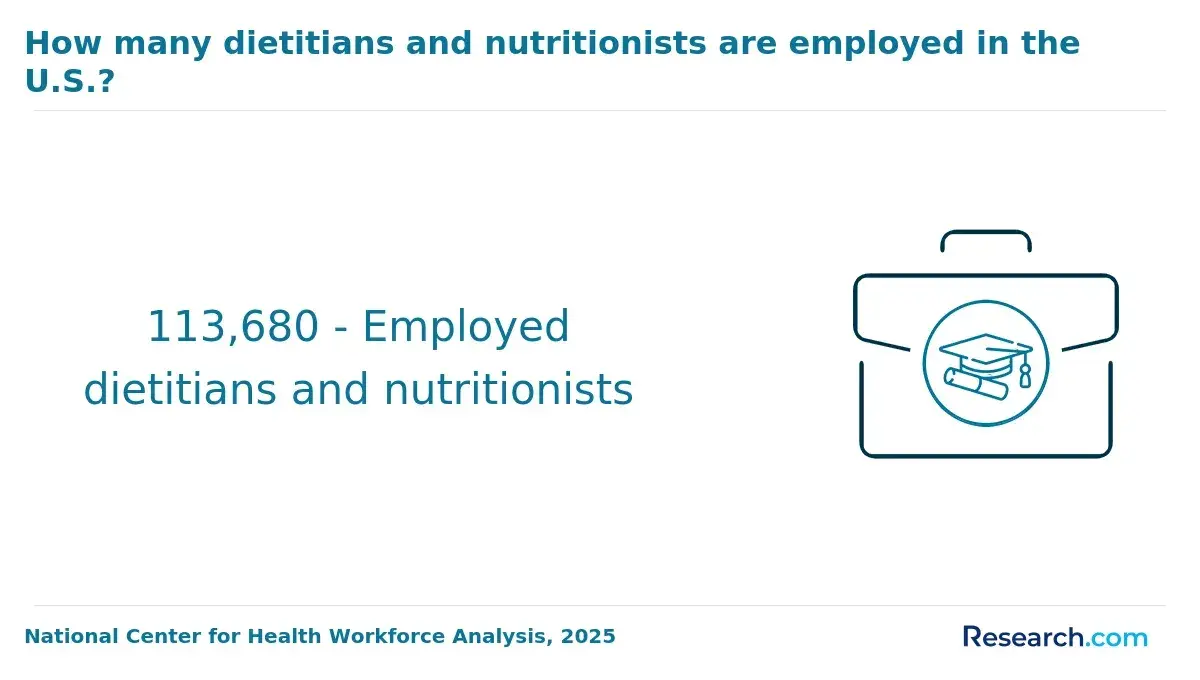
According to the National Center for Health Workforce Analysis, there are around 113,680 dietitians and nutritionists working in the U.S. The number of these jobs is expected to increase by 5.5% through 2034, likely due to growing interest in healthy eating and nutrition for overall well-being.
What are the educational requirements for becoming a nutritionist?
Nutrition education combines life science, food science, behavior change, counseling, research literacy, and applied health practice. The right curriculum should prepare you to understand how nutrients affect the body, how food systems influence health, and how to translate evidence into practical recommendations for individuals or communities.
- Core science courses: These build the foundation for understanding digestion, metabolism, nutrient absorption, disease processes, and food safety.
- Applied nutrition courses: These connect science to practice through nutrition assessment, medical nutrition therapy, public health nutrition, counseling, and food service systems.
- Specialization electives: Electives in sports nutrition, pediatric nutrition, gerontology, psychology, health communication, or policy can help you prepare for a specific career direction.
Core courses most nutrition students should expect
| Course area | What it helps you understand | Why it matters in practice |
| Biology | Cells, genetics, body systems, and living organisms | Nutrition recommendations depend on how the body processes and uses nutrients. |
| Chemistry | Chemical reactions, molecules, and biochemical processes | Metabolism, nutrient absorption, and energy use require chemical literacy. |
| Human anatomy and physiology | Digestive, circulatory, endocrine, and other body systems | Nutrition professionals must connect diet to organ function and disease risk. |
| Microbiology | Microorganisms, foodborne illness, and gut-related health concepts | Food safety and digestion both require an understanding of microbes. |
| Nutrition fundamentals | Macronutrients, micronutrients, dietary patterns, and health outcomes | This is the base for client education, assessment, and meal planning. |
| Food science | Food composition, processing, preservation, and safety | Nutritionists often evaluate not only nutrients but also how food is produced and prepared. |
Specialized coursework that can shape your career
- Clinical nutrition: Applies diet therapy in healthcare settings for conditions such as diabetes, cardiovascular disease, gastrointestinal disorders, and kidney disease.
- Public health nutrition: Focuses on nutrition education, policy, access, prevention, and population-level interventions.
- Sports nutrition: Addresses fueling, recovery, hydration, and performance for athletes and active clients. Students interested in fitness-related leadership may also compare nutrition coursework with topics found in the most affordable online master's in sports management programs.
- Pediatric nutrition: Covers nutrition needs during infancy, childhood, and adolescence.
- Geriatric nutrition: Examines aging-related changes in appetite, metabolism, nutrient absorption, chronic disease, and care planning.
- Nutritional biochemistry: Studies nutrient metabolism at a molecular level, including carbohydrate, fat, and protein pathways.
- Community nutrition: Looks at food access, culture, education, and community-based interventions. Students interested in behavior change may also explore the cheapest online LPC programs as a separate counseling pathway.
- Medical Nutrition Therapy: Uses nutrition interventions as part of disease management and is most commonly associated with credentialed clinical practice.
Completing the right mix of science, applied nutrition, and supervised practice prepares students for the range of industries that employ dietitians and nutritionists in the USA.
Government employment data show that dietitians and nutritionists are strongly represented in hospitals and other healthcare settings, but they also work in special food services and other sectors. This matters because your program should prepare you for the work environment you actually want, not just for general nutrition knowledge.
What are the different specializations in nutrition?
Nutrition is not one single job. It includes clinical care, prevention, education, food systems, sports performance, research, public health, and business. Some students pursue full degrees, while others add certificates or short graduate credentials; students comparing faster graduate options may also review 1 year master's programs online.
| Specialization | Typical work | Credential or training to research |
| Clinical nutrition | Helping patients manage health conditions through nutrition assessment and intervention | Certified Nutrition Specialist (CNS), Board Certified Specialist in Renal Nutrition (CSR), or RDN-related credentials |
| Public health nutrition | Designing programs that improve nutrition at the community or population level | Certified Public Health Nutritionist (CPHN) or Master’s in Public Health (MPH) with a nutrition focus |
| Sports nutrition | Supporting performance, recovery, hydration, and body composition goals | Certified Specialist in Sports Dietetics (CSSD) or International Society of Sports Nutrition (ISSN) Certified Sports Nutritionist |
| Pediatric nutrition | Working with infants, children, adolescents, and families | Board Certified Specialist in Pediatric Nutrition (CSP) or pediatric nutrition continuing education |
| Geriatric nutrition | Addressing nutrition needs related to aging, chronic disease, and care transitions | Board Certified Specialist in Gerontological Nutrition (CSG) |
| Oncology nutrition | Supporting cancer patients through treatment-related nutrition challenges | Board Certified Specialist in Oncology Nutrition (CSO) |
| Eating disorders nutrition | Providing nutrition support as part of a multidisciplinary care team | Certified Eating Disorders Registered Dietitian (CEDRD) and training in eating disorders and mental health |
| Food service management | Managing institutional food programs, safety, menus, staffing, and budgets | Certified Dietary Manager (CDM), ServSafe certification, or graduate food service management study |
| Integrative and functional nutrition | Using individualized nutrition strategies with a holistic or systems-based lens | Certified Integrative and Functional Nutrition Practitioner (CIFN) or Integrative and Functional Nutrition Academy (IFNA) training |
| Renal nutrition | Designing nutrition strategies for patients with kidney disease | Board Certified Specialist in Renal Nutrition (CSR) and kidney disease continuing education |
Sports nutrition can pair well with fitness training. If you plan to work with athletes or active clients, you may also want to understand the pathway to become a certified personal trainer. Geriatric nutrition often involves collaboration with advanced practice clinicians, including graduates of the best AGACNP programs. Eating disorder nutrition also benefits from mental health literacy, and some professionals explore accredited psychology certificate programs online to better understand behavioral and emotional aspects of care.
General continuing education options include the RDN credential, a Master of Science in Nutrition, and Continuing Professional Education credits from organizations such as the Academy of Nutrition and Dietetics. Students comparing shorter credentials may also review online certificate programs that pay well, while those aiming for management roles may consider the cheapest online healthcare management degree programs as a separate administrative pathway.
What are the licensing requirements for nutritionists?
Nutrition licensure is state-specific, so you should not assume that a credential accepted in one state automatically gives you the same legal scope in another. Some states require licensure to provide individualized nutrition counseling, some protect certain titles, and some have fewer formal restrictions. If you plan to work clinically, bill insurance, or advertise medical nutrition services, state rules are especially important.
- Check your state before enrolling. Look for rules on the titles “nutritionist,” “dietitian,” “licensed dietitian,” “licensed nutritionist,” and “registered dietitian nutritionist.”
- Confirm whether the RDN credential is required or preferred. The RDN is nationally recognized and is commonly tied to state licensure requirements.
- Ask programs where graduates become licensed. A strong program should be able to explain whether its curriculum supports licensure or credentialing in the states where students commonly practice.
- Do not rely only on marketing language. Terms such as “certified,” “holistic,” or “professional” may not have the same legal meaning as state licensure.
What is the job and salary outlook for nutritionists?
The labor market for nutrition professionals is supported by interest in preventive care, chronic disease management, healthy aging, food access, employee wellness, and personalized nutrition. However, salary outcomes are not guaranteed. Credentials, location, setting, leadership responsibility, specialization, and business skills all affect earnings.
Job outlook
- Preventive healthcare remains a major driver. Nutrition professionals help individuals and communities reduce risk factors connected with diet-related health conditions.
- Demand is tied to demographics and public awareness. An aging population and growing interest in diet quality support continued need for nutrition expertise.
- Employment projections are positive. According to the U.S. Bureau of Labor Statistics, employment for dietitians and nutritionists is projected to grow 5.5% through 2034, faster than the average for all occupations.
Salary data to know
| Role or source category | Reported pay | How to interpret it |
| Certified Nutritionists, according to ZipRecruiter | Average annual salary of $80,064, with a range typically falling between $58,500 and $94,500 | Useful as a broad market snapshot, but job titles may vary by employer and state. |
| Clinical Nutrition Specialists, according to ZipRecruiter | Average of $69,454 per year, with earnings between $30,000 and $120,500 | The wide range shows why experience, credential, and setting matter. |
| Dietitians and nutritionists, according to BLS reports | Median wage of $73,850, with a range from $48,830 at the 10th percentile to $101,760 at the 90th percentile | BLS figures are useful for occupational benchmarking across the field. |
| Dietitians, or RDNs, according to the Academy of Nutrition and Dietetics | Median salary of $80,400, typically ranging from $60,000 to $124,900 annually | The RDN credential can support access to more formal clinical and healthcare roles. |
| Directors | Average between $75,000 and $96,000 or more per year | Leadership roles may require management skills in addition to nutrition expertise. |
| Other nutrition-related roles | Nutrition Specialists average $60,112 annually; Health Education Specialists typically earn $63,000 per year; Holistic Nutritionists average $54,137 annually | These figures show how title and scope can influence expected pay. |
Use salary data as a planning tool, not a promise. Before choosing a program, compare the cost of attendance with realistic roles you can pursue after graduation, your state’s rules, and whether the credential will qualify you for jobs that require licensure or an RDN.
What are the different career paths for nutritionists?
Nutrition graduates can work in healthcare, fitness, education, food service, public health, research, media, product development, and private practice. The best path depends on your preferred clients, tolerance for regulation, interest in science, communication style, and appetite for business development.
| Career path | Where they work | Best fit for students who want to |
| Clinical nutritionist | Hospitals, outpatient clinics, long-term care, specialty practices | Use nutrition in disease management and patient care. |
| Sports nutritionist | Fitness centers, athletic departments, sports teams, private practice | Help athletes and active clients improve fueling, recovery, and performance. |
| Public health nutritionist | Government agencies, nonprofits, community health programs | Improve nutrition outcomes at the population level. |
| Corporate wellness consultant | Employers, benefits vendors, wellness firms | Design workplace nutrition education and employee health programs. |
| Private practice nutritionist | Independent practice, group practice, telehealth | Build a client base and specialize in areas such as weight management, food allergies, gut health, or wellness. |
| Research nutritionist | Universities, government agencies, private companies | Study nutrition science, dietary patterns, clinical trials, or food-related health outcomes. |
| Food service manager | Schools, hospitals, military facilities, long-term care, institutional dining | Manage menus, budgets, compliance, food safety, and staff. |
| Nutrition educator | Schools, universities, public health agencies, community organizations | Teach nutrition concepts to individuals, groups, or communities. |
| Nutrition writer or media consultant | Publications, brands, digital media, social platforms | Translate nutrition research into clear public-facing content. |
| Nutritional product development specialist | Food companies, supplement brands, consumer health firms | Work with product teams on formulation, labeling, compliance, and consumer education. |
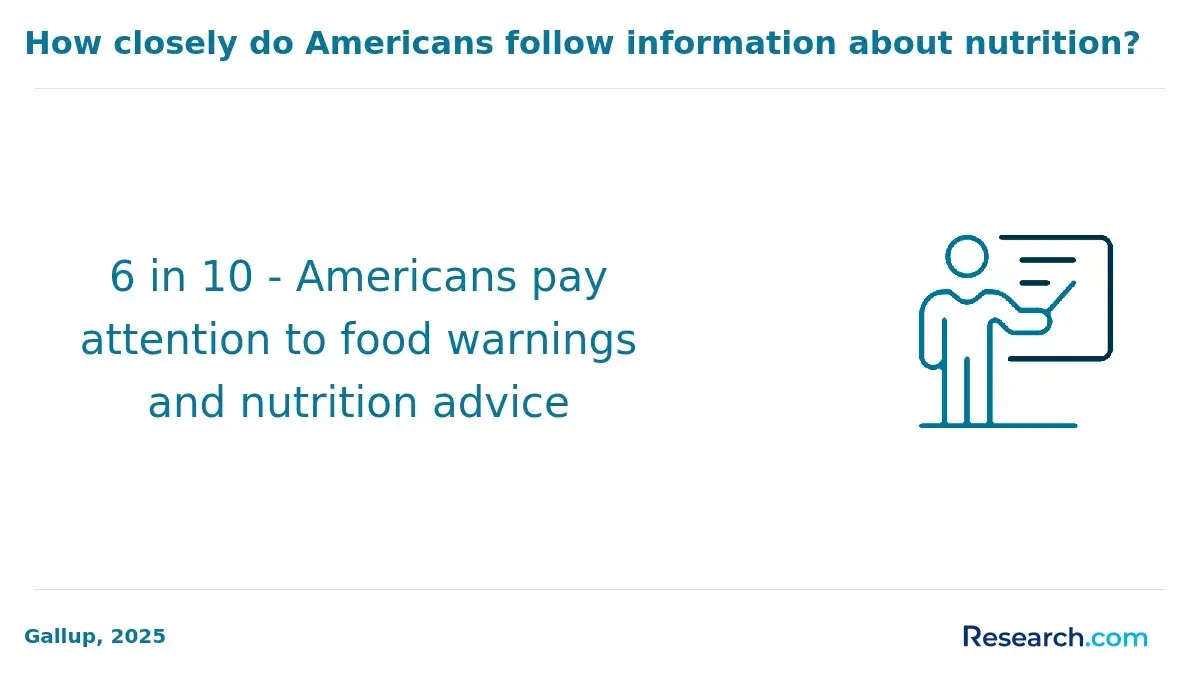
Some nutrition professionals later add healthcare management training to move into operations or leadership. If that interests you, compare nutrition graduate pathways with the cheapest MHA programs online. Public need also remains clear: unhealthy eating patterns continue to influence health behavior, and 6 in 10 people are paying attention to food warnings and professional nutrition advice.
What should I know about certification exams for nutritionists?
Certification exams verify that a candidate has met defined knowledge and competency standards. For students pursuing the RDN credential, the exam administered by the Commission on Dietetic Registration is one of the most important milestones.
RDN exam basics
- Eligibility: Candidates must complete the required education pathway and supervised practice. Candidates must hold a bachelor's degree from a program accredited by the Accreditation Council for Education in Nutrition and Dietetics (ACEND), complete at least 1,000 hours of supervised practice through an ACEND-accredited internship, and meet current credentialing rules.
- Effective 2024: A master’s degree will be required to sit for the exam.
- Format: The RDN exam is computer-based.
- Time: Candidates have 2.5 hours to complete the exam.
- Question count: The exam includes 125-145 multiple-choice questions, including pretest questions that do not count toward the final score.
- Content domains: The exam covers Principles of Dietetics, Nutrition Care for Individuals and Groups, Management of Food and Nutrition Programs and Services, and Food Service Systems.
- Scoring: The exam is scored on a scale of 1 to 50, with 25 as the minimum passing score. Unanswered questions are counted as incorrect.
- Retake policy: Candidates who do not pass can retake the exam after a 45-day waiting period, with no limit on the number of attempts.
- Continuing education: RDNs must complete 75 continuing professional education units (CPEUs) every five years to maintain the credential.
- Exam fee: The fee for the RDN exam is $200 for first-time test takers.
Preparation should include official study materials, practice questions, review of supervised practice competencies, and a realistic exam calendar. Passing the exam can expand eligibility for clinical roles, state licensure, and employer-recognized positions.
What should I know about nutrition internships?
Supervised practice is where students learn to apply nutrition science with real patients, clients, communities, and food service systems. It is also where many students discover which setting fits them best.
- Dietetic internships: These often last 6 to 12 months and include clinical, community, and food service rotations.
- Specialization exposure: Some internships allow focused experience in sports nutrition, pediatrics, public health, renal care, oncology, or food service management.
- Placement matters: Ask whether the program helps secure placements, whether rotations are local or distant, and how online students complete supervised practice.
- Career value: Internships can lead to references, job leads, professional confidence, and a clearer sense of your preferred practice area.
What is the current state of nutrition in the USA?
Nutrition professionals are entering a field shaped by public awareness, chronic disease, food affordability, stress, social media, and unequal access to healthy food. These conditions create opportunities, but they also require professionals who can communicate clearly and avoid oversimplified advice.
- Obesity and diabetes remain major concerns: According to Gallup, the obesity rate dropped to 37%, but the diabetes rate climbed to 13.8%, reaching an all-time-high in 2025.
- Personalized nutrition is gaining attention: More consumers are interested in nutrition plans connected to genetic testing, health history, biomarkers, or specific goals.
- Healthy food access is uneven: Based on Pew Research Center findings, only 31% of Americans found it very easy to find healthy food. This drops to 25% for people living in rural areas.
- Labels influence buying decisions: Around 47% of adults check sugar content when buying food, while 14% look at fat levels.
- Price affects diet quality: Price has become a stronger barrier, with 46% of lower-income Americans saying it has become a lot more challenging to eat healthily because of rising food costs.
- Stress changes eating behavior: According to the International Food Information Council, 51% of Americans reported consuming less healthy food due to stress over the past six months.
- Social media can help and confuse: 54% of Americans were exposed to food-related content on social media, with Gen Z and Millennials being the most influenced.
- Chronic disease prevention remains central: Conditions such as heart disease and type 2 diabetes are strongly connected to nutrition patterns and access issues.
- Food labels are widely read: 75% of consumers look at food labels, but people differ in how they define “healthy.”
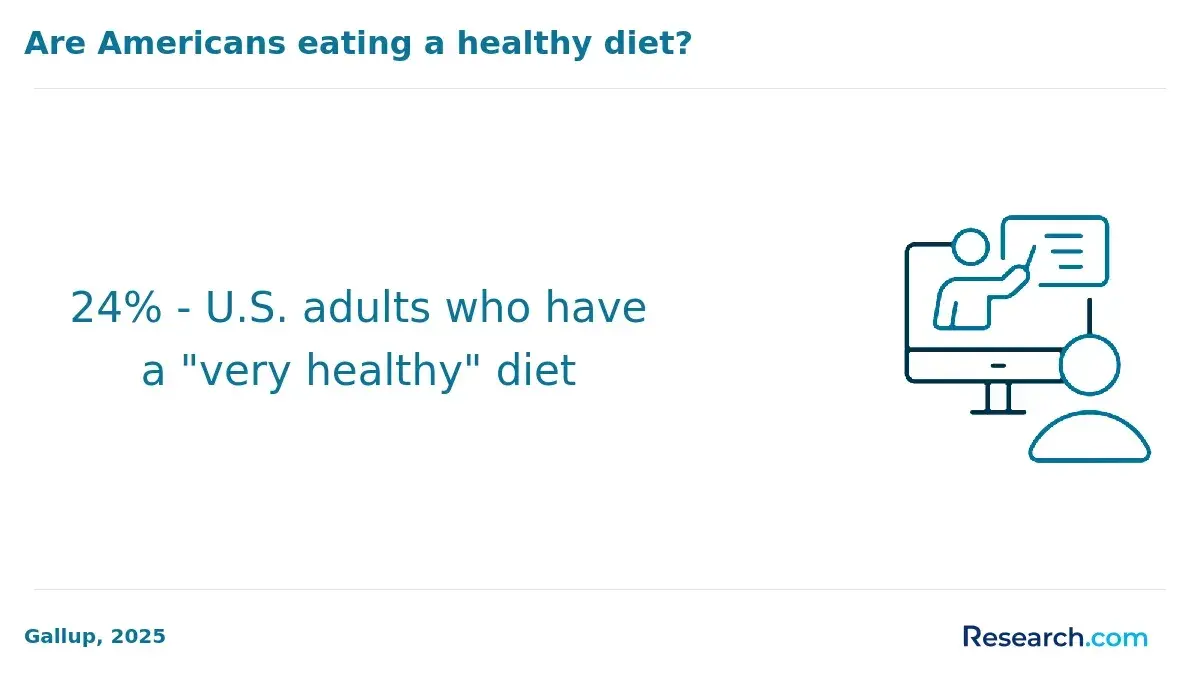
The current nutrition environment calls for professionals who can combine evidence-based guidance with cultural awareness, affordability, practical meal planning, and clear communication.
What are the practical steps to afford graduate education in nutrition?
Graduate nutrition education can be expensive, especially for students completing supervised practice or changing careers. The key is to compare total cost, not just tuition, and to choose a program that aligns with your credential goal. If you are specifically comparing online graduate options, start with affordable nutritionist masters program online choices and verify whether each program supports your intended credential.
- Look for scholarships and assistantships. Nutrition departments, professional associations, and universities may offer targeted awards.
- Use federal aid carefully. Borrow only after calculating realistic post-graduation income for your intended role.
- Ask about employer tuition support. Healthcare systems, universities, and public agencies may help employees fund additional credentials.
- Consider part-time enrollment. A slower schedule may reduce financial pressure if you can keep working.
- Compare online and campus costs. Online programs may reduce relocation or commuting expenses, but fees, internship travel, and technology costs still matter.
- Investigate loan forgiveness options. Some public health or underserved-area roles may qualify under certain state or federal programs.
- Join professional organizations strategically. Membership may provide discounts, networking, continuing education, and access to student funding resources.
What are some common myths and misconceptions about nutritionists?
Misunderstandings about nutrition careers can lead students to choose the wrong program, underestimate state rules, or overpay for credentials that do not support their goals.
| Myth | Reality | What to do instead |
| A short online certificate is enough for any nutrition career. | Recognized clinical and regulated roles often require a degree, supervised practice, and credentialing. | Match the credential to the job and state where you want to work. |
| Nutritionists only help people lose weight. | Nutrition professionals work in chronic disease care, public health, sports performance, food service, pediatrics, aging, research, and education. | Choose electives and supervised practice based on your preferred population. |
| Nutritionists and dietitians always mean the same thing. | RDNs meet nationally recognized education, practice, and exam standards. The title nutritionist is regulated differently by state. | Check state laws and employer requirements before choosing a pathway. |
| You never need a degree to work in nutrition. | Many employers and state boards expect formal education, especially for clinical or individualized nutrition counseling roles. | Verify whether your chosen program supports licensure, graduate study, or certification. |
| Nutritionists can prescribe medications. | Nutritionists may discuss food and supplements within their scope, but prescribing medications requires a separate healthcare license. | Collaborate with physicians, pharmacists, nurse practitioners, and other licensed providers when needed. |
| Hospitals are the only career setting. | Nutrition graduates also work in schools, wellness, corporate programs, sports, private practice, media, research, and the food industry. | Use internships and networking to test different settings early. |
| Good nutrition advice is just common sense. | Professional nutrition work requires science, assessment, counseling, ethics, and knowledge of disease and food systems. | Build strong foundations in biology, chemistry, metabolism, and communication. |
| One nutrition plan works for everyone. | Effective guidance considers age, medical history, culture, budget, preferences, medications, and goals. | Learn assessment and counseling methods, not only meal planning. |
| Continuing education is optional once you graduate. | Credentials and licenses often require ongoing learning, and nutrition research evolves quickly. | Plan for continuing education as a normal professional expense. |
What criteria should I consider when selecting a quality nutrition education program?
A strong nutrition program should do more than list appealing course titles. It should clearly explain accreditation, credential outcomes, supervised practice options, faculty qualifications, student support, cost, and graduate career paths. If you are comparing online bachelor’s options, reviewing a nutrition degree online can help you see how programs balance flexibility with science-based preparation.
| Program factor | Questions to ask | Why it matters |
| Accreditation | Is the program accredited by the relevant body for your career goal? | Accreditation can affect financial aid, transfer, graduate admission, certification, and licensure eligibility. |
| Credential alignment | Does the program lead to RDN eligibility, another credential, or general nutrition education? | Not every nutrition degree qualifies students for regulated practice. |
| Supervised practice | Does the school help secure internships or rotations? | Students may struggle if they must arrange all placements independently. |
| Curriculum depth | Are biology, chemistry, anatomy, metabolism, assessment, counseling, and food systems included? | Employers and credentialing bodies value rigorous preparation. |
| Online support | Are labs, advising, tutoring, and faculty interaction accessible online? | Flexibility is useful only if the learning experience is strong. |
| Career services | Does the program provide internship guidance, resume support, alumni connections, and licensure advising? | Career support can make the transition from school to practice easier. |
What online educational resources are available for aspiring nutritionists?
Online learning can be useful for students who need flexibility, but it should be selected carefully. Aspiring nutritionists can compare online degrees in nutrition, certificate programs, webinars, professional workshops, and continuing education courses. The best option depends on whether you need a full credential pathway, prerequisite coursework, graduate preparation, or targeted skill development.
- Choose degree programs when you need formal academic credit, transfer options, financial aid eligibility, or graduate school preparation.
- Choose certificate programs when you need focused continuing education or a supplemental skill, not when you need a substitute for licensure-eligible education.
- Choose webinars and professional workshops for current topics such as telehealth, counseling strategies, nutrigenomics, food policy, or sports nutrition.
What should I consider when choosing an accredited nutrition education program?
Accreditation should be one of your first filters. It can affect whether your credits transfer, whether you qualify for credentialing exams, whether you can access financial aid, and whether employers recognize your training. Students comparing accredited online options can use Research.com’s guide to accredited nutrition education as a starting point.
- Verify accreditation directly through the accreditor, not only through the school’s website.
- Ask whether the curriculum satisfies the requirements for your intended credential or license.
- Confirm how supervised practice works for online students.
- Review faculty expertise in your intended specialization.
- Compare graduation support, exam preparation, and career advising.
What career advantages does a master’s degree in nutrition offer?
A master’s degree can strengthen your preparation for advanced clinical practice, research, public health leadership, education, program management, and specialized consulting. It may also be necessary for students pursuing the RDN exam under current rules. To compare potential outcomes, review what can you do with a masters in nutrition.
- Clinical credibility: Graduate study can deepen expertise in medical nutrition therapy, metabolism, assessment, and evidence-based care.
- Research preparation: Master’s programs often include methods, statistics, and applied research projects.
- Leadership readiness: Advanced training can support roles in public health, food service, wellness programs, and healthcare management.
- Specialization: Graduate electives can help students focus on sports nutrition, pediatric nutrition, gerontology, oncology, renal nutrition, or policy.
What are the highest-paying certifications and credentials for nutritionists?
Additional credentials can improve credibility and open specialized roles, but they should be chosen strategically. A credential is most valuable when employers recognize it, it fits your state’s rules, and it supports the population you want to serve.
- Certified Nutrition Specialist (CNS): This advanced credential from the Board for Certification of Nutrition Specialists (BCNS) signals clinical nutrition expertise and may support roles in hospitals, clinics, and private practice.
- Certified Dietitian Nutritionist (CDN): Similar in purpose to dietitian credentials in certain settings, the CDN may be relevant for professionals seeking healthcare or leadership roles, depending on state rules.
- Certified Clinical Nutritionist (CCN): This credential may appeal to nutrition professionals interested in chronic conditions, clinical nutrition counseling, or medical nutrition therapy-related work.
Some professionals also add broader healthcare credentials. For example, medical certificate programs that pay well may complement nutrition practice when they build useful skills in health coaching, documentation, administration, or patient support. They should not be treated as replacements for nutrition licensure or RDN preparation.
Exploring short-term healthcare degrees as a foundation for becoming a nutritionist
Short-term healthcare programs can help students enter healthcare sooner, build patient-facing experience, or complete foundational coursework before transferring into nutrition. They are most useful when they connect clearly to a long-term academic plan.
- Associate of Science in Nutrition: Provides introductory training in human nutrition, food science, and diet planning and may support transfer into a bachelor’s program.
- Associate of Science in Health Sciences: Covers general healthcare topics such as anatomy, physiology, and patient care, which can support later nutrition study.
- Medical assistant programs: Offer exposure to clinical communication, patient workflows, and basic health data, which can be useful for future nutrition professionals.
- Associate Degree in Nursing (ADN): Primarily prepares students for nursing, but it also builds knowledge of health promotion, disease prevention, and patient care.
Students who want a shorter healthcare credential before committing to nutrition can compare 2 year healthcare degrees and then confirm transferability into nutrition or dietetics programs.
Can nutritional genomics enhance personalized nutrition strategies?
Nutritional genomics studies how genetic differences may influence individual responses to nutrients and dietary patterns. It is an emerging area, not a shortcut to perfect meal planning. Nutrition professionals who use genetic information need strong research literacy, ethical judgment, and the ability to explain uncertainty clearly. For broader interdisciplinary healthcare training, the best healthcare certificate programs online can help students compare credentials in analytics, integrative care, and related healthcare skills.
How should you evaluate graduate outcomes before enrolling?
Instead of relying on anonymous testimonials, ask schools for verifiable outcomes. Strong programs should be transparent about graduation rates, internship placement support, exam preparation, employment settings, licensure alignment, and alumni career paths. If a program claims strong career results, ask what data supports the claim and whether those outcomes apply to online, part-time, transfer, and career-changing students.
- Ask where recent graduates work and what credentials they earned.
- Request information about supervised practice placement support.
- Find out whether graduates qualify for licensure in your state.
- Ask how the program supports RDN exam preparation, if applicable.
- Compare total cost against realistic salary outcomes in your intended role.
What are the emerging trends influencing nutrition careers?
Nutrition careers are being reshaped by telehealth, digital food tracking, wearable health data, personalized nutrition, nutrigenomics, online education, and consumer exposure to conflicting nutrition claims on social media. Professionals who can interpret evidence, communicate clearly online, and use digital tools responsibly will be better prepared for modern practice. Students who want flexible continuing education can compare online nutrition courses that address current practice topics.
- Telehealth: Virtual counseling can expand access but requires strong communication, privacy awareness, and clear documentation.
- AI and digital tools: Apps and AI-assisted tools can support tracking and education, but they do not replace clinical judgment or individualized assessment.
- Personalization: Clients increasingly expect advice tailored to their goals, health history, budget, culture, and preferences.
- Food access and affordability: Practical nutrition guidance must account for cost, transportation, time, and local food availability.
How can interdisciplinary certifications enhance my nutrition career?
Interdisciplinary credentials can be useful when they solve a specific professional problem. They may help you understand healthcare documentation, billing workflows, data systems, patient support, business operations, or related clinical topics. For example, online medical coding courses can help private practice nutrition professionals understand documentation and reimbursement language, although they do not replace nutrition credentials.
How can business and administrative skills advance my nutrition practice?
Private practice and consulting require more than nutrition knowledge. You need scheduling systems, documentation processes, billing awareness, client communication, marketing discipline, privacy practices, and financial planning. Training through the best school for medical billing and coding may be useful for professionals who need stronger administrative and insurance-related knowledge.
| Business skill | Why it matters | Common mistake |
| Billing and documentation | Supports cleaner records and better reimbursement processes where applicable | Assuming nutrition expertise alone is enough to run the back office |
| Scheduling and client systems | Improves client experience and reduces administrative friction | Using disconnected tools without a workflow |
| Marketing and communication | Helps clients understand your specialty and evidence-based approach | Making broad health claims without careful language |
| Financial planning | Helps keep a practice sustainable | Setting prices without calculating expenses and time |
How can mentorship and networking elevate my nutrition career?
Mentorship can help you avoid common mistakes, understand local licensure expectations, find internships, choose credentials, and identify realistic job paths. Networking through professional associations, conferences, webinars, alumni groups, and supervised practice sites can also lead to referrals and job opportunities. Career changers who want clinical exposure before committing to a full nutrition pathway may compare the cheapest medical assistant program online options, while remembering that medical assisting and nutrition practice are separate career tracks.
Can complementary healthcare certifications benefit my nutrition practice?
Complementary healthcare training can improve communication with clinical teams and help nutrition professionals understand patient workflows. For example, fast online medical assistant programs may provide exposure to basic clinical operations. This type of training is best viewed as supplemental; it does not replace a nutrition degree, supervised practice, or licensure where required.
Can integrating pharmacy expertise elevate my nutrition outcomes?
Medication-nutrient interactions are important in clinical nutrition, especially for clients managing chronic conditions or complex medication schedules. Nutrition professionals do not need to become pharmacists to collaborate effectively, but pharmacy literacy can improve referrals, client education, and safety awareness. Those interested in advanced pharmacy education can compare the best online doctorate in pharmacy programs.
How can digital health information management boost my nutrition practice?
Digital records, client tracking tools, and data systems can make nutrition care more organized and measurable. Skills in health information management may help professionals improve documentation, protect client information, analyze trends, and coordinate with other providers. Students interested in this area can review a health information management bachelor degree online as a broader healthcare technology pathway.
Can enhanced administrative training optimize my nutrition practice?
Administrative training is especially useful for nutrition professionals who want to supervise teams, run clinics, manage budgets, or scale a private practice. An accelerated healthcare admin degree online may help students build management skills that complement, but do not replace, nutrition expertise.
Can a healthcare degree online expand my nutrition expertise?
A broader healthcare degree can help nutrition professionals understand care systems, patient pathways, healthcare policy, and interdisciplinary practice. If you are deciding whether to add a second credential, compare the purpose and cost of a healthcare degree online with your actual career goal.
Can advanced biochemistry studies strengthen my nutrition practice?
Biochemistry is central to metabolism, nutrient interactions, cellular function, and disease-related nutrition planning. Students who want deeper molecular preparation can explore an affordable online biochemistry degree, particularly if they are interested in research, graduate study, nutrigenomics, or advanced clinical nutrition.
Can a solid biology foundation advance my nutrition practice?
Biology helps nutrition professionals understand how body systems function, how disease develops, and how nutrients affect cells and tissues. Students who need stronger life science preparation may compare an affordable online biology degree before or alongside advanced nutrition study.
Can mastering healthcare billing and coding optimize my nutrition practice?
Billing and coding knowledge can help private practice nutrition professionals understand documentation, claims workflows, and administrative compliance. It is particularly relevant for practices that interact with insurance systems. If this is a priority, compare accredited medical billing and coding schools online and focus on programs that teach practical documentation and reimbursement processes.
Can integrating pharmaceutical and digital practice insights boost my nutrition practice?
Nutrition professionals can improve client care by understanding medication-nutrient interactions, referral boundaries, and digital communication strategies. Pharmacy knowledge supports safer conversations about food, supplements, and medications, while digital marketing and telehealth skills can help ethical practitioners reach appropriate clients. Students interested in pharmacy-related study can compare an online pharmacy program, while those seeking broader digital and healthcare credentials can also review the best healthcare certificate programs online.
Questions to ask before committing to a nutrition program
- Does this program qualify me for the credential I actually want?
- Will it meet licensure or certification rules in the state where I plan to practice?
- Is supervised practice included, arranged, or left entirely to students?
- What is the total cost, including fees, books, travel, technology, exams, and unpaid internship time?
- What percentage of graduates pursue clinical, public health, wellness, food service, research, or private practice roles?
- How does the program support online students, working adults, transfer students, and career changers?
- Are faculty members active in the areas I want to specialize in?
- Does the school publish clear credential, exam, placement, or employment outcome information?
References
- Academy of Nutrition and Dietetics. Becoming a Registered Dietitian Nutritionist (RDN). https://www.eatrightpro.org
- Accreditation Council for Education in Nutrition and Dietetics. Program Enrollment Trends 2000-2024. ACEND Data. https://www.eatrightpro.org/-/media/files/eatrightpro/acend/about-acend/acend-data/program-enrollment-trends.pdf
- Evans, M. C. U.S. adults rate their diet as healthy, worry about food safety. Gallup. https://news.gallup.com/poll/693497/adults-rate-diet-healthy-worry-food-safety.aspx
- International Food Information Council. 2024 Food and Health Survey. https://ific.org/wp-content/uploads/2025/07/2024-IFIC-Food-Health-Survey.pdf
- Kikuchi, E., Pula, I., Tyson, A., & Yam, E. Americans on healthy food and eating. Pew Research Center. https://www.pewresearch.org/science/2025/05/07/americans-on-healthy-food-and-eating
- Rabbitt, M. P., Reed-Jones, M., Hales, L. J., Suttles, S., & Burke, M. P. Household Food Security in the United States in 2024. United States Department of Agriculture, Economic Research Service. https://www.ers.usda.gov/publications/pub-details?pubid=113622
- U.S. Bureau of Labor Statistics. Occupational Employment and Wage Statistics. https://data.bls.gov/oes/#/industry/000000
- U.S. Bureau of Labor Statistics. Occupational projections and worker characteristics. https://www.bls.gov/emp/tables/occupational-projections-and-characteristics.htm
- Witters, D., & James, M. P. Obesity rate declining in U.S. Gallup. https://news.gallup.com/poll/696599/obesity-rate-declining.aspx
- ZipRecruiter. Clinical Nutrition Specialist Salary. https://www.ziprecruiter.com/Salaries/Clinical-Nutrition-Specialist-Salary
- ZipRecruiter. Registered Dietitian Salary. https://www.ziprecruiter.com/Salaries/Registered-Dietitian-Salary
Key Insights
- The safest career-planning approach is to choose your target role first, then work backward to the required degree, supervised practice, exam, and state licensure rules.
- The RDN pathway is the most recognized route for clinical nutrition practice, and current rules require careful attention to ACEND accreditation, supervised practice, and graduate education requirements.
- Nutrition careers are broader than weight loss coaching. Clinical care, public health, sports nutrition, food service, research, education, media, product development, and private practice all require different preparation.
- Salary potential varies widely. BLS reports a median wage of $73,850 for dietitians and nutritionists, while other sources report different averages by title and specialization.
- Program choice matters. Before enrolling, verify accreditation, internship support, licensure alignment, total cost, online student support, and graduate outcomes.
- Nutrition demand is tied to real public health challenges: diabetes, food affordability, stress-related eating, rural food access, and consumer confusion about food information.
- Supplemental credentials in administration, billing, digital health, pharmacy literacy, psychology, or healthcare management can strengthen a practice, but they should not be mistaken for nutrition licensure or RDN preparation.
- The best nutrition professionals combine evidence-based science with practical counseling, cultural awareness, affordability, ethical communication, and lifelong learning.
Other Things You Should Know About Becoming a Nutritionist
To become a nutritionist in 2027, typically a bachelor's degree in dietetics, nutrition, or a related field is required. Many states also mandate licensure or certification, which might include exams. Advanced degrees and specializations may enhance career prospects.
In 2027, nutritionists can pursue the Certified Nutrition Specialist (CNS) or the Registered Dietitian Nutritionist (RDN) certifications. The CNS requires a master's degree and passing a certification exam, while the RDN involves completing an accredited dietetic program and internship, followed by a national exam.
To become a nutritionist in 2027, you typically need a bachelor's degree in dietetics, nutrition, or a related field. Many states require certification or licensure, which often involves passing an exam post-graduation. It is crucial to check specific state requirements for the most accurate information.