2027 How to Become a Nutritionist in Rhode Island

Co-Founder and Chief Data Scientist
Becoming a nutritionist in Rhode Island requires more than an interest in healthy eating. The decision you need to make first is what kind of nutrition work you want to do: general wellness education, private coaching, clinical nutrition, medical nutrition therapy, public health nutrition, or the licensed dietitian/nutritionist route. Each path has different education, supervised practice, certification, and legal considerations.
This guide explains the practical steps to become a nutrition professional in Rhode Island, including degree options, licensure rules, certification choices, timeline, costs, career paths, salary expectations, and common mistakes to avoid. It is designed for students comparing nutrition programs, career changers entering health and wellness, and professionals deciding whether advanced credentials are worth the investment.
Quick answer: How do you become a nutritionist in Rhode Island?
In Rhode Island, the safest route for anyone who wants to provide individualized nutrition counseling or medical nutrition therapy is to pursue the licensed dietitian/nutritionist pathway. That usually means completing an accredited nutrition or dietetics degree, meeting supervised practice expectations, passing the required national credentialing exam, and applying through the Rhode Island Department of Health. People who provide only general wellness or food education may have more flexibility, but they must avoid practicing outside the legal scope reserved for licensed professionals.
| Decision point | What it means in Rhode Island | Why it matters |
| General nutrition education | May involve broad wellness, food literacy, meal planning education, or community health support. | This path can be more flexible, but it should not cross into medical nutrition therapy unless the practitioner is properly licensed. |
| Licensed dietitian/nutritionist practice | Requires meeting state licensing expectations and professional credentialing standards. | This is the stronger route for clinical roles, hospital work, individualized dietary care, and regulated practice. |
| Voluntary certification | Credentials from organizations such as the National Association of Nutrition Professionals (NANP) or the American Nutrition Association (ANA) may improve credibility. | Certification can help with trust and specialization, but it does not replace state licensure where licensure is required. |
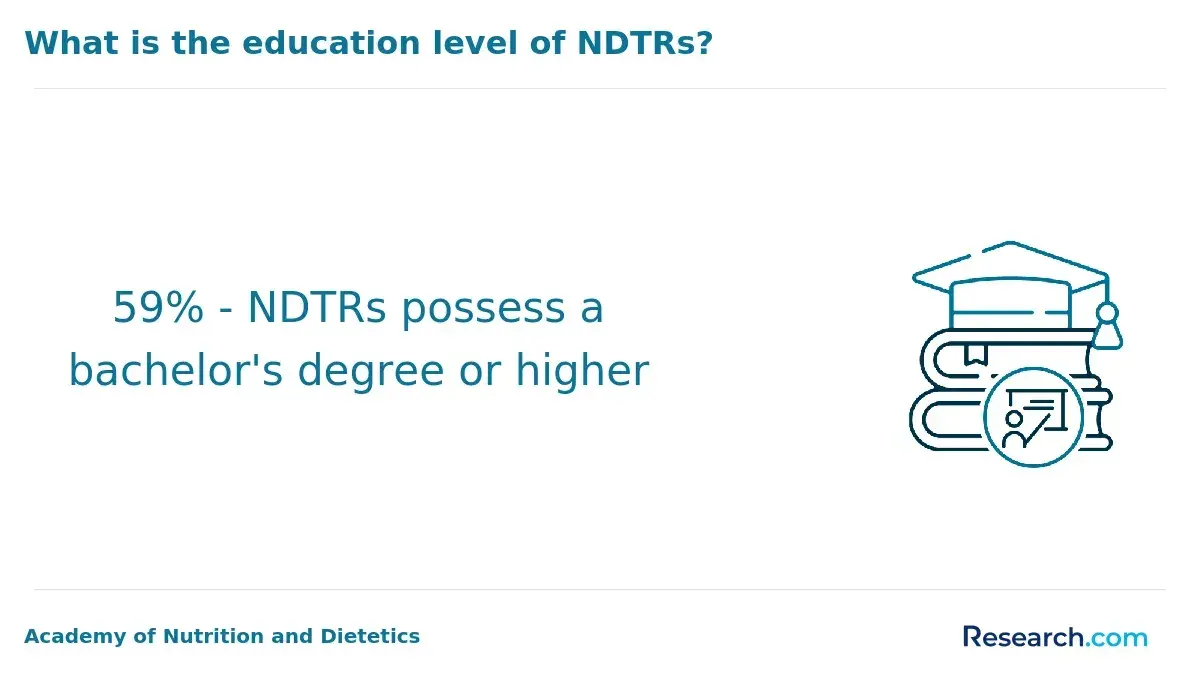
| Degree choice | A bachelor’s degree in nutrition, dietetics, or a related field is commonly recommended; a master’s degree may be required for some licensure routes as of January 2024. | Your degree should align with your intended career setting, especially if you plan to become an RDN or LDN. |
Key Things You Should Know About Becoming a Nutritionist in Rhode Island
- Rhode Island distinguishes between general nutrition guidance and regulated dietetics/nutrition practice, especially when medical nutrition therapy or protected professional titles are involved.
- The Rhode Island Department of Health oversees dietitian/nutritionist licensing, so students should review state requirements before choosing a program.
- Voluntary credentials from groups such as the National Association of Nutrition Professionals (NANP) or the American Nutrition Association (ANA) can strengthen professional credibility, particularly for wellness-focused roles.
- A bachelor’s degree in nutrition or a related field is a common starting point, but students pursuing licensure should pay close attention to accreditation, supervised practice, and graduate education expectations.
- Certification pathways may require an exam, continuing education, and documented experience, even when state licensure is not the immediate goal.
- What education do you need to become a nutritionist in Rhode Island?
- Do nutritionists need a license in Rhode Island?
- How long does it take to become a nutritionist in Rhode Island?
- Which nutrition certifications are useful in Rhode Island?
- What hands-on experience should aspiring nutritionists get?
- How much does it cost to become a nutritionist in Rhode Island?
- What are the salary and job outlook expectations?
- How can nutritionists advance their careers?
- Can nutritionists benefit from interdisciplinary training in substance abuse counseling?
- What nutrition specializations are available?
- How can nursing requirements support interdisciplinary collaboration?
- How does evidence-based research influence nutrition practice?
- How can nutritionists work with nurses to improve care?
- How can nutritionists move into healthcare leadership?
- How can nutritionists use networking and professional development?
- What challenges do nutritionists face in Rhode Island?
- What legal responsibilities apply to Rhode Island nutritionists?
- How can nutritionists keep up with regulatory changes?
- How is technology changing nutrition practice?
- How can billing knowledge improve a nutrition practice?
- How can nutritionists collaborate with pharmacists?
- How can nutritionists partner with nurse practitioners? Related topics: pharmacist collaboration, billing skills, technology in practice, legal duties
What education do you need to become a nutritionist in Rhode Island?
Your education plan should match the type of nutrition services you want to provide. A person interested in broad wellness coaching may choose a different route than someone who wants to work in a hospital, provide individualized therapeutic nutrition care, or qualify as a licensed dietitian/nutritionist.
| Education option | Typical use | Best for | Important caution |
| Associate degree | Introductory coursework in nutrition, health, and food systems. | Students exploring the field or seeking support roles. | Usually not enough for licensed dietitian/nutritionist practice. |
| Bachelor’s degree | Core preparation in nutrition science, dietetics, food science, public health, and human biology. | Students preparing for entry-level nutrition roles, graduate study, or credentialing pathways. | Licensure-oriented students should confirm program accreditation and supervised practice options. |
| Master’s degree | Advanced study in clinical nutrition, public health nutrition, research, counseling, or specialized practice. | Students pursuing advanced credentials, leadership roles, or licensure routes affected by January 2024 requirements. | Not all master’s programs are structured for dietetics licensure, so verify outcomes before enrolling. |
| Accredited dietetics pathway | Education aligned with Accreditation Council for Education in Nutrition and Dietetics (ACEND) standards. | Students who want to become Registered Dietitian Nutritionists or licensed dietitian/nutritionists. | Accreditation matters because state licensure and national credentialing often depend on it. |
- Bachelor’s degree: A bachelor’s program in nutrition, dietetics, nutritional science, food science, or a closely related field is the usual academic foundation. Students comparing remote study options can review online bachelor’s degrees in nutritional science to understand what accredited online programs may offer.
- Master’s degree: As of January 2024, aspiring professionals pursuing certain licensure and credentialing routes may need a master’s degree. This is especially important for students planning to become an RDN or LDN rather than working only in general wellness education.
- Accredited programs: Students should prioritize programs accredited by the Accreditation Council for Education in Nutrition and Dietetics (ACEND) when their goal is dietetics licensure or national credentialing. Rhode Island students often consider local options such as the University of Rhode Island when evaluating undergraduate and graduate nutrition pathways.
- Core coursework: Common subjects include biochemistry, food science, human physiology, community nutrition, nutrition counseling, research methods, public health, and clinical nutrition principles.
Before enrolling, ask whether the program prepares students for supervised practice, national exams, state licensure, and the specific career setting you want. A nutrition degree can be useful, but the wrong program can delay licensure or force you to complete additional coursework later.
- Students considering flexible or remote options should compare curriculum, accreditation, clinical requirements, and transfer policies before choosing an online nutrition program.
Do nutritionists need a license in Rhode Island?
Rhode Island’s rules require careful attention because not every nutrition-related activity is treated the same way. General nutrition education is different from medical nutrition therapy, individualized treatment planning, or using protected professional titles. The Rhode Island Department of Health oversees licensing for dietitians/nutritionists, and students who want clinical or individualized practice should plan around those requirements from the beginning.
The practical rule is this: if you want to work as a licensed dietitian/nutritionist, use protected titles, provide personalized nutrition counseling in regulated settings, or deliver medical nutrition therapy, you should expect to meet formal licensing standards. If you only provide general wellness information, cooking education, or non-medical nutrition guidance, your legal obligations may differ, but you still need to avoid implying qualifications you do not hold.
Rhode Island has a population of approximately 1.1 million, and healthcare employers, community programs, schools, and wellness organizations all create potential demand for nutrition expertise. One cited labor-market projection from the Bureau of Labor Statistics indicates that employment of dietitians and nutritionists is projected to grow by 6% from 2024 to 2034, reflecting continued interest in nutrition’s role in prevention, chronic disease management, and public health.
| Question to ask | Why it matters |
| Will I provide medical nutrition therapy? | If yes, you should assume licensure and advanced credentialing are central to your path. |
| Will I use the title dietitian, nutritionist, RDN, or LDN? | Protected titles and professional designations can carry legal requirements. |
| Will I work in hospitals, clinics, long-term care, or insurance-reimbursed settings? | Clinical employers often require state licensure and recognized credentials. |
| Will I offer only general wellness education? | You may have more flexibility, but you still need clear disclaimers and ethical boundaries. |
How long does it take to become a nutritionist in Rhode Island?
The timeline depends on whether you are preparing for general nutrition work or the licensed dietitian/nutritionist route. A short support-role pathway may take about two years, while a full credentialed clinical pathway can take six years or more when graduate study and supervised practice are included.
| Path | Approximate time | What happens during this stage |
| Associate degree | Two years | Students learn basic nutrition, health, and food principles and may qualify for entry-level support roles. |
| Bachelor’s degree | Four years | Students study nutrition science, biochemistry, food systems, counseling, and community nutrition. |
| Master’s degree | Additional two years after a bachelor’s degree | Graduate students build advanced clinical, research, public health, or specialty knowledge. |
| Accelerated 4+1 program | Five years | Students complete both a bachelor’s and master’s degree in a compressed format. |
| Supervised practice | Six months to a year | Around 1,000 hours of supervised practice provide applied training in real-world nutrition settings. |
If cost and flexibility are major concerns, compare tuition, clinical placement support, accreditation, and completion time across programs. Students looking for lower-cost pathways may want to review affordable online nutrition and dietetics degree options, while still confirming that any program they choose supports their Rhode Island career goals.
Which nutrition certifications are useful in Rhode Island?
Certification can help signal competence, but it is not the same as state licensure. The best credential depends on your intended scope of practice. A hospital-based clinical role usually requires a different credentialing path than a private wellness coaching business.
| Credential or pathway | Typical requirements mentioned | Best fit | Key limitation |
| Registered Dietitian Nutritionist (RDN) | Bachelor’s-level preparation, supervised practice, and a national examination, with evolving graduate education expectations. | Clinical nutrition, hospitals, long-term care, public health, and regulated dietetics roles. | Requires a structured pathway and is more demanding than general nutrition training. |
| Licensed Dietitian Nutritionist (LDN) | State licensure through Rhode Island’s regulatory process. | Professionals who need legal authority to provide regulated nutrition services in the state. | Applicants must meet state standards and maintain compliance. |
| Certified Nutrition Specialist (CNS) | Master’s degree and a specialized exam. | Advanced nutrition practice, integrative nutrition, and specialized counseling contexts. | Students should verify how the credential interacts with Rhode Island scope-of-practice rules. |
| NANP or ANA credentials | May involve education, exams, experience, and continuing education. | Wellness, holistic nutrition, coaching, or credibility building. | These credentials may not authorize medical nutrition therapy where licensure is required. |
Use certification strategically. If your goal is clinical practice, prioritize the credential and licensure route employers recognize. If your goal is wellness education, certification can still improve client trust, but you should clearly define what you can and cannot legally provide.
What hands-on experience should aspiring nutritionists get?
Practical experience is where nutrition students learn how to translate science into realistic advice. In Rhode Island, the strongest candidates usually combine classroom learning with supervised practice, community engagement, clinical exposure, and food-system experience.
Community health experience
Community programs help future nutritionists understand food access, culture, budget constraints, health literacy, and chronic disease prevention. Programs connected to public health initiatives can expose students to nutrition education, outreach, and population-level interventions.
Culinary and food-service experience
Rhode Island’s food culture makes culinary experience especially useful. Working with chefs, food-service teams, schools, or culinary educators can help nutritionists create advice that people can actually follow. Institutions such as Johnson & Wales University are often associated with culinary training, which can complement nutrition education.
Clinical experience
Students who want hospital, clinic, or medical nutrition therapy roles should seek supervised clinical exposure. Healthcare organizations such as Lifespan and Care New England may offer settings where nutrition professionals work alongside nurses, physicians, pharmacists, and other care team members.
The chart below illustrates the distribution of dietitians and nutritionists across various sectors, providing insight into the industries that employ the largest share of professionals in this field:
How much does it cost to become a nutritionist in Rhode Island?
The total cost depends on your school, residency status, degree level, supervised practice requirements, exam preparation, and licensing or certification fees. Students should calculate the full cost of the pathway, not just tuition.
| Cost category | Amount stated | What to consider |
| State application fee | $75 non-refundable application fee to the Rhode Island Board of Dietetics Practice | Licensure candidates should budget for state processing costs and possible renewal expenses. |
| Undergraduate tuition | $15,000 to $30,000 annually for in-state students at institutions like the University of Rhode Island | Out-of-state students may pay more, and tuition varies by institution and program. |
| Graduate tuition | Can exceed $20,000 each year for some master’s programs | Graduate study may be necessary for advanced credentials or licensure-oriented pathways. |
| Administrative fees | $50 transcript fee and $115 document fee during the first term | Small fees add up, especially when applying to multiple programs or credentialing bodies. |
| Supervised practice or internship | Varies | Students may need to cover commuting, housing, unpaid placement time, background checks, or health documentation. |
How to reduce the cost
- Choose an accredited program the first time so you do not pay later for missing prerequisites.
- Ask whether transfer credits, prior coursework, or 4+1 pathways can shorten your timeline.
- Compare total program cost, not only advertised tuition.
- Check whether supervised practice placements are arranged by the school or left to the student.
- Ask about scholarships, assistantships, employer tuition support, and part-time enrollment options.
What are the salary and job outlook expectations?
Nutrition careers in Rhode Island can lead to roles in healthcare, schools, wellness centers, public health programs, food companies, research, and private practice. Earnings vary by credential, employer, experience, specialty, and whether the role is clinical, community-based, administrative, or entrepreneurial.
The article’s cited salary figures include an average salary of around $66,000 annually for nutritionists in Rhode Island and approximately $74,080 for dietitians and nutritionists. These figures should be treated as planning benchmarks rather than guarantees, because individual compensation depends on credentials, setting, and responsibilities.
Job-growth figures should also be checked against current labor-market data when you apply. One cited source references 6% growth from 2024 to 2034 for dietitians and nutritionists, while another Rhode Island-focused career summary cites approximately 11% over the next decade. The broader takeaway is that nutrition remains relevant because of chronic disease prevention, aging populations, public health initiatives, and growing interest in food as part of healthcare.
- Healthcare demand: Hospitals, clinics, and long-term care settings need nutrition professionals who can support treatment plans and patient education.
- Public health roles: Programs addressing food access, maternal and child health, diabetes prevention, and community wellness create opportunities outside hospitals.
- School and youth programs: Nutrition education and childhood health initiatives can support demand for professionals with pediatric or community nutrition skills.
- Related wellness fields: Some students also compare nutrition with exercise science career paths when choosing a broader health and wellness direction.
How can nutritionists advance their careers?
Career growth usually comes from combining credentials, specialization, leadership experience, and interdisciplinary collaboration. In Rhode Island, advancement may mean moving from entry-level education work into clinical practice, public health leadership, private practice, research, or food-industry roles.
- Clinical nutrition: Hospitals and pediatric care settings, including Rhode Island Hospital and Hasbro Children’s Hospital, may need nutrition professionals with strong clinical training and licensure.
- Public health programs: WIC, SNAP-Ed, and community health initiatives allow nutritionists to work on prevention, food access, and education for at-risk populations.
- Private practice: Experienced professionals may build client-based services, but they must understand scope-of-practice rules, insurance issues, documentation, and referrals.
- Food industry roles: Rhode Island’s food sector, including companies such as Ocean Spray, may create opportunities in nutrition education, labeling support, product development, and consumer communication.
- Academic and research pathways: Advanced degrees can support teaching, research, and collaboration with institutions such as Brown University.
Students who want more advanced clinical preparation can compare graduate options, including master’s programs in dietetics, before committing to a specialty.
Can nutritionists benefit from interdisciplinary training in substance abuse counseling?
Yes. Nutrition and behavioral health often overlap, especially when clients are managing addiction recovery, disordered eating patterns, medication effects, unstable housing, or chronic disease. Training in substance abuse counseling can help nutritionists communicate more effectively, recognize referral needs, and design nutrition support that fits a recovery plan. Nutrition professionals who want to understand this complementary field can review Research.com’s guide on how to become a substance abuse counselor in Rhode Island.
What nutrition specializations are available in Rhode Island?
Specialization can help a nutrition professional stand out, but it should be chosen based on demand, credential requirements, and personal strengths. The strongest specialty is one that matches both community need and your legal scope of practice.
| Specialization | What the work may involve | Who should consider it |
| Pediatric nutrition | Supporting children, families, schools, and youth health programs. | Professionals interested in childhood obesity prevention, school nutrition, and family education. Rhode Island has seen a 10% increase in childhood obesity rates, making this area especially important. |
| Sports nutrition | Helping athletes optimize fueling, recovery, hydration, and performance. | Nutritionists who enjoy athletics and want to work with high school, collegiate, or recreational athletes. |
| Geriatric nutrition | Addressing nutrition concerns tied to aging, chronic disease, medication use, appetite changes, and long-term care. | Professionals interested in older-adult health and Rhode Island’s aging population. |
| Culinary nutrition | Combining cooking skills with evidence-informed nutrition education. | Practitioners who want to make healthy eating practical, affordable, and culturally relevant. |
A local pediatric nutrition initiative in Providence, for example, could combine school partnerships, interactive cooking classes, and family education to help children build healthier habits. The original example cited a 15% reduction in obesity in participating schools, which illustrates the potential effect of well-designed community programming when outcomes are measured carefully.
Students interested in specialization should ask programs whether they offer electives, internships, research opportunities, or faculty expertise in their chosen area. The University of Rhode Island’s Nutrition and Dietetics offerings may be one option to compare when evaluating local pathways.
How can nursing requirements support interdisciplinary collaboration?
Nutritionists who understand nursing education and practice standards can collaborate more effectively in clinical settings. Nurses often monitor patient status, medication adherence, intake patterns, discharge needs, and changes in symptoms. When nutrition professionals understand those workflows, they can time recommendations better, document more clearly, and align dietary plans with broader care goals. Reviewing board of nursing program requirements in Rhode Island can help nutritionists understand how nursing roles are structured and where collaboration is most productive.
How does evidence-based research influence nutrition practice?
Nutrition advice should be grounded in credible evidence, not trends, anecdotes, or one-size-fits-all meal rules. Evidence-based practice helps nutritionists evaluate clinical studies, interpret population health data, personalize recommendations, and adjust care plans when new research emerges. This is especially important in chronic disease prevention, diabetes care, cardiovascular health, maternal and child health, and community nutrition.
Professionals who want a broader overview of education, credentialing, and practice expectations can compare Rhode Island-specific information with Research.com’s general guide on becoming a nutritionist.
How can nutritionists work with nurses to improve care?
Nutritionists and nurses often see different pieces of the same patient story. Nurses may notice appetite changes, swallowing issues, gastrointestinal symptoms, medication side effects, or barriers to following a diet. Nutritionists can translate those observations into practical nutrition strategies, meal modifications, and patient education. Strong collaboration may include shared care conferences, referral protocols, discharge planning, and follow-up communication.
Nutrition students who want to understand nursing responsibilities more deeply can review how to become a nurse in Rhode Island to see how nursing education and clinical preparation shape team-based care.
How can nutritionists move into healthcare leadership?
Leadership roles require more than technical nutrition knowledge. Nutritionists who want to influence healthcare innovation need skills in program design, data interpretation, budgeting, policy advocacy, supervision, and cross-disciplinary communication. Leadership may involve managing community nutrition programs, mentoring interns, directing wellness initiatives, shaping food policy, or improving care coordination.
Professionals can learn from other structured career pathways as well. For example, reviewing forensic scientist education requirements in Rhode Island can show how rigorous training models, documentation standards, and professional development expectations apply across regulated or evidence-driven fields.
How can nutritionists use networking and professional development?
Networking is not just about finding jobs. For nutrition professionals, it can lead to clinical referrals, research partnerships, mentorship, community projects, continuing education, and interdisciplinary collaboration. Rhode Island practitioners can benefit from nutrition associations, healthcare seminars, university events, public health meetings, and employer-sponsored training.
Nutritionists who frequently collaborate with advanced practice providers may also benefit from learning how nurse practitioner roles are structured. Research.com’s guide on how to become a nurse practitioner in Rhode Island can help nutrition professionals understand this related healthcare pathway.
What challenges do nutritionists face in Rhode Island?
The biggest challenges include food access barriers, scope-of-practice confusion, regulatory compliance, reimbursement complexity, and the difficulty of turning nutrition knowledge into sustainable behavior change.
Food access and resource limitations
Rhode Island has strong local food assets, but not every community has equal access to affordable fresh food. The Rhode Island Department of Health has reported that approximately 10% of residents live in areas classified as food deserts. This makes nutrition counseling more complex because advice must account for transportation, cost, time, cooking equipment, and neighborhood food options.
Licensing and scope-of-practice confusion
Students and career changers often underestimate how important legal scope is. A credential that supports wellness coaching may not authorize medical nutrition therapy. A program that teaches nutrition may not qualify a graduate for licensure. Misunderstanding this difference can create career delays and legal risk.
Limited influence on public health policy
Nutritionists may have direct knowledge of community needs but still face barriers when trying to influence funding, food policy, school programming, or public health planning. Initiatives such as “Healthy Rhode Island” can create openings for collaboration, but nutrition professionals often need advocacy and leadership skills to participate effectively.
Implementation barriers
Even strong nutrition programs can face delays because of funding gaps, administrative approvals, staffing shortages, or competing institutional priorities. A community garden project, school nutrition program, or diabetes prevention initiative may require grant writing, stakeholder buy-in, and long-term outcome tracking.
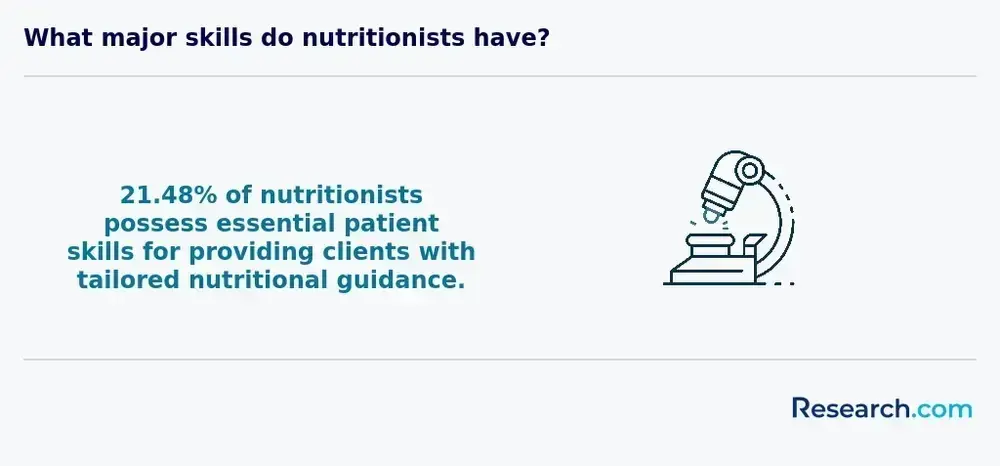
The chart below outlines the essential skills for dietitians and nutritionists, ranked by their Learning Value (LV), highlighting the areas of expertise most critical for success in the field:
What legal responsibilities apply to Rhode Island nutritionists?
Rhode Island’s regulatory framework is designed to protect the public from unqualified medical nutrition advice. The state’s rules reserve certain activities and titles for licensed professionals, especially when services involve medical nutrition therapy or individualized nutrition treatment.
Rhode Island operates under an Exclusive Scope of Practice law that protects the titles “dietitian” and “nutritionist.” In practical terms, general nutrition information is different from individualized counseling, diagnosis-related nutrition therapy, or treatment planning. Professionals who cross into regulated services without proper licensure may create legal and ethical problems.
| Responsibility | What nutrition professionals should do |
| Use accurate titles | Do not use protected titles, credentials, or abbreviations unless you have earned and maintained them. |
| Stay within scope | Separate general education from individualized medical nutrition therapy. |
| Refer when appropriate | Send clients to licensed dietitians, physicians, therapists, pharmacists, or other professionals when concerns exceed your role. |
| Document carefully | Maintain clear records, informed consent, and appropriate client communication, especially in clinical or private-practice settings. |
| Maintain continuing education | Track professional development required for licenses or certifications. |
Students considering broader health and wellness degrees can also compare related options, such as affordable online exercise science degree programs, but they should remember that an exercise science degree alone does not replace nutrition licensure requirements.
How can nutritionists keep up with regulatory changes?
Nutrition practice changes as licensing rules, credentialing standards, telehealth expectations, insurance policies, and clinical guidelines evolve. Rhode Island professionals should regularly review state licensing information, complete approved continuing education, attend professional workshops, and monitor updates from credentialing bodies.
Students and practitioners who want a focused comparison of the dietitian route can review Research.com’s guide to the requirements to become a registered dietitian in Rhode Island.
How is technology changing nutrition practice?
Technology is making nutrition services more flexible but also more complex. Telehealth, mobile food tracking, remote monitoring, electronic health records, patient portals, and digital coaching tools can improve access, especially for clients who have transportation, mobility, or scheduling barriers. At the same time, nutritionists must protect privacy, document services appropriately, and understand whether remote services are allowed under their license and practice setting.
Graduate programs increasingly address digital care models, research literacy, and advanced practice methods. Practitioners comparing advanced education can explore online master’s degrees in nutrition while confirming that any program fits their credentialing and career goals.
How can billing knowledge improve a nutrition practice?
Billing and coding knowledge can help nutrition professionals run a more sustainable practice. Private practitioners and clinic-based nutritionists may need to understand insurance documentation, claim submission, reimbursement rules, coding accuracy, and patient billing communication. Administrative mistakes can delay payment and reduce time available for client care.
Nutritionists who want to strengthen this operational skill set can review Research.com’s guide on how to become a medical biller and coder in Rhode Island.
How can nutritionists collaborate with pharmacists?
Nutrition and medication management frequently intersect. Pharmacists can identify drug-nutrient interactions, medication side effects that affect appetite or digestion, supplement risks, and adherence barriers. Nutritionists can contribute meal planning, dietary adjustments, and education that support the medication plan.
Collaboration may include shared patient education, referral agreements, chronic disease workshops, and follow-up planning for conditions such as diabetes, hypertension, gastrointestinal disorders, or cardiovascular disease. Nutrition professionals who want to understand pharmacy training and regulation can review pharmacist licensure requirements in Rhode Island.
How can nutritionists partner with nurse practitioners?
Nurse practitioners often manage diagnosis, treatment plans, medications, and ongoing patient monitoring. Nutritionists can strengthen that care by translating medical goals into food choices, meal routines, behavior strategies, and follow-up plans. The partnership works best when each professional understands the other’s scope and communicates consistently.
Nutritionists who want to work closely with advanced practice nurses can review accredited nurse practitioner programs in Rhode Island to understand how NP preparation supports integrated patient care.
Common mistakes to avoid when becoming a nutritionist in Rhode Island
| Mistake | Why it creates problems | Better approach |
| Choosing a program without checking accreditation | You may graduate with a degree that does not support your licensure or credentialing goal. | Confirm ACEND accreditation or other required recognition before enrolling. |
| Assuming “nutritionist” always means the same thing | General wellness roles and licensed clinical practice have different legal boundaries. | Define your intended scope before choosing education or certification. |
| Focusing only on tuition | Fees, internships, unpaid supervised practice, commuting, and graduate study can change the true cost. | Build a full budget that includes tuition, fees, exams, licensure, and living expenses. |
| Ignoring supervised practice requirements | Some credentialing pathways require around 1,000 hours of supervised practice. | Ask how placements are arranged and whether they fit your schedule and location. |
| Assuming online programs automatically meet Rhode Island requirements | Online coursework may be convenient but may not satisfy licensure, clinical, or supervised practice expectations. | Ask the school directly whether graduates are eligible for your intended Rhode Island credential or license. |
| Making salary assumptions | Average figures such as $66,000 or $74,080 do not guarantee individual earnings. | Compare job postings by credential, employer type, experience level, and specialty. |
Questions to ask before choosing a nutrition program
- Is the program accredited by the body required for my intended credential?
- Does the curriculum prepare students for RDN, LDN, CNS, or another certification pathway?
- Will I need a master’s degree because of January 2024 credentialing or licensure changes?
- How does the school support supervised practice or internships?
- What percentage of graduates complete the program, obtain supervised placements, pass exams, or gain employment?
- Can I transfer credits or enter an accelerated 4+1 pathway?
- What is the total cost, including tuition, fees, books, commuting, internships, and exam preparation?
- Does the program support my preferred specialization, such as pediatric, sports, geriatric, clinical, public health, or culinary nutrition?
- If the program is online, how are labs, clinical experiences, and supervised practice handled?
- Will the program meet Rhode Island requirements, or is it designed for another state?
Here's What Graduates Have to Say About Their Nutritionist Degree in Rhode Island
My Rhode Island nutrition program combined science with applied learning. The hands-on projects helped me understand how to turn classroom concepts into realistic guidance for clients and communities. Seeing people use that knowledge to improve daily habits has been the most meaningful part of my work. – Luna
Training to become a nutrition professional in Rhode Island changed how I viewed public health. The coursework showed me how food, prevention, and community education are connected, and the support from instructors helped me stay focused on my goals. – Shane
Earning a nutrition degree gave me a stronger understanding of how diet affects health across the lifespan. The program helped turn my interest in wellness into a practical skill set I can use to support people in my community. – Arvin
Related Articles for Nearby States
- 2027 How to Become a Nutritionist in Massachusetts
- 2027 How to Become a Nutritionist in Connecticut
- 2027 How to Become a Nutritionist in New York
- 2027 How to Become a Nutritionist in New Jersey
- 2027 How to Become a Nutritionist in Vermont
- 2027 How to Become a Nutritionist in New Hampshire
- 2027 How to Become a Nutritionist in Pennsylvania
- 2027 How to Become a Nutritionist in Delaware
- 2027 How to Become a Nutritionist in Maine
- 2027 How to Become a Nutritionist in Maryland
Key Insights
- The right path depends on your scope of practice. General nutrition education is not the same as licensed medical nutrition therapy.
- Rhode Island students who want clinical or regulated practice should plan around state licensure, protected titles, supervised practice, and recognized credentials from the start.
- A bachelor’s degree is a common foundation, but a master’s degree may be necessary for certain credentialing and licensure routes as of January 2024.
- Accreditation is one of the most important program-selection factors. Choosing the wrong program can add time, cost, and credentialing barriers.
- Costs can include a $75 non-refundable application fee, annual tuition ranging from $15,000 to $30,000 for some in-state undergraduate programs, graduate tuition that can exceed $20,000 each year, and additional fees such as a $50 transcript fee and $115 document fee.
- Salary figures such as $66,000 and $74,080 are useful planning benchmarks, but actual earnings depend on credentials, employer, specialty, and experience.
- Nutritionists who build interdisciplinary skills in nursing collaboration, pharmacy coordination, behavioral health, technology, and billing may be better prepared for modern healthcare settings.
- Before enrolling, ask whether the program meets Rhode Island requirements, supports supervised practice, and leads to the credential or role you actually want.
References:
- Become a Nutritionist. (n.d.). Becoming a licensed or non-licensed nutritionist in Rhode Island. Become a Nutritionist.
- Rhode Island Department of Health. (2024, September 27). Department of Health. Rhode Island Department of Health.
- Eat Right Rhode Island. (2024, August 7). Diabetes Prevention Program Manager. Eat Right Rhode Island.
- Rhode Island Secretary of State. (2024, May 30). Dietitians/Nutritionists (216-RICR-40-05-30). Rhode Island Secretary of State.
Other Things You Should Know about Becoming a Nutritionist in Rhode Island
In 2027, to become a registered nutritionist in Rhode Island, you need at least a bachelor's degree in nutrition or a related field, complete a supervised practice program, and pass the Registered Dietitian Nutritionist (RDN) exam. Licensing by the Rhode Island Department of Health is also required.
In the enchanting realm of Rhode Island, aspiring nutritionists find themselves in a unique landscape. Unlike dietitians, who must navigate the rigorous waters of licensure, nutritionists can practice without a formal license. However, it’s essential to tread carefully, as the title "nutritionist" is not regulated, meaning anyone can claim it. The Rhode Island Department of Health encourages education and expertise, so pursuing a degree or certification can enhance credibility.
Consider the charming city of Providence, where vibrant markets and health-conscious eateries create a fertile ground for nutritionists. Here, the blend of creativity and knowledge can flourish, allowing you to guide others on their culinary journeys. Embrace the opportunity to inspire wellness in this bustling urban tapestry, where your passion for nutrition can truly shine.
Consider accreditation, curriculum relevance, faculty expertise, and hands-on opportunities like internships. Compare program costs and duration, and check if the program aligns with Rhode Island state requirements for licensure and certification to ensure a seamless transition into professional practice upon graduation.