
2027 How to Become a Nutritionist in Oregon

Co-Founder and Chief Data Scientist
How to Become a Nutritionist in Oregon: What to Know Before You Choose a Path
Becoming a nutrition professional in Oregon starts with one important distinction: “nutritionist” and “licensed dietitian” are not the same legal credential. Oregon does not require a general nutritionist license, but it does regulate dietitians. That difference affects your education plan, the services you can advertise, the jobs you can pursue, and whether you need supervised practice, a national exam, or state licensure.
This guide is for students, career changers, wellness professionals, and current nutrition workers who want a practical Oregon-specific roadmap. You will learn the education options, certification choices, timeline, costs, practical experience routes, legal responsibilities, salary and job outlook, specialization options, and common mistakes to avoid before investing in a program.
Quick Answer: What Is the Fastest Way to Become a Nutritionist in Oregon?
The fastest route is usually to complete a nutrition-related certificate or bachelor’s degree and begin working in non-licensed wellness, community education, food service, coaching, or public health roles. However, if your goal is clinical nutrition care, medical nutrition therapy, hospital work, or the protected title of licensed dietitian, you need to follow the registered dietitian nutritionist pathway and meet Oregon Board of Licensed Dietitians requirements.
According to the Oregon Employment Department, demand for nutritionists is projected to grow by 11% over the next decade. That growth makes the field appealing, but your earning potential and scope of practice depend heavily on whether you pursue a general nutritionist role, an advanced certification, or dietitian licensure.
Key Things You Should Know About Becoming a Nutritionist in Oregon
- Oregon does not require a license for every person using the general term nutritionist, but it does regulate dietitians and protected dietitian titles.
- The Oregon Board of Licensed Dietitians oversees dietitian licensure; nutritionists who are not dietitians must be careful not to represent themselves as licensed dietitians.
- Common credential options include the Certified Nutrition Specialist (CNS), Registered Dietitian Nutritionist (RDN), and specialty certifications such as those connected to dietary supplements.
- The CNS path requires a master’s degree in nutrition or a related field, 1,000 hours of supervised practice, and passing the CNS exam.
- Continuing education matters even when it is not legally required for every role, because employers, clients, and certification boards expect professionals to stay current with nutrition science.
- Education requirements for Oregon nutritionists
- Oregon nutritionist licensing rules
- How long the process takes
- Certification options in Oregon
- Practical experience and supervised training
- Cost to become a nutritionist in Oregon
- Salary and job outlook
- Interdisciplinary collaboration in patient care
- Counseling training for nutrition professionals
- Affordable advanced degrees for career growth
- Quality standards across healthcare teams
- Emerging trends in Oregon nutrition practice
- Career advancement options
- Food safety and investigative science skills
- Nutrition specialization options
- Starting a private nutrition practice
- Advanced clinical training options
- Common challenges in Oregon
- Legal responsibilities and scope of practice
- Medical billing and coding for nutrition practices
- Professional associations and networking
- Transitioning from nutritionist to registered dietitian Networking resources Billing skills Legal rules Decision checklist Questions to ask before enrolling
What are the educational requirements to become a nutritionist in Oregon?
Oregon does not set one mandatory degree for every non-dietitian nutritionist role. In practice, however, employers and clients usually expect formal education in nutrition, health science, food systems, public health, exercise science, or a closely related field. The right degree depends on whether you want to work in wellness education, community nutrition, food service, research, private coaching, or clinical dietetics.
| Education option | Best for | Important Oregon career note |
| Bachelor’s degree | Entry-level nutrition education, wellness, public health, food systems, and preparation for graduate study | Programs such as Nutrition and Health Sciences or Nutrition and Foodservice Systems at Oregon institutions can provide the science foundation employers expect. |
| Master’s degree | Advanced practice, leadership roles, specialized nutrition work, and preparation for certain credentials | A Master of Science in Nutrition or Clinical Nutrition can strengthen credibility, especially for professionals interested in advanced certification or clinical-adjacent work. |
| Ph.D. program | Research, university teaching, policy work, and high-level nutrition science roles | Doctoral study is usually unnecessary for client-facing wellness roles but useful for academic and research-focused careers. |
| Certificate program | Career changers, wellness professionals, or those testing the field before a full degree | Certificates can build knowledge quickly, but they may not qualify you for dietitian licensure or advanced clinical credentials. |
A bachelor’s degree is the most common starting point. Oregon State University and Portland State University offer nutrition-related study options that cover human nutrition, physiology, food systems, and health behavior. Students who want broader wellness roles may also explore related career areas such as holistic nutrition, while staying clear about what services do and do not require dietitian licensure.
If you are choosing a school, do not look only at the program title. Review the curriculum, faculty expertise, internship access, transfer credit policy, online course format, and whether the program supports the credential you actually want.
Is there a licensing requirement to become a nutritionist in Oregon?
For general nutritionist work, Oregon does not impose a universal nutritionist license. The regulated area is dietetics. If you want to use protected dietitian titles, practice as a licensed dietitian, or pursue many clinical nutrition roles, you must meet the requirements overseen by the Oregon Board of Licensed Dietitians.
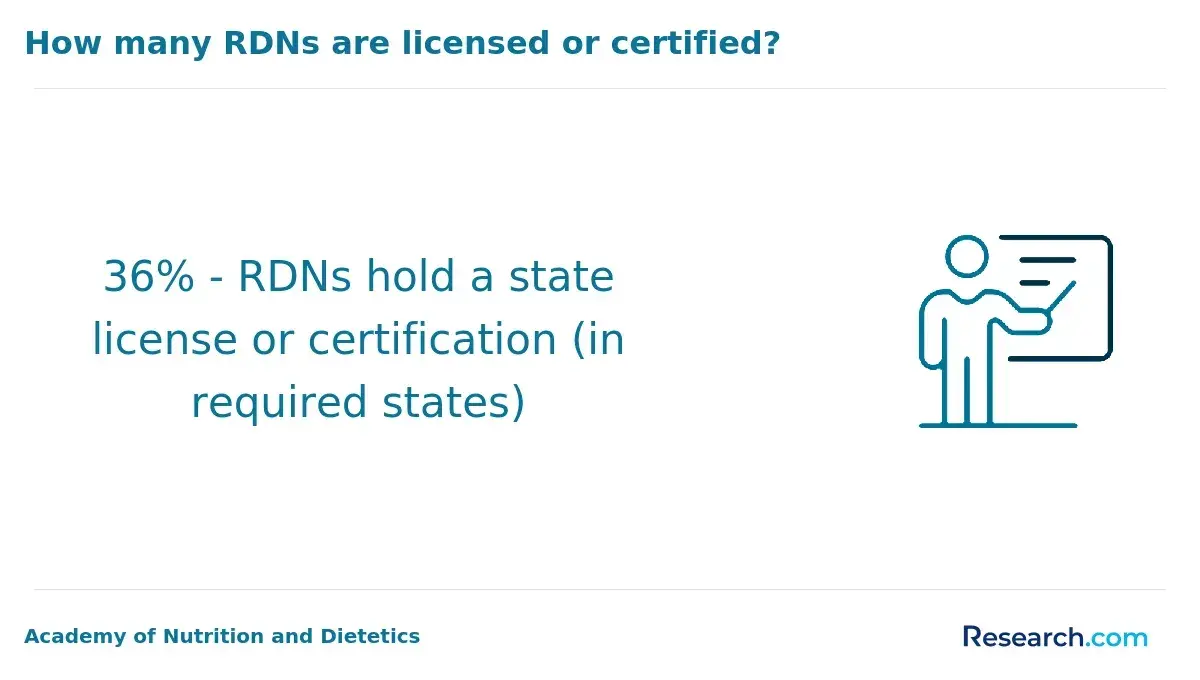
The Oregon Board of Licensed Dietitians requires licensed dietitians to complete at least 30 hours of continuing education every two years. As of 2024, approximately 1,550 licensed dietitians were reported in Oregon. These requirements apply to dietitian licensure, not to every person offering general nutrition education or wellness coaching.
This distinction matters because the public often uses “nutritionist” and “dietitian” interchangeably. Employers may also use broad job titles. Before accepting a job, advertising services, or opening a practice, confirm whether the role involves dietetics, medical nutrition therapy, clinical documentation, insurance reimbursement, or a protected title.
| Role or credential | Oregon license required? | Typical use case |
| General nutritionist | No general nutritionist license is required | Wellness education, community programs, coaching, food education, and non-clinical guidance |
| Licensed Dietitian | Yes | Regulated dietetics practice and use of protected dietitian titles |
| Registered Dietitian Nutritionist | National credential plus Oregon licensure when practicing as a licensed dietitian in the state | Clinical, healthcare, public health, and advanced nutrition roles |
| Certified Nutrition Specialist | Not the same as Oregon dietitian licensure | Advanced nutrition practice, integrative nutrition, and specialized professional credibility |
One cited labor-market projection reports 6% growth for dietitians and nutritionists from 2024 to 2034. Because job-growth estimates vary by source, occupation code, and state definition, use these figures as planning tools rather than guarantees.
The chart below compares the projected job growth rate for dietitians and nutritionists to the average growth rate of other occupations from 2024 to 2034, highlighting the industry's potential for expansion.
How long does it take to become a nutritionist in Oregon?
The timeline depends on your target role. A non-licensed wellness or community nutrition role can take less time than the dietitian pathway, while advanced clinical, academic, or research roles require more education and supervised training.
| Path | Typical time commitment | Best fit |
| Bachelor’s degree | Typically four years | Students seeking a structured foundation in nutrition science and entry-level career options |
| Master’s degree | Usually two additional years after a bachelor’s degree | Professionals seeking advanced knowledge, specialization, or preparation for certain credentials |
| Ph.D. | Often three to five years after a master’s program | Future researchers, professors, policy specialists, or advanced scientists |
| Certificate program | Often one year or less | Career changers, allied health workers, or wellness professionals adding nutrition knowledge |
| Self-directed learning | Varies widely | Supplemental learning only; not a substitute for regulated credentials when those are required |
If you are comparing nutrition roles with adjacent healthcare careers, clarify the differences early. For example, a nutrition nurse follows a different educational and licensure route than a dietitian or nutritionist. Research.com’s guide to nutrition nurse career preparation can help you compare those responsibilities before committing to a program.
What are the certification options for nutritionists in Oregon?
Certification is not always legally required for general nutritionist roles in Oregon, but it can improve credibility, expand job options, and signal that you meet a defined professional standard. The best credential depends on whether you want clinical authority, advanced nutrition specialization, wellness coaching, supplement expertise, or a pathway into dietetics.
| Credential | Core requirements stated in this guide | When it makes sense |
| Registered Dietitian Nutritionist | Bachelor’s degree in nutrition or a related field, ACEND-accredited supervised practice, and passing the national RDN exam | Best for clinical nutrition, healthcare systems, medical nutrition therapy, and dietitian licensure goals |
| Certified Nutrition Specialist | Master’s or doctoral degree in nutrition or a related field, 1,000 hours of supervised practice, and passing the CNS exam | Useful for advanced nutrition practice, integrative nutrition, and professionals who want a graduate-level credential |
| Dietary supplement-related certification | Requirements vary by certifying organization | Appropriate for professionals working with supplements, wellness retail, product education, or integrative health settings |
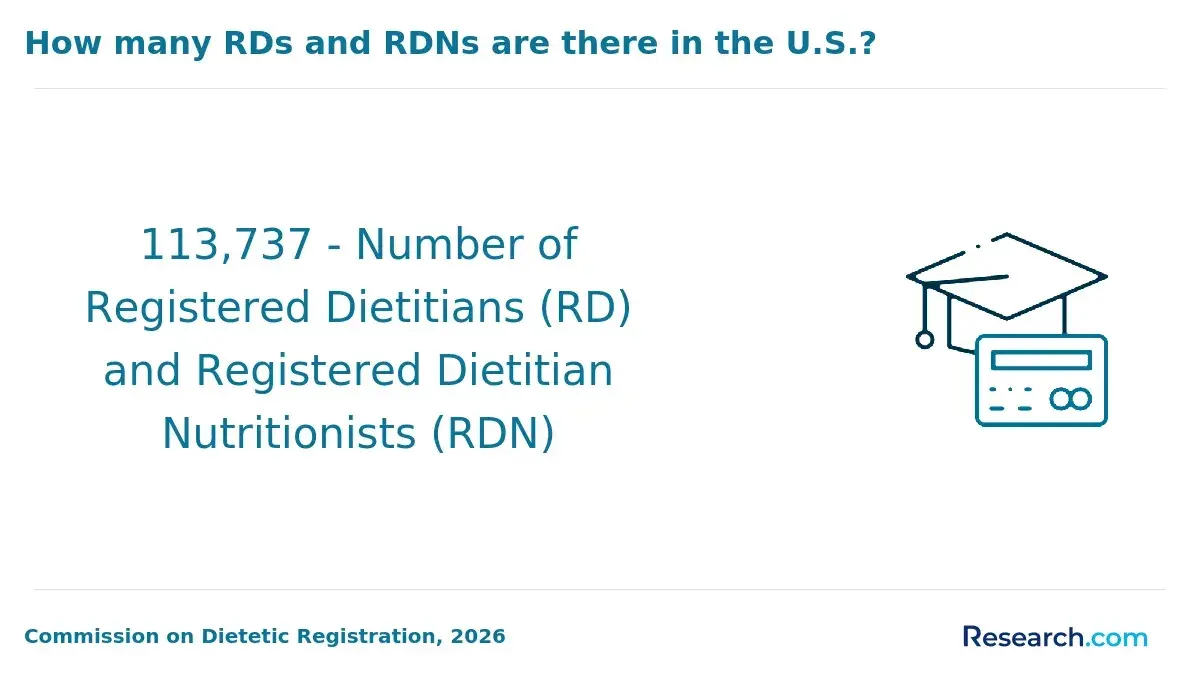
The Oregon Academy of Nutrition and Dietetics has reported more than 2,000 RDNs practicing in the state. The Certification Board for Nutrition Specialists has reported that the number of CNS professionals in Oregon increased by 15% over the past five years. These figures point to growing interest in recognized credentials, but credentials should still be matched to your intended scope of practice.
One Oregon nutrition professional described the decision this way: “I first considered the RDN route, but the CNS pathway fit my interest in functional and holistic nutrition more closely. The credential gave me room to focus on the areas I cared about most.” Her experience highlights a key lesson: choose the credential that supports the work you want to do, not just the credential that sounds most familiar.
What practical experience is required to become a nutritionist in Oregon?
Practical experience is one of the strongest ways to turn classroom knowledge into employable skill. Even when an Oregon role does not require formal supervised practice, employers often value experience with clients, community education, food access programs, healthcare teams, or food service systems.
- Volunteer work: Food banks, meal programs, school wellness initiatives, and public health organizations can expose students to real nutrition barriers. This is especially relevant because more than 1.5 million people rely on food assistance in Oregon.
- Clinical observation: Students interested in healthcare nutrition should seek opportunities to shadow registered dietitians in hospitals, outpatient clinics, long-term care, or specialty care settings. Oregon Health & Science University (OHSU) and local healthcare partners may offer learning opportunities through student placements or related programs.
- Community nutrition programs: Oregon State University Extension Service programs can help students practice nutrition education, public communication, and culturally responsive outreach. These programs reach over 100,000 Oregonians annually.
- Private-sector projects: Internships with wellness companies, food businesses, corporate health programs, or local health organizations can help students understand client acquisition, program design, and outcome tracking.
For dietitian licensure or the RDN credential, supervised practice requirements are more formal. For general nutritionist roles, experience is more flexible, but you should still document your hours, duties, supervisors, and outcomes. That record can strengthen graduate school applications, certification applications, and job interviews.
How much does it cost to become a nutritionist in Oregon?
The cost depends on the degree level, school type, delivery format, residency status, and whether you need supervised practice or graduate study. Tuition is only one part of the total price; application fees, textbooks, transportation, technology, exam fees, and unpaid internship time can all affect affordability.
Tuition and Program Cost Factors
Oregon State University charges approximately $350 per credit hour, which can lead to an estimated total of around $10,000 for a bachelor’s degree. Graduate nutrition programs, including a Master of Science in Nutrition, can cost about $30,000 for 49-50 credits. Private institutions may exceed $30,000 annually, while community colleges may offer associate-level study at $5,000 to $10,000 per year.
Additional Expenses to Budget For
Application fees for dietetic internships are commonly $50, while graduate program applications may range from $75 to $135. Textbooks can add another $1,000. Students should also plan for commuting, lab fees, background checks, technology, professional memberships, certification exams, and possible lost income during internships or supervised practice.
| Cost item | Amount stated in this guide | How to reduce the cost |
| Public university tuition example | Approximately $350 per credit hour | Compare resident tuition, transfer credits, and online course availability |
| Bachelor’s degree estimate | Around $10,000 | Start with lower-cost credits if they transfer into the required program |
| Graduate nutrition program estimate | About $30,000 for 49-50 credits | Look for employer tuition support, assistantships, and part-time pacing |
| Private institution tuition | May exceed $30,000 annually | Compare net cost after scholarships, not sticker price alone |
| Community college option | $5,000 to $10,000 per year | Confirm whether credits transfer before enrolling |
| Books and materials | About $1,000 | Use rentals, used texts, library reserves, and digital options when allowed |
Online programs can make graduate study more flexible for working adults. If you are comparing options, review Research.com’s guide to online nutrition master’s degree programs and check whether the program supports your intended credential.
What is the job outlook and salary for nutritionists in Oregon?
The job outlook for nutrition professionals in Oregon is positive, but projections differ depending on the data source and the exact occupational definition. The U.S. Bureau of Labor Statistics projection cited here reports 12% growth from 2024 to 2034 for nutritionists in Oregon, while another source in this guide reports 6% growth for dietitians and nutritionists from 2024 to 2034. The Oregon Employment Department projection cited earlier reports 11% growth over the next decade.
The average salary for nutritionists in Oregon is approximately $68,000 per year. Actual pay can vary by credential, employer, location, experience, specialty, and whether the role is clinical, public health, private practice, food service, or wellness-focused.
- Healthcare demand: Hospitals, outpatient centers, and long-term care organizations use nutrition expertise for preventive care, chronic disease support, and patient education.
- Public health need: Nutrition professionals may support food access, nutrition education, and community health programs.
- Education and school programs: Schools and youth programs need nutrition knowledge for meal planning, wellness education, and obesity prevention efforts.
- Private practice growth: Credentialed professionals may build client-facing practices, especially when they understand marketing, compliance, documentation, and reimbursement.
- Aging population needs: Older adults often need nutrition support related to chronic conditions, medication interactions, mobility limits, and food access.
The chart below highlights the states with the highest job concentration and location quotients for dietitians and nutritionists, showcasing regions where these professionals are most in demand relative to the national average.
How can nutritionists foster interdisciplinary collaboration to enhance patient care in Oregon?
Nutrition problems rarely exist in isolation. Clients may also be managing chronic disease, medication schedules, mental health concerns, mobility limitations, food insecurity, or family caregiving responsibilities. Oregon nutritionists who understand how to collaborate with nurses, physicians, pharmacists, social workers, behavioral health professionals, and public health teams can provide more coordinated support.
Useful collaboration habits include writing clear referral notes, documenting client goals, understanding privacy expectations, using evidence-based recommendations, and knowing when to refer a client to a licensed dietitian or medical provider. Nutrition professionals who want to understand nursing workflows can review Research.com’s guide on how to become a nurse in Oregon to better understand how nutrition support fits into broader patient care.
Can nutritionists diversify their services with adjunct counseling training?
Nutrition advice often fails when it ignores behavior change. Training in counseling, motivational interviewing, addiction awareness, trauma-informed communication, or health coaching can help nutritionists support clients more effectively while staying within their legal scope.
This does not mean a nutritionist becomes a mental health counselor without the required credential. It means the professional learns how to communicate better, recognize referral needs, and support sustainable behavior change. Nutritionists interested in related behavioral health pathways can compare requirements in Research.com’s guide on how to become a substance abuse counselor in Oregon.
How can an affordable advanced degree elevate your nutrition career in Oregon?
An advanced degree can make sense if it helps you qualify for a credential, move into leadership, teach, specialize, or compete for higher-responsibility roles. It is less useful if you enroll without a clear career target or if the program does not support your intended certification or licensure pathway.
Before choosing a graduate program, compare accreditation alignment, supervised practice access, faculty expertise, thesis or capstone options, internship support, total cost, and whether online coursework fits your schedule. Students who need a lower-cost route can begin with Research.com’s overview of the cheapest online master's in nutrition options.
How can nutritionists align with interdisciplinary quality standards in Oregon?
Even nutritionists who are not licensed dietitians benefit from healthcare-style quality habits. Strong documentation, informed consent, referral protocols, evidence-based guidance, confidentiality practices, and continuing education all help protect clients and the professional.
One practical approach is to study standards used in adjacent licensed fields, then adapt the relevant administrative habits to nutrition practice. For example, reviewing board of nursing program requirements in Oregon can help nutrition professionals understand how regulated healthcare fields think about training, documentation, and accountability.
What are the emerging trends and innovations in nutrition practice in Oregon?
Oregon nutrition professionals are increasingly using telehealth, nutrition-tracking apps, digital food logs, wearable data, online group education, and remote coaching tools. These tools can improve access for rural clients and busy working adults, but they also require careful attention to privacy, documentation, client boundaries, and evidence quality.
Artificial intelligence may also affect nutrition practice by helping with meal planning, client intake summaries, recipe adaptation, and administrative work. However, AI-generated nutrition advice should not replace professional judgment, medical referrals, or licensed dietitian care when a client has complex health needs. For a broader look at job options and pay, review Research.com’s guide to nutrition career paths and salary.
What are the career advancement opportunities for nutritionists in Oregon?
Career growth in Oregon depends on credentials, experience, specialization, and the setting where you work. One cited projection reports 14% job growth over the next decade, resulting in approximately 70 new job openings each year. Advancement may come from moving into clinical dietetics, public health leadership, food service management, corporate wellness, research, education, or private practice.
| Advancement path | How to prepare | Who it fits best |
| Registered Dietitian or Licensed Dietitian | Complete required dietetics coursework, supervised practice, national exam, and state licensure requirements | Nutritionists who want clinical authority and healthcare roles |
| Health educator | Build skills in communication, program planning, public health, and community outreach | Professionals interested in prevention, schools, nonprofits, or public agencies |
| Food service manager | Learn menu planning, sanitation, budgeting, staffing, and regulatory compliance | Nutrition professionals who enjoy operations and institutional food systems |
| Private practice owner | Develop business, marketing, documentation, referral, billing, and compliance systems | Experienced professionals who want independence and entrepreneurial control |
| Graduate-level specialist | Pursue a master’s degree, Ph.D., or advanced certification aligned with a niche | Professionals seeking research, teaching, policy, or specialized consulting work |
The healthcare and social assistance sector remains a major employer for nutrition professionals in Oregon, including hospitals, outpatient care centers, and nursing facilities. Professional networking through organizations such as the Oregon Dietetic Association can also support continuing education, mentorship, and job leads.
How can forensic science techniques enhance nutritional safety practices in Oregon?
Food safety, contamination investigation, ingredient verification, and quality assurance all benefit from analytical thinking. Nutrition professionals do not need to become forensic scientists to improve their practice, but understanding how evidence is collected, tested, and interpreted can strengthen work in food systems, supplements, public health, and safety education.
Those interested in the investigative side of food safety can explore Research.com’s guide to forensic scientist education requirements in Oregon and consider how laboratory thinking applies to nutrition quality and public health protection.
What specialization options are available for nutritionists in Oregon?
Specialization can help Oregon nutritionists stand out in a crowded wellness market. It can also make services more useful to clients because general advice is often less effective than guidance tailored to a specific population or health need.
- Clinical nutrition: This area focuses on nutrition support for people managing chronic illness or complex health needs. Because over 30% of adults are classified as obese, clinical nutrition knowledge remains highly relevant in healthcare settings.
- Sports nutrition: Oregon’s outdoor culture and active communities create opportunities to support recreational athletes, competitive athletes, fitness clients, and endurance training groups.
- Pediatric nutrition: Schools, youth programs, and family health services may need nutrition professionals who understand child development, family eating patterns, and obesity prevention. Oregon has seen a 10% increase in childhood obesity rates.
- Public health nutrition: This specialty focuses on population-level nutrition challenges, food access, education programs, and underserved communities.
- Integrative or functional nutrition: Some professionals pursue advanced credentials such as the CNS to work with clients interested in root-cause approaches, wellness plans, and lifestyle interventions.
A clinical nutritionist at Oregon Health & Science University (OHSU), for example, may help develop individualized nutrition plans for patients with metabolic disorders. That kind of work generally requires stronger clinical preparation than general wellness coaching.
Oregon State University offers a Master’s program in Nutrition that can support specialization in areas such as clinical nutrition or public health nutrition. Before enrolling, confirm whether the curriculum aligns with your desired role and credential.
How can nutritionists establish a thriving private practice in Oregon?
A successful private practice requires more than nutrition knowledge. You need a defined service model, a clear client niche, compliant documentation, ethical marketing, referral relationships, scheduling systems, pricing, and a plan for handling client data.
Start by deciding what you will and will not offer. A non-licensed nutritionist may provide general nutrition education and wellness guidance, but should avoid using protected dietitian titles or practicing beyond training. A licensed dietitian may have a broader clinical scope depending on the service and setting.
| Private practice decision | Questions to answer before launching | Why it matters |
| Service scope | Will you offer coaching, education, meal planning, group programs, clinical nutrition, or referrals? | Your scope affects legal risk, pricing, documentation, and required credentials. |
| Target clients | Are you serving athletes, families, older adults, people with chronic conditions, or general wellness clients? | A clear niche makes marketing and service design easier. |
| Compliance | Are you using protected titles, billing insurance, storing health data, or coordinating with clinicians? | These choices may trigger higher documentation and legal responsibilities. |
| Business systems | How will clients book, pay, complete intake forms, and receive follow-up? | Good systems reduce missed appointments, confusion, and administrative overload. |
Nutritionists who run a business may also benefit from understanding adjacent regulated healthcare models. For example, reviewing pharmacist licensure requirements in Oregon can illustrate how healthcare professions approach compliance, patient safety, and professional accountability.
Can nutritionists benefit from advanced clinical training?
Advanced clinical training can be valuable for nutritionists who want to work more effectively with healthcare teams, understand patient records, recognize red flags, and refer appropriately. It does not replace dietitian licensure or medical training, but it can improve interdisciplinary communication and client safety.
Nutritionists interested in advanced healthcare roles can study how other clinicians are trained. Research.com’s guide to the best accredited NP programs in Oregon provides one comparison point for understanding advanced clinical education, patient assessment, and care coordination.
What are the biggest challenges faced by nutritionists in Oregon?
The main challenges are not limited to coursework. Oregon nutritionists must navigate unclear public understanding of job titles, variable employer expectations, food access barriers, continuing education demands, and competition from both licensed and non-licensed providers.
Regulatory confusion
One of the most common problems is misunderstanding Oregon’s rules. General nutritionist practice is not the same as licensed dietitian practice. Professionals who plan to pursue dietitian licensure should verify all requirements with the Oregon Health Authority and the Oregon Board of Licensed Dietitians. One cited figure states that only 25% of applicants successfully obtain licensure on their first attempt, which underscores the importance of careful preparation and source verification.
Food access and community barriers
Nutrition advice must be realistic. The 2026 Oregon Food Bank State of Hunger Report indicated that 1 in 8 Oregonians experience food insecurity. Rural access, transportation, food cost, cultural food preferences, and time constraints can all affect whether clients can follow recommendations.
Continuing education pressure
Licensed dietitians must complete 30 hours of continuing education every two years. Even when a nutritionist is not legally required to meet that standard, ongoing learning is essential because nutrition science, public health guidance, digital tools, and client expectations continue to evolve.
Competition and credibility
The wellness market includes coaches, influencers, dietitians, personal trainers, supplement sellers, and health educators. Nutritionists can compete more effectively by being transparent about credentials, using evidence-based guidance, documenting outcomes, and referring clients when needs exceed their scope.
What are the legal regulations and responsibilities for nutritionists in Oregon?
Oregon’s legal environment is more flexible for general nutritionists than for dietitians. The key rule is title and scope clarity. Only qualified, licensed individuals may use protected titles such as “Licensed Dietitian” or “L.D.” General nutritionists should avoid implying they hold dietitian licensure if they do not.
The Oregon Board of Licensed Dietitians oversees dietitian practice standards. Nutritionists working in healthcare settings, schools, long-term care, or food service should also be aware that facility rules, employer policies, reimbursement requirements, and local regulations may apply even if a general nutritionist license is not required.
If your goal is regulated dietetics, compare graduate pathways through Research.com’s guide to the best master’s in dietetics programs. If you are building expertise in an adjacent wellness area, an online master’s in exercise science affordable option may support work with fitness, performance, or lifestyle clients, provided you remain within your professional scope.
How can acquiring medical billing and coding expertise advance your nutrition practice in Oregon?
Nutrition professionals who own or manage practices often struggle with reimbursement, documentation, claim denials, coding accuracy, and revenue cycle management. Medical billing and coding knowledge can help practitioners understand what services may be reimbursable, how to document encounters, and when outside billing support is necessary.
This skill is especially useful for licensed dietitians, group practices, and nutrition businesses that coordinate with healthcare providers. It can also help non-clinical nutritionists understand the business side of healthcare even if they do not bill insurance directly. For a practical overview, see Research.com’s guide on how to become a medical biller and coder in Oregon.
What professional associations and networking opportunities can elevate your nutrition career in Oregon?
Networking can help nutritionists find internships, mentors, continuing education, referrals, speaking opportunities, and job openings. Professional associations also help practitioners stay current on ethical standards, policy changes, and credential expectations.
- Join state or regional nutrition and dietetics organizations for continuing education and local updates.
- Attend community health, food access, wellness, and healthcare events to meet referral partners.
- Build relationships with physicians, nurses, therapists, coaches, schools, gyms, and public health organizations.
- Seek mentorship before launching a private practice or choosing a certification pathway.
- Use conferences and webinars to track emerging evidence, technology tools, and compliance expectations.
Nutritionists who want to understand advanced healthcare collaboration can also review Research.com’s guide on how to become a nurse practitioner in Oregon for insight into interdisciplinary patient care roles.
How can nutritionists transition to becoming a registered dietitian in Oregon?
Transitioning from nutritionist to registered dietitian is a formal credentialing process. It usually involves completing approved dietetics coursework, finishing accredited supervised practice, passing the national examination, and meeting Oregon licensure requirements if practicing as a licensed dietitian in the state.
This path is best for nutritionists who want clinical roles, hospital jobs, medical nutrition therapy responsibilities, broader employer recognition, or eligibility for positions that specifically require the RDN credential. For a detailed Oregon-specific roadmap, review Research.com’s guide to the requirements to become a registered dietitian in Oregon.
How should you choose the right Oregon nutrition pathway?
The best pathway is the one that matches your intended scope of practice, not simply the quickest or cheapest option. A certificate may be enough for wellness education. A bachelor’s degree may support entry-level work and graduate preparation. A master’s degree may support advanced certification. The RDN route is the stronger choice for clinical dietetics and many healthcare roles.
Questions to ask before enrolling in a nutrition program
- Does this program prepare me for the credential I want?
- Is the program aligned with dietetics requirements if I want to become an RDN?
- Can I complete supervised practice through the school or a partner organization?
- What is the full cost after tuition, fees, books, transportation, and lost work time?
- Will credits transfer if I start at a community college?
- Does the program offer online, hybrid, evening, or part-time options?
- What jobs have recent graduates obtained in Oregon?
- Does the curriculum include counseling, public health, food systems, business, or clinical training relevant to my goals?
- Will I be legally allowed to offer the services I plan to advertise?
Common mistakes to avoid
| Mistake | Why it can hurt you | Better approach |
| Assuming “nutritionist” and “dietitian” mean the same thing | You may choose the wrong program or advertise services outside your scope | Confirm Oregon title rules and dietitian licensure requirements before enrolling |
| Choosing a school based only on tuition | A cheaper program may not support your credential, internship, or transfer needs | Compare total cost, outcomes, accreditation alignment, and supervised practice access |
| Ignoring practical experience | Graduating without client-facing skills can weaken job applications | Volunteer, intern, shadow, or work in community nutrition, healthcare, or food systems |
| Relying only on online self-study | Self-study may build knowledge but may not satisfy employers or credential boards | Use self-study as a supplement, not a substitute for required education |
| Overpromising client outcomes | Guaranteed health or weight-loss claims can create ethical and legal problems | Use evidence-based language and refer clients with medical needs to qualified clinicians |
| Opening a private practice without compliance planning | Poor documentation, unclear scope, or weak billing systems can damage the business | Build policies, referral procedures, consent forms, and accurate service descriptions first |
Here's What Graduates Have to Say about Their Nutritionist Degree in Oregon
My Oregon nutrition program helped me understand the connection between food, prevention, and long-term health. I especially valued the attention to sustainability and whole-person wellness because those ideas matched the kind of client work I wanted to do. – Emmy
I was drawn to Oregon because of its strong food culture and interest in locally sourced ingredients. The coursework gave me both scientific grounding and practical communication skills, which made me feel ready to help people make realistic nutrition changes. – Jane
Studying nutrition in Oregon gave me more than technical knowledge. The community, faculty support, and focus on individualized care helped me see this field as a meaningful career rather than just a degree. – Liam
Related Articles for Nearby States
- 2027 How to Become a Nutritionist in Washington
- 2027 How to Become a Nutritionist in California
- 2027 How to Become a Nutritionist in Idaho
- 2027 How to Become a Nutritionist in Nevada
- 2027 How to Become a Nutritionist in Montana
- 2027 How to Become a Nutritionist in Utah
- 2027 How to Become a Nutritionist in Wyoming
- 2027 How to Become a Nutritionist in Arizona
- 2027 How to Become a Nutritionist in Colorado
- 2027 How to Become a Nutritionist in New Mexico
Key Insights
- Oregon does not require a general nutritionist license, but it does regulate dietitians and protected dietitian titles.
- The fastest route into non-clinical nutrition work may be a certificate or bachelor’s degree, but clinical dietetics requires the RDN and Oregon licensure pathway.
- The CNS credential requires a master’s degree or doctoral degree, 1,000 hours of supervised practice, and a passing exam, making it a stronger option for advanced nutrition professionals.
- Cost varies widely: cited figures include approximately $350 per credit hour, around $10,000 for a bachelor’s degree estimate, and about $30,000 for 49-50 graduate credits.
- Salary and job outlook figures are encouraging but vary by source; cited projections include 6%, 11%, 12%, and 14% depending on occupation definition and data source.
- Practical experience through volunteering, community programs, clinical observation, and internships can be as important as coursework for employment readiness.
- Before choosing a program, verify credential alignment, supervised practice options, total cost, transfer policy, and whether the education supports the services you want to provide.
- Private practice can be rewarding, but it requires business systems, documentation, ethical marketing, legal scope awareness, and often stronger billing knowledge.
References:
- Nutritioned.org. (2025, October 6). Steps to Become a Registered Dietitian in Oregon (2026). Nutritioned.org.
- Become a Nutritionist. (n.d.). Becoming a registered dietitian in Oregon. Becomeanutritionist.org.
- Oregon State University, College of Public Health and Human Sciences. (n.d.). Program costs. Health.oregonstate.edu.
- Oregon Academy of Nutrition and Dietetics. (n.d.). Nutrition experts. Eatrightoregon.org.
- Oregon Health Authority. (2026). Board of licensed dietitians. Oregon.gov.
- Oregon State University Ecampus. (n.d.). Nutrition - Professional Dietetics MS-PD. Ecampus.oregonstate.edu.
- Nutritionist Degree Online. (n.d.). Requirements to become a dietitian in Oregon. Nutritionistdegreeonline.org.
- Oregon State University Career Services. (n.d.). Faculty & staff. Career.oregonstate.edu.
- Oregon Public Law. (2025, May 6). OAR 333-520-0020 Dietary services. Oregon.public.law.
Other Things You Should Know about Becoming a Nutritionist in Oregon
To become a licensed nutritionist in Oregon in 2027, you must earn a bachelor's degree in nutrition or a related field, complete an approved dietetic internship, pass the CDR exam, and apply for licensure through the Oregon Health Licensing Office.
In Oregon, there is no state licensing requirement specifically for nutritionists, unlike registered dietitians who must be licensed. However, nutritionists may choose to obtain certification from organizations such as the National Association of Nutrition Professionals (NANP) to enhance credibility. According to the Oregon Health Authority, the lack of regulation means that anyone can call themselves a nutritionist, which can lead to variability in qualifications.
Portland, known for its health-conscious community, offers numerous opportunities for nutritionists to thrive. The city's emphasis on wellness and local food systems creates a favorable environment for nutrition professionals to engage with clients and promote healthy lifestyles.
In 2027, select a nutrition degree program in Oregon by considering factors such as accreditation, curriculum relevance, faculty expertise, internship opportunities, and program flexibility. Ensure the program meets the academic requirements for licensure and aligns with your career goals.


