2027 How to Become a Nutritionist in Illinois

Co-Founder and Chief Data Scientist
Becoming a nutritionist in Illinois is not just a matter of liking food, wellness, or health coaching. The state regulates parts of nutrition practice, especially services connected to medical nutrition therapy, so your education, supervised experience, certification, and license status can determine what you are legally allowed to do.
This guide is for students, career changers, health professionals, and wellness practitioners who want a clear path into nutrition work in Illinois. It explains the education requirements, licensure rules, certification choices, timelines, costs, salary expectations, specialization options, and practical steps you should take before choosing a program or career route.
The need is real. In 2025, Illinois data showed that nearly 2 million people rely on federal food benefits to feed their families. Nutrition professionals can help address food insecurity, chronic disease prevention, clinical diet planning, sports performance, pediatric health, and community wellness. The right path depends on whether you want to provide general nutrition education, become licensed, work in healthcare, or eventually qualify as a registered dietitian nutritionist.
Quick Answer: How Do You Become a Nutritionist in Illinois?
To become a licensed dietitian nutritionist in Illinois, you generally need to complete an appropriate degree in nutrition or a related field, finish supervised practice, pass the required national exam, and apply for licensure through the Illinois Department of Financial and Professional Regulation (IDFPR). If you plan to provide only general wellness or nutrition education, some exemptions may apply, but you must avoid services reserved for licensed professionals, such as medical nutrition therapy.
Key Things to Know Before You Start
- Illinois requires licensure through the Illinois Department of Financial and Professional Regulation (IDFPR) for professionals who practice as dietitian nutritionists within the state’s regulated scope.
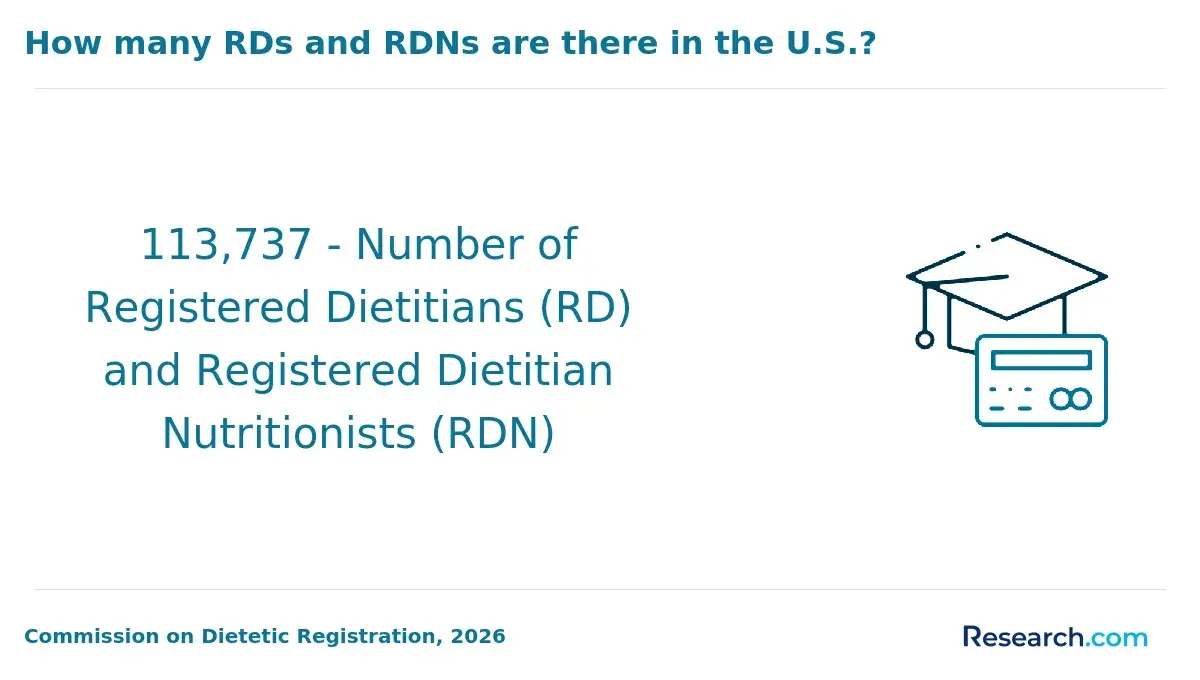
- The registered dietitian nutritionist route typically requires a nutrition-related degree, supervised practice, and a passing score on the Commission on Dietetic Registration (CDR) exam.
- Illinois nutrition professionals may also pursue credentials such as the Certified Nutrition Specialist (CNS) from the Board for Certification of Nutrition Specialists or the Certified Clinical Nutritionist (CCN) from the Clinical Nutrition Certification Board.
- Most professional credentials require continuing education. Requirements differ by credentialing organization, but they often involve 30 hours every two years.
- The Illinois licensure application requires documentation of education, supervised experience, exam results, and the required fee.
- What education do you need to become a nutritionist in Illinois?
- Do nutritionists need a license in Illinois?
- How long does it take to become a nutritionist in Illinois?
- Which nutrition certifications are available in Illinois?
- What hands-on experience should Illinois nutritionists complete?
- How much does it cost to become a nutritionist in Illinois?
- What salary and job outlook can Illinois nutritionists expect?
- How can nutritionists advance their careers in Illinois?
- How can nutritionists support substance abuse recovery programs in Illinois?
- What continuing education options are available for Illinois nutritionists?
- How are nutritionist and nurse licensure pathways different in Illinois?
- What business opportunities are available for nutritionists in Illinois?
- How can administrative skills improve a nutrition practice in Illinois?
- How can interdisciplinary research strengthen nutrition practice in Illinois?
- What nutrition specializations can you pursue in Illinois?
- What challenges should Illinois nutritionists prepare for?
- How can advanced clinical training expand a nutritionist’s expertise?
- How do you move from nutritionist to registered dietitian in Illinois?
- How can nutritionists and nurses work together in Illinois?
- Why should nutritionists understand nurse practitioner pathways?
- How can nutritionists and pharmacists coordinate patient care?
- What legal responsibilities apply to nutritionists in Illinois?
What education do you need to become a nutritionist in Illinois?
Your education requirements depend on the type of nutrition work you want to do. A short certificate may prepare you for limited wellness coaching, but licensed clinical practice requires a much stronger academic foundation. If your goal is to work in healthcare, provide medical nutrition therapy, or pursue the RDN credential, choose your program carefully before enrolling.
| Education Path | Best For | Important Considerations |
| Bachelor’s degree in nutrition or a related field | Students preparing for licensure, supervised practice, or graduate study | Illinois candidates commonly need a degree from an accredited institution with coursework in nutrition, metabolism, clinical science, anatomy, and physiology. |
| ACEND-recognized dietetics program | Students planning to become registered dietitian nutritionists | Programs recognized by the Accreditation Council for Education in Nutrition and Dietetics are designed around dietetics competencies and supervised practice preparation. |
| Online bachelor’s program | Working adults or students who need flexibility | Confirm accreditation, supervised practice options, transfer policies, and whether the program supports your licensure or RDN goals. Research.com’s guide to the best accredited online nutrition bachelor programs can help you compare options. |
| Graduate degree in nutrition | Students pursuing advanced clinical, research, leadership, or CNS pathways | A master’s degree may be required for certain credentials and can strengthen preparation for specialized practice. |
Illinois students can find nutrition and dietetics programs at several institutions. Illinois State University offers a Didactic Program in Dietetics, while the University of Illinois at Chicago provides advanced study and training in Food Science and Human Nutrition. These programs can help students prepare for professional credentials, supervised practice, and nutritionist certification programs in Illinois.
Course selection matters. At minimum, aspiring nutrition professionals should expect coursework in nutrition science, metabolism, food systems, counseling, clinical nutrition, anatomy, physiology, and life sciences. Some pathways require at least 18 semester hours in nutrition and metabolism along with clinical and life science study.
Students who are not yet sure about clinical licensure may also explore related areas such as integrative health, nutrition counseling, exercise science, public health, or food science. However, a related major is only useful if it includes the coursework required for the credential or license you ultimately want.
Do nutritionists need a license in Illinois?
Yes, Illinois regulates dietitian nutritionist practice. If you plan to provide services that fall under the state’s licensed scope, especially medical nutrition therapy or clinical nutrition care, you must meet IDFPR requirements and obtain the appropriate license.
The Illinois Department of Financial and Professional Regulation oversees licensure for dietitian nutritionists. Applicants must show that they have completed the required education, supervised practice, and examination steps. Licensure is intended to protect the public by limiting clinical nutrition services to qualified professionals.
There is an important distinction between regulated clinical practice and general nutrition education. Some wellness, holistic, fitness, or health coaching activities may be allowed without a dietitian nutritionist license if the practitioner does not diagnose, treat disease, prescribe medical nutrition therapy, or misrepresent credentials. Because scope-of-practice rules can be specific, aspiring practitioners should review IDFPR guidance before advertising services.
| Type of Nutrition Work | License Risk Level | What to Check Before Practicing |
| Medical nutrition therapy for diabetes, kidney disease, eating disorders, gastrointestinal conditions, or other diagnoses | High | Confirm Illinois licensure requirements and whether the work must be performed by a licensed dietitian nutritionist. |
| Hospital, clinic, long-term care, or physician-referred nutrition care | High | Employers usually require recognized credentials and state licensure. |
| General healthy eating education for nonmedical wellness goals | Lower, but still requires caution | Avoid disease treatment claims and clearly explain your credentials and limits. |
| Fitness nutrition coaching | Variable | Stay within general education and performance support unless you hold the appropriate license. |
| Private nutrition counseling | Variable to high | Scope depends on services offered, client needs, advertising language, and credentials. |
Professional networking can also help you stay compliant. Organizations such as the Illinois Academy of Nutrition and Dietetics can connect practitioners with regulatory updates, continuing education, peer support, and ethical practice resources.
Technology is changing how nutrition services are delivered. Telehealth can help Illinois nutritionists reach clients across urban, suburban, and rural areas, but online practice does not remove licensure obligations. If you serve clients across state lines, review the requirements in every state where your clients are located.
How long does it take to become a nutritionist in Illinois?
The timeline depends on the credential you want. A short nonclinical certificate may take months, while the RDN or CNS route can take several years because of degree, supervised practice, and exam requirements.
| Path | Typical Timeline | What It Can Prepare You For |
| Non-licensed nutrition coaching certificate | Six months to one year | General wellness education, fitness nutrition support, or entry-level coaching that does not include medical nutrition therapy. |
| Registered Dietitian Nutritionist (RDN) | Around six years | Clinical dietetics, hospitals, outpatient care, community nutrition, food service management, and many licensed roles. |
| Certified Clinical Nutritionist (CCN) | About five years | Clinical nutrition education and specialized counseling, depending on scope and state rules. |
| Certified Nutrition Specialist (CNS) | Approximately seven years | Advanced nutrition practice supported by graduate education, specialized coursework, and supervised experience. |
| Alternative nutrition certification | As little as six months | Focused roles such as sports nutrition education, depending on credential, employer expectations, and legal scope. |
If speed is your main concern, remember that the fastest option is not always the most useful. A brief online credential can help with foundational knowledge, but it will not replace licensure preparation if you want to work in clinical care. Students comparing flexible education routes can review Research.com’s list of the best online nutrition education programs.
Which nutrition certifications are available in Illinois?
Certification is not the same as licensure. A certification is typically awarded by a professional organization, while licensure is issued by the state. Some certifications support licensure or employment, while others are designed for narrower coaching or wellness roles.
| Credential | Core Requirements Mentioned | Best Fit |
| Registered Dietitian Nutritionist (RDN) | Bachelor’s degree in nutrition or a related field, supervised practice program, and national examination | Students who want the most recognized route into clinical dietetics and healthcare nutrition roles. |
| Certified Nutrition Specialist (CNS) | Master’s degree in nutrition or a related discipline, 1,000 hours of supervised practice, and passing the CNS exam | Professionals seeking advanced nutrition science, clinical depth, and specialized practice preparation. |
| Certified Clinical Nutritionist (CCN) | Undergraduate preparation plus additional focused study, depending on credentialing requirements | Practitioners who want a clinical nutrition credential outside the traditional RDN route. |
| Specialty or alternative certifications | Varies by provider; some can be completed online | Fitness, sports nutrition, wellness coaching, or continuing education, as long as practice stays within legal limits. |
Choose a credential based on the work you want to do, not the title that sounds most appealing. Employers, insurers, hospitals, and state licensing boards may recognize credentials differently. Before paying for a program, ask whether graduates qualify for supervised practice, national exams, Illinois licensure, or the specific jobs you want.
What hands-on experience should Illinois nutritionists complete?
Practical experience helps you turn nutrition science into usable guidance for real clients and patients. It is also essential for licensed and credentialed pathways. Even students in nonclinical nutrition should seek supervised settings where they can learn ethical communication, documentation, cultural humility, and referral practices.
- Community nutrition experience: Volunteer or intern with public health initiatives, food access programs, or wellness organizations. Groups such as the Illinois Public Health Association can help students understand community-level nutrition barriers.
- Clinical observation: Shadow registered dietitians or licensed nutrition professionals in hospitals, outpatient clinics, long-term care, or physician practices. Hospitals such as Northwestern Memorial may expose students to patient care workflows and multidisciplinary teams.
- Culinary and food preparation training: Cooking classes, culinary labs, and workshops help future nutritionists connect evidence-based recommendations with meals people can realistically prepare.
- Research experience: University-based research, including projects at the University of Illinois at Urbana-Champaign, can strengthen evidence appraisal skills and prepare students for graduate study or advanced credentials.
- Private-sector internships: Wellness centers, food companies, health food brands, and employee wellness programs can provide exposure to product development, consumer education, and nutrition communication.
Good supervised practice should include feedback from qualified professionals. If your goal is licensure, informal volunteering is helpful but may not satisfy required supervised practice hours. Always confirm whether an internship or practicum counts toward your credential.
How much does it cost to become a nutritionist in Illinois?
The cost to become a nutritionist in Illinois can range from $5,000 to $80,000. The final amount depends on whether you pursue a certificate, associate degree, bachelor’s degree, graduate degree, supervised practice, exam preparation, and licensure.
| Cost Category | Estimated or Stated Cost | What to Watch For |
| Associate degree | $5,000 to $30,000 | Lower cost can be useful for transfer preparation, but confirm whether credits apply to a bachelor’s or dietetics pathway. |
| Bachelor’s degree | $14,000 to $80,000 | Costs vary widely by school, residency status, online format, fees, and program length. Students comparing flexible options can review the best online nutrition courses bachelor's programs. |
| Harper College associate’s degree in dietetics | $4,800 and $20,500 | Price depends on whether the student qualifies as a resident. |
| Illinois licensed dietitian nutritionist exam application fee | $100 | Budget for this separately from tuition and exam preparation materials. |
| License renewal | $100 every two years | Renewal also requires continuing education, which can add travel, registration, course, or membership costs. |
| Continuing education | At least 30 hours | Plan ahead so you do not rush to complete required hours near renewal deadlines. |
Do not compare programs by tuition alone. A program with higher tuition may be a better value if it has strong accreditation, supervised practice support, transfer credit acceptance, licensure preparation, and career placement resources. A cheaper program can become expensive if credits do not transfer or if it does not support your credential goals.
What salary and job outlook can Illinois nutritionists expect?
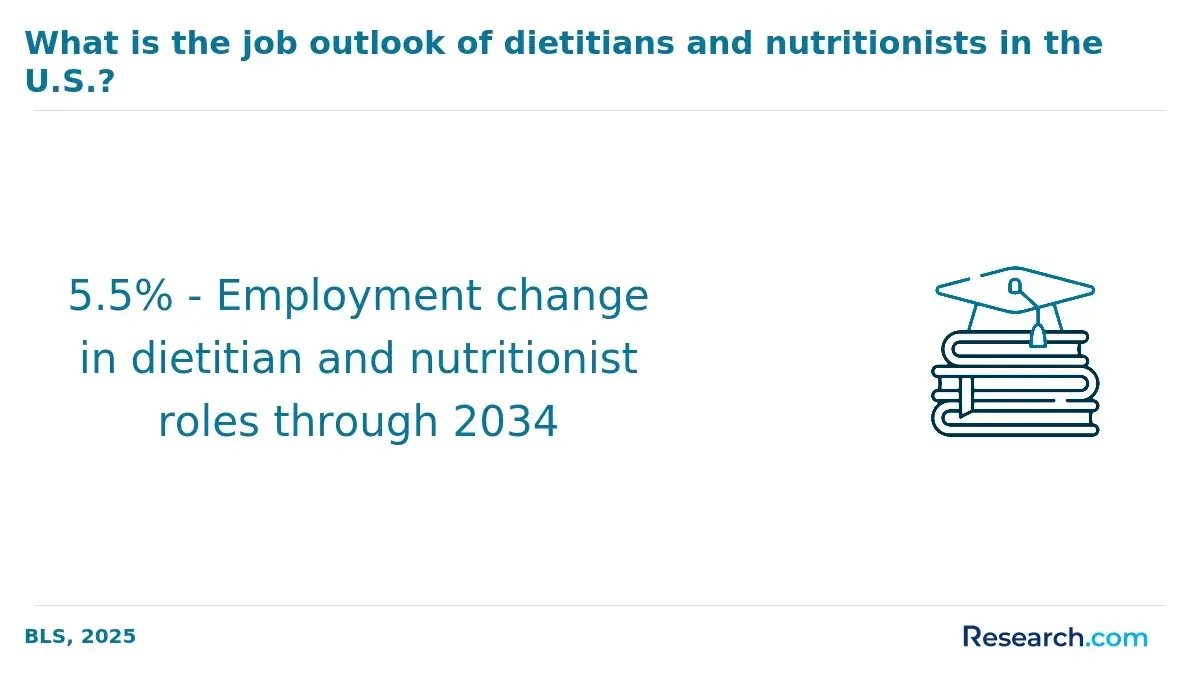
According to the U.S. Bureau of Labor Statistics, employment for dietitians and nutritionists is projected to grow by 7% through 2033. In Illinois, nutrition professionals may find opportunities in healthcare, public health, schools, wellness programs, food service, research, and private practice.
The average salary for nutritionists in Illinois is around $64,370 annually, while experienced professionals can earn upwards of $80,000, especially in metropolitan areas such as Chicago. Salary is not guaranteed and can vary by credential, employer, setting, education level, experience, location, and whether the role is clinical, community-based, corporate, or entrepreneurial.
| Work Setting | Common Responsibilities | Why It May Appeal to Illinois Nutritionists |
| Hospitals and clinics | Patient assessment, diet planning, medical nutrition therapy, education, documentation, and care team collaboration | Strong fit for licensed professionals and RDNs who want clinical work. |
| Schools and community programs | Nutrition education, meal planning support, public health initiatives, and food access programming | Useful for professionals focused on prevention, children’s health, and underserved communities. |
| Corporate wellness | Employee nutrition programs, workshops, wellness challenges, coaching, and health promotion | Good option for those interested in preventive health and workplace well-being. |
| Sports and fitness settings | Performance nutrition education, hydration planning, recovery support, and general diet strategy | Attractive for practitioners interested in athletics, fitness culture, and behavior change. |
| Private practice | Client counseling, program development, telehealth, marketing, scheduling, billing, and compliance | Offers independence but requires business skills and careful attention to scope of practice. |
Demand is shaped by chronic disease prevention, aging populations, food insecurity, healthcare cost concerns, and growing interest in nutrition-based wellness. Still, job competitiveness can differ by region and credential. Licensed and credentialed professionals generally have access to a wider range of clinical roles than workers with only short certificates.
How can nutritionists advance their careers in Illinois?
Career growth in nutrition usually comes from a combination of stronger credentials, specialized experience, professional networking, and clear scope of practice. Illinois nutritionists can move into clinical leadership, public health, sports nutrition, corporate wellness, food industry roles, education, consulting, or private practice.
- Clinical nutritionist: Work with healthcare teams to support patients with disease-related nutrition needs, treatment plans, and nutrition education.
- Community wellness advocate: Develop programs for schools, public agencies, food banks, nonprofit organizations, and underserved populations.
- Corporate wellness coordinator: Build nutrition and health promotion programs for employers that want to support workforce well-being.
- Sports nutrition specialist: Help athletes and active clients make evidence-informed choices about fueling, hydration, recovery, and performance.
- Food industry professional: Contribute to product development, labeling, consumer affairs, nutrition communication, or marketing strategy.
Some professionals also build a holistic or integrative practice model. If that interests you, review Research.com’s explanation of what is holistic nutrition to understand how holistic nutrition differs from clinical dietetics and where scope-of-practice caution is needed.
How can nutritionists support substance abuse recovery programs in Illinois?
Nutrition can play a supportive role in substance abuse recovery because clients may experience disrupted appetite, nutrient deficiencies, unstable blood sugar, digestive concerns, or co-occurring mental health needs. Nutritionists can help by developing realistic meal strategies, supporting physical restoration, and coordinating with addiction counselors, physicians, nurses, and mental health professionals.
This work should be collaborative. Nutrition professionals should not replace substance abuse counselors or medical providers, but they can strengthen recovery plans by addressing diet quality, hydration, meal timing, and nutrition education. Building referral relationships with professionals in related fields, including those described in Research.com’s guide on how to become a substance abuse counselor in Illinois, can support more integrated care.
What continuing education options are available for Illinois nutritionists?
Continuing education keeps nutritionists current with changing research, clinical guidelines, counseling methods, technology, ethics, and legal requirements. It is also necessary for maintaining many credentials and licenses.
- Attend workshops, seminars, and conferences sponsored by professional associations or academic institutions.
- Complete online courses in clinical nutrition, public health, counseling, metabolism, food policy, or specialty populations.
- Join peer learning groups or case review sessions to strengthen applied decision-making.
- Pursue graduate study if you want deeper expertise or leadership opportunities. Flexible options such as a master's in nutrition online can help working professionals continue practicing while studying.
Choose continuing education that supports your actual work. A clinical practitioner may need advanced disease-specific training, while a community nutritionist may benefit more from food systems, program evaluation, grant writing, or public health coursework.
How are nutritionist and nurse licensure pathways different in Illinois?
Nutritionists and nurses both support patient health, but they train for different professional scopes. Nutritionist pathways emphasize food, metabolism, dietary assessment, counseling, disease-related nutrition, and nutrition education. Nursing pathways focus on direct patient care, assessment, medication administration, clinical procedures, care coordination, and broader health system responsibilities.
Prospective nurses must follow separate requirements, including clinical rotations and board expectations outlined in Research.com’s guide to board of nursing program requirements in Illinois. Understanding these differences helps nutritionists collaborate effectively with nursing teams while staying within their own legal role.
What business opportunities are available for nutritionists in Illinois?
Illinois nutritionists who meet applicable legal requirements can pursue several entrepreneurial models, including private practice, telehealth consulting, corporate wellness, community workshops, sports nutrition services, culinary nutrition education, and partnerships with gyms, schools, clinics, or nonprofits.
| Business Model | When It Makes Sense | Main Risk to Manage |
| Private nutrition counseling | You have strong credentials, a clear niche, and systems for documentation and compliance. | Practicing beyond your legal scope or making medical claims without proper licensure. |
| Telehealth nutrition services | You want to reach clients beyond your immediate city or serve busy professionals remotely. | Licensure rules can apply across state lines. |
| Corporate wellness consulting | You enjoy group education, program design, and preventive health. | Demonstrating value to employers and avoiding one-size-fits-all advice. |
| Community nutrition programs | You want to work with food banks, nonprofits, schools, or public agencies. | Funding, grant management, and measurable program outcomes. |
| Specialty coaching | You have a focused audience such as athletes, families, older adults, or plant-based clients. | Marketing claims, credential clarity, and referral boundaries. |
Advanced education can also help nutrition entrepreneurs strengthen both clinical judgment and business credibility. Programs such as a masters in nutrition may be useful for professionals who want deeper expertise while building a competitive practice.
How can administrative skills improve a nutrition practice in Illinois?
Strong nutrition knowledge is not enough to run a sustainable practice. Private practitioners also need systems for scheduling, client communication, consent forms, billing, recordkeeping, insurance claims, privacy, taxes, and regulatory compliance.
Administrative training can reduce missed appointments, billing errors, documentation gaps, and client confusion. Nutritionists who understand revenue cycle basics and coding workflows can communicate more effectively with billing professionals and healthcare partners. For a related look at healthcare administrative processes, see Research.com’s guide on how to become a medical biller and coder in Illinois.
How can interdisciplinary research strengthen nutrition practice in Illinois?
Nutrition practice improves when professionals can read research carefully, evaluate evidence quality, and adapt recommendations to real populations. Interdisciplinary research methods from public health, biostatistics, behavioral science, food systems, and clinical medicine can help nutritionists design better interventions and measure outcomes more accurately.
Research literacy is especially valuable when working with chronic disease prevention, community nutrition, substance abuse recovery, pediatrics, and culturally diverse populations. Even fields outside traditional nutrition can reinforce the importance of evidence handling and rigorous methods, including scientific pathways discussed in Research.com’s guide to forensic scientist education requirements in Illinois.
What nutrition specializations can you pursue in Illinois?
Illinois offers nutritionists several specialization options because the state includes large urban health systems, suburban wellness markets, rural communities, major universities, professional sports culture, food industry employers, and public health programs.
| Specialization | What It Involves | Potential Illinois Settings |
| Clinical nutrition | Using diet and nutrition interventions to support patients with medical conditions. | Hospitals, outpatient clinics, long-term care facilities, physician practices, and specialty care centers. |
| Sports nutrition | Helping athletes and active clients plan fueling, hydration, recovery, and performance nutrition. | Schools, gyms, athletic programs, private practice, and sports organizations. |
| Pediatric nutrition | Supporting infant, child, and adolescent nutrition, growth, family education, and obesity prevention. | Children’s hospitals, schools, public health agencies, pediatric clinics, and community programs. |
| Public health nutrition | Improving nutrition access, education, and prevention at the population level. | Food banks, nonprofits, state and local agencies, SNAP-related programs, and community health initiatives. |
| Food industry and product development | Applying nutrition knowledge to product formulation, labeling, consumer education, and food innovation. | Food companies, research organizations, startups, and corporate nutrition teams. |
For example, a sports nutritionist working with a Chicago high school football team might design meal and hydration plans while teaching athletes how nutrition affects energy, recovery, and long-term health habits.
The University of Illinois at Urbana-Champaign offers a Nutrition and Dietetics program that allows students to align coursework with specific interests. Students should compare specialization options early because internships, electives, and graduate programs can shape future job opportunities.
What challenges should Illinois nutritionists prepare for?
Nutrition work in Illinois can be rewarding, but new professionals should prepare for regulatory complexity, diverse client needs, reimbursement issues, misinformation, and uneven access to healthy food.
| Challenge | Why It Matters | Better Approach |
| Misunderstanding licensure rules | Practicing outside your legal scope can create professional and legal risk. | Review IDFPR guidance and consult qualified advisors before offering clinical services. |
| Serving diverse communities with one standard plan | Illinois clients may differ by culture, income, religion, food access, language, and health history. | Use culturally responsive counseling and adapt advice to each client’s budget, food traditions, and environment. |
| Navigating food insecurity | Clients may understand nutrition advice but lack access to affordable foods. | Learn local food resources, SNAP-related programs, food banks, and community partnerships. |
| Competing with online misinformation | Clients may follow trends from social media before seeking professional help. | Use clear explanations, evidence-based education, and nonjudgmental counseling. |
| Starting a private practice too quickly | Clinical, legal, billing, marketing, and documentation requirements can be underestimated. | Build credentials, mentorship, business systems, and referral relationships before scaling. |
The Illinois Department of Human Services administers programs such as the Supplemental Nutrition Assistance Program (SNAP), which can be relevant for nutritionists working with families facing food insecurity. Knowing these resources helps practitioners give advice that is realistic rather than idealized.
How can advanced clinical training expand a nutritionist’s expertise?
Advanced clinical training can help nutritionists better understand complex patient needs, interdisciplinary care, health assessment, disease management, and healthcare systems. This can be especially useful for professionals working in hospitals, clinics, long-term care, or integrated care teams.
Nutritionists do not need to become nurse practitioners to collaborate clinically, but understanding advanced nursing education can improve communication with providers and clarify team roles. Professionals interested in broader clinical exposure may find it useful to review Research.com’s guide to the best accredited NP programs in Illinois.
How do you move from nutritionist to registered dietitian in Illinois?
Nutritionists who want stronger clinical recognition can pursue the registered dietitian pathway. This generally requires meeting specific academic requirements, completing supervised practice, passing the national examination, and applying for Illinois licensure when required.
- Review your current transcripts to identify missing prerequisite or dietetics coursework.
- Choose an accredited program that supports the RDN pathway.
- Complete the required supervised practice experience.
- Prepare for and pass the national exam.
- Submit the required documentation and fees to the appropriate licensing authority.
- Maintain your credential and license through continuing education.
Because requirements can change and vary by prior education, review Research.com’s detailed guide to the requirements to become a registered dietitian in Illinois before making enrollment decisions.
How can nutritionists and nurses work together in Illinois?
Nutritionists and nurses often support the same patients from different angles. Nurses may identify changes in appetite, weight, medication adherence, wound healing, blood glucose patterns, or patient education needs. Nutritionists can then contribute diet assessment, meal planning, counseling, and nutrition-related interventions.
Collaboration can improve care for patients with diabetes, cardiovascular disease, kidney disease, cancer, digestive disorders, pregnancy-related nutrition needs, and recovery challenges. Shared care plans, referral protocols, team meetings, and joint patient education sessions can make care more consistent.
Nutrition professionals who want to understand the nursing side of patient care can review Research.com’s guide on how to become a nurse in Illinois.
Why should nutritionists understand nurse practitioner pathways?
Nurse practitioners often diagnose, treat, prescribe, and manage care plans within their scope, while nutritionists provide specialized nutrition assessment and counseling within theirs. Understanding how nurse practitioners are trained helps nutritionists communicate effectively, identify referral points, and support integrated care.
This is especially important in chronic disease management, primary care, women’s health, pediatrics, geriatrics, and behavioral health. Nutritionists who want to better understand advanced practice roles can explore Research.com’s guide on how to become a nurse practitioner in Illinois.
How can nutritionists and pharmacists coordinate patient care?
Nutrition and medication often intersect. Pharmacists can identify potential drug-nutrient interactions, medication side effects that affect appetite or digestion, and adherence concerns. Nutritionists can adjust meal timing, nutrient intake, hydration strategies, and education to support safe, coordinated care.
This collaboration can be valuable for patients managing diabetes, hypertension, cardiovascular disease, kidney disease, gastrointestinal conditions, and weight-related medication plans. Understanding professional boundaries also helps avoid duplicated or conflicting advice. Nutritionists who want more context can review Research.com’s overview of pharmacist licensure requirements in Illinois.
What legal responsibilities apply to nutritionists in Illinois?
The Illinois Dietitian Nutritionist Practice Act establishes rules for dietitian nutritionist practice and helps determine who may provide regulated nutrition services. The law is designed to protect the public by limiting medical nutrition therapy and related services to qualified professionals.
Unlicensed practice can lead to penalties, so nutrition professionals should understand the difference between general nutrition education and regulated clinical services. Some holistic or wellness practitioners may provide broad nutrition information without a license if they avoid medical nutrition therapy, disease treatment, misleading titles, and claims that imply licensed clinical authority.
Legal responsibilities also include truthful advertising, accurate credential use, appropriate referrals, confidentiality, documentation, continuing education, and ethical practice. In a large market such as Chicago, practitioners should also pay attention to local business rules, insurance requirements, and telehealth policies.
Students who want a broader wellness foundation may also consider related programs such as accredited online exercise science bachelor’s degrees, but exercise science alone does not replace dietetics education or Illinois licensure preparation.
Common Mistakes to Avoid When Becoming a Nutritionist in Illinois
- Choosing a program before checking accreditation: If your goal is licensure or the RDN pathway, accreditation and supervised practice access are critical.
- Assuming every nutrition certificate allows clinical practice: Short certificates may be useful for general education, but they do not automatically authorize medical nutrition therapy.
- Looking only at tuition: Compare total cost, fees, transfer policies, supervised practice support, exam preparation, and career outcomes.
- Ignoring state scope-of-practice rules: Illinois regulates dietitian nutritionist services. Review current IDFPR rules before launching services.
- Using protected or misleading titles: Be precise about your credentials and avoid implying you are licensed if you are not.
- Building a private practice without business systems: Scheduling, billing, consent forms, records, referrals, and compliance matter as much as client communication.
- Assuming salary outcomes are guaranteed: Earnings vary by setting, credential, experience, employer, and location.
Questions to Ask Before Choosing a Nutrition Program in Illinois
- Is the program accredited, and does that accreditation match my career goal?
- Will the coursework qualify me for supervised practice, certification, licensure, or graduate study?
- Does the school explain how graduates become licensed in Illinois?
- Are internships, practicums, or supervised practice placements included or separately arranged?
- What are the total costs, including fees, books, exam preparation, and licensure expenses?
- Can I transfer prior credits, and how will transfer credits affect my timeline?
- Does the program offer online, hybrid, evening, or part-time options?
- What career services, faculty advising, and exam preparation support are available?
- What percentage of graduates pursue clinical, community, corporate, or private practice roles?
- Will the program still be useful if I later decide to become an RDN, CNS, or graduate student?
What Graduates Say About Becoming a Nutritionist in Illinois
-
: "
"Practicing nutrition in Illinois has taught me how important cultural food traditions are. I work with clients from many backgrounds, and the best advice is the advice they can actually use in their own kitchens." – Sofia
"
-
: "
"Illinois gives nutritionists a wide range of work settings. I have supported busy professionals in Chicago and families in smaller communities, and each setting has made me a better listener and educator." – Lucy
"
-
: "
"Food insecurity is not an abstract issue here. Working with food banks showed me how nutrition education has to fit real budgets, real transportation barriers, and real family needs." – Milo
"
Related Articles for Nearby States
- 2027 How to Become a Nutritionist in Indiana
- 2027 How to Become a Nutritionist in Wisconsin
- 2027 How to Become a Nutritionist in Iowa
- 2027 How to Become a Nutritionist in Missouri
- 2027 How to Become a Nutritionist in Kentucky
- 2027 How to Become a Nutritionist in Michigan
- 2027 How to Become a Nutritionist in Minnesota
- 2027 How to Become a Nutritionist in Ohio
- 2027 How to Become a Nutritionist in Tennessee
- 2027 How to Become a Nutritionist in Arkansas
References:
- Commission on Dietetic Registration. (2026, January 26). Nutrition Dietetics Technician, Registered (NDTR) and Dietetic Technician Registered by Region. Retrieved January 2026, from https://www.cdrnet.org/registry-statistics?id=6925&actionxm=All
- Become a Nutritionist. (n.d.). How Long Does It Take to Become a Nutritionist?. Become a Nutritionist.
- Bureau of Labor Statistics (BLS). (2024a). Illinois. Occupational Employment and Wage Statistics. BLS.
- Bureau of Labor Statistics (BLS). (2024b). Dietitians and Nutritionists. Occupational Outlook Handbook. BLS.
- CostHelper. (n.d.). Becoming a Nutritionist Cost. CostHelper.
- Feeding America. (2025). What Hunger Looks Like in Illinois. Illinois. Feeding America.
- HealthCarePathway. (n.d.). Licensed Dietitian Nutritionist Requirements: How to Become a Licensed Dietitian Nutritionist in Illinois. HealthCarePathway.
- Illinois Department of Financial & Professional Regulation (IDFPR). (2026). Dietitian Nutritionist. IDFPR.
- Illinois State University. (2025). Steps to Becoming a Registered. Dietetics. Illinois State University.
- Northern Illinois University. (n.d.). Careers in Nutrition and Dietetics. Nutrition and Dietetics. Northern Illinois University.
- NutritionED. (n.d.). Illinois Nutritionist Certification. NutritionED.
- University of Illinois Chicago. (n.d.). Become an RDN. BS in Nutrition. University of Illinois Chicago.
- University of Illinois Urbana-Champaign. (n.d.). Career Options. Academics. University of Illinois Urbana-Champaign.
- U.S. Bureau of Labor Statistics. (2025, August 28). Occupational projections and worker characteristics. Retrieved January 2026, from https://www.bls.gov/emp/tables/occupational-projections-and-characteristics.htm
Key Insights
- Illinois nutrition careers depend heavily on scope of practice. If you want to provide medical nutrition therapy or clinical dietetics services, plan for formal education, supervised practice, examination, and IDFPR licensure.
- The fastest certificate is not the same as the strongest career path. Short programs may support general wellness coaching, but RDN, CNS, and licensed roles require deeper academic and supervised preparation.
- Costs can range from $5,000 to $80,000, so compare programs by accreditation, licensure alignment, supervised practice access, transfer credit, and total cost—not tuition alone.
- The projected job outlook is 7% through 2033, and Illinois nutritionists average around $64,370 annually, with experienced professionals earning upwards of $80,000 in some settings.
- Specialization can improve career direction. Clinical nutrition, sports nutrition, pediatric nutrition, public health nutrition, and food industry roles each require different preparation and experience.
- Food insecurity, chronic disease, telehealth, interdisciplinary care, and cultural diversity make Illinois a meaningful but complex place to practice nutrition.
- Before enrolling, ask whether the program actually qualifies you for the credential, license, or job you want. That single question can prevent wasted time, money, and career delays.
Other Things You Should Know About Becoming a Nutritionist in Illinois
Yes, you need a license to practice as a nutritionist in Illinois. However, checking local regulations is wise, as some municipalities may have specific requirements. Consider the bustling city of Chicago, where the demand for nutritionists is ever-growing. With a population exceeding 2.7 million, the opportunities to inspire healthy eating habits are abundant.
To become a licensed nutritionist in Illinois in 2027, you must earn a related bachelor's degree, complete an accredited nutrition program, pass the Certification Board for Nutrition Specialists exam or a similar test, and apply for state licensure through the Illinois Department of Financial and Professional Regulation.
Choosing the right nutrition degree program in Illinois involves several key factors. First, consider the type of degree you want. Illinois offers various options, including undergraduate programs like the Bachelor of Science in Nutrition at the University of Illinois at Urbana-Champaign, which is highly regarded for its comprehensive curriculum.
For advanced studies, look into graduate programs such as the Master of Science in Nutrition at Illinois State University, which prepares students for leadership roles. Suppose you're aiming for a doctoral degree. In that case, the University of Illinois also offers a Ph.D. in Nutritional Sciences, focusing on research and advanced practice.
Additionally, check for accreditation from the Accreditation Council for Education in Nutrition and Dietetics (ACEND) to ensure the program meets high educational standards.