2027 How to Become a Licensed Pharmacist in Illinois

Co-Founder and Chief Data Scientist
Becoming a pharmacist in Illinois is a regulated professional path, not just a degree choice. You need the right pharmacy education, supervised experience, national and state law exams, a completed licensure application, and ongoing continuing education after you are licensed. For students, residents, career changers, and out-of-state pharmacists planning to practice in Illinois, the biggest challenge is often not one requirement—it is keeping the sequence, deadlines, documents, fees, and exam steps straight.
This guide explains how to become a licensed pharmacist in Illinois, how long the process usually takes, what the Pharm.D. pathway involves, what exams you must pass, what costs to plan for, how online or hybrid pharmacy education fits into licensure, and what to know about salary, job outlook, renewal, continuing education, and career options. It is designed to help you make practical decisions before you invest years and significant money into pharmacy training.
Quick answer: How do you become a licensed pharmacist in Illinois?
To become a licensed pharmacist in Illinois, you generally must earn a Doctor of Pharmacy degree from an ACPE-accredited pharmacy program, complete required supervised internship experience, apply for licensure through the Illinois Department of Financial and Professional Regulation, pass the North American Pharmacist Licensure Examination, and pass the Illinois pharmacy law examination requirement through the Multistate Pharmacy Jurisprudence Examination. After licensure, pharmacists must keep their license active through renewal and continuing education.
Key Things You Should Know About Becoming a Licensed Pharmacist in Illinois
- Start early. The Illinois licensure process involves school certification, exam eligibility, background checks, and state paperwork. If you are completing a residency, begin planning during your residency year so delays do not affect employment start dates.
- Submit both state and exam-related applications. Candidates typically need to complete the Illinois Registered Pharmacist examination application and the National Association of Boards of Pharmacy eligibility steps for required exams.
- Coordinate with your pharmacy school. Your school must send required certification forms, and a slow submission can hold up your application even if you have finished your degree.
- Study Illinois pharmacy law carefully. The Multistate Pharmacy Jurisprudence Examination covers legal and regulatory knowledge, including state-specific pharmacy rules.
- Budget for more than tuition. Application fees, exam-related costs, fingerprinting, background checks, renewal fees, and study materials can add to the total cost.
- Document every interaction if a problem occurs. If you run into application, residency, or exam timing issues, keep written records and communicate with your Residency Program Director or school licensure contact.
- What is a licensed pharmacist?
- How long does it take to become a licensed pharmacist in Illinois?
- How do I get a pharmacy degree in Illinois?
- What are the requirements to become a licensed pharmacist in Illinois?
- How much does it cost to become a licensed pharmacist in Illinois?
- Can I get my pharmacist’s license online in Illinois?
- What is the job description of a licensed pharmacist in Illinois?
- What are the continuing education requirements for pharmacists in Illinois?
- What do I do if my pharmacist’s license expires in Illinois?
- How much do licensed pharmacists in Illinois make?
- Which pharmacy schools offer accessible admission pathways in Illinois?
- Can licensed pharmacists pursue a career in substance abuse counseling?
- What financing options support pharmacy education in Illinois?
- How can additional certifications elevate my pharmacy career in Illinois?
- How can pharmacists streamline administrative processes in Illinois?
- How can interdisciplinary collaboration elevate my pharmacy practice in Illinois?
- What is the job outlook for licensed pharmacists in Illinois?
- What regulatory updates should I monitor to stay compliant in Illinois?
- What challenges do licensed pharmacists in Illinois face and how can they overcome them?
- What options do I have if I want to transition into a different career in healthcare?
- What professional networks and support resources are available for licensed pharmacists in Illinois?
- Can I combine my pharmacy expertise with marriage and family therapy?
- What is a licensed pharmacist’s career path in Illinois?
What is a licensed pharmacist?
A licensed pharmacist is a healthcare professional legally authorized to prepare, dispense, review, and manage medications for patients. In Illinois, the role requires formal pharmacy education, supervised practice, successful completion of licensure exams, and compliance with state pharmacy law. Pharmacists do much more than hand over prescriptions. They evaluate medication safety, counsel patients, check for interactions, collaborate with prescribers, support immunization and public health services, and help prevent medication errors.
The main steps toward becoming a licensed pharmacist include:
- Earn the required professional degree. Most candidates complete a Doctor of Pharmacy, commonly called a Pharm.D., from an accredited pharmacy school. The program typically takes four years and covers subjects such as anatomy, chemistry, pharmacology, therapeutics, pharmacy law, and clinical practice. Students who need flexibility may compare campus-based options with accredited online pharmacy doctorate programs, but they should confirm that any program meets Illinois licensure expectations.
- Complete supervised experience. Illinois candidates must gain practical internship experience under licensed supervision. This training helps future pharmacists apply classroom knowledge to prescription review, patient counseling, clinical decision-making, workflow management, and safety procedures. Understanding licensed pharmacist requirements in Illinois early can help students make sure their experience is properly documented.
- Pass required examinations. Candidates must pass the North American Pharmacist Licensure Examination and the Multistate Pharmacy Jurisprudence Examination. The first measures pharmacy practice competence, while the second tests knowledge of pharmacy law, including Illinois-specific rules.
- Maintain professional competence after licensure. Illinois pharmacists must complete continuing education and renew their license to continue practicing legally.
In day-to-day practice, pharmacists commonly handle three broad responsibilities:
- Medication counseling. They explain how to take medications, what side effects to watch for, and when to seek medical advice.
- Safety review. They check for duplicate therapies, allergies, dosing concerns, drug interactions, and other risks that can affect treatment outcomes.
- Care coordination. They work with physicians, nurses, advanced practice providers, insurers, technicians, and caregivers to support safe and effective medication use.
| Area of practice | What pharmacists do | Why it matters |
| Community pharmacy | Dispense prescriptions, counsel patients, review medication profiles, and support preventive services | Patients often see pharmacists more frequently than other healthcare providers |
| Hospital or health system pharmacy | Review inpatient medication orders, monitor therapy, participate in clinical rounds, and support transitions of care | Medication decisions can directly affect patient safety during acute care |
| Managed care and insurance | Evaluate formularies, review medication utilization, and support cost-effective therapy choices | Medication access and affordability often depend on coverage decisions |
| Industry or research | Support drug development, clinical trials, regulatory work, or medical information | Pharmacists contribute scientific and medication-use expertise beyond direct dispensing |
How long does it take to become a licensed pharmacist in Illinois?
The timeline to become a pharmacist in Illinois usually includes undergraduate prerequisite preparation, a Pharm.D. program, supervised internship hours, exam preparation, and state licensure processing. The professional pharmacy degree itself typically takes 4 years, although some students enter through combined or accelerated pathways. Students comparing healthcare options may also review a pharmacy technician online associate programs guide if they want a shorter, support-role pathway before committing to a Pharm.D.
After finishing the Pharm.D., candidates must prepare for and pass two major exams:
- North American Pharmacist Licensure Exam. The NAPLEX evaluates whether a candidate can apply pharmacy knowledge safely in practice.
- Multistate Pharmacy Jurisprudence Exam. The MPJE measures knowledge of pharmacy law and regulatory requirements that differ by state.
Exam preparation often takes several months, depending on how recently a candidate graduated, how strong their clinical foundation is, and how much time they can study each week. Illinois also requires substantial practical experience. Candidates complete between 1,500 and 2,000 hours of internship work, and these hours may be completed during the Pharm.D. program, after the program, or through a combination of both, depending on the program and regulatory requirements.
| Stage | Typical time involved | Decision point for students |
| Prerequisite or undergraduate preparation | Varies by student and entry pathway | Choose whether to complete prerequisites separately or pursue a combined pathway |
| Pharm.D. program | 4 years | Confirm ACPE accreditation, rotation structure, cost, location, and outcomes |
| Internship experience | 1,500 to 2,000 hours | Track documentation carefully and confirm whether hours count toward Illinois requirements |
| Exam preparation | Several months | Build a study plan for both clinical content and Illinois pharmacy law |
| Application and licensure processing | Varies | Submit forms early and monitor school certification, background check, and exam eligibility status |
How do I get a pharmacy degree in Illinois?
The standard degree for becoming a practicing pharmacist is the Doctor of Pharmacy. The vast majority of licensed and practicing pharmacists in the United States hold a Doctor of Pharmacy degree. This professional degree has become the standard entry credential for pharmacy practice, replacing the previously common Bachelor of Science in Pharmacy degree.
Students interested in pharmacy degree programs in Illinois should focus first on accreditation, prerequisites, admissions requirements, clinical rotation access, licensure exam preparation, and total cost. A well-known Illinois option is the UIC Retzky College of Pharmacy, which has been recognized as the top pharmacy school in the state in recent US News & World Report rankings.
At UIC Retzky College of Pharmacy, students may encounter pathways such as:
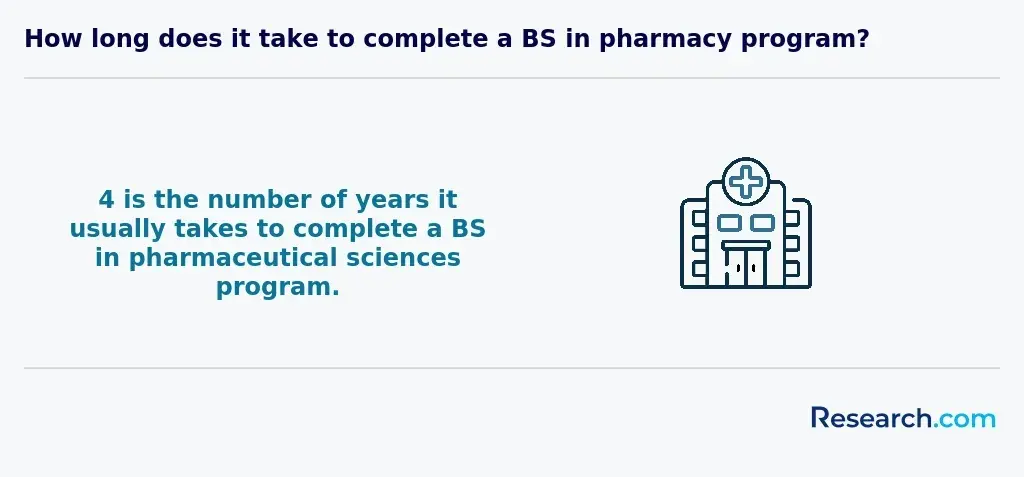
- Bachelor of Science in Pharmaceutical Sciences. The BSPS is a four-year undergraduate program that gives students a foundation in pharmaceutical sciences and can include prerequisite coursework for Pharm.D. study.
- BS/PharmD Pathway. This seven-year option allows students to complete both the BSPS and Pharm.D. by overlapping the final undergraduate year with the first year of the professional pharmacy program.
After completing the Pharm.D., graduates must pass the NAPLEX and MPJE before they can obtain an Illinois pharmacist license. Applicants should review Illinois pharmacy school admission requirements before applying because programs may differ in prerequisites, GPA expectations, interview processes, letters of recommendation, and required healthcare or pharmacy exposure.
Students who are interested in pharmacy but not ready to pursue a doctorate may consider a pharmacy technician degree online as an earlier entry point into pharmacy settings. This route does not lead to pharmacist licensure, but it can help students understand pharmacy workflow, patient interaction, medication systems, and whether the profession is a good long-term fit.
| Education option | Best for | Important limitation |
| Pharm.D. | Students who want to become licensed pharmacists | Requires significant time, tuition investment, exams, and supervised experience |
| BSPS or similar undergraduate science pathway | Students preparing for pharmacy school or pharmaceutical science careers | Does not by itself qualify someone for pharmacist licensure |
| BS/PharmD pathway | Students who know early that they want pharmacy and prefer a structured route | Less flexible if career goals change |
| Pharmacy technician education | Students seeking pharmacy experience or a shorter healthcare pathway | Leads to technician roles, not pharmacist licensure |
What are the requirements to become a licensed pharmacist in Illinois?
Illinois pharmacist licensure is built around education, supervised practice, examination, application review, and ongoing compliance. Before applying, candidates should confirm that they have met all degree and internship requirements and that their school has submitted any required certification documentation.
The core Illinois pharmacist licensing process includes:
- Complete an eligible Pharm.D. program. Candidates should graduate from a pharmacy program that meets professional accreditation expectations for licensure.
- Document supervised experience. Internship hours must be completed and properly reported according to Illinois requirements.
- Apply through the appropriate licensing channels. Applicants complete state licensure paperwork with the Illinois Department of Financial and Professional Regulation and complete required exam eligibility steps.
- Pass the NAPLEX. This exam assesses readiness for pharmacist practice.
- Pass the MPJE. This exam focuses on pharmacy law and regulatory requirements, including Illinois-specific rules.
- Complete fingerprinting and background check requirements. These steps help the state review professional eligibility and public safety considerations.
Once licensed, pharmacists must also maintain their credentials. Renewal in Illinois is not optional; it is what keeps a pharmacist legally authorized to practice.
- Renewal cycle. Pharmacists must renew their licenses every two years.
- Continuing education. Pharmacists must complete the required continuing education hours for renewal and keep records in case documentation is requested.
- Renewal application. The process includes submitting renewal information to the Illinois Department of Financial and Professional Regulation, documenting continuing education, and paying the required renewal fee.
- Career risk of nonrenewal. Missing renewal deadlines can interrupt employment, expose the pharmacist to disciplinary risk, and prevent legal practice. This matters in a competitive healthcare labor market where many professionals pursue top paying jobs in the healthcare field.
A practical way to avoid licensure delays is to create a checklist before graduation. Include school certification, internship hour documentation, exam authorization, fingerprinting, background check steps, application fees, and law exam study time.
How much does it cost to become a licensed pharmacist in Illinois?
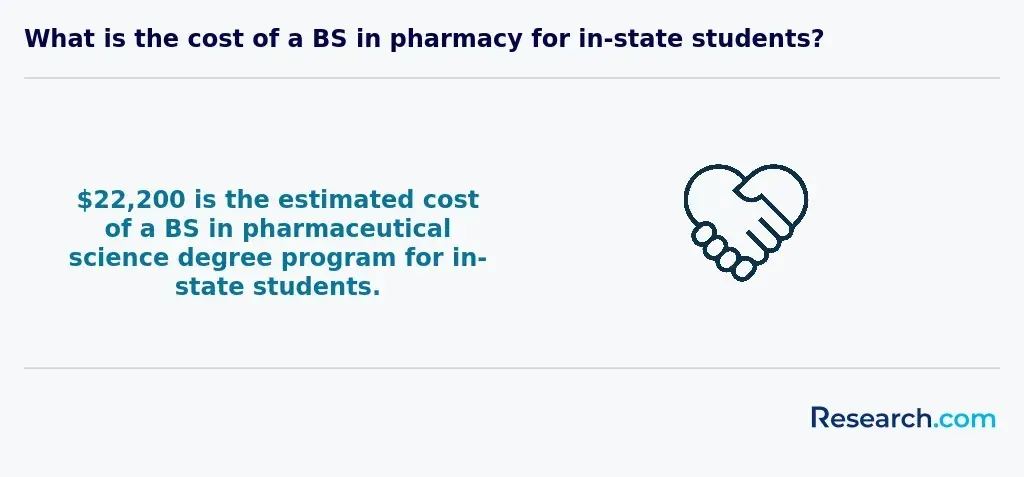
The cost to become a licensed pharmacist in Illinois can be substantial because it includes pharmacy school tuition, living expenses, books and supplies, exam preparation, licensing fees, background checks, and renewal expenses. The cost of pharmacy school in Illinois can reach tens of thousands of dollars and may exceed a hundred thousand dollars depending on the institution and student circumstances.
Known Illinois pharmacist licensing-related fees include:
- Application fee. The application fee is $75.
- Eligibility and examination fee. This cost is connected to verifying eligibility and administering required licensing exams.
- Preliminary diagnostic examination fee. Candidates who choose or need a preliminary diagnostic exam may have additional charges payable to the IDFPR or a testing venue.
- Examination review fee. If an exam review is requested, the fee is $20, in addition to any testing service charges.
- Renewal fee. After licensure, pharmacists should plan for an annual renewal fee of $75.
- Restoration fee. If a license must be restored, a restoration fee of $50 applies, along with any overdue charges.
Students should compare total program cost, not just tuition. Housing, transportation to clinical rotations, unpaid rotation time, exam prep resources, application fees, and interest on loans can change the real cost of attendance. Some students also pursue additional healthcare credentials after pharmacy school; for a broader view of shorter healthcare options, review quick medical certifications online.
| Cost category | What to check | Why it affects ROI |
| Tuition and fees | In-state versus private tuition, annual increases, program fees | This is usually the largest expense |
| Living expenses | Rent, food, transportation, insurance, commuting to rotations | Urban and rotation-based costs can add up quickly |
| Licensure costs | Application, exams, fingerprinting, background checks, and review fees | These are required to move from graduate to licensed pharmacist |
| Loan interest | Federal and private loan terms, repayment options, deferment rules | Interest can significantly increase the long-term cost |
| Opportunity cost | Time out of full-time work during school and rotations | Lost earnings are part of the financial decision |
Can I get my pharmacist’s license online in Illinois?
You cannot complete every part of Illinois pharmacist licensure entirely online. Some application steps may be available online, and some pharmacy programs offer online or hybrid coursework, but pharmacist licensure still requires clinical training, supervised experience, exams, background-related steps, and compliance with Illinois Department of Financial and Professional Regulation requirements.
Online or hybrid Pharm.D. options may be useful for students who need more flexibility, but they must be evaluated carefully. The most important factor is accreditation. Students should confirm that the program is accredited by the Accreditation Council for Pharmacy Education, because ACPE accreditation is essential for eligibility to pursue pharmacist licensure.
- Coursework may be online or hybrid. Students may complete subjects such as pharmacology, medicinal chemistry, therapeutics, and pharmacy law through a mix of digital and in-person formats.
- Clinical training is still required. Even when didactic courses are online, students must complete hands-on rotations and practical learning experiences.
- Licensure requirements remain the same. Graduates must pass the NAPLEX, satisfy pharmacy law testing requirements, and meet IDFPR rules.
For example, the University of Illinois at Chicago offers a hybrid Pharm.D. program that combines online learning with required in-person clinical experiences. This format may help working students or students with family obligations, but it does not remove the need for rotations, exams, and state licensure review.
Before enrolling in an online or hybrid pharmacy program, ask the school where rotations are available, whether Illinois students can complete required practice experiences near home, how the program supports NAPLEX and MPJE preparation, and whether graduates have had difficulty meeting Illinois licensure requirements.
What is the job description of a licensed pharmacist in Illinois?
A licensed pharmacist in Illinois is responsible for safe medication use. The exact job description depends on the setting, but most pharmacists review prescriptions, verify dosing, screen for interactions, counsel patients, supervise pharmacy support staff, communicate with prescribers, maintain records, and follow state and federal pharmacy regulations.
| Work setting | Common responsibilities | Skills emphasized |
| Retail drugstore | Verify prescriptions, counsel customers, manage medication profiles, answer safety questions, and supervise pharmacy workflow | Communication, accuracy, time management, customer service, and regulatory compliance |
| Hospital or clinic | Review medication orders, monitor therapy, support physicians and nurses, and help adjust treatment plans | Clinical judgment, teamwork, documentation, and patient safety |
| Mail-order pharmacy | Process electronic prescriptions, ensure accurate dispensing, support adherence, and provide remote consultation | Systems thinking, quality control, telehealth communication, and compliance |
| Pharmaceutical research or industry | Support clinical trials, drug information, safety review, or medical affairs work | Scientific analysis, regulatory awareness, writing, and data interpretation |
| Consulting | Review medication regimens, advise healthcare organizations, and recommend therapy improvements | Medication therapy management, analytics, communication, and business judgment |
Many pharmacists also support public health through immunizations, health screenings, medication therapy management, and patient education. As pharmacy practice changes, employers increasingly value pharmacists who can combine clinical knowledge with technology, documentation, insurance navigation, and team-based care.
The profession requires strong attention to detail because a small error can harm a patient. It also requires patience and communication skill because pharmacists often explain complex medication instructions to people who may be worried, rushed, or confused.
Licensed pharmacists in Illinois have been associated with a median annual salary of around $121,358, though compensation can vary by employer, setting, geography, experience, and specialization.
What are the continuing education requirements for pharmacists in Illinois?
Illinois pharmacists must complete continuing education to keep their license active and maintain current knowledge in pharmacy practice. Continuing education helps pharmacists stay updated on medication safety, legal changes, patient care standards, and emerging treatment issues.
Licensed pharmacists in Illinois must complete 30 hours of accredited continuing education every two years. The credits must be approved by the Accreditation Council for Pharmacy Education or a similarly recognized body. At least one hour must focus on pharmacy law, and at least one hour must address patient safety or medication error reduction.
Continuing education can be completed through online courses, conferences, live seminars, workshops, employer-sponsored programs, and special certification training. Pharmacists who want to broaden their patient-care work may also explore related healthcare fields, such as how to become a mental health counselor in Illinois.
The safest approach is to track CE progress throughout the renewal cycle rather than waiting until the deadline. Keep certificates, course descriptions, dates, provider information, and proof of completion in an organized file. If the state requests documentation, missing records can create renewal problems even if the pharmacist completed the education.
What do I do if my pharmacist’s license expires in Illinois?
If your Illinois pharmacist license expires, you should stop practicing until your license is renewed, reinstated, or restored according to IDFPR requirements. Practicing on an expired license can lead to fines, disciplinary action, and employment consequences.
Use this sequence if your license is near expiration or has already expired:
- Check your license status. Use the IDFPR License Lookup tool to confirm the expiration date and current status.
- Renew online if the portal is still available. Pharmacists generally have a 2–3-month grace period before expiration to renew online. If you miss the window, the online renewal option may no longer be available.
- Request the correct reinstatement paperwork if needed. If the renewal period has passed, contact IDFPR for a Reinstatement application and instructions.
- Prepare documentation. Gather continuing education records, identity documents, fee payment information, and any other materials required based on how long the license has been expired.
- Do not practice until your status is resolved. Working before your license is active can create legal and professional risk.
To avoid expiration problems, put renewal reminders on your calendar, check your IDFPR record regularly, and complete continuing education early. A lapse can be especially disruptive if your employer requires an active license as a condition of employment.
How much do licensed pharmacists in Illinois make?
As of May 2023, pharmacists in the state had an average annual salary of approximately $133,600, equal to an hourly wage of about $64.23. Pay varies by employer type, region, schedule, experience, specialty training, and whether the role is clinical, retail, administrative, or industry-based.
Examples of reported pay by setting include:
- General medical and surgical hospitals. Pharmacists in these settings earn an average annual salary of around $144,270.
- Retail environments. Pharmacists working in health and personal care retail earn about $126,990 annually.
- Outpatient care centers. Pharmacists in this sector earn approximately $164,180.
Pharmacists seeking higher compensation may consider:
- Specialization. Certifications in areas such as oncology or pediatrics can support movement into specialized positions.
- Postgraduate training. A Pharm.D. combined with residency or additional training may lead to advanced clinical roles.
- Experience and leadership. Supervisory, management, clinical coordinator, or director-level roles often require a track record of reliable practice.
- Geographic mobility. Pharmacists willing to relocate may encounter different pay markets. For example, those in California average around $157,280 annually.
Salary should not be treated as guaranteed. When evaluating return on investment, compare expected earnings with tuition, debt, loan interest, years in school, preferred work setting, schedule demands, and local hiring conditions.
Which pharmacy schools offer accessible admission pathways in Illinois?
Accessible admission does not mean low quality. It means a program’s prerequisites, review process, support systems, transfer policies, and pathway options may fit a wider range of qualified applicants. When comparing Illinois Pharm.D. options, look for ACPE accreditation, transparent admissions criteria, strong academic advising, rotation support, licensure exam preparation, and clear outcome information.
Applicants should compare prerequisite flexibility, interview requirements, minimum academic benchmarks, early assurance or combined pathways, and support for students who are changing careers or transferring from another institution. Students who want a broader national comparison can review the easiest pharmacy schools to get into, while still confirming that any program they choose meets professional standards and licensure needs.
Can licensed pharmacists pursue a career in substance abuse counseling?
Yes, pharmacists may move into or add training related to substance abuse counseling, but they must meet the separate education, supervised experience, certification, or licensure requirements for that field. Pharmacy expertise can be valuable in substance use treatment because pharmacists understand medication safety, controlled substances, adherence, withdrawal considerations, and medication-assisted treatment support.
This path may fit pharmacists who enjoy direct patient counseling, behavioral health teamwork, community health, or addiction medicine. It may not be ideal for someone who wants to avoid additional supervised training or a separate credentialing process. For a field-specific breakdown, review how to become a substance abuse counselor in Illinois.
What financing options support pharmacy education in Illinois?
Pharmacy education can be expensive, so students should create a financing plan before enrolling. Common options include federal student aid, state grants, institutional scholarships, private loans, employer tuition support, work-study, payment plans, and merit-based awards. The best strategy is usually to minimize high-interest borrowing and understand repayment obligations before accepting loans.
Before committing to a program, ask the financial aid office for the full cost of attendance, average debt information if available, scholarship renewal conditions, rotation-related costs, and whether students can work during the program. Also consider the opportunity cost of spending several years in professional school. For a broader explanation of the qualification timeline, see this guide on pharmacist how to become.
How Can Additional Certifications Elevate My Pharmacy Career in Illinois?
Additional certifications can help pharmacists move into specialized clinical practice, leadership, informatics, ambulatory care, medication safety, oncology, pediatrics, geriatrics, or other focused areas. Certifications are most useful when they match your work setting and career goals. They are less useful if pursued only to add letters after your name without a clear professional purpose.
Pharmacists who want to strengthen interdisciplinary care may also study how other licensed healthcare professionals are trained. For example, understanding how to become a registered nurse in Illinois can provide insight into nursing scope, clinical documentation, patient education, and care coordination.
| Goal | Certification or training strategy | When it makes sense |
| Clinical advancement | Specialty board certification or residency-related training | You want hospital, ambulatory care, or specialty practice roles |
| Medication safety | Patient safety, quality improvement, or medication error reduction training | You want to work on systems-level safety and compliance |
| Technology-focused roles | Health informatics or digital workflow training | You are interested in pharmacy systems, automation, data, or EHR optimization |
| Leadership | Management, preceptor, or healthcare administration training | You want to supervise teams or run pharmacy operations |
How Can Pharmacists Streamline Administrative Processes in Illinois?
Administrative efficiency matters because pharmacists lose valuable patient-care time when workflows are disorganized. Automation, accurate documentation, electronic prescribing, inventory systems, prior authorization support, and billing coordination can reduce errors and improve service speed.
Pharmacists can also work more effectively with professionals trained in claims, coding, and reimbursement. Understanding medical billing and coding in Illinois can help pharmacy teams communicate with revenue cycle staff, reduce rejected claims, and better support patients navigating coverage issues.
How Can Interdisciplinary Collaboration Elevate My Pharmacy Practice in Illinois?
Pharmacists are most effective when they are integrated into the healthcare team rather than isolated from it. Collaboration with physicians, nurses, nurse practitioners, social workers, dietitians, mental health professionals, and case managers can improve medication adherence, reduce duplication, and support safer transitions between care settings.
Pharmacists who want to expand their clinical influence should learn how other providers assess patients, document care, and manage chronic conditions. Those interested in advanced nursing collaboration can review how to become a nurse practitioner in Illinois to better understand the education and practice pathway of a common prescribing partner.
What is the job outlook for licensed pharmacists in Illinois?
The pharmacist profession is projected to expand by about 5% over the next decade. The broader pharmacist job outlook points to continued need for medication experts, with an estimated 18,300 new roles emerging across the United States and approximately 14,200 job openings expected each year, largely from retirements and career transitions.
Several factors support ongoing demand:
- Aging population. Older adults often use more medications and need monitoring for interactions, dosing issues, adherence, and chronic disease management.
- Medication complexity. Specialty drugs, biologics, chronic disease therapies, and polypharmacy create demand for professionals who understand safe medication use.
- Expanded pharmacy services. Immunizations, medication therapy management, adherence support, and public health services can broaden pharmacists’ role.
- Turnover and replacement needs. Job openings are not only created by growth; they also arise when pharmacists retire or move into other careers.
At the same time, applicants should be realistic. Hiring conditions can vary by region and setting. Retail, hospital, outpatient, managed care, industry, and specialty pharmacy roles may have different competition levels and skill expectations. States with larger populations generally have higher demand for healthcare services, including pharmacy services, and Illinois is among the top states with a high number of job postings.
What regulatory updates should I monitor to stay compliant in Illinois?
Illinois pharmacists should monitor regulatory updates that affect licensing, renewal, continuing education, controlled substances, immunization authority, collaborative practice, recordkeeping, technician supervision, telepharmacy, and pharmacy operations. The most reliable sources are official state agencies, the Illinois Department of Financial and Professional Regulation, pharmacy boards, and professional associations.
Because healthcare professions often face overlapping compliance issues, pharmacists working in team-based environments may also benefit from understanding adjacent licensure standards, such as Illinois nursing licensure requirements. This is especially useful in hospitals, clinics, long-term care, and integrated care settings where nurses and pharmacists share patient safety responsibilities.
What challenges do licensed pharmacists in Illinois face and how can they overcome them?
Pharmacists in Illinois may face high prescription volume, staffing pressure, insurance delays, patient access barriers, evolving regulations, burnout, documentation demands, and rapid changes in medication therapy. These challenges are manageable, but they require systems thinking rather than individual effort alone.
| Common mistake | Why it causes problems | Better approach |
| Choosing a Pharm.D. program without confirming accreditation | Licensure eligibility can be affected | Verify ACPE accreditation before enrolling |
| Focusing only on tuition | Fees, housing, rotations, and loan interest can change total cost | Compare full cost of attendance and repayment scenarios |
| Waiting until graduation to study Illinois law | The MPJE requires focused legal preparation | Build law review into the final year and exam study plan |
| Assuming online coursework means fully online licensure | Clinical rotations and licensure steps still require hands-on completion | Ask programs how experiential education is arranged |
| Letting continuing education pile up | Renewal can become stressful or at risk | Complete CE throughout the two-year cycle and keep documentation |
Practical solutions include using digital workflow tools, improving technician delegation where allowed, completing targeted continuing education, joining professional networks, tracking regulatory updates, and setting boundaries to reduce burnout. Pharmacists considering a broader healthcare direction can explore related paths such as how to become a registered dietician in Illinois.
What options do I have if I want to transition into a different career in healthcare?
A pharmacy background can transfer into several healthcare careers, especially roles involving patient education, medication knowledge, compliance, quality improvement, public health, informatics, consulting, or behavioral health. Some pharmacists move into managed care, industry, academia, medical science liaison roles, clinical research, administration, or counseling-related fields.
If you are interested in counseling or therapy, review How to become a therapist in Illinois to understand the separate educational and licensure process. A career change can be worthwhile, but it should be based on job duties, required training, cost, supervised hours, and long-term professional fit—not just frustration with a current role.
What professional networks and support resources are available for licensed pharmacists in Illinois?
Professional networks can help pharmacists find mentors, stay current on law changes, learn about job openings, complete continuing education, and discuss practice challenges. Useful resources may include state pharmacy associations, specialty organizations, residency networks, employer-based clinical groups, alumni networks, local continuing education events, and national pharmacy meetings.
Pharmacists working in interdisciplinary teams may also benefit from learning how other healthcare training pipelines operate. For example, reviewing top nursing schools in Illinois can help pharmacists understand nursing education, clinical placement structures, and team-based care preparation.
Can I combine my pharmacy expertise with marriage and family therapy?
Yes, but marriage and family therapy is a separate licensed profession with its own education, supervised experience, and credentialing requirements. Pharmacy training can complement therapy work in settings where medication adherence, chronic illness, family stress, behavioral health, and substance use concerns overlap. However, a pharmacist cannot practice marriage and family therapy without meeting that profession’s requirements.
This option may appeal to pharmacists who are drawn to long-form counseling, mental health, relationship dynamics, and integrated care. To understand the specific steps, review how to become a marriage and family therapist in Illinois.
What is a licensed pharmacist’s career path in Illinois?
A licensed pharmacist’s career path in Illinois usually begins with pharmacy school and licensure, then branches into community practice, hospital practice, specialty pharmacy, industry, managed care, academia, consulting, public health, or leadership. The right path depends on the pharmacist’s interests, tolerance for patient volume, clinical goals, schedule preferences, and willingness to pursue postgraduate training.
The core early-career sequence is:
- Complete a Pharm.D. Build the scientific, clinical, and legal foundation for pharmacist practice.
- Complete internship hours. Gain supervised experience in real pharmacy settings.
- Pass the NAPLEX. Demonstrate competency in pharmacy practice.
- Pass the MPJE. Demonstrate knowledge of Illinois pharmacy law and broader jurisprudence principles.
- Apply for Illinois licensure. Submit required materials through the Illinois Department of Financial and Professional Regulation.
- Choose a practice direction. Enter community pharmacy, hospital practice, residency, specialty work, industry, managed care, or another pharmacy-related field.
As of 2023, pharmacists in the state have been associated with a median annual salary of around $130,000. Career opportunities include community pharmacies, hospitals, and pharmaceutical companies. Pharmacists who pursue residency, board certification, leadership training, or specialized clinical experience may qualify for more advanced roles, although advancement is never guaranteed and depends on employer needs, performance, credentials, and market conditions.
| Career stage | Typical role | How to advance |
| Student pharmacist | Completes coursework, rotations, and internship experience | Build strong clinical skills, network during rotations, and prepare early for exams |
| Newly licensed pharmacist | Works in community, hospital, outpatient, or other entry-level pharmacist roles | Develop accuracy, counseling confidence, documentation habits, and workflow judgment |
| Experienced pharmacist | Manages complex patients, supervises teams, or specializes in a practice area | Pursue certifications, precepting, residency, or leadership opportunities |
| Advanced or leadership role | Clinical specialist, pharmacy manager, director, consultant, educator, or industry professional | Combine experience with specialty expertise, management skill, and measurable outcomes |
Here’s What Pharmacists Have to Say About Becoming a Licensed Pharmacist in Illinois
-
: "
Becoming a licensed pharmacist in Illinois changed the way I saw healthcare and my own abilities. The coursework was demanding, but it gave me the foundation I needed to make safe decisions for patients. Passing the board exams felt like the result of years of focused effort, and the encouragement from classmates and faculty helped me keep going. Leonard
"
-
: "
My internship showed me how important pharmacists are to the community. Working directly with patients helped me understand that medication counseling is not just information-sharing—it is trust-building. Illinois’ focus on patient-centered care shaped the way I practice today. Raymond
"
-
: "
Earning my pharmacy license in Illinois was about more than passing exams. The process forced me to become more resilient, organized, and adaptable. When I finally received my license, I felt prepared to begin a career where accuracy and compassion both matter. Olivia
"
Key Insights
- The Pharm.D. is the central credential. To become a licensed pharmacist in Illinois, plan on completing a Doctor of Pharmacy program that supports licensure eligibility.
- Licensure is a sequence, not a single application. Degree completion, internship hours, school certification, exam eligibility, NAPLEX, MPJE, fingerprinting, background checks, and IDFPR paperwork all matter.
- The timeline is long but predictable. The Pharm.D. typically takes 4 years, exam preparation may take several months, and candidates must complete between 1,500 and 2,000 supervised internship hours.
- Online study has limits. Hybrid or online coursework may offer flexibility, but clinical rotations, supervised experience, exams, and state requirements cannot be skipped.
- Total cost is more than tuition. Include licensing fees, exam costs, rotation expenses, living costs, and loan interest when evaluating pharmacy school ROI.
- Renewal and continuing education are part of the profession. Illinois pharmacists must complete 30 hours of accredited continuing education every two years, including required pharmacy law and patient safety or medication error reduction content.
- Career options are broader than retail pharmacy. Illinois pharmacists can work in community practice, hospitals, outpatient care, mail-order pharmacy, managed care, industry, consulting, research, and interdisciplinary healthcare settings.
- Good planning prevents costly delays. Check accreditation, track internship hours, study Illinois law early, keep CE records, monitor your license status, and communicate with IDFPR or your school whenever requirements are unclear.
Related Articles for Nearby States
- 2027 How to Become a Licensed Pharmacist in Indiana
- 2027 How to Become a Licensed Pharmacist in Wisconsin
- 2027 How to Become a Licensed Pharmacist in Iowa
- 2027 How to Become a Licensed Pharmacist in Missouri
- 2027 How to Become a Licensed Pharmacist in Kentucky
- 2027 How to Become a Licensed Pharmacist in Michigan
- 2027 How to Become a Licensed Pharmacist in Minnesota
- 2027 How to Become a Licensed Pharmacist in Ohio
- 2027 How to Become a Licensed Pharmacist in Tennessee
- 2027 How to Become a Licensed Pharmacist in Arkansas
References:
- bls.gov (2024). Pharmacists. BLS.
- ichpnet.org (2024). Illinois Pharmacist Licensure New Resident Guide. ichpnet.org.
- idfpr.illinois.gov (N.D.). Online License Renewal. idfpr.illinois.gov.
Other Things You Should Know About Becoming a Licensed Pharmacist in Illinois
Pharmacists who obtain their license often work in settings such as retail pharmacies, hospitals, and clinics. Some may choose roles in pharmaceutical research, academia, or regulatory affairs. Each path offers unique opportunities for growth and specialization in the pharmaceutical field.
International pharmacy graduates must have their degree evaluated by a recognized credentialing body, pass the Foreign Pharmacy Graduate Equivalency Examination (FPGEE), complete a specified number of internship hours, and pass the NAPLEX and MPJE exams to become licensed pharmacists in Illinois in 2026.