2027 Online Social Work Degree Master's Programs with Monthly Start Dates & Financial Aid

Co-Founder and Chief Data Scientist
Choosing an online Master of Social Work program is not only a question of curriculum; it is also a timing and financing decision. For working adults, caregivers, career changers, and students trying to avoid a long wait between application and enrollment, monthly start dates can make graduate study more realistic. Instead of waiting for a fall or spring cohort, eligible students may be able to begin within weeks, provided they meet admission, field placement, and financial aid requirements.
Monthly start online social work master’s programs can be useful, but they are not automatically cheaper, faster, or easier than traditional programs. Applicants still need to evaluate accreditation, practicum expectations, licensure alignment, tuition, scholarship availability, FAFSA eligibility, and employer reimbursement rules. This guide explains how these programs work, what to check before applying, and how to decide whether the flexibility is worth the cost. Demand for these programs is growing rapidly, with enrollment increasing by over 25% in the past five years, reflecting a shift toward adaptable learning models in social work education.
Key Benefits of Online Social Work Degree Master's Programs with Monthly Start Dates & Financial Aid
- Monthly start dates eliminate delays tied to traditional semesters, enabling students to commence their social work master's degrees promptly and maintain momentum in career transitions.
- Programs accommodate working professionals by offering flexible schedules and asynchronous coursework, allowing balance between job responsibilities, family, and academic progress.
- Financial aid options, including scholarships and federal aid, reduce economic barriers, making graduate social work education more affordable and accessible to diverse student populations.
What Are Online Social Work Master's Programs With Monthly Start Dates?
Online social work master’s programs with monthly start dates are graduate MSW-style programs that offer more frequent enrollment opportunities than traditional semester-based programs. Instead of admitting students only once or twice a year, these programs may allow new students to begin in many months of the year, depending on course availability, cohort capacity, and completed admissions requirements.
This format is designed for students who cannot wait for a fixed academic calendar or who need to coordinate school around work, caregiving, relocation, military service, or other obligations. Enrollment in online graduate education programs has increased by nearly 13% annually over the past five years, which helps explain why more institutions are offering flexible calendars.
- Flexible enrollment cycles: Monthly start dates reduce the waiting period between admission and enrollment. This can be especially helpful for applicants who miss a traditional fall or spring deadline but are ready to begin sooner.
- Rolling or frequent admissions review: Many programs evaluate applications throughout the year. Applicants may receive decisions faster, but they still need to submit transcripts, recommendations, personal statements, and other materials on time.
- Online course delivery: Coursework is usually delivered through online platforms, often with asynchronous components. Students should still confirm whether live class meetings, campus visits, residencies, or synchronous sessions are required.
- Accelerated or compressed courses: Some monthly start programs use shorter course terms. This can help motivated students progress more quickly, but it can also make weekly reading, writing, and fieldwork demands more intense.
- Working-adult design: Programs often appeal to students who need to keep their jobs while studying. Flexibility, however, does not remove the need for supervised field education, which may require weekday availability.
- Year-round financial aid processes: Students may be able to access financial aid across multiple start periods, but aid disbursement timing can vary by school, enrollment status, and academic calendar.
When comparing affordable online social work master’s degrees with monthly start dates, students should look beyond the start calendar and verify accreditation, field placement support, total program cost, and licensure preparation. A broader comparison of an online msw can also help applicants understand how flexible-start programs differ from other online MSW options.
Students who are comparing flexible education models in other fields may also review fast degrees online, but social work applicants should remember that MSW programs include professional standards and supervised practice requirements that cannot always be rushed.
What Are the Admission Requirements for Monthly Start Online Social Work Master's Students?
Admission requirements for monthly start online social work master’s programs are usually similar to those for traditional MSW programs. The main difference is timing: applicants may be reviewed more often during the year, but they still need to prove academic readiness, professional fit, and eligibility for graduate-level social work study.
Most programs require a bachelor’s degree from an accredited institution, transcripts, recommendations, a personal statement, and a resume. Some programs also ask for prerequisite coursework, field or human services experience, background checks, or standardized test scores. Approximately 60% of online graduate students use financial aid to support their education, so applicants should also complete financial aid steps early rather than waiting until admission is finalized.
- Undergraduate GPA: Many programs expect a minimum GPA of around 3.0 from an accredited institution. A lower GPA does not always mean automatic denial, but applicants may need to submit stronger recommendations, a compelling statement, or evidence of recent academic success.
- Bachelor’s degree: Applicants generally need a completed undergraduate degree before beginning graduate coursework. Students applying before graduation should confirm whether conditional admission is available.
- Prerequisite coursework: Programs may prefer or require coursework in psychology, sociology, statistics, research methods, or related social sciences. Applicants without a social work background should ask whether prerequisites must be completed before enrollment or can be taken during the program.
- Advanced standing eligibility: Some students with a recent accredited BSW may qualify for an advanced standing pathway. Requirements vary, and monthly start availability may be more limited for advanced standing cohorts.
- Standardized tests: Many online social work master’s programs waive the GRE or do not require it. Some schools may still request scores based on academic history, program policy, or specific admissions review criteria.
- Supplemental materials: Common materials include letters of recommendation, a personal statement, and a current resume. Strong applications connect the applicant’s experience, values, and career goals to social work practice.
- Background checks and clearances: Because social work students complete field education with agencies and vulnerable populations, programs may require background checks, immunizations, fingerprinting, or other clearances before practicum placement.
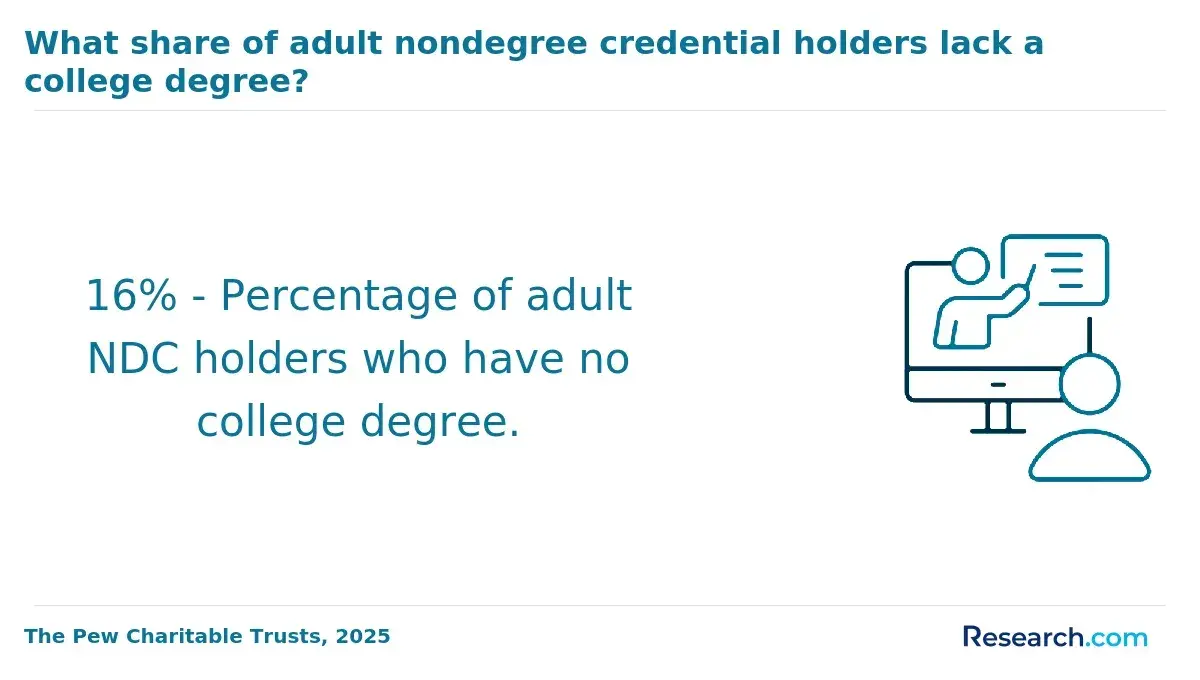
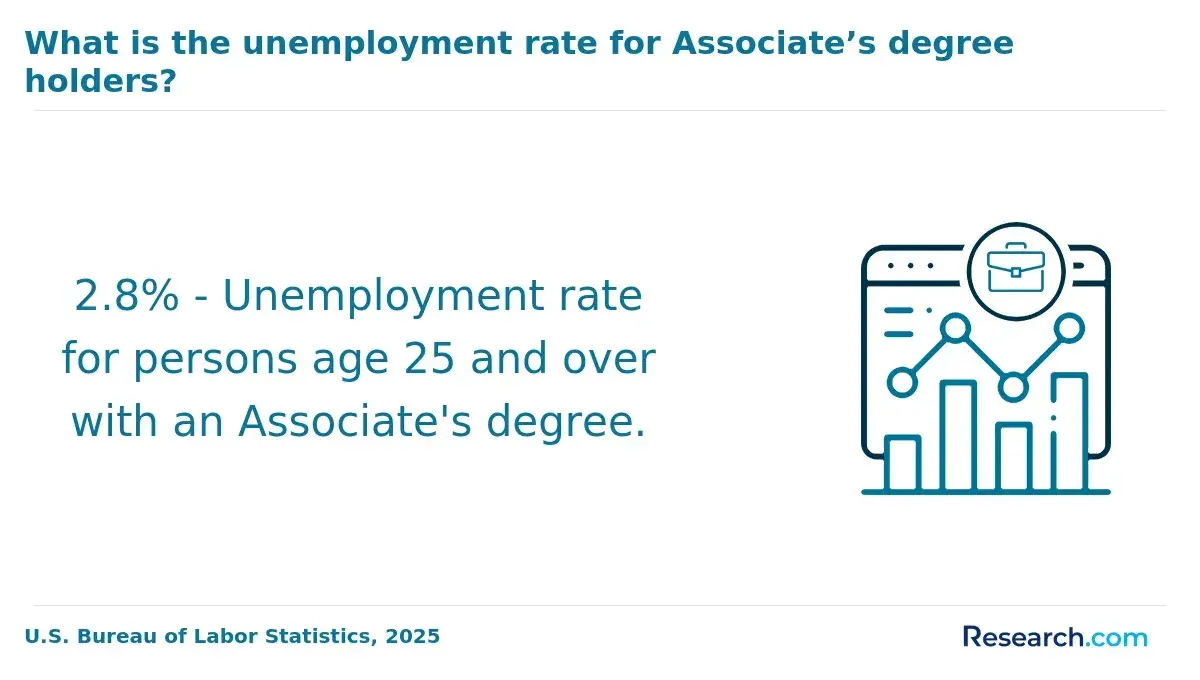
Applicants who still need foundational undergraduate coursework may explore options such as an accelerated associates degree online, but an associate degree alone does not replace the bachelor’s degree typically required for admission to a social work master’s program.
Are There Application Deadlines for Monthly Start Social Work Master's Programs?
Yes. Monthly start programs are more flexible than traditional programs, but they still have deadlines. The difference is that deadlines may repeat throughout the year rather than appearing only for fall, spring, or summer admission. Students often need to submit a complete application several weeks before their intended start month so the school can review materials, evaluate transfer or prerequisite coursework, package financial aid, and plan field placement requirements.
Recent data shows that about 62% of online graduate programs now offer rolling admissions or multiple annual start dates. Even with that flexibility, applicants should not assume they can apply at the last minute and start immediately.
- Rolling admissions: Applications may be accepted and reviewed throughout the year. This can shorten the wait for a decision, but review timelines still depend on application volume and whether all materials have arrived.
- Start-month cutoffs: A school may have a monthly start date but require applications, deposits, transcripts, or financial aid documents by a specific date before that start.
- Financial aid deadlines: FAFSA processing, loan counseling, master promissory notes, scholarship applications, and institutional aid deadlines may not align perfectly with monthly starts.
- Field placement timelines: Practicum planning can create hidden deadlines. Programs may need time to approve agencies, supervisors, and schedules, especially for students who live far from campus.
- Limited cohort seats: Some start months may fill faster than others. Applying early can improve the chance of entering the preferred cohort, though admission is never guaranteed.
- Prerequisite completion dates: Applicants who still need required courses may have to finish them before a specific start date or defer to a later month.
One professional who planned to enroll in an online social work master’s program with monthly start options described the process as flexible but not effortless: “I appreciated not waiting months for the next semester, but I still felt pressure to submit everything early because spots seemed to disappear fast.” He also noted that prerequisite timing and financial aid paperwork required careful tracking. His experience highlights the main lesson: monthly starts create more entry points, but students still need a calendar, checklist, and backup start month.
Monthly start online master’s programs are not automatically more expensive than traditional semester-based programs, but their pricing can be harder to compare. The clearest way to evaluate cost is to calculate total tuition, mandatory fees, expected books and materials, field placement expenses, technology fees, and the number of credits required to graduate.
For online master’s social work programs with monthly start options, tuition often falls between $15,000 and $40,000 overall, depending on the school and whether the student qualifies as in-state or out-of-state. Students should confirm whether that estimate includes fees, field-related costs, and any tuition increases during the program.
- Per-credit tuition: Many schools charge by the credit. Monthly start programs may have similar per-credit tuition to traditional programs, though some may charge more for flexible or accelerated formats.
- Mandatory fees: Application, graduation, student service, technology, and distance learning fees can add to the total cost. These fees may be charged per term, per course, or per academic year.
- Course pacing: Accelerated terms can help students finish sooner, but taking too many compressed courses at once may increase stress and reduce time for paid work.
- Enrollment gaps: Monthly starts may reduce costly delays. Students who can begin sooner may avoid waiting months while their career plans are on hold.
- Work and caregiving costs: Online programs may reduce commuting and relocation expenses. However, field education may still require schedule changes, transportation, or childcare.
- Transfer and advanced standing policies: Students with eligible prior coursework or an accredited BSW may reduce total credits in some programs, but policies vary by institution.
Students looking for affordable online social work master’s degrees with flexible start dates should request a full cost breakdown before enrolling. Those comparing calendar formats across disciplines may also review accelerated online programs, but MSW students should be cautious about any program that appears to shorten required field education beyond professional standards.
Flexible enrollment programs may offer several ways to pay, but payment policies vary widely by institution. Students should ask when tuition is due, whether aid disburses before classes begin, how monthly starts affect billing cycles, and what happens financially if they drop, withdraw, or defer to a later cohort.
Research shows nearly 60% of graduate students combine multiple funding sources to finance their education. For online social work master’s students, a practical funding plan often includes federal loans, institutional aid, scholarships, employer support, and personal payments.
- Installment payment plans: Schools may allow students to divide tuition into smaller payments rather than paying a full term balance upfront. Students should check setup fees, late fees, and whether the plan covers fees as well as tuition.
- Pay-as-you-go tuition: Some programs charge students only for the course or term in which they are enrolled. This can help with budgeting, but it may require careful planning if courses run back-to-back.
- Federal student loans: Eligible graduate students may use federal aid if the institution and program qualify and the student meets enrollment requirements.
- Private education loans: Private loans may be available, but they usually have different interest rates, repayment protections, and credit requirements than federal loans.
- Employer sponsorship or reimbursement: Employers may pay the school directly or reimburse the employee after successful course completion. Students should confirm approval rules before enrolling.
- Scholarships and grants: Institutional, departmental, professional, and community-based awards can reduce borrowing, but many require separate applications.
- Personal savings or income: Some students use current earnings to cover part of tuition. Monthly starts may make this easier if billing is spread across shorter terms.
A graduate of a monthly start online social work master’s program described smaller payments as essential while balancing family expenses and part-time work. Employer sponsorship helped, but she had to coordinate approval forms, grade documentation, and billing deadlines. Her main advice was to speak with the financial aid office and employer benefits team before choosing a start month, not after classes begin.
What Graduates Say About Online Social Work Degree Master's Programs with Monthly Start Dates & Financial Aid
- : "Choosing an online social work master’s degree with monthly start dates was the right fit for my unpredictable schedule as a full-time caregiver. I did not have to wait for a traditional semester, and the financial aid process matched my enrollment period. The program helped me build the skills and confidence I needed to move toward the clinical role I had wanted for years. — Arden"
- : "The monthly start date was one of the main reasons I enrolled. It let me begin when I was ready instead of planning my life around a single academic deadline. Working with financial aid advisors also helped me understand how funding would apply to my cohort. That combination made the transition from nonprofit work to a leadership role in social services much smoother. — Santos"
- : "As a working professional, having monthly start options made graduate school feel possible. I appreciated that the financial aid package was tied to my actual start period, which reduced stress and helped me focus on coursework. The degree opened doors to more advanced work in mental health services and helped me move faster toward my career goals. — Leonardo"
Other Things You Should Know About Social Work Degrees
An online MSW should be accredited by the Council on Social Work Education, or CSWE, because most state licensing boards require a CSWE-accredited degree. Without CSWE accreditation, graduates may not qualify for the ASWB exam or state licensure, even if the program offers monthly start dates and financial aid.
In 2027, online social work master's programs often offer federal financial aid, private loans, and scholarships, even with monthly start dates. Students should fill out the FAFSA to determine eligibility and work with financial aid advisors to explore options specific to their program and financial situation.
Fieldwork requirements for these programs typically include a minimum of 900 hours of supervised practice. This experience is essential for gaining practical skills and is required by accrediting bodies to ensure the competence of graduates entering the social work profession.
Students enrolling in online social work master's programs in 2027 need a reliable computer, high-speed internet, and access to specific software platforms like Zoom and Blackboard. These tools are essential for attending virtual classes and submitting assignments efficiently.
- Remote Social Work Jobs - Work From Home & Online | FlexJobs https://www.flexjobs.com/remote-jobs/social-work
- Top Career Opportunities After Online MSW - PU Online https://paruluniversity.online/blogs/top-career-opportunities-for-msw-graduates/
- 8 Remote & Hybrid Careers in Social Work You Can Do With an MSW https://www.onlineu.com/resources/remote-and-hybrid-careers-in-social-work-for-msw
- Social Work Careers You Can Get with an Online MSW - University of Kentucky https://socialworkonline.uky.edu/resources/infographic/social-work-careers/
- The Benefits of Earning Your MSW Degree Online https://www.chamberlain.edu/blog/the-benefits-of-earning-your-msw-degree-online
- 20 Best social worker work from home jobs in india (Hiring Now!) | SimplyHired https://www.simplyhired.co.in/search
- 25 Most Affordable MSW Programs 2025 | Complete Cost Guide https://www.socialworkdegrees.org/most-affordable-msw-programs
- Your Guide to Choosing an Online Master of Social Work Program https://onlinedegrees.keuka.edu/blog/online-msw-worth-it
- Social Work Scholarship Guide for 2023 https://mastersinsocialworkonline.org/resources/scholarship-guide/
- Master of Social Work Online https://www.boisestate.edu/online/online-master-of-social-work/