
2027 Fully Online vs Hybrid Social Work Degree Master's Programs: Which Is Better?

Co-Founder and Chief Data Scientist
Choosing between a fully online and a hybrid social work master's program is not just a scheduling decision. It affects how often you interact with classmates and faculty, how field education is coordinated, what expenses you should budget for, and how easily you can build local professional connections. Fully online programs can work well for students who need maximum flexibility, especially those balancing employment, caregiving, or relocation limits. Hybrid programs may be a better fit for students who want structured in-person learning, campus access, and more face-to-face networking.
The trade-off is real. Online programs reduce commute time and usually offer more control over when and where you study, but 45% of students report feelings of isolation that can affect learning outcomes. Hybrid programs can create stronger peer and faculty interaction, yet they require travel, fixed meeting times, and often higher indirect costs. This guide compares the two formats across flexibility, cost, financial aid, admissions, curriculum, exams, networking, job placement, and salary so you can decide which path best supports your education, licensure plans, and career goals.
Key Things to Know About Fully Online vs Hybrid Social Work Degree Master's Programs
- Fully online programs offer maximum learning flexibility, allowing students to access coursework anytime, ideal for those balancing work and family without on-campus attendance requirements.
- Hybrid programs require some in-person engagement, fostering stronger hands-on skills and networking opportunities through face-to-face interactions and fieldwork.
- Fully online suits professionals with unpredictable schedules, while hybrid formats better support students who benefit from structured on-campus experiences alongside remote learning.
How Do Hybrid and Online Social Work Master's Programs Differ?
Fully online and hybrid social work master's programs usually cover similar academic ground, but they differ in how students attend classes, complete activities, access support, and build professional relationships. About 30% of graduate social work programs in the U.S. now offer hybrid formats, reflecting demand for programs that combine online convenience with some in-person learning.
The biggest distinction is delivery. A fully online program is designed so coursework can be completed remotely. A hybrid program requires students to attend some scheduled campus sessions, residencies, intensives, or face-to-face meetings while completing the rest online.
- Learning format: Fully online programs deliver coursework through learning platforms, recorded lectures, live video sessions, discussion boards, and digital assignments. Hybrid programs combine these tools with required in-person classes or campus-based learning activities.
- Residency requirements: Hybrid programs may require weekend intensives, short campus residencies, skills labs, or weeklong seminars. Fully online programs typically do not require students to attend campus, although field placements still occur in approved community settings.
- Scheduling flexibility: Online programs usually give students more control over when they review lectures and complete weekly work. Hybrid programs reduce that flexibility because students must be available for fixed in-person meetings.
- Participation methods: Online students interact through virtual discussions, group projects, video meetings, and written responses. Hybrid students use those same tools but also participate in face-to-face conversations, role plays, and classroom activities.
- Campus engagement: Hybrid learners may have easier access to campus events, faculty office hours, peer study groups, libraries, and local networking. Fully online students rely more heavily on virtual advising, online student services, and digital library resources.
Students comparing formats should look beyond the program label. Some “online” programs still include synchronous class meetings, and some hybrid programs require only a few campus visits per year. Ask each school how often in-person attendance is required, how field placements are arranged, and whether online students receive the same academic and career support as hybrid students.
For a broader look at how degree choices can shape long-term options, Research.com also provides a guide to selecting the best degree path.
Which Social Work Master's Program Format Is More Flexible?
Fully online social work master's programs are usually more flexible than hybrid programs because they remove most campus attendance requirements. Recent data shows that nearly 70% of graduate students take at least one online course, which reflects how important flexible study options have become for working adults and career changers.
Flexibility, however, depends on more than whether a program is online. Students should review class meeting times, field placement expectations, course pacing, attendance policies, and technology requirements before enrolling.
- Class schedule: Fully online programs often use asynchronous lectures and weekly deadlines, allowing students to study outside traditional class hours. Hybrid programs usually include scheduled in-person sessions that may conflict with work shifts, caregiving, or travel.
- Location requirements: Online students can typically complete academic coursework from any location with reliable internet access. Hybrid students must live near campus or be able to travel there for required sessions.
- Course pacing: Some online programs offer part-time, accelerated, or self-directed pacing. Hybrid programs more often follow a cohort calendar, which can provide structure but less freedom.
- Attendance expectations: Online learners may attend live virtual sessions or complete discussion posts by a deadline. Hybrid learners must also meet in-person attendance rules, and missing a residency or skills lab may be difficult to make up.
- Travel commitments: Hybrid programs add commute time, parking, transit, lodging, or time away from work. Fully online programs avoid most of those demands, though students still need to travel to approved field placement sites.
Students who need the greatest flexibility should ask whether classes are asynchronous, whether field placements can be completed near their home, and whether the program allows part-time enrollment. Students who learn better with structure may prefer a hybrid format even if it is less flexible.
Some students also build complementary skills while enrolled. Research.com offers a guide to online certifications that may help readers compare additional career-development options.
Which Social Work Master's Program Format Is Cheaper?
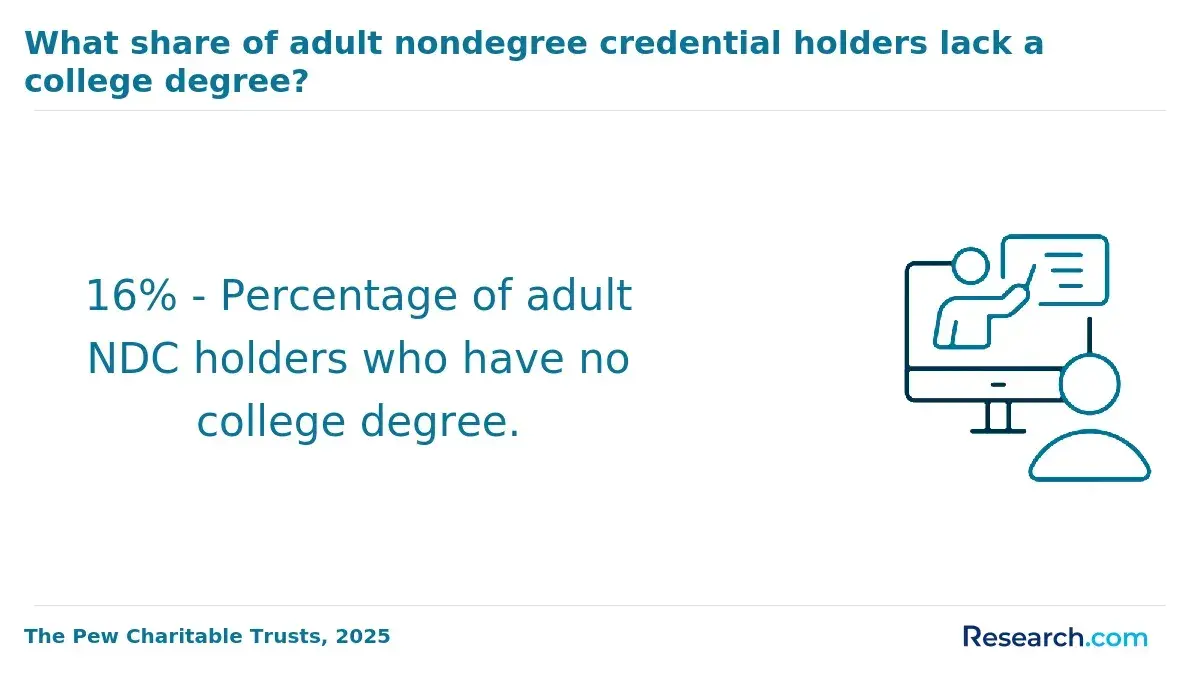
Fully online social work master's programs are often cheaper overall, mainly because students can avoid commuting, parking, temporary housing, and some campus-related expenses. Studies show that tuition for online graduate programs can be 10-20% lower compared to traditional or hybrid formats, but tuition is only one part of the total cost.
Before assuming one format is less expensive, compare the full cost of attendance for each program. A hybrid program with strong scholarships may cost less than an online program with higher per-credit tuition. An online program can also become expensive if it charges technology fees, remote proctoring fees, or out-of-state tuition.
- Tuition structure: Online programs may use flat-rate or per-credit tuition models that make budgeting easier. Hybrid programs often charge per credit and may include additional campus-based fees.
- Campus-related fees: Hybrid students may pay for campus facilities, student activities, library access, labs, or technology services. Online students may avoid some campus fees, but they may pay separate distance-learning fees.
- Commuting or travel expenses: Hybrid students should budget for transportation, fuel, public transit, parking, rideshare costs, or airfare if required sessions are not local. Fully online students usually avoid these costs for coursework.
- Housing considerations: Some hybrid programs require short residencies that may require hotel stays or temporary housing. This can significantly change the real price of attendance.
- Technology or platform costs: Both formats require a reliable computer, webcam, internet access, and software. Hybrid programs may also require physical materials or on-site resources tied to campus activities.
Students comparing masters in social work options should request a program-specific cost breakdown that includes tuition, fees, books, technology, travel, residency costs, and field placement expenses.
A graduate student who selected an online social work master's program said affordability strongly influenced his decision. “I appreciated saving on housing and commuting, which eased my budget,” he explained. He also noted that remote learning required a disciplined study environment and consistent self-motivation. His experience reflects a common trade-off: online study may reduce costs, but students must be prepared to manage their time without the structure of frequent in-person meetings.
Admission requirements for hybrid and fully online social work master's programs are usually similar, but the way schools evaluate fit may differ. Both formats commonly review academic preparation, professional experience, recommendations, personal statements, and readiness for graduate-level work. Hybrid programs may pay closer attention to a student's ability to attend campus sessions, participate in in-person activities, and complete local field requirements.
- Academic prerequisites: Most programs require a bachelor's degree in social work or a related field. Applicants with a bachelor's in social work may qualify for advanced standing when offered, while applicants from other fields may need the traditional program track.
- Professional experience: Both formats may value volunteer, human services, case management, advocacy, or community-based experience. Hybrid programs may emphasize readiness for in-person skills practice and field engagement.
- Letters of recommendation: Schools typically look for recommendations that speak to academic ability, ethical judgment, communication skills, and suitability for social work. Hybrid programs may also value evidence of strong interpersonal skills in face-to-face settings.
- Standardized tests: GRE requirements are increasingly optional for both formats. Applicants should not assume the test is waived; they should check each program's current policy.
- Application deadlines: Hybrid programs may have earlier or stricter deadlines because schools must coordinate campus sessions, cohort schedules, and field placement planning. Online programs may offer more start dates, but this varies by institution.
Applicants should also ask whether admissions requirements differ for advanced standing, part-time study, out-of-state students, and students seeking licensure in a specific state. Licensure rules vary, so applicants should confirm that the program's field education and curriculum align with the state where they plan to practice.
When speaking with a professional preparing to enter a hybrid social work master's program, she said the application process required more than submitting documents on time. She had to show that she could succeed in both online and face-to-face settings. The field experience prerequisites were challenging to document, but they also helped her clarify her goals and confirm that the program's structure matched her learning style.
What Graduates Say About Fully Online vs Hybrid Social Work Degree Master's Programs
- : "Choosing a fully online social work master's program made sense for me as a full-time professional with family responsibilities. The flexible schedule let me study without stepping away from work, and the lower overall cost helped me manage the financial commitment. — Audrey"
- : "My hybrid social work degree gave me the mix I needed: remote coursework for convenience and in-person sessions for skill development. It cost more than a fully online option, but the hands-on practice and networking helped me move forward in community services. — Dexter"
- : "I chose a fully online social work master's degree because I needed to keep working while building my qualifications. The convenience and competitive tuition made the program accessible, and earning the degree helped me qualify for leadership opportunities I could not pursue before. — Kate"
Other Things You Should Know About Social Work Degrees
To verify accreditation in 2027, check if the program is accredited by the Council on Social Work Education (CSWE). Visit the CSWE website or the specific program’s site for accreditation details. This ensures the program meets established educational standards.
Many fully online social work master's programs allow students to complete field internships in their local communities, offering flexibility to arrange placements near their residence. However, students must still meet specific clinical hour requirements and receive supervision aligned with CSWE standards.
CSWE-accredited MSW programs require at least 900 hours of supervised field education, and advanced standing programs typically include about 500 hours. Schools place students in agencies where work matches the curriculum, and placements must meet state licensing rules for clinical practice.
- Online MSW vs Campus MSW: 2025 Outcomes & Career Guide https://www.socialworkdegrees.org/online-msw-vs-campus-msw
- Online MSW Programs Guide: Accredited & Affordable - AU https://online.aurora.edu/program-resources/choosing-best-msw-degree/
- Pros and Cons of Online Master of Social Work Programs https://www.mswhelper.com/blog/applying-to-online-master-of-social-work-programs
- Best Online Master's Programs For Social Work 2025 https://www.psychology.org/social-work/best-masters-programs/
- Is Online School a Good Option for an MSW? | All Psychology Schools https://www.allpsychologyschools.com/online-degrees/master-of-social-work/
- Is an Online Master’s in Social Work (MSW) Degree Worth it? https://socialworklicensemap.com/social-work-degrees/online-msw-programs/is-an-online-masters-in-social-work-msw-degree-worth-it/
- Your Guide to Choosing an Online Master of Social Work Program https://onlinedegrees.keuka.edu/blog/online-msw-worth-it
- MSW Programs by State: Campus vs Hybrid vs Online MSW Programs https://www.masterofsocialwork.com/states/
- hybrid msw programs https://m.albiance.com/online-social-work-degrees/hybrid-msw-programs/
- Master's in Social Work Salary: Exploring Key Differences https://online.yu.edu/wurzweiler/blog/masters-in-social-work-salary


