2027 Criminal Justice Tuition Inflation Report: How Fast Are Program Costs Rising?

Co-Founder and Chief Data Scientist
Tuition inflation in criminal justice programs reflects distinct structural and operational challenges that diverge from general higher education trends. Increasing regulatory demands and accreditation standards require expanded faculty specialization and investments in simulation technology, forensic laboratories, and field training partnerships. These factors drive costs upward as institutions strive to align curricula with evolving law enforcement and legal sector expectations.
According to the 2024 Bureau of Labor Statistics, demand for criminal justice occupations is projected to grow faster than average, intensifying competition for qualified instructors and tightening resource allocation. Notably, the rising enrollment of nontraditional, mid-career students signals shifting workforce dynamics influencing program design and pricing.
Key Things to Know About Criminal Justice Tuition Inflation
- Criminal justice tuition rose 7.5% from 2023 to 2024, surpassing overall higher education inflation; this intensifies tradeoffs between program length and debt accumulation for students prioritizing affordability.
- Employers increasingly expect specialized certifications beyond degree completion, slowing direct employability gains from rising tuition investments and heightening the need for targeted credential planning.
- Accelerated tuition growth constrains enrollment timing, pressuring prospective students to enter programs earlier or risk disproportionate cost increases affecting long-term career investment decisions.
- Key Things to Know About Criminal Justice Tuition Inflation Key Things to Know About Criminal Justice Tuition Inflation
- How Much Has Criminal Justice Tuition Increased Over the Past Decade? How Much Has Criminal Justice Tuition Increased Over the Past Decade?
- How Does Criminal Justice Tuition Inflation Compare to Overall Inflation? How Does Criminal Justice Tuition Inflation Compare to Overall Inflation?
- Which Types of Schools Have Experienced the Fastest Criminal Justice Tuition Growth? Tuition Growth by School Type
- What Factors Are Driving Rising Costs in Criminal Justice Degree Programs? Tuition Cost Drivers
- How Does Criminal Justice Tuition Growth Vary by State and Region? Tuition Growth by State
- Are Online Criminal Justice Programs Becoming More Affordable Than Campus-Based Programs? Online Program Affordability
- How Have Financial Aid and Scholarships Changed as Criminal Justice Tuition Has Increased? Impact on Financial Aid and Scholarships
- How Does Rising Criminal Justice Tuition Affect Student Debt After Graduation? Impact on Student Debt
- Do Higher-Cost Criminal Justice Programs Deliver Better Career Outcomes or Earnings? Impact on Career Outcomes
- What Do Current Tuition Trends Suggest About the Future Cost of a Criminal Justice Degree? What Do Current Tuition Trends Suggest About the Future Cost of a Criminal Justice Degree?
How Much Has Criminal Justice Tuition Increased Over the Past Decade?
Over the last decade, tuition for criminal justice programs in the United States has risen markedly, mirroring broader trends in higher education pricing. According to data from the National Center for Education Statistics and the College Board, average tuition at public four-year schools increased by roughly 35% to 45% since 2014 when accounting for inflation, with private institutions often experiencing even sharper hikes exceeding 40%.
These decade-long trends in criminal justice program tuition costs align with such increases, occasionally surpassing the general average depending on institutional type and degree level.
Several complex factors have driven these rising costs beyond typical inflationary pressures. Diminished state funding for higher education has amplified reliance on tuition revenue, while investment in specialized criminal justice faculty, forensic technology, and partnerships with law enforcement agencies have raised program expenses.
Steady or growing enrollment in these programs also limits tuition flexibility, as demand remains strong for pathways into policing, legal, and security fields. This confluence of factors means tuition inflation is tied not only to market forces but also evolving institutional priorities and operational costs.
As tuition climbs, affordability and long-term value become critical concerns for prospective students. This rise often forces greater student borrowing, disproportionately impacting lower-income populations and complicating return-on-investment calculations, especially since employers increasingly seek practical skills and certifications alongside degrees.
For those evaluating criminal justice pathways, weighing these tuition trends against alternative certification or associate degree options is essential. In some cases, exploring options like RN to BSN with no clinical hours programs illustrates the broader landscape of cost-conscious credentialing choices available today.
How Does Criminal Justice Tuition Inflation Compare to Overall Inflation?
Criminal justice tuition inflation has consistently outpaced general consumer inflation, with the Consumer Price Index (CPI) rising about 5% annually from 2019 to 2023 while tuition and fees at four-year public institutions climbed between 6% and 7% per year according to National Center for Education Statistics data.
This divergence signals that the cost pressures within criminal justice programs exceed those faced by average goods and services, driven in part by specialized curriculum demands and institutional budget constraints. Understanding how criminal justice tuition inflation rates compare to overall inflation in the United States provides insight into the growing financial burden unique to higher education in this field versus broader economic trends.
The structural factors behind this tuition growth gap include declining state appropriations for public universities, pushing institutions to compensate by increasing student charges, particularly for programs with expensive equipment and faculty requirements like criminal justice.
Additionally, expanding administrative layers, investments in technology, and enhanced student support services contribute to rising operational costs distinct from general inflation. These dynamics reflect broader trends in higher education funding models that increasingly rely on tuition revenue, amplifying price inflation beyond what typical consumer inflation would suggest.
As criminal justice tuition costs rise faster than general inflation and overall higher education inflation, affordability pressures intensify. Students often face greater borrowing needs and must carefully evaluate program value in light of these rising expenses. This inflation gap also influences choices around program delivery modes and institution types, with cost differentials affecting access and outcomes.
Prospective learners might consider how these cost trends interact with career trajectories, especially compared to other fields such as healthcare, where demand for credentials like is medical billing and coding in demand is also evolving but carries different financial and occupational tradeoffs.
Which Types of Schools Have Experienced the Fastest Criminal Justice Tuition Growth?
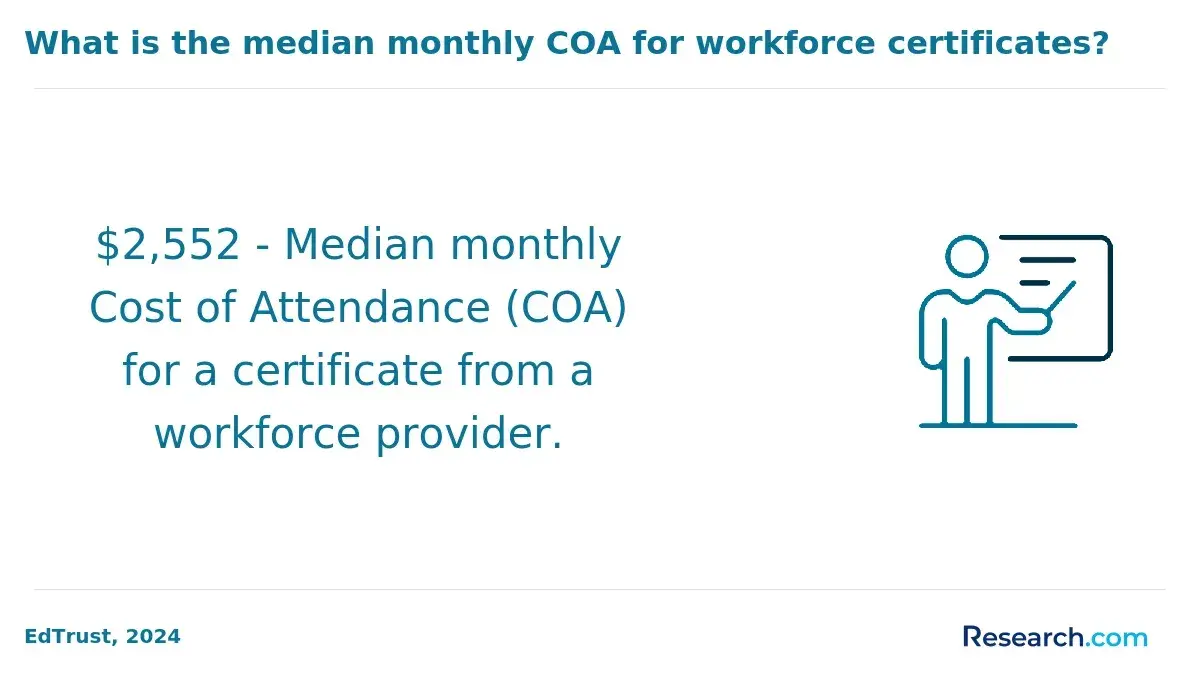
Tuition growth for criminal justice programs varies notably by institutional type, reflecting distinct funding sources, enrollment pressures, and program delivery models. These differences shape how schools price their programs and respond to market demands, influencing affordability and perceived value for students.
Examining these dynamics helps contextualize why some institutions face steeper tuition inflation than others, particularly amid shifting public funding and evolving workforce requirements.
- Private For-Profit Institutions: These schools have experienced the fastest tuition increases, averaging over 7% annually, driven by revenue dependency on tuition since public funding is minimal or absent. Their pricing often reflects aggressive expansion in program offerings and investments in marketing, targeting adult learners willing to pay premiums for flexible schedules despite often limited institutional prestige or state subsidies.
- Public Four-Year Universities: Public universities show more moderate tuition growth around 3%, constrained by state budget allocations and regulatory oversight. While they face enrollment growth and rising operational costs, subsidies dampen tuition hikes, though resource limitations and capacity constraints can reduce access to courses essential for timely degree completion.
- Community Colleges and Regional Institutions: Typically exhibiting the slowest tuition increases near 2.5%, these institutions rely heavily on state funding and serve large numbers of part-time or nontraditional students. Their lower price growth supports affordability but may correspond with fewer specialized criminal justice program features or limited scalability in advanced training components.
- Private Nonprofit Universities: Positioned between public and for-profit in cost escalation, these schools balance tuition hikes with endowment income and fundraising. Their pricing reflects investment in faculty expertise and program quality, which can justify moderate increases but maintain competitive positioning in criminal justice education.
- Research-Intensive Universities: Though criminal justice might represent a smaller portion of overall offerings, programs here see tuition influenced by institutional prestige and direct costs of specialized faculty and research infrastructure. High demand for advanced degrees often supports stable but elevated tuition compared to less research-focused entities.
What Factors Are Driving Rising Costs in Criminal Justice Degree Programs?
Rising costs in criminal justice degree programs stem from a web of institutional and economic dynamics rather than a single factor. These increases reflect broader shifts in how higher education institutions allocate resources and derive revenue amid fluctuating public support and inflationary pressures.
The financial complexities of maintaining quality programs that require specialized faculty, advanced technology, and student services intersect with evolving operational demands, creating a cost structure that continuously escalates tuition. This pattern is especially pronounced in public universities, where tuition inflation in criminal justice fields has consistently exceeded general inflation by nearly 3% annually over recent years, underscoring persistent systemic budget stress.
Key contributors to this rise include significant reductions in state appropriations, which have declined by approximately 6% per student since 2019 according to the latest state finance data, shifting greater dependence onto tuition. Concurrently, institutions have expanded administrative roles and enhanced faculty compensation to attract expertise necessary for specialized criminal justice curricula.
Investments in digital infrastructure—such as forensic technology, simulation facilities, and updated databases—further amplify program costs. The resultant financial pressure is compounded by rising enrollment driven by public safety priorities, requiring expanded physical and instructional capacity. These intertwined factors collectively push tuition upward as colleges balance the imperative to deliver relevant education with constrained revenue sources.
A recent graduate recalled the challenges of navigating admissions as tuition rose: "She waited after submitting her application, unsure whether to accept an initial financial aid offer because the costs kept changing while decisions rolled in. The ongoing uncertainty forced her to weigh delaying enrollment against locking in a price that still felt high but might increase again by the next semester."
This experience highlights the practical difficulties students face amid shifting cost structures and institutional timelines, emphasizing the importance of strategic planning in criminal justice education decisions.
How Does Criminal Justice Tuition Growth Vary by State and Region?
Tuition growth for criminal justice programs varies widely across U.S. states and regions due to a complex interplay of state funding policies, institutional structures, and regional economic conditions.
Differences in state appropriations for higher education significantly influence public university tuition trends, often resulting in sharper increases where funding gaps are largest.
Additionally, the diversity in institutional types-from large public research universities to smaller regional colleges-shapes pricing behaviors and responsiveness to operational costs. These factors combined produce uneven tuition inflation patterns that reflect broader state-level investment priorities and local market conditions.
Key drivers of variation in criminal justice tuition increase by state include divergent levels of state support for public higher education, cost-of-living disparities, and regional labor market demands. States facing reduced public funding often shift more costs to students, leading to disproportionate increases, especially in regions with dense research universities or extensive private higher education sectors that tend to set higher price benchmarks.
Conversely, states with moderate tuition growth often see public institutions employing targeted affordability measures to retain accessibility amidst growing workforce needs in law enforcement and legal support. These dynamics highlight how institutional funding deficits, coupled with heightened demand for criminal justice education in employment hubs, directly affect tuition trajectories.
Such regional differences in criminal justice program costs have important implications for prospective students weighing educational investments. Tuition disparities influence not only program selection but also the long-term return on investment, as financial burden and access to specialized training affect career outcomes.
As a result, students increasingly consider cross-state mobility or alternative pathways-including more flexible or accelerated credential options-to balance affordability and comprehensive preparation. For example, those interested in healthcare and related fields sometimes turn to recognized online ABSN programs that provide accelerated pathways with cost efficiencies, underscoring the broader trend towards evaluating education options through a financial and vocational lens.
Are Online Criminal Justice Programs Becoming More Affordable Than Campus-Based Programs?
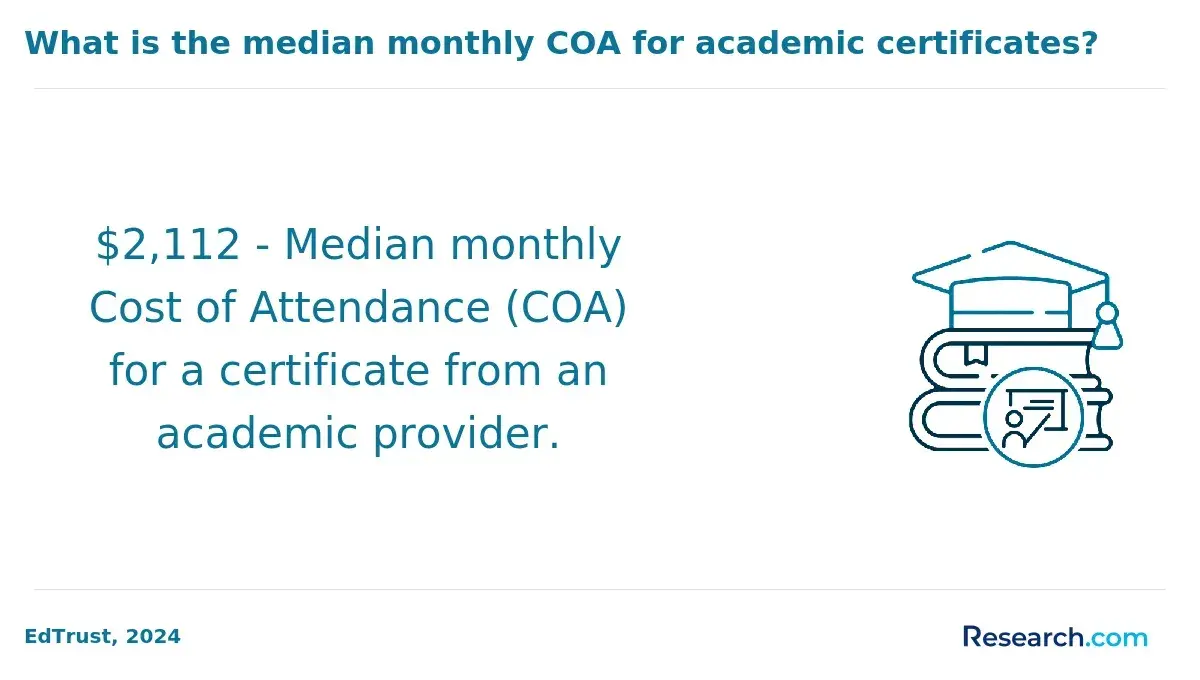
Recent data from the National Center for Education Statistics in 2024 shows that tuition for online criminal justice programs averages roughly 15-20% less than comparable campus-based offerings, reflecting a broader shift in institutional pricing strategies. Online programs tend to structure fees with a focus on scalability and lower physical overhead, contrasting with traditional programs where costs incorporate facilities maintenance, campus services, and in-person administrative support.
While headline tuition rates favor online delivery, this difference is nuanced by varying fee models and additional expenses such as technology access or proctored exam charges, which influence the net affordability when fully accounted for. These pricing variances highlight evolving economic tradeoffs rather than uniform cost advantages, shaped by how institutions allocate resources between digital infrastructure and on-campus amenities.
The drivers behind these affordability distinctions hinge on the fixed and variable costs unique to each delivery mode. Online programs benefit from reduced expenditures on physical classroom space, utilities, and campus staffing but often face upfront investments in learning management systems, multimedia content development, and specialized instructional design to ensure engagement and accreditation standards.
Faculty workloads may shift, with asynchronous course delivery requiring different time commitments and support mechanisms compared to traditional classroom teaching.
Student services for online learners—such as virtual advising, tech support, and digital libraries—represent ongoing costs that partially offset infrastructure savings. Overall, the slower inflation of online program pricing relative to on-campus tuition reflects strategic managerial choices balancing technology investments with operational efficiency, rather than purely lower expense bases.
One graduate who completed an online criminal justice degree shared their experience with unexpected complexity during the application process. They delayed applying due to uncertainty about job stability and whether online education would fit their schedule but felt pressure as rolling admissions deadlines approached.
Navigating this uncertainty involved frequent outreach to admissions counselors for updates, which added stress but also provided clarity on financial aid eligibility aligned with evolving tuition rates. Ultimately, their decision to commit late in the cycle led to more limited course options, underscoring how strategic timing impacts both affordability and access in online programs.
How Have Financial Aid and Scholarships Changed as Criminal Justice Tuition Has Increased?
Financial aid and scholarship frameworks for Criminal Justice programs have not consistently matched the pace of tuition hikes, resulting in a growing disconnect between aid availability and real educational costs.
While total aid dollars have nominally increased, adjustments often lag behind tuition inflation, diminishing the effective purchasing power of grants and scholarships. Institutional aid strategies increasingly rely on merit-based scholarships with strict renewal criteria or caps, thereby limiting multi-year support for students pursuing extended degrees.
Meanwhile, need-based aid faces tighter constraints, especially with federal budget ceilings that slow the expansion of programs like Pell Grants, reducing their relative value against escalating fees.
These shifts are driven by several intersecting factors including intensified competition among institutions to attract qualified applicants and evolving federal and state policies that influence funding flows. Many colleges employ tuition discounting, selectively allocating aid to high-achieving students to bolster enrollment figures.
This merit-based emphasis can crowd out need-based recipients, exacerbating inequities for lower-income Criminal Justice students. Moreover, institutional grant availability varies widely by school type and region, reflecting uneven economic pressures and strategic priorities that influence aid distribution and its alignment with tuition trends.
The practical outcome of these dynamics is often an increased net price for students, leading to greater dependence on loans and work commitments that may extend time-to-degree and affect academic performance. As a result, students and families must rigorously evaluate financial aid packages beyond face-value award amounts, incorporating realistic assessments of award sustainability, cost inflation, and resultant debt burdens.
This nuanced understanding is critical, since employer expectations increasingly emphasize fiscal responsibility and manageable debt loads in prospective Criminal Justice graduates, directly linking financial aid adequacy with long-term career readiness and economic mobility.
How Does Rising Criminal Justice Tuition Affect Student Debt After Graduation?
Rising tuition for criminal justice programs directly increases student borrowing, as escalating program costs often exceed the growth in available financial aid. As a result, many students must rely more heavily on federal and private loans to cover their education, which amplifies overall debt levels upon graduation.
This shift reflects a broader trend where the impact of criminal justice degree costs on post-graduation debt becomes more pronounced, forcing students to take on larger loan amounts and potentially lengthening their time in repayment. Graduates face a financial landscape where their borrowed principal increasingly outpaces the salary growth in many entry-level positions related to law enforcement and public safety.
Several factors compound these borrowing challenges. The widening gap between tuition prices and grant aid availability varies significantly across public versus private criminal justice programs, creating uneven debt burdens. Interest accrual during extended study periods further inflates repayment amounts, especially for students with unsubsidized loans.
Earnings potential after graduation differs widely within criminal justice fields, often failing to keep pace with rising tuition inflation. This mismatch between student loan debt and income capacity intensifies repayment pressures, particularly as many employers maintain static entry-level salary scales despite increasing educational costs.
These dynamics have broader implications for repayment and career decisions. Graduates feeling prolonged loan repayment stress may limit exploration of public-sector or specialized criminal justice roles if compensation remains uncompetitive. Access to income-driven repayment plans and loan forgiveness programs can ease burdens but often depend on specific employment conditions and repayment adherence.
Consequently, rising tuition not only influences the size and terms of student debt but also alters how prospective students evaluate program affordability and the long-term return on investment when considering criminal justice education. For insights into related program costs and accreditation considerations, resources like school psychology programs online accredited by NASP provide useful comparative context.
Do Higher-Cost Criminal Justice Programs Deliver Better Career Outcomes or Earnings?
Higher tuition costs in criminal justice programs do not consistently equate to better career outcomes or earnings potential. Recent data suggests that while some higher-cost programs, particularly at top-tier private institutions, may offer starting salaries approximately 10-15% above the median for criminal justice graduates, this advantage is largely limited to specialized fields like federal law enforcement or cybersecurity.
The broader landscape shows only a modest correlation between program price and initial salary, indicating that cost alone is an unreliable predictor of career success or longer-term earnings in this sector.
Factors beyond price heavily influence career outcomes and earnings potential from higher-cost criminal justice programs. Institutional reputation and specialized accreditation provide critical signaling within law enforcement communities, while the availability of internships, practical training, and employer partnerships substantially impact job placement.
Geographic location further affects labor market demand and salary variation, with regional job markets playing a decisive role. Alumni networks and the depth of specialization pathways also differentiate programs, creating career pathways that cannot be assessed on tuition alone. This nuanced variability highlights why the price disparity between programs does not straightforwardly translate into uniform career advantages.
Prospective students should carefully evaluate whether incremental salary increases from costly programs justify the additional financial burden. State and local law enforcement opportunities often value demonstrated skills and field experience more than institutional prestige, underscoring a practical approach focused on experiential learning.
Balancing program cost, quality of experiential components, and realistic projections of career outcomes is essential. For those exploring entry points into the broader public safety and policing fields, considering options like the easiest NP programs to get into for perspective on accessible healthcare-related pathways can inform broader decisions about education investment and labor market positioning.
What Do Current Tuition Trends Suggest About the Future Cost of a Criminal Justice Degree?
Recent tuition trends indicate that the cost of obtaining a criminal justice degree will continue increasing faster than general inflation. Data from the National Center for Education Statistics shows a 3.5% rise in average undergraduate tuition at four-year public institutions from 2022 to 2023, outpacing the 2.8% increase in the consumer price index.
This persistent growth reflects historical patterns where tuition consistently outpaces inflation adjustments, signaling a long-term upward trajectory in education expenses. Beyond baseline inflation, these increases denote structural shifts in higher education funding and operational priorities that affect cost projections for criminal justice programs.
The main drivers behind rising criminal justice tuition include ongoing reductions in state funding, which shift financial burdens to students, and the growing need for specialized faculty and technological resources in these programs. Expanding criminal justice curricula to incorporate digital tools, simulation training, and hybrid learning platforms adds operational complexity and expense.
Simultaneously, demand for flexible scheduling and modular credentials creates cost pressures balanced by potential efficiencies through competency-based models and online delivery. These intersecting factors suggest tuition will climb but with variable impacts determined by institutional strategy and program design.
For prospective students, these tuition trends imply increasing challenges in affordability and the likelihood of escalating student debt burdens, particularly for traditional college-age learners dependent on loans and family support.
Adult learners might face accessibility advantages through online programs but still confront financial tradeoffs tied to tuition inflation. Thoughtful evaluation of tuition forecasts, alongside assessment of program outcomes and employer expectations, is crucial for informed enrollment decisions in criminal justice education.
References
- How college tuition inflation has impacted college costs https://finance.yahoo.com/news/college-tuition-inflation-cost-college-221647962.html
- Yes, Aid Fuels Tuition Inflation | Cato at Liberty Blog https://www.cato.org/blog/yes-aid-fuels-tuition-inflation
- What Should I Know Before Studying Criminal Justice? 10 Things to Keep in Mind | Rasmussen University https://www.rasmussen.edu/degrees/justice-studies/blog/what-should-i-know-before-studying-criminal-justice/
- The Future of Criminology: Exploring Emerging Trends and Challenges https://policyjournalofms.com/index.php/6/article/view/4
- Most Affordable Online Criminal Justice Programs: Find a School https://www.degreesforgood.org/online-degrees/criminal-justice-programs/most-affordable/
- Fact check/Does research show that federal student aid increases tuition https://ballotpedia.org/Fact_check/Does_research_show_that_federal_student_aid_increases_tuition
- Find Top Online Bachelor's In Criminal Justice Programs https://www.accreditedschoolsonline.org/criminal-justice/bachelors/
- Inflation affects the price of everything—including a college education | Brookings https://www.brookings.edu/articles/inflation-affects-the-price-of-everything-including-a-college-education/
- College Tuition Inflation [2025]: Rate Increase Statistics https://educationdata.org/college-tuition-inflation-rate
- Tracking College Tuition Growth https://www.richmondfed.org/publications/research/economic_brief/2024/eb_24-23
Other Things You Should Know About Criminal Justice
As tuition increases, balancing cost with learning pace becomes more critical. Part-time programs can spread expenses over a longer period, easing immediate financial pressure but potentially delaying workforce entry and income gains.
Full-time study accelerates completion but often requires a larger upfront investment and more intense workload, which might affect those balancing jobs or family obligations. Prioritizing program scheduling against your financial flexibility and career timeline is essential to optimize both affordability and timely labor market benefits.
Higher-tuition programs with smaller class sizes often offer more personalized instruction, networking opportunities, and access to faculty, which can enhance skill development and employer readiness. However, their cost may significantly increase student debt or limit who can afford to attend.
Larger, more affordable programs may provide broader peer experience but risk less individualized support, potentially impacting learning quality and practical skill acquisition. Weighing these factors depends on your learning style and career goals-investing in intimate settings can pay off if it translates into stronger professional connections and job prospects.
With rising costs, ensuring that tuition dollars fund recognized credentials and meaningful hands-on learning is crucial. Emphasizing accredited programs with practical elements like internships or simulations aligns education with employer expectations, potentially improving employability despite higher fees.
Students should prioritize programs known for strong experiential learning because these elements often differentiate graduates in competitive job markets, making the higher expense more justifiable in terms of real-world readiness.
Rising tuition may shift the cost-benefit balance, making extended study less cost-efficient for students considering master's or doctoral programs. Advanced degrees often lead to specialized roles but require substantial investment upfront and delay income generation.
For many, entering the workforce sooner with a bachelor's degree and gaining experience can yield a faster return on investment, especially if tuition inflation outpaces salary growth in criminal justice fields. Prospective students should assess whether the advanced credential's long-term career advantages realistically offset the escalating educational costs.