2027 Online vs Campus Criminal Justice Outcomes Report: Graduation Rates, Cost, and Career Trade-Offs

Co-Founder and Chief Data Scientist
Adult learners transferring into criminal justice programs often face a precarious balancing act: maximizing previously earned credits while avoiding extended time-to-graduation penalties tied to differing transfer policies between online and campus formats. In 2024, only 62% of institutions fully accepted transfer credits for online criminal justice degrees, compared to 78% for campus programs.
This discrepancy signals a broader institutional challenge-online pathways frequently limit credit transferability, inadvertently prolonging degree completion and inflating costs for working professionals. Such patterns reveal shifting institutional priorities that affect educational accessibility and practical degree efficiency. This article analyzes graduation rates, costs, and career trade-offs between online and campus criminal justice programs to guide informed enrollment decisions.
Key Things to Know About Online vs Campus Criminal Justice Outcomes
- Graduation rates for campus criminal justice programs average 68% versus 54% online as of 2024, indicating higher persistence in traditional settings; this reflects challenges in student engagement and self-motivation critical for completion.
- Lower direct tuition costs for online formats often coincide with extended program durations, increasing total expenses and delaying workforce entry-key for budgeting and career timeline planning.
- Employer surveys reveal a nuanced preference: campus graduates tend to have stronger experiential learning experiences, while online graduates frequently require supplemental field training, impacting immediate employability in tactical roles.
- Key Things to Know About Online vs Campus Criminal Justice Outcomes Key Things to Know About Online vs Campus Criminal Justice Outcomes
- What Are the Biggest Differences Between Online and Campus Criminal Justice Program Outcomes? Online vs Campus Outcomes
- How Do Graduation Rates Compare Between Online and Campus Criminal Justice Programs? Comparing Graduation Rates
- Why Do Online and Campus Criminal Justice Students Have Different Completion Rates? Why Completion Rates Differ
- How Do Online and Campus Criminal Justice Programs Compare on Total Cost? Total Cost Comparison
- What Hidden Costs Should Students Expect in Online vs Campus Criminal Justice Programs? Hidden Program Costs
- How Does Financial Aid Affect the Cost of Online and Campus Criminal Justice Programs? Financial Aid Impact
- Do Online and Campus Criminal Justice Graduates Have Different Career Outcomes? Comparing Career Outcomes
- How Do Employers View Online vs Campus Criminal Justice Degrees? How Do Employers View Online vs Campus Criminal Justice Degrees?
- Which Criminal Justice Degree Format Offers Better Flexibility for Working Adults? Which Criminal Justice Degree Format Offers Better Flexibility for Working Adults?
- How Should Students Choose Between an Online and Campus Criminal Justice Program? Choosing Your Program Format
What Are the Biggest Differences Between Online and Campus Criminal Justice Program Outcomes?
Graduation rates in online and campus criminal justice programs diverge significantly, with campus programs reporting about 60% six-year completion compared to around 40% for online learners, according to the National Center for Education Statistics data from 2024. This disparity largely stems from the differing student profiles and engagement levels; online students often juggle part-time study alongside work or family, which extends time to degree and increases dropout risk.
For example, a working adult pursuing an online degree may face challenges connecting with peers or accessing timely faculty support, impacting persistence and prolonging debt exposure. These factors make program selection critical: choosing a campus program can provide structured support and networking that accelerate completion, while online formats offer flexibility but often at the cost of slower progress and higher indirect expenses.
Cost considerations extend beyond tuition sticker prices, shaping the trade-offs between delivery modes in criminal justice education. Online programs may seem less expensive initially, yet their total cost often rises due to technology fees, proctored exams, and off-site practicum requirements that complicate budgeting. Campus programs, though potentially requiring relocation or commuting costs, typically bundle housing, meals, and direct advising into clearer packages.
Employer preferences also influence these choices; many agencies remain skeptical of online credentials lacking embedded fieldwork or law enforcement internships, which campus programs frequently facilitate. Balancing these elements directly affects career mobility, as graduates from campus-based paths tend to have smoother routes to licensure and higher acceptance in traditional enforcement roles, while online learners, including those exploring an online pharmacy degree or related fields, must weigh flexibility against potential signaling gaps when entering the job market.
How Do Graduation Rates Compare Between Online and Campus Criminal Justice Programs?
Graduation rates for criminal justice programs differ significantly across online, campus-based, and hybrid formats, but these raw numbers often mask important factors influencing completion. The National Center for Education Statistics in 2024 shows traditional campus programs report roughly 60% six-year graduation rates, compared to 40-45% for fully online programs.
However, this gap largely reflects student demographics and enrollment patterns: campus students are often recent full-time high school graduates supported by structured schedules and in-person advising, while online learners frequently balance part-time study against work, family, or other commitments, increasing the risk of pauses or program changes that lower completion metrics. Institutional variations in how programs manage advising, cohort engagement, and transfer policies further complicate direct comparisons.
Additionally, program design weighs heavily on persistence. Schools using proactive engagement tools like regular faculty outreach and adaptive learning platforms tend to improve online retention, yet many online students report less academic interaction and lower community connection, factors linked to attrition.
Students weighing formats should consider how different pacing, support access, and the potential for stop-outs interact with personal circumstances and career timelines, rather than assuming that higher campus graduation rates mean stronger program quality. In criminal justice, practicum placement logistics and accreditation standards can also vary by delivery method, affecting time to degree and job readiness. Understanding these nuances can help learners project realistic completion trajectories that align with their life balance and professional goals.
A criminal justice learner juggling part-time work and childcare hesitated about choosing an online program due to concerns about staying on track without regular campus routines. After comparing schools, they found some online programs lacked cohort cohesion and advising access, leading to worries about navigating transfers or extending their timeline.
Eventually, they opted for a hybrid program that combined flexible online coursework with occasional on-campus check-ins, providing structure and personal support. This choice reflected an awareness that successful graduation depends not just on format but on institutional supports and alignment with their unpredictable schedule, demonstrating how realistic expectations shape educational decisions beyond reported graduation rates alone.
Why Do Online and Campus Criminal Justice Students Have Different Completion Rates?
The disparity in completion rates between online and campus criminal justice programs primarily reflects differences in enrollment patterns and institutional support rather than academic rigor alone. Many online students enroll part-time while managing work, family, or military obligations, increasing the likelihood of interruptions and stop-outs compared to predominantly full-time, on-campus peers. For instance, a student juggling a full-time job and coursework remotely may miss cohort-based advising or timely support services that campus students more readily access, contributing to lower persistence rates.
Traditional campus programs often provide structured pacing through in-seat requirements and cohort models that foster peer engagement and direct faculty interaction, factors linked to higher retention. According to 2024 data from the National Center for Education Statistics, campus criminal justice bachelor's programs graduate about 60% of students within six years, whereas online programs typically report 30-40%. This gap also stems from differences in transfer credit acceptance and financial aid stability, with on-campus learners often benefiting from more comprehensive scholarship options and emergency funding unavailable to some online students.
Prospective criminal justice students should interpret graduation rates with an eye toward their own ability to maintain consistent enrollment and leverage institutional resources. Students requiring flexible schedules must weigh the risk of intermittent enrollment and weaker academic advising in online formats against the demands of structured on-campus programs, which may extend time to degree but offer greater continuity. Ultimately, alignment between personal circumstances and program design-as much as modality-determines successful completion and readiness for career advancement within this field.
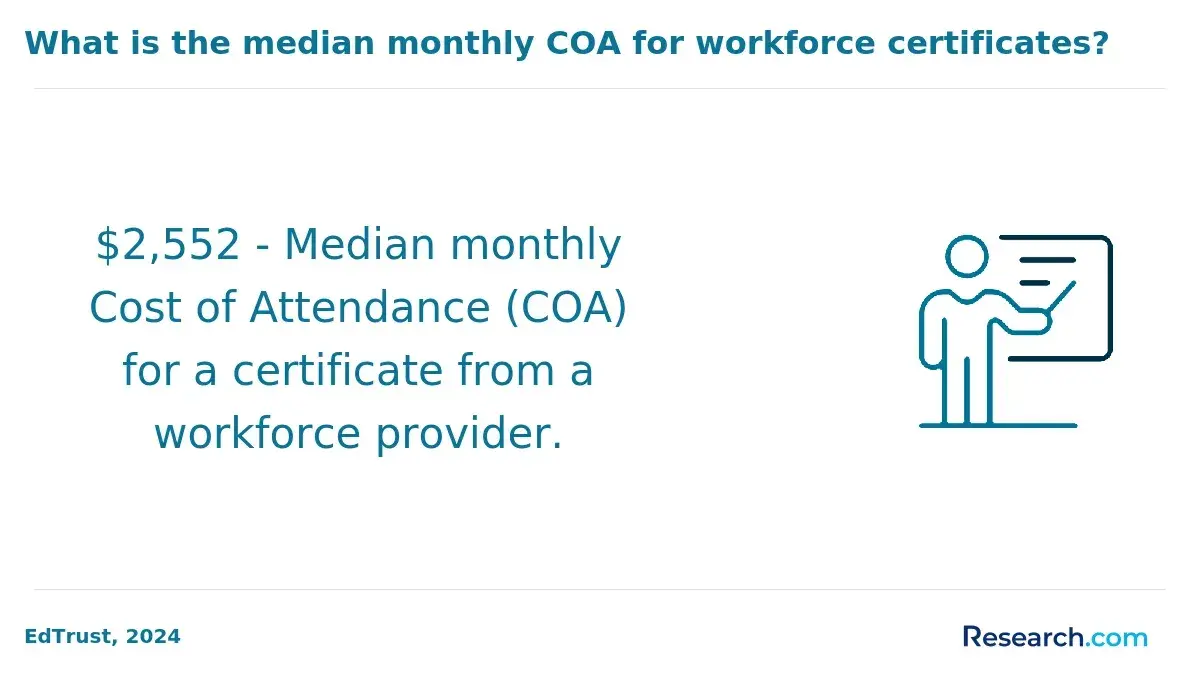
How Do Online and Campus Criminal Justice Programs Compare on Total Cost?
Evaluating the total cost comparison of online versus campus criminal justice programs requires attention to several nuanced factors beyond tuition alone. Campus-based degrees often carry higher sticker prices, including mandatory fees for campus facilities and labs that can add significantly to annual costs, as well as indirect expenses like housing, transportation, and meal plans-typically exceeding $10,000 annually.
Conversely, online programs may have lower base tuition but include specific technology fees and course charges that reduce the expected savings, and often limit access to traditional scholarships or employer tuition reimbursement. The net effect on student debt is notable, with campus graduates in criminal justice programs carrying roughly 15% higher loan balances than their online peers, according to 2024 data from the National Center for Education Statistics.
The total cost of attendance for students hinges heavily on residency rules, course load pacing, and whether maintaining steady employment is feasible. Online delivery can allow working adults to continue earning wages uninterrupted, potentially shortening their time to degree completion and lowering debt accrued. However, this tradeoff can come at the expense of hands-on experiences and professional networking opportunities commonly found on campus.
Prospective students must consider how these cost dynamics interact with personal circumstances, including the availability of financial aid and long-term career goals, rather than assuming one format is definitively more affordable. For those exploring alternatives to traditional entry points, resources like nursing schools that don't require TEAS test near me reflect growing pathways supporting diversified educational access.
What Hidden Costs Should Students Expect in Online vs Campus Criminal Justice Programs?
Cost comparisons between online and campus criminal justice programs often underestimate the significance of hidden expenses, which can sway overall affordability and completion timelines. Online students might avoid commuting but face technology fees ranging from $100 to $500 per semester, alongside necessary investments in hardware, high-speed internet, and specialized software for simulations or research.
Meanwhile, campus-based students encounter substantial non-tuition costs such as housing and meal plans averaging $12,000 annually in urban areas, plus transportation expenses, including parking permits that frequently exceed $300 per semester. Fieldwork travel requirements add another layer of complexity, impacting both modalities since internships or ride-along involve commuting, lodging, and potential lost wages, posing additional financial and scheduling challenges not always reflected in sticker prices.
Financial aid often varies by program type, with online learners sometimes receiving less support, increasing dependence on loans and elevating post-graduation debt burdens. Nearly 60% of criminal justice students report financial strain linked to these non-tuition costs, according to a 2024 U.S. Department of Education survey, highlighting the real-world impact on persistence and career decisions. For many, weighing the cost savings of online tuition against hidden fees and possible reduced work flexibility reveals trade-offs influencing both academic progress and long-term employment outcomes.
One criminal justice student shared how she initially chose an online program for its lower tuition, only to realize after enrollment the cumulative expense of proctoring fees and mandatory software licensing pushed costs close to what she would have paid living on campus. She grappled with deciding whether the flexibility offset the strain of losing part-time work hours required to meet synchronous course demands and attend local internship sites. This nuanced financial balancing shaped her cautious confidence in selecting a path aligned with both her educational goals and livelihood realities.
How Does Financial Aid Affect the Cost of Online and Campus Criminal Justice Programs?
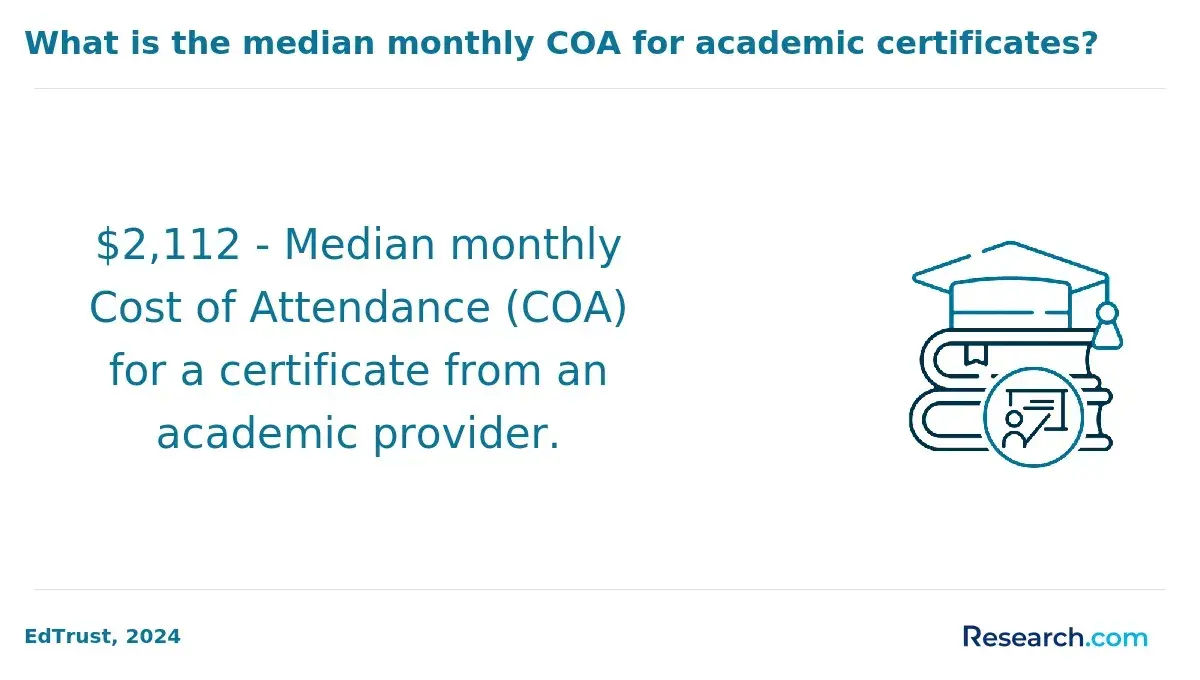
The financial aid landscape significantly shapes the net cost of campus and online criminal justice programs, often outweighing published tuition differences. Campus students generally access a wider range of institutional scholarships, grants, and assistantships tied to residency and full-time enrollment, which can reduce borrowing needs and accelerate graduation timelines.
Understanding campus criminal justice program tuition assistance benefits requires careful comparison of aid restrictions and fee structures. Online learners face additional technology fees that raise sticker prices but often save on housing and transportation costs, influencing actual out-of-pocket expenses. Loans remain a major financing method for both formats, but online students may accumulate slightly lower debt levels due to shorter or more flexible programs, balanced against potential longer repayment periods if enrollment extends part-time.
Evaluating financial aid's impact on borrowing decisions and program pacing helps students determine the real value of their educational investment, especially when contrasting the broader institutional aid available on campus with targeted online options. Those seeking advanced degrees should also consider how pathways like PhD healthcare align with these financial and time commitments.
Do Online and Campus Criminal Justice Graduates Have Different Career Outcomes?
Career outcomes for criminal justice graduates hinge less on whether education was completed online or on campus and more on factors like program accreditation, institutional reputation, and the availability of hands-on training. For instance, graduates from campus programs often benefit from stronger ties to local law enforcement agencies through internships and field placements, which many employers prioritize during hiring and licensure processes.
Employers tend to regard transcripts without notation of delivery format more favorably; however, some express reservations regarding online graduates' readiness for practical tasks or entry-level networking opportunities, reflecting ongoing concerns about experiential learning gaps. Online criminal justice programs offer flexibility that allows students to work while studying, often leading to lower student debt levels, but this can limit time available for unpaid internships or in-person networking critical to early career progression.
This scheduling advantage comes with trade-offs in professional relationship building and regional employer connections that campus programs naturally provide. According to recent data from the National Center for Education Statistics, employment rates within a year of graduation align closely between online and campus students when program quality is consistent, yet licensing success frequently correlates more strongly with access to practicums than the mode of delivery.
How Do Employers View Online vs Campus Criminal Justice Degrees?
Employer trust in online versus campus Criminal Justice degrees increasingly hinges on program accreditation, hands-on training opportunities, and the clarity of credentialing rather than delivery mode alone. A 2024 survey by the National Association of Colleges and Employers found that 68% of employers consider online and in-person degrees comparably credible when the institution is properly accredited and the curriculum meets industry standards.
However, in law enforcement hiring contexts where physical presence and fieldwork skills are critical, some employers may favor campus degrees for initial screening, valuing face-to-face experiential learning like internships and simulation exercises that are harder to replicate fully online. This distinction matters especially for students without significant prior relevant experience, as on-campus programs often provide more direct access to professional networks and supervised practical placements.
Conversely, online programs can be equally effective for mid-career applicants seeking advancement, provided their coursework aligns closely with licensure or certification requirements and demonstrates measurable competency. Employer familiarity with online education is growing but remains uneven across sectors, which means graduates must consider how their degree format interacts with workforce expectations in their target roles, particularly in fields demanding visible, applied skills in Criminal Justice environments.
Ultimately, the decision between online and campus Criminal Justice formats involves weighing trade-offs in flexibility, cost, and professional immersion. While both can lead to viable outcomes, students should prioritize programs with recognized accreditation and strong experiential components, as these are decisive factors for employers more than whether the degree was earned remotely or on site.
Which Criminal Justice Degree Format Offers Better Flexibility for Working Adults?
Flexibility in criminal justice degree programs for working adults involves more than just online availability; it hinges on how scheduling demands interact with job and caregiving responsibilities. Online formats offer asynchronous coursework that can accommodate irregular or shift-based work hours, reducing conflict with employment but often still require periodic in-person internships or labs that limit full scheduling freedom.
In contrast, campus programs demand fixed class times and a daily commute that, at an average of 45 minutes round-trip, significantly erode time budgets and increase costs, especially for adults juggling family obligations. This tension between online flexibility and necessary practical components impacts persistence and timely graduation. Online students benefit from more lenient stop-out policies and part-time pacing options allowing for pauses in study without penalty, which suits fluctuating life demands better than rigid campus cohorts.
However, campus-based programs may offer more reliable integration of hands-on fieldwork and direct faculty interaction, critical in criminal justice career readiness. Prospective students must weigh the trade-off between the scheduling autonomy of online study versus the structured, immersive environment of campus-based learning in terms of career entry timing and ongoing employment.
Working adults comparing these options should consider that the best format depends on individual circumstances, including employment stability and access to local internship sites. For those combining work and study, similar to students pursuing an accelerated SLP master's program, flexible online criminal justice programs deliver significant practical advantages. Still, the necessity of mandatory in-person requirements and cohort networking often means no online path is purely location-independent or completely asynchronous.
How Should Students Choose Between an Online and Campus Criminal Justice Program?
Graduation rates and career support differ notably between campus and online criminal justice programs, influencing student outcomes and workforce readiness. Campus programs typically yield graduation rates 10-15% higher, reflecting the benefits of sustained face-to-face engagement and access to field-specific resources like internship placements and agency partnerships essential for law enforcement roles.
Conversely, online formats provide flexibility critical for working adults but may challenge persistence due to limited hands-on experiences and weaker employer networking, factors that affect both credential completion and career mobility in a field where practical exposure is valued. Cost comparisons reveal that online criminal justice students often save approximately 20% on total attendance expenses by avoiding housing and commuting, yet they might miss out on in-person financial advising or scholarships that campus students can access.
Scheduling flexibility in online programs caters well to caregivers and full-time workers but might conflict with accreditation or state licensing requirements demanding in-person components. Students comparing career outcomes of online vs campus criminal justice degrees must weigh these trade-offs alongside questions of program sequencing, employer expectations for field experience, and how each format aligns with personal commitments and role-specific licensing demands.
Realistic planning includes recognizing scenarios where campus attendance supports reliable internship access and networking essential for positions requiring direct field involvement, while online options serve those balancing complex schedules or geographic constraints. For nuanced insights into acceptance rates and program prerequisites relevant to criminal justice and related graduate studies, prospective students may consult resources like the SLP grad school acceptance rate overview, which parallels some of these enrollment and outcome dynamics.
References
- 15 Best Online Bachelor's In Criminal Justice https://www.criminaljusticedegreeschools.com/rankings/best-online-bachelors/
- Financial Aid For Online Colleges https://www.affordablecollegesonline.org/financial-aid/financial-aid-for-online-colleges/
- How Employers View Online Degrees: Interviews with Nine Hiring Executives https://www.onlineeducation.com/features/how-employers-view-online-degrees
- Should I Earn an Associate or Bachelor's in Criminal Justice? https://www.allcriminaljusticeschools.com/blog/associate-vs-bachelors-in-criminal-justice/
- Online BS in Criminal Justice Benefits | University of Bridgeport https://www.bridgeport.edu/news/benefits-of-earning-criminal-justice-degree-online/
- Should I Get My Bachelor’s Degree in Criminal Justice Online? | CSU Global https://csuglobal.edu/blog/should-i-get-my-bachelors-degree-criminal-justice-online
- How employers see your online degree https://www.calcoast.edu/news/truth-about-how-employers-view-your-online-degree
- Financial Aid Tips for Criminal Justice Students https://www.criminaljusticeprograms.com/financial-aid/
- Online Bachelor’s Degree in Criminal Justice https://www.monroeu.edu/academics/undergraduate-programs/school-criminal-justice/online-bachelors-degree-criminal-justice
Other Things You Should Know About Criminal Justice
Online criminal justice programs often limit opportunities for hands-on experiences such as role-playing, simulations, and face-to-face group work that are integral to developing practical skills. This can affect the depth of interpersonal abilities and situational judgement crucial in law enforcement and corrections roles. Prospective students should weigh whether their learning style and career goals align with a format that relies heavily on virtual interaction versus one that offers dynamic, real-time engagement.
Networking in campus programs typically benefits from proximity to local agencies, internships, and alumni networks, which directly influence job placement in criminal justice fields. While online programs may offer virtual networking events, they often lack the localized connections that can facilitate internships or fieldwork crucial for employment. If building strong regional ties and access to internships is a priority, campus programs tend to have a clear advantage in practical career-building opportunities.
Online students in criminal justice programs must manage a more self-directed pace, which can intensify challenges related to balancing demanding coursework with personal and professional responsibilities. Without structured class times and in-person accountability, students with less experience in time management may struggle to keep pace, potentially impacting graduation timelines. Students should prioritize online programs only if they possess strong self-motivation and organizational skills that match the program's flexibility.
Campus programs often integrate physical training components like defensive tactics and firearms proficiency, which are essential for many criminal justice careers but difficult to replicate online. Those seeking roles in law enforcement or corrections that require such certifications should prioritize campus enrollment to meet these practical requirements. Conversely, online programs may better suit careers focusing on criminal justice policy, research, or administration, where physical presence is less critical.