2027 Criminal Justice ROI by Institution Type: Public vs Private vs Nonprofit Online Programs

Co-Founder and Chief Data Scientist
Choosing between public, private, and nonprofit online Criminal Justice programs can feel daunting when tuition differences mask deeper disparities in student debt and graduation rates. For instance, a 2024 National Student Clearinghouse report found that graduation rates for online programs vary by more than 20 percentage points depending on institution type-an indicator closely tied to long-term career outcomes and employer perceptions. High debt from appealing private options often undercuts the practical gains of better institutional support, while nonprofit programs may offer modest costs but limited networking opportunities. Such contrasts directly impact career trajectory and financial stability.
This article analyzes these critical nuances to help prospective students evaluate Criminal Justice program ROI across institution types more effectively.
Key Things to Know About Criminal Justice ROI by Institution Type
- Public institutions generally offer lower total costs but often have longer completion timelines, increasing indirect expenses; this tradeoff can impact ROI by extending time to career advancement for working adults balancing education with employment.
- Private online programs frequently boast stronger employer networks and branding, which may enhance immediate job placement potential; however, heightened student debt exposure requires careful assessment of post-graduation career outcomes versus financial burden.
- Nonprofit online programs typically emphasize learner support and flexibility, correlating with improved graduation rates reported in 2024 studies; this suggests better access for diverse students but implies a possible premium on upfront costs affecting affordability.
- Key Things to Know About Criminal Justice ROI by Institution Type Key Things to Know About Criminal Justice ROI by Institution Type
- What Does ROI Mean for a Criminal Justice Program and How Is It Measured? Understanding Criminal Justice Program ROI
- How Do Public, Private, and Nonprofit Online Criminal Justice Programs Differ in Overall Value? Value by Institution Type
- How Do Tuition Costs Affect the ROI of a Criminal Justice Program Across Institution Types? Tuition Costs and ROI
- How Do Graduation Rates Influence Criminal Justice Program ROI? Graduation Rates Impact ROI
- What Role Do Career Outcomes Play in the ROI of a Criminal Justice Degree? Career Outcomes and ROI
- How Does Student Debt Impact the Long-Term ROI of a Criminal Justice Program? Debt vs. Long-Term ROI
- How Do Flexibility and Adult Learner Support Affect Criminal Justice Program Value? Flexibility and Program Value
- How Do Accreditation and Institutional Reputation Influence Criminal Justice ROI? How Do Accreditation and Institutional Reputation Influence Criminal Justice ROI?
- How Does Time-to-Degree Affect the ROI of Public, Private, and Nonprofit Criminal Justice Programs? How Does Time-to-Degree Affect the ROI of Public, Private, and Nonprofit Criminal Justice Programs?
- How Can You Choose the Best Criminal Justice Program Based on Your ROI Goals? Choosing Programs by ROI
What Does ROI Mean for a Criminal Justice Program and How Is It Measured?
Return on investment in a criminal justice program cannot be captured by tuition costs alone; it requires weighing how effectively a program supports timely graduation, manageable student debt, and meaningful employment outcomes. For example, a public online program might offer lower upfront tuition but could have longer time-to-degree or less comprehensive learner support, which increases opportunity costs and risks delayed entry into relevant jobs. Conversely, some private nonprofit institutions, despite higher fees, often deliver stronger completion rates and career placement, potentially offsetting initial costs with faster workforce integration and higher starting salaries. This nuanced analysis aligns with the growing emphasis on measuring roi in online criminal justice education through comprehensive institutional data rather than surface cost comparisons.
Graduation rates and time-to-degree are critical in understanding true cost beyond sticker price, especially for working adults balancing employment and studies. A program that extends beyond a standard timeframe can increase accumulated debt and lost wages, diminishing overall ROI even if tuition is comparatively low. In assessing institutional reputation and career outcomes, data such as a 2024 report from the Georgetown University Center on Education and the Workforce highlights that high-quality online nonprofit criminal justice programs often match traditional counterparts in employment success. Students' individual goals also affect value measurements; those focused on rapid vocational entry might prioritize programs with practical training and employer feedback, while those pursuing policy or advanced roles may weigh theoretical rigor more heavily. Including personalized factors ensures a more accurate, decision-relevant perspective on criminal justice program return on investment.
Prospective students should also be aware that some decision pathways may intersect unexpectedly with other advanced opportunities, such as transitioning from an MSN to DNP program in healthcare fields, where return dynamics differ but illustrate broader trends in online education affordability and flexibility. Ultimately, evaluating these multiple dimensions-cost, debt, completion likelihood, and employment outcomes-enables a strategic approach to choosing among public, private, and nonprofit online criminal justice programs, recognizing that a lower-cost option does not always yield the strongest long-term value.
How Do Public, Private, and Nonprofit Online Criminal Justice Programs Differ in Overall Value?
Deciding between public, private, and nonprofit online criminal justice programs often requires balancing tuition costs against factors like student support, graduation rates, and employer recognition. Public programs typically offer lower tuition, especially for in-state students, making them attractive for those with limited financial resources or seeking local employment. However, these programs may lag in personalized advising and career services, which can affect degree completion and readiness for specialized roles. According to the National Center for Education Statistics (2024), public institutions often have moderate graduation rates, reflecting challenges linked to larger class sizes and resource constraints that impact student outcomes and long-term ROI.
Private programs, especially nonprofit ones, often provide more robust support, including individual mentorship and career preparation, which many students find valuable when aiming for competitive or specialized positions. This enhanced service comes with significantly higher tuition and, frequently, larger average student debt burdens-sometimes twice that of public counterparts-which requires careful consideration of potential salary gains and career trajectories. Nonprofit institutions may offer a middle ground, reinvesting revenues into academic resources and maintaining strong accreditation, which reassures employers and supports improved graduation rates compared to for-profit options. Yet, availability of financial aid and program access can vary considerably, influencing affordability and inclusiveness.
One prospective student faced uncertainty when comparing a low-cost public program with limited advising, a private nonprofit with comprehensive career services but a steep price tag, and a nonprofit public hybrid that balanced support and cost. Concerned about incurring substantial debt for perceived prestige, she prioritized programs with strong regional accreditation and reported graduation outcomes, ultimately choosing a nonprofit public program that offered flexible scheduling and solid support without excessive financial risk. This decision reflected her goal of minimizing debt while ensuring credentials valued by employers in her local job market.
How Do Tuition Costs Affect the ROI of a Criminal Justice Program Across Institution Types?
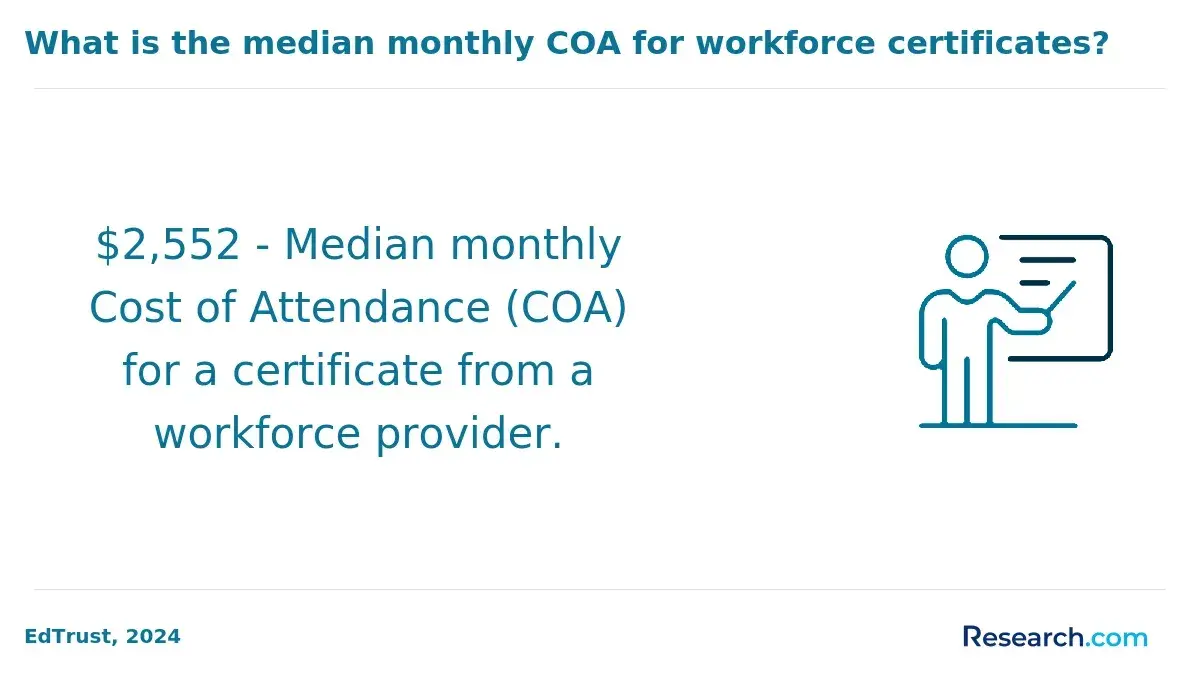
The tuition variation between public, private, and nonprofit online criminal justice programs profoundly shapes their long-term return on investment, but higher sticker prices do not inherently guarantee superior outcomes. For example, public institutions often charge around $7,000 annually, significantly less than the $15,000 to $30,000 typical of private nonprofits, yet students at public schools generally face lower average debt burdens-about $18,000 versus $28,000-and tend to graduate faster, allowing quicker workforce entry. While private nonprofit programs may offer more substantial merit-based aid that lowers net costs, the need to take larger loans can delay financial recovery post-graduation, especially for those entering entry-level roles with modest starting salaries.
Graduation rates and program completion speed also critically influence cost-effectiveness beyond raw tuition figures. Public online criminal justice students often experience higher 4- to 6-year completion rates compared to their private nonprofit peers, which reduces total accrued costs and enables earlier income generation. Conversely, certain private nonprofit offerings may justify their elevated prices through specialized faculty involvement and enhanced networking opportunities, benefiting students targeting niche criminal justice careers. However, these advantages do not always translate into proportionally higher financial returns, particularly for working adults and transfer students prioritizing affordability and timely completion over specialized academic experiences.
Ultimately, prospective students must weigh the interplay of tuition costs, financial aid potential, debt exposure, and completion dynamics in light of their career objectives and financial tolerance. Lower tuition programs at public institutions frequently deliver competitive educational value with reduced debt risk, which is crucial when employer recognition and support services are comparable. Conversely, higher-cost private nonprofit programs pose tradeoffs that may be sensible for some but financially burdensome for others, underscoring the importance of aligning chosen programs with realistic career trajectories and personal circumstances rather than relying solely on perceived prestige or sticker price.
How Do Graduation Rates Influence Criminal Justice Program ROI?
Graduation rates function as a critical metric for evaluating the return on investment in criminal justice programs, reflecting institutional capacity to support timely degree completion and manageable student costs. Public institutions often face challenges enrolling more first-generation or part-time students, resulting in average 6-year graduation rates near 60% per the 2024 National Center for Education Statistics (NCES) report, while private nonprofit online programs average closer to 50%, influenced in part by selective admissions and varied support services. This disparity affects ROI by highlighting trade-offs between lower tuition and potentially longer time-to-degree or attrition risks, especially for working adults balancing study with professional and personal obligations.
Graduation outcomes offer a practical proxy for program effectiveness but must be weighed against factors such as program flexibility, persistence support, and total educational costs. Programs with strong student support systems and flexible pacing can reduce debt burdens and expedite workforce reentry, which is essential for adult learners prioritizing both career transitions and financial sustainability. However, a high graduation rate alone does not guarantee positive ROI if debt accumulates beyond expected post-completion earnings, underscoring the importance of comparing programs not only on completion rates but also on affordability and alignment with criminal justice career trajectories.
Students comparing public, private, and nonprofit online criminal justice programs should consider graduation rates alongside institutional reputation and career services to assess long-term value meaningfully. For those unclear about application processes or seeking cost-effective options, exploring free online college application opportunities may offer additional pathways to reduce upfront barriers. Ultimately, graduation rates impact on criminal justice program ROI but are one of multiple lenses required to determine which educational path best balances time, cost, and career outcome expectations.
What Role Do Career Outcomes Play in the ROI of a Criminal Justice Degree?
Career outcomes critically shape the ROI of criminal justice degrees, especially when weighing the practical value of public, private, and nonprofit online programs. With employment rates averaging around 78% within one year of graduation according to recent Bureau of Labor Statistics data, nuances in job placement quality and employer recognition can significantly affect whether graduates offset tuition costs and debt. Public institutions often provide stronger alignment with governmental agencies, increasing access to law enforcement and corrections roles, whereas private schools may offer specialized tracks that don't always translate into higher employment or salary gains. Nonprofit online options tend to improve affordability and flexibility but sometimes lack robust employer networks, potentially limiting professional mobility and long-term career growth despite lower upfront costs.
These employment patterns interact with program expenses and completion timelines to influence the degree's overall value. Students must consider how internship opportunities, alignment with industry trends, and employer perceptions of curricular rigor influence placement success and promotion potential. For individuals balancing work and study, programs that integrate certifications or practical experience can boost immediate employability, minimizing time-to-degree and enhancing career sustainability. Without these factors, even affordable credentials may fall short of delivering meaningful returns if they do not facilitate marketable skills or recognized credentials within competitive criminal justice fields.
One graduate reflected on their online criminal justice program with cautious optimism, noting initial uncertainty about whether the credential would justify the time and financial sacrifice. After completing the degree, they found the credential valued by their employer in internal promotion decisions and appreciated how the program's emphasis on cybercrime investigations translated into expanded responsibilities. Although the immediate salary bump was modest, the degree opened doors to a more stable career pathway and incremental job roles, underscoring that career outcomes often unfold gradually rather than through quick financial gains alone.
How Does Student Debt Impact the Long-Term ROI of a Criminal Justice Program?
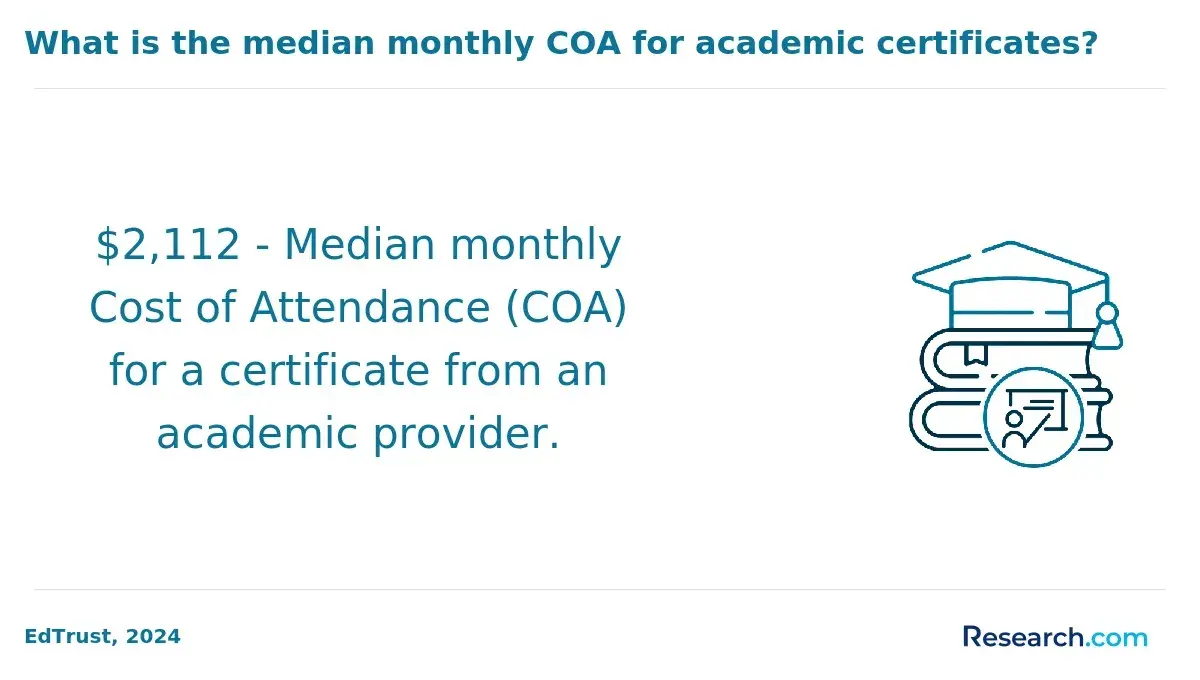
Higher student debt burdens in criminal justice programs typically reduce long-term ROI, but this effect varies notably depending on institutional type and completion outcomes. For example, graduates from private online institutions often face larger debt loads due to higher tuition, which can outweigh niche career advantages offered by specialized courses or networks. In contrast, public programs generally have lower tuition and stronger state financial aid, leading to less borrowing and better repayment success, particularly when completion rates remain high and result in stable employment. This dynamic forces students to balance upfront borrowing costs with realistic career progression realities, as excessive debt without program completion sharply diminishes financial returns.
Debt-to-completion ratios critically shape the long-term financial outcomes of criminal justice student loans, emphasizing that borrowing without finishing a degree almost guarantees poor ROI. Federal data also show higher default rates among graduates from private nonprofit and for-profit programs, indicating repayment challenges exacerbated by inconsistent employment pathways. Cost-conscious learners should thus evaluate program affordability alongside proven completion rates and career outcomes, factoring in the trade-off between educational quality, debt load, and practical job prospects. This holistic view is essential for those comparing criminal justice programs, especially when considering options like online medical assistant programs that accept financial aid, which may offer parallel insights into maximizing educational value while managing debt efficiently.
How Do Flexibility and Adult Learner Support Affect Criminal Justice Program Value?
The return on investment (ROI) for online criminal justice programs hinges heavily on scheduling flexibility and the depth of adult learner support, with these factors directly shaping persistence and completion rates. Programs offering asynchronous classes and part-time options accommodate working adults' complex schedules, which the National Center for Education Statistics reports correlates with a 15% boost in retention. However, students must carefully weigh the increased tuition often associated with private institutions that deliver stronger academic advising and career services against the broader accessibility and affordability typical of public programs, as the choice impacts both immediate financial strain and long-term career earnings.
Nonprofit providers frequently blend flexible scheduling with targeted resources-such as transfer credit evaluations and virtual tutoring-that address the unique challenges faced by veterans and juggling professionals, enhancing their educational continuity and progression. This integration of student support is critical, given that a large majority of adult learners in these settings identify career services as vital to degree attainment. Yet, prospective students should consider how these enhancements affect time-to-degree and opportunity costs, balancing the improved guidance and engagement against potentially higher overall expenses and varied employer perceptions of program rigor.
How Do Accreditation and Institutional Reputation Influence Criminal Justice ROI?
Accreditation and institutional reputation significantly shape the return on investment for online Criminal Justice programs, influencing both access to financial aid and employer perceptions. Regional accreditation serves as a critical baseline, ensuring eligibility for federal aid and transfer credit acceptance, though program-specific accreditation from bodies like the Academy of Criminal Justice Sciences can enhance perceived rigor and hiring credibility. For example, graduates from regionally accredited programs have been shown by the National Center for Education Statistics to earn a median salary increase approximately 15% higher within five years compared to those from non-accredited institutions, underscoring how accreditation status tangibly affects career earnings and progression.
Employer attitudes toward institutional reputation also weigh heavily in candidate evaluations. A recent National Association of Colleges and Employers survey found that 72% of employers assign moderate to high importance to a school's reputation when considering online degree holders, linking strong reputations to consistent academic standards and workforce readiness. However, this advantage is not universal; some public institutions maintain closer ties with local law enforcement agencies, offering practical training and networking opportunities that may offset less widely recognized brand names. Ultimately, decision-makers should balance these qualitative factors alongside program costs, student support, credit transfer policies, and licensure eligibility to determine how a Criminal Justice program aligns with their specific financial and career goals.
How Does Time-to-Degree Affect the ROI of Public, Private, and Nonprofit Criminal Justice Programs?
Time-to-degree critically shapes the financial and professional outcomes of online criminal justice programs, disproportionately affecting cost-conscious adult learners juggling work and family. For example, public institutions' average 4.5-year timeline often reflects part-time enrollment tailored for working adults, preserving income but extending tuition payments and delaying earnings growth tied to degree completion. In contrast, private nonprofit programs with slightly shorter average durations around 4.2 years and higher completion rates may reduce dropout-related sunk costs, yet their accelerated coursework demands can strain working students and limit flexibility, highlighting practical tradeoffs between speed and manageability.
Transfer credits and program design further complicate these decisions by either shortening time-to-degree or requiring heavier upfront course loads that impinge on work-life balance. Nonprofit online programs offering accelerated tracks down to 3.5 years exemplify this tension, potentially lowering opportunity costs but risking retention if students lack sufficient support. A strategic approach to these variables is essential because employers typically prioritize degree completion alongside relevant experience rather than mere speed, underscoring the significance of endurance and practical readiness over rapid graduation. This nuanced balance remains central to any comparison of graduation timelines in public, private, and nonprofit criminal justice schools.
Adult learners evaluating return on investment should also consider sector-specific flexibility and support mechanisms when comparing programs. For those exploring intensive options, resources such as online direct entry MSN programs for non nurses demonstrate how accelerated pathways require careful alignment with personal capacity and career goals. Ultimately, weighing affordability, persistence, and labor market readiness through realistic time-to-degree expectations decisively influences long-term educational value within criminal justice tracks.
How Can You Choose the Best Criminal Justice Program Based on Your ROI Goals?
The best return on investment in a criminal justice program depends less on whether the institution is public, private, or nonprofit and more on how the program aligns with an individual's financial constraints, time availability, and career objectives. Public institutions often present the lowest total cost of attendance-averaging around 40% less than private programs-and typically offer stronger federal aid packages, making them advantageous for students prioritizing debt minimization. However, nonprofit and some private online programs tend to provide smaller class sizes and more robust learner support, which correlates with graduation rates roughly 10% higher than many private for-profit schools, thereby influencing time-to-degree and overall cost efficiency.
Working adults and transfer students balancing employment and family responsibilities must weigh program flexibility and asynchronous learning options, often more prevalent in nonprofit and public online settings, as key factors impacting timely completion and sustained employment. Additionally, projected earnings relative to debt should drive decisions: data from Georgetown University finds graduates from accredited public criminal justice programs generally report median starting salaries 5-15% higher than peers burdened with heavier loans from some private institutions. Evaluating institutional accreditation, employer reputation, and networking opportunities alongside tuition and aid is essential when choosing the best criminal justice degree for maximum return on investment, especially for career changers aiming to balance risk and reward effectively.
For those researching program options, comparing traditional choices with other pathways like easy LPN programs to get into can provide insights on program accessibility and completion timelines, both critical to ROI calculations. Understanding these nuances helps adult learners make evidence-based decisions grounded in practical, long-term career outcomes.
References
- The Impact of Student Debt on the Low-Wage Workforce https://workrisenetwork.org/working-knowledge/impact-student-debt-low-wage-workforce
- How to measure the return on investment (ROI) of legal tech and communicate it to the business - LawVu https://lawvu.com/articles/how-to-measure-the-return-on-investment-roi-of-legal-tech-and-communicate-it-to-the-business/
- Return on Investment for a College Degree in Criminal Justice ROI or a College Degree in Criminal Justice https://www.criminaljusticeprograms.com/articles/return-on-investment-for-a-college-degree-in-criminal-justice/
- Adult Learning and Justice Reform: The Value of Literacy Programs for Incarcerated People https://www.unitedforliteracy.ca/About/News/Adult-Learning-and-Justice-Reform-The-Value-of-Literacy-Programs-for-Incarcerated-People
- Bridging Education and Opportunity: Exploring the ROI of Higher Education and Workforce Development — HCM Strategists https://hcmstrategists.com/resources/ucmfwg7ha7zzeug6nb3dlawh3poziz
- Estimating Crime Prevention ROI https://ignesa.com/insights/crime-prevention-roi/
- 8 Reasons to Earn a Criminal Justice Degree | All Criminal Justice Schools https://www.allcriminaljusticeschools.com/blog/why-higher-ed-in-criminal-justice/
- ARETGroup https://aretgroup.com/blog/demonstrating-roi-in-law-enforcement-deflection-programs
- Does College Pay Off? A Comprehensive Return On Investment Analysis - FREOPP https://freopp.org/whitepapers/does-college-pay-off-a-comprehensive-return-on-investment-analysis/
- Is a Criminal Justice Degree Worth It? ROI Analysis for 2026 https://policeofficer.org/is-a-criminal-justice-degree-worth-it/
Other Things You Should Know About Criminal Justice
Employers in criminal justice fields often prioritize graduates from programs with strong hands-on training and relevant internships, which can vary significantly by institution type. Public institutions tend to have established partnerships with local law enforcement agencies that enhance practical learning opportunities, while private and nonprofit programs may emphasize theoretical knowledge or specialized concentration areas. For students aiming to enter policing or corrections roles, prioritizing programs with documented experiential components, often found in public schools, can improve early-career prospects and signal readiness to employers.
Private and nonprofit institutions often design niche or interdisciplinary criminal justice tracks that delve into emerging issues like cybersecurity or forensic psychology, which can add valuable specialization. However, these programs sometimes sacrifice broad foundational coverage seen in public programs, possibly limiting flexibility if career goals shift. Prospective students should weigh whether depth in a specific subfield justifies potentially narrower career options, especially since many criminal justice employers value versatility alongside specialization.
Public criminal justice programs frequently offer structured pacing that aligns with traditional academic calendars, which may extend time-to-completion but provides predictability. In contrast, some private and nonprofit programs offer accelerated or self-paced formats that appeal to working professionals but demand high time management skills. Choosing a program that balances rigor with manageable workload is crucial; overburdened students risk lower grades or burnout, which can diminish ROI despite faster completion.
For long-term advancement, public institutions often deliver the strongest ROI due to their wider recognition, stable curriculum, and stronger alumni networks within government agencies. While private and nonprofit programs may offer innovative content, their ROI can be less predictable beyond entry-level roles. Students should prioritize institutions that align with their targeted career ladder and offer ongoing professional development resources, which are more consistently found in public schools with established state and federal employment pathways.