2027 Questions to Ask Before Accepting an Observation Unit Nurse Position
Audited and Verified:
Our Editorial and Data Verification Process
Research.com uses government datasets, official education statistics and primary institutional information to support its career and degree guides. Our review process checks factual accuracy, occupational definitions, source dates and the requirements associated with the credentials discussed.
How This Article Was Fact-Checked
Our editorial team verifies salary estimates, employment projections, education requirements and program information against original data providers and official organizations. Salary figures are checked against the relevant occupational definitions and reporting periods. Information about licensure, accreditation and required in-person training is reviewed separately.
Fact-checked and verified on:

Co-Founder and Chief Data Scientist
An observation unit offer can look like a straightforward RN job, but the unit's patients, pace, and staffing model may differ sharply from another hospital's. If you are a new graduate or an RN considering a move, the most useful questions are about what happens during a typical shift: who is admitted, how quickly patients turn over, what support is available, and when you are expected to work independently. This guide helps you test the offer against your preparation, safety needs, schedule, and career goals before you accept.
Key Things You Should Know
- Ask whether it mainly provides short-term assessment, treatment, and discharge planning or routinely holds patients awaiting inpatient beds; those models create different workloads.
- Request the orientation length, competency checks, typical assignments by shift, escalation resources, and expectations for new graduates or nurses changing specialties.
- An active RN license is generally the starting credential; pay, differentials, weekend commitments, floating, and education assistance depend on the employer, not the observation-unit title.
What Does an Observation Unit Nurse Do?
An observation unit provides time-limited hospital care while a team evaluates whether a patient can go home or needs admission or another level of care. The designation describes a care and billing arrangement, not a fixed nursing acuity level. Some units are attached to emergency departments; others operate more like short-stay medical units.
The RN assesses changing symptoms, administers ordered medications and treatments, monitors responses, communicates concerning findings, coordinates tests and consultations, and prepares patients for discharge or transfer. Rapid turnover makes handoffs, medication reconciliation, patient teaching, and accurate documentation especially important. Ask whether bedside nurses also handle admissions directly from the emergency department and whether patients remain on the unit after an inpatient admission decision.
If you are exploring this role before entering nursing, exploring nursing study without previous nursing training can help you distinguish a route to initial RN preparation from a program intended for nurses who are already licensed. Neither coursework nor a degree title alone authorizes RN practice.
What Education Is Required for an Observation Unit Nurse?
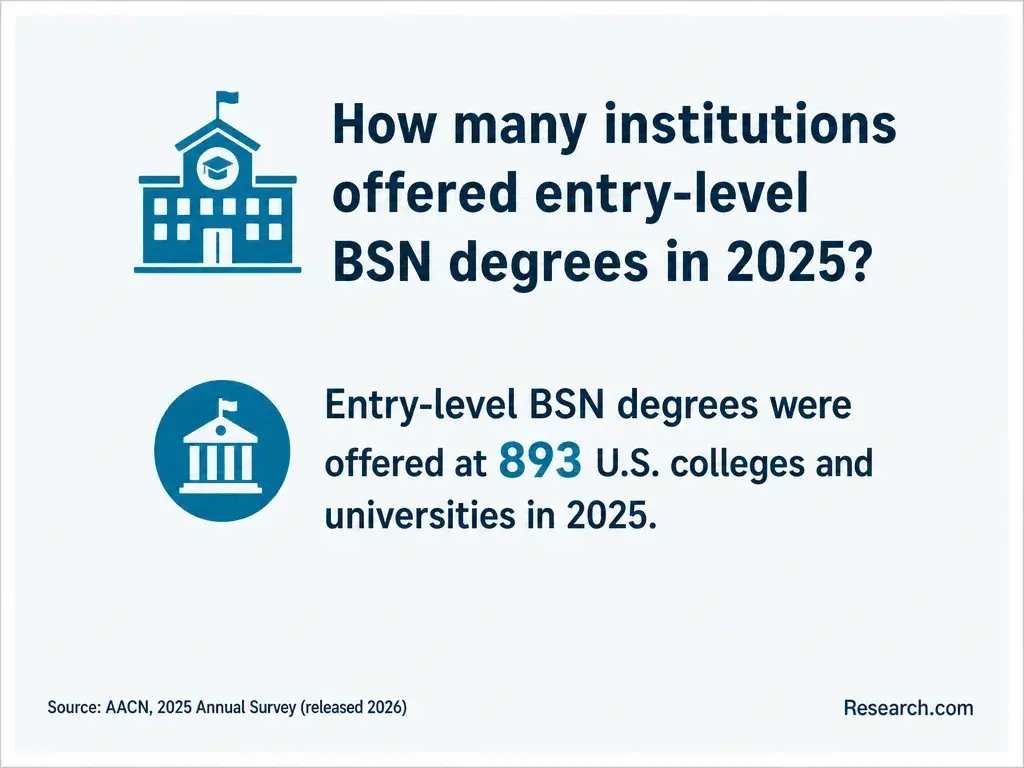
Observation unit nurse positions are generally RN positions. Employers may accept graduates of a qualifying associate degree in nursing (ADN), nursing diploma, or Bachelor of Science in Nursing (BSN) program, provided they hold the required RN license. A posting may prefer or require a BSN; check the actual job description rather than assuming one national education rule applies to every unit.
For a new graduate, the immediate question is less about earning another degree and more about whether the employer offers a supported transition to practice. Ask whether new graduates are hired into observation care, whether they enter a nurse residency, and how long they work with a preceptor before taking a full assignment. A nurse who has already graduated should not mistake academic preparation for demonstrated competence with the unit's monitoring equipment, patient mix, or escalation procedures.
Applicants without an RN qualification may consider ADN or BSN preparation or, if eligible, shorter prelicensure MSN pathways. Check the specific program's state eligibility, clinical requirements, and route to initial RN licensure; an accelerated academic calendar does not eliminate supervised clinical preparation.
What Licensure and Certifications Does the Position Require?
Ask the recruiter for the exact license and credential requirements in writing. An observation unit RN normally needs an active RN license or other authorization to practice in the hospital's state. Graduation, eligibility to take the NCLEX-RN, and an active license are different milestones. The employer, state board of nursing, and any applicable compact-practice rules determine whether a candidate can begin work in that location.
Employers commonly specify basic life support training and may require advanced cardiac life support or other credentials according to the unit's patient population and policies. Confirm which credentials must be held at hire, which may be completed during orientation, who pays for them, and whether training time is paid. A course card or specialty certification does not replace unit-specific competency validation.
If you have not entered nursing school, admission testing is a separate issue from job credentials: alternatives to HESI-based nursing admission may help you compare entry requirements, but they do not change RN licensing requirements. Already licensed nurses should focus instead on the posting and their state board's practice rules.
There is no observation-unit-specific degree. Choose an initial RN pathway that meets your state's requirements and the hiring standards of employers you may target. If you already hold an RN license, compare the value of another degree with the more immediate benefit of supervised specialty orientation.
The distinctions below matter when a job posting lists a preferred degree or when an employer offers tuition assistance. They do not predict how quickly an individual nurse will become ready for an observation assignment.
| Pathway | Best fit for this decision | Limit to recognize |
| Prelicensure ADN or BSN | Someone seeking initial RN preparation and eligibility to pursue licensure | Graduation does not itself confer a license or specialty competence |
| RN-to-BSN | A licensed RN meeting an employer's BSN preference or pursuing broader advancement options | It does not replace observation-unit onboarding |
| Graduate nursing study | An RN pursuing a defined future role with matching program requirements | An MSN is not inherently necessary for bedside observation nursing |
An ADN-prepared RN considering longer-term advancement can compare bridge programs from an ADN to an MSN, but the degree should serve a specific next role. Before accepting this job, ask whether the employer requires BSN completion, sets a deadline, or reimburses eligible coursework.
Ask the manager to distinguish skills required on day one from those taught during orientation. Observation nursing often calls for focused reassessment, recognition of deterioration, safe medication administration, telemetry interpretation where used, discharge teaching, and concise communication across emergency, inpatient, diagnostic, and case-management teams. The exact mix follows the unit's admission criteria and protocols.
A nurse with medical-surgical or emergency experience may bring useful prioritization and handoff skills, but should still receive training on local workflows. For a new graduate, ask how preceptors observe performance, which competencies must be signed off, and what happens if more supervised time is needed. Prior clinical rotations and simulation are preparation, not proof of independent readiness for every patient assignment.
If graduate study is also on your horizon, master's nursing education on a BSN graduate's budget is a separate financial decision. Do not let plans for a future degree substitute for asking how this employer will develop and assess your bedside skills now.
Patient populations vary by hospital. An observation unit might care for adults needing serial assessment after chest pain, short-term treatment for dehydration, evaluation of dizziness, or monitoring after a procedure. Another unit may accept children, behavioral health patients, or people requiring more extensive monitoring. A diagnosis label alone does not tell you the patient's stability or the resources required.
Ask for the unit's written admission and exclusion criteria, the most frequent reasons for transfer to a higher level of care, and who reassesses a patient whose needs exceed the unit's capabilities. Find out whether nurses receive patients awaiting placement elsewhere and how those assignments are staffed. These answers are more informative than an employer's description of the unit as "low acuity."
Behavioral health exposure on an observation unit can inform a future specialty interest, but it is not preparation for independent advanced practice. An RN considering short PMHNP certificate pathways for nurses would need to check the program's prior-degree eligibility, supervised clinical requirements, certification pathway, and state APRN rules separately.
Observation care often involves nights, weekends, holidays, admissions, and discharges, but the pattern is employer-specific. Ask for the actual schedule rotation, shift length, on-call requirements, rules for staying late, and how far ahead schedules are posted. If you have caregiving or school commitments, verify the policy rather than relying on an informal promise of flexibility.
Staffing is best evaluated as a process, not a single advertised patient-to-nurse number. Ask what a typical assignment looks like on days and nights; who handles breaks, admissions, and transport; when a charge nurse takes patients; and how staffing changes when patients require closer monitoring. Request a shadow shift if available. During it, note how often nurses must interrupt one task to address an admission, discharge, or change in condition.
Planning further education alongside rotating shifts deserves the same scrutiny. Even accelerated Doctor of Nursing Practice programs may involve scheduled learning and practice requirements. If tuition assistance is part of the offer, check whether the work schedule could realistically accommodate the program you would pursue.
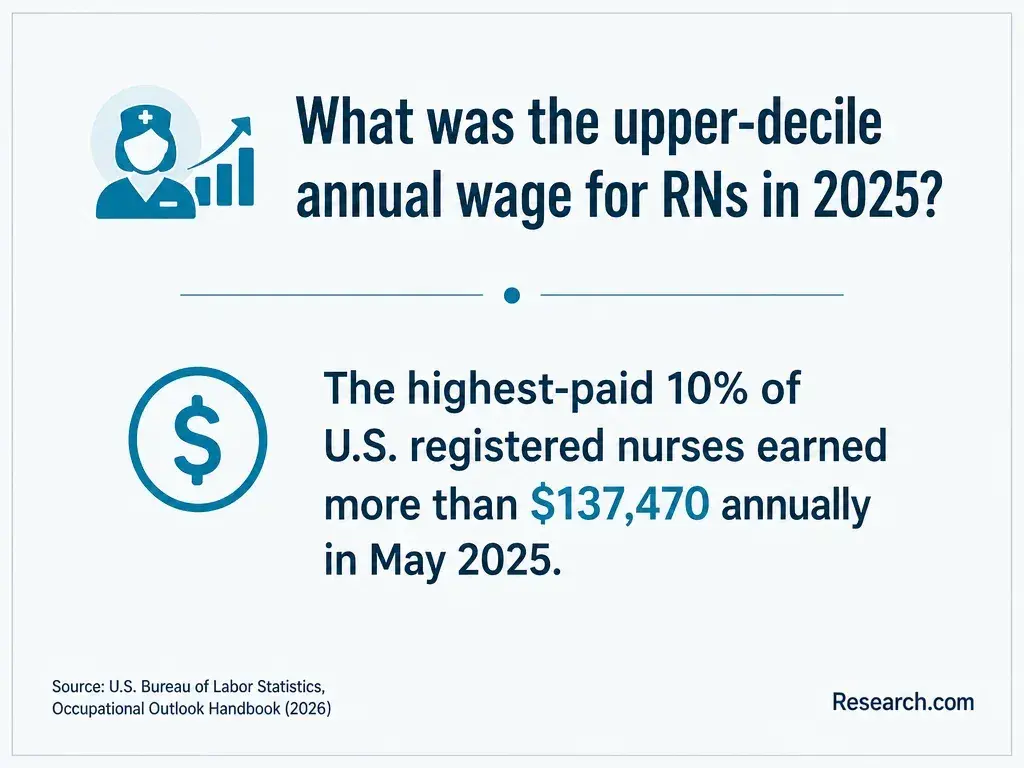
There is no separate national wage category for observation unit nurses. The U.S. Bureau of Labor Statistics reports pay for registered nurses as an occupation, not a guaranteed rate for this unit, degree level, or hospital. Use the most recent RN wage figures as broad labor-market context, then compare actual local offers for the same shift and employment status.
Ask for the base hourly rate and a written explanation of night, weekend, holiday, charge, and overtime differentials. Compare annualized pay using the hours you are expected to work - not an assumed overtime schedule. Also account for benefits premiums, retirement contributions, paid time off, parking, and any sign-on bonus repayment terms. A higher advertised rate may be less valuable if guaranteed hours or benefits differ.
If an employer promotes graduate tuition support as part of compensation, calculate your likely out-of-pocket cost and service obligation before valuing it as cash. Comparing DNP eligibility requirements can clarify whether a proposed future program is even an option; eligibility and reimbursement should not be assumed from the job offer alone.
Observation nursing can build transferable experience in reassessment, patient flow, discharge coordination, and communication across services. Depending on documented skills and employer requirements, nurses may later pursue emergency, medical-surgical, care coordination, clinical education, or charge roles. Moving to a higher-acuity unit still calls for appropriate orientation and competency assessment.
Ask whether this employer offers cross-training, continuing education, preceptor opportunities, and a transparent process for internal transfers. Find out how long nurses generally must remain in the position before applying elsewhere. A unit can be a good first job without being a guaranteed shortcut to another specialty.
For an RN whose longer-term goal is advanced practice, family NP programs that help arrange clinical placements address a different transition. Observation experience may strengthen clinical judgment, but it does not replace the required graduate preparation, supervised experiences, certification, or state authorization for an NP role.
How Can You Evaluate the Employer and Job Offer?
Make your decision using answers from the manager, bedside nurses, and the written offer - not the unit name alone. Request a shadow shift and compare what you see with the advertised orientation, staffing, and patient criteria. A manager who can explain how assignments change when acuity rises gives you more useful information than a promise that the team is "always supportive."
Before you accept, seek clear answers to these questions and note any material differences between verbal assurances and written policy:
- Which patients does the unit accept, and who decides when a patient needs transfer or a higher level of care?
- How are typical assignments, admissions, discharges, breaks, and unexpected absences covered on my assigned shift?
- How long is orientation, who evaluates competencies, and what support is available if I need more time?
- What are the guaranteed hours, rotation, floating expectations, differentials, benefits, and bonus repayment conditions?
- What education support and internal-transfer rules apply to this position, and where are they documented?
Education benefits are worth checking against your actual plans. If you later compare DNP practice and project requirements, verify what the program requires and what the employer will fund; do not assume a program description removes all practice obligations. Accept the observation offer when its patient mix, supervised transition, workload, and written terms fit your current competence and goals - not merely because it appears to open a future pathway.
Other Things You Should Know About Nursing
No. The services may work closely together, but an observation unit has its own admission criteria, staffing, and workflows. Ask whether the position includes any emergency department assignments.
No. The care team may still be evaluating the patient's condition and response to treatment. Some patients are discharged; others need inpatient admission or a different level of care.
Some employers permit a supervised shadow shift. Ask the recruiter about availability, confidentiality requirements, and whether you can observe the shift on which you would normally work.
Ask the recruiter or hiring manager to clarify the discrepancy and put any agreed change in writing before you accept. Pay, schedule, floating, and orientation promises are especially important to confirm.
- Inpatient or outpatient hospital status affects your costs | Medicare https://www.medicare.gov/coverage/inpatient-hospital-care/inpatient-outpatient-status
- Discharge Planning and Transitions of Care | PSNet https://psnet.ahrq.gov/primer/discharge-planning-and-transitions-care
- Fact Sheet #22: Hours Worked Under the Fair Labor Standards Act (FLSA) | U.S. Department of Labor https://www.dol.gov/agencies/whd/fact-sheets/22-flsa-hours-worked
- The impact of emergency department observation units on a health system - ScienceDirect https://www.sciencedirect.com/science/article/abs/pii/S0735675721003661
- Chest Pain Clinical Pathway - Emergency Department https://www.chop.edu/clinical-pathway/chest-pain-clinical-pathway
- Design guidelines for short-stay patient units | HFM Magazine https://www.hfmmagazine.com/articles/2841-design-guidelines-for-short-stay-patient-units