2027 Cost vs Salary: Is an Online SLP Degree Worth It?

Co-Founder and Chief Data Scientist

Reviewed by Rhea Paul, PhD
SLP Education & Research Expert
Choosing an online speech-language pathology degree is a cost, time, and licensure decision—not just a question of convenience. Future speech-language pathologists (SLPs) need a graduate program that fits their schedule, provides supervised clinical training, meets accreditation expectations, and leads to eligibility for the roles they want after graduation.
For salary context, the U.S. Bureau of Labor Statistics reported that the median annual wage for SLPs was $95,410 in May 2024. That earning potential can make the degree attractive, but tuition, fees, clinical placement logistics, and time-to-completion all affect whether the investment makes sense.
This guide, prepared by career planning experts with over 10 years of experience, explains the costs and benefits of earning an online SLP degree in 2025. It covers tuition, online versus campus-based study, career paths, job demand, salary expectations, return on investment, and the practical factors students should review before enrolling.
What are the benefits of getting an Online SLP Degree?
- An SLP degree qualifies you for roles in schools, hospitals, and rehabilitation centers, impacting individuals with communication disorders.
- The median annual wage for SLPs was $97,870 in May 2026.
- Online programs offer flexibility, allowing students to balance education with personal commitments.
What are the costs of earning an online SLP degree in 2025?
The cost of an online Speech-Language Pathology (SLP) degree in 2025 depends heavily on the school, credit requirement, residency rules, and required clinical experiences. Tuition rates typically range from $286 to over $800 per credit hour, but total cost is determined by both the price per credit and the number of credits required.
For example, Tennessee State University charges $286 per credit for a 53-credit program, while California State University-Northridge charges $832 per credit for a 63-credit program. That difference shows why students should compare total program tuition rather than relying only on the advertised per-credit rate.
Students should also budget for costs beyond tuition. Textbooks and learning materials can cost approximately $1,321 per year. Online learners may also pay technology fees, course materials fees, background check fees, clinical documentation costs, and expenses tied to travel for campus intensives, labs, or local practicum placements if required.
Online study can reduce some expenses, especially commuting, relocation, parking, and room and board. However, those savings do not automatically make every online program cheaper. A higher per-credit tuition rate, longer enrollment timeline, or added fees can offset the savings of studying remotely.
Before applying, students should request a full cost breakdown from each program and review whether tuition is charged by credit, term, or cohort. Those comparing affordability can start by reviewing online SLP master's programs that balance cost, academic quality, and clinical preparation.
- Tuition: Compare total credits multiplied by the per-credit rate, not just the listed tuition rate.
- Fees: Ask about technology, clinical placement, graduation, course materials, and student services fees.
- Clinical costs: Confirm whether you must travel, attend in-person intensives, or arrange local placements.
- Time cost: Part-time enrollment may improve flexibility but can extend fees, loan interest, and delayed earnings.
- Financial aid: Review federal aid eligibility, scholarships, assistantships, employer tuition benefits, and loan repayment options.
How does an online SLP degree compare to on-campus programs?
An online SLP degree can offer the same academic preparation as an on-campus program when it is properly accredited and includes appropriate supervised clinical training. The main differences are usually flexibility, delivery format, peer interaction, clinical placement support, cost structure, and the amount of self-management required.
Online programs are often best for students who need to keep working, live far from a campus, have caregiving responsibilities, or cannot relocate. On-campus programs may be a better fit for students who want more face-to-face faculty access, structured schedules, campus-based labs, and built-in clinical placement networks.
- Tuition Costs: Online programs can be expensive, with some charging up to $1,800 per credit, bringing total tuition over $90,000. On-campus programs often have lower per-credit rates, making them less costly overall in some cases.
- Graduation and Completion Rates: Completion rates for online SLP students can be lower than on-campus students, with some programs reporting less than 50% of online students finishing within eight years. Students should ask each program for recent retention, graduation, and clinical placement outcomes.
- Program Length: Online programs may take longer to complete, especially for part-time students. Flexibility allows students to balance work and study but can extend time-to-degree. Programs such as 5-year speech pathology programs may help reduce time-to-degree while maintaining flexibility.
- Clinical Training: Both formats require supervised clinical experience. Online students should verify who secures placements, how sites are approved, and whether placements are available near their home.
- Learning Style: Online study requires strong time management, comfort with digital platforms, and the ability to stay engaged without daily in-person structure.
The better option is not always the cheapest or most flexible one. The strongest choice is the program that meets licensure-related requirements, provides reliable clinical support, fits your schedule, and has outcomes that justify the total cost.
What career paths are available for graduates of an online SLP degree program?
Graduates of an online SLP degree program can pursue many of the same career paths as graduates of campus-based programs, provided the program meets accreditation, clinical training, and state licensure expectations. Employers generally focus on qualifications, supervised experience, licensure readiness, and clinical skills rather than whether courses were completed online.
- School-Based Roles: About 50% of SLPs work in K–12 schools, supporting children with articulation, language, fluency, voice, social communication, and swallowing-related needs. School-based SLPs often collaborate with teachers, families, psychologists, and special education teams.
- Healthcare Settings: Approximately 40% work in hospitals, rehabilitation centers, and nursing homes. These roles may involve patients recovering from stroke, traumatic brain injury, neurological disorders, surgery, or medical conditions affecting speech, voice, cognition, or swallowing.
- Private Practice & Specialized Fields: Around 23% work in private practice, including telepractice. Private practice can offer more autonomy, but it may also require business, billing, compliance, and client management skills. Specialized areas such as pediatrics, geriatrics, swallowing disorders, voice therapy, augmentative and alternative communication, and teletherapy can expand career options.
Students should choose clinical placements that match their intended career path. Someone aiming for a hospital role may need different practicum exposure than someone planning to work in a public school or telepractice setting.
The job market for SLP graduates is strong, but opportunities vary by location, setting, licensure status, and clinical experience. Graduates who complete an accredited program, secure the required supervised training, and meet state requirements are generally positioned for roles in schools, healthcare, private practice, and telehealth.
- Market Growth: The U.S. speech therapy market is projected to grow from $5.23B in 2025 to $8.37B by 2032, reflecting rising demand for speech, language, cognitive-communication, voice, and swallowing services.
- Employment Opportunities: More than 13,000 job openings appear annually, with the profession expected to add over 33,000 jobs by 2033. Openings may come from growth, retirements, career changes, and persistent demand in schools and healthcare facilities.
- Regional Demand: Higher demand exists in urban areas due to larger school districts and hospitals. Rural areas are underserved, creating opportunities for mobile or telepractice SLPs. Job seekers focused on higher earning potential can review career guides for the highest paid speech pathologist roles.
For online students, the most important employment factor is not the delivery format alone. Employers will look closely at whether the program is recognized, whether the graduate completed appropriate supervised clinical experience, and whether the applicant is eligible for the required credentials in the state where they plan to work.
Earning potential for speech-language pathologists is competitive, but pay varies by setting, experience, specialization, location, and employer type. In 2025, the median annual wage for SLPs was $97,870, meaning half of practitioners earn more and half earn less.
Work setting is one of the biggest salary factors. Healthcare facilities, private practices, and specialized clinics often offer higher wages, while schools and public institutions may provide lower salaries but stronger benefits, predictable schedules, retirement plans, and job stability.
Experience also matters. Entry-level SLPs usually earn less than experienced professionals, especially those with advanced clinical skills, supervisory responsibilities, or specialized caseloads. Areas such as pediatrics, geriatrics, swallowing disorders, voice, and telepractice can support broader career options and, in some cases, higher pay.
Geographic location affects both salary and real purchasing power. Urban areas typically offer higher salaries but may come with higher living costs. Rural areas may offer lower wages but reduced expenses and, in some cases, stronger demand for clinicians willing to serve underserved communities.
Students evaluating salary should compare expected earnings against total program cost, loan payments, local cost of living, and the time it will take to reach full professional eligibility after graduation.
The return on investment for an SLP degree depends on how much you pay, how much debt you take on, how quickly you finish, and what you earn after graduation. A strong ROI is more likely when students choose an affordable, accredited program; complete it on schedule; secure required clinical training; and enter a setting with stable demand.
- Tuition Costs: The average graduate tuition and fees for SLP programs are about $22,430 per year. Some programs may cost significantly more, especially private or online options with higher per-credit rates.
- Student Loan Debt: Many students finance their degree with loans. Total debt affects monthly payments, interest costs, and long-term financial flexibility. Students should estimate repayment before enrolling, not after graduation.
- Salary Potential: Graduates with an SLP degree generally see a notable increase in income. Median salaries for SLPs were $95,410 in 2025, and earnings grow with experience and specialization.
- Cost of Living: Location significantly affects net earnings. Urban areas often offer higher salaries but come with higher living costs, while rural areas may offer lower salaries but reduced expenses.
- Time-to-Completion: A longer program can increase total cost and delay full-time earnings. Part-time study may be necessary, but students should account for the financial trade-off.
- Licensure Readiness: A program that does not align with your state’s requirements can create expensive delays. Confirm accreditation, clinical hours, and state eligibility before committing.
- Employer Benefits: Health insurance, retirement contributions, paid time off, school-year schedules, loan support, and continuing education funding can change the real value of a job offer.
A practical ROI review should include total tuition and fees, estimated living and clinical placement costs, projected loan payments, expected first-year salary, and realistic salary growth. The degree may be worthwhile, but only if the program’s cost and outcomes fit your financial situation.
Online learning does not automatically weaken career prospects in speech-language pathology. Employers are more likely to care about accreditation, clinical competence, licensure eligibility, supervised experience, references, and performance in interviews than whether lectures were delivered online.
That said, the quality of an online program matters. A strong online SLP program should provide rigorous coursework, responsive faculty, reliable clinical placement support, clear licensure guidance, and opportunities to practice professional communication. A weak program can leave students struggling to secure placements, build clinical confidence, or meet state requirements on time.
- Accreditation: Confirm that the program meets the standards expected for professional preparation and licensure-related pathways.
- Clinical Placement Support: Ask whether the school finds placements, approves student-selected sites, or leaves most of the work to students.
- Local Eligibility: Verify that the program supports licensure requirements in the state where you intend to work.
- Employer Perception: Well-established online programs with strong outcomes are generally more accepted than unknown programs with limited clinical infrastructure.
- Student Readiness: Online students must be disciplined, organized, and proactive in seeking help, networking, and preparing for clinical work.
The best way to protect your career prospects is to evaluate outcomes before enrolling. Ask programs for recent graduation rates, employment outcomes, clinical placement policies, licensure pass-related information where applicable, and student support services.
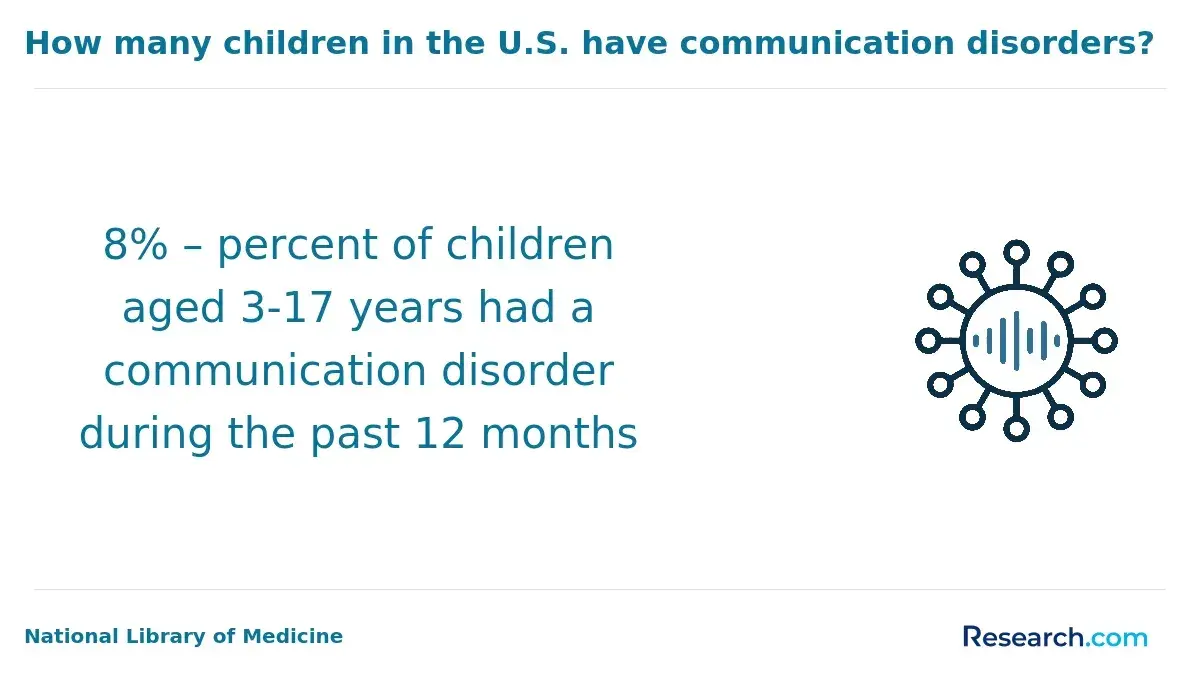
Becoming a speech-language pathologist can be rewarding beyond salary because the work directly affects how people communicate, learn, eat, participate socially, and maintain independence. For many clinicians, that day-to-day impact is one of the strongest reasons to enter the field.
- Job Satisfaction: SLPs often find meaning in helping clients make measurable progress, whether that means a child producing clearer speech, an adult regaining communication after a medical event, or a patient improving swallowing safety.
- Social Impact: SLPs help individuals overcome communication challenges, improving quality of life, school participation, workplace function, and family relationships.
- Diverse Work Settings: SLPs work in schools, hospitals, clinics, private practice, nursing homes, rehabilitation centers, and telehealth environments. This variety gives professionals room to change settings as their interests evolve.
- Personal Growth: The field requires empathy, patience, clinical reasoning, cultural awareness, and clear communication. SLPs continually develop these skills through patient care and collaboration.
- Meaningful Relationships: Long-term work with clients and families can create strong professional bonds and a clear sense of contribution.
The work can also be emotionally demanding. Caseload pressures, documentation, insurance requirements, school staffing shortages, and complex patient needs can create stress. Students should weigh both the purpose-driven nature of the profession and the workload realities of the settings they are considering.
The time required to complete an online SLP degree depends on enrollment status, prerequisite requirements, credit load, clinical placement availability, and the structure of the program. Full-time students can generally finish in about two years, while part-time students may take longer.
Program length also depends on the number of required credits, when courses are offered, whether the program uses cohorts, and how clinical practicum hours are scheduled. Students who are working full time, caring for family members, or completing prerequisites may need additional time.
- Full-time students: Often move through coursework and clinical requirements more quickly but may have less schedule flexibility.
- Part-time students: Can balance school with work or caregiving, but a longer timeline may increase total costs and delay full-time professional earnings.
- Students with missing prerequisites: May need extra coursework before beginning the graduate sequence.
- Students in areas with limited clinical sites: May experience delays if placements are difficult to secure or require travel.
Completion rates for online programs can sometimes be lower than those of traditional on-campus programs. This makes planning important. Prospective students should ask how many students complete the program on time, how clinical placements are managed, and what academic or advising support is available if they fall behind.
Is an online SLP degree worth the cost in 2025?
An online SLP degree can be worth the cost in 2025 if it is accredited, supports required clinical training, fits your state licensure goals, and has a total price you can manage with realistic expected earnings. It is less likely to be worth the cost if the program is overpriced, has weak placement support, lacks clear outcomes, or forces students to take on debt that will be difficult to repay.
Employment prospects for online SLP graduates are strong, with most finding work within 6–12 months of completing their degree. Satisfaction rates among graduates are generally high, particularly when the program is accredited and recognized by employers.
Before enrolling, students should compare programs using a decision checklist rather than focusing only on convenience:
- Accreditation and recognition: Confirm the program meets professional and licensure-related expectations.
- Total cost: Add tuition, fees, books, materials, travel, clinical costs, and loan interest.
- Clinical placement process: Understand whether the school arranges placements or expects students to find them.
- State requirements: Make sure the program aligns with the state where you plan to practice.
- Program outcomes: Ask about completion rates, employment outcomes, student support, and time-to-degree.
- Personal fit: Be honest about your ability to manage online coursework, clinical responsibilities, and independent scheduling.
For students who need flexibility and choose a well-supported program, an online SLP degree can provide a practical route into a stable and meaningful profession. The strongest decision is one based on verified costs, licensure alignment, clinical quality, and realistic career outcomes—not on format alone.
Other Things You Should Know About Online SLP Degree Programs
It should hold accreditation from the Council on Academic Accreditation in Audiology and Speech-Language Pathology, or CAA, which is the ASHA-recognized accreditor for SLP graduate programs. Without CAA accreditation, a program may not meet state licensure or clinical placement requirements.
Admission prerequisites for online SLP programs in 2027 typically include a bachelor's degree in a related field, such as communication sciences, a minimum GPA requirement, and passing GRE scores. Some programs may also require prerequisite coursework in areas like anatomy, linguistics, and audiology.
- U.S. Bureau of Labor Statistics - Speech-Language Pathologists https://www.bls.gov/ooh/healthcare/speech-language-pathologists.htm
- ASHA EdFind - Accredited Speech-Language Pathology Programs https://find.asha.org/ed/
- ETS Praxis - Speech-Language Pathology (5331) https://praxis.ets.org/test/speech-language-pathology-5331.html
- Emerson College - Master of Science (M.S.) in Communication Disorders (Speech@Emerson, online) https://speech.emerson.edu/
- Delaware Valley University - Master of Science in Speech-Language Pathology (M.S.) https://delval.edu/programs/graduate-programs/speech-language-pathology
- California State University-Northridge - Master of Science in Communicative Disorders (Online) https://tsengcollege.csun.edu/programs/CDS
- New York University - Online MS, Communicative Sciences and Disorders (Speech@NYU) https://steinhardt.nyu.edu/degree/online-ms-communicative-sciences-and-disorders
- Baylor University - Master of Science in Speech-Language Pathology (Online) https://csd.robbins.baylor.edu/graduate/online-csd-graduate-program