2027 SLP Career Options in Early Intervention Settings

Co-Founder and Chief Data Scientist

Reviewed by Rhea Paul, PhD
SLP Education & Research Expert
Many individuals with a background in unrelated fields face uncertainty when considering a career change into early intervention settings for speech pathology. They often struggle to identify clear pathways that accommodate their need for flexibility and accreditation.
The challenge increases without insight into the variety of roles and qualifications required within early childhood development programs. Navigating this complex landscape demands reliable, up-to-date guidance.
This article explores diverse SLP career options in early intervention settings and outlines how prospective students and professionals can strategically pursue accredited programs to successfully transition into the field.
Key Things You Should Know
- Early intervention speech pathology careers are growing rapidly, with a projected 17% employment increase from 2025 to 2035 in the U.S., driven by rising awareness of early developmental issues.
- Professionals typically require a master's degree and national certification (CCC-SLP), with early intervention emphasizing family-centered, multidisciplinary approaches in diverse settings.
- Salary ranges vary widely by region and experience, averaging $75,000 annually, with opportunities expanding in telepractice and inclusive early childhood programs.
What are SLP career options in early intervention settings?
Speech-language pathologists (SLPs) pursuing SLP career pathways in early intervention settings support infants and toddlers with developmental delays or disabilities. Their roles often include direct therapy in home-based or center-based programs, where individualized treatment plans focus on boosting communication, feeding, and swallowing skills.
Early intervention speech language pathology job roles also involve working collaboratively on interdisciplinary teams with occupational therapists, physical therapists, and social workers to develop comprehensive strategies.
Some SLPs specialize in feeding and swallowing disorders affecting nutrition and growth in young children. Others work in pediatric hospitals or outpatient clinics serving children with complex medical conditions like prematurity or genetic syndromes.
Additionally, telepractice is growing, providing flexible access to families in rural or underserved areas. Research and policy roles are available for those aiming to influence early intervention standards and expand service availability.
According to the ASHA SLP Health Care Survey Report: Caseload Trends, 36% of SLPs in health care settings engaged in early intervention in 2025, up from 32% in 2021, underscoring rising demand. Preparing for these careers requires clinical expertise combined with strong family collaboration skills and adaptability to varied clinical environments.
Prospective students seeking advanced education in this field may explore online speech pathology master's programs to gain necessary qualifications and enter this dynamic sector.
What education and credentials do SLPs need for early intervention work?
Speech-language pathologists (SLPs) working in early intervention settings must earn a graduate degree in speech language pathology, generally a master's or clinical doctorate (SLPD). A bachelor's degree alone does not meet the educational qualifications for speech-language pathologists in early intervention.
Core coursework covers child development, pediatric disorders, and evidence-based intervention methods to prepare candidates for clinical practice with infants and toddlers.
SLP licensure requirements for early intervention specialists include completing a supervised clinical fellowship year after graduate studies. Obtaining the Certificate of Clinical Competence in Speech-Language Pathology (CCC-SLP) from the American Speech-Language-Hearing Association (ASHA) is a crucial credential recognized by many employers.
Additionally, state licensure is mandatory and typically requires a graduate degree, clinical hours under supervision, and passing the Praxis exam in speech language pathology.
Advanced certifications, such as ASHA's Board Certification in Pediatrics and specialized training in early childhood intervention strategies, enhance an SLP's effectiveness and job prospects. Familiarity with early childhood systems like Part C of the Individuals with Disabilities Education Act (IDEA) supports compliance and coordination of services.
Continuing education holds growing importance as nearly 70% of SLPs reported increased pediatric referrals for language and social communication issues in 2023 due to pandemic-related delays. Staying updated on telepractice advancements and culturally responsive care is critical given shifting client needs.
For insight on compensation, explore the speech language pathology salary trends.
What degree programs prepare SLPs for early intervention careers?
Degree programs for early intervention SLP careers primarily include a master's degree in speech-language pathology accredited by the Council on Academic Accreditation in Audiology and Speech-Language Pathology (CAA). This graduate-level curriculum covers communication disorders, child development, and intervention techniques tailored to infants and toddlers.
Many programs integrate clinical practicum hours in early childhood settings, providing essential hands-on experience. Prospective students seeking the best educational pathways for SLPs in early intervention should prioritize such practicum and coursework focused on developmental milestones and family engagement.
Some candidates begin with a bachelor's degree in communication sciences and disorders or related fields, covering subjects like anatomy, phonetics, and language acquisition, which build a strong academic foundation.
However, licensure and certification requirements, including the Certificate of Clinical Competence (CCC) from the American Speech-Language-Hearing Association (ASHA), typically require completion of a master's program to practice in early intervention roles.
Additional expertise can be gained through post-master's certificates or continuing education focusing on early childhood assessment and family-centered therapy, which benefit professionals transitioning into this specialty.
Early intervention SLPs generally earn between $62,900 and $134,160 annually, depending on location and employer, reflecting demand for qualified practitioners trained through accredited graduate programs.
For those interested in accelerated paths, exploring the best 5 year speech pathology programs can be a valuable step toward becoming a skilled early intervention SLP.
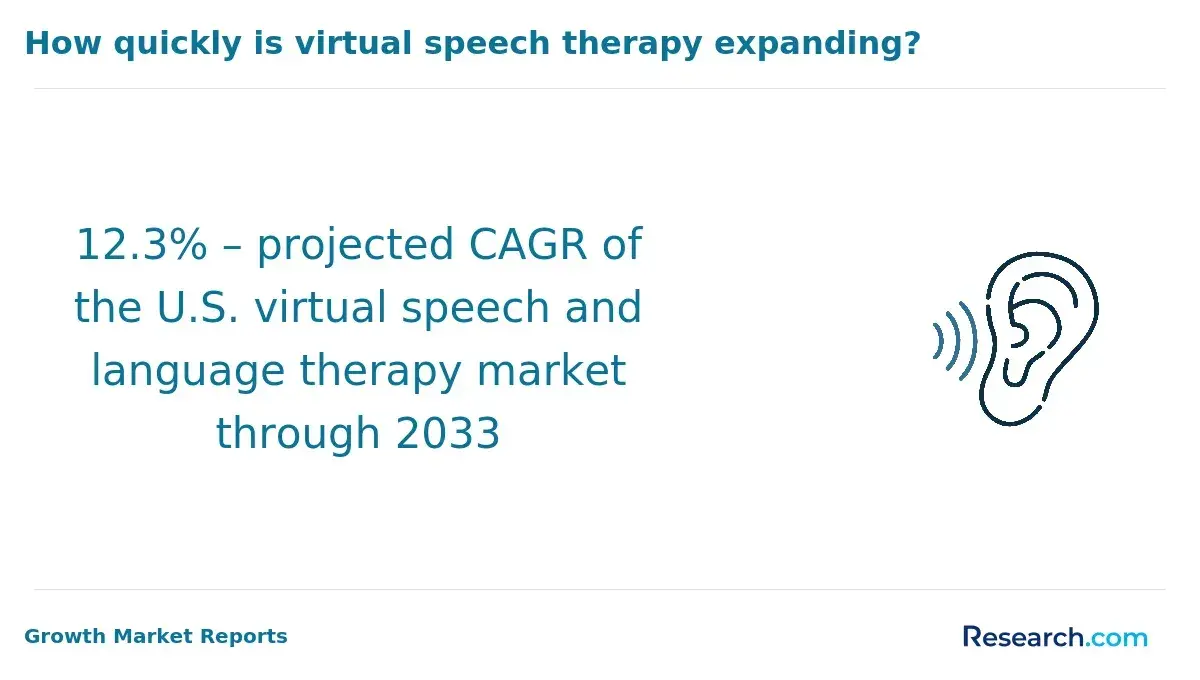
The early intervention SLP job outlook in the US remains robust, with employment growth projected to outpace many other fields as awareness of early developmental support increases. Many early intervention speech-language pathologists work in home health care or community-based settings, where part-time positions are prevalent.
According to the ASHA SLP Health Care Survey Report: Caseload Trends, 2019-2025, home health care SLPs often balance flexible schedules, which may influence earnings but benefit those managing personal commitments.
The salary range for early intervention speech pathologists varies widely by location, employer, and experience level. Entry-level clinicians typically start between $55,000 and $65,000 annually, while seasoned professionals in high-demand areas can earn $80,000 or more.
Some part-time roles or smaller agencies might offer lower pay but provide advantageous scheduling. Loan forgiveness programs available in public or nonprofit sectors can further enhance compensation.
Potential candidates should consider:
- Seeking full-time settings to maximize salary opportunities.
- Recognizing the prevalence of part-time roles in home health care.
- Targeting regions with stronger funding for early intervention programs.
For those exploring educational pathways, there are several online speech pathology programs that may provide flexible options to enter this growing field aligned with career goals.
Early intervention speech-language pathologists (SLPs) must meet several key licensing and certification milestones. Candidates need a master's or doctoral degree from an accredited speech-language pathology program and must complete a clinical fellowship year (CFY) of at least 1,260 supervised hours before practicing independently.
State licensure requirements vary but usually include passing the Praxis exam in speech-language pathology and submitting official academic records. Some states add steps like jurisprudence exams or background checks. Licensure maintenance requires ongoing continuing education, typically 20 to 30 hours every two years.
Early intervention SLPs should review specific state regulations, especially with telepractice and multi-state license compacts becoming more common.
The American Speech-Language-Hearing Association (ASHA) certification, the Certificate of Clinical Competence in Speech-Language Pathology (CCC-SLP), is highly valued. It requires a graduate degree, passing the Praxis exam, completing the CFY, and following ASHA's Code of Ethics. Maintaining the CCC-SLP involves continuous professional development.
Regional differences influence work settings and eligibility. For instance, SLPs in the West comprised 41% of early intervention services in recent years, versus 25% in the Northeast (ASHA SLP Health Care Survey Report: Caseload Trends, 2019-2025).
Researching state-specific licensing and certification requirements is essential for aligning with local demand and practice laws.
Campus-based SLP programs offer direct, hands-on training in clinical labs and early intervention settings, providing immersive experiences that foster interpersonal skills critical for working with children and families. On-site supervision by seasoned clinicians enables immediate feedback, essential for mastering early intervention techniques.
Conversely, online SLP programs provide flexibility for students balancing work or family commitments. These programs often use virtual simulations and telepractice to replicate in-person experiences. However, obtaining in-person clinical placements—especially in early intervention home health care—may require extra effort.
Considering that 59% of SLPs in home health care included early intervention in their caseloads according to the ASHA SLP Health Care Survey Report (2019-2025), gaining practical exposure in diverse settings remains crucial.
Prospective students should verify whether online programs maintain partnerships with local agencies to facilitate clinical placements in homes, schools, and outpatient clinics. Campus programs commonly have established networks easing placement in early intervention environments.
Both program formats should be accredited by the Council on Academic Accreditation (CAA) to ensure quality clinical training.
Students should weigh personal learning preferences and career goals when deciding between formats. Those who need structured, face-to-face mentorship may lean toward campus programs, while self-directed learners with location constraints might find fully accredited online programs emphasizing telepractice and proactive placement support more suitable.
Graduate programs in speech pathology that emphasize early intervention focus on developmental communication disorders, family-centered care, and multidisciplinary teamwork. Coursework typically includes pediatric communication development, assessment and treatment for infants and toddlers, and feeding and swallowing disorder strategies.
Students study early language acquisition, autism spectrum disorder interventions, and culturally responsive practices tailored to diverse families.
Clinical training involves hands-on experience in early intervention settings such as home visits, community clinics, and specialized centers. Supervised practicums require working directly with infants and toddlers facing developmental delays or disabilities.
Key skills developed include conducting evaluations, designing individualized intervention plans, and coaching caregivers to apply therapeutic techniques in everyday routines. Many programs mandate at least 400 clinical hours, including a specified portion dedicated to pediatric populations.
Interdisciplinary collaboration is integrated through training with occupational therapists, physical therapists, and social workers to support comprehensive developmental needs. This cooperative approach enhances communication and coordination among professionals, which is critical in early intervention.
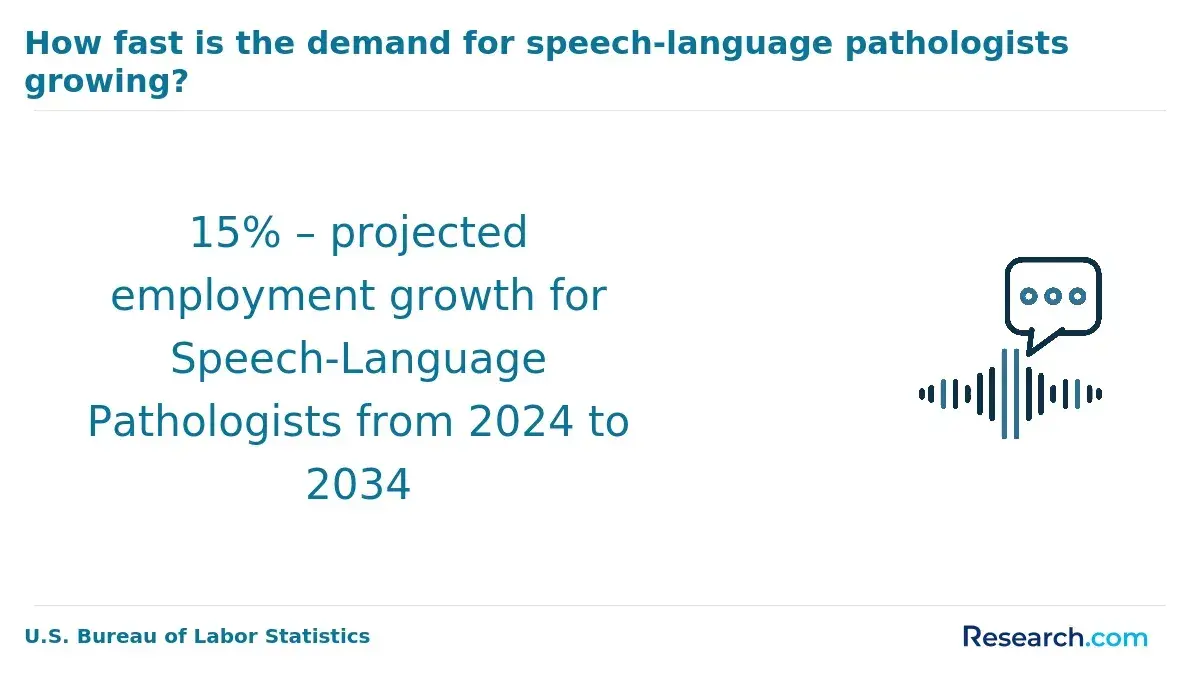
The U.S. Bureau of Labor Statistics Occupational Outlook Handbook projects a 17% employment growth for speech-language pathologists from 2025 to 2035, creating about 13,300 openings annually.
Programs accredited by the Council on Academic Accreditation offering explicit early intervention coursework and clinical placements better prepare students for certification and employment challenges in this expanding field.
Becoming an SLP in early intervention generally requires six to seven years of education and supervised clinical practice. Typically, candidates first earn a bachelor's degree in communication sciences or a related field, which takes about four years.
This is followed by a master's degree in speech pathology, usually completed in two years, where students gain clinical practicum hours focused on working with infants and toddlers with developmental delays.
After graduate studies, passing the national Praxis exam administered by the American Speech-Language-Hearing Association (ASHA) and obtaining state licensure are required. Additionally, earning the Certificate of Clinical Competence (CCC-SLP) involves completing a 36-week Clinical Fellowship, a mentored professional experience frequently overlapping with early employment.
Many SLPs move between school-based and early intervention settings, with about 40% working in schools and others focusing on birth-to-three services, according to Iona University: Careers in Speech & Language Pathology. This mobility allows professionals to gain valuable experience across different environments.
Specialized certifications in early intervention or pediatric speech-language pathology can extend training but improve job prospects. Working professionals may pursue post-master's certificates or continuing education tailored to birth-to-three populations, enhancing their skills and career flexibility.
Applicants to accredited early intervention speech pathology programs generally need a bachelor's degree from a regionally accredited institution, often in communication sciences and disorders or a related field like psychology, linguistics, or special education combined with prerequisite coursework.
A minimum GPA of around 3.0 is typical, though more competitive programs may require higher academic standing. Many programs request GRE scores with specific verbal and quantitative minimums, but some have eliminated this in recent admissions cycles.
Relevant clinical or volunteer experience of at least 25 to 50 hours in early intervention or related settings is expected, showing familiarity with infants and toddlers who have developmental or communication delays. Letters of recommendation from instructors or clinical supervisors are necessary to demonstrate readiness for graduate study and clinical responsibilities.
Additional requirements often include background checks and proof of current immunizations, reflecting the need to protect vulnerable populations. Programs may prioritize candidates with bilingual skills or cultural competence due to increasing diversity in client populations.
With reported staffing shortages among school speech-language pathologists, applicants with experience in underserved areas or shortage specialties might gain preference or access scholarship opportunities.
It's important to check specific program websites for detailed admissions criteria, as requirements vary and meeting them can enhance acceptance chances and eligibility for financial incentives.
How do you choose an accredited SLP program specializing in early intervention?
When selecting an accredited Speech Pathology (SLP) program focused on early intervention, confirm it holds accreditation from the Council on Academic Accreditation in Audiology and Speech-Language Pathology (CAA). This accreditation guarantees the curriculum meets the rigorous professional standards needed for clinical competence and licensure.
Prioritize programs offering specialized coursework and clinical practicum experiences targeting pediatric populations from birth to age five. Faculty expertise in early childhood communication disorders is essential, as experienced instructors provide quality education and research chances.
Additionally, explore whether the program partners with hospitals, early intervention agencies, or home-based therapy providers to facilitate diverse clinical placements.
The program's outcomes are also crucial. Review metrics such as graduation rates, certification exam pass rates, and graduate employment specifically in pediatric roles. These reflect how effectively the program prepares students for an early intervention career.
Research indicates sustained pediatric SLP demand through 2037, notably influenced by the pandemic cohort entering elementary school in 2025.
Financial factors and program flexibility matter. Look for part-time or hybrid options to balance work and study commitments. Finally, ensure the curriculum aligns with ASHA guidelines, a key step for eligibility to earn the Certificate of Clinical Competence (CCC-SLP), critical for professional advancement.
Other Things You Should Know About Speech Pathology
Yes, SLPs in early intervention often work closely with families and caregivers. They provide guidance and strategies to support a child's communication development in everyday interactions. This collaboration is crucial for reinforcing therapy techniques and ensuring consistent practice in the child’s natural environment.
To bill Medicaid for early intervention speech therapy, an SLP must hold a state license and the ASHA Certificate of Clinical Competence in most states. Many state Medicaid programs also require enrollment as a provider and adherence to EPSDT or Part C billing rules for children under 3.
Yes, SLPs can pursue specializations such as augmentative and alternative communication (AAC), feeding and swallowing disorders, or early childhood development. These focused areas enhance an SLP's ability to tailor interventions to the unique needs of children in early intervention programs.
- U.S. Bureau of Labor Statistics - Speech-Language Pathologists https://www.bls.gov/ooh/healthcare/speech-language-pathologists.htm
- ASHA EdFind - Accredited Speech-Language Pathology Programs https://find.asha.org/ed/
- O*NET OnLine - Speech-Language Pathologists https://www.onetonline.org/link/summary/29-1127.00
- Auburn University, Montgomery - Master of Science in Speech-Language Pathology https://www.aum.edu/degree/ms-speech-language-pathology/
- Nova Southeastern University - SLP Program - Master of Science in Speech-Language Pathology https://osteopathic.nova.edu/degrees/masters/speech-language-pathology/index.html
- University of North Carolina at Greensboro - Speech-Language Pathology, M.A. (Online) https://csd.uncg.edu/graduate/masters-of-arts-online/
- Ithaca College - Online Master of Science in Speech-Language Pathology https://slponline.ithaca.edu/programs/masters-speech-language-pathology-online
- California State University-San Marcos - Online MS in Speech-Language Pathology https://www.csusm.edu/slp/programs/mastersonline/index.html