2027 What to Know Before Relocating for Clinical Placements in SLP School

Co-Founder and Chief Data Scientist

Reviewed by Rhea Paul, PhD
SLP Education & Research Expert
Relocating for clinical placements in slp school often presents unexpected challenges. Students may face housing scarcity, financial strain, and unfamiliar healthcare environments far from their support networks. These obstacles can disrupt academic focus and delay clinical progress, impacting timely program completion. Many prospective students underestimate the logistical and emotional demands of moving to a new city for required placements.
This article explores key factors to consider, including budgeting, housing, and adapting to different clinical settings. It aims to equip readers with practical strategies to navigate the relocation process efficiently and maintain steady progress toward their slp career goals.
Key Things You Should Know
- Clinical placements in SLP schools often require relocation; about 72% of students in 2025 reported moving to access diverse patient populations and required hours.
- Costs such as housing and travel can add 15-30% to overall education expenses, making budgeting crucial before committing to distant placements.
- State licensure requirements vary, so securing clinical hours in states aligned with post-graduation plans is essential for timely certification and employment.
What are clinical placements in SLP school?
Clinical placements in speech pathology programs provide supervised, hands-on training where students apply academic knowledge in real-world environments. These experiences, essential components of the curriculum, help develop practical skills for assessing and treating speech, language, and swallowing disorders across varied populations. Placements commonly occur in settings such as outpatient clinics, hospitals, schools, and rehabilitation centers, exposing students to diverse client needs and professional contexts.
Before graduation, students must complete several placements, often culminating in a full-time internship or externship lasting several months. During this time, students provide direct patient care under close supervision, demonstrating competency and gaining confidence. These placements also introduce students to interdisciplinary teamwork, documentation standards, and healthcare regulations, which are critical for professional practice. Such speech pathology clinical placement requirements vary but generally include a minimum number of clinical hours and patient case diversity.
The logistics of clinical placements often require relocating, sometimes far from home. For example, 16 out of 19 students (84%) in one graduate cohort had to move for their internship or externship, highlighting the need to plan housing, transportation, and financial support accordingly. Students interested in pursuing this career path may explore options like a speech pathologist masters online, which can offer flexibility while meeting clinical training demands.
Why must I relocate for SLP clinical placements?
Relocating for clinical placements in speech pathology programs is often necessary due to the limited availability of accredited practicum sites in certain regions. These sites must adhere to strict accreditation standards and provide exposure to diverse patient populations, which ensures students gain comprehensive training. Many programs, especially in high-demand areas, have fewer affiliated sites than students, requiring relocation to secure essential clinical hours. For instance, students from rural locations may need to move to urban centers for access to a wider range of cases including pediatric, adult, and geriatric patients.
Increased demand in the field contributes to this trend. The U.S. Bureau of Labor Statistics projects an 17% job growth for speech-language pathologists through 2035, largely fueled by pediatric cases. This growth intensifies competition for placements in specialized clinical settings. Programs must assign students to supervisors with appropriate qualifications and caseloads aligned with workforce needs, reinforcing the importance of onsite experience for speech pathology clinical placements.
Logistical factors also influence relocation decisions. Placements typically require proximity to hospitals, schools, and rehab centers offering supervised clinical hours. Some states mandate clinical hours be completed within their jurisdiction, making relocation essential to meet licensure requirements.
Students should plan for the financial and practical challenges of moving, including housing and transportation. Early coordination with program advisors can help explore relocation stipends or housing assistance. Proactively managing these aspects ensures smoother transitions and supports fulfilling clinical requirements while considering personal circumstances.
For those curious about career prospects, reviewing the speech pathologist salary landscape can aid in making informed decisions about training and relocation.
Which states have the most SLP clinical opportunities?
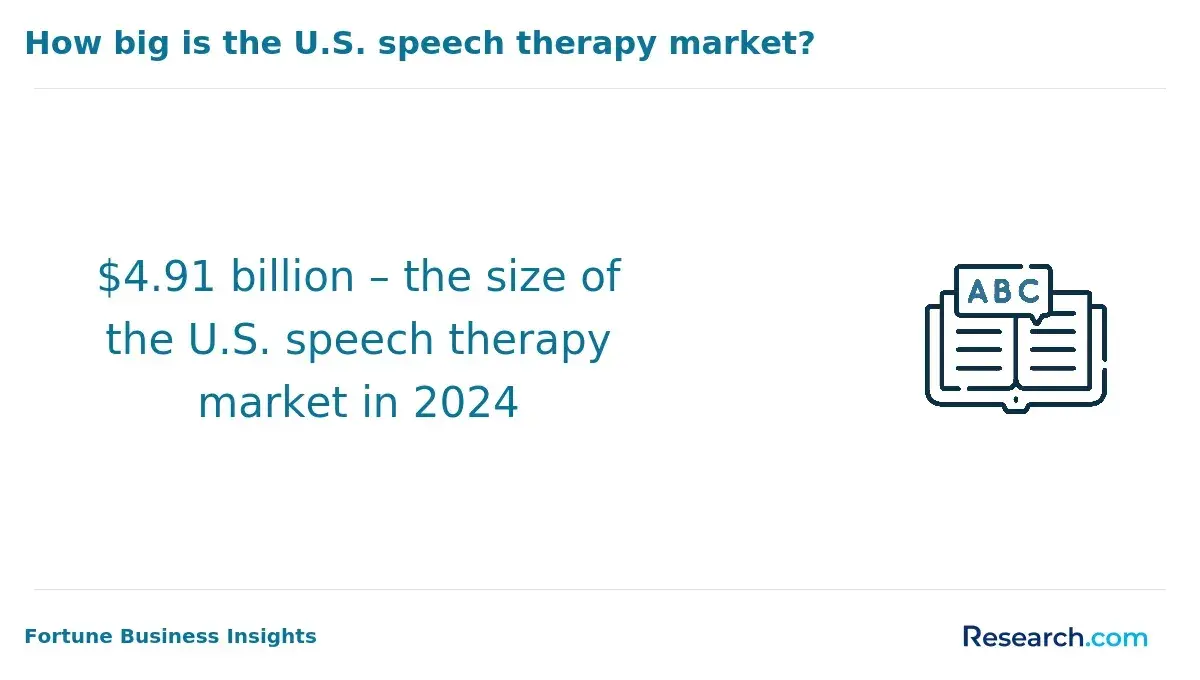
States with the highest demand for speech pathology clinicals in 2026 include California, Texas, New York, Florida, and Illinois. These states offer numerous clinical placements due to their large populations and extensive healthcare, educational, and rehabilitation facilities. California stands out with its wide hospital networks and specialized education programs, while Texas and Florida provide diverse options across rural and urban areas.
For students in smaller or rural states, SLP clinical placement opportunities by state can be limited, often requiring out-of-state travel for summer placements. Travel logistics, including commutes up to 45 minutes, highlight the importance of early planning and accommodation arrangements. Programs frequently encourage such placements to broaden clinical exposure beyond local constraints.
Focusing applications on states with high demand can grant access to diverse clinical settings, including pediatric schools and urban hospitals as seen in New York and Illinois. Key considerations include specialty clinics availability, patient diversity, and potential out-of-state travel costs. Connecting with program coordinators about housing options can ease these challenges.
Students interested in accelerating their training may explore fast track speech pathology programs, which can offer more flexible clinical placement opportunities in high-demand states.
Start by consulting the Council on Academic Accreditation in Audiology and Speech-Language Pathology (CAA) website to find accredited SLP school programs with clinical placements. The CAA provides an updated list of graduate programs that meet national standards and include essential supervised hands-on clinical experiences required for certification and licensure.
Contact programs directly to verify available clinical placement options. The best clinical placement options for SLP students often include partnerships with hospitals, schools, rehabilitation centers, and private practices. Ask whether placements are assigned based on student preferences or predetermined locations, as this impacts relocation decisions.
Review state licensure requirements early on, since clinical placements must sometimes occur within the state where you plan to practice to meet supervision criteria. This planning helps avoid unnecessary relocations and licensing hurdles. Financial considerations matter because relocation expenses contribute to healthcare workforce turnover. These costs can be several thousand dollars per move. Some programs mitigate this burden by offering local placements or relocation support.
Gather insights from professional networks, ASHA chapters, and online forums to find programs with transparent placement policies and relocation assistance. For additional flexible options, consider exploring SLP programs online that may offer alternative pathways to clinical experience.
Relocating for clinical placements in speech pathology school involves significant costs that require careful budgeting. Housing typically represents the largest expense, with short-term leases or sublets ranging from $1,000 to $1,500 per month in urban areas. Choosing housing near placement sites can reduce transportation expenses but may increase rent.
Transportation costs vary: local commuters might spend between $50 and $150 monthly on transit or parking, while those moving across states face airfare or long-distance driving expenses exceeding $300 per trip. Additional costs to consider include meals away from home, which can add $200 to $400 per month, and expenses for clinical supplies such as specialized materials and professional attire, often $100 to $300. Insurance adjustments, including health and renter's insurance, may also increase the budget.
Overall relocation expenses may total $3,000 to $7,000 for a semester. Beyond finances, travel demands contribute to burnout and turnover among speech pathologists, as noted by the ASHA SLP Health Care Survey, 2023. Excessive travel affects both well-being and clinical performance.
Students should evaluate placement distances and transportation logistics, explore housing subsidies or shared accommodations, and plan for unexpected costs. Effective preparation helps lessen financial strain and stress during clinical placements.
Clinical placements in speech pathology programs generally last 12 to 16 weeks each, although durations can vary depending on the program and clinical setting. Students typically complete multiple placements, accumulating between 400 and 600 clinical hours by graduation to meet certification requirements. For instance, a school-based placement often spans a full semester of about 14 weeks, while focused clinic rotations may run as short as 8 weeks. These timelines allow students to gain valuable hands-on experience, observe varied cases, and develop key clinical skills under supervision.
Planning ahead is essential due to logistical challenges linked to these placements. Longer placements might require temporary housing and reliable transportation, whereas shorter rotations demand quick adjustment to new supervisors and environments. Early communication with your academic advisor about placement locations and schedules can help streamline accommodations and budgeting.
Recent trends indicate growing demand for qualified speech pathologists, especially in pediatric language and social communication disorders. According to the ASHA Member Survey (2023), 70% of SLPs have seen increased referrals in these areas, expanding placement opportunities in schools and clinics. This emphasizes the benefit of completing diverse clinical hours to prepare for a range of professional caseloads.
Consider how placement length aligns with your career goals. Longer placements offer deeper immersion, while multiple shorter rotations provide broader exposure to different practices, helping manage academic and financial commitments effectively.
Speech pathology clinical placements require hands-on, in-person training to develop essential skills. While some components like case discussions or meetings can be virtual, direct client interaction with supervision is necessary and typically onsite. Fully remote placements are uncommon and usually only offered under special circumstances, such as telepractice partnerships with strong technology and supervision protocols, but these do not replace full clinical experience.
Students with disabilities often encounter additional barriers during placements. A 2024 ASHA Perspectives survey of 49 clinical educators showed only nine had supervised students with disabilities, most learning about accommodation needs after placements began. Early disclosure and collaboration with programs are crucial to secure onsite supports that are challenging to provide remotely.
Prospective students should check program policies regarding virtual or hybrid placement options but prepare primarily for onsite requirements. Early communication with clinical educators and disability services helps ensure accommodations are arranged ahead of time, improving the quality of clinical education in speech pathology.
Licensing after completing clinical placements in speech pathology requires documented supervised hours that meet state-specific standards. These often include a minimum amount of direct client contact and a range of cases, such as pediatric and adult clients. State licensing boards vary in their exact requirements, sometimes emphasizing settings like schools, hospitals, or rehabilitation centers. Students planning to relocate must verify that their clinical hours will be accepted by both their current and future state licensing authorities.
The American Speech-Language-Hearing Association (ASHA) offers the Certificate of Clinical Competence in Speech-Language Pathology (CCC-SLP), which also requires documented clinical hours following ASHA guidelines. To pursue national certification, students must ensure their clinical placements satisfy both ASHA and state criteria.
Telehealth placements have become a significant solution to relocation challenges. According to a recent PMC study on telehealth placements, 84% of final-year speech pathology students completed pediatric and adult placements through telepractice. These supervised clock hours are often approved, though confirming state board acceptance is essential to avoid licensure gaps.
Career paths in speech pathology that frequently require relocation often involve healthcare settings, school districts, and telepractice startups expanding regionally. Healthcare-based SLPs may move among hospitals or rehabilitation centers to address staffing shortages, as adequate clinical staffing is crucial for retention. The ASHA SLP Health Care Survey, 2023, highlights caseload management as a significant resource gap in these settings.
School-based SLPs face relocations when districts reassign clinicians due to changing enrollment or funding. Rural and underserved districts regularly have vacancies, pushing early-career clinicians to relocate multiple times to secure full-time roles. Specialty certifications, such as in tracheostomy management or autism intervention, also drive relocations to institutions offering targeted clinical placements aligned with these qualifications.
Students and graduates should prepare for geographic mobility during clinical placements, internships, and initial employment to gain diverse experience and secure permanent roles. Planning for relocation expenses and understanding state licensure differences is essential for advancing in speech pathology careers.
What is the job outlook and salary for SLPs?
The job outlook for speech-language pathologists (SLPs) is notably positive, with an anticipated growth rate of 17% through 2035. This demand surpasses average occupational growth due to an aging population needing rehabilitation and increased awareness of speech and language disorders across all age groups. However, productivity demands pose a challenge, often leading to high turnover rates that impact team morale and increase institutional costs.
Entry-level salaries generally begin around $60,000 per year, varying by setting and geography. Median wages typically exceed $80,000 in hospitals, schools, and private practices. Experienced clinicians, especially in metropolitan areas or specialized roles, may earn six-figure incomes. Salary factors include work environment, caseload complexity, and geographic location, with urban hospitals and rehabilitation centers offering higher pay compared to rural districts.
For students considering clinical placements, weighing the long-term return on investment is crucial. Costs associated with moving and living in new regions might be balanced by better employment prospects and pay. Given the high turnover linked to workload pressures, seeking employers and placements with balanced productivity expectations and professional support can improve career sustainability.
Other Things You Should Know About Speech Pathology
Speech pathologists gain experience in a variety of settings, including schools, hospitals, rehabilitation centers, outpatient clinics, and private practices. Each setting offers exposure to different populations such as children with developmental delays or adults recovering from strokes. This diversity helps students develop a broad skill set applicable across their future careers.
Cultural competence is crucial for successful clinical placements in 2027 because it enables students to effectively work with diverse populations. Understanding different cultural backgrounds helps in providing tailored treatment, improving patient outcomes, and ensuring inclusive communication practices.
Before relocating, students should secure a placement agreement, confirm liability insurance, and review any host-site onboarding forms. Many programs also require a tuberculosis screening, immunization record, and a background check before the first day of the placement.
Students often encounter challenges such as managing complex caseloads, balancing academic and clinical demands, and adapting to varied client needs. Some may also experience stress related to performance evaluations and meeting clinical competencies. Support from supervisors and peers is important to navigate these challenges effectively.
- U.S. Bureau of Labor Statistics - Speech-Language Pathologists https://www.bls.gov/ooh/healthcare/speech-language-pathologists.htm
- ASHA EdFind - Accredited Speech-Language Pathology Programs https://find.asha.org/ed/
- Audiology and Speech-Language Pathology Interstate Compact https://aslpcompact.com/compact-map/
- University of Nebraska at Kearney - Speech-Language Pathology, Master of Science in Education (Online Track) https://www.unk.edu/online/degrees-programs/speech-language-pathology-online.php
- University of Scranton - Master of Science (M.S.) in Speech-Language Pathology https://www.scranton.edu/academics/pcps/health-and-human-performance/programs/speech-language-pathology/index.shtml
- New York University - Online MS, Communicative Sciences and Disorders (Speech@NYU) https://steinhardt.nyu.edu/degree/online-ms-communicative-sciences-and-disorders
- Delaware Valley University - Master of Science in Speech-Language Pathology (M.S.) https://delval.edu/programs/graduate-programs/speech-language-pathology
- California State University-Northridge - Master of Science in Communicative Disorders (Online) https://tsengcollege.csun.edu/programs/CDS