2027 Online Art History Bachelor's Degree Programs With Open Enrollment

Co-Founder and Chief Data Scientist
Imagine a working adult passionate about art seeking to earn an online art history bachelor's degree but facing rigid admission deadlines. Many traditional programs restrict enrollment to specific terms, delaying career advancement. Recent studies show that over 40% of online education applicants prioritize flexibility in application timelines when selecting bachelor's programs. This demand highlights a gap in accessible options for nontraditional students balancing jobs and family commitments.
This article explores online art history bachelor's degree programs with open enrollment policies, providing detailed insights to help prospective students identify flexible, accessible pathways to achieve their academic and professional goals without unnecessary wait times.
Key Benefits of Online Art History Bachelor's Degree Programs With Open Enrollment
- Flexible start dates allow students to begin online art history programs throughout the year, accommodating diverse schedules and reducing wait times for enrollment.
- Open admissions provide accessible pathways for nontraditional students without stringent GPA or standardized test requirements, broadening educational opportunities.
- Online formats offer convenience for working adults, enabling study alongside professional and personal commitments, enhancing degree completion rates among adult learners.
Who Qualifies for an Online Art History Bachelor's Degree With Open Enrollment?
Open enrollment policies in online art history bachelor's degree programs aim to broaden access to higher education, welcoming a diverse range of students. About 40% of undergraduates in the U.S. are nontraditional students, highlighting a strong need for flexible admission paths. These policies reduce barriers and support applicants who might not meet traditional admission standards.
Common groups who meet eligibility criteria for online art history bachelor's programs include:
- Recent High School Graduates: Students who prefer starting college without competitive admissions stress can find open enrollment appealing. This option allows them to focus on building skills in art history without extra entrance hurdles.
- Working Adults: Those balancing jobs and families often seek programs that accommodate their schedules. Online flexible formats allow working professionals to pursue degrees while maintaining their responsibilities.
- Nontraditional Students: Individuals returning to education after time away or exploring new career paths benefit from open enrollment admission requirements for Art History degrees. These programs provide an inclusive environment tailored to diverse life experiences.
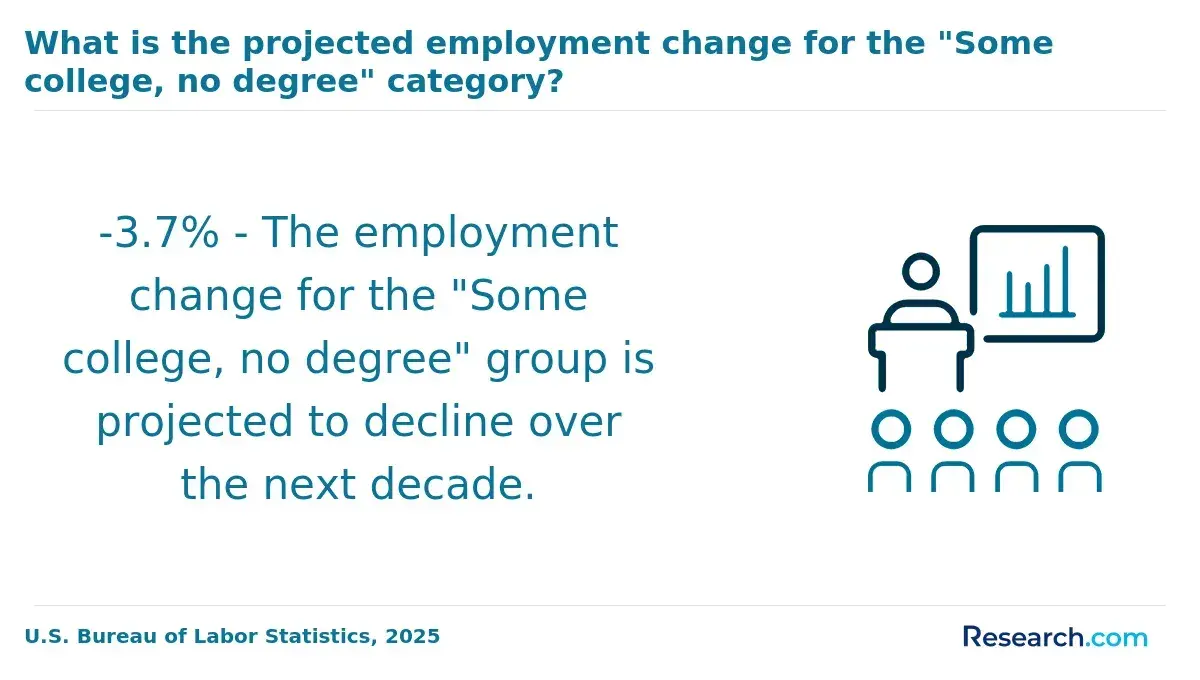
- Prior College Experience: Students with some earned credits but no degree can transfer into art history programs without restrictive transfer rules. This supports continuity in education for those changing their academic focus.
The flexibility of open enrollment programs fosters equitable access and broad participation. Those interested in flexible graduate options might also explore 1 year masters programs that complement an art history bachelor's degree for advanced study.
What Is the Difference Between Open Enrollment and Rolling Admission in an Online Art History Bachelor's Degree?
Open enrollment and rolling admission are often confused but represent distinct approaches to admissions and enrollment timing in online Art History bachelor's degree programs. Nearly 40% of fully online U.S. degree programs offered some form of open enrollment or rolling admissions in 2022 to better serve adult learners. These adaptable models help meet the diverse needs of students seeking flexibility in their education.
Here is a closer look at how these two enrollment types differ in practice.
Open Enrollment
- Admission Flexibility: Open enrollment allows students to begin their studies immediately or at any time during the year, with no fixed deadlines restricting entry.
- Application Timing: Applications are accepted year-round, enabling learners to enroll whenever it suits their schedules without pressure.
- Evaluation Process: Programs with open enrollment typically require minimal academic review, focusing on accessibility rather than stringent qualifications.
- Enrollment Structure: This model often supports self-paced learning or frequently scheduled course starts, making it ideal for nontraditional or part-time students.
Rolling Admission
- Admission Flexibility: Rolling admission involves continuous application review but still adheres to specific term start dates.
- Application Timing: Applications are reviewed as they arrive, encouraging earlier submission while keeping options open until available slots are filled.
- Evaluation Process: Applicants undergo a more thorough assessment to ensure they meet program standards and prerequisites.
- Enrollment Structure: This approach aligns enrollment with scheduled academic terms rather than ongoing starts.
For prospective students exploring differences between open enrollment and rolling admission in art history programs, understanding these factors can guide better planning. Those interested in flexible, affordable options might also consider programs discussed in this cheap online psychology degree overview to compare accessible online learning pathways.
2026 Update: Accreditation and Credit Transfer Checks Before Open Enrollment
For 2026, this section adds a practical review of credibility and transferability issues students should confirm before committing to an open enrollment online art history bachelor’s program.
- Confirm the college holds recognized institutional accreditation before submitting enrollment forms.
- Ask whether previously earned college credits, AP credit, or portfolio-related coursework may apply to the degree.
- Review how art history survey, theory, museum studies, and research methods courses fit into the major.
- Check whether credits can support future graduate study in art history, museum studies, education, or related fields.
- Verify access to digital image databases, virtual museum resources, library support, and citation tools.
- Ask if online courses are taught by qualified faculty with relevant academic or professional experience.
Checking these details helps students choose a flexible program that is not only easy to enter, but also academically useful and credible after graduation.
Online art history bachelor's degree programs with open enrollment offer more inclusive admission standards than traditional routes, enabling greater access for a broad spectrum of learners. Around 60% of U.S. postsecondary schools adopt open enrollment, reflecting a shift toward accommodating nontraditional students and flexible education models. Below are typical requirements applicants can expect when applying.
- Proof of Prior Education: Applicants generally need to provide evidence of completed secondary education, such as a high school diploma or an equivalent credential, confirming they possess foundational academic skills.
- Basic Application Materials: Essential documents often include personal details, educational history, and occasionally a concise statement explaining the applicant's goals or motivation for pursuing the degree.
- Identity Verification: Institutions require confirmation of the student's identity to maintain enrollment authenticity and uphold academic integrity for exams and coursework.
- Online Learning Readiness: Prospective students may need to complete an orientation or skill assessment to ensure they can effectively engage with digital platforms and manage remote study demands.
One current student of an online Art History bachelor's program with open enrollment shared that initially navigating the enrollment steps felt "straightforward but surprisingly thorough." He noted, "Providing my high school credentials was the simplest part, but I appreciated the readiness survey-it helped me feel more confident about the online format." He also mentioned feeling reassured by the identity verification process, which emphasized security without unnecessary complexity. Though the admissions process was less daunting than anticipated, he found the balance of accessibility with academic preparation encouraging for learners returning after years away from formal education.
Open enrollment options have expanded across numerous academic disciplines to enhance accessibility for diverse and nontraditional learners. Data shows over 70% of online undergraduate programs in the U.S. now offer some form of open or rolling enrollment, promoting flexible educational opportunities. This approach is evident in online bachelor's programs in art history with open admission, opening doors for students with varied backgrounds and schedules.
Common specializations within these programs include:
- Visual Arts and Cultural Heritage: Emphasizes studying and preserving artistic expressions across different civilizations, highlighting the importance of cultural context and historical legacies.
- Modern and Contemporary Art: Focuses on artistic trends and creators from the 19th century to the present, exploring evolving styles and societal influences on art.
- Global Art History: Offers a multicultural perspective by examining art traditions from African, Asian, European, and Indigenous cultures to foster a broad understanding of world art.
- Architectural History: Investigates the cultural and historical significance of architecture, including design principles and the evolution of structures over time.
- Museum Studies and Curatorial Practices: Prepares students for careers in collections management, exhibit design, and the operational aspects of museums.
Students interested in pursuing these paths should also consider program affordability; resources detailing the cost of accounting degree may provide useful insights for comparing educational expenses across fields.
Applying to an online art history bachelor's degree program with open enrollment is typically straightforward and designed to accommodate a diverse range of students. The process focuses on ease and accessibility, eliminating the usual barriers found in selective admissions. Below is a simplified outline of the typical steps involved.
- Create an Online Account: Begin by registering on the institution's admissions website. This account allows you to manage your application and receive important updates throughout the enrollment process.
- Complete Application Form: Provide basic personal and educational information. Since these programs feature open enrollment, extensive academic records or test scores usually aren't required, making the form simple and quick to fill out.
- Submit Documents: Upload your high school diploma or GED, photo ID, and any additional requested paperwork. Some schools might ask for optional materials like a resume or personal statement, but these typically aren't mandatory.
- Confirm Enrollment Details: Review course selections and financial aid options if applicable. You may be asked to meet virtually with an advisor to finalize your study plan and ensure everything is in order.
- Receive Next Steps: Once accepted, you'll get instructions about registering for classes, accessing online portals, and participating in orientation sessions to prepare for your studies.
A graduate of an online art history bachelor's degree with open enrollment reflected that while the technology-based process was convenient, navigating choices around course options initially felt overwhelming. She noted, "The flexibility was great, but it took some time to figure out which classes fit my goals." Having access to virtual advisors made a big difference, helping her feel supported rather than isolated. She appreciated receiving clear follow-up instructions, which reduced her anxiety about starting remote learning and made the transition smoother than expected.
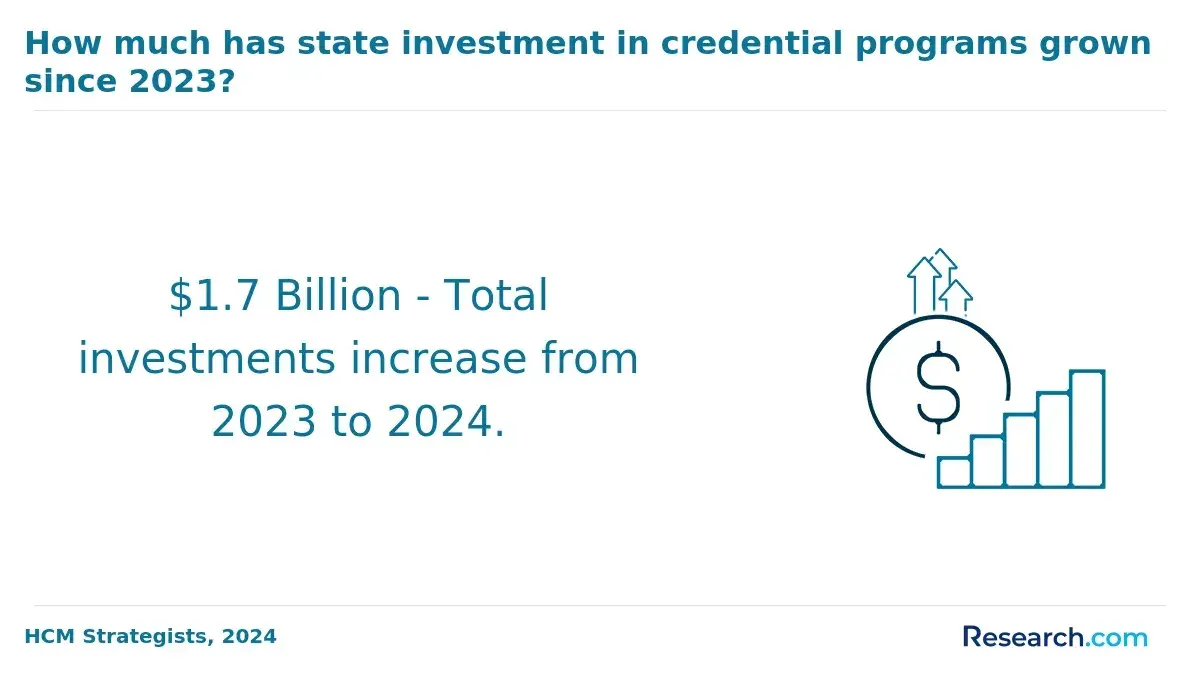
Many online art history bachelor's degree programs with open enrollment provide a range of flexible start dates, though the extent of this flexibility depends on the program's design. Approximately 70% of online programs offer at least three start dates per year, highlighting the trend toward accommodating varied student schedules. These options allow students to begin their studies at multiple points annually, making education more accessible.
Key factors to consider regarding start times include:
- Continuous Enrollment: Certain programs let students enroll on a rolling basis, enabling immediate or near-immediate start dates after application approval without waiting for a traditional semester to begin.
- Multiple Start Dates: Many programs organize several enrollment periods each year, such as quarterly or tri-annual cohorts, which offer structured but frequent opportunities to begin coursework.
- Program Format and Pacing: The course delivery model affects start date flexibility. Accelerated or cohort-based programs typically have fixed start times, while self-paced formats often allow more frequent or anytime starts.
- Administrative Processing: Enrollment may be impacted by the time institutions take to process applications, verify transcripts, and finalize financial aid, which can delay when students are able to begin.
- Course Availability: Students should confirm that essential prerequisite or core courses are offered in their intended start term to maintain progress through the curriculum without interruptions.
Open enrollment policies generally lower traditional admission barriers, making it easier to access an online art history bachelor's degree program. Instead of requiring high GPAs, standardized test scores, or extensive application materials, open enrollment allows acceptance of any student meeting basic criteria. This greatly enhances accessibility, particularly for nontraditional students balancing jobs, families, or other responsibilities. Nearly 40% of U.S. four-year institutions now offer nonselective admission policies, reflecting a growing trend toward flexible enrollment options that benefit adult and part-time learners.
While open enrollment simplifies the entry process, students must still demonstrate academic readiness, typically by holding a high school diploma or equivalent credential. The application process usually involves submitting basic personal and educational information, and some programs may require placement tests or orientation courses to prepare for college-level work. Students should understand that easier acceptance does not guarantee success; personal motivation, time management, and academic support remain vital for completing the degree. These balanced expectations help maintain quality while broadening educational opportunities for diverse learners interested in online art history degrees.
Costs for an online art history bachelor degree with open enrollment can vary significantly based on program structure and institutional policies. Tuition rates for online bachelor's degrees typically range from $200 to $600 per credit hour in the U.S. The average in-state tuition and fees for public four-year institutions was about $10,740 annually for full-time students, although online pricing models may differ. Several factors contribute to the overall cost, which are outlined below.
- Tuition Per Credit: Tuition remains the largest expense and is usually charged based on the number of credits taken each term. Since art history programs generally require around 120 total credits, per-credit pricing has a major effect on the total program cost.
- Technology Fees: Many online programs assess additional fees to support the digital learning infrastructure. These cover access to learning management systems, virtual libraries, and other essential online resources.
- Course Materials: Students often need to budget for textbooks and digital content. While some programs provide open educational resources, traditional textbooks and supplementary materials can increase total expenses.
- Administrative Fees: Registration, assessment, or graduation application fees may also apply. Charges vary by institution and may be billed per term or as a one-time payment during enrollment.
For nontraditional students considering flexible options, the cost of open enrollment art history programs can be a crucial factor. Those interested in related graduate studies might also explore options such as an mba in entrepreneurship for additional career opportunities.
Open enrollment online art history bachelor's degree programs expand access to higher education for many students, including those who may not meet traditional admissions standards or who need flexible schedules. However, this increased accessibility can also bring challenges, including lower completion rates; the National Center for Education Statistics reports that fully online undergraduate programs show 10-20% lower completion rates than on-campus counterparts. These limitations of open enrollment art history bachelor programs should be carefully considered by prospective students.
Key disadvantages include:
- Less Selective Admissions: Open enrollment creates more diverse classes in terms of academic preparedness, which may slow instructional pace and affect overall classroom dynamics.
- Limited Cohort Interaction: Students in open enrollment programs often face fewer opportunities for peer collaboration and networking, which can hinder a sense of community and shared learning.
- High Self-Discipline Required: Flexible, self-paced online formats demand strong time management and motivation, skills that some students may lack before starting their studies.
- Reduced Academic Support: With fewer tailored support services compared to traditional programs, students may struggle with complex art history topics without direct faculty interaction.
Students weighing these challenges should also explore related programs that offer specialized entry routes, such as speech pathology bridge programs online, which provide alternative pathways into competitive fields.
Success in flexible, self-paced online programs requires strong time management skills. Research from the Online Learning Consortium in 2021 found that students with steady study routines improve their chances of finishing courses by 42%. Developing effective habits can make navigating online art history programs more manageable.
Consider these strategies to organize your time efficiently:
- Consistent Study Schedule: Dedicate specific times daily or weekly for coursework to build a steady routine. This helps prevent procrastination and promotes academic discipline.
- Task Prioritization: Break assignments into smaller tasks and focus on completing urgent deadlines first. This method reduces overwhelm and ensures steady progress.
- Distraction Reduction: Choose a quiet space and utilize tools like website blockers during study periods. Minimizing interruptions enhances concentration and learning effectiveness.
- Progress Monitoring: Use planners or digital apps to track your achievements regularly. Keeping an eye on milestones maintains motivation and helps adjust plans when needed.
Adopting these practical techniques allows students to balance autonomy with structure, which is critical when managing online art history studies alongside personal and professional responsibilities.
What Graduates Say About Online Art History Bachelor's Degree Programs With Open Enrollment
- Daisy: "I chose the online Art history bachelor's degree program with open enrollment because it allowed me to start my studies right away without waiting for traditional application cycles. The flexibility was a lifesaver while balancing work and family responsibilities, though I did find that staying disciplined without set deadlines was sometimes challenging. Earning this degree has opened doors to museum curation opportunities, making the effort truly worthwhile."
- Gerald: "Reflecting on my experience, the open enrollment feature of this online Art history degree gave me the chance to pursue my passion without the pressure of rigid start dates. Navigating the coursework independently required a lot of self-motivation, especially in engaging deeply with diverse art movements. Professionally, this program enriched my perspective as an educator, allowing me to incorporate art analysis into my curriculum."
- Amanda: "The decision to enroll in an open enrollment online Art history bachelor's program was driven by my need to advance my career while maintaining my job in the creative industry. One challenge was managing the asynchronous format, which demanded excellent time management skills. Ultimately, the specialized knowledge I gained has significantly boosted my credibility as a gallery consultant."
Other Things You Should Know About Art History Degrees
Completion time varies depending on the student's pace and course load, but most programs are designed to be completed in four years of full-time study. Because open enrollment allows flexibility in start dates, some learners may finish faster by taking more courses per term or year-round, while others may take longer if studying part-time.
Students need a stable internet connection and a device that supports online learning platforms. Most programs recommend using the latest web browsers like Chrome or Firefox and require software such as Zoom or Microsoft Teams for virtual classes and discussions.
No. Open-enrollment bachelor’s programs usually admit students without a portfolio, audition, or art test. Most require a high school diploma or GED, a completed application, and official transcripts. If the program offers studio art courses, a portfolio may be needed only for advanced placement or course waivers.
Yes, many programs accept transfer credits from accredited institutions, especially for general education or introductory art history courses. Transfer policies vary by school, so students should consult admissions advisors to understand how their prior coursework might apply and whether there are limits on transferable credits.
- News & Articles https://valenciaeducationalconsulting.com/blog/understanding-college-admissions-types-which-one-is-right-for-your-student/
- Pros and Cons of Getting a Bachelor's Degree Online https://www.dbu.edu/blog/pros-and-cons-getting-bachelors-degree-online.html
- Art History Degree On Line: 10 Best Degrees 2022 - Online Schools Report https://www.onlineschoolsreport.com/best-online-art-history-degrees/
- Bachelor Degree in Art History https://aur.edu/program/bachelor-degree-art-history
- Is Rolling Admissions the Right Choice for You? https://www.tun.com/blog/is-rolling-admissions-the-right-choice-for-you/
- Entry Requirements https://www.oca.ac.uk/studying-with-us/applying-to-oca/entry-requirements/
- Bachelor of Arts in Art History - Program Requirements - 2025-2026 Undergraduate & Graduate Catalog https://www.gvsu.edu/catalog/program/bachelor-of-arts-in-art-history.htm
- Online Bachelor's in Art History Degree Programs (Art History Major) https://www.onlineeducation.com/liberal-arts/bachelors-in-art-history-programs
- Handy Time Management Tricks for Online Students — College Planning Center and Guides https://www.offtocollege.com/handy-time-management-tricks-for-online-students/
- Bachelor of Art History https://applyzones.com/bachelor-of-art-history-cou53030