2027 Public Health Salary by State Report

Co-Founder and Chief Data Scientist
Facing a choice of where to begin or relocate a career in public health demands sharp attention to regional salary disparities that directly influence long-term financial security and professional growth. Employment projections from the U. S. Bureau of Labor Statistics indicate a 13% increase in public health jobs over the next decade, yet wage gaps across states often exceed 30%, shaping both recruitment trends and retention challenges for employers. Concurrent expansions in flexible, online program offerings enable mid-career professionals to adapt credentials without interrupting income streams, but geographic pay variance remains a critical factor often overlooked in education-to-employment planning. This report analyzes public health salary differences across states, offering actionable insights to optimize career decisions based on local market realities and earning potential.
Key Things You Should Know
- State-level median salaries for public health roles vary 28%, with California and Massachusetts exceeding $90,000 annually, shaping strategic job targeting amid cost-of-living tradeoffs per 2024 Bureau of Labor Stats data.
- Employers increasingly prioritize graduate credentials in epidemiology and biostatistics, driving a 20% wage premium but limiting access for professionals lacking specialized master's degrees, impacting workforce credential equity.
- Certification and continuing education costs in high-demand states average $4,500 annually, extending time-to-advancement by over 12 months per National Board of Public Health Examiners, influencing timing decisions for career pivots.
How do public health salaries compare across states for entry-level and experienced professionals?
Entry-level public health salaries vary considerably across states, influenced heavily by cost of living and government investment in infrastructure. For instance, starting wages in California, New York, and Massachusetts can be 20-30% higher than in states like Mississippi or West Virginia. Such disparities in public health salaries by state for entry-level professionals impact students' capacity to handle student debt and secure stable housing in costly metro regions.
Experienced public health salary comparison across states reveals even wider gaps shaped by population density, regional health needs, and agency funding. Urban centers with complex health systems, including those hosting large federal agencies, offer salaries surpassing $100,000 annually for senior roles. Conversely, rural or smaller states tend to cap salary growth, leading to retention challenges for qualified talent and limiting financial incentives for long-term commitment.
Candidates must weigh more than just salary figures; factors like job market saturation, promotion paths, and employer expectations-for example, proficiency in data analytics and policy strategy-play a significant role. Advanced credentials increasingly matter, particularly in higher-paying states, making targeted educational programs a practical choice.
Those considering transitioning or advancing in public health might find relevant online options, such as the best online health information management degree CAHIIM accredited, valuable for skill augmentation.
The national average public health salary reached $73,299, marking a 27% increase since 2017, yet this average conceals complex regional variances that affect whether career pivots yield immediate financial returns or require strategic planning for growth.
Which states offer the highest-paying public health jobs and why?
Washington tops the list among highest-paying states for public health jobs with an average annual salary of $90,220 and an hourly wage of $43.38. This premium compensation stems from the state's robust economy, significant healthcare infrastructure investments, and the elevated cost of living, which compels employers to offer competitive wages.
Professionals targeting states with top salaries for public health professionals must be ready for demanding roles requiring advanced degrees such as MPH or DrPH, along with specialized skills in epidemiology, data analytics, or health policy.
For instance, a public health analyst working in Washington's state-level disease surveillance programs faces tight deadlines demanding precise data interpretation, a responsibility that justifies higher salaries compared to other regions. Beyond compensation, candidates should consider the practical tradeoffs of relocating to urban centers with complex regulatory environments and competitive markets.
Employers increasingly expect ongoing proficiency in emerging technologies like GIS mapping and health informatics, making continuous skill development essential. Without such investments, even those in states with the highest-paying public health jobs by state may struggle to achieve top-tier remuneration.
Prospective students and professionals should weigh both salary advantages and workplace expectations carefully. For those exploring educational options, a strategic choice such as a hospital administration course online can provide relevant skills aligned with these market demands.
How do public health salaries differ by role, such as epidemiologist or health educator?
Salary disparities within public health roles strongly influence career decisions, especially between epidemiologists and health educators. Epidemiologists earn median wages of about $75,000 to $85,000 due to their advanced quantitative expertise and graduate-level training. This contrasts with health educators, who average $48,000 to $55,000, primarily focusing on community outreach.
These pay differences are further complicated by state and regional variables. For example, Midwest professionals experience public health salary differences by role and state that skew lower, with average earnings near $51,800 compared to the national $58,040, due largely to tighter funding.
Operational realities shape these roles distinctly: epidemiologists must master strong data analysis and often compete for grant-based funding, while health educators face challenges in building trust and delivering programs locally. Career pivots toward epidemiology carry higher upfront educational barriers but yield access to leadership and research positions with upward salary mobility.
Conversely, health educators benefit from easier entry, sometimes through easy MPH online programs, but encounter limited wage growth, particularly in regions where budgets stagnate.
Those assessing epidemiologist versus health educator pay scales by state should also weigh employer expectations alongside geographic funding patterns. Candidates focused on long-term salary growth and technical specialization will find epidemiology a strategically superior path. In contrast, immediate engagement in workforce roles with less formal training might favor health education, especially within lower-paying Midwestern states.
What education and degree levels most impact public health salary potential by state?
Advanced education fundamentally shifts public health salary potential across U.S. states, revealing a clear premium for specialized graduate degrees. States with a higher concentration of professionals holding a master's degree in public health (MPH) or related fields such as epidemiology consistently report median salaries at or above $75,000.
Employers favor these candidates for their ability to manage nuanced health programs, influence policy, or perform complex data analysis, demonstrating the impact of education level influence on public health salaries across states.
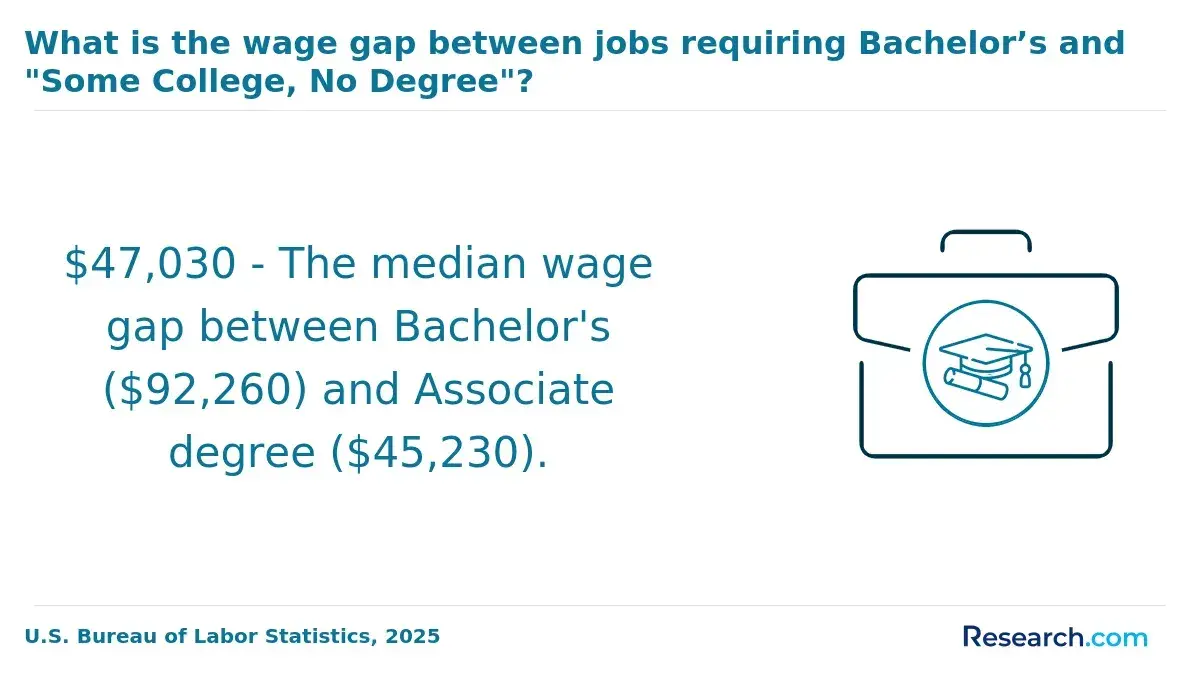
In contrast, bachelor's degree holders often face salary ceilings near $65,000, especially in states with constrained public health budgets. This gap, which may range from $10,000 to $15,000 annually, highlights the practical limitations of relying on experience or certifications alone without advanced academic credentials.
Doctoral degrees tend to raise salary ceilings further but mostly in academic or senior policy roles typically concentrated in metropolitan areas with large research institutions.
Prospective students should factor in how program specialization aligns with state health priorities, such as biostatistics where data analysis drives decision-making or policy in jurisdictions enacting new public health regulations. Balancing the additional cost and time of graduate education against a potential 20% to 30% salary uplift is critical.
Meanwhile, employers look beyond certifications unless paired with strong degree credentials to justify higher compensation.
Accessible degree options, such as online BSN programs for non nurses, illustrate practical pathways for professionals pivoting into health-related fields where public health degree impact on salary by state remains a decisive factor in workforce outcomes.
How does working in government, nonprofits, or private industry affect public health pay?
Compensation in public health diverges sharply across government, nonprofit, and private sectors, reflecting differing organizational priorities and funding mechanisms. Government roles typically offer predictable, tenure-based salary steps but often lag 15-30% behind private industry pay, especially in biotech or pharmaceutical firms, where higher salaries reward specialized skills and advanced degrees.
Nonprofit pay scales vary considerably, with larger grant-funded organizations sometimes matching private sector levels, whereas smaller local nonprofits commonly provide lower wages and fewer benefits. Educational attainment significantly impacts earnings, with master's degree holders earning about 20% more than those with just a bachelor's degree.
This is notably pronounced in public sector pay bands. Doctorate holders tend to earn around $80,000 annually, occupying roles that demand research expertise or policy analysis, primarily in government or private settings.
Consider a master's-level epidemiologist employed at a state health department: the salary grows steadily with experience but lacks significant bonuses. The same professional in a private biotech company might command a higher initial salary plus performance incentives but must weigh this against less job security.
Advancement criteria differ substantially across sectors, with nonprofits valuing grant-writing and program management, government prioritizing regulatory knowledge, and private industry seeking business acumen and innovation capacity. Understanding these distinctions helps prospective public health professionals align educational investments with realistic career outcomes.
What is the job outlook and demand for public health professionals in different states?
Hiring demand for public health professionals is highly uneven across the U.S., shaped by population size, regional health challenges, and budget priorities. States such as California, New York, and Texas lead recruitment due to their large urban centers and complex health disparities, often requiring advanced degrees or specialized credentials. Conversely, states with smaller populations like Wyoming and Vermont offer more stable but slower-growing public health employment, primarily within government agencies.
Salary trajectories also vary sharply. Entry-level roles average about $41,600 annually, but advancement into managerial or technical specialties can push top earners beyond $92,000. This payscale gap corresponds with skill acquisition and regional market competition.
A pragmatic strategy for career growth includes geographic flexibility: transitioning from low-growth rural areas to growth hotspots such as Florida or Illinois can improve earning potential and job stability.
However, professionals must weigh this against relocation costs and shifting employer expectations, which increasingly emphasize competencies in data analysis, grant writing, and emergency response.
- Regional demand correlates with public health funding and infrastructure investment variations.
- Mid-tier states prioritize versatile practitioners comfortable navigating multiple health domains.
- Limited budgets in some states lead to reliance on contract roles with less stability.
Evaluating state-level labor markets and certification standards is essential for informed decision-making around education and career transitions in public health.
How do cost of living and regional health priorities influence public health salaries?
Urban-rural salary disparities in public health reflect more than geographic preference; they reveal critical operational and economic tradeoffs influencing workforce decisions. A public health worker in California's urban centers earns on average $72,750 annually compared to $54,603 in Texas's rural areas-a 33% difference driven by higher living costs and competitive labor markets in cities.
However, nominal pay advantages in urban settings must be balanced against significantly greater housing expenses, which can halve disposable income compared to lower-cost regions.
These variations also align with divergent employer demands. Urban agencies prioritize specialists focused on infectious diseases or environmental hazards, investing more heavily in niche skills. Rural employers, constrained by budgets and staffing, require broader generalist abilities, which may accelerate skill diversification but limit salary growth. This dynamic shapes career trajectories differently depending on region:
- Urban roles offer higher salaries but concentrate competition and regulatory complexity.
- Rural positions provide wider responsibilities with slower financial progression.
Prospective public health professionals must evaluate how these factors affect credentialing and educational choices. Aligning training with specific regional health priorities and labor market conditions is vital-ensuring realistic salary expectations and sustainable career development aligned with geographic and sector-specific realities.
What licenses or certifications can increase public health earnings in specific states?
Licenses and certifications impose tangible earning differentials in public health roles, but their value varies sharply by state and job function. For instance, clinical social workers with Licensed Clinical Social Worker (LCSW) credentials can command salaries well above average in California and New York, where statutory requirements enforce clinical licensure for mental health services.
This credential demands not only supervised clinical hours and state exams but rewards patience with a substantial salary premium linked to both clinical and community health responsibilities.
In states like Texas and Florida, where public health infrastructures focus on program implementation and leadership, Certified Health Education Specialist (CHES) and Master Certified Health Education Specialist (MCHES) certifications translate into higher pay and better job stability. These credentials signal mastery of program planning, a critical leverage point for advancement.
Meanwhile, Certified in Public Health (CPH) certification can increase median wages by 10-15% in epidemiology- and biostatistics-heavy markets such as Maryland and Washington. This certification aligns candidates with nationally recognized analytic standards that employers prioritize for roles influencing policy and resource allocation.
- LCSW increases pay markedly in states requiring clinical licensure for mental health services.
- CHES/MCHES benefit professionals targeting leadership and program planning roles.
- CPH contributes to wage growth in data-driven public health domains.
Although the average U.S. public health social worker salary was $58,777 as of October 2025, state licensure and certifications create notable market segmentation. Candidates must weigh upfront entry barriers against long-term earnings, as stricter licensure laws delay some pathways but yield better compensation in competitive labor pools.
How do online public health degrees compare to campus programs for salary outcomes?
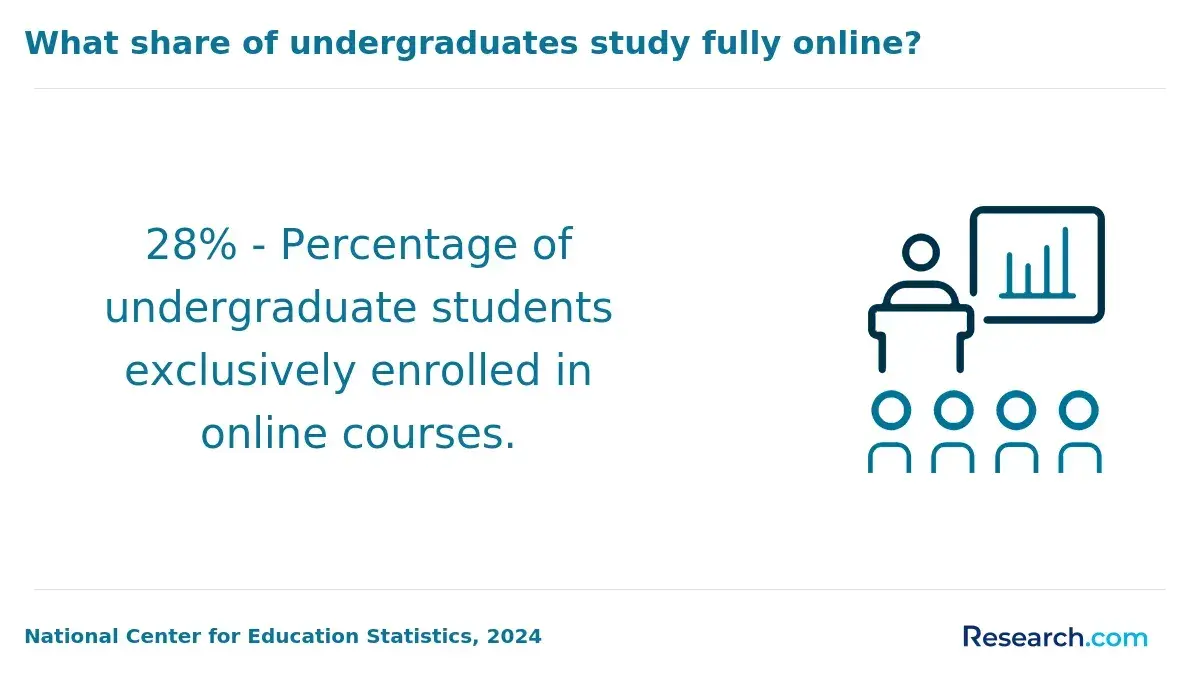
Salary outcomes for online public health degrees closely mirror those of campus programs when students engage with comparably rigorous, accredited curricula that include hands-on experience and practicum components. By June 2026, annual pay averages reached $79,657 nationally, with the middle 50% earning $60,500 to $89,000 and the top 10% around $123,000. Employers prioritize demonstrable skills and credentials over whether the degree is obtained online or in person.
In practice, the choice between delivery modes often reflects career context. For example, early-career professionals aiming for positions in large urban health departments or federal agencies benefit more from campus access to localized internships and face-to-face mentoring, accelerating salary growth.
In contrast, working adults leveraging flexible online programs maintain continuous employment and steadily improve compensation, relying heavily on accumulated role experience rather than degree format.
- Hands-on practicum and robust employer-recognized credentials outweigh delivery mode in salary impact
- Campus degrees better serve those seeking rapid advancement through local internships and mentoring
- Online degrees suit professionals balancing work and study without career interruption
- Strategic focus on program quality and practical engagement is essential regardless of format
Key decision factors include CEPH accreditation, curriculum relevance, and practicum availability. Online students must proactively build networks and secure experiential learning remotely, as campus programs naturally foster informal connections that can expand career opportunities sooner.
How can students evaluate and choose accredited public health degree programs by state?
Choosing an accredited public health degree program requires more than confirming CEPH accreditation; it demands a close examination of state-specific workforce dynamics and employer preferences. States experiencing growth in governmental health sectors typically provide stronger internship pipelines and better job placement, directly tied to local budget expansions in health care payrolls-from $104 billion in 2019 to $121 billion quarterly by late 2024. This investment signals opportunities for candidates embedded in those regions.
Consider a student targeting an epidemiology role within a state health department. Selecting a program in a state with sustained public health funding increases access to municipally funded internships and employer networks critical for job entry. Such pragmatic criteria often outweigh purely national rankings or out-of-state tuition considerations.
Students should evaluate whether curricula emphasize applied training in competencies like biostatistics, policy analysis, or community health tailored to local employer demands. It is also vital to assess program delivery modes, since some employers prefer graduates trained within their region's health infrastructure over purely online credentials.
Admission standards and peer cohort profiles affect learning depth and long-term networking benefits. Requesting employment outcomes and employer feedback from programs facilitates informed decisions reflecting actual return on investment within the student's targeted labor market.
Other Things You Should Know About Public Health
Public health salaries in 2027 vary by state due to differing state funding policies. States with higher public health budgets generally offer more competitive salaries. Additionally, states prioritizing healthcare initiatives may allocate more funds to salaries, affecting national salary comparisons.
Specialized public health roles, such as biostatisticians or environmental health specialists, usually command higher salaries but require targeted training and may have fewer openings depending on regional needs. Generalist positions offer broader employability and flexibility but typically start with lower pay and slower advancement. Professionals should assess local market demand and weigh salary potential against practical job availability and required expertise when deciding their specialization.
The top-paying states for public health workers in 2027 are California, Massachusetts, and New York. These states offer higher salaries due to the cost of living and demand for public health professionals. Compensation may vary based on specific roles and experience levels.
Yes. Within one state, salaries differ by role, with epidemiologists, health informatics managers, and biostatisticians often earning more than entry-level health educators or community health workers. State pay scales, federal classification systems, and required credentials such as MPH or RN licenses can create large pay gaps.
References
- Public Health Careers & MPH Salary Guide: Jobs & Outlook https://online.ewu.edu/degrees/healthcare/masters-public-health/general-concentration/community-vs-difference-explained/
- How to Choose a Program https://www.publichealth.org/resources/choosing-a-program/
- How is the cost of living crisis affecting public health? - Economics Observatory https://www.economicsobservatory.com/how-is-the-cost-of-living-crisis-affecting-public-health
- Careers https://www.publichealthdegrees.org/careers/
- The Impact of Certifications on Earnings across States and Occupations – LMI Institute https://www.lmiontheweb.org/the-impact-of-certifications-on-earnings-across-states-and-occupations/
- Professional Certifications and Licenses Increase Earnings and Reduce Unemployment, New Data Shows – The Council for Community and Economic Research https://www.c2er.org/2019/07/professional-certifications-and-licenses-increase-earnings-and-reduce-unemployment-new-data-shows/
- Our health: the price we will pay for the cost-of-living crisis https://www.rsph.org.uk/our-work/publications/our-health-the-price-we-will-pay-for-the-cost-of-living-crisis/
- What is the Accreditation I Should Look for in a School of Public Health? - Healthcare Management Degree Guide https://www.healthcare-management-degree.net/faq/what-is-accreditation-for-school-of-public-health/
- Invited commentary - Health priorities and the social determinants of health - Institute of Health Equity https://www.instituteofhealthequity.org/resources-reports/invited-commentary-health-priorities-and-the-social-determinants-of-health
- Highest Paying Jobs in Public Health and their Salaries - MPH Online https://www.mphonline.org/highest-paying-jobs-public-health/