2027 Online Public Health Degrees With Public Health Leadership Concentrations

Co-Founder and Chief Data Scientist
Public health professionals often confront urgent leadership gaps during crises that demand swift, informed decisions across diverse populations and complex systems. The Bureau of Labor Statistics projects a 12% growth in health services management through 2032, reflecting intensified demand for leaders who can translate policy into action amid evolving global threats. Yet, balancing current employment with the need for advanced credentials remains a critical hurdle, as inflexible program schedules exclude many skilled adults. Meanwhile, a 2024 Department of Education report shows that nearly 60% of graduate students seeking leadership roles prioritize fully online programs for their adaptability. This article evaluates online public health degrees with leadership concentrations, addressing how such offerings resolve access and career advancement challenges for busy professionals.
Key Things You Should Know
- Data from the Bureau of Labor Statistics reveals a 14% growth in public health leadership roles through 2031, but candidates without specialized leadership training face higher barriers to mid-level management positions.
- The Council on Education for Public Health reports employer preference for MPH graduates with leadership concentrations, correlating with 22% higher salary offers and faster promotion trajectories in governmental and nonprofit sectors.
- Median tuition for accredited online MPH leadership programs exceeds $30,000, extending typical completion times by 20%, which poses access challenges for working professionals balancing cost and accelerated career transitions.
What is an online public health degree with a public health leadership concentration?
Choosing an online public health degree with leadership specialization requires assessing the distinct skill set these programs cultivate versus more general public health degrees. This specialization targets professionals aiming to direct complex health organizations, blending epidemiological insight with practical leadership in areas such as budgeting, staff development, and regulatory analysis. Candidates often juggle full-time roles, making program flexibility essential but without sacrificing applied leadership experiences like virtual internships or capstone projects.
The U.S. Bureau of Labor Statistics projects 29% growth for medical and health services managers through 2033, confirming expanding leadership demand across healthcare facilities, government, and nonprofits. However, prospective students should weigh how well a program's curriculum aligns with the specific regulatory and operational nuances of their intended sector, as these variables significantly impact career transition success.
- Financial management and budgeting within health organizations
- Human resources oversight including conflict resolution and staff development
- Data-driven decision-making using health informatics tools
- Regulatory compliance and public policy analysis
For working professionals shifting from clinical or mid-level roles into senior management-such as hospital administration or public health policy-this degree equips them to lead interdisciplinary teams and influence health equity initiatives effectively. Notably, those considering allied fields should investigate complementary opportunities, such as online PMHNP programs, to broaden expertise and career flexibility.
Overall, an online public health leadership degree programs demand deliberate scrutiny to ensure they provide both strategic leadership training and practical relevance, especially given the diverse and evolving environments where graduates will operate.
How do online public health leadership programs compare to campus-based options?
Evaluating online public health leadership programs vs campus-based options reveals critical differences in experiential learning that affect career outcomes. Campus programs provide direct access to faculty mentorship, in-person practicums, and regional networks essential for developing leadership skills such as negotiation and crisis management-competencies heavily weighted by employers. In contrast, online programs emphasize remote internships and virtual collaboration, requiring students to exhibit greater self-discipline and initiative to secure comparable practical experience.
Considering the U.S. Bureau of Labor Statistics projects approximately 1.8 million annual job openings for medical and health services managers between 2023 and 2033, selecting a format aligned with employability needs is paramount. Online learners should target programs with robust industry partnerships and guaranteed placement opportunities; otherwise, they risk falling behind peers benefiting from campus-based pipelines to local health institutions. Professionals balancing work and education may favor flexible online options but must proactively supplement limited in-person leadership simulations with workshops or local networking.
Employers often prioritize documented leadership experience beyond academic credentials. Practical exposure through campus residencies tends to yield slightly higher entry salaries and faster advancement. Online students need to strategically accumulate project leadership and remote internship experiences to achieve similar labor market positioning.
Deciding between the differences between online and traditional public health leadership degrees depends on personal circumstances, proximity to health agencies, and commitment to hands-on experience acquisition. Those exploring the financial aspects of their options should consider resources like the healthcare administration degree cost to inform their investment decisions.
Are online public health leadership degrees accredited and widely respected by employers?
CEPH accreditation significantly influences employer perception of an online public health leadership degree, especially within healthcare administration and government sectors. For instance, hospital systems and federal agencies give priority to candidates holding CEPH-accredited degrees for leadership roles with median wages around $117,960, reflecting their emphasis on rigorous curricula that develop strategic decision-making, budget management, and compliance expertise.
Conversely, graduates from non-accredited or lesser-known institutions often face skepticism, needing to bolster their credentials with additional certifications or extensive experience to compete effectively. Local health departments may exercise greater flexibility, but the lack of accreditation can restrict career mobility and complicate licensure processes.
Employers expect graduates to demonstrate applied competencies that accredited programs emphasize through practical projects-knowledge often absent in unaccredited coursework. Prospective students evaluating the value of online public health leadership degrees to employers should assess if their target employers recognize online credentials and consider supplementing education with certifications such as Certified in Public Health (CPH).
For professionals balancing affordability and quality, reviewing online MBA programs healthcare management can offer practical pathways that integrate leadership and management skills aligned with public health demands.
What courses and competencies are typically included in a public health leadership concentration?
Leadership training in public health demands more than theoretical knowledge; it requires actionable skills to manage dwindling resources and workforce losses that have seen around 16,000 federal public health workers depart between 2020 and 2023. Core skills taught in public health leadership concentrations in US universities focus on strategic planning, organizational management, and financial oversight tailored for real-world health systems coping with these pressures.
Competency development prioritizes a multi-dimensional approach:
- Systems thinking to address fragmented health challenges in government and non-profit sectors
- Policy analysis essential for navigating funding cuts and advocating amid fiscal constraints
- Financial acumen to optimize budgeting and resource allocation when staff shortages restrict operational capacity
- Stakeholder engagement geared toward complex inter-agency coordination and community partnerships
For working professionals pursuing public health leadership courses and competencies in online programs, practical scenarios might include reallocating scarce staff during disease outbreaks or finding alternative funding under budget constraints. Programs emphasizing applied epidemiology, biostatistics, and crisis communication prepare graduates to meet these challenges. Experiential components like practicums or capstone projects translate leadership theory into problem-solving under workforce strain.
Given the combined challenge of workforce attrition and constrained budgets, these competencies directly influence employability and effectiveness in leadership roles. Students evaluating advanced health leadership paths should also consider complementary options such as online ABSN programs to broaden their practical skill set within the health field landscape.
What admission requirements do online public health leadership degree programs usually have?
Admission to online public health leadership degrees hinges on a substantive foundation of relevant academic credentials and practical experience, calibrated to meet employer expectations for leadership readiness. Candidates typically need a bachelor's degree in public health or closely related disciplines; those from unrelated backgrounds must often complete prerequisite coursework to demonstrate mastery in essential domains like health sciences or organizational management.
Work experience ranging from two to five years in public health or healthcare administration markedly influences admission decisions and future employability. This requirement acknowledges that leadership effectiveness depends heavily on contextual knowledge of real-world operational challenges-a critical insight given workforce shortages reported by the de Beaumont Foundation indicating insufficient staffing for leadership in many agencies.
Standardized tests such as the GRE are becoming optional, yet competitive programs may still leverage them or substitute prior graduate coursework and certifications as indicators of advanced preparation. Personal statements are heavily scrutinized for specific examples reflecting leadership impact, strategic planning, or policy influence, which align with both educational rigor and workplace applicability.
International applicants face additional barriers, including credential evaluation and English proficiency verification through TOEFL or IELTS, alongside assessments of digital literacy essential for navigating fully online learning environments. Candidates lacking these competencies risk higher attrition and reduced engagement with interactive leadership case studies.
When weighing programs, prospective students must carefully consider how admission criteria correspond to their career stage and leadership goals, balancing immediate workforce needs with the realities of program demands and practical skill acquisition.
How long do online public health leadership degrees take and what do they cost?
Choosing an online public health leadership degree requires balancing time, cost, and career impact. Accelerated formats let professionals recredential in 12 to 18 months but demand high weekly commitments that often strain those without flexible employers. Part-time pathways extending 2 to 3 years ease work-study balance but delay employer recognition and increase cumulative tuition, adding financial weight over time.
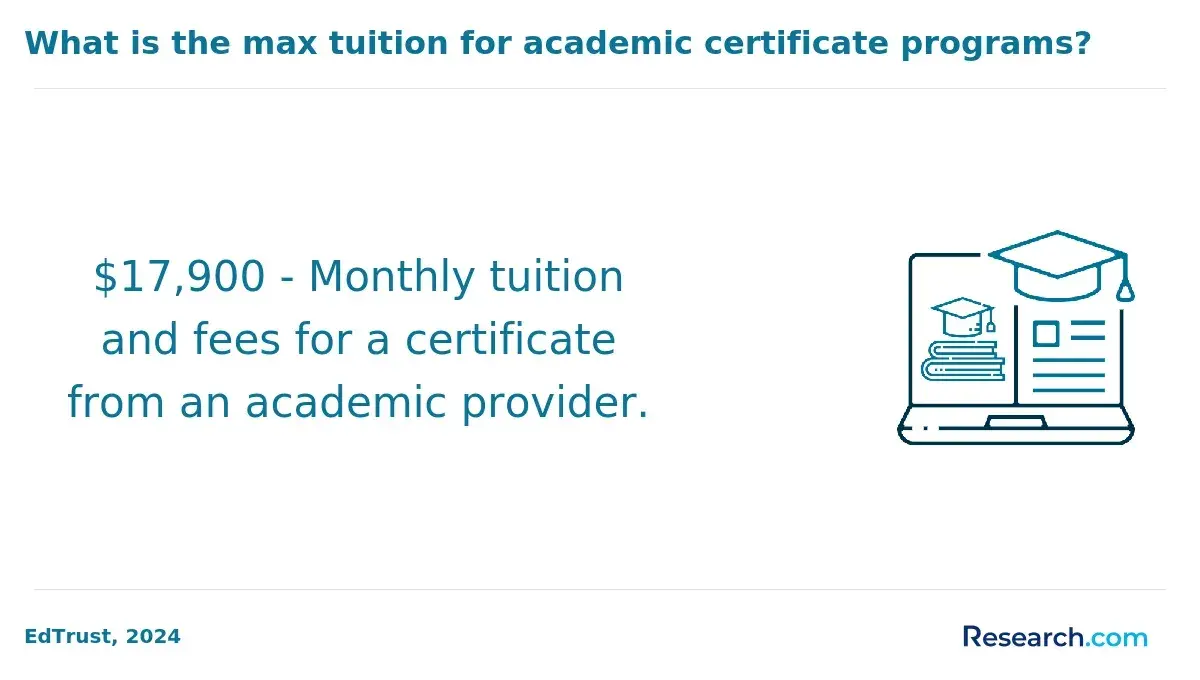
Annual tuition varies sharply by institution type: public schools average $17,878 while private nonprofit institutions reach $40,920. Thus, a typical two-year master's costs roughly $35,756 at public institutions versus $81,840 at private ones, excluding living expenses or income lost from reduced work hours.
Professionals in government or nonprofit sectors generally favor public programs aligned with employer tuition support and manageable debt. In contrast, candidates targeting consultancy or pharma leadership often weigh higher private costs against stronger alumni networks and industry connections that can expedite mid-career advancement.
Key practical considerations include:
- Employer tuition assistance often shapes program choice and timeline.
- Shorter programs reduce time to credential but heighten burnout risk.
- Extended part-time study lessens immediate financial strain but postpones full workforce benefits.
Deciding between speed, affordability, and career alignment requires realistic assessment of personal obligations, financial reserves, and workplace flexibility-factors that materially affect whether a public health leadership degree yields anticipated professional returns.
What public health leadership careers can you pursue with this online degree?
Online degrees focused on public health leadership equip graduates to navigate complex roles that merge technical expertise with strategic decision-making. For example, health program directors often manage multifaceted community initiatives, balancing budget constraints and diverse stakeholder demands within governmental or nonprofit contexts. Meanwhile, health policy analysts interpret data to influence legislation, requiring nuanced analytical skills attuned to shifting policy landscapes. Hospital administrators face operational challenges, juggling patient care quality, regulatory compliance, and resource management simultaneously.
The payoff for specialized leadership training in public health is measurable. Data from the U.S. Bureau of Labor Statistics show that master's degree holders earn roughly 19% more per week than those with bachelor's degrees, highlighting employer preference for combined management and technical competencies. However, prospective students must consider the tradeoff between deep leadership development and broad technical knowledge, especially when preparing for roles involving cross-sector collaboration or crisis coordination.
Employers increasingly demand practical management skills integrated with public health knowledge, favoring programs that incorporate real-world case studies or practicums. Career progression from technical positions, such as frontline epidemiologists, to leadership roles requires mastering areas often underemphasized in purely technical curricula, including financial oversight, policy development, and ethical decision-making.
- Health program directors face funding and stakeholder challenges in community health.
- Health policy analysts use diverse data to shape legislation.
- Hospital administrators balance care quality with compliance and resources.
- Occupational health managers design workplace safety amidst regulatory demands.
What salary ranges and earning potential are common in public health leadership roles?
Salary outcomes in public health leadership diverge sharply depending on sector, role, and regional market dynamics. Entry-level program directors in governmental or nonprofit organizations commonly earn between $75,000 and $90,000, while senior executives within hospital systems or the private sector often surpass $140,000 annually. This range reflects a fundamental tradeoff: federal positions have comparatively fixed pay scales capping near $130,000, whereas private industry roles may exceed this but demand advanced business acumen and demonstrated leadership.
Employer preferences underscore the importance of leadership competencies-management, communication, and strategic oversight-as primary factors influencing salary offers. For example, an epidemiologist aiming for a departmental lead role with salary above $100,000 must substantiate leadership strengths beyond technical expertise, including budget management and cross-functional team coordination.
Professionals investing in public health education must weigh the value of specialized leadership courses against the practical challenge of gaining relevant managerial experience. Without closing this skill gap, salary growth often stagnates despite robust technical training. Geographic location further modulates compensation, with metropolitan areas offering greater negotiation leverage.
Those pursuing career pivots in public health leadership should consider how institutional pay frameworks and sector-specific expectations align with their educational choices and professional background. This realistic alignment is critical for maximizing employability and long-term earning potential.
What is the job outlook for public health leaders and related management positions?
Demand for public health leaders and related management roles is expanding due to increasing complexity in healthcare systems and emergency preparedness requirements. The U.S. Bureau of Labor Statistics projects a 17% growth rate for medical and health services managers from 2022 to 2032, reflecting sustained needs for professionals skilled in interdisciplinary team coordination, policy compliance, and technology integration.
For working professionals, accelerated online MPH programs with leadership concentrations-often completed in 12 to 20 months-offer a pragmatic path to leadership without extended career interruption. These programs emphasize practical skills such as budget management, inter-agency collaboration, and crisis logistics that employers prioritize alongside formal education.
Consider a mid-career epidemiologist aiming for a state health department leadership post: the decision between traditional longer MPH tracks and accelerated online options depends on minimizing downtime versus depth of immersion. Accelerated formats may sacrifice some traditional networking opportunities but enable faster application of leadership competencies in the field.
Key factors for candidates include:
- Balancing ongoing work responsibilities with disciplined time management to complete accelerated curricula
- Gaining certification in leadership competencies to complement academic credentials and improve salary prospects
- Understanding that higher-level positions come with intensified competition, favoring those who combine practical experience with targeted leadership education
Programs reported by Public Health Degree highlight that accelerated MPH leaders must weigh real-world tradeoffs to enter complex management roles swiftly without compromising credential legitimacy.
How can you evaluate and choose a reputable online public health leadership program?
Programs lacking CEPH accreditation often signal reduced employer confidence due to weak curriculum standards, limiting graduates' access to leadership roles within local or federal public health agencies. In a sector where only 2-3% of U.S. health spending supports public health activities, leadership candidates must demonstrate expertise in strategic management, policy formulation, and system operations that prioritize cost-effective resource use.
Proven career outcomes such as job placement rates in leadership positions provide a concrete measure of program value. Equally important is educational delivery tailored to working professionals, including asynchronous coursework, accessible faculty, and embedded practicum opportunities that bridge academic learning with urgent sector challenges.
Decision-makers should weigh the tradeoffs between broad public health curricula and programs with a clear leadership focus. Institutional factors-like program size, faculty specialization, and partnerships with government or nonprofit entities-directly affect networking, mentorship quality, and practical exposure critical for advancement.
- Confirm CEPH accreditation as a baseline for curriculum rigor and employer trust.
- Evaluate program content centered on strategic leadership skills aligned with constrained public health budgets.
- Assess educational flexibility and practicum elements supporting real-world application without disrupting ongoing employment.
- Prioritize transparent outcome data over vague institutional claims to avoid investing in programs unlikely to deliver leadership opportunities.
This approach aligns with workforce realities, where focused leadership training and proven employer recognition determine a program's effectiveness in preparing candidates for public health leadership amid financial and operational constraints.
Other Things You Should Know About Public Health
Most online public health leadership degrees require managing coursework alongside existing job responsibilities and, in many cases, field practicums or internships. The key challenge is scheduling flexibility, as real-world public health settings often demand in-person time commitments that can conflict with work hours. Prospective students should prioritize programs that offer part-time pacing and flexible practicum arrangements to avoid burnout and ensure deeper applied learning rather than just theoretical completion.
Online public health leadership degrees limit face-to-face interaction with peers and faculty, which traditionally facilitate mentoring and job referrals. This distance can reduce informal networking chances critical to securing leadership roles. Graduates must proactively engage in professional organizations, virtual events, and local public health agencies to compensate, making self-driven networking an essential skill to prioritize for career development post-graduation.
Public health leadership concentrations vary widely in their curricular focus; some emphasize management skills narrowly while others include broader epidemiology, policy, and community health topics. Choosing a narrowly focused program may accelerate leadership skill-building but limits exposure to interdisciplinary contexts necessary for strategic decision-making. Students should assess their career goals and favor programs that blend leadership with robust public health fundamentals for better adaptability in complex health environments.
References
- Training Global Health Leaders: A Critical Review of Competency Gaps | Annals of Global Health https://annalsofglobalhealth.org/articles/10.5334/aogh.3260
- PHASS-IDP V2 https://www.careersinpublichealth.org/career-clusters/f001d867-3011-4607-812e-780bec58888f
- Best Online MPH Degree Programs for 2025 https://www.princetonreview.com/grad-school-rankings
- What is an MPH degree? | edX | edX https://www.edx.org/resources/what-is-a-master-of-public-health-degree
- MPH in Public Health Leadership https://www.unthealth.edu/tcom/public-health/mph-in-public-health-leadership.html
- Public Health Salary Guide https://www.iheed.org/insights/public-health/public-health-salary-guide
- Health Policy and Public Health Career Paths https://pathologylabtraining.co.uk/biomedical-sciences/health-policy
- Explore Public Health Careers - Public Health https://www.publichealthonline.org/careers/
- Online Executive MPH https://www.publichealthdegrees.org/online/executive-mph/
- How is the Job Outlook for Careers in Healthcare Management? - Healthcare Management Degree Guide https://www.healthcare-management-degree.net/faq/how-is-the-job-outlook-for-careers-in-healthcare-management/