2027 Online Public Health Degrees With Community Assessment Coursework

Co-Founder and Chief Data Scientist
Professionals aiming to lead community health initiatives face the persistent challenge of integrating real-time data with intervention strategies-often without flexible, accessible education that fits demanding work schedules. Enrollment in fully online public health programs has surged by 18% since 2023, according to the National Center for Education Statistics, reflecting both the workforce's need for adaptable learning and an expanding appetite for skills in community assessment. This shift signals that prospective students must weigh program design not just on content but on delivery models that accommodate career advancement without relocation or career pause. This article outlines key considerations for evaluating online public health degrees featuring community assessment coursework to inform strategic educational and career decisions.
Key Things You Should Know
- Community assessment coursework in 2026 online public health degrees often requires extensive qualitative skills, limiting students' capacity for rapid credential completion despite growing employer demand for mixed-method expertise per CDC workforce data.
- Employers increasingly prioritize candidates with demonstrated impact via community assessment projects, with 68% of health departments in 2024 reporting stronger preference for applied competency over theoretical credit hours, influencing hiring and advancement.
- Rising tuition averages of 8% year-over-year for accredited online public health degrees with community coursework create a cost-access tradeoff, disproportionately affecting mid-career professionals balancing full-time work and education, as per NCES 2024 figures.
What is an online public health degree with community assessment coursework?
Online public health degree programs with community health assessment require more than theoretical knowledge: they demand practical skills in survey design, qualitative methods, and epidemiological analysis. Graduates interpret complex community data to craft programs responsive to varied social determinants, such as culturally tailored interventions for Indigenous communities or strategies addressing urban environmental risks. This applied focus is critical as employers look for candidates able to translate assessment into measurable outcomes.
Fields relying on community health profiling, including health education specialists and community health workers, face above-average job growth (7% through 2032) with median wages near $60,000. Candidates must weigh the significant quantitative component, including proficiency with statistical software and remote data tools, embedded in most community assessment courses in accredited public health degrees.
Prospective students should honestly assess their aptitude for advanced data analysis and time management given the self-directed online format and the logistical demands of local fieldwork or internships.
Employers prioritize verifiable practical experience typically gained through capstone projects or supervised practicums, making program selection crucial. Confirming access to such opportunities can substantially affect workforce readiness.
For those comparing educational investments, cost considerations and delivery format factors may steer choices; relevant programs can be explored via resources like the health information management online degree listings.
How do online public health programs compare to campus-based options for community assessment?
The practical gap between campus-based and online public health community assessment courses centers on fieldwork experience and stakeholder engagement. Campus programs benefit from embedded local partnerships enabling students to conduct hands-on community health assessment projects-such as participating in structured interviews or attending local health department meetings-that cultivate essential skills in data collection and contextual analysis.
Such direct exposure is challenging to replicate for online public health programs for community health assessment, where students must independently secure local internships that vary widely in quality and availability.
Employers reinforce this divide: 52% of U.S. state and territorial health departments identify community health assessment and engagement positions among the hardest to fill. Candidates with verifiable applied experience and familiarity navigating local health systems hold a distinct advantage in these roles.
Online learners gain flexibility and a broader peer perspective across regions but often face limited immediate faculty oversight and fewer networking opportunities with local public health authorities, potentially delaying competency development critical to employment readiness.
Prospective students evaluating online masters healthcare management options should weigh their ability to independently complete robust practicums. Without strong local placements, graduates may encounter longer onboarding periods and diminished competitiveness for top-tier roles.
The tradeoff between practical immersion and scheduling flexibility demands candid assessment aligned with career objectives and workforce realities.
Which accredited schools offer online public health degrees focused on community assessment?
Online public health degree programs with community assessment components respond directly to employer demands for graduates skilled in interpreting social determinants and implementing targeted interventions. Programs at accredited schools like the University of North Carolina at Chapel Hill's Gillings School and Johns Hopkins Bloomberg School of Public Health integrate data analysis with hands-on community challenges encountered in urban health settings.
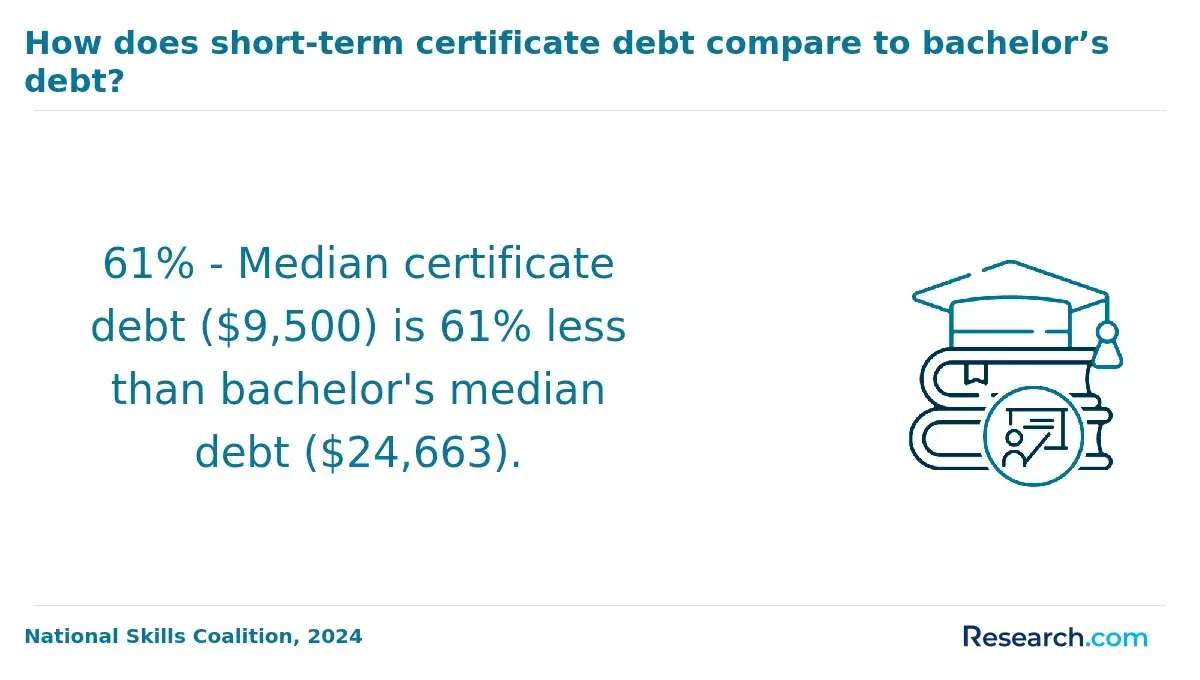
This approach directly influences employability, as evidenced by MPH holders earning a median of $78,200, versus $58,300 for those with only a bachelor's degree in the 2024 Public Health Salary Report.
Northwestern University and the University of Michigan's fully online degrees reinforce competencies in statistical software, survey design, and community engagement through practicum collaborations with health agencies. These options particularly suit working professionals restricted by location but seeking skills that support data-driven decision-making in community health.
Prospective students must weigh the tradeoff between online flexibility and the depth of experiential opportunities. Programs lacking practicum components risk providing superficial exposure, diminishing readiness for workforce realities that require proficiency in GIS mapping and real-time data application.
Confirming CEPH accreditation guarantees curriculum rigor aligned with labor market needs. For cost-conscious applicants, researching options such as the cheapest online MBA healthcare management programs may complement community health careers by enhancing management skills and broadening professional pathways.
What community assessment courses and skills are typically included in these programs?
Community assessment coursework in online public health degrees equips students with essential skills for translating diverse data sources into actionable health strategies. Practical proficiency in both qualitative and quantitative evaluation prepares graduates to detect and interpret complex health disparities and environmental influences unique to various populations.
For instance, adapting survey tools to respect cultural differences is critical when working in Native American health programs, ensuring both relevance and rigor. The emphasis on skills learned in public health community assessment courses spans data collection techniques, GIS application, and stakeholder engagement, with a focus on ethical and regulatory compliance surrounding sensitive information.
Employers increasingly prioritize candidates who can swiftly synthesize multisource community data and communicate findings clearly to both technical and lay audiences. This capability supports decision-making in dynamic, resource-constrained settings where health interventions must be timely and evidence-based.
Workforce demand reflects this trend, with a 36% increase in online and hybrid MPH enrollments between Fall 2019 and Fall 2023, outperforming the campus-based growth rate.
Students must also master project management and report writing to influence funding and policy outcomes effectively. The ability to produce structured reports grounded in thorough community health assessment coursework can differentiate candidates in competitive job markets, especially where grant-funded initiatives are the norm.
For those evaluating educational pathways, comparing costs alongside outcomes is essential. Prospective public health professionals might explore affordable options, including the cheapest RN to BSN programs, which can offer a cost-conscious entry point before advancing to community health-focused graduate study.
What admission requirements apply to online public health degrees with community assessment?
Pursuing an online public health degree with community assessment coursework demands more than holding a bachelor's degree; it requires demonstrable expertise in quantitative reasoning and relevant practical experience. Employers prioritize candidates who have proven ability to analyze data and engage with diverse populations, skills typically evidenced through prerequisite coursework in statistics or epidemiology or substantial work experience in sectors like environmental health or community planning.
Applicants must navigate multifaceted admissions criteria, including official transcripts reflecting a solid GPA (generally above 3.0) and letters of recommendation from supervisors who can validate analytical and critical thinking competencies. Statements of purpose are evaluated not just for intent but for alignment with measurable community health objectives, indicating readiness to translate academic insights into actionable strategies.
Considering an online format adds a layer of complexity: candidates need reliable technology access and self-management capabilities to handle asynchronous study demands without in-person guidance. International students face added barriers with English proficiency certifications such as TOEFL or IELTS.
Financially, while programs like those identified by the University of Glasgow highlight nearly half the tuition cost compared to traditional campus options, reduced expenses can come with tradeoffs in academic support and networking opportunities.
Professionals considering this pathway should weigh these factors against the practical realities of succeeding in a rigorous, data-driven public health environment remote from on-site resources.
How long do these online public health programs take and what do they cost?
Faculty and employers prioritize MPH graduates equipped with applied community assessment and evaluation skills, reflected in the 91% of programs that mandate such coursework. Most online MPH programs require 18 to 36 months full-time or up to 4 years part-time, accommodating working students balancing family and jobs. This pacing difference is critical: while shorter programs reduce opportunity costs, they demand heavier weekly workloads, potentially impacting work-life balance and job performance.
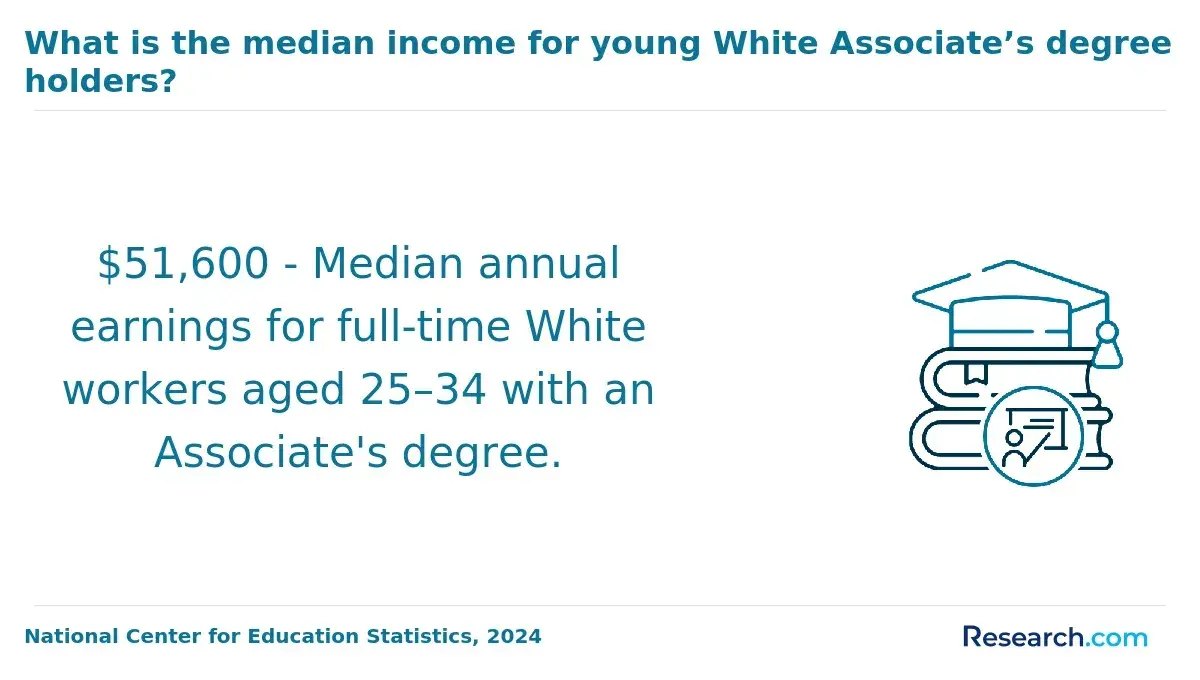
Program credit requirements typically fall between 40 and 60 hours, focusing on data-driven competencies valuable for roles demanding expertise in community health analysis. Tuition varies significantly, from $20,000 to $60,000, with public universities providing cost-effective options for in-state students, whereas private or specialized tracks lean higher.
Financial aid and employer tuition reimbursement are essential factors to consider alongside sticker price and post-degree salary uplift. Consider a health analyst moving into community health evaluation in a government role; they should select programs with proven competency-based curricula that fit a part-time schedule to maintain employment.
Conversely, clinical practitioners targeting leadership in nonprofits might prefer full-time enrollment to expedite completion, accepting increased intensity for faster credentialing. Balancing cost, duration, and curriculum rigor is vital for making strategic educational decisions aligned with career trajectories.
What careers can graduates pursue using community assessment training in public health?
Graduates trained in community assessment directly meet the persistent demand for data-driven roles that shape public health responses at local and organizational levels. Positions such as epidemiologists or community health analysts focus on identifying disease patterns and social factors affecting vulnerable groups, with 63% of local health departments employing staff dedicated to these functions according to NACCHO data. This workforce reality reflects the tangible impact of assessment skills on policy and intervention design.
Experience working with both quantitative methods and qualitative community insights is vital, as employers expect candidates to translate complex datasets into clear, actionable strategies for diverse stakeholders. Students and professionals must weigh the tradeoff between mastering statistical software and cultivating interpersonal communication skills required for effective stakeholder engagement.
Beyond public agencies, nonprofits emphasize these skills to shape health equity initiatives and secure funding, while healthcare providers use community assessment expertise to manage population health and reduce readmissions. Corporate social responsibility departments also integrate these competencies to align wellness programs with community needs.
Practical challenges include navigating multisector partnerships and sustaining funding streams for assessment projects, demanding strategic planning beyond technical analysis. Applying geographic information systems (GIS) and health informatics can broaden employability but requires additional technical proficiency that may affect time-to-competency.
What salary ranges and earning potential exist for public health roles using community assessment?
Salaries for public health professionals specializing in community assessment typically range from $55,000 to $95,000 annually, with variation driven by experience, sector, and geographic location. Entry-level roles such as community health analysts start near $55,000, while senior positions like community health directors surpass $90,000, according to 2024 U.S. labor data.
Practitioners in metropolitan health departments often earn more due to demographic complexity and grant-linked funding conditions. Conversely, rural settings may offer lower pay but require broader skill sets across assessment, intervention, and policy execution. Mid-career professionals who obtain certification coupled with community assessment expertise can increase earnings by up to 25% through managerial roles.
Employers prioritize candidates who demonstrate measurable outcomes. For example, the 2024 CDC review found counties performing formal community health assessments triennially had a 27% higher chance of meeting Healthy People goals related to preventable hospitalizations. This emphasis on data-driven impact is particularly significant for government and nonprofit employers focused on effective resource allocation.
Tradeoffs include fluctuating public health budgets impacting job stability and wage growth, with many roles tied to contracts or grants.
Candidates must acquire experience in data analysis, stakeholder engagement, and health informatics to progress beyond entry-level salaries. Proven ability to translate assessment data into cost-effective health plans aligned with federal targets remains the key to career advancement in this niche.
What certifications or licenses relate to community-focused public health practice in the U.S.?
Certifications such as Certified in Public Health (CPH) and Certified Health Education Specialist (CHES) represent key differentiators for community-focused public health roles, signaling validated expertise beyond academic credentials. Local health departments and nonprofits increasingly require these certifications for leadership or federally backed grant positions, where demonstrable accountability and evidence-based skills matter. Without them, professionals-especially those shifting from clinical backgrounds-often encounter tangible barriers to advancement.
Licensing requirements, varying by state, add complexity. Roles like Registered Environmental Health Specialist (REHS) and licensed public health nurses or social workers involve mandated credentials that affect eligibility for interdisciplinary projects and complicate workforce entry in community assessment sectors.
The increasing integration of GIS and geospatial analysis into public health curricula (74% of online programs in 2024 versus 41% in 2018) reflects employer preferences for candidates proficient in spatial data tools. Combining CPH certification with practical GIS skills provides measurable advantage for those pivoting into community health, bridging traditional clinical experience with technical competencies in data-driven assessment.
Pragmatically, professionals must weigh state licensing demands, certification timelines, and technological skill acquisition, as employers prioritize a hybrid skill set addressing evolving public health challenges. Strategic credential selection aligns with workforce expectations and determines competitive positioning in a field balancing public accountability and technical precision.
How can students evaluate and choose a reputable online public health program in this area?
Programs with CEPH accreditation and graduate employment rates above 80% within six months better reflect employer expectations, a critical factor for selecting a community assessment-focused public health degree. A program's reputation is operationalized through outcomes rather than rankings alone; for example, a school offering discounted tuition but with only 65% immediate employment might yield less favorable return on investment compared to a pricier program with stronger job placement.
Financial considerations extend beyond sticker prices. According to the 2024 Association of Schools and Programs of Public Health, 58% of online MPH students received scholarships averaging 23% off tuition. Evaluating total cost net of aid is essential, particularly for career changers balancing budget constraints against employment prospects.
Flexibility in course delivery-combining asynchronous with synchronous modules-matters significantly for working professionals. Elective options in epidemiology, biostatistics, or social determinants allow customization aligned with roles such as data analysis versus policy-making, affecting both learning and marketability.
- Verify accreditation and employment metrics to gauge program rigor and relevance.
- Compare net program costs after financial aid, not sticker price alone, for realistic ROI.
- Prioritize flexible scheduling and elective tailoring to maintain employment during study.
- Seek programs with embedded practicum opportunities for applied skills and networking.
Programs embedding practicum experiences in community health organizations provide crucial hands-on skill application and networking pathways. Absence of these experiential components risks leaving graduates with theoretical knowledge insufficiently tethered to workplace realities, weakening their competitive positioning in a practical labor market.
Other Things You Should Know About Public Health
Employers generally recognize the credibility of online public health degrees, especially when accredited. These programs combine community assessment coursework with practical skills, making them comparable to traditional degrees. With increasing acceptance of online education; it's essential to choose programs that offer robust curricula and hands-on experiences to ensure job market competitiveness in 2027.
These programs often balance theory, data analysis, and applied projects, making the workload intense, especially for working professionals. Expect significant time commitment for mastering statistical tools, designing assessments, and managing community partnerships. Prioritize programs with flexible scheduling and modular coursework if balancing employment or family obligations is necessary.
For strategic career growth, prioritize programs that blend community assessment with core public health skills, including epidemiology and health policy analysis. Narrow specialization limits opportunities to roles strictly focused on assessment, while combined competencies open more leadership and cross-sector positions. Employers favor candidates who can translate assessment data into actionable policy or program strategies.
Programs focusing on community assessment vary widely in teaching practical data communication and stakeholder engagement skills. Many employers require candidates who not only analyze data but also present findings effectively to diverse audiences. Select programs offering coursework or projects on public health communication, report writing, and community consultation to meet these real-world demands.
References
- Why Conduct a Community Assessment? | HeadStart.gov https://headstart.gov/program-planning/community-assessment-foundation-program-planning-head-start/why-conduct-community-assessment
- Is an MPH in Community Health Right for You? https://masterspublichealth.com/mph-in-community-health/
- Online Public Health Degrees: Find Your Program https://www.degreesforgood.org/online-degrees/public-health-programs/
- Public Health and General Preventive Medicine https://www.theabpm.org/become-certified/specialties/public-health-general-preventive-medicine/
- Today’s Guide to Public Health Certifications https://www.publichealthdegrees.org/resources/public-health-certifications/
- Certifications https://www.publichealth.org/degree/certifications/
- How to choose a bachelor's in public health | edX https://www.edx.org/resources/how-to-choose-a-bachelors-in-public-health
- Public Health Foundations Certificate https://phtc-online.org/learning/cert-program/
- About the Certification in Public Health (CPH) - NBPHE https://www.nbphe.org/certified-in-public-health/
- Community Health and Public Health | University of Phoenix https://www.phoenix.edu/articles/healthcare/community-health-and-public-health-differences.html