2027 Best Online Public Health Programs for Population-Level Problem Solvers

Co-Founder and Chief Data Scientist
A mid-career epidemiologist faces a sudden outbreak demanding rapid, remote collaboration with diverse stakeholders while also managing ongoing responsibilities. For professionals balancing demanding roles and personal commitments, rigid on-campus programs risk delaying critical skill acquisition and workforce advancement. Data from the National Center for Education Statistics shows that enrollment in online graduate health programs grew by 15% in the past two years, reflecting a structural shift toward flexible learning that accommodates working adults. This trend not only expands access but informs strategic timing and program selection for career movers focused on population-level solutions. This article evaluates top online public health programs tailored for such problem solvers, highlighting accessibility, curriculum relevance, and career impact.
Key Things You Should Know
- Programs emphasizing applied epidemiology report 15% faster job placement rates in federal agencies, but often require internships in high-cost urban centers, increasing total education expenses by up to 20% compared to remote-only options.
- Employers prioritize candidates with data analytics proficiency integrated in curriculum, causing a 30% wage premium for graduates from programs aligned with the 2024 Council on Education for Public Health competencies.
- The compressed 12-month accelerated online tracks reduce opportunity costs for mid-career pivots but limit networking breadth, resulting in 25% fewer collaborative project opportunities relevant to population-level intervention roles.
What are the best online public health degree programs for aspiring population health leaders?
Selecting from top accredited online public health programs in the United States requires balancing curriculum relevance, employer alignment, and flexible learning formats. Programs linked to CEPH-accredited schools emphasize data analytics, epidemiology, and health policy, equipping graduates for roles such as managing emergency preparedness protocols in state or county health departments.
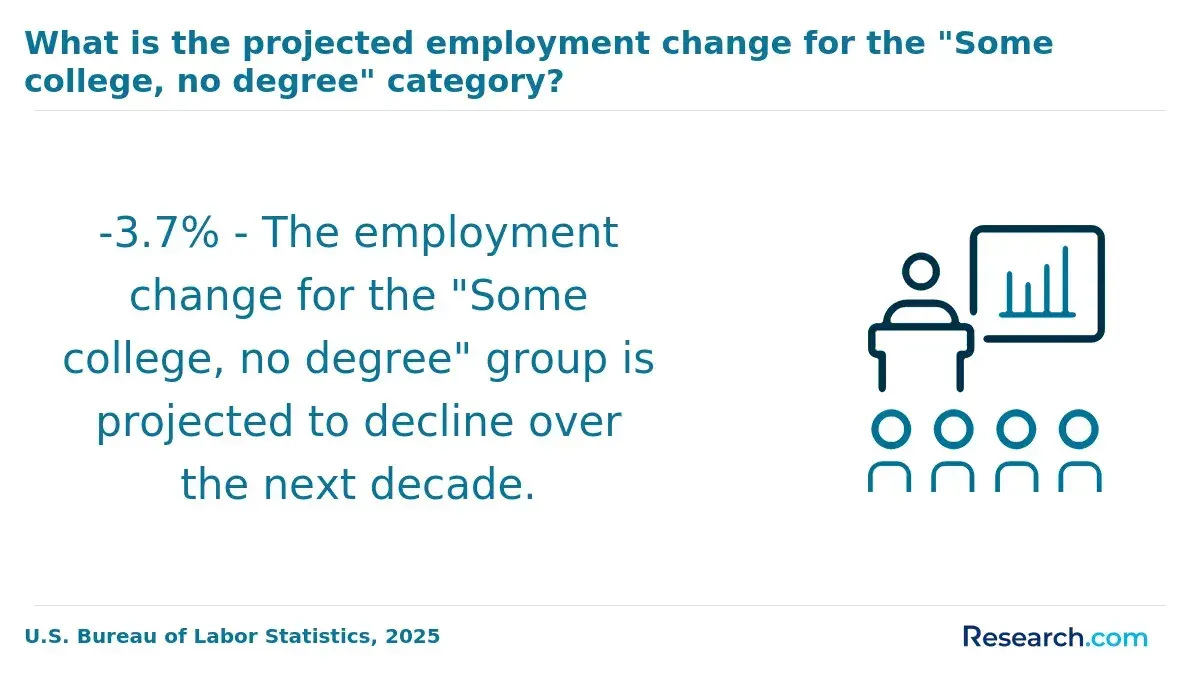
A key workforce consideration is that public health demand in the U.S. is projected to grow by 17% between 2023 and 2033, making practical skills and employer connections critical.
Working professionals should evaluate options that offer part-time enrollment without significantly lengthening degree completion timelines. Integrating modern tools like GIS mapping and public health informatics enhances employability for data-driven positions.
Career services and local agency networks often outweigh lower tuition programs in terms of internship placement and job readiness, especially when geographic proximity affects opportunities.
Prospective students seeking leadership roles should target programs demonstrating employment rates above 85% within six months and curricula tailored to population health analytics, policy analysis, and emergency response management.
Emphasizing practical capstone or practicum experiences with agencies addressing social determinants of health or outbreak response typically results in stronger workforce integration. Those exploring pathways into public health leadership may also consider the best online CAHIIM accredited health information management degree programs for complementary skills in health data management.
How do online public health programs compare to campus-based options for quality and outcomes?
Online public health programs deliver outcomes on par with campus-based options in graduate earnings and employer recognition, but candidates must weigh practical tradeoffs. Simmons University's online bachelor's in public health graduates, for instance, earn median annual wages of $65,418, placing this program in the top 5% nationally for graduate earnings-evidence that well-structured online programs can produce competitive financial returns. Such data reflects a broader trend visible in online public health programs quality comparison analyses.
Employers focus more on competencies than the education mode. Accredited online programs maintain rigorous curricula aligned with workforce demands, ensuring graduates acquire essential skills in epidemiology, biostatistics, and policy analysis. Workforce analysts in state health departments report no bias against online degree holders when practical fieldwork and accreditation are verified.
However, networking and real-time collaboration opportunities, more accessible on campus, require online students to exert extra effort to secure remote or local internships-especially important in community health roles demanding direct stakeholder engagement.
For working professionals, online study offers notable time and cost efficiencies, enabling immediate application of updated knowledge in current roles. The key decision factor is one's ability to self-motivate and independently secure practical experience.
Those seeking insights on program affordability and logistics can explore resources like the healthcare administration degree online California guide for comparative context.
What accreditation should online public health programs have to be recognized and respected?
CEPH accreditation serves as a critical gateway for graduates aiming to enter roles that demand verified expertise in public health methodologies and policy implementation. Employers-especially in government agencies, hospitals, and NGOs-prioritize candidates with degrees from accredited online public health programs in the United States to ensure proficiency in practical skills such as disease surveillance and data-driven interventions.
For instance, epidemic response coordinators at state health departments typically require CEPH-certified degrees to confirm candidates are well-versed in epidemiological frameworks necessary for effective outbreak management.
Accreditation status directly impacts career trajectory by mandating fieldwork or practicum components, differentiating graduates positioned for impactful roles from those limited to entry-level jobs or unpaid internships. This distinction influences not only employability but also salary potential.
According to OnlineU, graduates from CEPH-accredited institutions like the American Public University System achieve a median salary of $60,675, ranking in the top 11% nationally, supported by a reasonable tuition rate of $350 per credit. These figures underscore the value of an earnings-to-cost ratio often overlooked when comparing accredited versus unaccredited programs.
Students pursuing a strategic career pivot should evaluate recognized public health program accreditation bodies early to avoid programs that lack licensing recognition or fail to prepare them for necessary credentialing exams relevant across public policy, environmental health, and community health education sectors.
Those exploring related domains may find additional pathways linked to specialized training such as masters in hospital administration.
Which online public health degrees prepare you for population-level analysis and intervention work?
Programs offering online master's degrees in public health with concentrations in epidemiology, biostatistics, health policy, and community health must deliver targeted skills for population-level analysis and intervention. Among the best online public health degrees for population-level analysis are those accredited by CEPH or an equivalent authority, ensuring graduates develop competencies in data management, statistical software, study design, and intervention evaluation that align with what employers require from government and non-profit agencies.
Many high-quality online MPH programs present cost advantages, with tuition frequently under $30,000 compared to $50,000+ for on-campus options, offering a lower financial barrier while maintaining rigorous outcomes.
Students prepared through practical training-such as proficiency in SAS or R and completion of capstone projects or field practicums-gain marketable skills applicable to real settings like CDC branches or state health departments. For instance, graduates can effectively analyze COVID-19 vaccination trends for local health jurisdictions, reflecting the workforce's demand for immediate analytic capability.
Challenges include balancing paced asynchronous coursework with professional obligations and securing virtual mentorship critical for applied learning. Graduates must meet employer expectations in data visualization, epidemiologic modeling, and cross-sector communication.
Choosing programs focused on public health programs focused on population intervention skills bridges this gap and reduces employment risk. For those considering health-related degree alternatives, resources on cost-effective options such as BSN online pathways can provide useful comparisons.
What core courses and concentrations do online public health programs typically include?
Proficiency in epidemiology remains fundamental in online public health programs, as it equips students to interpret disease trends vital for outbreak response, resource distribution, and risk assessment. Employers increasingly favor graduates who combine quantitative skills with policy analysis, enabling measurable public health outcomes while optimizing budgets.
For instance, health informatics specialists who manage electronic records and disease surveillance systems are in demand across clinical and government sectors, illustrating how skill application aligns with workforce needs.
Selecting an online public health program requires evaluating how its curriculum balances broad foundational training with targeted concentrations. Common specializations such as global health, occupational health, and community health correspond to specific workforce roles-for example, community health professionals design and evaluate programs addressing vaccination campaigns or substance abuse prevention in municipal or nonprofit settings.
However, without integrated software training or practicum experience, graduates may find a gap between academic preparation and job market expectations.
- Core courses focus on epidemiology, biostatistics, environmental health, health policy and management, and social and behavioral sciences.
- Practical training, including internships and regulatory framework exposure, strongly affects post-graduation employability.
- Specializations directly influence job functions and should be selected with labor market demands in mind.
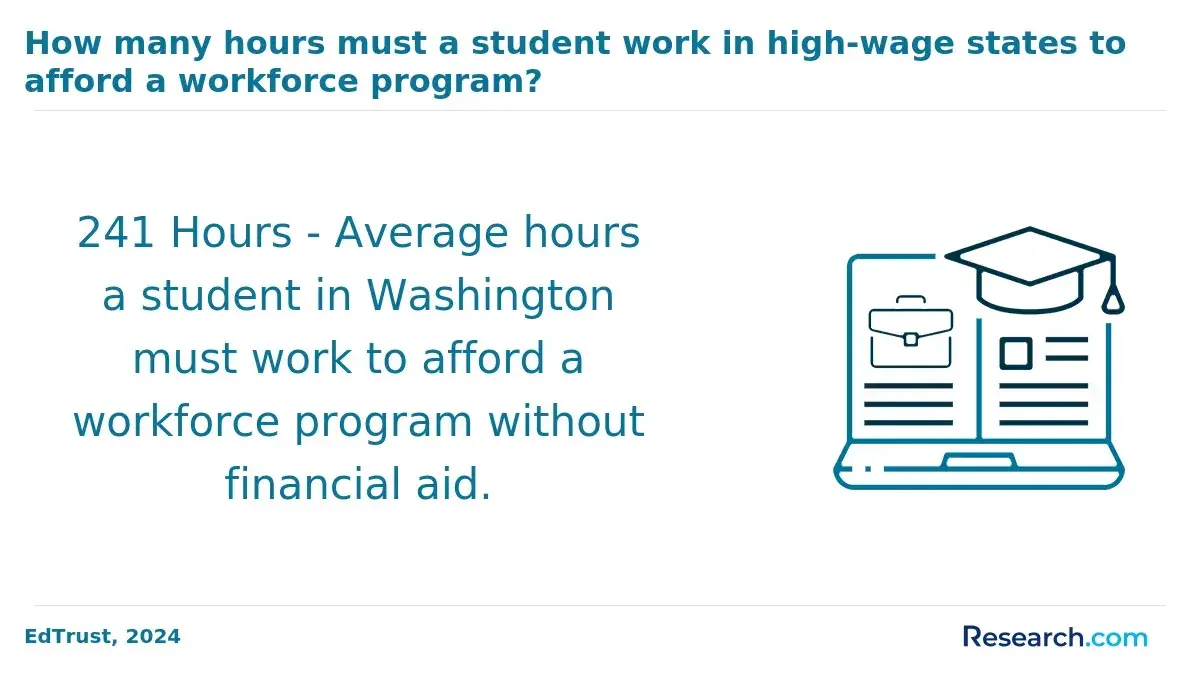
Cost considerations directly influence accessibility and enrollment, especially for working professionals. According to Learn.org, the total cost of an online bachelor's degree in public health averages around $24,000-significantly lower than many traditional four-year programs.
This financial advantage supports those balancing education with employment but also demands scrutiny of program quality and alignment with employer requirements before committing.
What are the typical admission requirements for online public health bachelor's and master's degrees?
Admission into bachelor's programs in public health frequently hinges on prerequisite coursework in biology, statistics, or social sciences, underscoring the interdisciplinary demands of the field. Candidates with healthcare or community service experience improve their competitiveness, as programs increasingly value demonstrated commitment to population-level health challenges. Some selective online programs require a personal statement that clarifies applicants' alignment with public health goals, moving beyond mere academic credentials.
At the master's level, admission criteria tighten with a baseline bachelor's degree and a GPA often not lower than 3.0. Graduate programs may require GRE scores, though many waive this for applicants who bring two or more years of relevant work experience or prior advanced degrees. This reflects employer expectations for applied competencies and the need for practical readiness in public health roles, particularly for accelerated MPH tracks tailored for professionals balancing work demands.
Accelerated online MPH pathways, typically completed within 12 to 18 months, offer a tradeoff: faster degree completion comes with increased course intensity and demands that students align prior experience and coursework carefully to avoid overload.
For those with clinical backgrounds such as nursing or health administration, advanced standing can reduce time to credentialing, which is a strategic advantage for mid-career pivots. These factors highlight that prospective students must weigh program format, admission prerequisites, and personal commitments to optimize both educational investment and workforce integration.
How long do online public health programs take, and what do they cost to complete?
Completing an online master's in public health demands navigating time and financial tradeoffs that differ markedly by program intensity and specialization. Full-time students typically spend 18 to 24 months on programs requiring 42 to 48 credits, including practicum or capstone components tied to real-world settings or supervised remote work. Part-time students should expect extended timelines, often surpassing three years depending on workload and life commitments.
Concentrations like health informatics and data science bring an added layer of complexity by requiring coursework in statistics, programming, and data analytics. These tracks can extend program duration and increase tuition costs due to their technical rigor, but they align with growing employer demand in health departments and research institutions for candidates proficient in data-driven public health solutions.
Students balancing professional roles face a clear choice between accelerated formats that last 12 to 18 months but carry higher tuition, and longer programs with lower per-semester expenses that delay upward career movement. Federal aid and employer tuition assistance vary and often leave gaps, especially for data-intensive specializations requiring additional technology fees.
Those pursuing careers in digital surveillance or predictive modeling should anticipate longer education commitments and higher expenses, justified by stronger workforce positioning and starting salaries backed by Department of Labor data.
What careers can graduates of online public health programs pursue in population health?
Graduates of online public health programs focusing on population health face a complex job market requiring both technical acumen and strategic adaptability. Roles such as epidemiologists, health program managers, and biostatisticians directly confront systemic health issues by designing interventions that operate at the population scale.
For example, epidemiologists employed by agencies like the CDC analyze disease trends to contain outbreaks, while program managers coordinate chronic disease prevention initiatives, demanding strong data interpretation and stakeholder communication skills.
Increasingly, employers across government, nonprofits, and private sectors seek graduates proficient in healthcare analytics-able to manage complex datasets to identify risk factors and guide interventions. This workforce need aligns with the expansion of CEPH-accredited online MPH programs, which are closing gaps in perceived educational rigor compared to traditional campus programs.
Practical experience remains a decisive factor for employability, so programs emphasizing internships or applied projects offer a tangible edge. Yet, students must weigh challenges such as balancing work-study demands and limited face-to-face networking, which impacts access to competitive urban health markets.
Professionals pivoting from clinical backgrounds may find population health degrees facilitate entry into policy development and social determinants research, though success demands proficiency in data fluency and collaborative problem-solving across diverse health settings.
What salary ranges and job outlook can public health graduates expect in the U.S.?
Salary outcomes for public health graduates vary notably by specialization, experience, and sector, with early-career roles like epidemiologists and health educators around $60,000 and senior government or healthcare managers approaching $95,000. Specializations in biostatistics or health informatics often command premiums due to technical demand.
The projected 11% job growth through 2034 favors candidates pairing core public health knowledge with skills in analytics, communication, and project management.
Working professionals reorienting careers face tradeoffs between flexible learning formats-such as online programs accommodating nontraditional schedules-and ensuring those programs impart applied competencies valued by employers.
For example, a student balancing family responsibilities must verify the curriculum's alignment with roles targeted, avoiding purely theoretical content that offers limited advancement.
Sector choice influences trajectory: government roles provide stable but slower salary gains, while private healthcare positions may offer faster progression but require continual reskilling. Graduates targeting agencies like the CDC should anticipate steadier, long-term employment but with more incremental pay increases, unlike private sector roles which reward continuous skill development.
Addressing credential gaps, focusing on applied skills, and understanding subfield market dynamics are essential steps for optimizing long-term employability and salary growth in the evolving U.S. public health workforce.
How can students evaluate and choose a reputable online public health program?
Accreditation from recognized bodies such as CEPH is a foundational checkpoint hiring managers use to verify the legitimacy and rigor of an MPH program. Without this, even a well-structured curriculum may lack credibility in the job market. Choosing programs where faculty actively publish in peer-reviewed journals ensures exposure to current public health challenges and evidence-based practices, which employers value.
Program flexibility is a crucial consideration for working professionals, with asynchronous options enabling balance among job, study, and personal responsibilities. However, less flexible programs may hinder progress for those juggling multiple commitments.
Alignment between curriculum and your target specialization-whether epidemiology, health policy, or community health-is essential. For example:
- Health policy analysts require strong capabilities in data analytics and policy evaluation.
- Aspiring epidemiologists benefit most from intensive biostatistics and research methods training.
Practicum and capstone projects with public agencies provide invaluable applied experience that enhances employability beyond theoretical knowledge. Employment outcome data from PublicHealth.org reveal that such hands-on opportunities often correlate with advancement into six-figure leadership roles within relevant sectors.
Technological infrastructure stability is often overlooked but critical, especially for real-time data analysis training where disruptions translate directly into learning setbacks. Finally, weighing total program cost against tangible returns, including employer partnerships and alumni networks, helps identify programs that deliver genuine ROI rather than just affordability.
Other Things You Should Know About Public Health
Online public health programs vary widely in how much hands-on, practical experience they offer. Many rely heavily on theoretical learning and case studies, which can limit readiness for real-world problem solving unless supplemented by internships or practicums. Applicants should prioritize programs with integrated fieldwork components or opportunities for applied projects, as employers expect graduates to demonstrate practical skills alongside academic knowledge.
In 2027, top online public health programs offer a blend of theoretical knowledge and practical skills through virtual simulations, case studies, and interdisciplinary projects, ensuring students are well-equipped to address population-level health challenges effectively.
Online master's programs in public health typically demand a rigorous commitment comparable to traditional graduate degrees but require more self-discipline due to asynchronous learning formats. Students report high workloads stemming from extensive reading, data analysis, and preparation for applied assignments. Prospective students must realistically assess their time management skills and employer flexibility, as balancing work and study can significantly affect program completion and performance.
Graduating from an accredited online public health program is generally accepted by public health agencies, but candidates from programs without recognized accreditation may face barriers. Public sector employers prioritize candidates with credentials from Council on Education for Public Health (CEPH)-accredited institutions. Additionally, practical experience often outweighs degree format, so combining an online degree with relevant internships or volunteer work improves employability significantly within government roles.
References
- CEPH Accreditation and Benefits http://www.aaphps.org/ceph-accreditation.html
- Online Master's in Public Health (MPH): Review Top Programs https://www.degreesforgood.org/online-degrees/public-health-programs/masters-mph/
- How to choose a bachelor's in public health | edX https://www.edx.org/resources/how-to-choose-a-bachelors-in-public-health
- Master of Public Health Program at the Medical College of Wisconsin https://www.mcw.edu/education/graduate-school/graduate-school-programs/public-health/mph-program
- Top Public Health Research Programs for High School Students https://riseglobaleducation.com/blogs/top-public-health-research-programs-for-high-school-students
- Publichealthdegrees https://publichealthdegrees.org/
- Is an Online MPH Worth It? | University of Bridgeport https://www.bridgeport.edu/news/is-online-mph-worth-it/
- List of Accredited Schools and Programs - Council on Education for Public Health https://ceph.org/about/org-info/who-we-accredit/accredited/
- Second-cycle Studies https://www.amh.edu.pl/public-health/
- Schools of Public Health https://www.apha.org/professional-development/public-health-careermart/schools-of-public-health