2027 Best States for Public Health Career Growth

Co-Founder and Chief Data Scientist
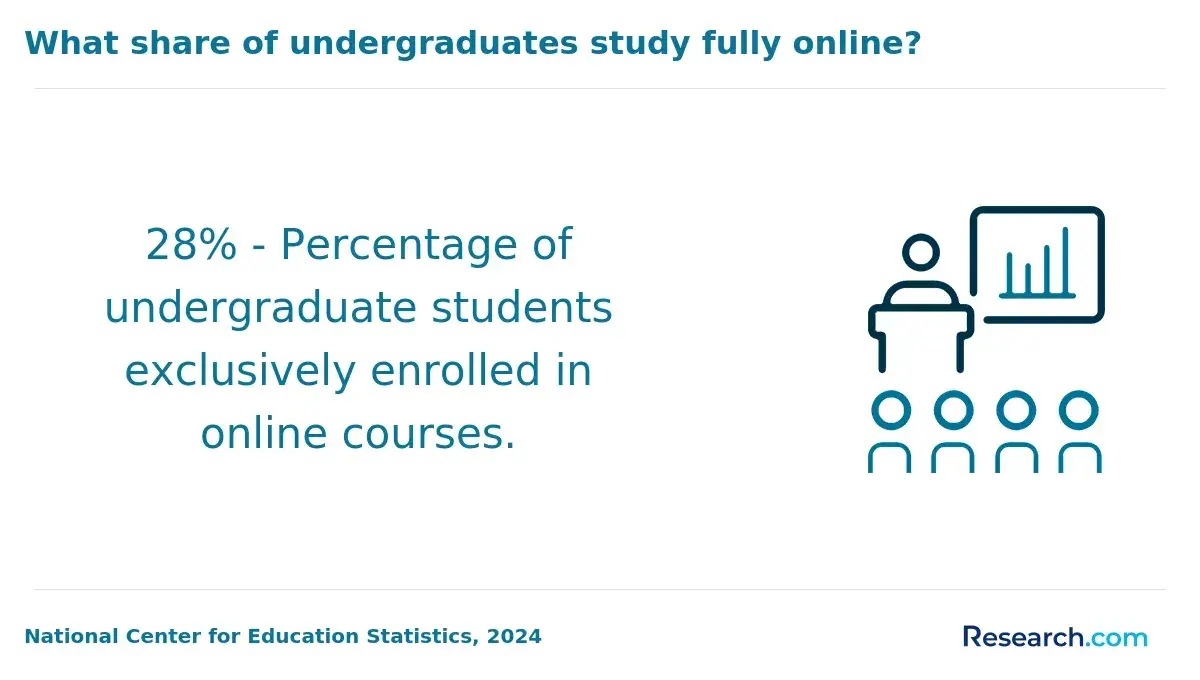
Balancing full-time work with advancing a career in public health often forces professionals into difficult tradeoffs, especially when geographic location constrains access to quality education and job growth. The U. S. Bureau of Labor Statistics projects a 13% increase in public health jobs over the next decade, yet this demand is unevenly distributed across states, making strategic location critical. Meanwhile, nearly 60% of public health graduate enrollees opt for part-time or fully online formats, reflecting a shift toward flexible learning but also complicating decisions about credential recognition and regional employment prospects.
This article identifies the best states for public health career growth to help prospective students and professionals align educational options with workforce realities.
Key Things You Should Know
- States with the highest public health job growth, like California and Texas, show a 7%+ increase in employment but require advanced credentials due to employers' rising preference for MPH or equivalent degrees, limiting entry for bachelor-level candidates.
- Regions with expanding biotech sectors, such as Massachusetts, demand epidemiology expertise combined with data analytics, shifting workforce needs toward dual-skill sets and creating a narrower hiring pool, intensifying competition for specialized roles.
- Cost of living and tuition disparities in top growth states impose a 20-40% higher financial burden on candidates, meaning delayed degree completion often forces mid-career professionals to weigh opportunity costs against accelerated programs offered elsewhere.
Which states currently offer the strongest public health job growth and career opportunities?
Strong employment growth in California, Texas, and New York stems from distinct regional demands that influence public health job availability and specialization. California's extensive healthcare infrastructure emphasizes chronic disease prevention and community health, yielding high workforce needs. Texas combines rural access challenges with urban population expansions, accelerating departmental growth. New York focuses on epidemiology and emergency preparedness roles, backed by state and federal funding. These patterns explain variations in opportunity across the best states for public health job growth.
Salary figures align with national trends, where public health specialists earned approximately $50,999, a 3.6% increase from 2024. Yet, candidates must consider cost-of-living tradeoffs: a $55,000 job in New York provides less disposable income than a $48,000 role in Texas. For those pursuing roles such as policy analysis or community health work, geographic choice directly impacts both available positions and financial outcomes.
Emerging states like Florida and Washington exhibit growing demand but fragment hiring processes and require adaptability. Early-career professionals should prioritize jurisdictions with clear licensure pathways and workforce development programs to reduce hiring friction and enable advancement.
Prospective students targeting a strategic shift into this field should also evaluate program flexibility and duration. For example, exploring the shortest online nurse practitioner program can inform decisions about educational investments relative to career timing.
Among the top states with strong public health career opportunities, Sacramento and Austin stand out for policy roles, while Los Angeles and Houston offer volume-driven community health positions.
How do public health salaries and wage growth compare across different states?
Public health salary trends by state reveal strategic tradeoffs between immediate earnings and long-term wage growth. The District of Columbia leads in job concentration with 46 specialists per 1,000 residents, driving wages above the national median due to dense federal agencies and nonprofits demanding specialized skills. However, this advantage comes with a higher cost of living and intense competition for roles.
States like California, Massachusetts, and New York also offer elevated wages aligned with their major urban centers, yet candidates must weigh income against expensive housing and living expenses. Conversely, markets in the Midwest and South present slower nominal wages but demonstrate faster state-by-state wage growth for public health careers, especially in Texas and Florida where median wages are growing at approximately 5% annually. This differential supports mid-career professionals eyeing locations with upward mobility despite lower starting pay.
Employers increasingly seek candidates who understand geographic-specific health challenges-urban versus rural dynamics, infrastructure capacity, and employer type. This makes assessing local job density, wage trajectory, and cost of living essential in shaping career paths. Additionally, those considering a public health pivot may find value in targeted credentialing strategies, such as a hospital administration course online to enhance institutional readiness and employability in specialized roles.
Which states invest most in public health infrastructure and funding that drive hiring?
States with the highest investment in public health infrastructure demonstrate a clear link between fiscal commitment and workforce compensation, which significantly influences hiring patterns. Idaho, for instance, led in 2025 with public health specialist salaries averaging $63,313-over 24% above the national average-highlighting the tangible financial benefits of targeted state funding. In contrast, states with stagnant or minimal increments in public health funding tend to offer fewer specialized roles and slower hiring growth, limiting advancement for professionals.
Top states funding public health workforce growth-such as California, New York, and Massachusetts-combine robust budget allocations with large-scale program development. These states invest strategically in modernizing data systems and expanding rural health initiatives, creating new roles requiring skills in data analytics and community outreach. Employers in these regions increasingly expect candidates to pair public health credentials with competencies in grant management and quantifiable outcomes, reflecting a shift toward accountability and sustainability in project delivery.
Consider a policy analyst in Massachusetts managing multiple funding layers to maintain community health programs; this scenario exemplifies the complexity workers face, necessitating skill sets beyond epidemiology alone. When evaluating educational pathways, prospective students must weigh these regional industry demands and should consider online MBA programs healthcare management that align with such multifaceted roles.
Choosing institutions or states that demonstrate sustained investment in public health infrastructure helps forecast salary potential and position growth, offering a practical framework for making strategic career pivots within the evolving public health landscape.
What education and training are required to start a public health career in top states?
Advancing a public health career in leading states requires a strategic balance between educational credentials and practical experience. While a bachelor's degree suffices for entry, employers increasingly prioritize a master's degree such as an MPH for roles demanding higher responsibility and technical expertise. In rapidly expanding job markets like New Hampshire-where health care and social assistance are projected to grow 24% over the next decade-graduate-level education combined with internships or practicums offers a measurable advantage by embedding applied skills in epidemiology, health policy, and data analysis.
Professionals shifting into public health from unrelated fields often find value in certification pathways like the Certified in Public Health (CPH) credential, which validates foundational knowledge and enhances credibility across sectors including government, nonprofits, and private health services. Public health career options in underserved or rural areas frequently necessitate additional training focused on community engagement and cultural competency, reflecting distinct population health challenges.
Employers in states with strong sector growth seek candidates proficient in advanced technical tools-GIS mapping, biostatistics software, and health informatics platforms-complementing academic qualifications. Candidates face a tradeoff between entering the workforce immediately with a bachelor's degree versus investing time for a master's degree to access leadership roles and improved compensation. Selecting training programs for public health professionals in leading states that integrate applied practice and certifications is essential for bridging gaps between formal education and employer expectations.
In certain contexts, prospective students might explore related pathways; for example, accelerated nursing programs provide alternative routes into health sectors allied with public health functions and leadership opportunities. Awareness of labor market forecasts and program outcomes remains critical when evaluating educational routes.
Which states have the best accredited public health degree programs and schools?
Choosing an accredited public health degree program involves balancing local industry connections against cost and specialization. California's strong biotech and environmental health sectors enable graduates to secure entry-level roles with average starting salaries around $60,000, but higher living expenses present a notable tradeoff. In contrast, New York's urban health focus suits candidates aiming at epidemiology or health policy; senior salaries there often surpass $120,000, reflecting dense research networks and government agencies. Massachusetts prioritizes research-intensive curricula and healthcare partnerships, preparing students for leadership in community health organizations where hands-on experience is critical. Washington D.C.'s accredited programs cater largely to those pursuing government or federal agency roles, demanding deep understanding of policy and regulations.
Students must match program emphases-whether epidemiology, community health, or policy-with employer requirements that often mandate internships or practicums embedded in local health departments or NGOs. For example, health promotion challenges in California differ substantially from disease surveillance priorities in New York, influencing practical skills and career trajectories.
Attending a non-CEPH-accredited program restricts eligibility for key certifications and access to competitive employment, making accreditation a non-negotiable factor. Prospective students should weigh the tension between low-tuition programs with limited employer networks and high-cost states offering premium salaries paired with strong career services. Strategic decisions here have long-term consequences for employability and career mobility in the public health workforce.
How do online public health degrees compare with campus programs for state-based careers?
Employers in regions with expanding healthcare sectors-projected to add 1.6 million jobs by 2033-frequently favor candidates who demonstrate hands-on experience obtained through campus-based labs, internships, or networking. For roles such as epidemiologists, especially in states with strict licensure requirements, online public health degrees can introduce delays because of limited local practicum coordination. For instance, an applicant lacking access to state-specific internship sites may struggle to meet certification deadlines compared to peers enrolled in campus programs that maintain partnerships with local hospitals and agencies.
While online programs increase accessibility and flexibility, they often require students to independently secure practicum placements and networking connections without direct institutional support. This issue is particularly significant for students targeting state government or public health policy positions, where credential recognition and familiarity with regional regulatory landscapes matter.
Professionals should weigh the convenience of online study against the tangible value of embedded employer linkages offered by campus programs. Those prioritizing seamless integration into state-level public health workforces may find on-site education better aligned with workforce demands, while online degrees demand a proactive approach to filling gaps in practical, state-specific experience.
What entry-level and advanced public health roles are in highest demand by state?
Entry-level public health jobs with the strongest demand tend to focus on roles such as community health workers, health educators, and epidemiology technicians. These positions are concentrated in states with large urban populations or underserved rural areas-for instance, California, Texas, and Florida-and often require a bachelor's degree. These roles provide accessible entry points but typically limit immediate specialization or advancement.
Advanced roles like epidemiologists, health policy analysts, and public health program managers grow mainly in states with dense government or healthcare infrastructure, including New York, Maryland, and Massachusetts. These positions generally demand graduate education and deeper technical skills, introducing a strategic tradeoff between early career flexibility at the entry level versus focused expertise development for upward mobility.
Hiring nuances include:
- States with diverse demographics, such as Washington and Colorado, increase demand for public health data analysts and biostatisticians to support targeted intervention and chronic disease tracking.
- Federal agencies in states like Maryland and Georgia offer accelerated promotion paths but require advanced competencies beyond formal credentials.
- Employers value practical skills like grant writing and program evaluation alongside academic qualifications.
Consequently, prospective professionals should orient themselves toward accredited programs emphasizing experiential learning and internships aligned with regional market needs. Early career decisions should weigh broad foundational knowledge against later specialization in data science, policy, or management to navigate shifting local employment landscapes effectively.
How do licensing, certifications, and state regulations affect public health career mobility?
Licensing and certification requirements create significant friction for public health professionals seeking geographic mobility or remote work across state lines. Unlike licensed healthcare fields with standardized national credentials, public health's regulatory environment is fractured, forcing practitioners to navigate diverse and often nontransferable state requirements. This variability can delay job start dates or require additional certifications, coursework, or exams, directly impacting employment stability.
For example, an epidemiologist moving from a state where the Certified in Public Health (CPH) credential is standard may confront differing recognition or even the need to recertify in a new jurisdiction. Nursing or environmental health specialties face analogous challenges due to state-specific licensing that limits immediate practice upon relocation.
Employers in urban job markets with salary ranges from $70,000 to $130,000 frequently emphasize alignment with state regulatory norms when hiring MPH graduates. This necessitates strategic certification choices tailored to target regions rather than a one-size-fits-all approach.
Key considerations to mitigate career disruption include:
- Assessing reciprocity or additional licensing requirements before applying outside current jurisdiction
- Factoring potential employment gaps during credential transfers or examination retakes
- Targeting state-aligned certifications to maximize market competitiveness and salary potential
This fragmented licensing landscape underscores the importance of early and informed planning for public health professionals pursuing mobility or specialized roles within varied regulatory frameworks.
What are typical tuition, fees, and financial aid options for public health degrees by state?
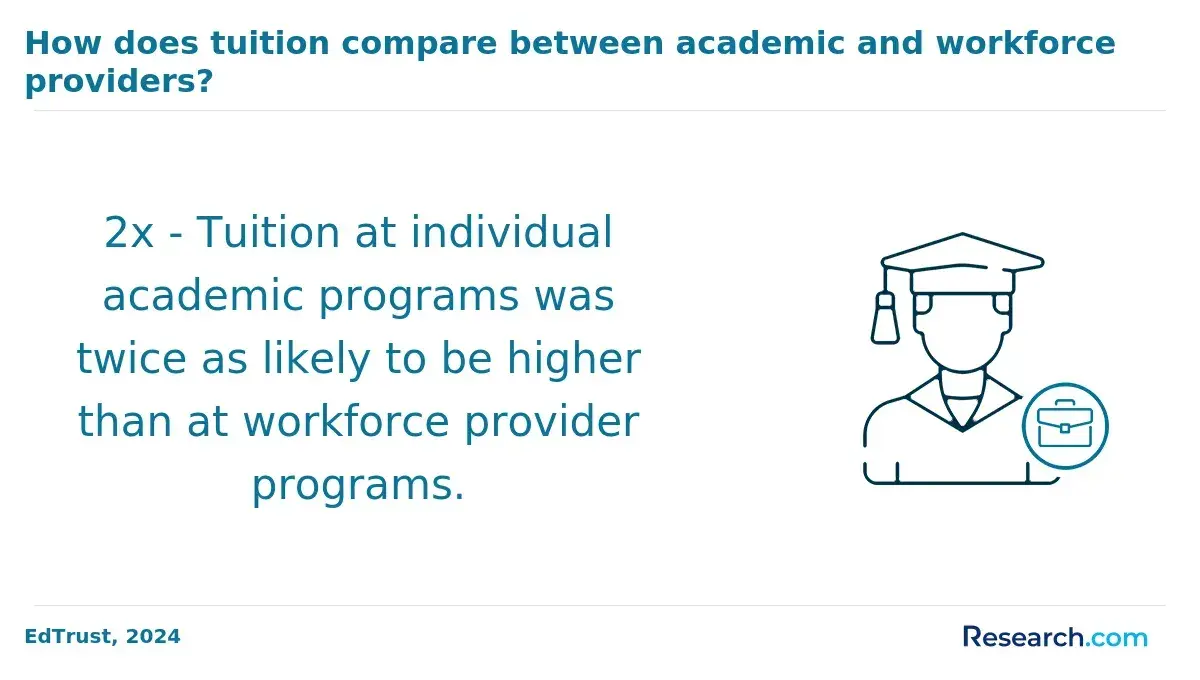
Tuition for public health programs varies significantly by state, influencing the financial feasibility of pursuing this path. For instance, Vermont's in-state undergraduate tuition ranges from $12,000 to $17,000 annually, rising above $35,000 for out-of-state students. Meanwhile, California flagship universities offer more affordable in-state rates around $7,000 to $10,000, though private institutions there often cost over $40,000. These differences force prospective students to balance upfront costs against local job market strength and growth potential.
States like Vermont, with an expected 15% increase in healthcare jobs-well above the national average of 8.2%-present stronger employment prospects but come with higher tuition. Conversely, lower-cost states may offer weaker workforce demand, which complicates return on investment despite lower education expenses. Realistically, students should align their tuition burden and financial aid options with local hiring trends.
Financial aid is a critical factor but requires active navigation. Federal loans, state grants, and institutional scholarships help reduce net costs, but eligibility and application complexity vary greatly. Employer tuition assistance and flexible part-time enrollment options are particularly important for working professionals seeking to minimize interruption and debt while pursuing advancement.
How can students evaluate and choose the best state to launch a public health career?
Choosing a state for launching a career in public health demands analyzing labor market trajectories, wage benchmarks, and educational quality beyond surface-level data. Epidemiology roles are growing nationally by 16%, with median wages near $84,000, while public health data scientists are expanding faster-at 34% growth and earning approximately $113,000. However, states vary considerably in which roles outpace these averages and how aggressively local employers recruit specialists.
Students should prioritize states with robust, accredited public health programs closely aligned with regional labor demands and university-employer networks that facilitate direct employment pipelines. For example, a data science aspirant benefits more from areas with strong health informatics partnerships than from states where public health investment stagnates despite lower living costs.
Practical tradeoffs include comparing median salaries against local cost of living and relocation viability. A burgeoning epidemiologist in Louisiana might find high demand yet modest wages compared to California or Massachusetts, where compensation is better but offset by higher living expenses. Licensing and ongoing technical skills updates specified by employers also shape which state environments are truly conducive to sustainable career growth in public health sectors.
Other Things You Should Know About Public Health
In 2027, Massachusetts, Washington, and Colorado are among the best states for public health career growth. These states benefit from high public health funding, innovative healthcare policies, and strong collaboration between public and private sectors, which foster more job opportunities and professional development in public health.
Urban employers typically expect specialization and experience with diverse populations or complex health systems, while rural areas require broader skill sets due to limited staffing and resources. Professionals targeting rural states should seek programs emphasizing versatile skill development. Prioritizing training that aligns with these expectations improves employability and effective performance in distinct state contexts.
Program length, internship availability, and local employer partnerships vary widely by state and affect hands-on learning and job placement rates. Students should assess programs based on their integration with state health departments or nonprofits for real-world experience. Opting for programs that offer practicum placements directly within the state's public health system enhances immediate workforce entry and networking.
Interstate mobility faces obstacles such as differing licensure requirements, certification reciprocity, and local regulatory frameworks. Professionals must research state-specific credentialing before relocation to prevent career interruptions. Targeting states with mutual recognition agreements or national credential acceptance streamlines transitions and preserves advancement momentum.
References
- Explore Public Health Careers - Public Health https://www.publichealthonline.org/careers/
- Careers https://www.publichealthdegrees.org/careers/
- New Federal Support for the Public Health Workforce: Analysis of Funding by Jurisdiction | KFF https://www.kff.org/covid-19/new-federal-support-for-the-public-health-workforce-analysis-of-funding-by-jurisdiction/
- Top 25 Public Health Programs in the South - MPH Online https://www.mphonline.org/best-mph-programs-south/
- Academic Program Finder https://programfinder.aspph.org/
- Council on Education for Public Health | Council for Higher Education Accreditation https://www.chea.org/council-education-public-health
- Program Fees And Payment Options - PublicHealthU.org https://phu.nextgenu.org/program-fees/
- Careers in Public Health. Life’s Work https://www.publichealthcareers.org/
- Make a Difference by Choosing a Public Health Career | Elmhurst University Elmhurst University Blog https://www.elmhurst.edu/blog/make-a-difference-by-choosing-a-public-health-career/
- What is the Desired Educational Level For a Public Health Career? - Healthcare Management Degree Guide https://www.healthcare-management-degree.net/faq/desired-educational-level-for-public-health-career/