2027 Online Public Health Degrees With International Organization Career Alignment

Co-Founder and Chief Data Scientist
Mid-career professionals aiming to transition into international public health roles face an urgent obstacle: finding flexible, credible online degrees that align with global organization requirements and real-world competencies. The U. S. Department of Education reported a 15% enrollment increase in fully online graduate programs for public health fields since 2023, signaling a shift toward remote learning but also intensifying competition among applicants. This surge reflects both growing workforce demand and learners' need for adaptable schedules amid complex life responsibilities, making strategic program selection vital for timely career advancement.
This article examines online public health degrees optimized for international organization careers, offering actionable insights to navigate this competitive landscape effectively.
Key Things You Should Know
- Online public health degrees take an average of 24 months with tuition costs ranging $15K-$40K; compressed schedules improve time-to-value but may limit networking critical for international agency hiring, per recent NCES data.
- Employers in WHO and UNICEF prefer candidates with experiential global health practicum; purely online degrees without field components risk underqualification despite theoretical rigor, impacting placement rates identified by Devex 2024.
- Alignment with international health career paths demands proficiency in data analytics and policy analysis modules, yet only 38% of 2024-accredited online programs offer these-creating a strategic gap for career pivoters, per CEPH statistics.
What is an online public health degree and how does it prepare you for global work?
Professionals pursuing an online public health degree for international careers must critically weigh how effectively the program equips them for global health work environments that often demand cross-disciplinary expertise and cultural fluency. The curriculum typically integrates epidemiology, program management, and health policy with a focus on international frameworks and humanitarian contexts. This combination prepares graduates to operate within organizations like the World Health Organization or UNICEF, where program evaluation and disease surveillance are essential.
Employers prioritize skills in data analysis, policy development, and culturally sensitive communication, reflecting urgent needs such as addressing the projected global shortfall of 10 million health workers by 2030, especially in low- and lower-middle-income countries. Online programs that emphasize case-based learning and virtual practicums enhance readiness for such challenges but applicants must navigate accreditation, internship access, and regional licensing constraints that impact career mobility.
Key practical considerations include:
- Choosing programs with global health concentrations linked to international agencies
- Ensuring flexible learning formats that accommodate working professionals
- Verifying internship and licensing pathways to align with career goals
The scarcity of qualified health professionals in fragile settings underscores the value of an online public health degree focused on global health work, provided students assess the tradeoffs of program quality, real-world exposure, and credential recognition. Prospective students should also explore specialized offerings such as CAHIIM accredited health information management programs online to complement their public health expertise.
How do online public health programs align with careers in international organizations?
Securing a role within international organizations such as WHO or UNICEF often demands more than an online public health degree alone; employers emphasize candidates with proven epidemiology, health program management, and cross-cultural communication skills that align with real-world requirements. The alignment of online public health programs with global health careers depends heavily on the program's integration of digital collaboration tools and the ability to analyze global health data remotely-capabilities critical to multinational teams.
Professionals pursuing an online public health degree career opportunities in international organizations must also navigate evolving expectations for technical proficiency, including GIS mapping and advanced data analytics. These skills supplement academic credentials and vary significantly by agency and position, representing a non-negotiable filter for many international employers.
Employment outcomes reflect the practical value of these degrees; workforce data from over 53,000 graduates indicate a 73% immediate employment rate, while 6% remain unemployed, suggesting the necessity of choosing programs that emphasize applied skills and internships linked to international or NGO partners. Prospective students should prioritize programs with meaningful practicum experiences to reduce barriers to entry in competitive global health roles.
For a strategic pivot into public health fields, understanding international health governance and diplomacy through scenario-based training is essential. Candidates maintaining full-time roles can benefit from time-efficient online programs that allow concurrent work experience. Those seeking detailed comparisons of program structures might consider resources like health administration degree online for insights relevant to accelerated pathways.
Which types of accredited online public health degrees are best for international roles?
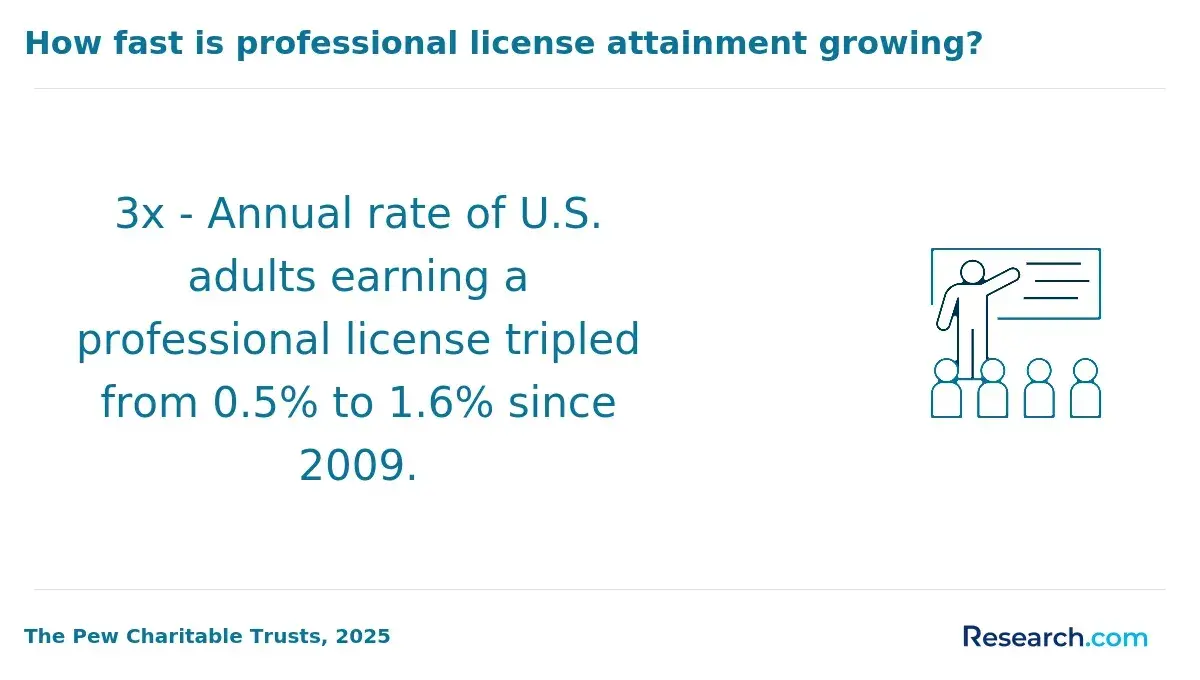
An accredited online public health degree for international careers significantly improves candidacy for roles in major global agencies by aligning with employer expectations for verifiable, standardized expertise. The rise from 14% to 22% of U.S. state and local public health workers holding formal degrees signals a shift toward institutional credentials that international organizations such as WHO, UNICEF, and CDC-based global units prioritize.
Specializations in accredited MPH programs, especially those focused on global health, provide crucial competencies for navigating regulatory complexity, multilingual contexts, and cross-border outbreak management-realities that generic online health certificates often cannot match. Hiring managers seek candidates who demonstrate mastery of epidemiology, health policy, and program evaluation within rigorous curricula.
Practical considerations matter: many top programs combine flexible online coursework with mandatory field residencies or internships. These applied experiences are non-negotiable for securing international placements, underscoring limitations of purely remote MPH completion.
Prospective students evaluating the best online public health programs for global health jobs should weigh the balance between theoretical instruction and experiential learning carefully. The choice impacts employability in roles demanding operational capabilities across diverse cultures and infrastructures. For those comparing pathways, exploring options in masters healthcare administration can also inform cost and curriculum tradeoffs related to health sector leadership.
How do online public health programs compare to campus-based options for global careers?
Online public health degree advantages for international careers must be weighed against tangible experiential gaps typical in fully remote learning. Campus-based programs offer direct access to multinational internships, collaborations, and alumni networks that international employers, such as the World Health Organization or UNICEF, value for candidates' cross-cultural proficiency and applied skills. This practical networking environment often leads to stronger employability and higher salary potential in global roles.
In contrast, online public health degree programs have narrowed this divide by incorporating virtual simulations, global case studies, and digital internships with international NGOs. Yet, the responsibility to secure meaningful field experiences rests heavily on online learners, demanding proactive efforts beyond traditional coursework. Working professionals considering remote degrees should assess how these tradeoffs-lower logistical hurdles versus limited in-person exposure-align with their career goals and capacity for strategic networking.
Salary.com reports that global program managers in international health organizations earned an average of $142,866 annually as of November 2025, with senior experts earning marginally more at $143,753. These figures highlight that hands-on experience, frequently fostered through campus programs, remains a key driver of compensation and career trajectory. For those comparing campus-based versus online public health education for global job opportunities, supplementing online study with targeted fieldwork is essential for maximizing professional outcomes.
Cost considerations are significant, too, especially for working professionals balancing finances and time. For more detailed financial comparisons pertinent to nursing pathways, see the RN to BSN online programs cost comparison, which illustrates how affordability factors into program selection decisions.
What accreditation and public health standards should online programs meet for global work?
Accreditation from agencies like the Council on Education for Public Health (CEPH) directly influences a graduate's ability to access roles with international organizations such as the World Health Organization or the CDC. Without formal validation of program quality and content in epidemiology, biostatistics, health policy, and management, candidates face significant barriers in multinational health sectors where standardized competencies are mandatory.
Aligning curricula to internationally recognized frameworks, such as the Core Competencies for Public Health Professionals, is essential for programs targeting global careers. This alignment fosters cross-cultural communication, systems thinking, and ethical practice-skills critical for professionals transitioning between contexts, for example, from domestic health policy roles to NGO positions in Africa. Employers assess applicant readiness based on demonstrated adherence to these standards.
Salary progression data further reflects the market importance of accredited training: health policy analysts reported an average base salary of $69,520 in April 2025, with advancement to healthcare administrator roles raising average pay to $82,343. These figures illustrate practical value in job mobility and wage growth tied to recognized education standards.
Lastly, programs lacking experiential learning components or international practicums place graduates at a disadvantage when facing cross-national regulatory requirements and program implementation challenges. Real-world exposure remains a critical differentiator in preparing students for the complexities of global public health roles.
What core courses and specializations support careers in NGOs and global health agencies?
Aiming for a career in NGOs or global health agencies requires more than broad public health knowledge; it demands targeted expertise in epidemiology, international policy, program design, and health systems management. These competencies prepare graduates for roles in resource-limited settings, where cross-cultural communication and international legal frameworks are as vital as technical skills. For example, professionals working with UNICEF or WHO benefit from specializations in maternal and child health or environmental health, which directly align with their program priorities and impact scopes.
Specializing in conflict zone health equips candidates for operational realities faced by organizations like Médecins Sans Frontières, requiring navigation of ethical challenges and logistics amid instability. However, the field's workforce data reveals that fewer than 30% of public health graduates enter nonprofit or government sectors, with a majority ending up in clinical or for-profit healthcare roles, a mismatch often driven by program emphasis and limited practical exposure.
Prospective students must critically evaluate options by balancing specialization relevance, network access, and fieldwork opportunities against broad-based public health curricula that may inadvertently steer toward private-sector employment. This tradeoff influences long-term employability within international organizations and reflects the importance of intentional course selection for strategic career pivoters targeting these niche yet impactful sectors.
What admission requirements do online public health programs typically have for working adults?
Admission to online public health programs for working adults commonly hinges on more than academic transcripts, demanding a strategic alignment of qualifications with employer expectations and sector realities. A minimum bachelor's degree with a 3.0 GPA typically sets the bar, but relevant professional experience-often between one and three years in healthcare, nonprofit, or government-can mitigate academic shortfalls and demonstrate applied skills crucial for real-world problem-solving.
Standardized tests such as the GRE are frequently waived for candidates with prior graduate coursework or substantial field experience, shifting emphasis toward practical readiness rather than test performance. Letters of recommendation remain key to validating professional competencies and intellectual rigor.
Applicants must also prepare a focused statement of purpose that reflects targeted career goals compatible with international or global public health organizations. This focus is supported by workforce data indicating that 63% of graduates secure employment within a year in roles requiring multi-agency collaboration and cross-cultural fluency.
Technological proficiency is non-negotiable due to the demands of remote learning, with reliable internet and digital communication skills impacting progression, especially for mid-career professionals balancing work and potential international internships. Language skills and cultural competency certifications add competitive advantage when aligned with organizational needs.
These admission dimensions illustrate a tradeoff: candidates must balance academic credentials, professional experience, and soft skills to position themselves effectively in a competitive, globally interconnected public health job market.
How long do online public health degrees take, and what do they cost overall?
Pursuing an online master's in public health typically ranges from 1.5 to 3 years full time, with part-time paths extending 2 to 5 years due to work and family demands. Accelerated programs may shorten timelines but often restrict specialization options essential for international roles, such as biostatistics or global health analytics.
Cost remains a significant factor: comprehensive MPH degrees averaging 42 to 48 credit hours fall between $30,000 and $70,000 in tuition alone. Students should anticipate an additional 20%-30% for expenses like software, licensing exams, and living costs. Employer tuition assistance may mitigate tuition but often comes with service obligations, which can impact mobility.
Those balancing professional commitments benefit from programs offering flexible scheduling, asynchronous coursework, and clear credit transfer policies. Competency-based models credit prior experience and can shorten degree length and expense.
Salary data highlights how specialization affects earning potential: biostatisticians in public health earn an average of $108,907, rising to $122,158 mid-career. This underscores the value of quantitative coursework for those eyeing careers with international organizations, where analytical skills vastly enhance employability.
What international public health jobs, salaries, and career paths can these degrees lead to?
Pursuing an online public health degree shapes clear pathways but demands a strategic approach to translating academic credentials into impactful roles in epidemiology, emergency preparedness, and global health advisory. For instance, emergency preparedness coordinators in large institutions earn up to $102,000 annually, signaling tangible financial benefits linked to demonstrated crisis management capabilities and sector-specific certifications. However, entry-level salaries in international NGOs or agencies often start lower, reflecting budget constraints and geographic variables.
Success in epidemiology or global health depends on more than coursework; it requires combining quantitative analysis skills with field expertise, adaptability to low-resource environments, and nuanced cross-cultural communication. These practical competencies often come through volunteer work, internships, or part-time roles during study, bridging online education gaps and meeting employer expectations for applied experience.
Working professionals shifting to public health must weigh bureaucratic hiring delays and ongoing education demands against growth potential. Advancement frequently hinges on credentials in global health security or emergency management and evidenced impact within crisis zones or policy development.
Key considerations include:
- Balancing flexible online study with experiential learning to avoid skill deficits
- Navigating modest starting salaries while planning longer-term trajectory
- Recognizing geographic and institutional hiring nuances that affect job timing and compensation
Prospective students benefit by aligning degree choices with concrete skill-building opportunities and realistic sector conditions to maximize employability and actualize the increasingly critical role of public health professionals internationally.
Which certifications, language skills, and field experience strengthen global public health careers?
Employers in international public health prioritize candidates demonstrating specific certifications like Certified in Public Health (CPH) or Project Management Professional (PMP) alongside practical language skills, particularly in United Nations official languages such as French or Spanish. These competencies directly impact a candidate's ability to engage with local stakeholders in multinational agencies or NGOs, reducing dependence on translators and improving program responsiveness.
Field experience in austere or epidemic-response settings remains indispensable. For example, managing tuberculosis projects in Southeast Asia requires on-the-ground adaptability that classroom training cannot replicate. Recruiters favor applicants with substantive internships or funded fieldwork because they minimize onboarding time and deliver immediate operational contributions.
The U.S. Bureau of Labor Statistics reports a median annual wage of $117,960 for medical and health services managers, with job growth projected at 23.2%. This data signals that integrating advanced certifications, relevant languages, and documented international experience enhances upward mobility and wage potential. Candidates lacking these qualifications often encounter longer entry periods and restricted advancement.
Key employability drivers include:
- Validated skill sets through recognized certifications
- Proficiency in at least one non-English UN language
- Measurable field impact in relevant global health environments
Strategic combinations of these factors align with real-world agency expectations, translating into roles with greater influence and sustainable career progression over time.
Other Things You Should Know About Public Health
Not all online public health degrees meet the same academic rigor or practical training standards expected by international organizations. Employers prioritize programs with strong experiential components, such as applied research projects or international internships, which many fully online formats struggle to provide. When evaluating programs, prioritize those offering hybrid options or partnerships with global health agencies to ensure real-world skill development that aligns with employer expectations.
Online public health programs often have demanding workloads that require balancing coursework, group projects, and field experience, which can be challenging for full-time workers. Those targeting international roles should anticipate intensive time commitments, particularly in courses involving epidemiology or biostatistics. Choosing programs with flexible pacing or asynchronous elements allows working professionals to maintain job performance while acquiring specialized competencies essential for global health work.
Generalist degrees offer broad foundations but may lack the technical depth international organizations require for specific roles, such as emergency response or health policy. Specialized tracks increase employability in niche areas but narrow career flexibility and can be more competitive. For career advancement, prioritize degrees that balance core competencies with a specialization aligned to your targeted agency's mission and current global health trends.
Students can align their online public health degrees with international careers by selecting programs with globally focused curricula, seeking internships or networks with international bodies, and emphasizing cross-cultural communication skills. Courses related to global health policy, epidemiology, and health management are highly valuable.
References
- 15 Best Certifications for Public Health Officers in Nigeria (2026 Guide) | Profolio https://www.profolio.ng/public-health-officer/best-certifications
- MPH https://www.publichealthdegrees.org/program/masters/mph/
- Best Online MPH Degree Programs for 2025 https://www.princetonreview.com/grad-school-rankings
- What Can I Do With an Online Bachelor’s in Public Health? - MPH Online https://www.mphonline.org/jobs-online-bachelors-public-health/
- Public Health Needs People With Diverse Skills and Backgrounds—Here Are 9 Careers to Consider https://careercenter.emmanuel.edu/blog/2025/10/23/public-health-needs-people-with-diverse-skills-and-backgrounds-here-are-9-careers-to-consider/
- Vacancies for "master's in public health" | UNjobs https://unjobs.org/skills/masters-in-public-health
- A Realistic Guide to International NGO Careers https://www.mdbjobs.com/p/a-realistic-guide-to-international
- Master of public health degrees: Which program do I choose? - CanWaCH https://cansfe.ca/article/master-of-public-health-degrees-which-program-do-i-choose/
- Working in Global Health https://www.albany.edu/globalhealth/working-global-health
- Global Healthcare Accreditation https://www.globalhealthcareaccreditation.com/healthcare-home