2027 Public Health Specializations for Health Promotion Careers

Co-Founder and Chief Data Scientist
Determining which specialization can reliably accelerate a career in health promotion presents a complex challenge amid shifting workforce demands and evolving program delivery models. With the U. S. Bureau of Labor Statistics projecting a 13% growth in health educator roles by 2032, prospective students must consider not only occupational demand but also how program flexibility impacts timely completion and skill relevance.
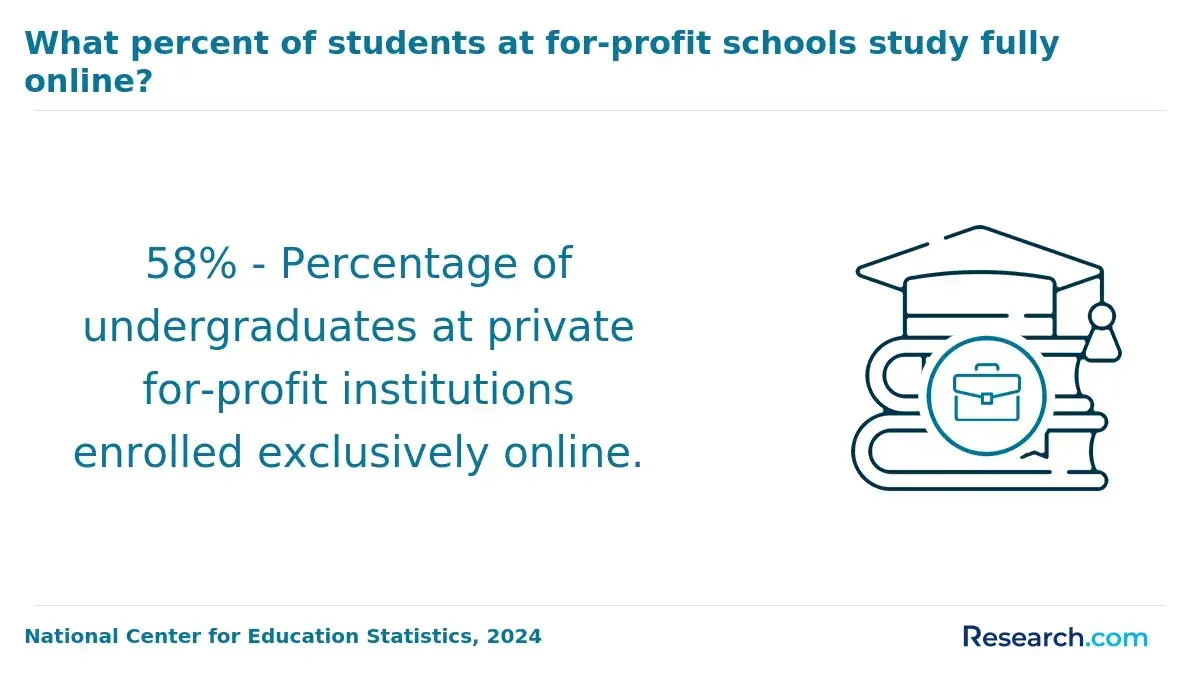
A National Center for Education Statistics report from 2024 highlights a surge in adult learners enrolling in online public health programs, signaling a preference for accessible formats that accommodate professional schedules yet vary widely in practical applicability. This article clarifies current public health specializations optimized for career mobility and guides decisions aligned with real-world employment outcomes.
Key Things You Should Know
- Specializations in epidemiology yield 25% higher median salaries but demand advanced statistical proficiency, delaying workforce entry by 1.5 years per National Science Foundation 2024 data.
- Employers prioritize candidates with community health specialization for direct service roles, correlating with a 37% lower turnover rate reported by the U.S. Bureau of Labor Statistics 2025.
- Health policy and management tracks require costly certification ($2,300 average via professional bodies), creating access barriers that affect underrepresented groups' career advancement per 2024 AAMC workforce research.
What are the main public health specializations for health promotion careers?
The leading public health specializations for health promotion careers reveal distinct tradeoffs affecting employability and skill requirements. Community health promotion, for example, targets frontline intervention strategies responding to social determinants of health, offering a median wage of $50,140 in 2023 and faster-than-average job growth projected at 11% through 2034. This pathway suits those seeking hands-on roles in underserved settings, emphasizing cultural competency and practical outreach.
Conversely, epidemiology demands robust graduate-level training in quantitative methods and research - a barrier that narrows flexibility but grants access to policy-shaping roles in government and large healthcare institutions. Health education blends curriculum design with communication skills to improve health literacy across diverse populations, while behavioral science applies psychological theories to influence individual and community health behaviors, often in workplace wellness or chronic disease management environments. Policy advocacy requires navigating political and socioeconomic complexities to influence health regulations and funding priorities at a population level.
Choosing among these key public health career paths in health promotion depends heavily on workforce context and long-term alignment with employer expectations. For instance, a student considering a specialized degree may also evaluate programs related to clinical mental health counseling to broaden their intervention skills. Understanding the practical implications and limitations of each specialization helps professionals strategically position themselves within the evolving public health labor market.
How do community health, health education, and behavioral science specializations differ?
Choosing between community health, health education, and behavioral science specializations demands weighing distinct workforce realities and practical tradeoffs. The community health specialization differences in health promotion notably involve systems-level intervention skills and policy advocacy that suit roles within local health departments and nonprofits focused on population-wide impact. This path tends to require comfort with epidemiological data and resource coordination under community constraints.
Health education careers prioritize instructional design and communication strategies targeting behavior change through tailored programs. A notable indicator of demand is that 87.3% of public health education and promotion degrees completed in 2023 were at the bachelor's level, with 3,807 graduates reporting a median early-career wage near $44,875. This reflects solid entry-level opportunities but signals the necessity of advanced skills or graduate credentials for progression. These roles commonly appear in school systems, corporate wellness, or governmental outreach.
Behavioral science versus health education careers diverge primarily in analytical depth; behavioral science integrates psychology and empirical data to shape interventions in mental health or chronic disease management. Careers here often require graduate training to access research or clinical positions, while still offering evaluation roles that leverage data insights. Employers expect specialized expertise in behavioral theory combined with quantitative methods.
Integrating workforce realities with academic pathways, students should also consider cost factors such as hospital administration course fees, which impact total educational investment and inform decision-making for strategic pivots or advancement within public health fields.
Which degree pathways best prepare students for health promotion roles?
Employers in health promotion increasingly require graduates with targeted skills in applied epidemiology, data analysis, and program evaluation, making bachelor's and master's programs specializing in community health education and health behavior crucial. A master's degree, notably a Master of Public Health (MPH) with a focus on health promotion or epidemiology, aligns with workforce demands for advanced analytical and evidence-based decision-making competencies in leadership or research roles.
Employment projections illustrate this priority: epidemiologists in the U.S. are projected to grow 16% between 2023 and 2034, with a 2023 median salary of $83,980 reflecting the specialization's market value. Students pursuing health promotion degree programs in the United States face significant barriers if their education lacks quantitative rigor or hands-on experience in statistical software, grant writing, and policy impact assessment.
Practical tradeoffs affect degree choices depending on career context. Government and nonprofit roles favor degrees emphasizing community engagement and applied epidemiology, while corporate wellness positions benefit from organizational health management and communications expertise. Degrees missing current health data analytics exposure generally reduce employability in this competitive environment.
Prospective students should weigh these factors when exploring undergraduate and graduate degrees for health promotion careers. Programs integrating practicum or internships bridge theory and practice effectively, improving job readiness.
For those considering further specialization, exploring options such as a health care administration masters can provide complementary management skills useful for broader public health leadership roles.
What public health coursework focuses specifically on health promotion and disease prevention?
Choosing public health courses in health promotion and disease prevention involves grappling with the balance between quantitative rigor and applied intervention skills. Coursework focuses on behavioral science, epidemiology, and community health strategies to curb risks like tobacco use and physical inactivity. Core classes such as Chronic Disease Epidemiology and Environmental Health train students to create programs that meet diverse cultural and demographic needs, preparing them for roles across government agencies, NGOs, and healthcare systems. These programs emphasize practical skills in designing, implementing, and evaluating interventions targeted at reducing disparities.
Working professionals pivoting into this field often take additional courses in Health Communication and Public Policy, enabling influence over community-wide behavior and regulatory landscapes. Analytical competencies, particularly in biostatistics, are essential for measuring program outcomes and meeting employer expectations focused on evidence-based prevention strategies. Employment projections show a 23% growth for related roles like medical and health services managers from 2023 to 2034, with a median wage near $118K, highlighting the tangible workforce demand for leaders versed in these areas.
Prospective students must weigh the academic intensity and the need for hands-on practicums to gain real-world insights into population health management complexities. A practical decision includes examining alternatives like RN to BSN online programs to build foundational clinical expertise before specializing. Navigating health promotion and disease prevention strategies in public health coursework thus requires realistic assessment of individual career goals and readiness to engage with evolving health threats.
How do online and campus public health programs compare for health promotion training?
Choosing between online and campus-based public health programs hinges on a clear understanding of employer expectations and practical learning needs. Campus programs offer immersive, hands-on experiences through real-time collaboration, faculty mentorship, and on-site community projects, which are frequently valued by hospitals and public agencies prioritizing documented applied experience and interpersonal skills.
Online programs cater well to professionals balancing work and family by providing flexibility and removing geographic constraints. However, they demand high self-direction and may lack the depth of direct community engagement, despite increasingly sophisticated virtual simulations and remote practicums. This tradeoff often aligns with tech firms or consulting agencies that emphasize analytical and digital competencies over field-based experience.
Key considerations include:
- Campus training fosters critical cultural competence and outreach skills through face-to-face interaction.
- Online education reduces relocation and commuting expenses but may limit access to scholarships and assistantships.
- Both require proficiency in data analytics and grant writing, especially given funding growth in global health sectors.
Candidates targeting leadership roles should evaluate hybrid or field placement options to integrate theoretical knowledge with practical impact. Ultimately, a strategic decision aligns educational mode with specific workforce sectors, balancing flexibility against experiential learning and community engagement demands, as evidenced by differential employer priorities in campus versus online credentials.
What accreditation should public health programs have for credible health promotion careers?
Employers in public health consistently prioritize degrees with Council on Education for Public Health (CEPH) accreditation because it aligns curriculum with workforce standards essential for measurable health outcomes and regulatory compliance. Candidates lacking CEPH credentials often encounter barriers, including reduced eligibility for federal roles and limits on professional certifications, particularly in specialized fields like environmental health where competencies in epidemiology and biostatistics are non-negotiable.
Consider the challenge for professionals entering environmental health promotion amid widespread air quality crises documented by the World Health Organization, where 99% of the global population experiences unsafe air and 7 million premature deaths occur annually. CEPH-accredited programs uniquely prepare graduates through hands-on practicums and policy-focused training that non-accredited alternatives frequently miss.
Tradeoffs become clear when evaluating non-CEPH programs: absence of rigorous experiential learning, gaps in emergency preparedness education, and inconsistent recognition by governmental agencies limit career mobility. For students pivoting from allied health fields, the lack of foundational theory and applied knowledge can stall progress in public health domains.
Actionable steps include verifying accreditation early and weighing the practical implications of program choice on credit transferability, certification eligibility, and network access critical to workforce integration. While CEPH accreditation does not guarantee employment, it substantially raises readiness for the demands of public health roles in both governmental and nonprofit environments.
What are typical admission, program length, and tuition requirements for these degrees?
Admissions to public health specialization programs require a relevant bachelor's degree, typically in health sciences or biology, with a minimum GPA around 3.0 and completion of foundational courses in biology, chemistry, and statistics. Applicants targeting biostatistics or data science tracks often must demonstrate quantitative skills through prior coursework or standardized tests like the GRE, though some waive this for experienced candidates.
Program duration differs by degree and delivery mode: a Master of Public Health (MPH) generally spans 18 to 24 months full-time; specialized master's degrees in biostatistics often last 2 years, while doctoral studies may extend 4 to 6 years depending on research demands. Part-time or online formats increase flexibility but prolong time to workforce entry or progression, a critical tradeoff for working professionals.
Cost varies widely-annual tuition ranges from approximately $15,000 to over $45,000 at public and private institutions. Online options may lower direct tuition but can include out-of-state fees. Opportunity cost is significant: full-time study disrupts income flow, whereas part-time study delays advancement.
In the U.S. public health job market, over 70% of biostatistics and data science listings require strong analytics capabilities. For instance, epidemiology roles within government agencies frequently demand advanced statistical training beyond what general public health programs offer. Prospective students must weigh program rigor and expenses against these employer expectations and their own career timing.
What entry-level and advanced careers can public health promotion specialists pursue?
Entry-level roles in public health promotion frequently require adaptability to diverse community needs while managing limited resources. Positions like health educators and community outreach coordinators primarily focus on implementing campaigns among vulnerable populations, often guided by data such as the global maternal mortality rate, which WHO reports at 223 deaths per 100,000 live births, predominantly in low-income regions. Early-career professionals must master community engagement and culturally relevant messaging to affect these critical health outcomes effectively.
Advancing beyond foundational roles involves graduate-level expertise where professionals such as epidemiologists and program directors direct policy and strategic initiatives. For example, a program director overseeing a state maternal health program must navigate complex funding streams and coordinate multisector partnerships to allocate resources where maternal mortality is highest. This level demands skills in translating epidemiological data into actionable policies that address systemic disparities detailed in the World Health Statistics 2024.
Certification often impacts employability across career stages. Entry-level workers balance the opportunity for hands-on experience in underserved areas against often lower pay, while advanced specialists face the challenge of aligning academic credentials with negotiation and leadership skills in multifaceted environments. Clear career pivots require assessing educational programs for practical applicability, especially given the need to meet diverse employer expectations and the realities of geographic and sector-specific demands.
What salary ranges and job outlook can health promotion professionals expect?
Income trajectories for health promotion professionals vary sharply based on sector, specialization, and location, with starting salaries between $45,000 and $60,000 and possible earnings exceeding $90,000 in senior or specialized roles. Employment growth for health education specialists is projected at 17% over the next decade, significantly outpacing many other occupations due to escalating needs in managing chronic diseases and injury prevention. This growth is not uniform; urban centers typically offer higher salaries aligned with more robust health infrastructures but come with intensified competition, while rural areas present fewer positions and lower pay but less competition.
The ability to adapt to employer demands-particularly proficiency in health informatics, behavioral interventions, and cross-sector collaboration-is a critical career determinant. Without these skills, wage stagnation and limited advancement are common. Professionals with skills in data analytics or policy experience faster progression and command higher wages compared to those focused primarily on outreach or education.
Decisions around specialization and credentialing have long-term salary and stability consequences. Roles in chronic disease prevention within federal agencies generally offer stronger compensation packages and job security compared to community-based nonprofits focused on injury prevention. Obtaining credentials such as Certified Health Education Specialist (CHES) or pursuing graduate study in epidemiology or health policy substantially enhance negotiation leverage and career resilience in this competitive landscape.
Employing a strategic balance between educational investment, skill acquisition, and sector choice is essential for professionals aiming to optimize their positioning within the evolving public health workforce.
Are certifications like CHES or MCHES needed for health promotion roles?
CHES and MCHES certifications function as gatekeepers in many U.S. public health roles, especially within government and nonprofit sectors where they serve as proof of standardized competency. For example, mid-level coordinators in state health departments often must hold CHES credentials to comply with federal funding rules and maintain alignment with national education standards. In contrast, private employers or international agencies may value advanced degrees or direct experience more than certification, illustrating a significant sectoral divide.
The decision to pursue these certifications requires balancing several factors:
- CHES demands a bachelor's degree in health education or a related field and passing a rigorous exam, suited for early-career professionals.
- MCHES requires additional professional experience and a higher skill level, which aligns with leadership or specialized roles.
- Costs include examination fees, renewal fees, and time investment, which can compete with other educational expenses such as tuition.
For example, obtaining an MSc in public health with a health promotion focus can involve tuition fees exceeding £13,000 for UK students and nearly £30,000 for overseas students at leading UK institutions. In the U.S., certification costs add to overall expenses but can enhance eligibility for federal and state roles with better salary structures. Without certification, professionals risk stagnation in wage and position advancement within structured public health systems.
Pragmatically, those targeting roles at agencies like the CDC should secure at least CHES certification beforehand. Academic or policy analyst candidates might defer certification until after gaining experience, aiming for MCHES to access senior roles over time.
Other Things You Should Know About Public Health
A master's degree in public health can significantly enhance career advancement opportunities in 2027. It equips professionals with advanced skills needed for roles in health education, policy development, and program management, and is often preferred by employers seeking candidates for leadership positions in health promotion.
Most CEPH-accredited MPH programs require a supervised practicum of at least 42.5 contact hours, and many require 80 to 120 hours for health promotion tracks. Students usually complete the placement with a community agency, health department, or nonprofit before graduation.
In 2027, emerging specializations in public health for health promotion include digital health communication, global health security, and mental health advocacy. These fields are growing due to increased focus on technology integration, pandemic preparedness, and the rising importance of mental well-being in public health.
References
- Choosing an MPH Specialization - MPH Online https://www.mphonline.org/choosing-an-mph-specialization/
- Careers https://www.publichealthdegrees.org/careers/
- Navigating Your Future in Public Health: The Value of Accreditation https://masterspublichealth.com/accredited-school-of-public-health/
- Social and behavioral Science https://www.chonlatit.com/bs/topicDisplay.php
- Careers in Public Health. Life’s Work https://www.publichealthcareers.org/
- College Requirements: Understanding What Colleges Expect https://cbrg.info/college-requirements-guide/
- Admission Requirements | Undergraduate Admissions + Programs https://www.ualberta.ca/en/admissions/how-to-apply/admission-requirements/index.html
- Public Health Jobs | Public Health Jobs in the UK | Publichealthjobs.co.uk https://publichealthjobs.co.uk/
- Admission Requirements | Graduate & Postdoctoral Studies https://graduatestudies.uoguelph.ca/future/apply/requirements
- Working in health promotion and becoming CHES certified https://phspot.org/working-in-health-promotion-and-becoming-ches-certified/