2027 Best Online Bachelor's in Public Health for Mission-Driven Career Changers

Co-Founder and Chief Data Scientist
Facing a rigid job market and unpredictable schedules, mission-driven professionals aiming to transition into public health often struggle to find degree programs that balance flexibility with rigor. Recent data from the National Center for Education Statistics shows over 40% of undergraduates now enroll exclusively in online courses, reflecting a major shift toward accessible, career-compatible learning. This trend signals growing demand for programs that accommodate working adults without compromising academic quality or employer recognition. For career changers, choosing an online bachelor's in public health requires careful evaluation of program structure, accreditation, and real-world outcomes. This article identifies top online bachelor's programs tailored to strategic, mission-focused career advancements in public health.
Key Things You Should Know
- Online bachelor's in public health programs average 6-8 years for part-time career changers, doubling typical full-time rates per NCES, requiring candidates to balance opportunity costs against accelerated workforce entry.
- Employers increasingly favor graduates with applied data analytics and health informatics exposure, with 65% of public health roles in 2025 demanding skills beyond foundational epidemiology, per Bureau of Labor Statistics trends.
- Programs lacking verified accreditation or insufficient field practicum components yield 20% lower mid-career salary growth, indicating tradeoffs between cost savings and long-term employability noted in 2024 market analyses.
What is an online bachelor's in public health?
Choosing an online bachelor's in public health programs involves weighing flexible delivery against key practical challenges. This pathway is especially suited for career changers seeking to integrate foundational knowledge in epidemiology, biostatistics, health policy, environmental health, and community health promotion into their skill set while managing existing personal or professional commitments. The asynchronous nature of many programs permits engagement on a schedule conducive to working adults, but students must maintain strong self-discipline to meet practicum or fieldwork requirements, which remain essential for professional credibility and accreditation.
Employers expect graduates to demonstrate competencies in data interpretation, program planning, and culturally competent communication from day one. For instance, a professional transitioning from customer service can immediately leverage community outreach strategies to engage underserved populations-an asset that boosts employability in public health roles. Still, remote formats limit in-person networking, a valuable element in many public health careers.
The U.S. Bureau of Labor Statistics projects 7% employment growth for health education specialists and community health workers from 2022 to 2032, signaling stable demand. This makes a flexible public health degree for career changers a strategic option for those targeting prevention, wellness, or population health management sectors. Students interested in advanced clinical roles might consider complementary pathways, such as accelerated PMHNP programs, to diversify qualifications within healthcare.
How do you choose an accredited online public health program?
Accreditation is a non-negotiable criterion when choosing accredited online public health degree programs. Regional or national accreditation recognized by the U.S. Department of Education or CHEA ensures both academic rigor and employer recognition, as well as eligibility for federal financial aid. For career changers, prioritizing programs that combine applied learning with core subjects in epidemiology, biostatistics, environmental health, and health policy directly affects employability in roles like community health workers or health data analysts.
Assessing program outcomes through metrics such as graduate wages and job placement rates provides practical insight. For instance, Oregon State University's online B.S. in Public Health graduates have a median annual wage of $60,183 after four years, indicating the economic value of a quality curriculum. However, such outcomes should be balanced against flexibility factors-students juggling professional and personal commitments benefit from asynchronous formats and clear policies for credit transfer, which are crucial in best online public health schools for career changers.
Additional considerations include the program's engagement with current health challenges via data-driven decision-making and CEPH accreditation, which underpins advanced credentialing and graduate study options. Verification of technology requirements, career services, and alumni networks is equally important for those pivoting their careers. For professionals seeking interdisciplinary advancement, programs that provide bridging courses for gaps in science and statistics can ease the transition.
Those evaluating related graduate pathways may also examine options such as an online masters in healthcare management that emphasize leadership and administration skills, complementing public health expertise.
Which online public health schools are best for career changers?
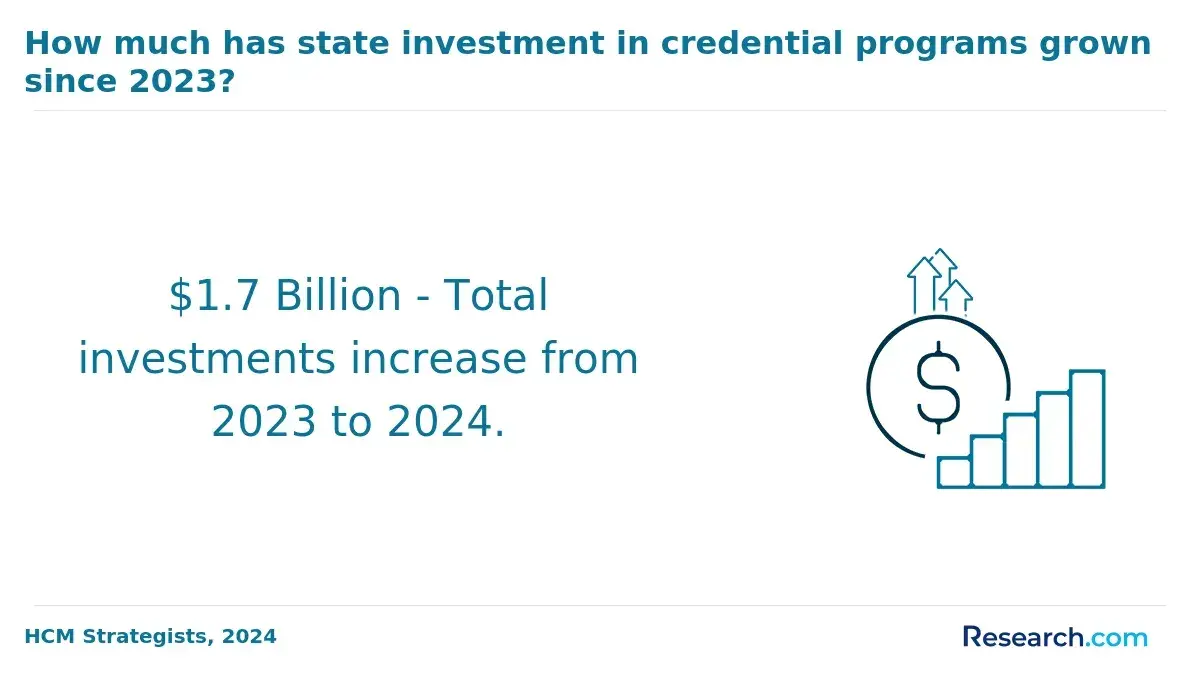
Career changers pursuing the best online bachelor's in public health programs for career changers must navigate financial tradeoffs and curricular relevance to ensure a strategic pivot. State universities offering in-state tuition near $10,740 annually present significant cost advantages over out-of-state or private nonprofit options, which often exceed $27,000 to $38,000. These financial differences rarely translate into proportionately higher employment or salary prospects, highlighting the need for affordable, credit-transfer-friendly programs that accelerate completion and reduce debt.
Consider a professional shifting from administration into epidemiology. Programs providing concentration tracks in epidemiology, biostatistics, or health policy with applied capstone projects equip students with skills directly applicable to workforce needs. Asynchronous courses and practicum placements accommodate working adults, minimizing study-work conflict while expanding practical experience. Institutions with strong employer connections in healthcare or government sectors enhance job placement chances by aligning curricula with demand.
The top online public health schools for mission-driven career changers emphasize transparent fees and financial aid tailored to adult learners. Evaluating accreditation, faculty expertise, and graduate employment rates offers indirect quality measures to offset upfront costs. Candidates should also assess if programs integrate digital and data-driven competencies essential for today's versatile public health roles. For those balancing multiple commitments, exploring related pathways such as online RN programs for non nurses in Florida may present alternate routes for entering health fields with flexible schedules and practical entry points.
What will you study in an online public health degree?
Online bachelor's in public health curriculum prioritizes quantitative proficiency and policy fluency tailored to diverse professional backgrounds. For instance, mid-career adults shifting from business might concentrate on biostatistics and health informatics, critical for navigating healthcare operations and insurance risk. In contrast, those from social work often focus on health promotion and policy, aiming to design community-based interventions. This differentiation in core subjects in public health degree programs reflects real-world workforce demands, requiring adaptability across epidemiology, biostatistics, community health promotion, and health policy.
Programs that integrate applied practica or capstone projects enable graduates to simulate problem-solving scenarios relevant to public agencies, nonprofits, or private firms. Employers increasingly expect cross-disciplinary expertise combined with technological literacy. Flexibility in online course delivery accommodates working professionals, though candidates must weigh tradeoffs regarding real-time collaboration, internships, and elective specialization depending on career goals and certification requirements.
Income data from OnlineU show Simmons University's online public health graduates earn a median of $65,418, positioning them among the top 5% nationally and contradicting assumptions about online format outcomes. Prospective students should validate program structure rigorously, including how curricula prepare for certification and competitive labor markets.
For those exploring flexible advancement paths, the cheapest fastest RN to BSN online options represent an adjacent healthcare education avenue worth consideration.
Can you finish an online public health degree while working full time?
Balancing a full-time job while pursuing an online public health bachelor's degree demands selecting programs explicitly designed for busy professionals, particularly those offering asynchronous coursework and flexible deadlines. For example, an epidemiologist engaged in shift work may struggle with synchronous sessions, making recorded lectures and adjustable timelines essential to progress without compromising job performance.
The most persistent challenge is managing time when work hours are irregular or demanding. Programs accommodating part-time credit loads-typically 6 to 9 credits per semester-offer a realistic pace that reduces burnout risk and aligns better with working schedules. Employer support, such as tuition assistance or flexible hours, further influences feasibility, though such benefits are uneven across industries.
- Program flexibility with multiple start dates and asynchronous formats
- Adjustment of credit load to maintain work-study balance
- Potential employer contributions and scheduling accommodations
- Fieldwork or practicum requirements needing careful planning around job commitments
The Bureau of Labor Statistics anticipates a 27% job growth for epidemiologists through 2032, reflecting strong demand for professionals skilled in population-level data analysis and disease surveillance. Graduates able to complete degrees on schedule while working full time are better positioned to capitalize on these expanding employment opportunities, provided they navigate institutional structures and personal time management rigorously.
What are the admission requirements for online public health programs?
Admission to online public health bachelor's programs hinges on demonstrating academic readiness but also navigating key practical tradeoffs. While many schools require a high school diploma or GED and a GPA around 2.5 to 3.0, the optional nature of SAT/ACT scores means applicants with strong test results can still gain an advantage in selective programs. Transcripts must confirm foundational coursework-often in sciences and statistics-which is critical given the quantitative demands of public health.
Letters of recommendation and personal statements serve as proxies for real-world experience where candidates lack direct healthcare or community service backgrounds. This is especially relevant for career changers, who must strategically showcase transferable skills and volunteer work aligned with public health competencies. Transfer credits can accelerate progression, but schools limit acceptance to courses meeting rigorous academic standards, affecting timelines and tuition costs.
From a workforce standpoint, meeting these admissions thresholds is only the starting point. Data from OnlineU shows median earnings for graduates of leading online public health bachelor's programs reach about $60,000-$65,000 within four years, suggesting that selecting programs with demanding admissions and robust curricula correlates to better employment outcomes. This emphasizes the need to vet programs beyond entrance criteria, focusing on their capacity to develop applied skills demanded in public health roles involving critical thinking and data analysis.
How long does an online public health bachelor's take, and what does it cost?
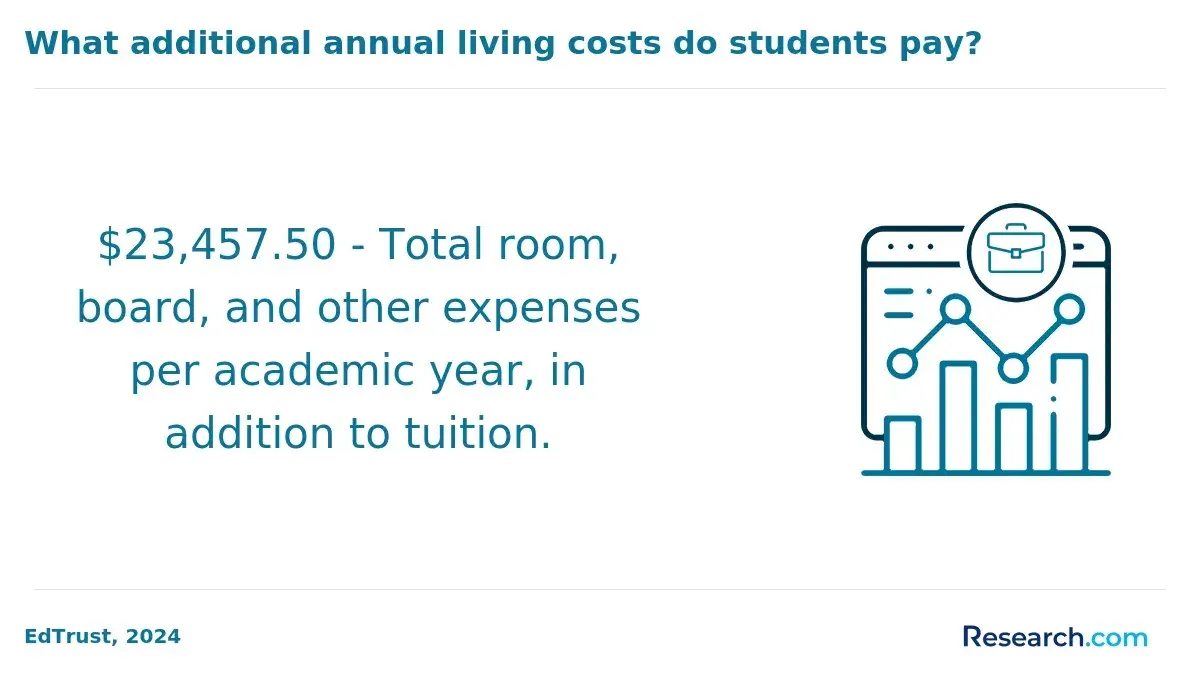
Accelerating a bachelor's degree in public health through transfer credits offers a strategic advantage for professionals seeking to pivot careers without sacrificing time or income. Students entering without prior credits face a typical 3 to 4-year path, but those with an associate degree or 60 transferable credits-and at least a 3.0 GPA-can often complete the degree in 2 to 3 years. This pathway reduces redundant coursework, allowing focus on advanced topics with more immediate career relevance.
Cost structures vary widely, largely influenced by residency status and institution type. Public institutions offering in-state rates tend to be more affordable, often under $15,000, while private and out-of-state programs may exceed $30,000. Programs incorporating competency-based assessments or generous transfer policies further reduce overall expenses by minimizing credit requirements.
Decision-makers must weigh practical tradeoffs:
- Faster completion reduces living costs and lost wages but may limit exploration of electives that broaden skills beyond epidemiology or community health.
- Alignment of prior credits with required prerequisites directly affects time-to-degree, impacting employability.
- Programs integrating applied experiences, such as internships, better prepare students for workforce demands.
Employers increasingly favor applicants demonstrating efficient degree completion aligned with real-world public health competencies rather than those with prolonged academic timelines lacking focused practical exposure.
What jobs can you get with a public health bachelor's degree?
A bachelor's degree in public health, including the fastest PMHNP programs, frequently serves as a qualification for entry-level roles requiring applied skills over deep technical expertise. Positions like health promotion specialist or community health worker are accessible through such degrees, primarily in local government and nonprofit sectors. Employers prioritize candidates who combine theoretical knowledge with practical experience, often gained from internships or in-person fieldwork required even by programs offering around 50% online coursework.
Career changers without a related background typically target roles centered on data collection, program delivery, or communication rather than directly technical roles such as epidemiologist or biostatistician, which necessitate further certification or graduate study. For example, a professional with business experience may transition into health program management by leveraging transferable skills but must still seek substantial field experience.
Public health programs' blend of online learning and mandatory in-person practicum introduces time management challenges; failure to complete required hours delays workforce entry. Additionally, understanding community-specific health dynamics and regulatory frameworks is critical, often only achievable through applied experience like voluntary service.
- Community health worker roles typically pay $40,000-$50,000 annually, reflecting demand for field-ready skills.
- Health education specialists earn $48,000-$55,000 and require validated outreach expertise.
- Environmental health technicians may need certifications, earning $45,000-$60,000.
- Health policy analyst assistants usually start with qualitative skills and improve earnings with experience.
How much can public health graduates earn in entry-level roles?
Entry-level salaries for public health graduates in the U.S. vary notably by role, region, and employer type, generally ranging between $45,000 and $60,000 annually. Positions such as health program coordinators and epidemiology assistants start near $47,000, while specialized roles in healthcare data analysis or community health education in metropolitan areas can approach $58,000 to $60,000. These figures largely represent candidates with bachelor's degrees and minimal prior experience or certifications.
Practical employability hinges on demonstrating applied analytical skills and proficiency with health informatics tools. Graduates working for urban government agencies often command higher salaries compared to rural nonprofit roles, where constrained budgets limit compensation. Career changers entering public health face an additional challenge as their initial pay may trail due to limited sector experience, making investment in credentialing programs valuable for accelerating salary growth.
Arizona State University Online recently graduated 266 students in public health, reflecting increased competition in the entry-level job market. For aspiring professionals, documented experience from internships or hybrid learning models strengthens negotiation leverage. Targeting employers who offer structured development pathways can offset low starting wages and facilitate advancement over time.
Do public health careers require certification or licensure?
Holding a bachelor's degree in public health can meet basic hiring thresholds for many entry-level roles, but credentialing requirements diverge sharply depending on function and sector. For instance, community outreach or health education jobs typically accept a bachelor's credential alone, whereas higher-skilled roles like epidemiology or health policy analysis often require certifications such as the Certified Health Education Specialist (CHES) or Registered Environmental Health Specialist (REHS). These credentials entail passing standardized tests and demonstrating relevant experience, adding time and cost burdens after graduation.
Licensure matters primarily for practitioners in clinical-adjacent positions like public health nursing or occupational therapy, where state-mandated licenses and advanced degrees are non-negotiable. Prospective students must weigh whether their long-term goals justify these additional investments.
Consider a job seeker aiming for a government health agency program manager role: lacking certification may bar access due to mandatory credential policies. In contrast, private sector wellness advisory roles might prioritize proven impact and interdisciplinary skills above formal certificates.
Practical steps to enhance employability include early identification of desired job prerequisites, planning for post-degree certification, and accumulating internships or hands-on experience. Certification functions as a bridge linking academic training with workplace readiness and significantly influences hiring and promotion in this evolving field.
Other Things You Should Know About Public Health
Online bachelor's programs in public health in 2027 are designed for flexibility and accessibility, allowing career changers to balance life commitments with education. Accreditation and specialized curricula tailored to mission-driven goals enhance employability and align with current industry demands, empowering students to enter or advance in public health careers confidently.
Most accredited online public health programs require hands-on experience through local internships or community projects. These arrangements demand proactive planning, as placements are typically coordinated by the student near their residence, not centrally by the school. Students must assess whether they can secure meaningful internships independently or through the program's support, since inadequate field experience undermines employment prospects in mission-driven public health roles.
Online public health programs often compress a mix of science, policy, and communication coursework into a flexible yet intensive format. Without fixed class times, students must self-regulate study schedules alongside work or family commitments. Programs with structured deadlines and interactive components reduce risk of dropout but increase weekly workload. Career changers should prioritize programs with transparent pacing and academic support to avoid burnout during transition periods.
Broad curricula offer versatility across sectors but may underprepare students for specialized roles requiring technical expertise or certification. Conversely, specialized programs focused on areas like epidemiology or environmental health limit immediate job options but build deep skills valued by employers in those sectors. Career changers should balance long-term goals with labor market demand, choosing broad programs for flexibility and specialized paths if targeting a distinct public health niche.
References
- Bachelor of Public Health Online | BPH Degree Online | Norwich University https://health.norwich.edu/public-health/bph
- Entry Level Public Health Jobs (with Salaries) - SEEK https://au.seek.com/entry-level-public-health-jobs
- Best Online MPH Degree Programs for 2025 https://www.princetonreview.com/grad-school-rankings
- Public Health Salaries: What Can You Earn with an MPH? https://masterspublichealth.com/masters-in-public-health-salary/
- Careers https://www.publichealthdegrees.org/careers/
- Is an Online MPH Right for You? | University of Bridgeport https://www.bridgeport.edu/news/is-an-online-mph-right-for-you/
- Online MPH programs | edX https://www.edx.org/masters/masters-in-public-health-online
- Online Bachelor's Degrees in Public Health: Find the Right School https://www.edumed.org/online-schools/public-health-degrees/
- Public Health (BS)-Online https://www.monroeu.edu/school-allied-health-professionals-online-programs/public-health-bs-online
- Can I Earn a Health Care Management Degree if I Work Full-Time? - Healthcare Management Degree Guide https://www.healthcare-management-degree.net/can-i-earn-a-health-care-management-degree-if-i-work-full-time/