2027 Best Online Master's in Public Health for Leadership Roles

Co-Founder and Chief Data Scientist
Balancing full-time work and family obligations while pursuing advancement in the public health sector presents a pervasive challenge for professionals targeting leadership roles. The shift to remote and hybrid learning models has expanded options, yet 45% of adult learners still cite scheduling flexibility as the decisive factor in choosing graduate programs, according to a 2024 National Center for Education Statistics survey. This data reveals a systemic tension between career demands and educational access that heavily influences enrollment decisions and career trajectories.
This article evaluates the best online master's in public health programs tailored for leadership advancement, focusing on flexibility, curriculum relevance, and employer recognition to support informed choices amid these constraints.
Key Things You Should Know
- Graduates from CEPH-accredited online MPH leadership programs report 12% higher salary gains within two years, but extended part-time completion timelines often delay return on investment, complicating career pivot timing.
- Employers increasingly prioritize candidates with applied epidemiology and policy analysis skills, found distinctly in programs emphasizing integrated practicum components, making traditional coursework-only degrees less competitive in leadership recruitment.
- Rising tuition averaging $30K coupled with decreases in federal public health workforce funding since 2024 intensify access barriers for mid-career professionals, forcing critical evaluation of program cost versus employer tuition reimbursement availability.
What is an online master's in public health and how does it prepare you for leadership?
Online master's in public health leadership programs prioritize applied competencies in epidemiology, biostatistics, and health policy to prepare students for complex operational environments rather than purely academic or theoretical mastery. A graduate in these programs must juggle evidence-based intervention design with strategic resource management, as seen when a state health department's health education specialist develops targeted communication campaigns within tight budget limits to reduce substance abuse.
Employers increasingly demand proficiency in data analysis, policy advocacy, and cross-sector team leadership, making graduates essential for roles involving rapid response or program scaling. The U.S. Bureau of Labor Statistics projects public health occupations, such as health education specialists, to grow faster than average through 2033, reflecting tangible market demand for these hybrid skills. Prospective students considering online master's in public health leadership programs should carefully assess program elements like asynchronous learning flexibility, accreditation status, and practical components such as practicums or capstone projects, which crucially link theory with field-based leadership challenges.
Balancing technical and managerial training within these programs significantly affects graduates' readiness for high-responsibility roles. Those weighing degree options may also look at analogous accelerated PMHNP programs to compare program intensity and time-to-completion measures, as outlined in accelerated PMHNP programs. Ultimately, real-world leadership preparation hinges on curriculum breadth, applied learning, and the ability to integrate diverse operational demands in public health contexts.
Are online master's in public health degrees respected and properly accredited in the U.S.?
Employers in healthcare administration consistently prioritize candidates with degrees from accredited programs, reflecting a practical demand for rigor and verified competence. Online master's in public health programs accredited in the U.S. by the Council on Education for Public Health (CEPH) signal curriculum quality, experienced faculty, and applied practicum opportunities essential for leadership roles. For instance, medical and health services managers, who earned a median annual wage of $110,680 according to the U.S. Bureau of Labor Statistics, typically require credentials recognized by major employers to compete effectively.
Graduates from non-accredited degrees encounter tangible barriers, including limited access to federal financial aid, ineligibility for key professional certifications, and diminished credibility with government and large healthcare organizations. Prospective students should verify CEPH accreditation before enrollment, as this credential directly influences employability and network opportunities. Balancing synchronous and asynchronous coursework, along with access to meaningful practicum placements, further differentiates programs in terms of real-world applicability.
Decision-makers value graduates able to navigate complex policy and management challenges, skills developed in thoughtfully structured accredited programs. Compared with loosely structured or unaccredited options, these programs offer measurable advantages in securing leadership roles. Those researching accelerated pathways may also explore options for an accelerated healthcare administration degree to align education timelines with workforce demands.
How do online and on-campus public health master's programs compare for future leaders?
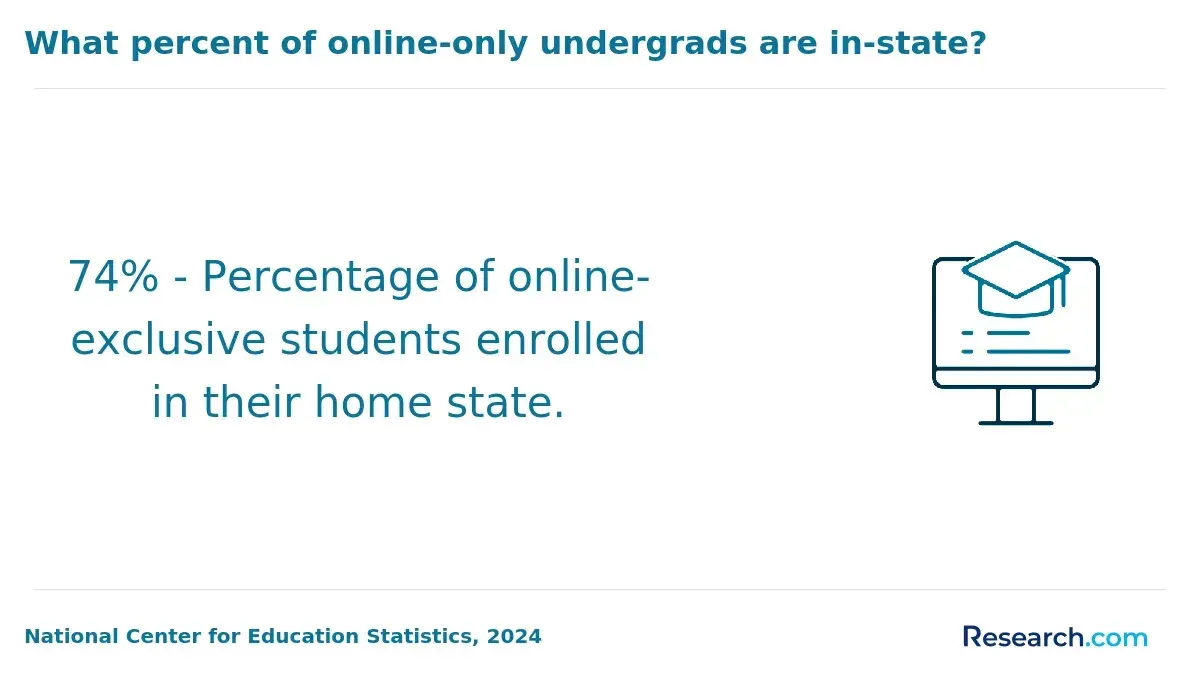
Choosing between online and on-campus master's programs in public health hinges on how format differences affect leadership readiness and professional positioning. On-campus degrees provide immersive collaboration opportunities favored by employers in healthcare administration and federal agencies, especially for roles requiring team coordination and policy influence. For instance, a public health professional targeting government leadership might find face-to-face interaction indispensable for developing essential community engagement skills. Conversely, online public health master's programs offer flexibility beneficial for working professionals but require proactive networking and independently securing internships, which can delay practical skill acquisition.
Cost is a decisive factor with substantial variability. University of Washington's online MPH costs $59,220 over 18 to 27 months, while Harvard's online MPH ranges from $70,340 to $75,870, reflecting distinctions in reputation and alumni reach. These price differences influence employer recognition and measurable return on investment, especially in competitive sectors where alumni networks matter.
Practical leadership development is often stronger on campus, where direct participation in local initiatives enhances problem-solving and rapid decision-making skills. Students weighing online versus campus options should consider:
- Professional obligations against time available for networking and experiential learning
- Program cost weighed against anticipated salary improvements
- Employer biases toward format within target public health sectors
Exploring easy MPH online programs can help prospective students identify online options aligned with their needs without sacrificing vital competencies. Aligning format, cost, and leadership goals ensures informed choices tailored to real-world demands.
What concentrations and leadership-focused coursework are offered in online MPH programs?
Online MPH leadership concentrations integrate domain expertise with leadership development courses in public health graduate programs to address a persistent gap: professionals proficient in technical skills but lacking the strategic management and ethical governance capabilities employers demand. These programs focus on critical areas such as epidemiology, health policy and management, global health leadership, environmental health, and biostatistics, embedding leadership coursework designed to build decision-making, stakeholder engagement, and regulatory navigation skills.
Practical application is central-students often encounter crisis communication, health systems strengthening, and program evaluation scenarios to prepare for executive roles where budget oversight and cross-agency coordination are daily realities. For example, those concentrating in global health leadership might analyze pandemic response logistics, grappling with resource constraints and cultural negotiation challenges.
Employers increasingly seek candidates with data-driven decision-making aptitude and change management proficiency alongside technical know-how, reflecting the dual focus that online MPH leadership concentrations provide. Without this blend, upward mobility beyond mid-level positions tends to be restricted.
Potential students should carefully consider costs versus career outcomes. For instance, Brown University's online MPH charges $32,604 annually for a two-year program. Assessing programs includes understanding local hiring patterns valuing tangible leadership impact in Public Health roles.
A practical resource on nursing pathways may also be relevant, such as direct entry MSN programs for non-nurses online, which offer alternative routes to health leadership roles.
What admission requirements and prerequisites do online public health master's programs have?
Admission into online master's programs in public health leadership depends heavily on candidates' prior academic and professional backgrounds, not just credentials. A bachelor's degree from an accredited institution is a baseline, often in biology, social sciences, or related health fields, which ensures sufficient foundational knowledge. Competitive programs commonly require a minimum undergraduate GPA of 3.0, although some admit students with nontraditional degrees if they demonstrate quantitative aptitude or complete preparatory coursework.
Standardized tests like the GRE are increasingly optional but still influence selectivity in admissions where required. Practical experience in healthcare or leadership roles significantly strengthens applications and can sometimes substitute formal prerequisites, especially for executive public health tracks. For instance, a mid-career nurse seeking leadership roles must combine demonstrated management experience with foundational health expertise to meet program standards and position themselves effectively for workforce impact.
Applicants should expect to provide letters of recommendation that highlight analytical ability and leadership potential, alongside a statement of purpose that connects career goals explicitly to public health leadership functions. Additionally, background checks and immunization records might be mandated if field placements or internships are part of the curriculum, reflecting real-world operational and safety considerations.
Financially, tuition ranges widely; UNT Health's online MPH spans from $13,652.20 to $39,000.20, varying by credit-hour intensity and residency status. Students must weigh accelerated options that reduce time to leadership roles against higher immediate costs, balancing investment with career timelines and employer expectations.
How long do online MPH programs take and what do they typically cost?
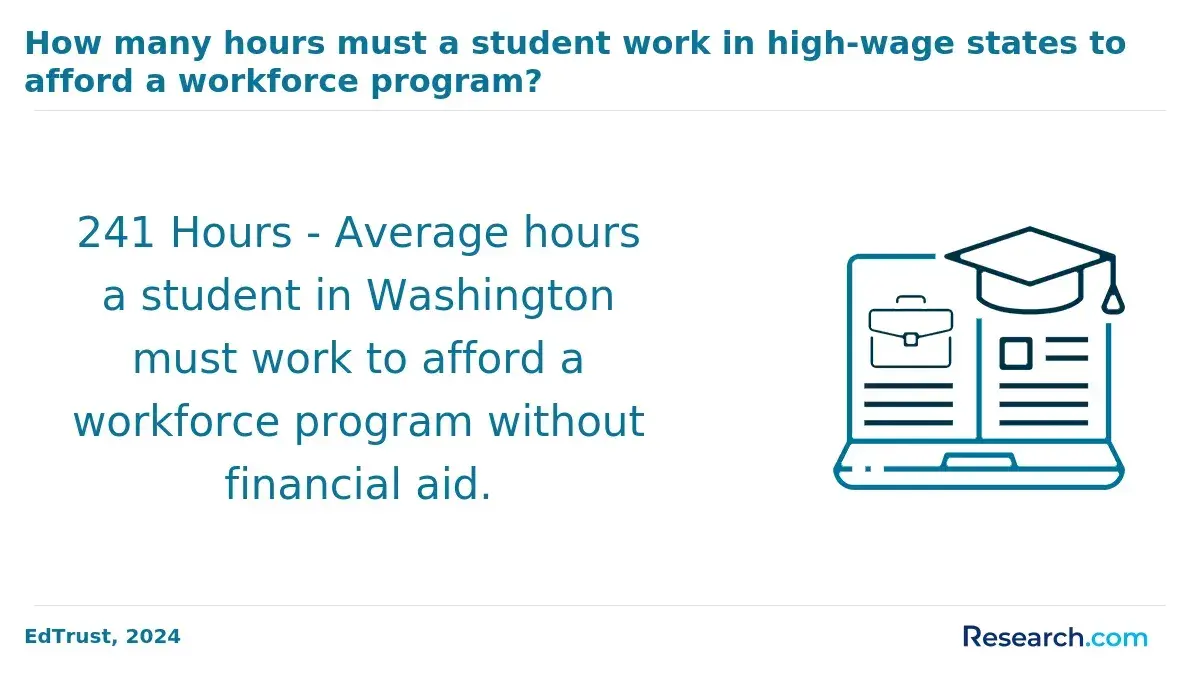
Choosing an online MPH program demands balancing time, cost, and employer expectations in ways that significantly affect post-degree outcomes. Full-time enrollment typically spans 18 to 24 months, but many working professionals opt for part-time tracks extending beyond 3 years. While accelerated paths can ease the time investment, they often require 20 weekly study hours, which risks work-life strain and potential income loss.
Cost differentials among top-tier programs are substantial and influence financial feasibility and return on investment. Johns Hopkins University charges approximately $82,160, versus UC Berkeley's $59,136, exceeding tuition concerns by factoring institutional reputation and curriculum depth. These price points alone require scrutiny of long-term salary projections, especially when considering roles in public agencies versus budget-constrained nonprofits.
Additional expenses like technology fees and practicum placements increase the total investment, and employer tuition reimbursement is frequently conditional on job relevance and program approval. Candidates targeting leadership roles must weigh these factors, recognizing that some electives or practicum components might prolong program duration and expenses.
Prospective students should cross-reference program length and comprehensive costs with labor market data from sources such as the Bureau of Labor Statistics. Practical decision-making hinges on interpreting these parameters relative to mid-career salary trajectories and role-specific demands, enabling a strategic education-to-employment alignment.
Which public health leadership careers can you pursue with an online MPH?
Graduates holding an online MPH often face the reality that leadership positions-such as health services managers or epidemiology program directors-demand practical experience alongside specialized knowledge in healthcare systems and policy. While these roles align with competencies taught in leadership-centered MPH curricula, candidates lacking prior management exposure may encounter bottlenecks.
The U.S. Bureau of Labor Statistics identifies medical and health services managers as the fastest-growing segment in public health administration, indicating rising demand for skills in health informatics, regulatory compliance, and resource allocation. This trend creates clear incentives for MPH graduates to build proficiency in data-driven decision-making and cross-disciplinary coordination.
For professionals transitioning from clinical or technical roles, securing positions that involve managing healthcare delivery teams or population health units requires not only academic credentials but also demonstrable leadership impact. Employers frequently value candidates who supplement their MPH with targeted internships or certifications, especially in project management or health IT, addressing gaps in management experience.
The flexibility of online MPH programs supports working professionals juggling multiple commitments, but program selection must prioritize robust employer networks and embedded experiential learning to convert theoretical knowledge into actionable leadership skills. Without these elements, graduates risk slower progression or limited role options.
What salary ranges and earning potential can MPH graduates in leadership roles expect?
Salary outcomes for MPH graduates in leadership can vary widely based on sector, location, and responsibility level, ranging from about $75,000 to $130,000 annually. Federal roles generally start around $85,000, progressing to $100,000-$115,000 mid-career, a range consistent with U.S. Bureau of Labor Statistics data from 2024. State and local agencies typically offer $70,000 to $110,000, though smaller or rural health departments often pay less, which can slow salary growth despite valuable experience.
Private sector employers-including healthcare consulting and pharmaceuticals-usually pay higher salaries, frequently exceeding $120,000 for leadership positions. Candidates with proven expertise in managing complex projects, such as epidemic responses or regulatory compliance, are especially well positioned for top-tier compensation.
Decisions around job placement also affect earnings potential: institutions with strong employer networks and high placement rates tend to enable faster salary advancement. Candidates must weigh tradeoffs between immediate pay and longer-term growth, especially when considering non-corporate settings like nonprofit coalitions or global health agencies, where salaries may lag but leadership experience strengthens future positioning.
Specialized skills-such as data analytics, health informatics, or emergency preparedness-can further elevate salary outcomes. Labor market insights from the National Association of County and City Health Officials (NACCHO) confirm the premium employers place on these capabilities in Public Health leadership roles.
- Federal government salaries start near $85,000 and rise with experience.
- State/local health departments often pay $70,000-$110,000 but vary by agency size.
- Private sector leadership roles commonly exceed $120,000.
- High job placement success correlates with salary growth.
- Specialized skills increase negotiation leverage and salary potential.
What is the job outlook for public health leaders and healthcare administrators?
Leadership positions in public health and healthcare administration command substantial salaries-commonly exceeding $110,000 annually at mid-career levels-due to high demand for professionals who navigate complex regulatory and resource environments. However, specialization decisions carry real consequences: candidates focused narrowly on epidemiology or biostatistics often face fewer executive opportunities compared to those with broader leadership training. Geographic factors also shape outcomes, as urban and regional agencies typically offer more openings with higher compensation than rural health departments.
Key growth areas include outbreak response coordination, health system management, and policy implementation, where skills like financial oversight, strategic planning, data analytics, and interdisciplinary team management are critical. Surge capacity demands, such as pandemic response or addressing social determinants of health, introduce episodic spikes in leadership needs, requiring ongoing adaptability and skill updating.
Employers increasingly prioritize demonstrated leadership experience, often through capstone projects or embedded practicum components in MPH programs. Online pathways that include such experiential learning directly align with employer expectations and are instrumental for candidates aiming to secure high-level positions. Prospective students should weigh program relevance to evolving public health emergencies and real-world leadership demands when selecting educational options.
How can you choose a reputable online MPH program aligned with your leadership goals?
Leadership-focused online master's in public health programs demand more than accreditation-they require targeted curricula that emphasize strategic management, policy formulation, and systems thinking. Simply selecting CEPH-accredited programs ensures baseline credibility, but candidates pursuing roles like health department director must weigh whether coursework addresses practical elements such as healthcare finance and managerial practicum. Tuition variances, ranging widely between $59,136 and $83,891, correlate to differences in specialized training, faculty expertise, and post-graduate employer networks, all critical variables affecting return on investment.
Balancing asynchronous coursework with synchronous leadership development workshops enables mid-career professionals to enhance skills without sacrificing job responsibilities. Employment outcomes in leadership positions should be closely analyzed, considering sector-specific demands-government, nonprofit, or private-and regional employer reputations. This alignment between curriculum focus and sector expectations directly influences long-term career trajectories.
Programs that incorporate mentorship opportunities, applied projects, and training in stakeholder communication offer a competitive advantage, addressing the multifaceted demands of executive public health roles. Additionally, robust technology platforms and active alumni networks can facilitate ongoing professional growth beyond graduation.
- Prioritize programs integrating strategic leadership over general epidemiological training
- Assess tuition cost against leadership specialization and employment data
- Value flexible formats that accommodate working professionals
- Verify graduate outcomes aligned with target sectors and geographies
- Seek networks and mentorship that enhance stakeholder engagement skills
Other Things You Should Know About Public Health
Online MPH programs tend to favor working professionals due to their flexibility, allowing students to balance employment with coursework. Full-time students may find online formats less immersive, especially for leadership skill-building that benefits from in-person networking and real-time collaboration. Prioritize programs with synchronous elements or structured cohort models if your goal is to develop practical leadership connections while employed.
Practicum requirements vary widely and can impact how quickly you complete your degree or transition into leadership roles. Programs that require in-person placements may limit options if you are remote or working full-time, while those offering virtual or flexible practicum alternatives better support career continuity. Choose programs whose practicum aligns with your professional goals and geographic constraints to avoid delays or missed networking opportunities.
Research-heavy MPH programs may strengthen analytical skills but may not align directly with employer expectations for mid-to-senior leadership roles, which prioritize strategic decision-making, organizational management, and communication. Candidates targeting leadership should prioritize curricula with explicit management and policy content over purely research-oriented tracks to maximize practical relevance and career impact.
References
- How to Choose the Best Online Leadership Training Program - Rodolfo Parlati https://rodolfoparlati.com/how-to-choose-the-best-online-leadership-training-program/
- 25 Most Affordable Online MPH Programs - MPH Online https://www.mphonline.org/most-affordable-online-mph-programs/
- What is an MPH degree? | edX | edX https://www.edx.org/resources/what-is-a-master-of-public-health-degree
- Master of Public Health (Online) https://www.monroeu.edu/academics/king-graduate-school/master-public-health-online
- Master of Public Health Online https://www.unthealth.edu/tcom/public-health/master-of-public-health-online.html
- Online Master's in Public Health (MPH): Review Top Programs https://www.degreesforgood.org/online-degrees/public-health-programs/masters-mph/
- Master of Public Health with a concentration in Community Health Leadership | University of Phoenix https://www.phoenix.edu/online-healthcare-degrees/public-health-masters-degree.html
- Master of Public Health https://online.une.edu/public-health/master/
- How is the Job Outlook for Careers in Healthcare Management? - Healthcare Management Degree Guide https://www.healthcare-management-degree.net/faq/how-is-the-job-outlook-for-careers-in-healthcare-management/
- Leadership https://www.publichealthdegrees.org/specializations/leadership/