2027 Best Online Bachelor's in Public Health With Community Assessment Coursework

Co-Founder and Chief Data Scientist
Facing an urgent need to assess community health risks amid shifting disease patterns and social determinants, professionals must quickly develop expertise in community assessment to design effective interventions. Yet, traditional bachelor's programs often lack the flexibility or depth in this specialization, blocking timely workforce entry or advancement. The National Center for Education Statistics reveals a 12% rise in adult enrollment in online bachelor's programs from 2023 to 2024, signaling growing demand for adaptable, career-focused Public Health education. This shift empowers working students seeking immediate applicability and supports evolving public health priorities. This article identifies top online bachelor's in Public Health programs emphasizing community assessment coursework to help candidates strategically balance program rigor, scheduling, and career outcomes.
Key Things You Should Know
- Programs emphasizing community assessment average 15% longer completion times than general public health degrees, raising opportunity costs for career switchers despite stronger regional epidemiology skill sets per recent NCES data.
- Employers prioritize candidates with quantifiable community intervention experience, found in less than 40% of online bachelor's graduates, constraining entry-level hiring despite growing workforce demand projected to rise 13% through 2030 by BLS.
- Higher tuition rates for specialized coursework inflate median debt by 22% versus standard tracks, pressuring candidates to balance financial risk against accelerated regional public health impact potential.
What is an online bachelor's in public health with community assessment coursework?
An online bachelor's in public health with community assessment coursework prepares students for the nuanced task of assessing population health metrics and tailoring interventions accordingly. This pathway develops expertise in survey design, epidemiological methods, and social determinant analysis, which are critical for roles that require translating community data into health strategies. For instance, professionals in municipal health agencies use these skills to pinpoint vulnerable neighborhoods and implement targeted outreach with measurable outcomes.
A bachelor's degree in public health community health assessment fuses foundational theory with specialized community-level insights, offering a pragmatic grasp of how local environments influence health disparities. However, students must manage challenges such as remote data gathering, virtual stakeholder collaboration, and diverse state health reporting protocols. Employers value candidates who combine epidemiological accuracy with clear communication to convert complex data into practical policy guidance.
From an employment perspective, graduates demonstrate strong workforce value, evidenced by Simmons University's reported median earnings of $65,418 four years post-graduation, placing them in the top 5% nationally. This signals sustained demand for professionals adept in community-specific health evaluation. Those exploring career options should consider labor market conditions and the advantage of robust assessment skills alongside effective communication, which can set candidates apart in health departments, NGOs, or consulting roles.
Understanding salary expectations is also crucial. For those entering this field, reviewing health information management salary entry-level data provides valuable insight into initial compensation trends and career trajectory planning.
How does an online public health bachelor's compare to a campus-based program?
The choice between online and campus-based public health bachelor's degrees directly affects skill acquisition and networking potential. While online programs deliver equivalent foundational knowledge, they often lack spontaneous mentorship and face-to-face community assessment opportunities critical for roles requiring local stakeholder engagement. For example, graduates of online bachelor's in public health community assessment programs must proactively secure local practicum experiences to offset limited physical interaction, especially when targeting employment in state and local health departments.
Employers emphasize documented community involvement, with data showing online graduates from institutions like Oregon State University achieving median salaries of $60,183 four years post-graduation. This outcome reflects acceptance of online training that integrates applied community assessment components. However, these programs differ from traditional campus pathways that provide direct access to in-person labs, community projects, and synchronous peer collaboration-elements highly valued in leadership roles demanding extensive local coordination.
Decision-makers should weigh the flexibility of online learning against potential employability tradeoffs related to networking and hands-on practice. Working professionals eyeing epidemiology or policy analysis roles can leverage remote formats effectively if supplemented with internships, while those pursuing leadership might consider hybrid or campus-based options.
Students evaluating educational routes should also consider related fields such as a health care administration degree, which may complement public health competencies depending on career objectives.
Which accreditation and public health standards should these online programs meet?
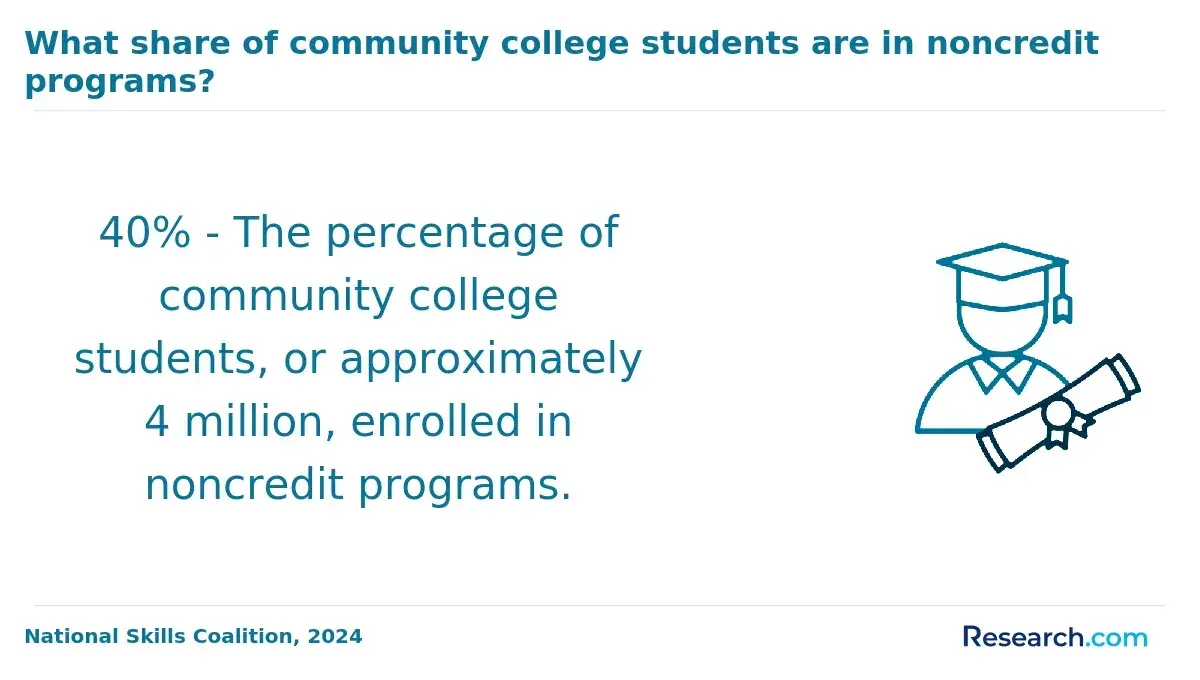
Securing CEPH accreditation remains the decisive criterion for online bachelor's programs focused on community assessment, directly affecting graduate employability in government and nonprofit sectors. Employers prioritize candidates from programs that comply with rigorous accreditation standards for online public health programs in the United States, as this signals verified educational quality and eligibility for federal aid. Candidates from non-accredited programs frequently encounter hiring biases, particularly when competing for roles involving complex outbreak management or grant writing.
Alignment with the Association of Schools and Programs of Public Health's community health assessment criteria for accredited online public health degrees ensures curricular emphasis on essential competencies: data analysis, epidemiology, and practical skills such as GIS mapping. These are indispensable for public health professionals managing urban health crises or engaging stakeholders-activities that require proven methodological experience rather than theoretical knowledge alone.
Programs integrating practicums or capstone projects based on real community data significantly enhance workforce readiness, a factor strongly reflected in Arizona State University's online public health bachelor's program, which leads nationally with 266 recent graduates. Students weighing an investment in public health education should verify documented graduate outcomes, as placement rates correlate closely with long-term career trajectories and salary potential.
For those considering further specialization, evaluating options such as a master in health administration can complement an accredited undergraduate foundation and expand career prospects within healthcare systems.
What community assessment courses and skills are typically included in the curriculum?
Community assessment courses in online public health programs are designed to develop targeted, job-ready skills rather than broad theoretical knowledge. Core competencies prioritizing epidemiology, biostatistics, and social determinants of health prepare students to conduct quantitative and qualitative data assessments relevant to diverse populations. These skills include survey design, GIS mapping, focus group facilitation, and needs assessments, which directly address employer demands for actionable data analysis.
Applying these techniques in practical scenarios-such as mapping asthma prevalence in urban areas to inform interventions-illustrates the concrete value of community assessment courses in online public health programs. This hands-on experience with demographic data sets fosters ability to translate technical findings into clear public health strategies. Communication training is especially emphasized to ensure graduates can effectively present complex information to non-specialist stakeholders, a common workforce requirement.
Ethical and cultural competence training underscores respectful engagement with marginalized groups, aligning with current best practices and workforce expectations. Online delivery models offer flexibility and reduce costs, which is significant given the 154,000-plus remote undergraduates at institutions like Southern New Hampshire University. Still, students must weigh the tradeoffs between convenience and potential limitations in network-building opportunities.
For professionals evaluating their educational options, understanding how these key community assessment skills taught in public health degrees integrate with real-world employer needs is essential. Those considering nontraditional pathways may also explore related options such as direct entry MSN programs for non nursing majors to broaden their credentials and career flexibility.
What are typical admission requirements for online public health bachelor's programs?
Admission criteria for online bachelor's in public health programs combine academic baseline verification with practical readiness for community-focused work. Most require a high school diploma or GED and a GPA around 2.5 to 3.0, though standardized testing is increasingly optional. Official transcripts must show completion of foundational courses in math, science, and English, reflecting the discipline's interdisciplinary demands. Applicants employed full time should realistically gauge the time needed for experiential components, as many programs include community assessments or practicums that can be logistically challenging alongside work schedules.
Career changers often encounter mandatory prerequisite coursework in biology or statistics before tackling the core curriculum, which may extend program duration but ensures foundational competency necessary for complex public health concepts. Strong applications usually contain personal statements or essays articulating clear career objectives in community health, and letters of recommendation, while optional, can substantiate relevant volunteer or internship experience.
Program selection should consider background checks or health clearance requirements tied to onsite practicum portions, which affect enrollment timing and may be replaced by virtual simulations in fully online formats. Given that many graduates enter roles such as health educators or community health workers-as illustrated by UNC Greensboro's 2024 graduate outcomes-proficiency in community assessment techniques is critical, often evaluated during interviews or portfolio reviews.
How long do online public health bachelor's programs take and what do they cost?
The length and cost of a bachelor's in public health online can significantly influence a student's ability to persist and succeed. Programs typically require 120 to 130 credit hours, translating to about four years full-time, but accelerated tracks reduce this to three years by offering year-round courses or accepting transfer credits. Part-time study extends completion to five or more years, demanding sustained motivation while balancing work and life commitments.
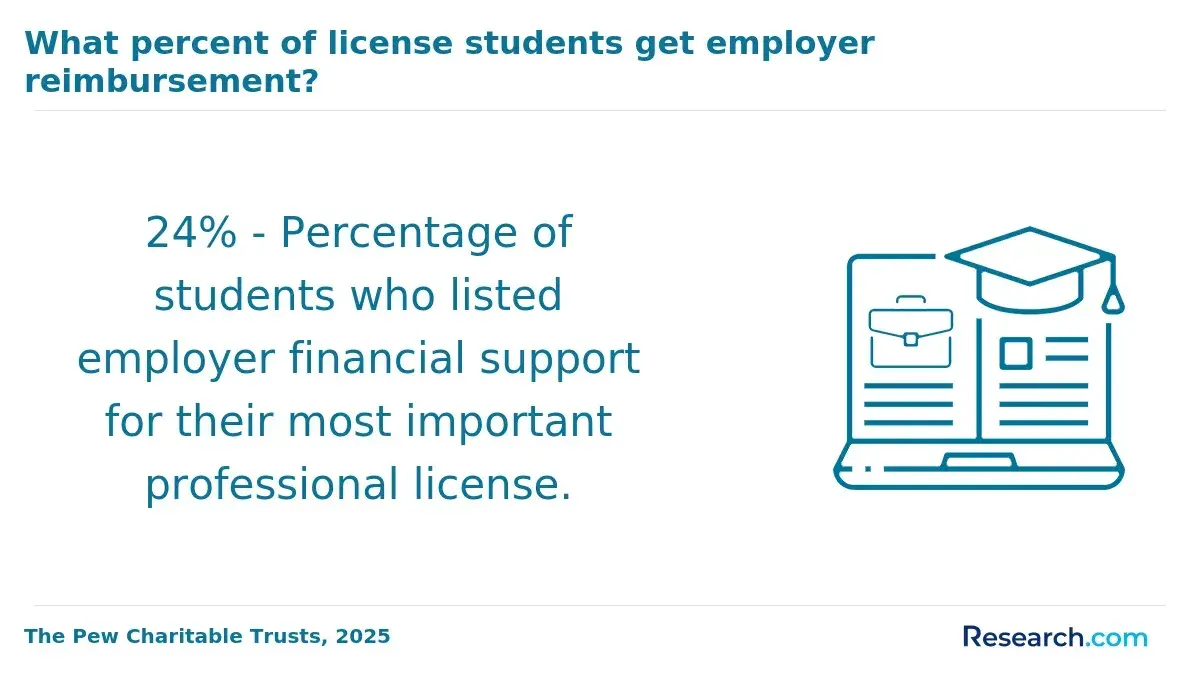
Tuition varies widely, with total costs spanning roughly $40,000 to over $100,000 depending on institution type and residency. Charging between $300 and $700 per credit hour, these programs require careful financial planning, including extra fees and materials. Employer tuition assistance can be crucial for working professionals, while full-time students often face loan burdens, influencing decisions about when and how to enroll.
A program like Simmons University's online bachelor's in public health demonstrates financial viability, with median graduate earnings of $65,418 indicating strong labor market recognition for skills in community assessment. This suggests that graduates with applied expertise in community health may achieve better ROI than those focusing solely on theoretical knowledge.
Students targeting roles in epidemiology or health education should prioritize programs incorporating community assessment coursework, as these align closely with employer expectations and long-term employability. The choice between full- and part-time enrollment further hinges on balancing income stability against time to degree completion and potential opportunity costs.
What entry-level public health and community health careers can graduates pursue?
An online bachelor's in public health with a focus on community assessment prepares graduates for roles centered on data collection, population health analysis, and program support. Entry-level jobs such as community health workers, health educators, program coordinators, and public health data assistants demand applying assessment skills to identify health trends and resource gaps within local populations. These roles primarily serve local governments, nonprofits, and healthcare organizations by translating data into actionable community interventions.
For instance, community health workers engage directly with residents to connect them to services and collect qualitative data that shapes broader health initiatives. Health educators then interpret these findings to develop targeted outreach programs, requiring strong communication and data literacy. Program coordinators align initiatives with assessed priorities and funding requirements, while data assistants ensure the accuracy and usability of collected information. In both urban and rural settings, familiarity with survey tools, statistical software, and multi-stakeholder collaboration significantly enhances employability.
However, starting salaries typically range from $40,000 to $50,000, often reflecting the need for advanced credentials or specialization for upward mobility. Prospective students should weigh these outcomes against the practical advantage of tuition discounts-ranging from 25% to 40% at reputable online programs-which can reduce financial burdens and support those balancing work and study commitments.
What salary ranges and earning potential exist for public health bachelor's graduates?
Salary outcomes for bachelor's graduates in public health vary widely based on sector, skill set, and geographic location. Entry-level pay typically ranges from $45,000 to $60,000, reflecting roles such as community health worker or health education coordinator. Mid-career earnings near $70,000 are common in government or nonprofit settings, while private sector positions in health consulting or corporate wellness programs can push salaries to $80,000 but often require certifications beyond a bachelor's degree.
Advancement without graduate studies or specialized credentials plateaus quickly; employers now prioritize candidates with expertise in community assessment and data analytics. Such skills improve access to higher-paying roles in public health informatics or program evaluation, where salaries exceed $75,000.
Consider a local government hire starting at approximately $50,000. Advancement to supervisory roles demands 3-5 years of experience and leads to $65,000-$75,000 salaries. Conversely, healthcare firms prioritize analytical skills, offering starting salaries near $65,000 for technical positions.
Rising enrollment in public health programs, as seen with Arizona State University's 266 recent online graduates, suggests an increasing supply of bachelor's holders, which may restrict salary growth. Candidates should weigh geographic variation and sector-specific skill requirements carefully when evaluating the return on a public health bachelor's degree.
What is the job outlook for community-focused public health roles in the United States?
Community-focused public health roles require more than academic credentials; they demand situational awareness and adaptability to diverse populations. Graduates with community assessment skills are positioned to influence program design and outreach effectiveness, especially where local context shapes health priorities. For instance, professionals working with Native American communities must navigate tribal sovereignty concerns while conducting culturally relevant health assessments, a complexity absent in many urban health department positions where alignment with policy and funding cycles dominates.
The Bureau of Labor Statistics projects a 13% growth rate for health educators and community health workers over a decade, but this optimism only translates into tangible career progress for those who master practical skills like data gathering, needs analysis, and stakeholder communication. Experience in community-specific data interpretation directly correlates with salary gains and leadership opportunities, whereas candidates lacking this expertise risk stagnation and competitive disadvantage amid peers holding advanced certifications.
Real-world experience through internships or volunteering remains vital, allowing candidates to demonstrate measurable impact and grant-writing capabilities, both highly valued by employers. Without this, even strong academic backgrounds struggle to differentiate applicants in a crowded job market.
Key considerations for those choosing this pathway include:
- Understanding local health disparities and their social determinants.
- Building culturally competent communication strategies tailored to each population.
- Aligning skill development with employer expectations beyond degree completion.
How can students evaluate and choose a reputable online public health program?
Accreditation and curriculum depth directly affect the value of an online public health program focused on community assessment. Without recognized regional or CEPH accreditation, graduates face limitations in degree credibility and eligibility for certifications essential to workforce entry. Programs emphasizing theory without practical training in data collection, epidemiology, and statistical analysis risk producing graduates unprepared for real-world challenges.
A practical concern is how program design influences long-term salary outcomes. Analysis of median earnings shows that programs with stronger applied components often correlate with salaries exceeding $60,000 within four years post-graduation, underscoring the economic impact of rigorous, skills-oriented study in fields such as epidemiology and health policy.
Flexibility and support systems remain vital for working students juggling professional commitments. Asynchronous coursework combined with targeted advising and tech support reduces attrition and accelerates degree completion. Employer partnerships and internship integration are decisive factors shaping hiring preference, especially for roles demanding community health proficiency.
Consider a rural healthcare public health specialist specializing in community assessment who requires proficiency in geographic information systems (GIS) and stakeholder engagement. Only some programs supply specialized simulations or capstone projects that replicate such applied workforce needs, highlighting disparities between offerings.
Cost evaluation must go beyond sticker price to consider net ROI, factoring in hidden fees, financial aid, and alumni income data. Transparent post-graduate employment metrics and employer feedback provide indispensable lenses for judging program effectiveness and true economic value.
Other Things You Should Know About Public Health
Online programs frequently lack direct fieldwork components that simulate real-world community assessment challenges. Students should verify if the curriculum integrates practicum or internship requirements with local health departments or organizations to gain practical experience. Programs without structured field placements may limit readiness for employer expectations around applied skills in data collection, stakeholder engagement, and intervention design.
Managing full-time employment alongside an online public health degree demands disciplined time management, as coursework often involves significant research, group projects, and community-focused assignments. Part-time enrollment can ease workload but may extend program length and delay career advancement. Choosing a program with flexible deadlines and asynchronous classes improves feasibility but may reduce real-time interaction that supports networking and collaboration, which employers value.
Enrolling in a 2027 online Bachelor’s in Public Health program with community assessment coursework equips students with practical skills in evaluating community needs and health interventions. This specialized knowledge can enhance job prospects in public health roles, particularly in community-focused positions, and it fosters a better understanding of implementing effective health strategies.
Programs with faculty involved in current public health research provide access to cutting-edge methodologies and policy trends, enriching the learning experience. This exposure boosts employability by linking students to real-world projects and professional networks. Conversely, programs centered solely on instruction may deliver strong foundational knowledge but lack relevance to emerging public health challenges. Prospective students aiming at evidence-based careers or graduate studies should prioritize research-active faculties.
References
- Public Health Career Salaries: What to Expect Across Roles https://www.scuhs.edu/bshs-article/public-health-career-salaries-what-to-expect-across-roles/
- Why Public Health is the Ideal Career Path for Gen Z - Reach Out https://we-reachout.org/why-public-health-is-the-ideal-career-path-for-gen-z/
- What do you learn in a bachelor's in public health? | edX https://www.edx.org/resources/what-do-you-learn-in-a-bachelors-in-public-health
- What Is Included in a Community Assessment? | HeadStart.gov https://headstart.gov/program-planning/community-assessment-foundation-program-planning-head-start/what-included-community-assessment
- Careers https://www.publichealthdegrees.org/careers/
- How Much Can I Make With an Online Bachelor's of Public Health? - MPH Online https://www.mphonline.org/salary-bachelors-public-health/
- Online Public Health Degrees: Find Your Program https://www.degreesforgood.org/online-degrees/public-health-programs/
- Top Public Health Research Programs for High School Students https://riseglobaleducation.com/blogs/top-public-health-research-programs-for-high-school-students
- What is the Accreditation I Should Look for in a School of Public Health? - Healthcare Management Degree Guide https://www.healthcare-management-degree.net/faq/what-is-accreditation-for-school-of-public-health/
- Online Bachelor's Degrees in Public Health: Find the Right School https://www.edumed.org/online-schools/public-health-degrees/