2027 Public Health Nutrition Roles You Can Target With a Public Health Degree

Co-Founder and Chief Data Scientist
Facing increasingly complex nutritional challenges in vulnerable populations, public health professionals confront urgent demands to design effective interventions amid shifting demographics and resource constraints. The U. S. Bureau of Labor Statistics projects a 13% growth in nutrition-related public health roles by 2032, fueled by rising chronic disease rates and heightened emphasis on preventive care. This growth interacts with evolving educational pathways; recent data from the National Center for Education Statistics reveals a 28% surge in online graduate enrollments since 2022, underscoring greater access and scheduling flexibility for working adults. Understanding these trends clarifies strategic choices for those targeting nutrition roles through public health degrees. This article outlines specific nutrition-focused public health roles accessible with a public health degree, evaluating pathways that align academic options with workforce realities to guide informed career planning.
Key Things You Should Know
- Data from the U.S. Bureau of Labor Statistics shows a 13% growth in nutritionist and dietitian roles tied to public health funding shifts, pressuring candidates to specialize in community-level chronic disease prevention to stay competitive.
- Employers now prioritize MPH graduates with dual credentials in epidemiology or biostatistics, as reports from the Association of State and Territorial Health Officials indicate a 35% increase in demand for data-savvy nutrition specialists, complicating workforce entry.
- With tuition inflation outpacing wage growth, the National Center for Education Statistics reveals an average public health master's debt of $45,000, making timing and financial aid strategies decisive for candidates targeting nutrition roles in government versus non-profits.
What public health nutrition jobs can you get with a public health degree?
Nutrition-focused roles in public health demand more than academic knowledge; they require the ability to apply epidemiological data to tangible community outcomes. Positions such as community nutritionist, public health dietitian, and nutrition policy analyst often hinge on skills in data interpretation and cross-sector collaboration to address food insecurity and chronic disease prevention. For example, a nutrition program coordinator might adjust school lunch nutrition policies based on local dietary trend analyses, requiring both rigorous data analysis and stakeholder engagement.
Projected employment growth for dietitians and nutritionists in the US stands at 6% from 2024 to 2034, with roughly 6,200 job openings annually. This reflects a steady demand for professionals able to translate nutritional science into practical interventions. However, some of the top public health nutrition roles for degree holders prefer candidates holding specialized credentials like the Registered Dietitian Nutritionist (RDN), often beyond a bachelor's degree.
Targeting policy-oriented positions introduces tradeoffs such as the necessity for experience in legislative analysis or advanced public health credentials. Regional licensure and continuing education requirements vary, impacting career mobility and planning. A practical approach includes careful credential mapping against intended roles and jurisdictions.
Those exploring pathways to enter this field might consider related options such as a health information management associate degree online, which can complement nutrition expertise by enhancing skills in health data management.
The public health nutrition career opportunities in the US demand both specialized knowledge and real-world application abilities, requiring graduates to weigh credential requirements, employment conditions, and sector-specific expectations before committing to educational pathways.
What education and licensing are needed for public health nutrition roles?
Public health nutrition careers typically require at least a bachelor's degree in nutrition, dietetics, or public health with a nutrition focus; however, roles tied to policy or research generally demand a master's degree. Licensing and certification for public health nutrition professionals vary by state but commonly include Registered Dietitian Nutritionist (RDN) credentials, which entail completing an accredited dietetic internship and passing a national exam. Without this license, professionals are often limited to community outreach or educational roles rather than clinical or institutional leadership. For instance, a nutritionist administering school meal programs must hold specific state licensure to ensure compliance with federal nutrition standards and regulatory oversight.
The demographic reality-such as 24% of nutritionists in Canada being over 50-signals forthcoming shortages and amplifies the value of professionals with advanced degrees and experience in epidemiology, biostatistics, or program evaluation. Postgraduate certification programs in public health nutrition can accelerate employment readiness but should be paired with supervised internships to meet licensing requirements. Candidates transitioning from unrelated fields must navigate prerequisite science courses, which extend education time and increase costs-a significant consideration in planning.
Institutional settings require ongoing continuing education to maintain licensure, addressing updates in clinical nutrition, policies, and cultural competency-critical in serving diverse populations. Decisions about education pathways must assess program accreditation, licensure alignment, and employer recognition to avoid retraining or credential gaps. Additionally, professionals aiming for administrative advancement might consider broader degrees such as a doctorate in healthcare administration, which expand strategic leadership opportunities beyond traditional nutrition roles.
How do online and campus public health programs compare?
Hiring managers in maternal and child nutrition increasingly prioritize candidates with applied experience, which online public health nutrition degree benefits often fail to fully deliver. Campus programs, with direct access to internships and community partnerships, better align with workforce demands where undernutrition accounts for 45% of deaths in children under five, according to World Health Organization 2024 data. This hands-on exposure translates into stronger proficiency in program implementation and evaluation, skills employers expect in this highly specialized sector.
For example, students aiming for epidemiology or nutrition policy roles benefit from on-site networking with health departments and observing program impacts firsthand-opportunities less frequent in purely online formats. While online programs offer flexibility and asynchronous learning suited for working professionals considering a strategic pivot, they must ensure robust practicum components, such as virtual simulations or regional fieldwork, to approach the experiential depth campus programs provide.
Students weighing campus versus online public health nutrition programs should assess immediate employment needs against long-term career development. Working adults targeting leadership in nutrition initiatives should prioritize accredited programs with supervised practicum placements matching their sector.
Relevant pathways include degrees like the MBA healthcare management, which complement public health expertise. Understanding these tradeoffs avoids credential complacency and better prepares graduates for workforce realities.
What coursework prepares you for public health nutrition careers?
Effective public health nutrition coursework and career preparation demands an integration of foundational sciences with applied public health skills that align directly with employer needs. Essential classes for public health nutrition jobs include nutrition science, biochemistry, human physiology, epidemiology, and biostatistics-each providing critical expertise in biological function and population health analysis. Community health education training further arms candidates to craft nutrition messages tailored to diverse cultural contexts, a necessity for impactful chronic disease prevention.
Job readiness in this field extends beyond theoretical knowledge. For instance, a public health nutritionist in a rural health department must navigate policy development and program planning while managing limited resources. Coursework in public health policy and program evaluation addresses these operational challenges, preparing professionals for pragmatic decision-making under funding constraints.
Workforce data underscores these priorities: health education specialists with nutrition specialization had a median annual salary of $62,860 in 2023 and are projected to experience 7% employment growth by 2033. This projection reflects rising demand for interventions focused on diet and lifestyle changes.
Complementing scientific training, behavioral science and communication skills are vital for designing effective dietary behavior change programs, especially in underserved populations. Practicum or internship experiences embedded in accredited programs offer indispensable hands-on exposure to these complexities, enhancing employability. Prospective students seeking cost-efficient educational options might explore the cheapest RN to BSN online pathways as part of their broader strategic assessment of public health nutrition coursework and career preparation.
What admissions requirements do public health programs usually have?
Admission to master's programs in public health demands more than academic credentials; it requires proof of applied competence and relevant experience. While a bachelor's degree in health sciences or related fields remains common, programs increasingly accept candidates from varied backgrounds who can demonstrate foundational coursework in biology, statistics, and sometimes chemistry. Several universities still require GRE scores, though this is frequently waived for applicants with substantial professional experience or advanced credentials.
Practical experience strongly influences admission outcomes. Roles involving program management, policy analysis, or direct interaction with regulatory agencies boost an applicant's profile. For instance, candidates focused on nutrition policy benefit significantly from experience working with community health initiatives or public agencies, proving readiness to navigate complex systemic issues like food insecurity.
Personal statements are scrutinized for evidence of strategic thinking, clear career objectives, and an understanding of public health's data-driven challenges. Admissions panels also seek indicators of leadership potential and analytical rigor-traits aligned with roles such as program managers or policy specialists, who earned a median salary of $77,030.
The competitive landscape reflects a broader labor market trend favoring adaptable professionals who combine evidence-based decision skills with operational experience. Candidates with a narrow academic profile but limited field exposure face hurdles compared to those demonstrating real-world impact and policy fluency.
How long do public health nutrition degree programs take?
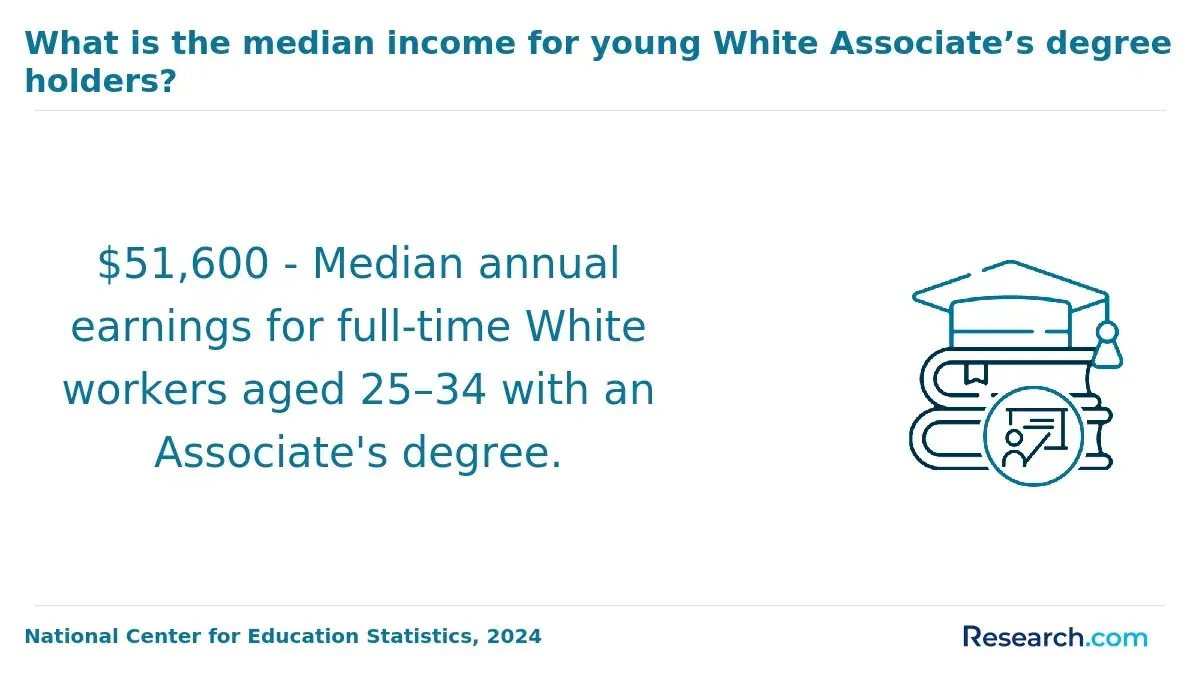
Pursuing a public health nutrition degree involves balancing credential level, program length, and workforce expectations with personal capacity and career goals. An associate degree, typically completed in 2 years, offers foundational skills but limits advancement to entry-level jobs. A bachelor's degree takes about 4 years and integrates broad public health studies with nutrition, preparing graduates for standard roles but often without practical depth sought by employers.
Master's programs, lasting 18 to 24 months full-time, concentrate on research, policy, and program implementation, better aligning with mid-level positions that demand demonstrated experience. Accelerated options shorten timelines but can strain working professionals financially and logistically, while part-time or online study extends duration by up to 2 years or more, spreading costs but delaying income improvements.
Critical tradeoffs include:
- Internships or practicums, often mandatory, lengthen completion but are essential for employability.
- Licensure or certification preparation adds months post-degree, which impacts time to workforce entry.
- Salary expectations vary widely; for example, nutrition researchers average around $54,137 annually, reflecting the premium on advanced qualifications.
For career pivots, the choice often hinges on balancing immediate income needs against long-term gains. Programs emphasizing research and applied experience typically offer better market positioning, but these come with intensified demands and a longer path to credential completion.
How much do public health nutrition jobs pay?
Salary figures in public health nutrition conceal important workforce nuances. The median annual wage reported by the U.S. Bureau of Labor Statistics stands at $73,850, mainly representing dietitians and nutritionists in clinical or hospital contexts. Yet, professionals pursuing roles in community outreach, policy, or research confront widely variable pay depending on organizational type, region, and certifications.
Entry-level public health nutritionists often start near $50,000, while those with seniority or specialized skills can exceed $100,000 annually. For example, a nutritionist working in local government focusing on population health may earn less initially but benefit from steady public sector employment and advancement opportunities. Contrastingly, private consulting or nonprofit positions might offer higher pay flexibly but with greater financial unpredictability.
Employers favor candidates holding the Registered Dietitian Nutritionist (RDN) credential combined with relevant public health degrees or certifications to qualify for top-tier salaries. This credentialing demands upfront investment of time and money, factors that prospective students need to weigh against potential lifetime earnings.
Graduates should align their educational choices with specific occupational roles and personal financial realities, understanding that salary ranges in public health nutrition often reflect funding variability and job stability differences. Navigating these tradeoffs effectively is essential in shaping realistic career trajectories in this evolving sector.
What is the job outlook for public health nutrition careers?
Job prospects in public health nutrition by 2026 hinge largely on the global surge in obesity, necessitating specialists who can craft and execute interventions at a population level. For example, government roles require professionals skilled in evaluating community health programs under funding limitations, which often means balancing measurable outcomes with policy constraints. Healthcare employers prioritize integration of evidence-based nutrition into patient care within multidisciplinary teams, demanding timely collaboration and practical patient communication skills.
Nonprofit and research sectors focus on grant-funded initiatives targeting vulnerable groups, making data analysis and grant writing critical competencies. Administrative tracks increasingly call for policy advocacy expertise coupled with quantitative assessment, whereas clinical roles emphasize certification and hands-on patient interaction experience. Job competition is intensified by employer demand for specialized skills such as cultural competence, epidemiology, and effective health communication.
Graduates must weigh the practical value of programs offering applied practicums aligned with real sector demands, as employers increasingly favor demonstrated impact over academic credentials alone. Entry into public health nutrition careers also involves overcoming logistical challenges including stakeholder engagement and socioeconomic barriers that affect nutritional access.
- Government jobs prioritize outcome measurement and funding navigation
- Healthcare roles require integration of dietary strategies in clinical settings
- Nonprofits seek proficiency in grant writing and vulnerable population outreach
- Administrative positions focus on policy advocacy and data-driven evaluation
- Clinical tracks demand certification and direct patient experience
Source Keywords: Public Health Nutrition, Obesity Prevention, Community Health Initiatives, Grant Writing, Epidemiology, Policy Advocacy, Cultural Competence, Clinical Nutrition Experience
Which certifications help public health nutrition graduates stand out?
Employers filling nutrition roles within state health departments frequently emphasize communication and educational outreach, demanding certifications tailored to these functions rather than purely clinical credentials. For candidates targeting public health nutrition positions where managing community programs and policy implementation dominate, the Certified Public Health Nutritionist (CPHN) stands as a more aligned credential than the Certified Nutrition Specialist (CNS), which often requires significant time and financial commitment suited for clinical or individualized interventions.
Practical hiring decisions typically favor certifications that demonstrate proficiency in designing and evaluating scalable nutrition education campaigns. While Registered Dietitian Nutritionist (RDN) credentials provide essential clinical grounding, they may fall short in preparing candidates for mass communication and culturally nuanced outreach expected in this sector.
Additional certifications like Certified Dietary Manager (CDM) or Certified Nutrition Educator (CNE) equip professionals for institutional environments, such as schools or senior centers, but lack the population-level policy and management focus increasingly prioritized by employers.
Prospective candidates must navigate tradeoffs between clinical depth and public health breadth. For example, a nutritionist aiming to lead statewide program evaluation will find CPHN's emphasis on policy and cultural competence more operationally relevant than the CNS path. Prioritizing credentials aligned with employer expectations and program outcomes is crucial when planning a strategic pivot in public health nutrition roles.
How do you choose an accredited public health program?
Selecting a public health program hinges on accreditation by bodies like the Council on Education for Public Health (CEPH), as employers in fields such as community nutrition and food systems prioritize candidates from accredited programs that align with evolving industry standards. This alignment is critical when addressing complex challenges like micronutrient deficiencies, which affect over 2 billion people globally according to World Health Organization data. Employers look for graduates with applied expertise in epidemiology, program planning, and systems analysis-skills that CEPH accreditation typically ensures.
Programs offering practicum experiences or partnerships with health departments, NGOs, or research institutions provide a tangible advantage, exposing students to real-world challenges in managing diverse nutrition interventions. This practical immersion responds to workforce demand for professionals capable of translating theory into effective, scalable solutions.
Evaluating graduate employment outcomes is essential. Programs with documented job placement within 6-12 months and strong employer networks often enhance access to roles in food systems consulting or sustainability advisory positions. Faculty expertise in global nutrition policy and epidemiology also signals program relevance to persistent nutrition deficits.
Logistics-program length, part-time versus full-time formats, and availability of hybrid or accelerated tracks-directly impact students juggling current employment or requiring rapid skill application. Choosing a format tailored to one's professional timeline minimizes opportunity costs and facilitates smoother career transitions.
Other Things You Should Know About Public Health
In 2027, public health nutritionists face challenges such as adapting to evolving dietary guidelines, addressing disparities in food access, managing limited resources, and staying updated with technological advancements in nutrition science and data analysis, crucial for effective program implementation.
Employers prioritize practical experience that shows the ability to implement nutrition programs and analyze health data over theoretical knowledge alone. Internships, fieldwork, and applied projects directly impact hireability and career growth. Candidates should seek programs with robust practicum components that provide real-world exposure and foster networking with agencies or communities.
A master's degree is highly recommended for leadership or specialized roles, as many employers require or strongly prefer it for advancement. Bachelor-level credentials often limit you to entry or support positions, while a master's enhances skills in research, policy, and program evaluation critical for senior positions. Prioritize accredited MPH programs with focused nutrition tracks to maximize career gains.
Government roles typically offer more stability, structured career paths, and benefits but may involve bureaucratic constraints and slower innovation. Nonprofits provide mission-driven work with flexibility and often faster decision-making but come with funding uncertainty and heavier workload demands. Professionals should align their priorities on job security, impact style, and work environment when choosing between sectors.
References
- Career Paths for MPH Graduates: Top Job Roles in Public Health https://www.unicaf.org/career-paths-for-mph-graduates-top-job-roles-in-public-health/
- Blog https://www.futuresmartcareers.co.uk/blog/a-complete-guide-to-careers-in-nutrition-health-and-wellness/
- List of Accredited Schools and Programs - Council on Education for Public Health https://ceph.org/about/org-info/who-we-accredit/accredited/
- Schools of Public Health https://www.apha.org/professional-development/public-health-careermart/schools-of-public-health
- Public Health Nutritionist https://becomeanutritionist.org/careers/public-health-nutritionist/
- Accreditation https://aspph.org/what-we-do/education/accreditation/
- Public Health Nutritionist job vacancies - Updated Daily https://www.irishjobs.ie/jobs/public-health-nutritionist
- Admissions Requirements https://www.downstate.edu/education-training/school-of-public-health/programs/master-of-public-health/admissions.html
- The Nutrition Institute https://www.thenutritioninstitute.com/us/en/accreditations
- Public Health Nutritionist Jobs (with Salaries) - SEEK https://au.seek.com/public-health-nutritionist-jobs