2027 Best Online Master's in Public Health With Epidemiology Tracks

Co-Founder and Chief Data Scientist
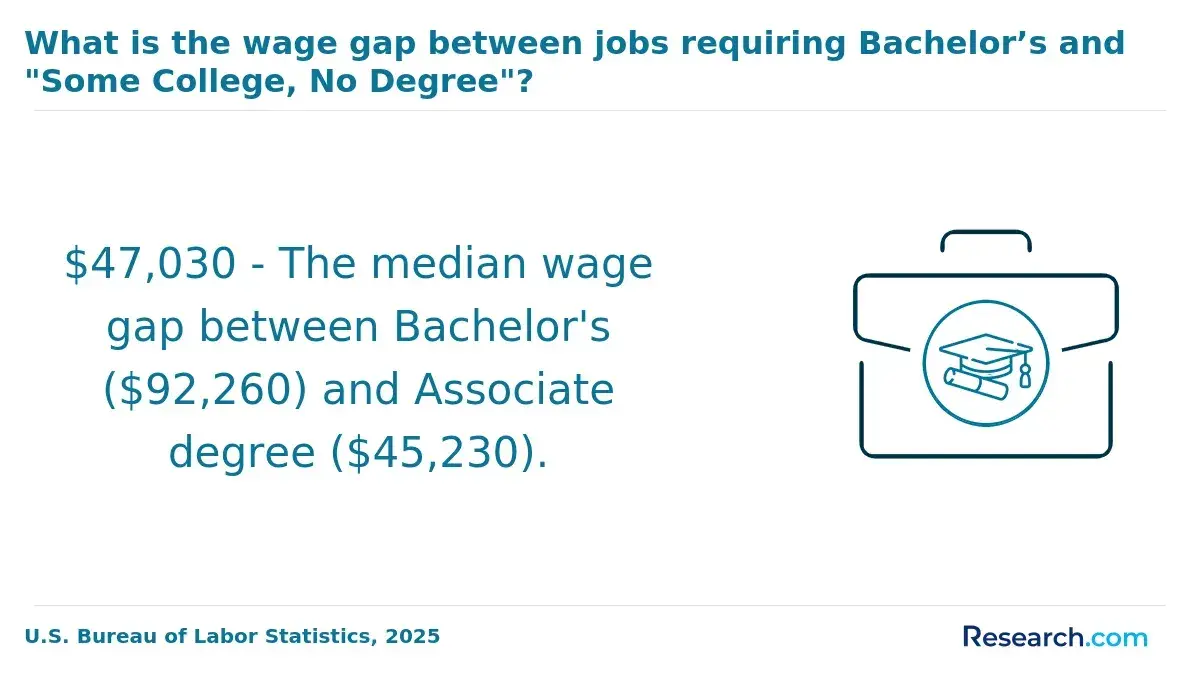
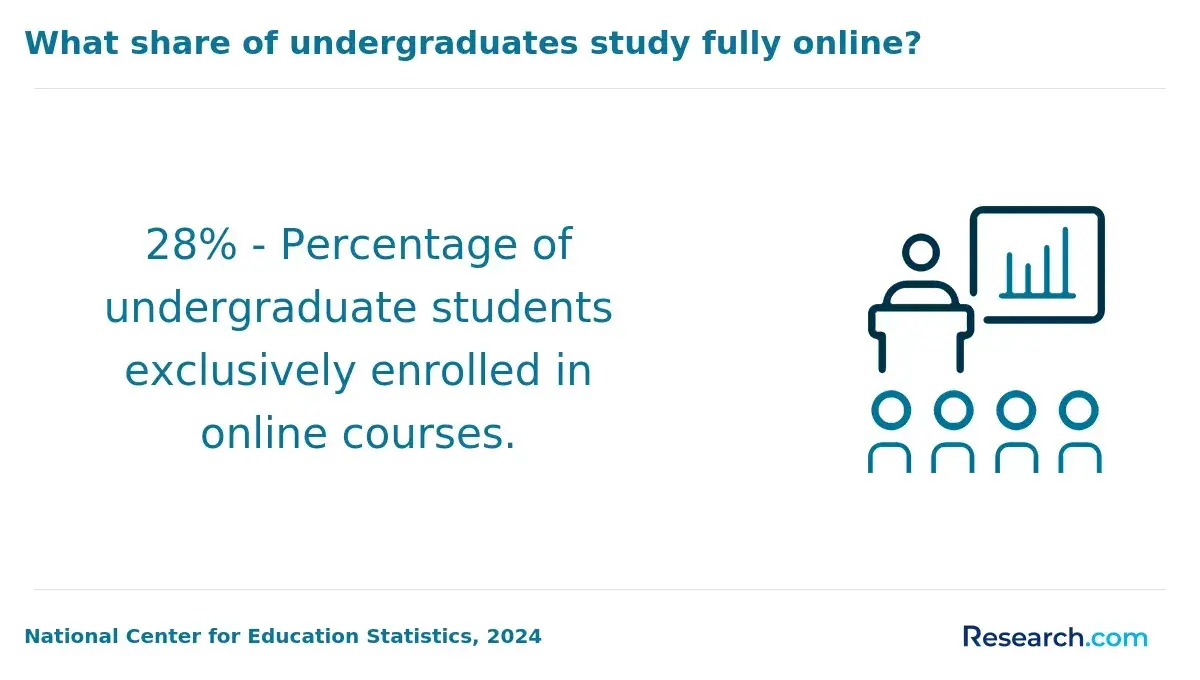
For working professionals aiming to shift into epidemiology, balancing demanding jobs and family commitments while pursuing advanced education poses a significant barrier. Limited program flexibility delays career advancement in fields where rapid skill acquisition matters. Enrollment patterns from the National Center for Education Statistics reveal a 12% rise in graduate students choosing online or hybrid formats since 2022, underscoring a structural change favoring accessible, adaptable learning over traditional campus-bound models. This shift reflects workforce needs for modular education that aligns with unpredictable schedules and evolving public health challenges. This article evaluates the best online master's in public health programs with epidemiology tracks to help prospective students identify options tailored to practical constraints and career goals.
Key Things You Should Know
- Master's programs with epidemiology tracks show 12% higher post-graduation employment in federal public health agencies per 2024 OPM workforce data, emphasizing specialization's role in aligning skills with agency demand.
- Graduates face a cost-timing tradeoff as programs averaging $45,000 over 2-3 years delay workforce reentry, with opportunity costs impacting mid-career professionals seeking rapid advancement.
- Employers increasingly prioritize practical data analytics and outbreak modeling skills, reducing the value of generic public health credentials and pressuring candidates to select epidemiology-focused curricula for competitive advantage.
What is an online master's in public health with an epidemiology concentration?
Programs offering an online master's in public health with epidemiology specialization demand a blend of advanced quantitative proficiency and applied field experience that many working professionals undervalue until faced with real-world constraints. Unlike more generalist public health degrees, these distance learning MPH programs with epidemiology focus integrate biostatistics, surveillance strategies, and outbreak analysis within a curriculum designed for full remote delivery, accommodating diverse professional schedules.
For example, mid-career professionals in healthcare or data analytics confront distinct challenges when pivoting to epidemiology: clinicians must adapt clinical intuition to rigorous study design, while analysts translate complex datasets into actionable epidemiologic insights.
Employers increasingly require graduates to produce evidence that impacts policy and operational responses, so programs lacking practicum or applied research risk producing credential holders without workforce-ready skills.
Practical barriers persist beyond academics, including navigating synchronous fieldwork remotely and managing sensitive health data under confidentiality constraints. Students must plan for dedicated study time and secure reliable access to statistical software, which is non-negotiable for competency rather than mere credential attainment.
Across more than 120 U.S. institutions offering such curricula, the choice of program directly influences employability in roles like infectious disease specialist or public health analyst.
Prospective students should investigate program rigor and applied opportunities carefully, mindful that an online master's in public health with epidemiology specialization is no substitute for field immersion. More detailed cost and program comparisons can be found in resources on HIM degree online.
How do online epidemiology master's programs compare to on-campus options in quality and outcomes?
Online epidemiology master's programs now rival traditional on-campus options in academic rigor and employability, but practical trade-offs affect role suitability. Programs accredited for quality use digital labs and interactive platforms to mimic hands-on data analysis, essential for applied epidemiology careers. Yet, students targeting clinical or laboratory-heavy roles may find online curricula insufficient without the direct experiential learning available on campus.
This nuance matters because employer preference hinges on demonstrated competencies more than delivery mode; state and federal agencies value data interpretation and applied research experience equally from both formats.
Cost remains a significant factor favoring online pathways. Drexel University's online MPH in Epidemiology offers a 25% discount per credit versus its on-campus counterpart, reducing financial and logistical burdens.
Such pricing models benefit working professionals needing flexible scheduling to maintain employment while advancing credentials.
- For research or policy analysis jobs, online degrees provide comparable workforce readiness to on-campus programs.
- Roles demanding laboratory proficiency or extensive fieldwork often require hybrid or in-person education.
- Networking and mentorship opportunities tend to be more accessible face-to-face, placing the onus on online students to actively engage virtually.
Choosing an online epidemiology master's program outcomes compared to on-campus options involves balancing cost, practical experience, and career goals.
Prospective students should align their decision with specific employer expectations in this competitive segment of the public health labor market. Those evaluating educational pathways may also consider related fields such as a health administration degree online for complementary skill sets.
Which accredited schools offer top online MPH programs with epidemiology tracks?
Top accredited online MPH programs with epidemiology tracks-such as those at the University of North Carolina at Chapel Hill, Johns Hopkins University, and the University of Michigan-offer generally aligned core training in biostatistics and epidemiologic methods validated across global standards. This consistency is critical for roles requiring quantitative rigor, from infectious disease surveillance to chronic disease epidemiology.
Each program presents a distinct operational emphasis relevant to workforce placement. UNC's curriculum targets candidates aiming for government agencies like the CDC, emphasizing applied research skills and robust statistical software proficiency essential for outbreak investigation.
Johns Hopkins centers on translational epidemiology, outfitting graduates for clinical trial design and evaluation in pharmaceutical settings. Meanwhile, the University of Michigan promotes flexible, accelerated tracks accommodating working professionals in academic or hospital research environments.
Decision factors extend beyond curriculum content to elements like practicum placement networks, faculty specialization, and access to advanced data analysis tools. Federal employers and public health departments often prioritize candidates with practical data interpretation capabilities supported by strong research infrastructure and employer connections.
Prospective students evaluating the best online master's in Public Health epidemiology programs should also assess program format and networking to maximize employability in competitive markets. Those weighing a pivot or advancement in Public Health might also explore an MBA in healthcare to supplement epidemiology expertise and broaden leadership opportunities.
What coursework and skills are typically included in an online MPH epidemiology curriculum?
Online MPH epidemiology curriculum courses are structured to develop precise competencies in biostatistics, infectious and chronic disease epidemiology, research design, and applied data analysis. These programs require fluency in statistical software like SAS, R, or STATA, a non-negotiable skill for analyzing surveillance data within government or healthcare settings.
Candidates must grasp outbreak investigation protocols and causal inference to navigate environments such as CDC fieldwork or pharmaceutical epidemiology, where policy decisions and drug safety hinge on data accuracy.
Skills developed in mph epidemiology online programs extend beyond technical analysis to include communication and ethics, essential for translating complex findings into actionable infection control in hospital settings. Employer demands increasingly emphasize proficiency in geographic information systems (GIS) to map disease patterns, which specialized modules often teach.
Balancing rigorous theory with applied projects creates a demanding schedule, especially for full-time professionals seeking practical experience alongside coursework. Practical curricula also integrate global health perspectives to prepare students for international outbreak response or disaster management, broadening career paths beyond domestic agencies.
For instance, Texas A&M's School of Public Health reports starting salaries over $100,000 in epidemiology, reflecting the premium placed on specialized skill sets. Students weighing career pivots should note that depth of coursework and elective choices vary widely and directly affect employability.
Those exploring accelerated options may consider 12-month accelerated nursing programs online that complement epidemiology knowledge with clinical experience, fostering versatility in public health roles.
What admission requirements do online epidemiology-focused MPH programs usually have?
Admission to online epidemiology MPH programs demands more than academic credentials; it requires clear evidence of quantitative aptitude and relevant professional experience. Candidate profiles often include a bachelor's degree in health sciences, biology, statistics, or related STEM fields, alongside GRE results-though some programs waive this for applicants with strong work histories or advanced degrees.
A minimum GPA around 3.0 aligns with the statistical rigor expected in coursework, and letters of recommendation must attest to both research ability and professional reliability.
Applicants without solid quantitative backgrounds face substantial challenges but can mitigate these by completing targeted online biostatistics or epidemiology certificates before enrolling. Workforce implications are significant: employers in government health agencies or clinical trial oversight tend to prefer candidates from programs with rigorous admissions, viewing this as a proxy for critical methodologic competence.
Financial investment is also considerable. For example, the UNC Gillings School's 42-credit online MPH costs from approximately $72,870 to $85,394 in tuition. This underscores the importance of assessing potential salary improvements and job market positioning when considering enrollment. Some programs require prerequisite coursework, which may delay progress or add additional financial and time burdens.
Intensive preparation of a personal statement articulating analytical skills and epidemiologic knowledge is essential, as is securing endorsements from supervisors familiar with an applicant's research or public health work ethic. Candidates pivoting mid-career must weigh these academic and financial tradeoffs against realistic workforce outcomes.
How long do online MPH epidemiology programs take, and what do they cost?
The practical timeframe for completing an online MPH epidemiology program ranges between 18 and 36 months, largely dictated by enrollment status and transfer credit acceptance. Full-time students typically graduate in about two years, while working professionals managing job commitments often extend study to three years. This extension can impact overall cost through additional fees and delayed entry into epidemiology roles requiring board certification or licensure.
Tuition disparity based on residency status is a critical consideration. For instance, Texas A&M's online MPH in Epidemiology charges $17,727 for Texas residents but more than doubles for nonresidents at $38,069. When employer tuition reimbursement or financial aid only partially offsets costs, this gap significantly influences budget planning.
Additional expenses often overlooked include textbooks, technology fees, and travel for necessary on-campus residencies or practica. Students should also factor in opportunity costs from reduced work hours if pursuing full-time study.
Graduates benefiting from accelerated, affordable programs can enter the competitive public health job market sooner and with less debt, balancing academic credentials with the experiential competencies employers prioritize. Those extending study periods must weigh the tradeoff between professional income continuation and prolonged program costs.
Evaluating online MPH epidemiology programs requires realistic timelines reflecting professional demands, meticulous budgeting for tuition variation by residency, and transparent accounting of hidden expenses to optimize long-term return on investment.
What careers can graduates of online MPH programs with epidemiology tracks pursue?
Securing roles in epidemiology following an online MPH with an epidemiology track requires significant quantitative and analytic skillsets combined with applied field knowledge. For instance, epidemiologic surveillance specialists at metropolitan health departments must rapidly interpret complex disease patterns to inform containment strategies during outbreaks-demanding real-time data fluency and a strong quantitative foundation.
The most common positions include epidemiologists, biostatisticians, and public health analysts within government entities like the cdc or state health departments, as well as research scientist roles in hospitals and nonprofit organizations focused on disease surveillance and policy development.
The pathway is not without challenges: entry into research-intensive roles typically requires a minimum undergraduate gpa of 3.0 and proficiency in statistical software such as r or sas, with hands-on field experience strongly favored. Many students address this gap through targeted internships or certifications in biostatistics or informatics to align with employer expectations.
Alternatives such as clinical trial coordination in pharma and consultancy for international health agencies underscore the need for translating complex epidemiologic data into actionable policy summaries.
Career progress balances technical expertise with leadership in program management and interdisciplinary collaboration. Long-term salary and job security show a positive correlation with applied epidemiology experience and software proficiency.
Graduates should strategically pursue employers who recognize this blend of quantitative, investigative, and policy translation skills to maximize workforce relevance in a competitive segment.
What salary ranges and earning potential can epidemiology-focused MPH graduates expect?
Epidemiology MPH graduates face notable salary variability tied to sector, experience, and employer type. Entry-level salaries generally range from $65,000 to $85,000, with public-sector roles at government or nonprofit agencies clustered near the lower end ($65,000-$75,000). In contrast, private industry positions in pharmaceuticals or health technology often start closer to $80,000 or above, reflecting market-driven funding and demand. These distinctions affect immediate earning potential and career trajectory.
Over time, epidemiologists with strong analytical skills and experience in outbreak investigation or biostatistics can surpass $120,000, particularly in leadership or specialized research roles. The tradeoff between program costs and time-to-earnings growth is critical.
For example, online MPH programs, such as the one at Johns Hopkins University costing around $82,160 over multiple years, may delay income gains compared to shorter, on-campus tracks priced near $79,260. Graduates evaluating online versus in-person options should factor in their ability to absorb tuition costs against potential delayed wage benefits.
Geographic and employer-specific factors further complicate salary outcomes. Urban public health departments may offer higher pay but come with higher living expenses, while rural agencies may be less competitive both in pay and hiring.
Private employers demand quantifiable evidence of applied skills, so internships and practical projects materially impact employability. Navigating these nuances is essential for professionals strategically aligning education with specific Public Health workforce goals.
What is the job outlook and demand for epidemiologists and related public health roles?
Epidemiology employment is set to grow 11% from 2024 to 2034, driven largely by persistent needs in disease surveillance, statistical analysis, and outbreak management across federal, state, and private sectors. However, this growth masks significant variation in hiring and salary trends: federal agencies and research institutions generally offer greater stability and higher compensation compared to state and local health departments, where budget and political constraints limit recruitment.
Professionals transitioning from clinical or laboratory roles should account for the distinct communicative demands of epidemiology, especially the necessity to translate complex data into actionable policy recommendations. Pharmaceutical epidemiologists face longer project timelines and intricate regulatory frameworks that shape workload and career tempo.
Geographic concentration in urban and federal hubs can restrict opportunities and mobility for some candidates.
- Epidemiology roles often require balancing technical expertise with communication and policy engagement
- Salary and job security vary substantially by employer type and location
- Cost efficiency in education correlates directly with long-term career feasibility
Employers prioritize practical skills such as proficiency with health informatics tools and demonstrable applied experience over academic credentials alone.
Tuition considerations also significantly impact access and return on investment; for example, programs like UMass Lowell's online MPH in Epidemiology offer cost advantages notably below private institution averages, mitigating student debt burdens.
How can students evaluate and choose a reputable online MPH program in epidemiology?
Assessing online MPH programs in epidemiology demands scrutiny beyond accreditation; the curriculum must deliver strong training in biostatistics, causal inference, and applied epidemiologic methods to meet employer expectations. For professionals in government health agencies or global nonprofits, programs integrating outbreak investigations and policy impact case studies ensure skills translate directly to workplace challenges.
The absence of specific employment outcomes can signal misalignment with labor market realities, risking delayed workforce entry, especially for mid-career practitioners needing timely progression. Flexibility through part-time or asynchronous online formats suits working adults but often extends completion timelines, potentially hindering swift career transitions.
Financial and time investments require balancing against program rigor to avoid under-preparation or prolonged exits from employment.
Key evaluation criteria include:
- Confirmed accreditation from recognized bodies like CEPH
- Transparent graduate employment data tied to epidemiology roles at health departments
- Curriculum relevance emphasizing applied epidemiology and real-world data
- Program delivery format aligned with individual capacity for time and financial commitment
When comparing MPH epidemiology tracks to research-focused alternatives-such as Columbia University's online MS in Epidemiology-students must clarify career intent: an MPH supports leadership and policy roles with broader public health scope, whereas an MS suits academic or research-intensive ambitions.
Misjudging these distinctions may result in credential-role mismatches that complicate job placement.
Other Things You Should Know About Public Health
Online MPH programs in epidemiology require consistent weekly study and project work, often equivalent to a part-time job, especially in applied research courses. Students working full time must budget for 15-20 hours per week, with more intensive periods during assignments and capstone projects. Programs with asynchronous lectures offer scheduling flexibility but do not reduce overall workload. Prioritizing programs with clear timelines and support services improves the chances of balancing obligations successfully.
Employers generally recognize accredited online MPH epidemiology degrees similarly to traditional degrees if the program holds regional or CEPH accreditation. The crucial factor is evidence of applied skills and research experience rather than format alone. Candidates benefit from internships, practicum completion, or relevant work experience that demonstrate their ability to translate academic knowledge into public health practice. Job seekers should emphasize these experiences in applications to offset any employer bias about online learning.
Choosing a specialization such as infectious disease, chronic disease, or environmental epidemiology can improve alignment with specific labor markets and employer needs. Specializations add targeted expertise but may limit flexibility if you want a broad epidemiology career. For career pivots, prioritize programs that allow elective flexibility and real-world projects in your target subfield. Specializations tied to current public health priorities often offer stronger employment outcomes but demand careful alignment with your long-term goals.
References
- Online MPH in Epidemiology: Find the Master's Program for You https://www.degreesforgood.org/online-degrees/public-health-programs/masters-mph/epidemiology/
- Is an Online MPH Worth It? | University of Bridgeport https://www.bridgeport.edu/news/is-online-mph-worth-it/
- How an Online MPH Degree Can Impact Public Health in 2024 https://dblp.ucnedu.org/blog/how-an-online-mph-degree-can-impact-public-health/
- Public Health Career Salaries: What to Expect Across Roles https://www.scuhs.edu/bshs-article/public-health-career-salaries-what-to-expect-across-roles/
- Best Online MPH Degree Programs for 2025 https://www.princetonreview.com/grad-school-rankings
- MPH Fall Courses | Graduate School Course Catalog https://ismms-gs.gitbook.io/graduate-school-course-catalog/mph-master-of-public-health/mph-fall-courses
- Highest Paid Public Health Careers https://www.publichealthdegrees.org/careers/highest-paid-public-health-jobs/
- Top 25 Online MPH in Epidemiology - MPH Online https://www.mphonline.org/best-online-masters-epidemiology/
- Best Master's Epidemiology https://www.masterspublichealth.net/best/online-masters-epidemiology/
- Epidemiology Jobs in Public Health https://www.publichealthcareers.org/jobs/epidemiology/