2027 Nonprofit Roles You Can Target With a Public Health Degree

Co-Founder and Chief Data Scientist
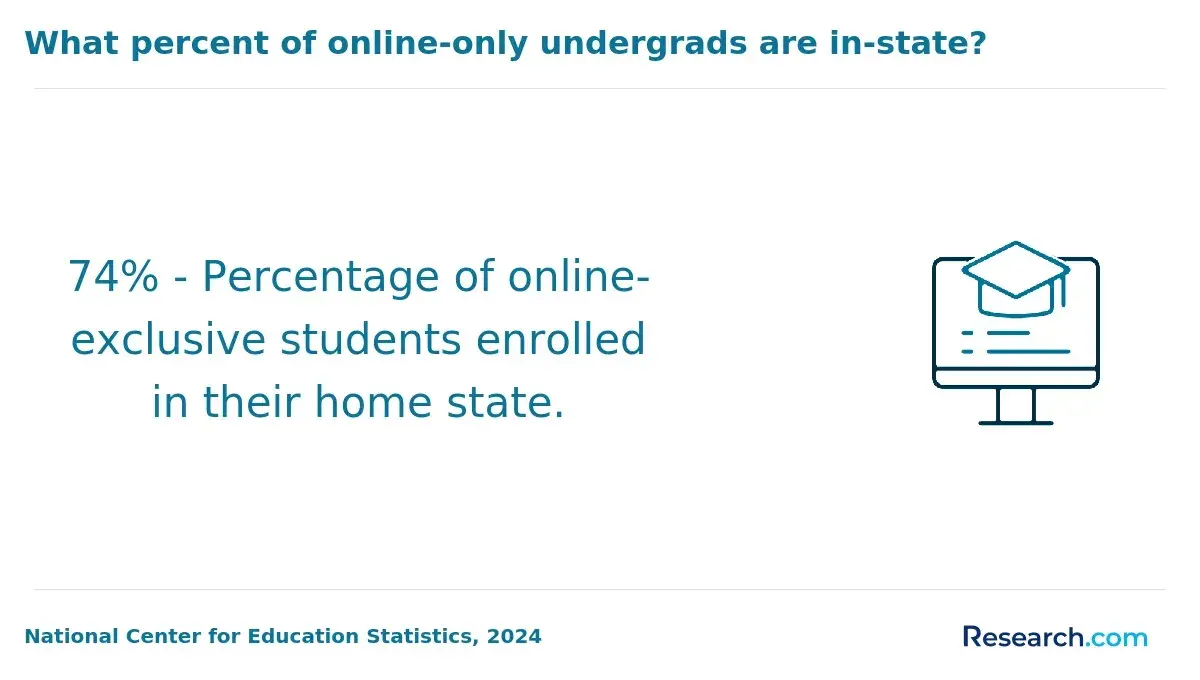
Mid-career professionals in public health increasingly confront the challenge of balancing continued education with full-time employment and personal obligations, complicating strategic shifts into leadership or specialized roles. According to recent data from the National Center for Education Statistics, enrollment in online public health programs surged by over 40% between 2021 and 2024, signaling a pronounced shift toward flexible learning models that accommodate adult learners' complex schedules.
This trend matters because it directly influences timing and accessibility for those seeking to pivot careers or expand skill sets amid evolving workforce demands. This article breaks down specific nonprofit roles accessible with a public health degree to guide targeted career advancement decisions.
Key Things You Should Know
- Nonprofit employers prioritize candidates with demonstrated data analytics skills linked to community outcomes, per 2024 Nonprofit HR reports, making robust quantitative training critical despite longer degree durations and costs.
- The 15% nonprofit workforce growth in epidemiology roles by 2028, per BLS projections, pressures applicants to secure internships early, as employers prefer proven applied experience over theoretical credentials.
- Public health degrees usually require 2-3 years and $40K-$70K tuition, limiting access for mid-career pivots; thus, targeted certificate programs become key tradeoffs for timely nonprofit role entry.
What nonprofit careers can you pursue with a public health degree?
Choosing a public health degree to enter nonprofit job opportunities requires navigating distinct roles each with unique expectations and tradeoffs. For example, program directors earn an average of $64,676 annually but must juggle management, budgeting, and staff oversight-skills often developed through early hands-on experience rather than solely academic training.
Health educators and community outreach coordinators demand strong cultural competency and logistical acumen to connect vulnerable populations with services effectively. Meanwhile, grant writers focus on precise, data-driven communication that aligns with funders' priorities, which may not require leadership experience but does necessitate meticulous attention to detail.
Public health degree nonprofit job opportunities are competitive, particularly for senior positions, making internships or certifications in epidemiology or nonprofit management critical for gaining a market edge. Some graduates may find faster specialization pathways by integrating advanced credentials such as accelerated PMHNP programs online to complement nonprofit work involving health policy or community mental health.
In practice, nonprofit hiring often favors candidates who demonstrate both sector-specific technical expertise and the ability to navigate regulatory and funding complexities. Policy advocates, for instance, must combine legislative familiarity with strategic negotiation skills to influence health laws effectively. Understanding these nuanced role requirements helps applicants tailor their career strategies to avoid common stall points.
How does working in nonprofits differ from government or private public health roles?
Nonprofit careers compared to government public health jobs reveal fundamental operational and mission-driven distinctions that directly affect job roles and career trajectories. Nonprofits focus intensely on community engagement and navigating funding uncertainties, often relying heavily on grants and donations. This environment demands skills in grant writing, adaptive program development, and outcome measurement to maintain funding, contrasting with the more stable but bureaucratically structured government roles centered on regulatory compliance and broad policy implementation.
For instance, a community health manager in a nonprofit setting might work directly with marginalized populations, tailoring interventions to local needs. Meanwhile, government public health positions typically emphasize population-wide prevention strategies and inter-agency coordination, which can slow project execution but offer clearer advancement pathways. The tradeoff often lies between grassroots innovation in nonprofits and institutional stability in government.
Employment data from the U.S. Bureau of Labor Statistics projects a 12% growth for health education specialists and community health workers through 2031, far exceeding average occupational growth, signaling strong demand in nonprofit public health roles. However, candidates should consider nonprofit pay variability and less formal career progression relative to government options.
Those evaluating the differences between private sector and nonprofit public health roles must also weigh operational priorities: nonprofits prioritize community trust and direct outreach, while private sector jobs often emphasize scalable, efficiency-driven interventions with limited community interaction. Prospective students seeking to enter this space might explore a bachelors healthcare administration to gain practical skills aligned with nonprofit and public health operational demands.
What types of nonprofit organizations hire public health graduates?
Nonprofit organizations hiring public health graduates focus largely on roles that blend quantitative skills with community engagement, such as data analysis, advocacy, and program coordination. These positions often target areas like infectious disease prevention, chronic disease management, and social determinants of health. For example, community-based nonprofits addressing food insecurity or homelessness require professionals who can interpret complex data while demonstrating cultural competency to effectively serve diverse populations.
Career opportunities in nonprofit public health sectors typically include data analysts, epidemiologists, program managers, and health educators. A 2025 posting for a Public Health Data Analyst at New York Common Pantry cited salaries ranging from $65,000 to $72,000 annually, signaling competitive pay within certain nonprofit roles despite tighter budget constraints.
Graduates must manage the tradeoff between mission impact and limited resources, as nonprofits often operate under stable yet restricted funding sources like federal grants and philanthropy. Success hinges on skills in grant writing, outcome evaluation, and cross-sector collaboration to extend program reach and sustain funding.
Employers especially value candidates with multidisciplinary training who can oversee public health interventions at local or regional levels. Those considering an educational pivot might explore an affordable online MBA healthcare management to complement their public health expertise and navigate nonprofit operational challenges more effectively.
Which public health degrees best align with nonprofit career pathways?
Choosing public health degrees that align with nonprofit career pathways requires a clear-eyed assessment of skill sets and organizational needs. The best public health degrees for nonprofit leadership emphasize program management, epidemiology, and policy advocacy, equipping graduates to design and evaluate community health initiatives while handling nonprofit-specific funding and stakeholder dynamics. For example, an MPH with a concentration in health policy facilitates roles such as program manager or policy analyst in nonprofit settings.
Degrees focusing on behavioral health or mental health are especially relevant for nonprofits addressing vulnerable populations, reflecting labor market realities where mental health program managers earn an average of $93,589 annually in the U.S., according to ZipRecruiter in 2025. Combining mental health specialization with core public health principles enhances grant management and client care capabilities.
The top public health programs for nonprofit careers often integrate experiential learning or internships within nonprofit environments, vital for developing practical leadership skills. Environmental health professionals targeting nonprofits benefit more from degrees combining environmental science with public policy rather than purely clinical tracks.
Candidates must navigate tradeoffs between versatile MPH degrees and specialized options like health administration or nonprofit management. While targeted degrees sharpen operational know-how, broader MPH programs provide foundational epidemiological expertise essential for evidence-based nonprofit strategies.
Due diligence on program accreditation and nonprofit network access remains critical to securing competitive salaries and advancement. Prospective students should also consider varied educational pathways; for instance, those exploring healthcare transitions might investigate the easiest RN to BSN program online as an alternative route.
What entry-level nonprofit roles are available to new public health graduates?
Entry-level positions in nonprofit public health typically demand more than foundational knowledge; they require demonstrated project management skills and proficiency with data tools such as SPSS or SAS. Roles like Health Program Assistant or Research Coordinator often involve direct operational responsibilities including community engagement and data collection to support program outcomes. In larger NGOs, the focus may narrow to compliance and evaluation tasks, while smaller nonprofits expect new hires to adopt diverse functions, reflecting resource constraints.
Applicants without specialized credentials such as an MPH frequently encounter restricted advancement until they acquire certifications in epidemiology or health communications. Moreover, competitive grant writing experience and the ability to navigate complex stakeholder interactions are crucial due to outcome-driven funding models prevalent in nonprofits.
Salary ranges start modestly-around $40,000 to $60,000 annually-varying significantly by region and organization size. For example, a Regional Director of Health Equity in a nonprofit may earn approximately $151,203 per year, illustrating the potential upward mobility within this sector.
What mid- and senior-level nonprofit positions can experienced public health professionals hold?
Mid- and senior-level nonprofit roles in public health demand a blend of technical expertise, leadership, and strategic communication. Positions such as program director, senior epidemiologist, or policy and advocacy specialist are less about entry-level tasks and more about steering complex initiatives that affect funding and community health outcomes. For instance, a public health policy and advocacy specialist with legislative insight can command an average salary of $69,520 annually, reflecting the premium placed on expertise that shapes health legislation and policy priorities.
Program directors carry substantial operational responsibilities, from managing budgets and grant compliance to coordinating partnerships across sectors. These roles typically require 5-10 years of proven experience and proficiency in grant writing, reflecting the high expectations for program oversight in a nonprofit context.
Employers seek candidates capable of translating detailed data into actionable strategies for diverse stakeholders, balancing innovation with finite resources. The tradeoff between field roles-often lower paid but offering direct community interaction-and policy-focused positions requires candidates to weigh personal mission against compensation and systemic influence. Continuing education in health policy or nonprofit management can be pivotal in advancing within these roles, particularly as funding mechanisms and advocacy landscapes grow more complex.
What skills and competencies do nonprofits look for in public health candidates?
Nonprofit employers in public health prioritize candidates who combine technical mastery with practical adaptability. Proficiency in epidemiology, biostatistics, and environmental health principles is foundational, particularly for roles involving program evaluation or intervention design. For instance, environmental health specialists must apply quantitative methods to identify risks and measure intervention outcomes, directly influencing funding decisions and policy advocacy.
Technical skills are complemented by strong communication abilities tailored to diverse, often marginalized audiences. Translating complex scientific data into culturally relevant, clear narratives is key to reducing resistance and improving outreach effectiveness. Additionally, proven project management and grant writing skills are frequently non-negotiable, given the sector's reliance on efficient organizational reporting to secure funding.
Familiarity with regulatory protocols and government collaboration often yields higher salaries, with Glassdoor data (April 2025) showing environmental health roles in public administration paying $63,000 to $103,000 annually. This sector, compared to purely nonprofit settings, typically offers greater financial stability but demands navigation of more complex administrative frameworks.
Professionals must balance specialization against versatility, as nonprofits often require multitasking across program design, data analysis, and community engagement amid fluctuating funding climates. Continuous skill updating-especially in software like SAS, R, or Python-is essential to maintain relevance and effectiveness in this evolving landscape.
What is the typical salary range for nonprofit public health roles?
Salary expectations in nonprofit public health roles require a strategic assessment of trade-offs between compensation and mission-driven work. Biostatisticians or research scientists in health-focused NGOs typically earn a median annual salary near $108,907, with most salaries ranging from $95,621 to $121,634. Those with advanced skills and several years of experience may command salaries above $120,000, particularly within larger organizations.
Unlike private sector roles, nonprofits often provide limited bonuses or stock options, placing greater emphasis on base salary and benefits. Entry-level professionals specializing in program management or community outreach usually receive lower compensation, reflecting organizational budget constraints. Someone moving from clinical or commercial backgrounds should anticipate initial earning adjustments but may gain leverage through demonstrated quantitative and research competencies.
Compensation also fluctuates with geographic location and funding variability, meaning candidates must be prepared to negotiate by clearly articulating how their research expertise aligns with nonprofit goals that emphasize measurable health outcomes. Emphasizing relevant educational credentials tailored to the nonprofit's mission improves the opportunity to reach top-tier pay within this sector.
What is the job outlook for nonprofit careers in public health?
Nonprofit careers in public health demand skills that extend well beyond traditional program management, including grant writing, data analysis, and collaboration with diverse stakeholders. For example, a mid-sized nonprofit focused on infectious disease prevention requires repeated coordination with local health departments and federal disaster relief agencies, making flexibility and specialized expertise essential.
Salary potential varies widely, influenced by nonprofit size, geographic location, and funding stability. Emergency preparedness coordinators earn an average of $80,000 annually, with experienced professionals in large humanitarian nonprofits making between $64,000 and $102,000. Urban centers generally offer more opportunities and higher compensation compared to rural areas, which can limit both job availability and career progression.
Entry-level roles exist but advancing within nonprofit public health hinges on measurable community impact and accumulated experience. Candidates who enhance their credentials with certifications like epidemiological modeling or health communication have a distinct advantage. However, balancing mission-driven work with the unpredictability of funding cycles presents a tradeoff that prospective professionals must consider carefully.
How can you strategically prepare for nonprofit work during a public health program?
Securing a nonprofit role within public health demands early integration of hands-on experience and specialized skill development that align with employer expectations for complex, multi-stakeholder project management. For example, a student targeting a Global Program Manager position benefits from internships emphasizing budgeting, grant writing, and cross-cultural communication, which demonstrate operational readiness beyond academic theory.
Coursework should complement fieldwork by focusing on data analytics and program evaluation, critical for nonprofits relying on evidence-based funding decisions and impact measurement. Students face a strategic choice: specializing deeply in infectious disease programs risks narrowing adaptability, whereas broader competencies in health systems or social determinants of health improve resilience amid shifting funding priorities.
Salary data from Salary.com (November 2025) indicates global program managers at international health NGOs earn between $138,817 and $143,753 annually, with a mean near $142,866. This compressed range reflects the premium on leadership skills and technical competencies over tenure alone when differentiating candidates.
Other Things You Should Know About Public Health
Public health roles in small nonprofits often require multitasking across program design, data analysis, and community engagement due to limited staff resources. Employers expect flexibility and cross-functional skills but may offer less formal structure and fewer advancement opportunities. Large nonprofits typically demand deeper specialization with defined roles, supported by more resources, and expect proficiency in data-driven decision making and grant management. Select smaller nonprofits if you prefer varied responsibilities and broad skill development; opt for larger ones to focus on expertise and clearer career ladders.
Most nonprofit public health roles do not require state licensure. Positions in community outreach, program coordination, health education, and grants management usually only ask for a public health degree and related experience. Clinical jobs, such as nursing or counseling roles, may require a valid state license and board certification.
For 2027, certifications like the Certified in Public Health (CPH) are valuable for nonprofit roles. Some positions may also require additional NGO-specific credentials, depending on the focus area, to enhance qualifications and improve job prospects effectively.
References
- What Can You Do With a Public Health Degree? | ACE Blog https://ace.edu/blog/what-can-you-do-with-a-public-health-degree/
- Careers https://www.publichealthdegrees.org/careers/
- Support for fired public health workers https://www.apha.org/professional-development/public-health-careermart/public-health-jobs
- Careers in Public Health. Life’s Work https://www.publichealthcareers.org/
- Highest Paying Jobs in Public Health and their Salaries - MPH Online https://www.mphonline.org/highest-paying-jobs-public-health/
- Why Health Nonprofits Are an Important Part of Public Health https://publichealth.tulane.edu/blog/health-nonprofits-public-health/
- 5 Nonprofit Qualities to Look for When Hiring https://www.nonprofitpro.com/article/staffing-your-nonprofit-5-qualities-to-look-for-when-hiring/
- Public Health Career Salaries: What to Expect Across Roles https://www.scuhs.edu/bshs-article/public-health-career-salaries-what-to-expect-across-roles/
- The Role of Nonprofits in the United States Healthcare System and Their Relationship with the Government | IntechOpen https://www.intechopen.com/online-first/1249411
- Strategic Planning for Nonprofits: A Guide to Future Success https://laridaemc.com/strategic-planning-for-nonprofit-organizations/