2027 Public Health Job Market Outlook Through 2030

Co-Founder and Chief Data Scientist
Navigating career advancement in public health presents a complex dilemma: choosing between delayed education and immediate workforce entry amidst evolving employer expectations. The U. S. Bureau of Labor Statistics projects a 12% growth in public health jobs through 2030, intensifying competition for roles requiring graduate credentials. Meanwhile, research from the National Center for Education Statistics reveals a 28% increase in working adults enrolling in online public health programs since 2022, reflecting a critical shift toward balancing education with professional obligations.
This article examines labor market trends, educational pathways, and credentialing trade-offs to equip candidates with strategies for timing, accessibility, and skill alignment in public health careers.
Key Things You Should Know
- The 11% projected growth in public health jobs by 2030, per the U.S. Bureau of Labor Statistics, competes with a 4-year MPH credential that delays workforce entry by at least two years, requiring cost-benefit analysis for accelerated vs. traditional paths.
- Employers increasingly prioritize quantitative skills like epidemiology and data science, with 68% of surveyed health departments demanding demonstrable analytics proficiency, forcing curricular choices that affect job market competitiveness.
- State and local public health agencies face chronic budget shortfalls, shrinking full-time positions and increasing reliance on contract workers, which trades stability for flexibility and shapes employment conditions for new graduates.
What does the public health job market look like for the rest of this decade?
The projected public health workforce demand through 2030 signals a persistent global shortfall of 10-11 million health workers, primarily in low- and lower-middle-income countries. This shortfall intensifies the need for professionals skilled in interdisciplinary approaches, including data analytics and community-based interventions, to optimize resource allocation and address systemic gaps.
U.S. public health employment trends in North America reveal a competitive yet opportunity-rich market where government agencies expand surveillance and preparedness, and nonprofits scale educational initiatives. For instance, state health department specialists must balance regulatory compliance with community engagement, reflecting employer demands beyond traditional epidemiology.
Practical career progression requires navigating varied credential requirements, balancing advanced degrees like an MPH with 2-5 years of applied experience or certifications in health informatics or program evaluation. Short-term fellowships can facilitate entry into specialized sectors such as environmental health, key to long-term employability amid evolving demands.
Budget constraints in public agencies require candidates to prove cost-effective project management and measurable impacts. Strategic educational choices must weigh these realities critically. Professionals looking for accelerated pathways should consider options like a fast track mental health counseling program, which can complement public health expertise for pivoting roles focused on mental health integration.
Which public health roles are most in demand across the United States?
Growth in public health careers with highest demand in the United States centers on health educators and community health workers, with employment projected to rise 17% from 2020 to 2030. This increase, yielding over 16,000 annual job openings, outpaces many other fields and highlights the urgency for candidates with adaptable skills alongside formal education.
Employer expectations reveal distinct regional workforce demands: rural healthcare systems rely heavily on community health workers to bridge outreach gaps and sustain disease prevention efforts, while urban hospital networks prefer health educators who develop targeted interventions for managing chronic diseases across diverse communities. Candidates considering a career pivot must weigh the value of broad versus specialized credentials, such as those in maternal and child health or epidemiology, matching qualifications with employer specificity.
Pragmatic program evaluation prioritizes those offering integrated internships or fieldwork, ideally through partnerships with local health departments or nonprofits, as real-world experience directly correlates with employability. However, varying state credential requirements and the necessity of ongoing professional development complicate entry and progression in this sector.
For those evaluating options, it is practical to explore programs with flexible delivery models that accommodate working professionals. For example, a hospital administration course online can complement public health skills for broader healthcare management roles.
Top public health jobs across major US regions exhibit these practical workforce nuances, emphasizing strategic planning to secure roles that balance job security with long-term growth potential.
What are typical public health salaries and how are they expected to change?
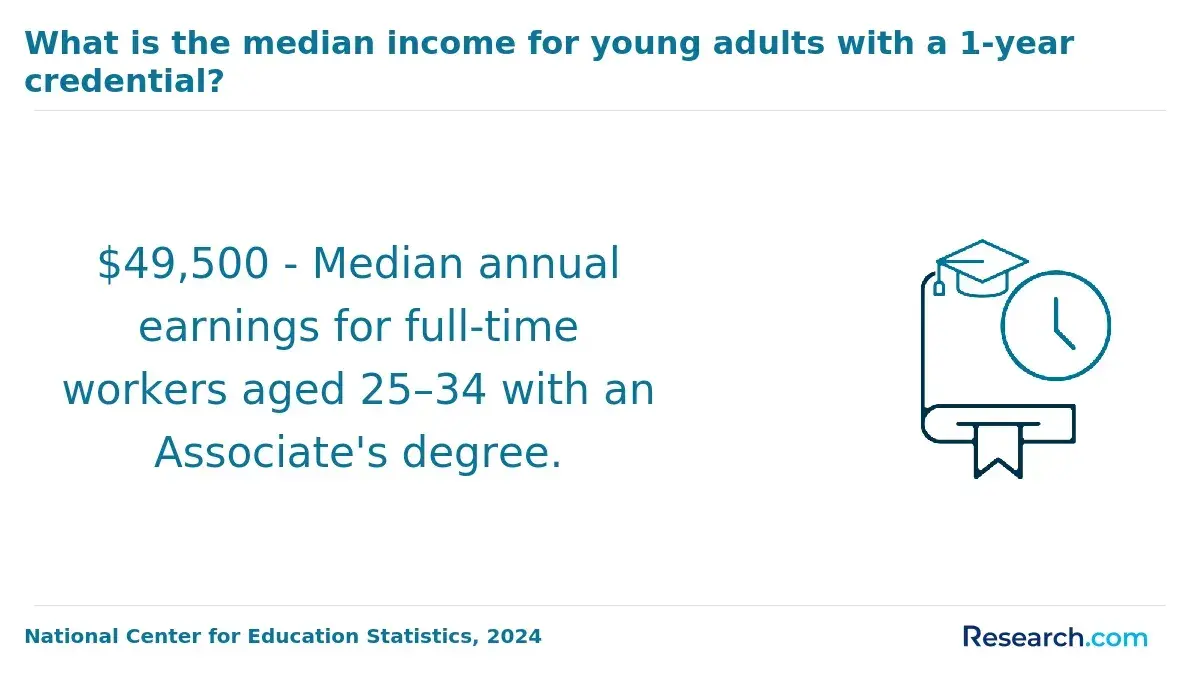
Typical public health salaries in North America display wide variability based on role, education, and sector. Median wages range roughly from $50,000 for entry-level health educators to upwards of $100,000 for epidemiologists and policy analysts. According to 2024 Bureau of Labor Statistics data, community health workers earn about $48,000 annually while health services managers approach $104,000. These figures reflect the premium on skills tied to data analysis, program management, and health policy development.
Employment growth projections indicate modest but steady salary increases linked to sector changes. Altarum forecasts ambulatory healthcare services will yield roughly 1.2 million new public health jobs by 2034. This shift from institutional to outpatient and community-based settings favors professionals proficient in preventive care, health education, and chronic disease management-roles generally commanding better salaries than entry-level positions confined to traditional institutional environments.
For example, public health workers in urban community clinics often start near median wages but can substantially boost earnings by gaining certifications in health informatics or epidemiology. Public agencies and nonprofits provide salary stability but limited rapid growth compared to expanding private ambulatory care systems.
Salary negotiation should emphasize demonstrated expertise in data-driven program impact and population health improvements, which align with high-demand ambulatory care positions. Without advanced credentials or relevant certifications, wage stagnation is a real risk. Individuals evaluating public health salary growth and projections may consider pursuing a MHA degree cost as a strategic investment to access roles with better advancement potential.
In 2026, public health compensation reflects a market pivot toward decentralized, prevention-focused care, where upward mobility hinges on improving community health metrics and operational efficiency within ambulatory care settings.
What degrees and training do you need for a public health career?
Employers in public health increasingly require a master's degree or higher for substantive roles beyond entry level, with doctoral qualifications often necessary for specialized epidemiology positions involving complex statistical analyses and surveillance. Practical decisions between a Master of Public Health (MPH) and a doctoral track hinge on tradeoffs like program length, cost, and the candidate's career focus. While MPH programs typically span two years offering broad foundational training, doctoral studies demand 4-6 years and produce independent researchers, better suited for academic or high-level analytical careers.
Prospective students should weigh these educational pathways against real workforce expectations: strong quantitative skills, including biostatistics, informatics, and GIS, increasingly determine candidate viability, especially given the projected 27% job growth for epidemiologists through 2032. Certification such as Certified in Public Health (CPH) adds value but cannot replace formal degrees. Employers often prioritize applicants with documented experience in public health systems and data surveillance tools, reflecting the need for applied skills alongside academic credentials.
Interdisciplinary competence, especially combining data science with communication, is vital in translating complex findings to usable public health policies. For those navigating training and education requirements for a public health career, options like online BSN to MSN programs offer alternative advancement routes in related health fields that intersect with public health disciplines.
Government and healthcare roles in particular require professionals who integrate practical exposure with advanced coursework, rather than solely clinical degrees, to avoid stagnation in prevention or surveillance positions.
How do online public health programs compare to campus-based options?
Campus-based public health programs typically provide stronger preparation for supervisory and management roles due to their emphasis on applied skills via internships and direct community engagement. This real-world exposure is often valued by employers as a critical indicator of readiness for leadership positions. By contrast, online programs offer flexibility essential for working adults but often require supplemental efforts to compensate for limited hands-on experiences. The Bureau of Labor Statistics (BLS) highlights this divide, showing median annual wages from approximately $46,590-$57,920 for entry-level public health technicians to $104,830 for health services managers-a gap that underscores the importance of experiential learning.
Consider a community health worker aiming to enter the workforce quickly: an online associate degree can efficiently meet this goal. Meanwhile, a mid-career professional targeting a health services management role should prioritize programs-whether campus-based or hybrid-that integrate meaningful internships and networking opportunities. Employers expect proven applied experience alongside formal credentials, so online learners must proactively pursue external placements to bridge that gap.
Key practical tradeoffs include:
- Campus programs facilitate immediate skill-building through faculty interaction and peer collaboration.
- Online programs allow balancing job or caregiving commitments but may lack immersive networking.
- Salary and advancement potential correlate strongly with program type and experiential learning depth.
Choosing the right path requires aligning educational format with career stage, personal obligations, and targeted job market segments in public health.
Which public health specialties offer the strongest long-term career growth?
Demand in the public health workforce concentrates heavily in specialized fields where real-world challenges intersect with skill requirements and work environments. Epidemiology offers clear growth but often demands advanced statistics expertise, clinical knowledge, and willingness to engage in fieldwork during outbreaks-conditions not suited for all students. Global health professionals face logistical complexities and extensive travel to underserved regions, responding to projected shortages exceeding 70% by 2030 in low- and lower-middle-income countries, which strains healthcare access internationally.
Health informatics stands out for blending technical and communication skills, vital for managing electronic health records and supporting data-driven decisions in large-scale programs. This pathway requires adaptability to evolving health IT landscapes and collaboration across clinical and administrative stakeholders. Meanwhile, environmental health careers pivot on regulatory navigation and community engagement, driven by increasing climate-related health threats and funding priorities focused on targeted interventions.
- Epidemiologists usually work within government or research institutions and require advanced degrees paired with robust data science capabilities.
- Global health roles demand flexibility for challenging conditions, frequent travel, and effective cross-cultural communication.
- Health informatics experts balance IT proficiency with interdisciplinary team collaboration in healthcare settings.
- Environmental health professionals engage heavily with policy, enforcing regulations, and performing community assessments.
Selecting among these fields involves weighing both employer expectations and the operational realities of the work environment, as outlined by public workforce forecasts from sources like the CDC and WHO. This pragmatic approach aids students and working professionals in making informed educational investments that align with sustainable demand and personal fit.
How do you choose an accredited and reputable public health program?
Institutional accreditation and specialized program certification directly impact graduate employability and credential eligibility within public health. Regional accreditation establishes a baseline assurance recognized by employers and licensing bodies, but candidates should prioritize programs accredited by the Council on Education for Public Health (CEPH) to ensure curriculum relevance to sector standards.
Digital health and data science competencies are no longer optional; labor market data from the U.S. Department of Labor forecasts 12.1% growth in computer and mathematical roles by 2030, driven by health care's digital transformation. Programs incorporating applied data analytics, health informatics, or biostatistics prepare graduates to meet demand across government agencies, healthcare providers, and consultancy sectors.
Graduate employment outcomes within 6-12 months post-completion are a decisive indicator. Programs integrated with active partnerships offering capstone projects or internships facilitate smoother transitions into targeted job markets, whereas theory-heavy curricula without practical experience often leave students at a disadvantage.
Working professionals should weigh program delivery formats: flexible online or hybrid MPH options that balance asynchronous learning with accessible faculty support better accommodate career transitions without compromising educational quality. Additionally, verifying state licensing or certification requirements relative to the chosen public health career path is essential, as some credentials mandate degrees from accredited programs.
What core courses and skills are taught in public health degree programs?
Quantitative analysis, epidemiology, and health policy form the backbone of core public health curricula, directly preparing graduates for data-driven roles in government, healthcare, and nonprofit sectors. Mandatory statistics training ensures students can not only design and execute relevant studies but also interpret complex results to inform evidence-based decisions. Programs that incorporate social determinants and behavioral sciences provide frameworks to address health disparities, differentiating urban from rural interventions-an essential skill given the diverse public health landscapes across the US.
Health economics and management components equip students with tools to evaluate cost-effectiveness and optimize resource use, aligning with operational demands faced by hospital administrators and public insurance programs. The growing emphasis on data management and informatics reflects employer-driven needs; occupations requiring this expertise are projected to grow by 15% by 2030, demanding advanced analytics and fluency with emerging digital health technologies.
Environmental health and occupational safety training address compliance and risk management challenges critical in industrial or emergency response settings. Policy analysis sharpens ability to influence legislation amidst shifting federal and state priorities. Employers prioritize candidates who demonstrate effective communication and leadership, often assessed through practica or capstones involving real-world stakeholders.
For mid-career professionals, balancing theoretical foundations with applied skills like grant writing and program evaluation can significantly affect career trajectory, especially as master's-level positions grow twice as fast as others according to U.S. Bureau of Labor Statistics data. Selecting programs with integrated practicum components rather than purely academic curricula often yields better employability and faster advancement.
What are the typical admissions requirements and program lengths in public health?
Admission into public health programs reflects a balance between academic credentials and practical experience, with distinct expectations at each degree level that influence workforce readiness. For bachelor's degrees, admissions hinge on strong science and math foundations from high school. Progression to master's-level programs, especially the Master of Public Health (MPH), requires a relevant bachelor's degree plus competitive GPAs near 3.0 and often demonstrated health-sector experience, which can significantly strengthen candidacy in a crowded applicant pool.
Doctoral public health programs emphasize research capability and alignment with faculty expertise, prioritizing candidates with prior publications or demonstrated skills in epidemiology or biostatistics. This focus correlates with labor market demands where roles requiring advanced data analytics and program management see heightened growth since COVID-19.
Program duration varies substantially: bachelor's degrees typically span four years, MPH programs often two years with options for acceleration or part-time studies, and doctorates range from three to six years depending on research completion. Prospective students without specialized skills in statistics or biostatistics risk longer job searches and lower placement rates, underscoring the importance of tailoring education to evolving employer expectations.
Are certifications or licenses required for common public health career paths?
Licensing and certification in public health delineate clear workforce boundaries, with practical impacts on employability, career trajectories, and earning potential. For roles such as epidemiologists and environmental health specialists, state or professional licenses-like the Certified in Public Health (CPH) credential-are often prerequisites, reinforcing regulatory compliance and job readiness. Conversely, positions in health education or community outreach usually prioritize certifications as competency evidence but rarely mandate formal licensure.
Consider licensed public health nurses: they must maintain valid nursing licenses and obtain specialized public health certifications to qualify for supervisory roles. This layered credentialing creates immediate access barriers but also delivers increased job security and advanced position opportunities.
Employers and funding agencies often require certified professionals for specialized roles, particularly in epidemiology and healthcare policy. However, positions such as data analysis or grant coordination value educational background and applied experience over formal certification. The tradeoff involves upfront costs and preparation time for certification, balanced against expanded employment options projected to grow significantly through 2034, according to U.S. Bureau of Labor Statistics data.
Prospective professionals should align their educational paths early with licensing boards and credentialing bodies to minimize post-graduation employment friction and optimize market fit. Mapping specific career objectives against credential requirements can clarify necessary investments and avoid costly mismatches between qualifications and job expectations.
Other Things You Should Know About Public Health
Specialization can open doors to niche roles with higher pay but limits flexibility if market demand shifts. Conversely, a broader skill set supports adaptability across multiple sectors but may mean competing for generalized positions with less salary premium. For those uncertain about their long-term focus, investing in a core curriculum bolstered by versatile experiential learning provides balanced employability and smoother career pivots.
Field experience directly impacts job prospects in public health, as employers prioritize candidates with proven practical skills over purely theoretical knowledge. Programs lacking strong practicum or internship opportunities correlate with longer job searches and reduced starting offers. Prioritize programs that integrate real-world placements with measurable outcomes to align education with employer expectations.
Employers demand strong communication skills tailored to diverse audiences, from policymakers to affected communities. Graduates proficient in translating technical data into clear, actionable messaging significantly outperform peers in securing roles. Candidates must actively develop these skills throughout their training, focusing on both written and verbal communication linked to public engagement and advocacy tasks.
References
- Master of Public Health Program at the Medical College of Wisconsin https://www.mcw.edu/education/graduate-school/graduate-school-programs/public-health/mph-program
- What is the Accreditation I Should Look for in a School of Public Health? - Healthcare Management Degree Guide https://www.healthcare-management-degree.net/faq/what-is-accreditation-for-school-of-public-health/
- Public Health Degree Requirements https://www.collegehelpguide.com/degrees/public-health/requirements/
- How to Choose a Program https://www.publichealth.org/resources/choosing-a-program/
- Public Health’s Compensation Crisis https://publichealthpost.org/health-equity/public-healths-compensation-crisis/
- What Do Core MPH Courses Cover?| University of Bridgeport https://www.bridgeport.edu/news/what-do-mph-core-courses-cover/
- Yes, the Public Health Job Market is Tough, But You’re Tougher! | PH SPOT https://phspot.org/yes-the-public-health-job-market-is-tough-but-youre-tougher/
- Home https://www.publichealthdegrees.org/
- How to choose a bachelor's in public health | edX https://www.edx.org/resources/how-to-choose-a-bachelors-in-public-health
- Best Online MPH Degree Programs for 2025 https://www.princetonreview.com/grad-school-rankings