2027 Online Public Health Degrees With Strong Health Promotion Training

Co-Founder and Chief Data Scientist
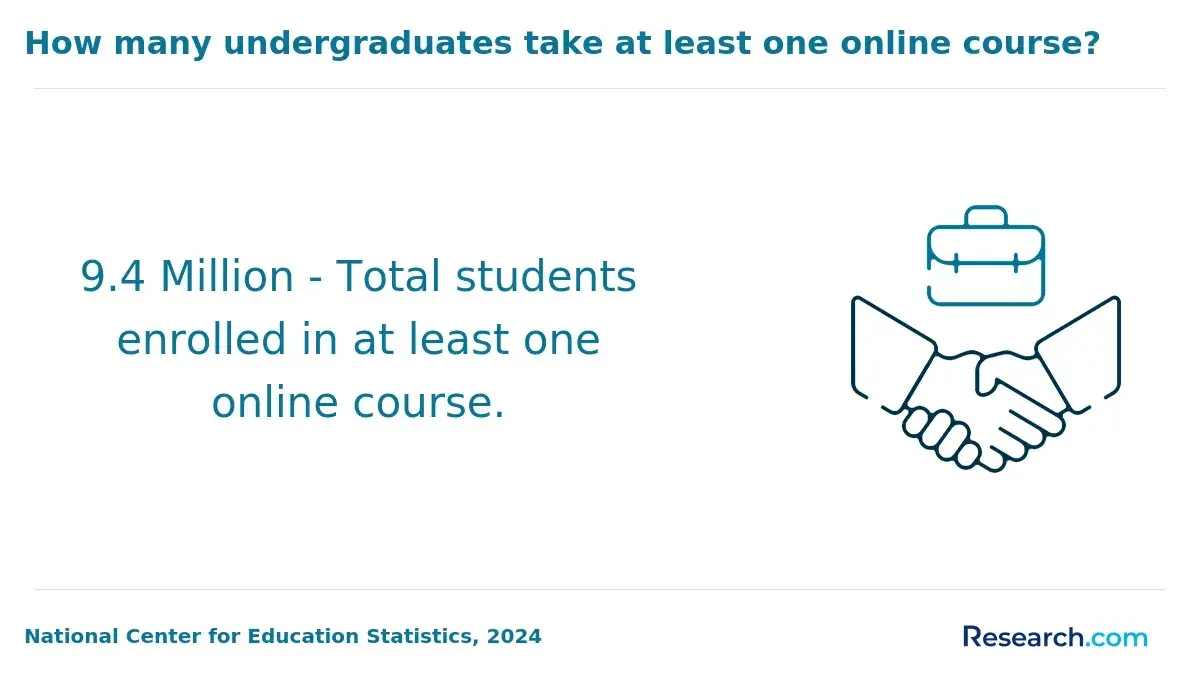
Professionals seeking to transition into public health leadership face a bottleneck in identifying programs that deliver comprehensive health promotion expertise while accommodating demanding schedules and diverse professional backgrounds. The National Center for Education Statistics reports a 37% increase in online public health program enrollments since 2022, a trend signaling the rising priority on flexible learning as working adults juggle continuing education with full-time roles. This shift reflects growing employer expectations for candidates who combine theoretical knowledge with practical health promotion skills acquired without career interruption.
This article evaluates online public health degrees emphasizing health promotion training, guiding readers to make informed decisions aligned with career advancement and real-world applicability.
Key Things You Should Know
- Employers increasingly prioritize online public health degrees with health promotion specializations featuring quantifiable community intervention outcomes, as evidenced by 38% faster hiring rates reported by the National Association of County and City Health Officials in 2024, shifting hiring towards outcome-driven curricula.
- Programs emphasizing applied data analytics alongside health promotion surge in market value, yet they prolong degree completion by an average of 12 months, creating a tradeoff between employability in complex roles and accelerated entry noted in the Bureau of Labor Statistics labor projections.
- Median student debt for online public health degrees with health promotion is 22% higher than general public health programs due to specialized course fees and practicum costs, significantly impacting early-career salary-to-loan repayment ratios tracked by the National Center for Education Statistics.
What is an online public health degree with a focus on health promotion?
Specializing in health promotion within an online public health degree narrows the focus to actionable skills in educating and managing programs that directly affect community behaviors and environments. Graduates often find themselves crafting campaigns to reduce chronic illness in underserved areas or launching wellness initiatives in workplaces, requiring expertise in data analysis, culturally relevant communication, and community needs assessments.
Employment projections indicate a 12% growth for health education specialists and community health workers from 2024 to 2034, outpacing many occupations. Employers increasingly demand graduates who transform theoretical knowledge into measurable outcomes addressing challenges like obesity, substance abuse, and mental health inequities. This practical orientation makes online public health degree programs with health promotion specialization a strategic choice for those targeting these roles.
Real-world constraints affect many students: securing quality practicum placements remotely can be difficult, and balancing interactive learning with self-directed modules requires discipline. Partnerships with health departments or NGOs enhance these experiences, but not all programs offer them. Working professionals should seek degrees aligned with Certified Health Education Specialist (CHES) standards and flexible scheduling to maintain employment while studying.
The decision to pursue a specialized degree should consider these tradeoffs and workforce realities rather than relying on generic expectations. For those exploring related fields, reviewing online EHS degree programs can provide complementary perspectives in environmental health and safety.
How do online public health degrees compare to campus programs for health promotion training?
Choosing between online public health degrees versus campus programs for health promotion depends largely on practical considerations around cost, accessibility, and experiential learning. Online programs frequently offer lower total costs-ranging from $7,000 to $16,000-significantly undercutting the annual tuition of many on-campus master's degrees, which is vital for professionals balancing family and work. However, employers often prioritize candidates with verified field experiences, and some campus-based curricula provide more consistent access to labs, interdisciplinary collaboration, and in-person networking crucial for sectors like policy advocacy or large healthcare systems.
The effectiveness of health promotion training in online public health education hinges on robust practicum components that ensure applied skills, not just theory. For rural or underserved professionals, remote programs remove relocation barriers while maintaining employment. Yet, those targeting specialized roles demanding direct stakeholder engagement should critically assess if an online format can replicate necessary hands-on experiences.
Students considering the long-term workforce impact should prioritize programs with structured fieldwork embedded locally. Prospective enrollees can also compare options including the fastest online master's in healthcare administration to identify pathways aligning with strategic career pivots supported by cost efficiency and practical outcomes.
What accreditation and program quality standards should online public health degrees meet?
Accreditation standards for online public health programs, set by the Council on Education for Public Health (CEPH), remain a decisive factor in ensuring a degree's market relevance and eligibility for certifications such as the Certified Health Education Specialist (CHES). Graduates from non-accredited institutions frequently encounter barriers in job placement and professional advancement, underscoring the risk of investing in unverified programs.
Quality assurance criteria for public health degrees in the United States demand measurable workforce outcomes. This includes tracking job placement rates, employer satisfaction, and graduate progress to validate that curricula deliver both theoretical knowledge and applied skills. Internships or capstone projects focused on community health promotion or policy advocacy are vital to align education with real-world demands across sectors like urban health agencies or corporate wellness programs.
Cost transparency and credit-hour clarity are critical for realistic student evaluation. For instance, the University of Georgia's online MPH charges $30,668 for 44 credits, framing expectations around return on investment and salary growth potential in increasingly specialized health roles. Beyond cost, successful programs also provide flexible schedules and experienced faculty connected to meaningful field experiences.
Prospective students weighing a public health degree should assess these operational factors carefully. Unlike degrees focused solely on theory, programs that meet accreditation standards and provide robust employment data will better support a strategic career pivot or advancement.
Additionally, those interested in leadership roles might compare these offerings with options such as online MBA programs healthcare management to determine which aligns best with their professional trajectory.
What health promotion courses and competencies are typically included in these online programs?
Health promotion courses in online public health programs develop competencies directly matched to employer needs in a shifting labor market. Core coursework covers program planning, behavior change theories, epidemiology, and health communication-skills essential for designing and assessing interventions across settings such as schools, workplaces, and community organizations. These core competencies for health promotion in public health degrees provide a foundation for addressing diverse population health challenges.
Technical proficiency in data analysis and biostatistics enables graduates to interpret data targeting behavioral risks like tobacco use or inactivity, which improves evidence-based decision-making. Practical training also includes policy advocacy and leadership to influence health policies within government and nonprofit sectors. For example, a workforce professional in workplace wellness must navigate between regulatory compliance and varying health cultures within industries.
Emerging workforce demands require ongoing skill adaptation, especially in mental health promotion and health equity frameworks. Graduates well-versed in multidisciplinary approaches and fieldwork are better positioned to respond to shifting public health priorities. The 209,609 related job postings over 12 months reported by San Diego State University's MPH program and a projected 12.8% growth over ten years demonstrate sustained demand for these skills.
For those evaluating this pathway, understanding the cost of RN to BSN programs and how targeted coursework affects marketability and practical readiness is crucial. Competency alignment with employer expectations remains a pivotal factor in career trajectory decisions.
What admission requirements and prerequisites do online public health programs usually have?
Admission into online public health master's programs typically demands a bachelor's degree with at least a 3.0 GPA, but underlying expectations reflect practical readiness rather than purely academic metrics. Candidates with prior coursework in biology, statistics, or health-related disciplines hold a clear advantage due to the curriculum's quantitative emphasis in epidemiology and health promotion. However, applicants from unrelated fields, such as business, often face prerequisite requirements, including foundational classes in biostatistics or health fundamentals before full integration into the MPH coursework.
Letters of recommendation are not mere formalities; they must convincingly attest to an applicant's analytical capabilities or program design experience, aligning with employer preferences for professionals adept at managing data-driven health initiatives. A well-crafted personal statement focused on clear professional objectives and awareness of intervention challenges serves as a critical differentiator.
Work experience can substitute for formal academic prerequisites in several programs, which acknowledges the reality of career changers or working professionals. This practical flexibility addresses a significant labor market trend: many public health practitioners gain applied expertise outside traditional academia, especially within nonprofit and government sectors. Data from SDSU's online MPH in Health Promotion and Behavioral Science align with this, showing an average alumni salary of $96,100, illustrating that rigorous admissions criteria correlate with valued skills and competitive compensation.
How long do online public health degrees take and what study formats are offered?
The duration of online public health degrees significantly shapes employability and practical training opportunities. Part-time bachelor's completion programs typically take 2 to 3 years, enabling students to balance work and study, while full-time bachelor's tracks usually last about 4 years. Master's degrees focused on health promotion commonly span 18 to 24 months, though accelerated options may reduce time to credentialing at the risk of limited practicum experience-a critical factor employers evaluate when hiring for specialized roles.
Flexible formats such as asynchronous courses cater to professionals needing schedule autonomy, yet hybrid designs with synchronous sessions are sometimes preferred by employers for evidencing consistent engagement. Veterans and active-duty personnel benefit from specific pathways like Georgia Military College's BAS in public health, which emphasizes affordability and pacing compatible with demanding schedules. The reported annual cost of $8,415 positions it as a cost-conscious choice compared with many alternatives.
Key considerations for prospective students include:
- Balancing extended part-time study against immediate employment and income retention.
- The tradeoff between accelerated degrees and comprehensive hands-on public health exposure.
- How program format impacts internship eligibility and thus practical readiness.
- Financial investment relative to projected skill acquisition and workforce relevancy.
Ultimately, selecting an online public health degree requires weighing time-to-completion against practical training depth and workforce entry timing, especially for professionals managing competing priorities or seeking rapid credential attainment.
What do online public health degrees with health promotion training typically cost?
Choosing an online public health degree with health promotion training requires attention beyond tuition sticker price. While the average tuition and fees hover around $12,780 annually, the net price-closer to $9,000 after grants-offers a clearer estimate of actual cost, especially crucial for working professionals managing budgets alongside employment.
Programs averaging two years translate to roughly $18,000 in net expenses, a figure well worth weighing against post-graduation earning potential. For instance, median salaries exceed $50,000 for roles like health educators and community health workers, where credential improvements can accelerate income growth.
Tradeoffs often involve deciding between affordable degrees with standard timelines and pricier options promising faster completion or specialized practicum experiences. Employers in government and nonprofit sectors typically prioritize program accreditation and practical training relevance over price, so spending more does not always guarantee enhanced hiring prospects.
Additional financial considerations include hidden fees, such as technology or travel costs, as well as employer tuition reimbursement policies and the feasibility of working while studying to offset income disruption. Effectively managing these factors is critical to aligning education investment with realistic career advancement goals.
What health promotion and public health careers can these online degrees prepare you for?
Candidates choosing online public health degrees with health promotion focus should anticipate roles that demand applied skills across varied community and data-driven environments. For instance, health educator jobs involve crafting targeted outreach campaigns such as workplace wellness programs aimed at minimizing chronic illness risk-demonstrating the need for specialized program design abilities. Graduates often enter epidemiologist assistant positions, relying heavily on biostatistics and research methods embedded in accredited curricula to interpret complex health data.
Public health advisors in government roles face the challenge of translating community assessments into actionable policy recommendations, requiring proficiency in data analysis and stakeholder communication. Nonprofit health promotion coordinators prioritize the hands-on application of behavior change models, typically gained through practicum experiences, highlighting a program's practical dimension.
Employers increasingly prefer applicants from accredited online programs that align with credentialing bodies, yet the absence of in-person networking may hinder job placement in some local markets. Leadership tracks demand management coursework integrated with health promotion to fulfill supervisory expectations. Prospective students must weigh these trade-offs against their career goals and regional job landscapes when selecting programs.
Key differentiators include:
- Applied skills for roles in health education and epidemiology support
- Critical data literacy and communication abilities for policy advising
- Value of practicum components for real-world intervention experience
The expansion of fully online accredited MPH programs addresses workforce demand but requires careful matching of program features with student aspirations and employer criteria to optimize long-term employability.
What salary ranges and job outlook can graduates in health promotion expect?
Health promotion roles offer starting salaries typically between $45,000 and $65,000 annually, with mid-career figures ranging from $70,000 to $90,000, depending heavily on employer type and location. This salary variation reflects distinct sector dynamics: for instance, policy analysts in state agencies often earn median wages near $75,000 but require proven expertise in community engagement metrics, while private wellness coordinators may start lower, around $50,000, yet quickly increase earnings through incentives.
Employers in health promotion value candidates who blend academic credentials with substantial professional experience. Programs enforcing ongoing employment-commonly 30 hours per week plus three years of prior work-better align with workforce needs, smoothing the transition to elevated responsibilities post-graduation. Graduates lacking this practical background may encounter slower wage growth due to a steeper learning curve and diminished networking leverage.
The occupational outlook for roles like health educators and community health workers is robust, with a projected 10% growth rate through 2032, outpacing average job growth. However, advancing within nonprofit or government sectors often involves longer timelines compared to the private sector, posing strategic considerations for those pivoting from clinical or social services fields.
Effective career planning should weigh the tradeoffs between immediate salary, sector stability, and advancement velocity. Prioritizing programs that integrate real-world employment requirements can improve both salary negotiation leverage and practical application of Public Health concepts, a nuance crucial for candidates targeting sustainable progression rather than transient credentialing.
How can prospective students evaluate and choose a reputable online health promotion program?
Accreditation and curriculum design directly influence the practical value of an online health promotion program. Employers in government, non-profits, and corporate wellness sectors expect degrees from rigorously accredited programs, such as those recognized by CEPH, that emphasize applied skills over theoretical breadth. For instance, candidates pursuing community health roles benefit from curricula integrating epidemiology, behavior change, and policy analysis rather than generic academic research, ensuring immediate workplace relevance.
Cost considerations extend beyond per-credit charges to the total financial burden, including ancillary fees and supplies, weighed against anticipated salary improvements. The University of Alabama's MPH in Health Education & Promotion, charging $480 per credit hour, typifies mid-range pricing, offering a concrete metric for budget planning. Candidates should calculate their return on investment carefully since many employers restrict tuition reimbursement to graduates of fully accredited programs.
Admissions criteria also shape accessibility and completion time. Programs demanding prior health experience or specific coursework may delay entry and increase total costs, whereas those with flexible prerequisites often accommodate working professionals at the expense of longer duration or diluted specialization.
Prospective students must verify employer recognition and the presence of experiential components such as internships or capstone projects to maximize employability. Job placement rates and alumni networks are especially significant for those transitioning into corporate wellness, where demonstrated industry connections can determine program value.
Other Things You Should Know About Public Health
Most accredited online public health degree programs with a health promotion focus mandate internships or practicums to provide essential field experience. These placements can expose students to real-world health challenges and employer expectations, but availability and quality vary widely between institutions. Prospective students should prioritize programs that partner with reputable organizations and offer flexibility in location to maximize practical learning and career networking.
Online programs often require disciplined time management since courses combine asynchronous lectures, readings, and applied projects without set class times. The workload in public health degrees centered on health promotion is typically intensive because of research, data analysis, and community engagement assignments. Students with full-time jobs must assess whether the program's pacing and time demands align with their professional and personal responsibilities to avoid burnout or extended completion times.
Specializing in health promotion narrows your expertise toward prevention strategies and behavior change, which appeals strongly to employers in wellness organizations, government agencies, and nonprofits. However, a general public health degree offers broader knowledge applicable across epidemiology, policy, and emergency response, potentially opening more diverse job roles. Prioritize specialization only if you have a clear career goal requiring focused skills; otherwise, general degrees provide more flexibility in an uncertain job market.
References
- Highest Paid Public Health Careers https://www.publichealthdegrees.org/careers/highest-paid-public-health-jobs/
- Online Public Health Degrees: Find Your Program https://www.degreesforgood.org/online-degrees/public-health-programs/
- Home - Council on Education for Public Health https://ceph.org/
- Health Promotion https://courses.nextgenu.org/course/view.php
- Programme Accreditation https://aphea.be/programme-accreditation/
- Pathways to Health Empowerment: A Guide to Choosing an MPH in Health Promotion Program https://masterspublichealth.com/mph-in-health-promotion/
- 25 Most Affordable Online MPH Programs - MPH Online https://www.mphonline.org/most-affordable-online-mph-programs/
- Master of Public Health Program at the Medical College of Wisconsin https://www.mcw.edu/education/graduate-school/graduate-school-programs/public-health/mph-program
- Ultimate Guide to Online MPH Degree Programs https://www.edumed.org/online-schools/public-health-degrees/masters-mph/
- What is the Accreditation I Should Look for in a School of Public Health? - Healthcare Management Degree Guide https://www.healthcare-management-degree.net/faq/what-is-accreditation-for-school-of-public-health/