2027 Program Management Roles You Can Target With a Public Health Degree

Co-Founder and Chief Data Scientist
Securing a program management role in public health often hinges on navigating complex credential requirements and varying employer expectations. Nearly 60% of public health program managers report that advanced degrees and specific skill certifications significantly impact their hiring prospects, a trend documented by the Bureau of Labor Statistics in its latest workforce study. This data highlights a competitive environment where candidates must strategically select programs offering flexible schedules, practical training, and recognized qualifications-especially crucial for mid-career professionals balancing work and education.
This article identifies targeted program management roles aligned with a public health degree and evaluates pathways tailored to optimizing career mobility and employability.
Key Things You Should Know
- Projected 11% growth in U.S. public health management jobs through 2031 per BLS intensifies competition, requiring candidates to balance advanced credentials with practical data analytics skills for employer preference.
- Employers prioritize interdisciplinary experience combining epidemiology and health informatics, signaling a shift that narrows roles for candidates without cross-sector project leadership, raising workforce entry barriers.
- Average graduate program costs rose 12% since 2022, per NCES, increasing financial strain and elongating ROI timelines, especially as sector budgets tighten post-pandemic, impacting timing for mid-career transitions.
Which public health roles involve program management?
Program management positions in public health sector require navigating complex operational and regulatory challenges that often exceed generic management skills. For example, a public health program manager coordinating a statewide vaccine distribution must balance federal compliance with local logistical constraints, a scenario demanding both adaptive problem-solving and precise stakeholder coordination.
Employers in government, non-profit, hospital, and private sectors seek professionals skilled in data-driven decision-making, budgeting, and maintaining grant compliance while delivering measurable health outcomes. Managing risk and customizing interventions across diverse populations-such as rural versus urban communities-adds layers of complexity that influence program success and community impact.
In 2024, the median advertised salary for public health program managers in the U.S. was $75,648, reflecting the premium placed on operational leadership within this specialization. Candidates aiming at public health program management careers must prioritize hands-on experience with federal initiatives, including CDC or CMS projects, alongside proficiency in project management software and epidemiological methods.
Prospective professionals should be aware that employers highly value the ability to integrate quantitative evaluation with meaningful community engagement. Practical exposure to these aspects differentiates applicants in a competitive market. Those exploring educational pathways should also consider accelerated options, such as a fast track mental health counseling program, to complement their skill set or pivot strategically within the public health field.
What jobs can you get with a public health degree?
Roles tied to a public health degree, such as healthcare program manager or epidemiology coordinator, demand nuanced operational skills beyond academic theory. For instance, managing a vaccination rollout involves juggling supply logistics with community outreach while ensuring compliance with regulations-a core example of public health program management careers in the US requiring both strategic oversight and tactical agility.
The U.S. Bureau of Labor Statistics forecasts a 23% growth in employment for medical and health services managers from 2024 to 2034, emphasizing strong demand specifically in healthcare program management roles. Navigating government bureaucracy versus private sector flexibility requires candidates to develop proficiency in budgeting, staff coordination, and data-driven evaluation.
Health policy analysts translate complex research into actionable policy, often shaping legislation at local or state levels. Such positions demand solid quantitative skills and practical experience, highlighting the advantage of internships or roles in health departments.
Tradeoffs exist between pursuing advanced degrees and acquiring relevant hands-on experience, with employers highly valuing both analytic competence and operational know-how. Career pivots in this competitive space call for mastering project management alongside public health expertise to meet real-world expectations.
For those weighing educational options, exploring online programs for healthcare administration can balance flexibility with industry relevance, aiding strategic advancement within high-demand jobs for public health degree holders.
What education do public health program managers need?
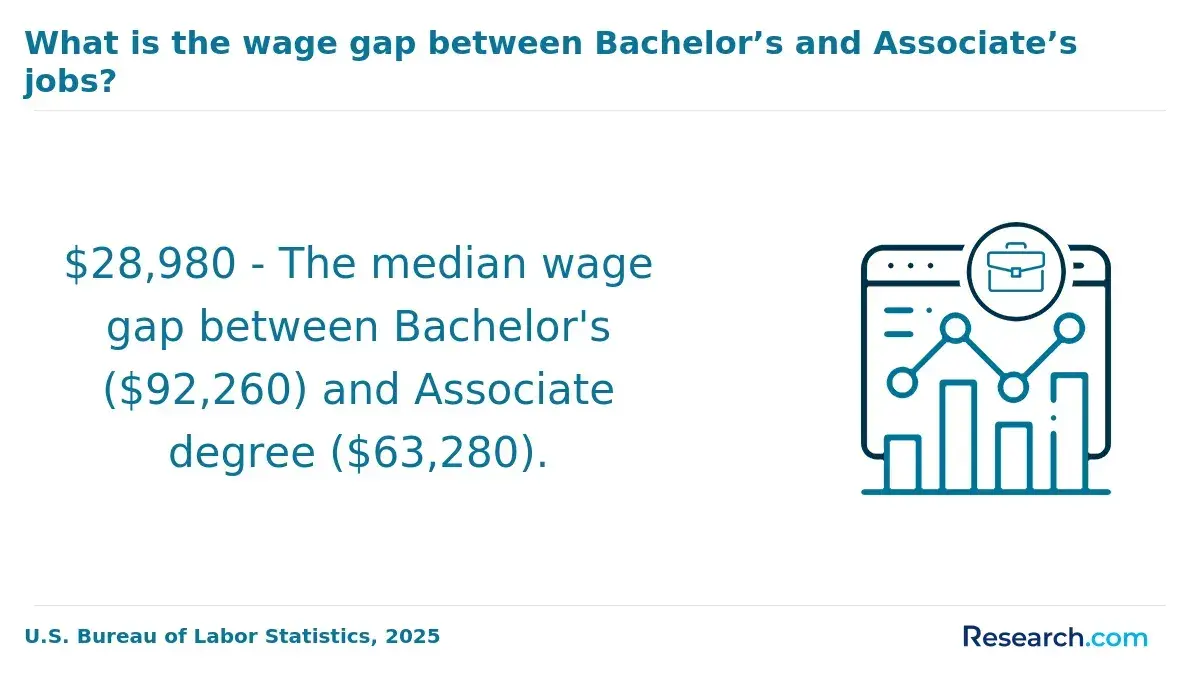
Advancing into public health program management often demands more than a bachelor's degree in public health or related fields like health administration or epidemiology. The degrees needed for public health program management increasingly include master's credentials due to employer preference for candidates who combine theoretical knowledge with practical skills in biostatistics, program planning, and community health. A typical scenario is a program manager at a community health center who must competently analyze intervention data and simultaneously oversee budgets and lead diverse teams-capabilities rarely mastered through coursework alone.
Internships or practicum experiences in clinical, government, or nonprofit settings are essential to bridge this gap. Employers also look for certifications such as Certified Health Education Specialist (CHES), which supplement but do not replace educational credentials. The public health program manager educational requirements reflect these layered demands, and the market projects a 7% job growth in community health program roles from 2024 to 2034, emphasizing persistent competition for well-prepared candidates.
Practical challenges for applicants include securing applied fieldwork early and developing financial oversight expertise. Without these, graduates often face hurdles transitioning directly into management. Strategic choice of accredited programs offering integrated practicum elements and networking opportunities significantly improves employability. For working professionals exploring cost-effective advancement routes, considering options like the cheapest online MBA healthcare management can provide focused skills aligned with employer expectations.
Which public health degree programs are best for management careers?
Leadership roles in health management demand competencies beyond foundational public health knowledge-strategic budgeting, program evaluation, and cross-sector coordination are essential. Notably, the best public health degrees for healthcare management emphasize practical skills like health policy analysis and global health oversight to prepare professionals for multisector challenges.
A key workforce consideration is the credential's accreditation status. Programs accredited by the Council on Education for Public Health (CEPH) maintain rigorous standards in epidemiology, biostatistics, and health systems management, aligning curricula with employer expectations and enabling eligibility for senior-level positions.
Marshall University's 2025 MPH career guide reports that specialized global and international health tracks can command median salaries around $148,000 annually, highlighting the financial upside for those pursuing focused management roles within NGOs and government agencies.
Balancing work with education often leads prospective managers to seek flexible formats, such as part-time or online degrees that incorporate practicum partnerships bridging theory and applied leadership. For some, pairing public health studies with business or public administration components widens strategic career pathways by strengthening quantitative and financial management expertise.
Applicants exploring transitions might also consider related programs, such as the cheapest direct entry MSN programs, which may offer alternative routes to healthcare leadership without requiring prior nursing credentials.
How do online and campus public health programs compare?
Deciding between online and campus public health programs hinges on balancing flexibility with hands-on experience, both vital yet distinctly delivered. Online formats accommodate employed professionals by offering schedule adaptability and reducing relocation needs; however, they often rely on virtual practicums and may necessitate supplementary local internships to attain comparable experiential depth to campus programs.
Campus-based degrees provide direct access to labs, peer collaboration, and networking opportunities essential for roles in local health departments and epidemiology. For example, epidemiologist positions are projected to grow by 16% through 2034, demanding leadership in infectious and chronic disease program management, a fact highlighted by an Epidemiology Program Manager at Eastern Washington University. Employers prioritize practical management experience, which campus students usually gain more readily through structured mentorship and institutional resources.
Key tradeoffs include:
- Online programs minimizing career disruption but requiring self-discipline and proactive practicum arrangements.
- Campus programs offering intensified direct skill-building and networking with higher time and geographic commitments.
- Both pathways necessitating accreditation validation aligned with employer requirements for program management scope.
Choosing the appropriate mode depends on your current job commitments, career stage, and targeted competencies. Those seeking rapid credentialing to pivot roles may favor online options, while candidates aiming for community-focused or lab-intensive positions benefit from campus immersion despite added logistics.
What coursework prepares you for program management work?
Program management coursework in public health revolves around applied skills essential for navigating complex operational environments. Students acquire expertise in designing, implementing, and evaluating interventions through courses like program planning and evaluation. Epidemiology instruction grounds decision-making in quantitative data, which is critical when optimizing resource allocation in government agencies or community health centers facing budget constraints.
Financial management classes address a key workforce challenge: maximizing impact under tight fiscal conditions typical of nonprofit and public-sector settings. Leadership and organizational behavior coursework prepares students to coordinate diverse teams, a necessary capability when aligning clinicians, policymakers, and community members toward shared objectives.
Policy analysis fosters adaptability to shifting regulatory frameworks, while health informatics prepares managers to handle electronic data systems-missteps in which can severely compromise program effectiveness. Graduates entering roles such as health services managers can expect median salaries up to $117,960, with employment growth projected at 23% from 2024 to 2034, signaling sustained demand for these competencies.
The balance between theoretical foundations and real-world technical skills often determines graduates' effectiveness in the field. For example, without solid budgeting skills, even a well-designed intervention risks premature termination. Students and professionals should weigh these practical outcomes when selecting coursework within public health program management.
What admissions requirements do public health programs have?
Admission requirements for public health programs create distinct gateways that influence how quickly applicants access relevant roles. Bachelor's programs often require strong high school performance; however, many institutions have relaxed standardized testing demands, creating greater flexibility. A bachelor's degree in any field can suffice for master's-level admission, though backgrounds in biology, statistics, or social sciences materially improve acceptance chances and readiness for core coursework.
Programs typically request GRE scores, recommendation letters, and personal statements articulating clear professional objectives. For example, Pennsylvania's 2024 guidelines permit grant- and contract-focused public health managers to qualify with a bachelor's plus three years of specialized program experience, illustrating how practical experience can substitute for advanced degrees in certain roles.
Doctoral admission prioritizes master's degrees, GRE scores, and research capability, often requiring a sharper academic and scholarly record. Choosing between pursuing early program management via experiential learning versus investing in graduate credentials reflects a tradeoff with tangible impacts on timelines and career options.
Applicants who lack direct public health experience should target internships, certifications, or job roles offering applied skills in data analysis, grant writing, and community outreach to remain competitive. Employers increasingly demand this blend, emphasizing versatility over academic credentials alone in public health workforce selection.
How long does a public health degree take and cost?
Choosing between a bachelor's and master's degree in public health often boils down to the immediate workforce role and long-term career trajectory. Entry-level positions in program management may accept a bachelor's degree but expect substantial on-the-job experience to compensate for academic breadth. Conversely, leadership roles-such as directors in nonprofit organizations or federally qualified health centers (FQHCs)-frequently demand a master's degree paired with demonstrated leadership capacity.
Educational timelines vary significantly: bachelor's degrees typically require four years, while master's programs take one to two years. Accelerated or part-time formats add flexibility but may extend overall completion dates. Direct costs for undergraduate study range from $30,000 to $60,000 in public institutions for in-state students, with private institutions often charging over $100,000. Graduate program costs span roughly $20,000 to $70,000 depending on institution and location.
Practical expenses beyond tuition-such as unpaid internships, certification fees, and relocation-can affect both affordability and time commitment. Balancing full-time employment with study is a common challenge affecting program pace and completion. Career pathways also differ:
- Nonprofit public health NGO directors tend to earn steady but moderate salaries.
- Private-sector program managers can exceed $120,000 annually but usually require advanced degrees and specialized skills.
Aligning educational investment with role expectations and realistic earning prospects is vital. Absent this strategic fit, students risk longer education durations, higher debt burdens, and stalled career momentum.
What salaries do public health program managers earn?
Salary outcomes for public health program managers vary significantly depending on specialization, geographic location, and employer type. Environmental health program managers, for example, typically earn between $63,000 and $117,960, reflecting data from PublicHealthDegrees.org's 2025-26 report. Those managing urban environmental health initiatives often reach the upper salary spectrum due to heightened regulatory complexity and cost-of-living factors, while rural positions offer more modest but stable compensation.
Employers increasingly prioritize candidates with advanced project management credentials such as PMP or Six Sigma, which can elevate salaries beyond median rates. Nonprofit sectors tend to cap salaries lower than government or private agencies, demanding strategic consideration for candidates aiming to maximize earnings.
Budget scale directly impacts compensation: overseeing multimillion-dollar, grant-funded projects typically pushes salaries to $100,000 or above and requires substantial post-master's experience. Public health managers must balance technical expertise with fiscal oversight, staffing, and compliance obligations, often under multi-stakeholder pressure.
- Urban managers contend with complex regulatory frameworks alongside higher salaries.
- Rural managers trade off salary for steady employment and less regulatory burden.
- Certification and experience strongly influence earning potential.
- The sector and employer type impose distinct salary ceilings.
Prospective students and professionals should weigh initial salary prospects against the demands and growth potential unique to their chosen public health trajectory.
How can you choose an accredited public health program?
Employers in public health consistently prioritize degrees accredited by the Council on Education for Public Health (CEPH) because this certification signals that graduates possess validated, industry-aligned competencies. For instance, state health departments typically require CEPH accreditation for roles like Health Education and Promotion Program Manager, ensuring candidates meet recognized credentialing standards. Without this accreditation, graduates may face significant barriers such as limited job eligibility, ineligibility for federal financial aid, and difficulties transferring credits or entering specialized graduate programs.
Beyond accreditation, the relevance of curriculum to core competencies defined by bodies like the National Commission for Health Education Credentialing heavily influences employability. Programs that develop applied skills in epidemiology, data analysis, and program planning prepare students for a 32% projected growth in management roles within health services by 2030, as per labor market data from Brookline College.
Consider a working professional aiming to shift toward leadership in hospital-based health education. Selecting a CEPH-accredited program offering flexible scheduling and healthcare practicum placements enables balancing employment with skill acquisition and networking-advantages that non-accredited programs rarely provide. Conversely, generic or non-CEPH programs often delay career progression due to employer skepticism and misaligned learning outcomes.
To optimize employment prospects in this fast-growing sector, confirm CEPH accreditation first, then evaluate curriculum alignment with workforce demands and experiential opportunities that bridge theory and practice.
Other Things You Should Know About Public Health
Managing public health programs requires balancing limited resources against diverse community needs, often under tight regulatory scrutiny. Program managers must navigate complex funding streams and maintain compliance with governmental and grant reporting standards, which can slow implementation. Prioritizing interventions often involves difficult tradeoffs between short-term impact and long-term sustainability, especially in underserved populations. Expect a significant portion of your workload to focus on stakeholder coordination and data-driven decision-making rather than direct service delivery.
In 2027, a public health degree can lead to roles such as Health Program Administrator, Community Health Program Manager, Health Services Manager, and Public Health Policy Analyst. These positions involve developing, implementing, and evaluating public health initiatives and policies.
Specializing in areas like epidemiology, environmental health, or health equity may improve employability within certain agencies or nonprofits, where deep subject knowledge influences funding and stakeholder trust. However, broader program management skills offer greater flexibility across settings and program types, which often equates to more job opportunities and upward mobility. For career stability, prioritize gaining versatile project management and data analysis skills alongside your chosen specialty to remain competitive as funding priorities shift.
Employers expect proficiency with software tools for data management, communication platforms, and sometimes geographic information systems (GIS). Practical experience coordinating multidisciplinary teams and managing community relationships often outweighs academic credentials alone. Strong documentation habits and adaptability to evolving public health challenges rank high in hiring decisions. Prioritize internships, volunteer projects, or work experience that demonstrate these real-world skills to align with employer priorities.
References
- Project/Program Management Jobs in Public Health https://www.publichealthcareers.org/jobs/project-program-management/us-al-birmingham/
- Accreditation https://aspph.org/what-we-do/education/accreditation/
- List of Accredited Schools and Programs - Council on Education for Public Health https://ceph.org/about/org-info/who-we-accredit/accredited/
- Careers https://www.publichealthdegrees.org/careers/
- Top 10 International Public Health Careers - MPH Online https://www.mphonline.org/best-international-public-health-jobs/
- How to choose a bachelor's in public health | edX https://www.edx.org/resources/how-to-choose-a-bachelors-in-public-health
- Top 5 Must Have Project Management Training Courses for Every Project Manager https://zoetalentsolutions.com/top-5-must-project-management-training-courses-every-project-manager/
- Public Health Program Manager Salary (June 2026) | Together SC https://jobs.togethersc.org/salary/public-health-program-manager
- 15 Best Bachelors in Public Health Administration - Healthcare Administration Degree Programs https://www.healthcare-administration-degree.net/best/bachelors-in-public-health-administration/
- What does a Public Health Program Manager do? Career Overview, Roles, Jobs | APOS https://careers.apos-society.org/career/public-health-program-manager